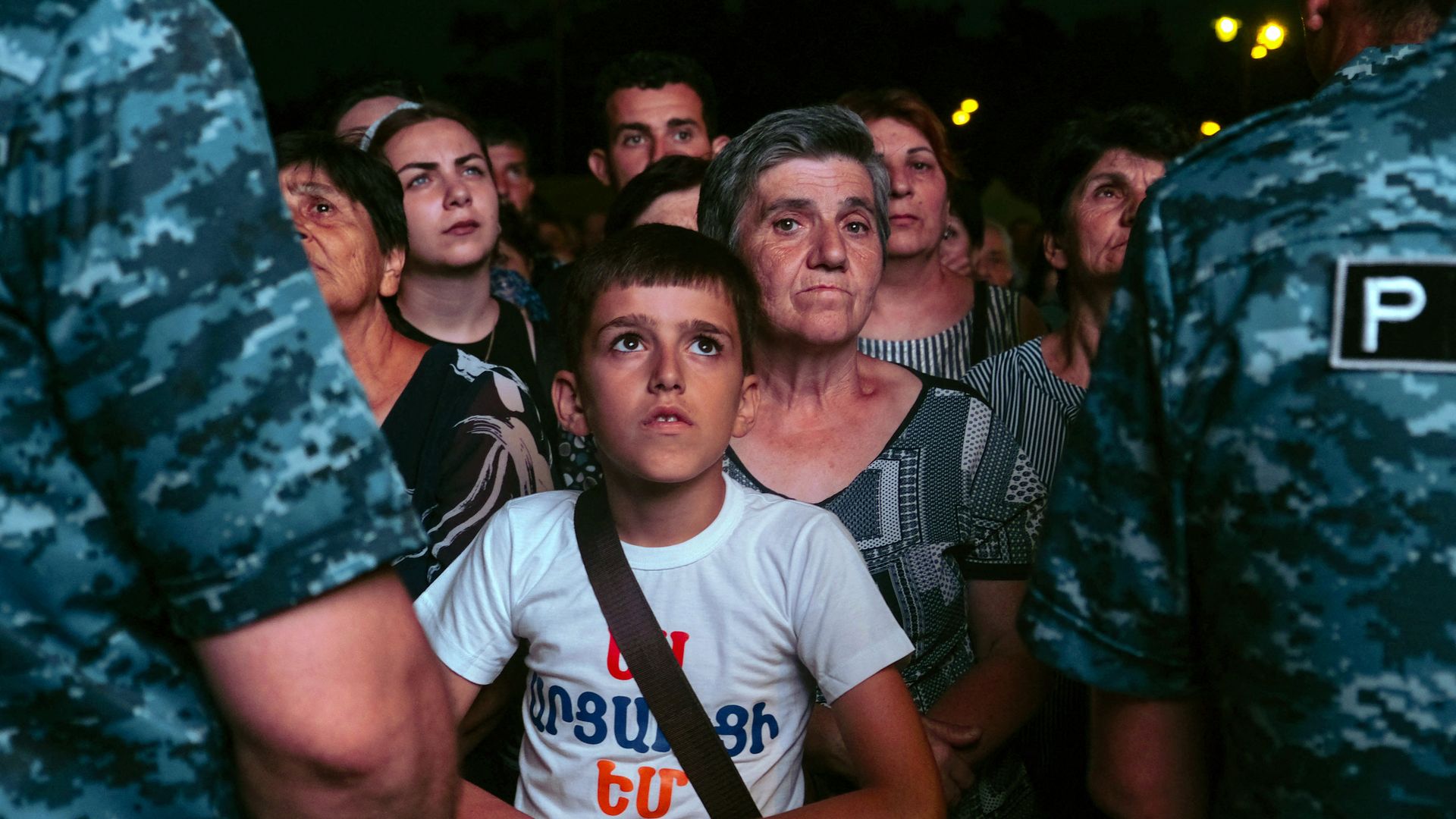
The U.S. and other countries are facing growing pressure to do more to stop Azerbaijan's blockade of the Nagorno-Karabakh region, where a former chief prosecutor of the International Criminal Court recently determined ethnic Armenians are facing genocide.
The big picture: The blockade has left about 120,000 people largely without food, medicine, drinking water and other essentials, despite more than a dozen large trucks loaded with aid ready to enter the region.
Beijing is caught between rolling out more stimulus to prop up the Chinese economy, or pulling back government incentives that fueled the real estate bubble — and risking a deeper economic slowdown that could create social unrest, experts say.
Why it matters: China has already reported a slew of weak economic data. A collapse in the financial and real estate sectors could plunge the country into recession.
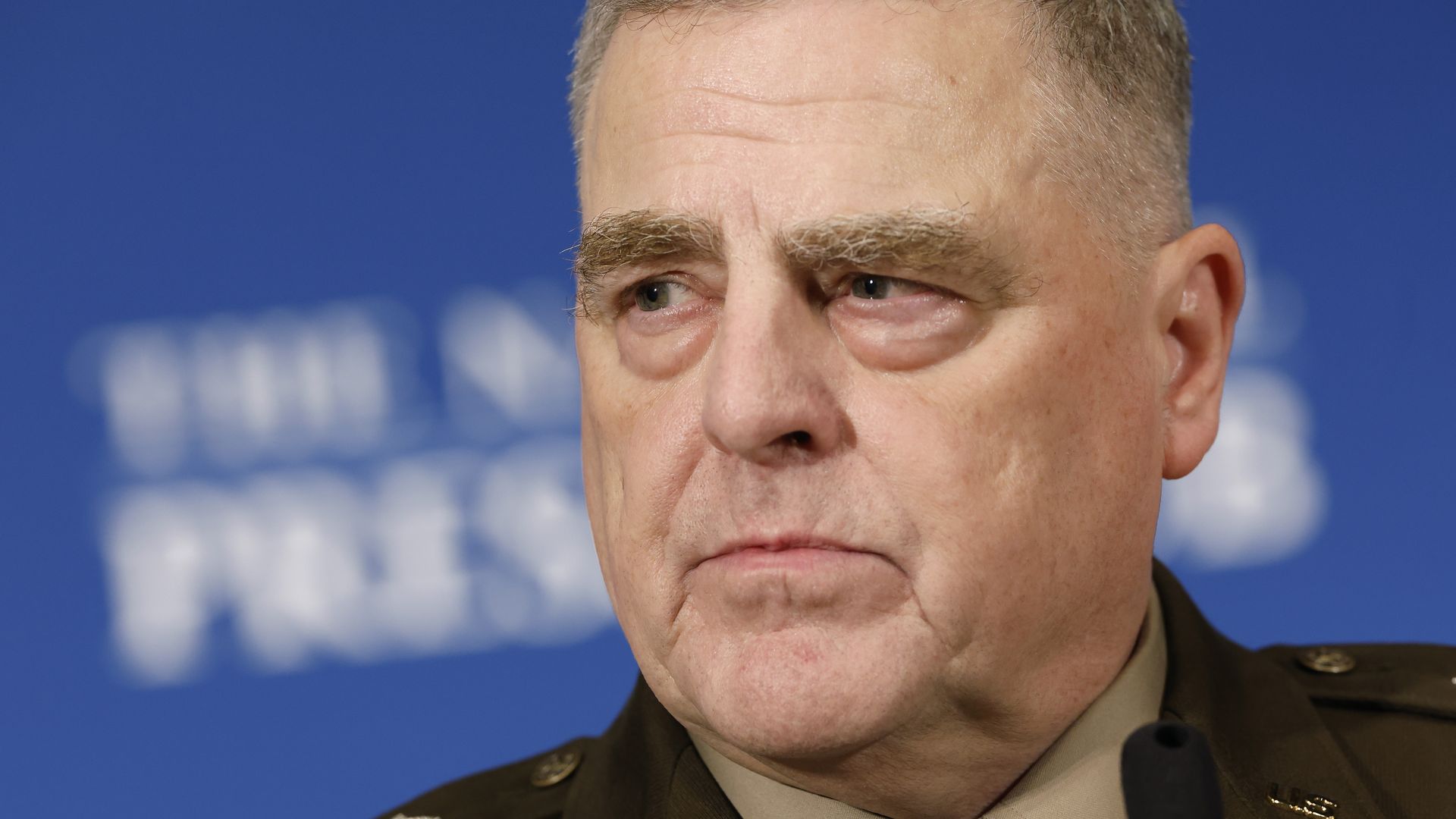
Gen. Mark Milley, the chair of the Joint Chiefs of Staff, will travel to Israel next week amid growing concerns inside the Biden administration about how the Netanyahu government's judicial overhaul is affecting the Israeli military, two Israeli officials told Axios.
Why it matters: Thousands of Israeli reservists have suspended their service over their opposition to the right-wing government's weakening of the country's Supreme Court. Milley's visit will enable the Biden administration to assess first-hand how deep the crisis inside the IDF goes, and whether it could have any implications for U.S. forces in the Middle East.
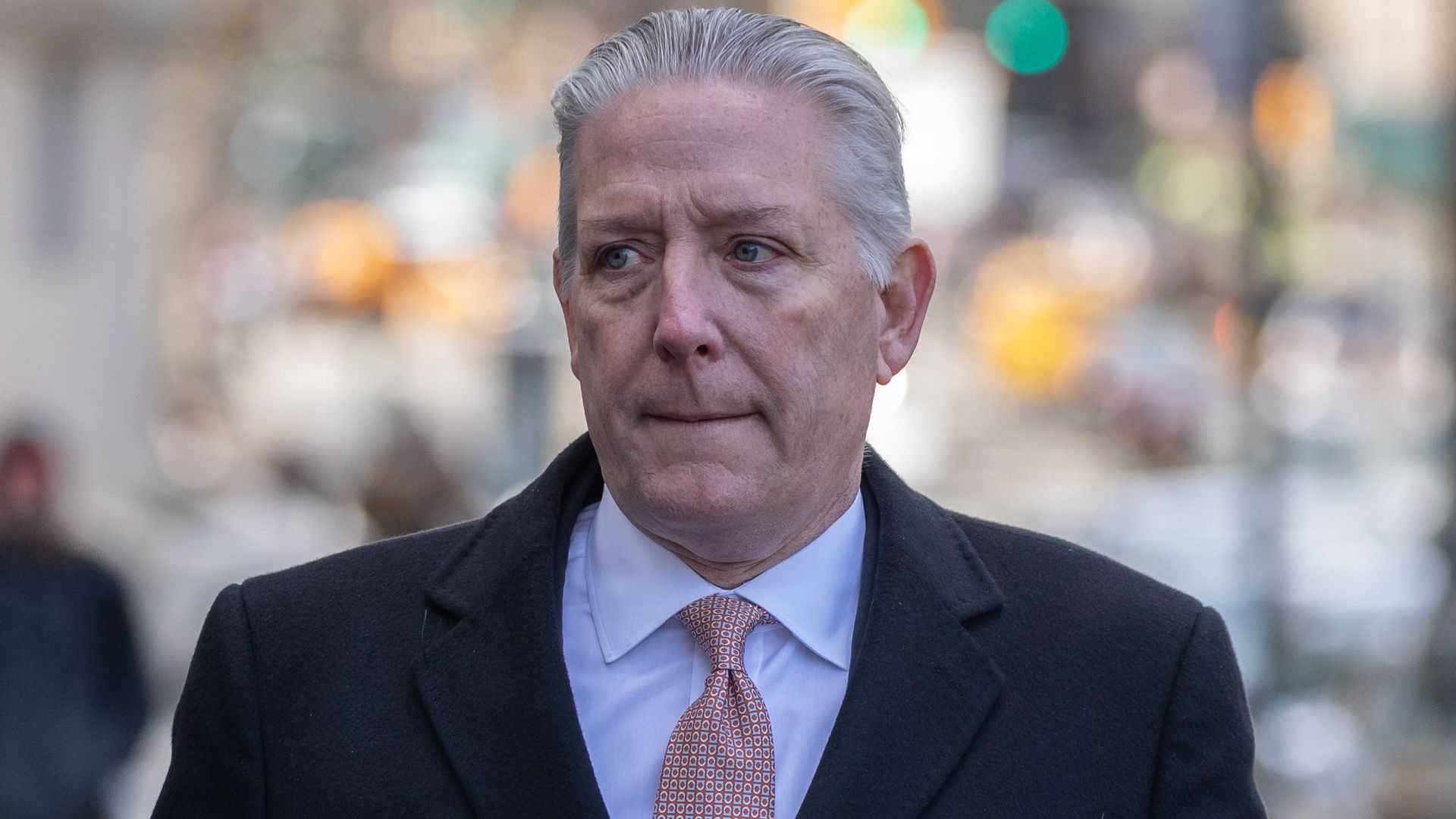
A former FBI special agent in charge of counterintelligence at the bureau's New York Field Office pleaded guilty on Tuesday to multiple charges in connection to working with a sanctioned Russian oligarch in 2021, the Department of Justice announced.
Driving the news: Charles McGonigal, 54, pleaded guilty to one count of conspiracy to violate U.S. sanctions and one count of conspiracy to commit money laundering as part of his agreement to provide services to Russian billionaire Oleg Deripaska.
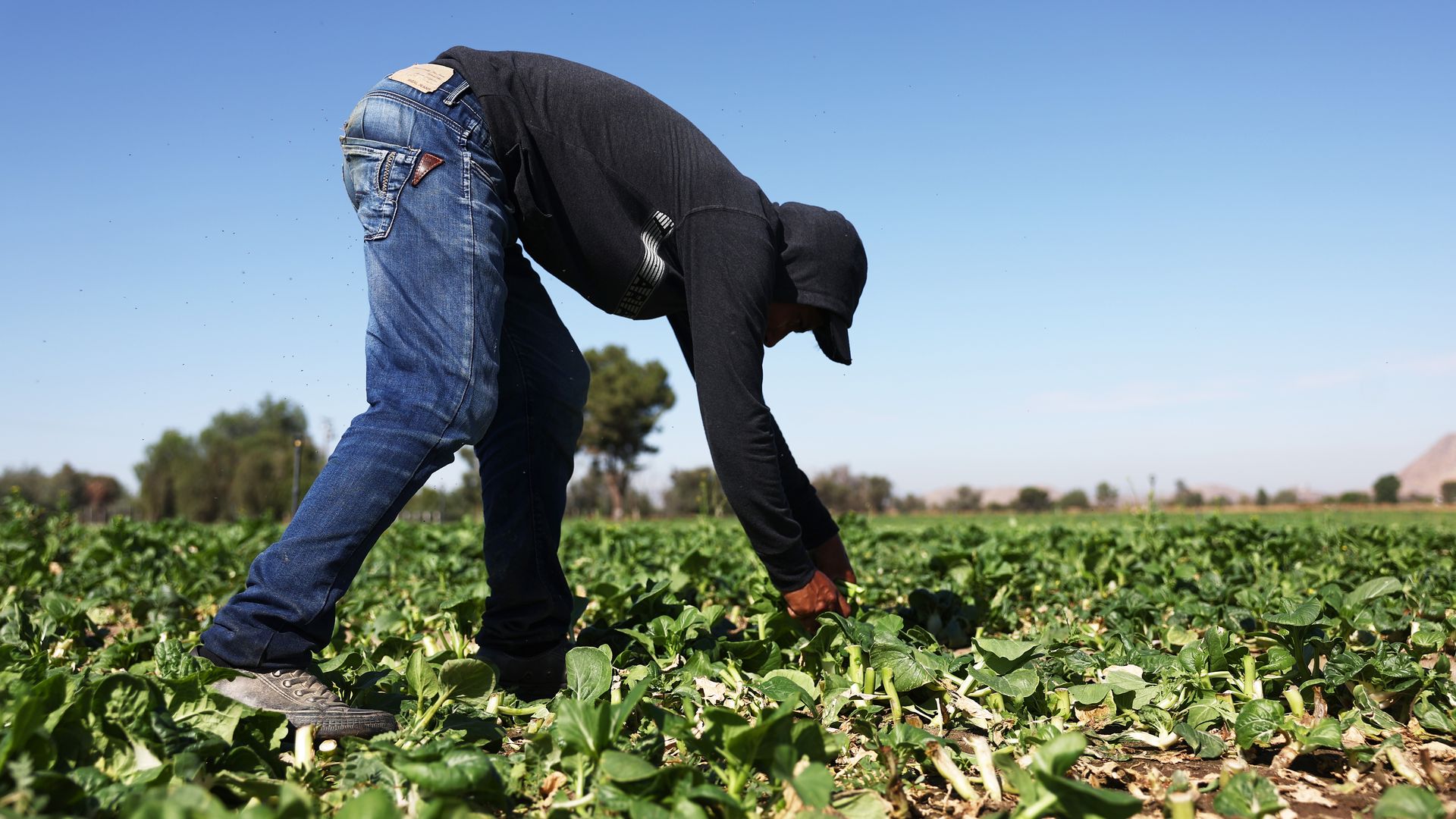
Workers' advocates are urging local, state and federal governments to implement safety standards to protect the physical and mental well-being of Latinos who work under unrelenting heat conditions.
Driving the news: Farmworkers — the majority of whom in the U.S. are Latino — and others who work outside are especially vulnerable to the heat waves gripping parts of the country. Farmworkers in particular are more likely to die from heat stress than other outdoor workers, studies have found.
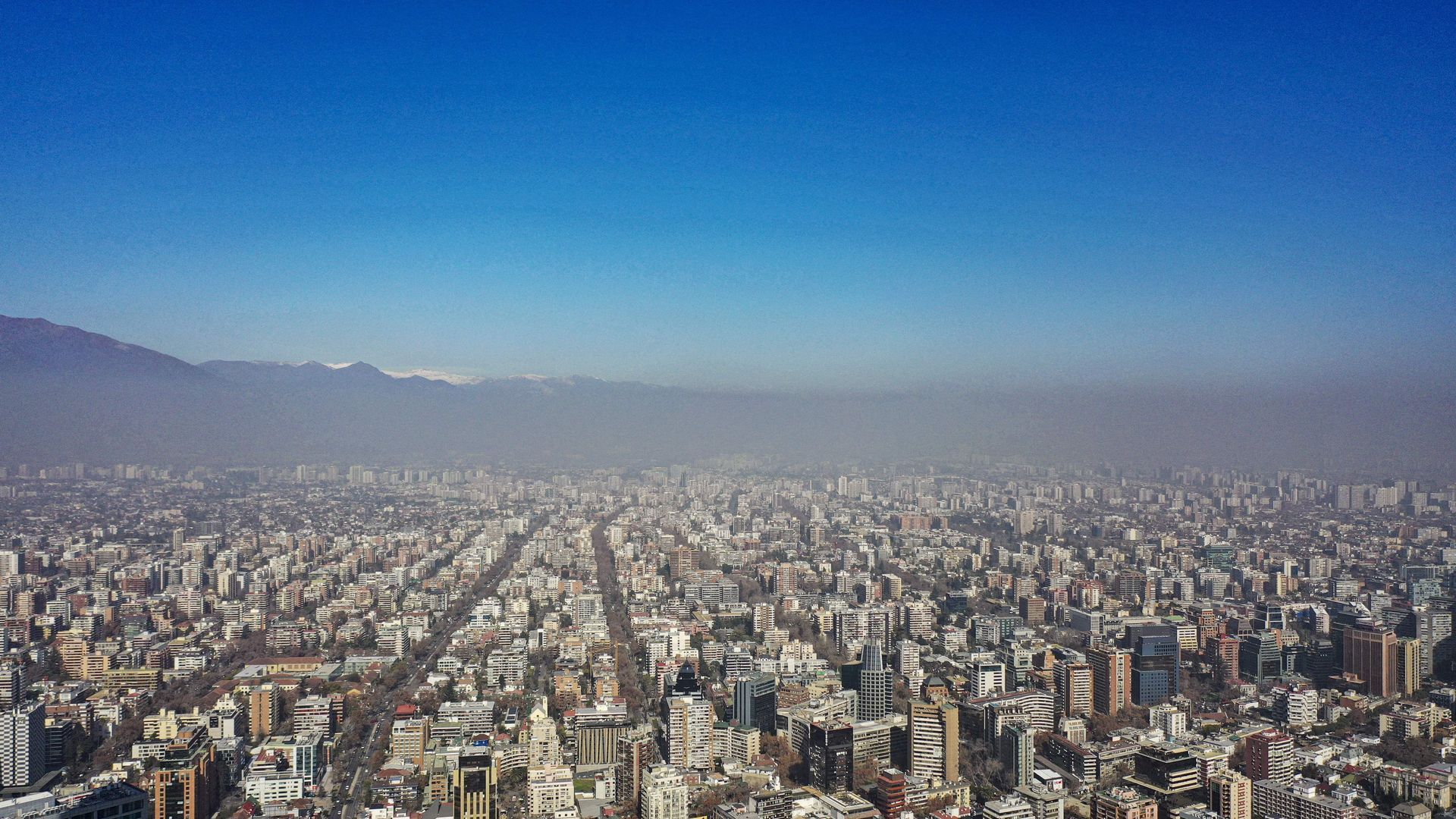
This winter in South America has been one of the hottest on record, intensifying crises created over the last year by severe droughts, wildfires and floods in some regions.