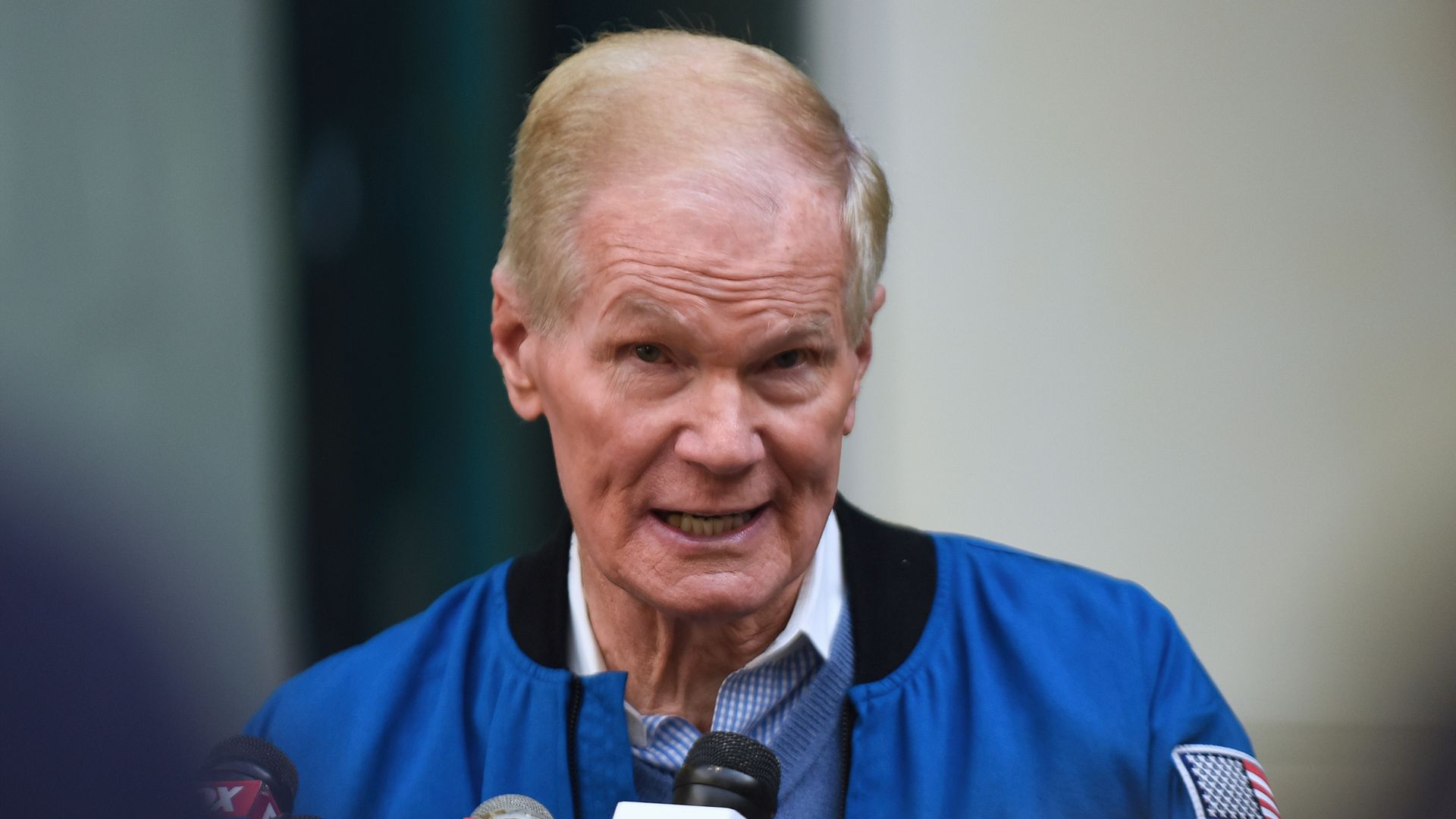
NASA administrator Bill Nelson told a Senate hearing Tuesday that "we see every reason that the Russians are going to continue" their work on the International Space Station "for the immediate future."
Driving the news: The head of Russia's space agency Roscosmos over the weekend reportedly said the agency would give partner's one year notice before it would end its work on the ISS. Nelson called reports about the comments and Roscosmos leaving "misleading," saying Russia is "not pulling out" of the ISS.
The first evacuees from the besieged Azovstal steel plant in Mariupol arrived in the Ukrainian-controlled city of Zaporizhzhia on Tuesday after a "harrowing journey," according to the UN.
State of play: At least 101 people were evacuated, but the city's mayor says around 200 civilians remain inside the fortress-like steel mill. Russia, meanwhile, says around 2,000 Ukrainians fighters are inside the plant. Neither number has been confirmed.
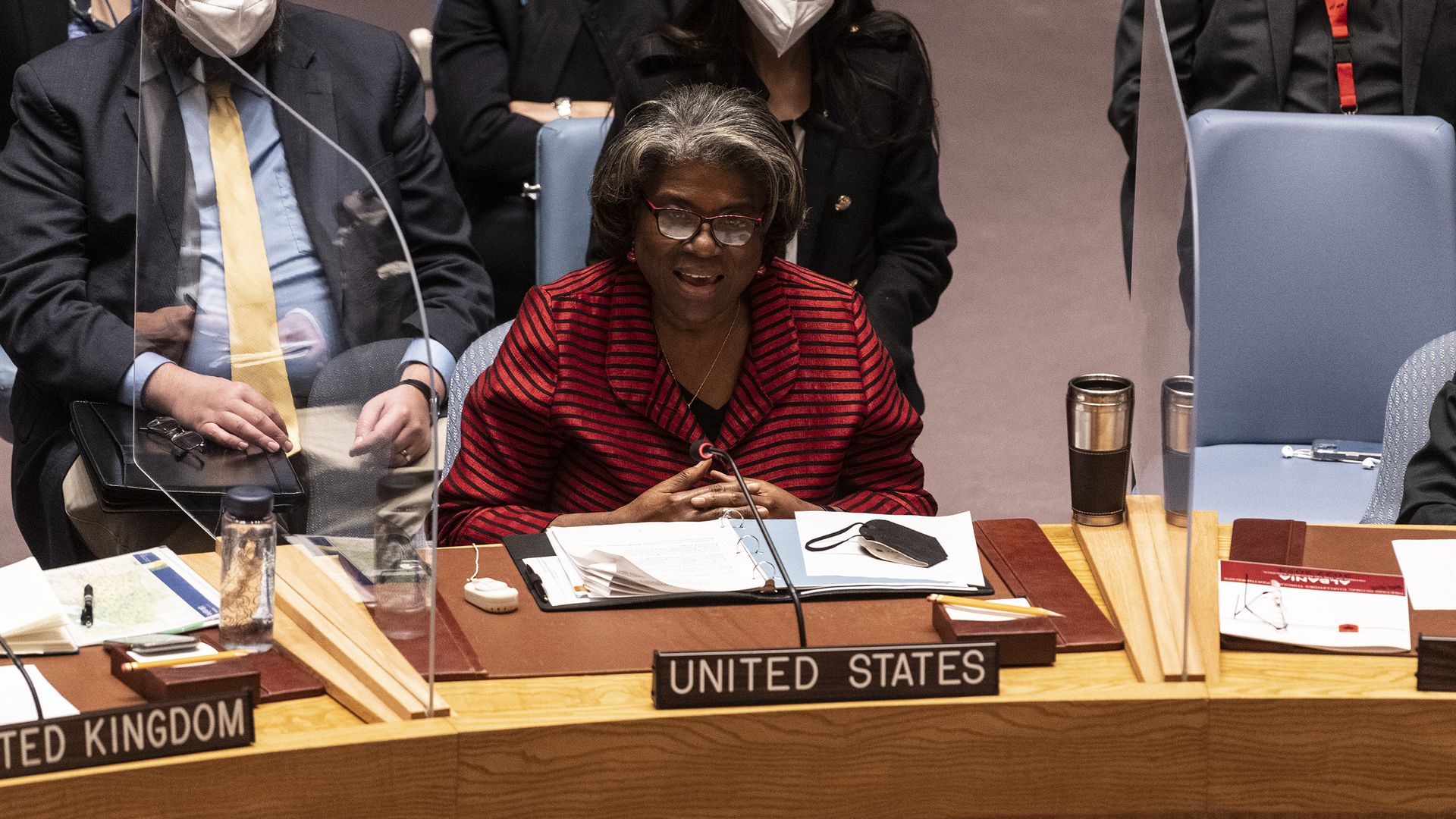
U.S. Ambassador to the United Nations Linda Thomas-Greenfield told the relatives of a Uyghur detained in Xinjiang that she will bring up the woman's detention with her Chinese counterparts.
Why it matters: Raising individual cases with Chinese authorities in some cases results in "proof of life" contact between the detainee and their family members outside China, and it communicates to Beijing that its actions in Xinjiang are under scrutiny.
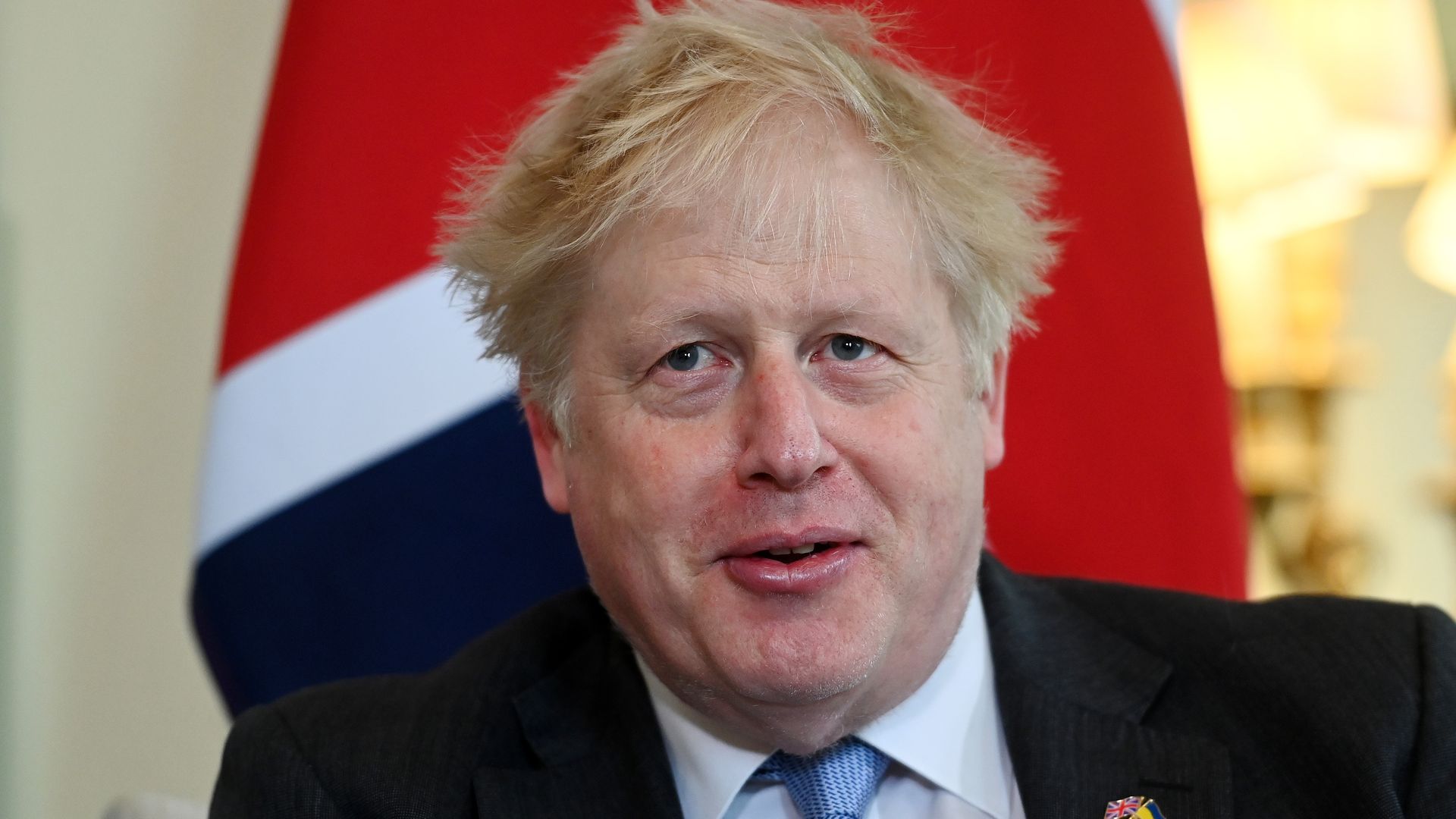
U.K. Prime Minister Boris Johnson told Ukrainian lawmakers Tuesday that their country's defense against Russia's aggression is its "finest hour," echoing Britain's wartime Prime Minister Winston Churchill.
The big picture: Johnson, in the the first address to Ukraine's parliament by a Western leader since Russia's invasion began, predicted "Ukraine will win. Ukraine will be free."
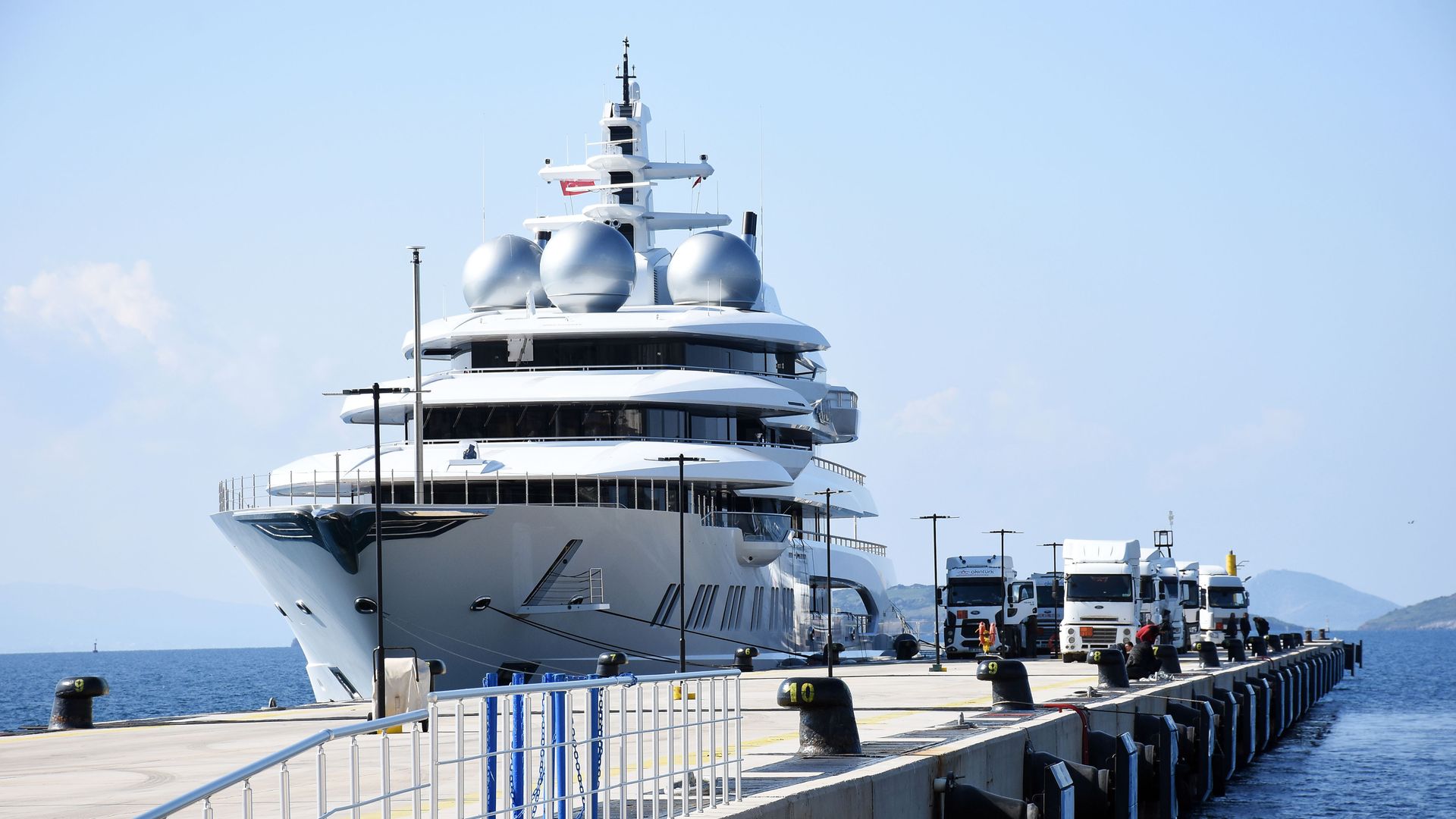
A court in Fiji ruled Tuesday that the U.S. can seize a superyacht worth $325 million that American officials say is owned by sanctioned Russian oligarch Suleiman Kerimov, according to Bloomberg.
Why it matters: The U.S. Department of Justice created a task force in March to enforce sanctions, including asset seizures, placed on Russian officials for facilitating the Kremlin's unprovoked invasion of Ukraine.
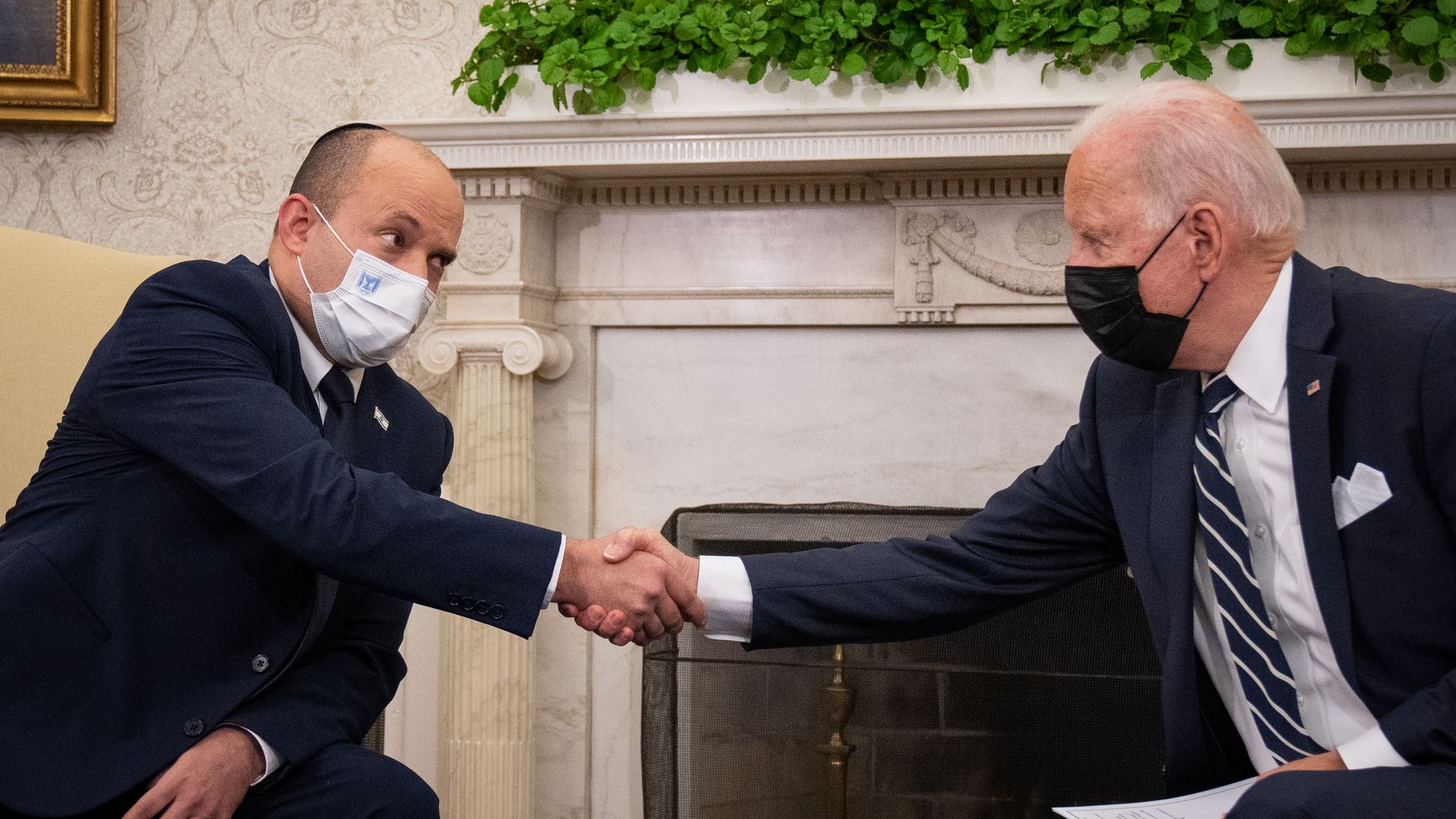
The White House and the Israeli prime minister’s office discussed holding a regional leaders' meeting as part of President Biden’s visit to the Middle East toward the end of June, two Israeli officials told Axios.
Why it matters: A regional leaders' meeting headed by Biden would signal U.S. leadership and commitment in the Middle East at a time when the U.S. is seen as withdrawing from the region.
Chinese regulators are signaling they may ease a year-long crackdown on Chinese tech giants as the country's leaders prioritize shoring up a flagging economy.
Why it matters: Loosening restrictions on one of China's most vibrant sectors could remove one source of downward pressure on an economy gutted by COVID lockdowns.But it could also slow progress towards Chinese President Xi Jinping's goal of restructuring a major sector of the economy.
President John F. Kennedy in 1962 readied a speech that would have announced a punishing bombing run on Cuba, which could have led to nuclear war. Gen. Dwight D. Eisenhower drafted an apology speech in case the D-Day operation of 1944 failed.
Driving the news:Jeff Nussbaum, a veteran Democratic speechwriter who left the White House last month, unearths these historical gems in a new book, “Undelivered," out next week.
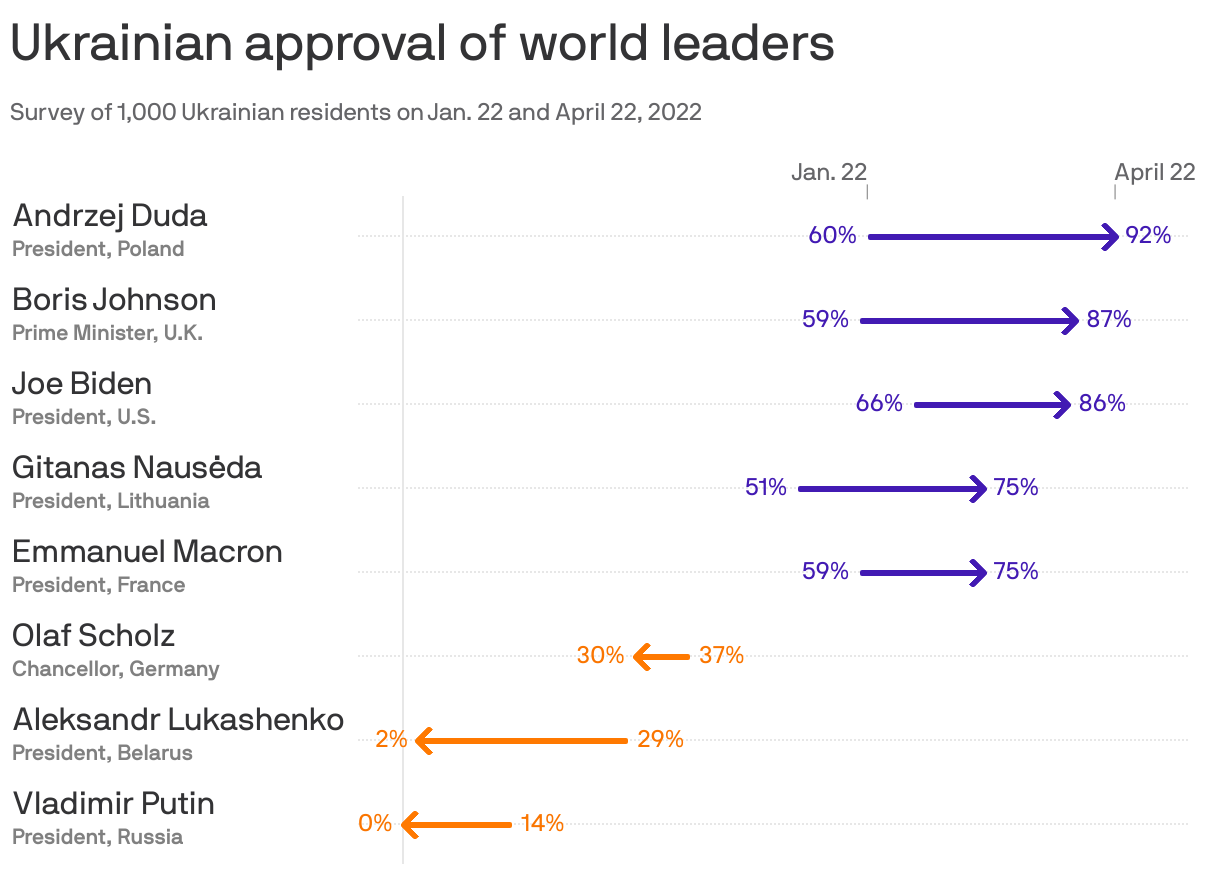
Data: Rating Group Ukraine; Chart: Kavya Beheraj/Axios
President Biden's approval rating among everyday Ukrainians shot up by 20 points between January and April, as the U.S. led and steadily ramped up efforts to arm Ukraine against Russia's invasion, according to polling by Rating Group Ukraine.
Why it matters: The prevailing sentiment about Western assistance and solidarity has been overwhelmingly positive within Ukraine, despite some recurring frustrations from Kyiv about the pace and scale of sanctions and military aid.