GLASGOW, Scotland — Egyptian intelligence chief Abbas Kamel tells Axios Egypt is trying to reach a deal to stabilize the ceasefire in the Gaza Strip, allow humanitarian relief and reconstruction, and include a prisoner swap between Israel and Hamas.
How it happened: I had a short conversation with Kamel, who rarely speaks publicly, on the sidelines of the COP26 climate summit in Glasgow while we both stepped outside the conference hall to smoke a cigarette.
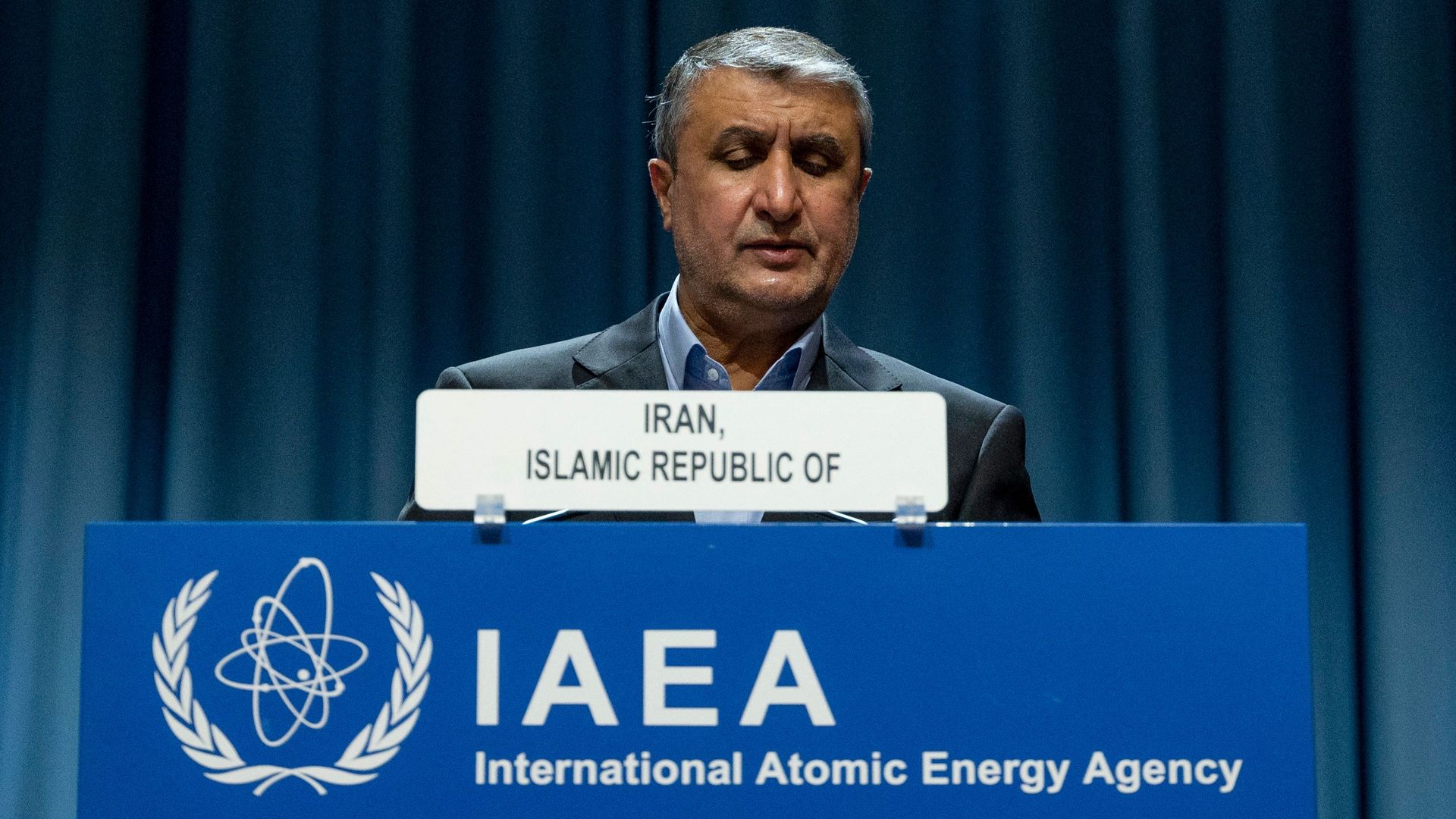
Iran will resume indirect talks with the U.S. on a possible return to the 2015 nuclear deal on Nov. 29 in Vienna, Tehran's chief nuclear negotiator Ali Bagheri announced Wednesday.
An independent Pentagon investigation into the U.S. drone strike that mistakenly killed 10 Afghan civilians on Aug. 29 did not find evidence of criminal negligence or violation of law, according to the official tapped to lead the review.
The big picture: The botched operation was the result of "execution errors combined with confirmation bias and communication breakdowns," Lt. Gen. Sami Said, the inspector general of the Air Force, said at a press conference Wednesday. The full report is classified to protect sources and methods, according to Said.
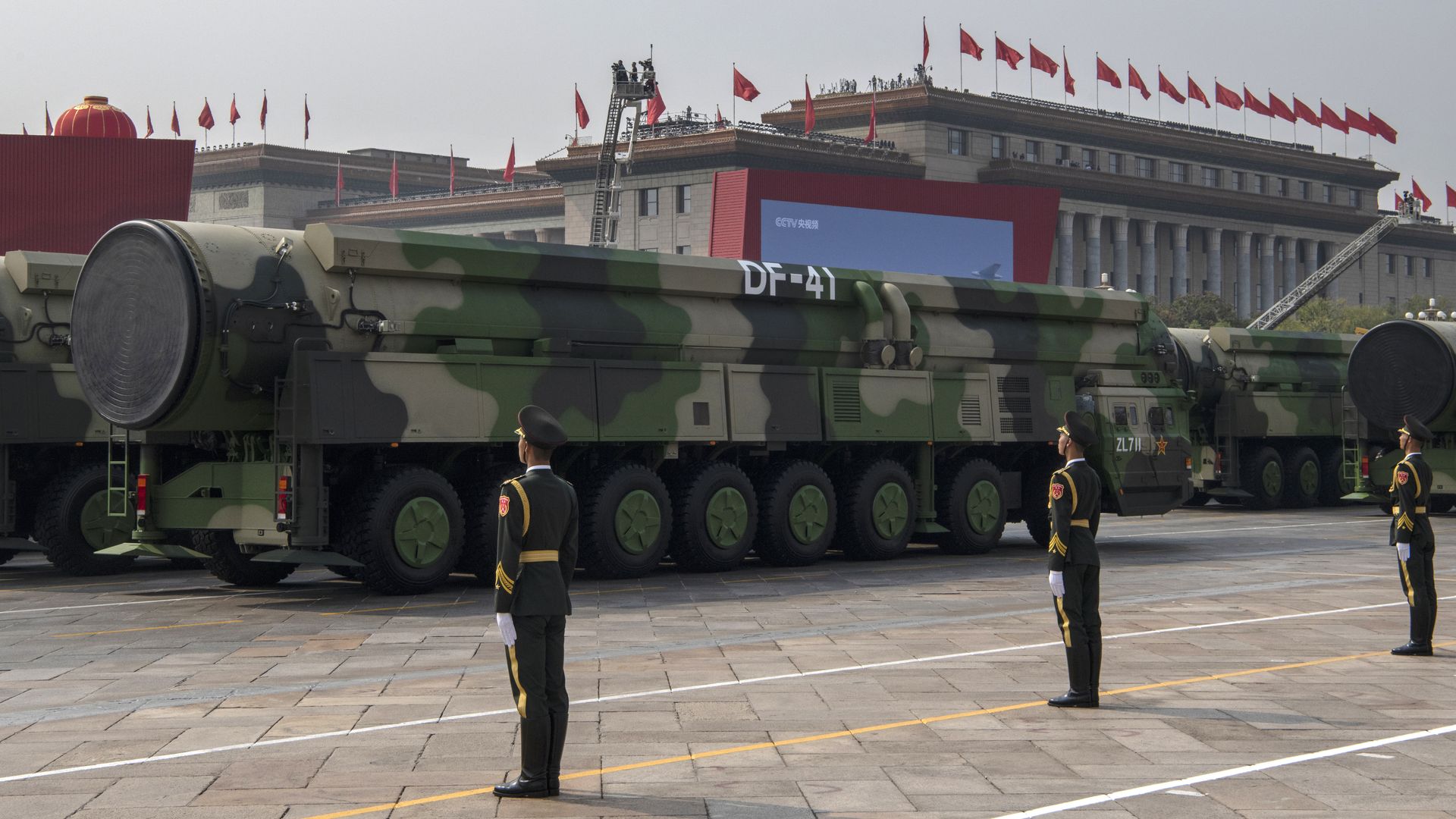
China is rapidly accelerating the expansion of its nuclear stockpile and is likely seeking to quadruple its number of nuclear warheads by 2030, according to the Pentagon's annual report to Congress on China's military power.
Why it matters: U.S. officials and experts have raised alarms at reports of China's nuclear expansion and testing of advanced weapons capabilities, including a hypersonic missile this summer, as tensions with Washington have reached new highs.
An interview with Lebanon’s new minister of information, TV celebrity George Kordahi, is sparking a crisis between Gulf countries and the fragile new government in Beirut.
Why it matters: The crisis shows how a possible thawing of relations between Saudi Arabia and Iran could be complicated by Tehran’s regional proxies such as Hezbollah in Lebanon and the Houthis in Yemen.
The Biden administration is slowly ratcheting up its diplomatic pressure on Iran ahead of a potential resumption of the nuclear talks.
Why it matters: After months of contemplating how to respond to Iran's foot-dragging, with talks now frozen since June, the Biden administration in recent days started taking steps that some of its European allies, Israel and the Gulf states were waiting for.
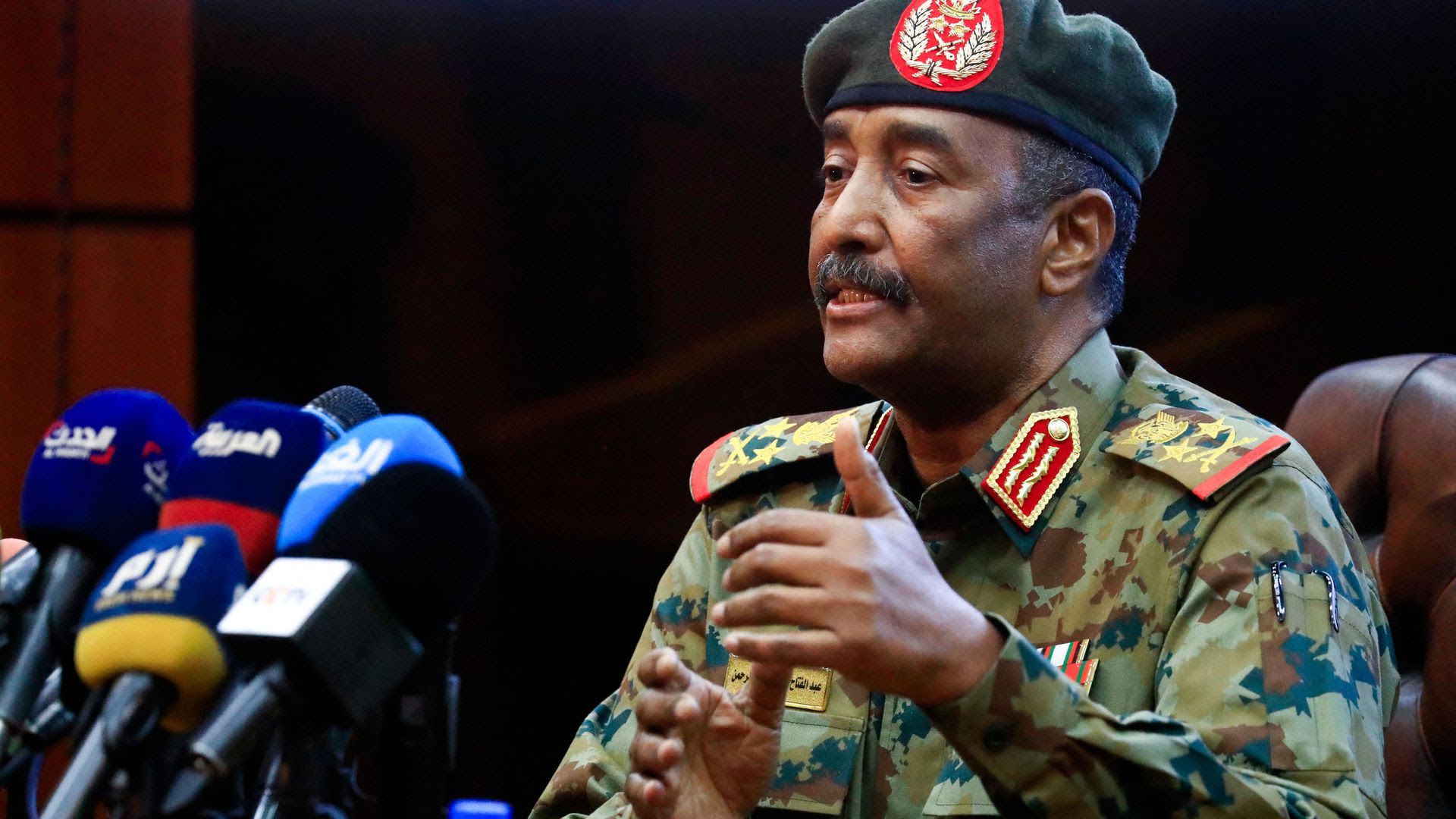
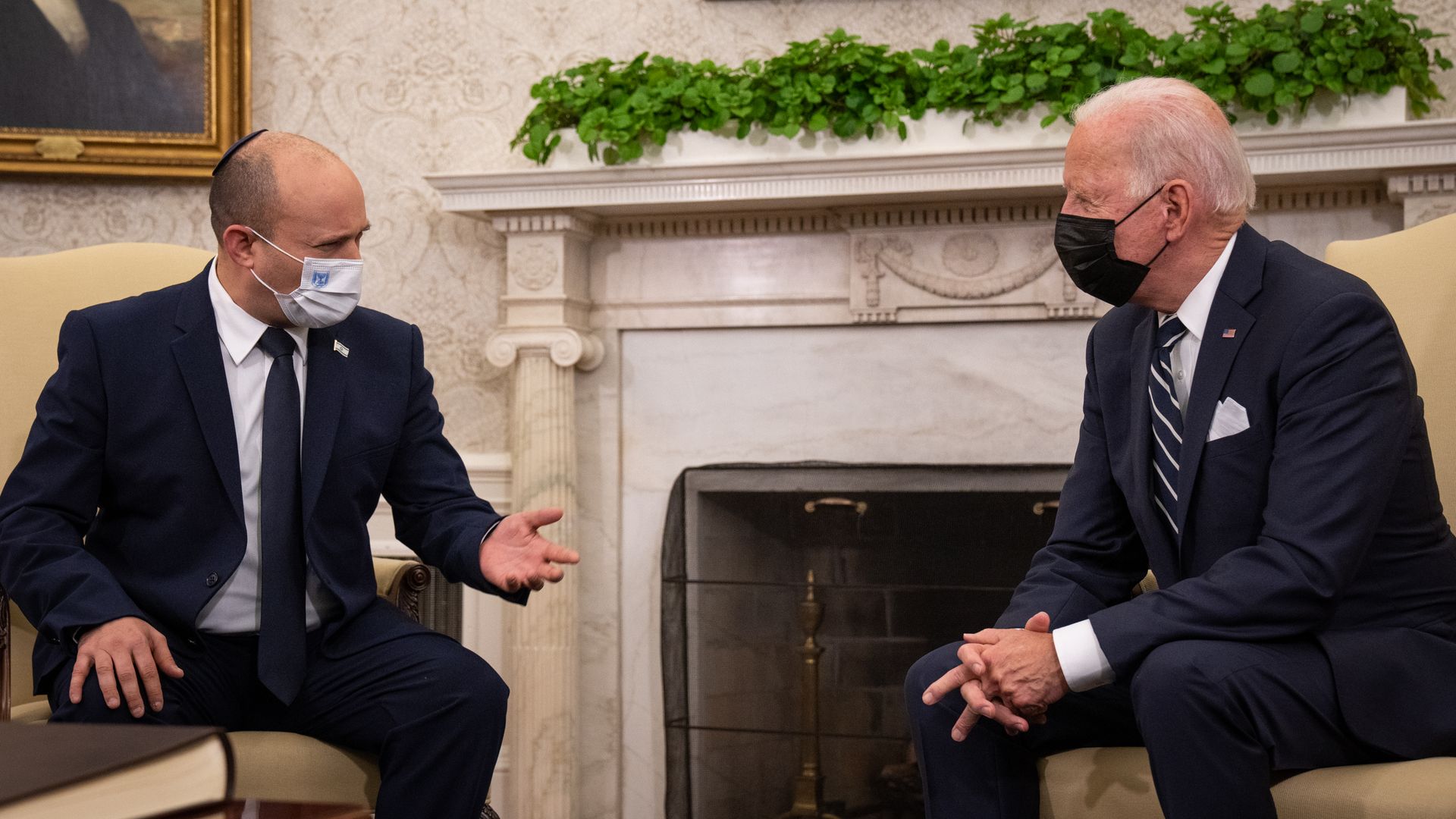
The Biden administration has asked the Israeli government to use its close relations with Sudan’s coup leader and de facto president, Gen. Abdel Fattah al-Burhan, to urge the military to restore the civilian government.
Why it matters: Burhan has been central to the Israel-Sudan normalization process over the last two years. He and other Sudanese generals have been coordinating with contacts in the Israeli national security council and Mossad intelligence agency.
The U.S. Commerce Department on Wednesday added Israeli cyber intelligence companies NSO and Candiru to its black list of companies engaging in activities contrary to the national security or foreign policy interests of the United States.
Why it matters: This is the first time the U.S. government has targeted Israeli cyber companies, which receive their export licenses from the Israeli Ministry of Defense. The designations will limit the activities of the companies in the United States.
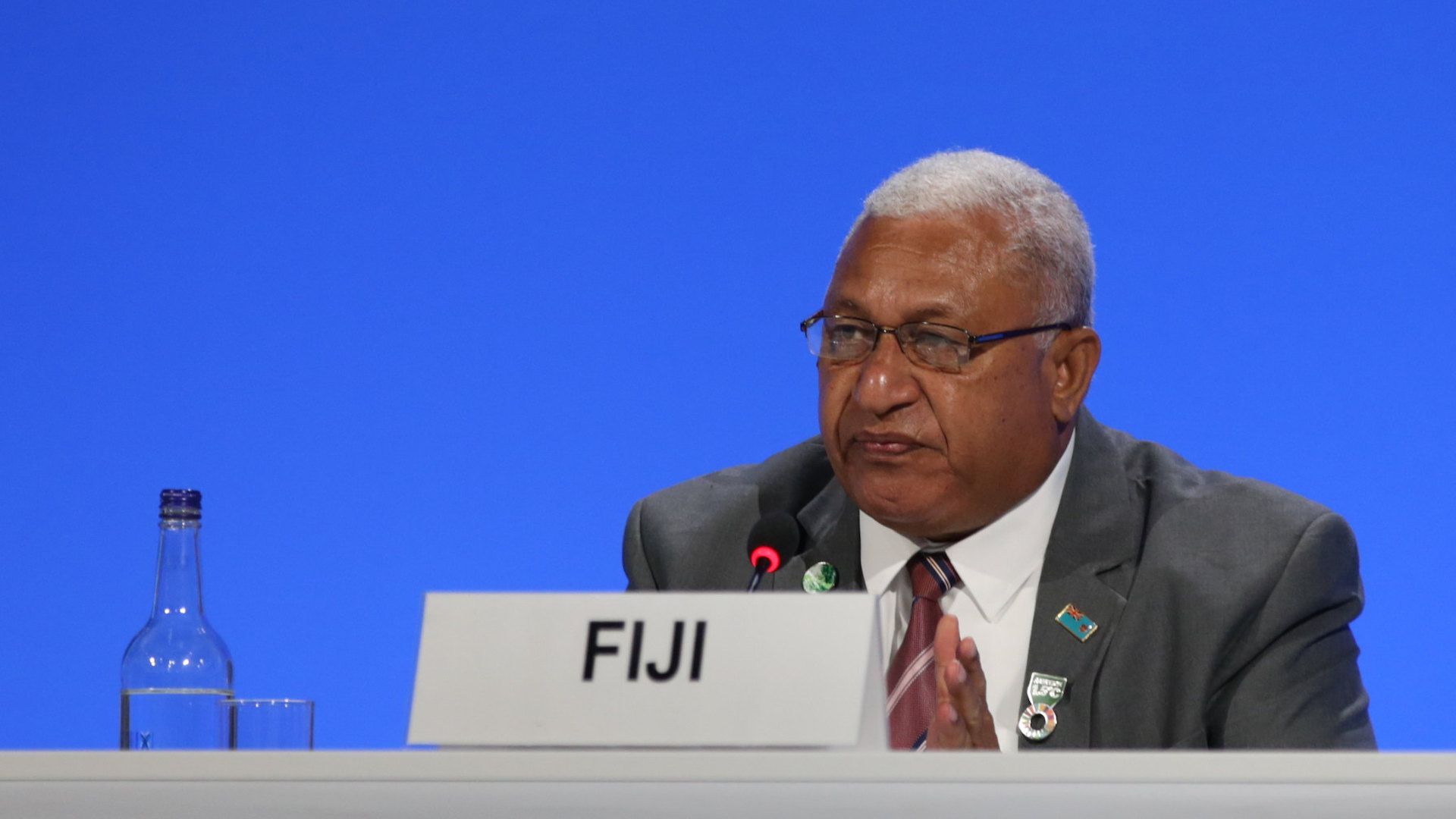
With world leaders now departed, the real negotiating begins. And signs point to a revival of the High Ambition Coalition, a key bloc of countries that fought for the inclusion of the 1.5°C temperature target in Paris.
Driving the news: The U.S. formally rejoined the coalition Tuesday, which contains a mix of European, small island and other climate-vulnerable nations. The coalition issued a leaders' statement showing what a formal Glasgow outcome could look like.
GLASGOW, Scotland — President Biden's declaration Tuesday that Xi Jinping has “walked away” from an opportunity to help save the planet showed the intensity of the simmering rivalry and mutual distrust that have been lingering in the back of the COP26 climate summit.
Why it matters: The U.S. and China combine for nearly 40% of the world’s greenhouse gas emissions, meaning that any major climate breakthroughs require both superpowers on board.
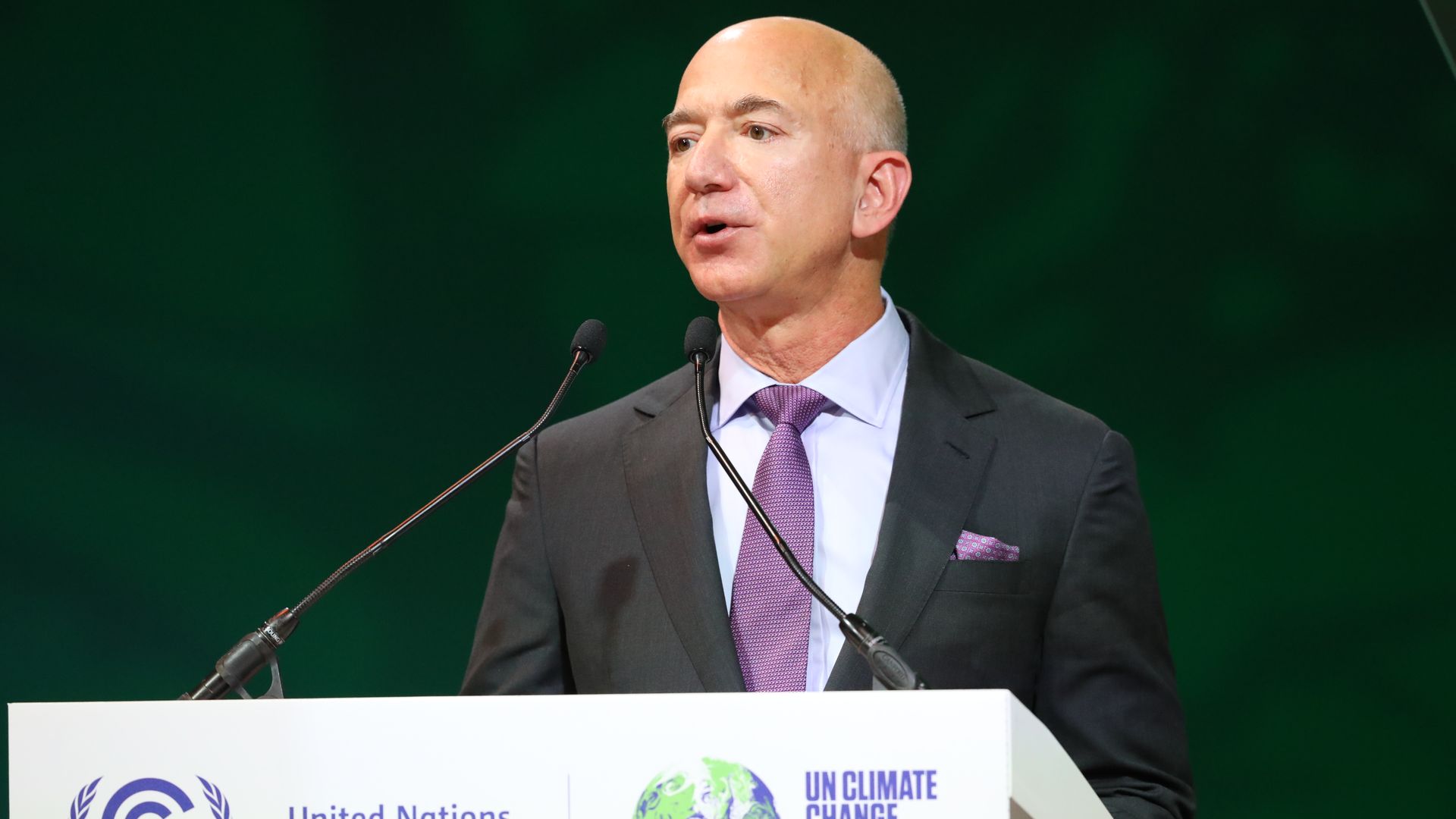
Jeff Bezos, one of the richest men in the world, made a climate philanthropy pledge to spend $2 billion on restoring natural habitats and transforming food systems in a speech at the COP26 conference in Glasgow, Scotland.
Why it matters: This is in addition to the $1 billion for conservation and biodiversity the Bezos Earth Fund committed to in September.
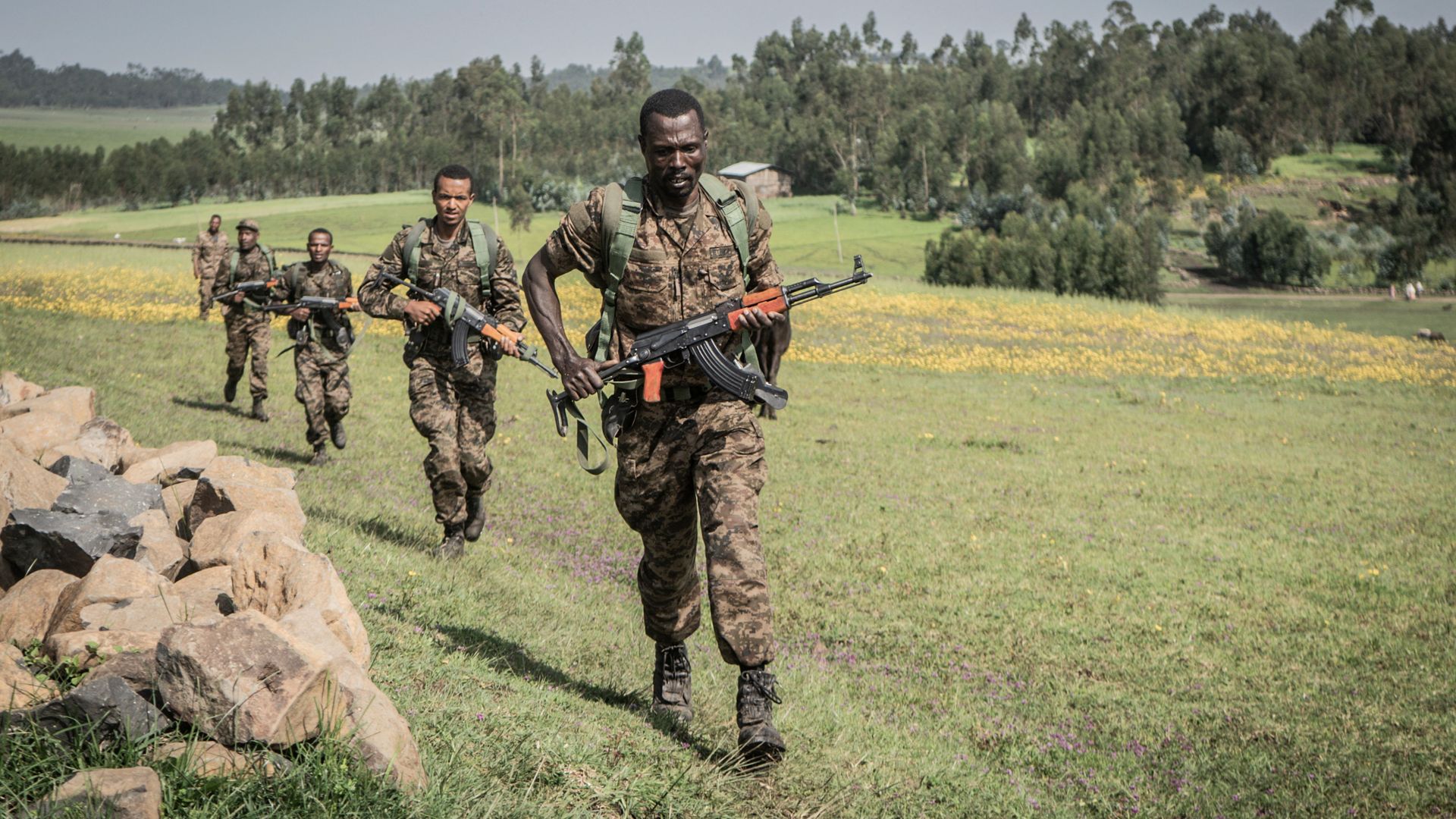
Ethiopia declared a state of emergency on Tuesday as rival forces from the northern region of Tigray move toward the capital, per AP.
Why it matters: It's the latest escalation of a yearlong civil war that threatens to tear apart Africa's second-most populous country and has killed thousands of citizens.