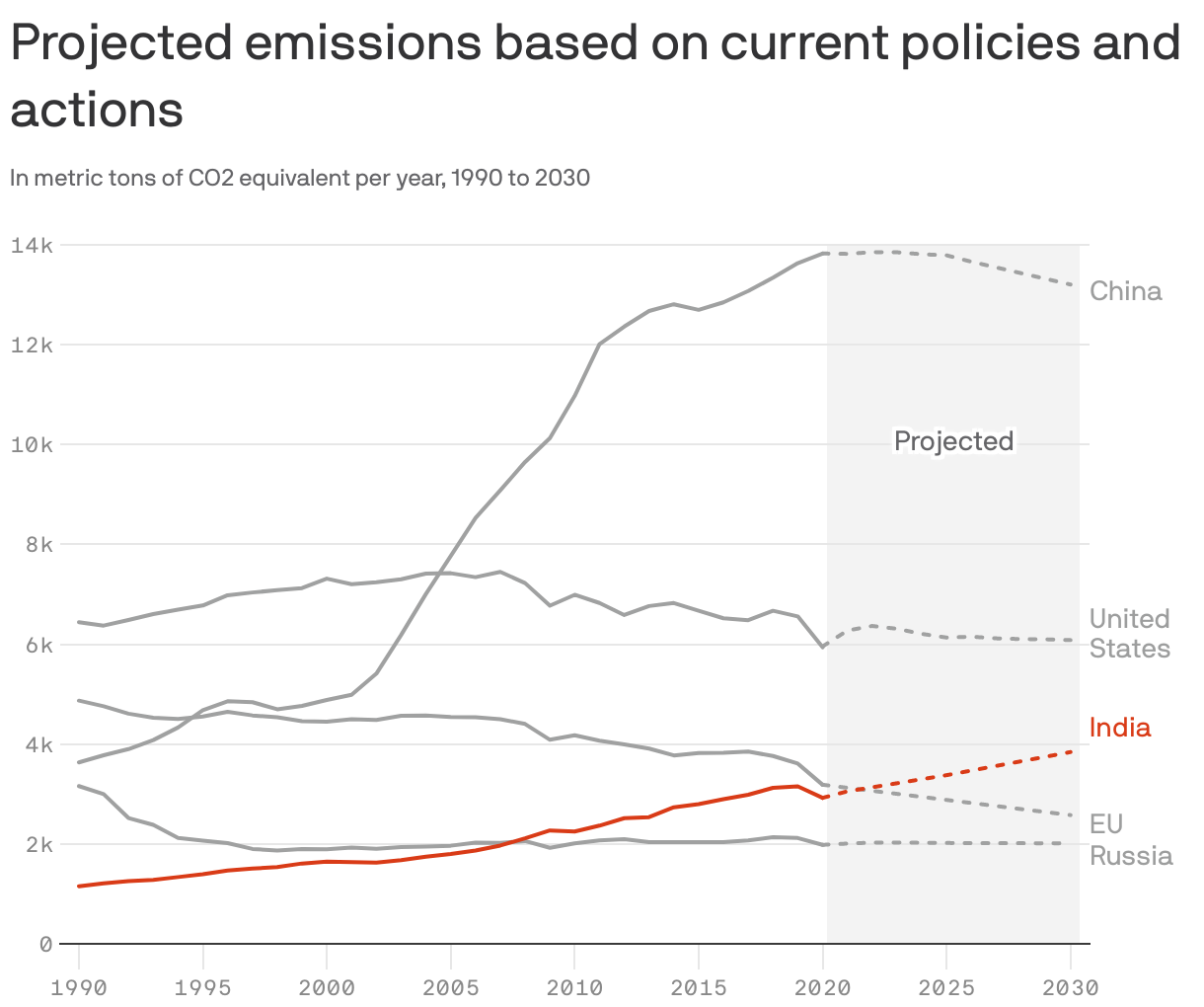
GLASGOW, Scotland — Indian Prime Minister Narendra Modi's much-anticipated speech today at the COP26 climate summit broke new ground for the world’s third-largest emitter, but it won’t calm fears that the summit has failed to summon the urgency required to truly change the trajectory of the planet.
The big picture: Success or failure in Glasgow will largely be defined by the plans that individual countries bring to the table to limit their emissions this decade and strive toward net zero.
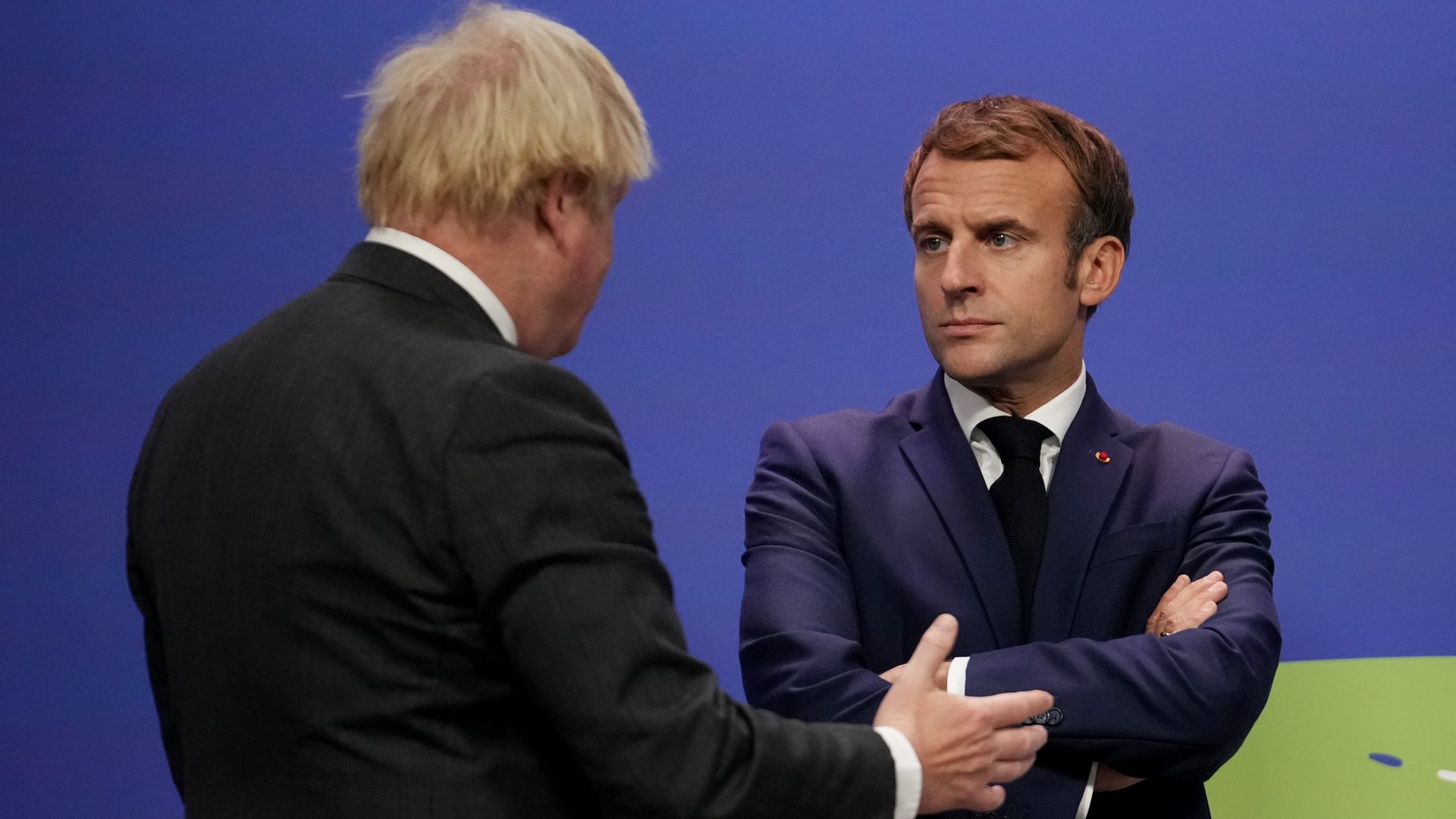
The U.K. and France are barreling toward a new crisis in their post-Brexit relationship, with each side digging in their heels in a fishing dispute that threatens to erupt into a full-on trade war.
Driving the news: The latest flashpoint comes courtesy of an industry that accounts for just 0.1% of the U.K.'s GDP, but has played an outsized role in Brexit Britain's emphasis on "sovereignty" and national pride.
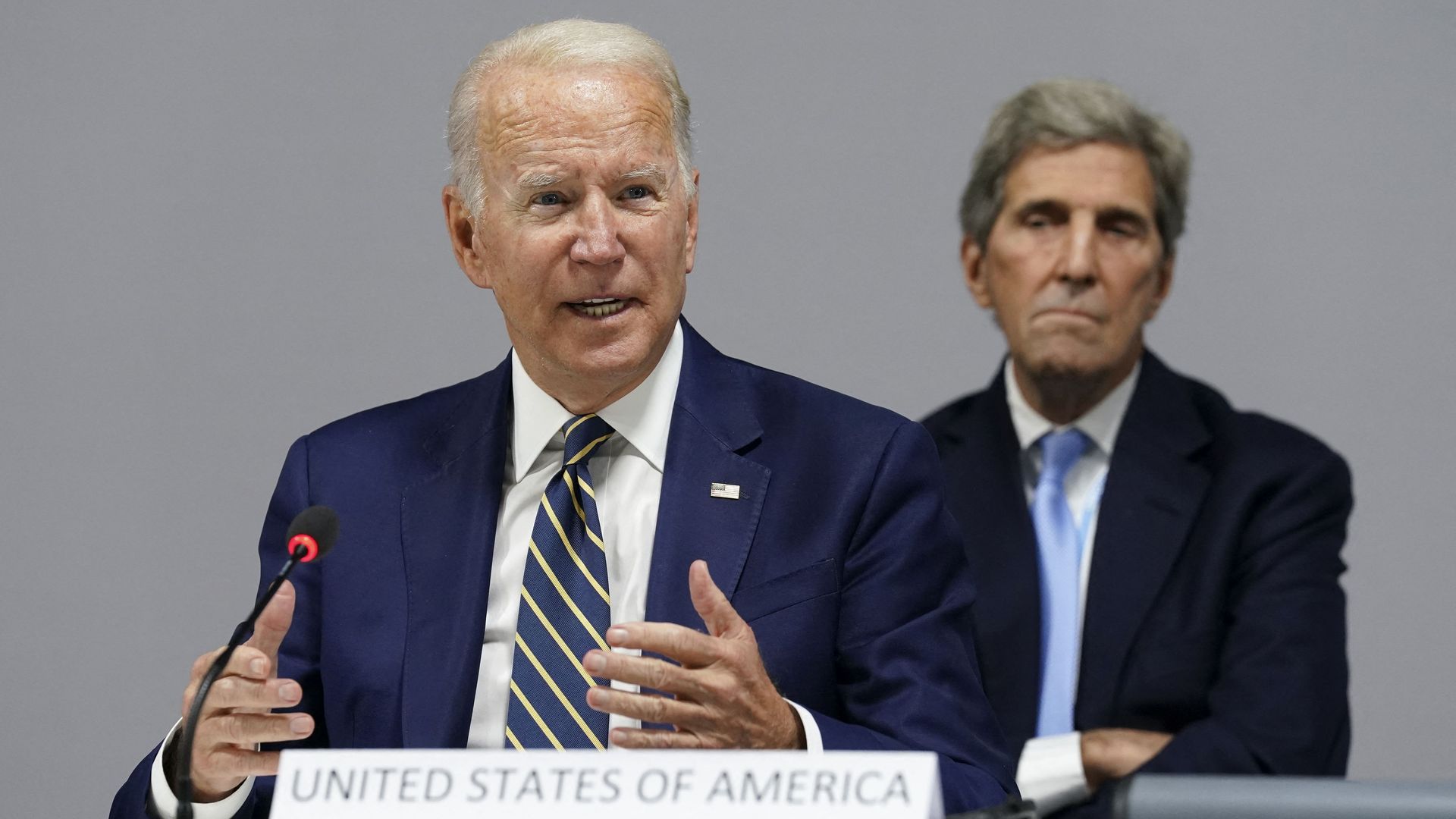
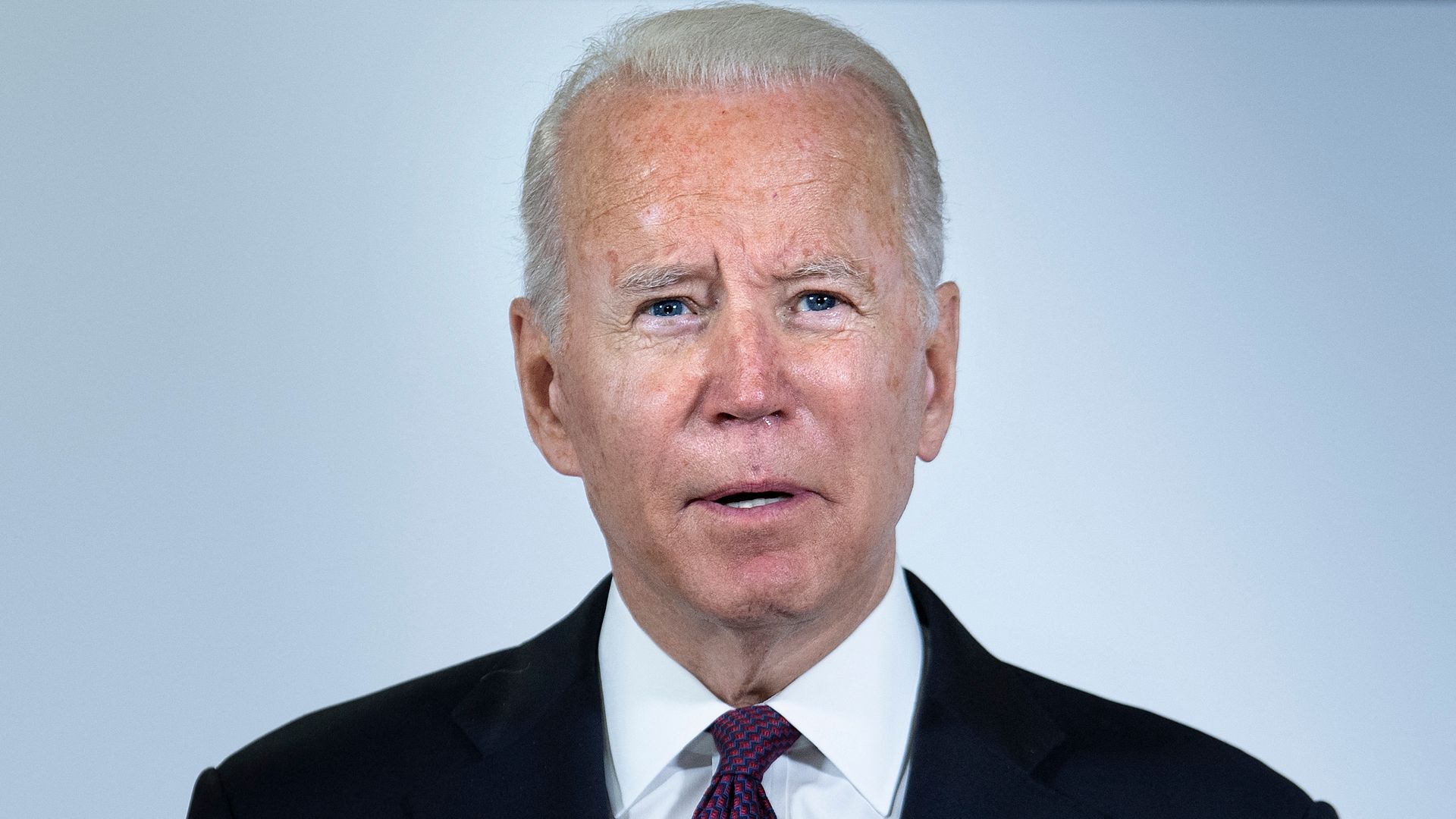
GLASGOW, Scotland — Addressing his fellow world leaders at the COP26 climate summit, President Biden apologized for former President Trump's decision to withdraw the U.S. from the Paris climate accord.
Why it matters: Biden is trying to rally more ambitious climate action at the crucial summit in Glasgow, and he elected to acknowledge the elephant in the room — that it's no sure thing that the only country in the world to withdraw from Paris will be embraced as a moral leader on climate.
President Biden, speaking at COP26 in Glasgow, Scotland, on Monday, warned that "every day we delay" strong action on climate change, "the cost of inaction increases."
Why it matters: The United States' climate credibility is on the line during this year's summit, which has been billed as a crucial moment for countries to pledge more dramatic actions in order to avoid potentially devastating climate change effects over the next several decades.
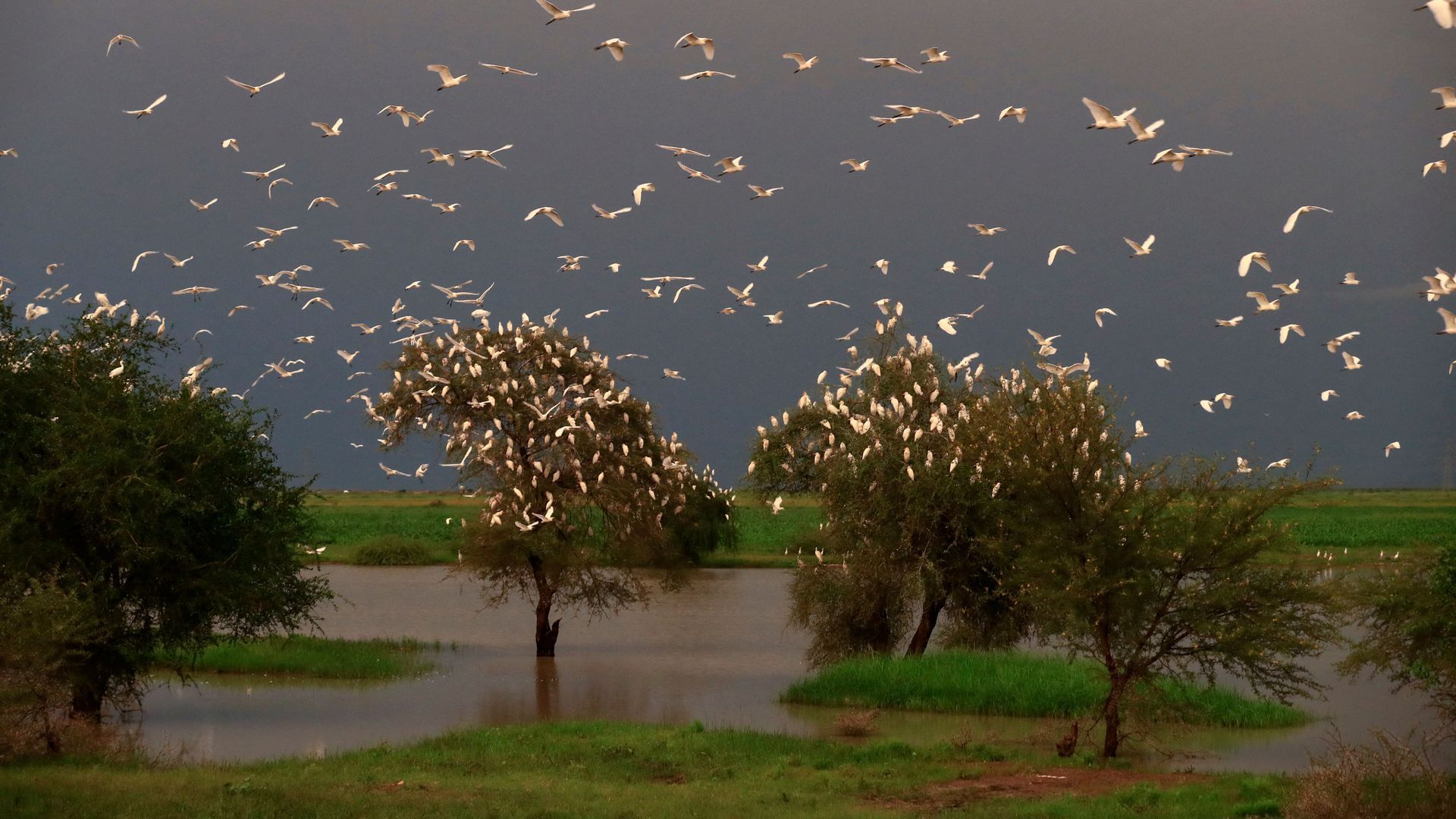
GLASGOW, Scotland — While negotiators haggle over targets and finance pledges at COP26, many of the world's poorest nations are already experiencing acute harm from climate change.
Driving the news: Joseph Africano Bartel, undersecretary with South Sudan's Ministry of Environment and Forestry, told Axios that the "climate disaster is not waiting," and while South Sudan's "emissions are negligible," it is "now experiencing the brunt of climate change."
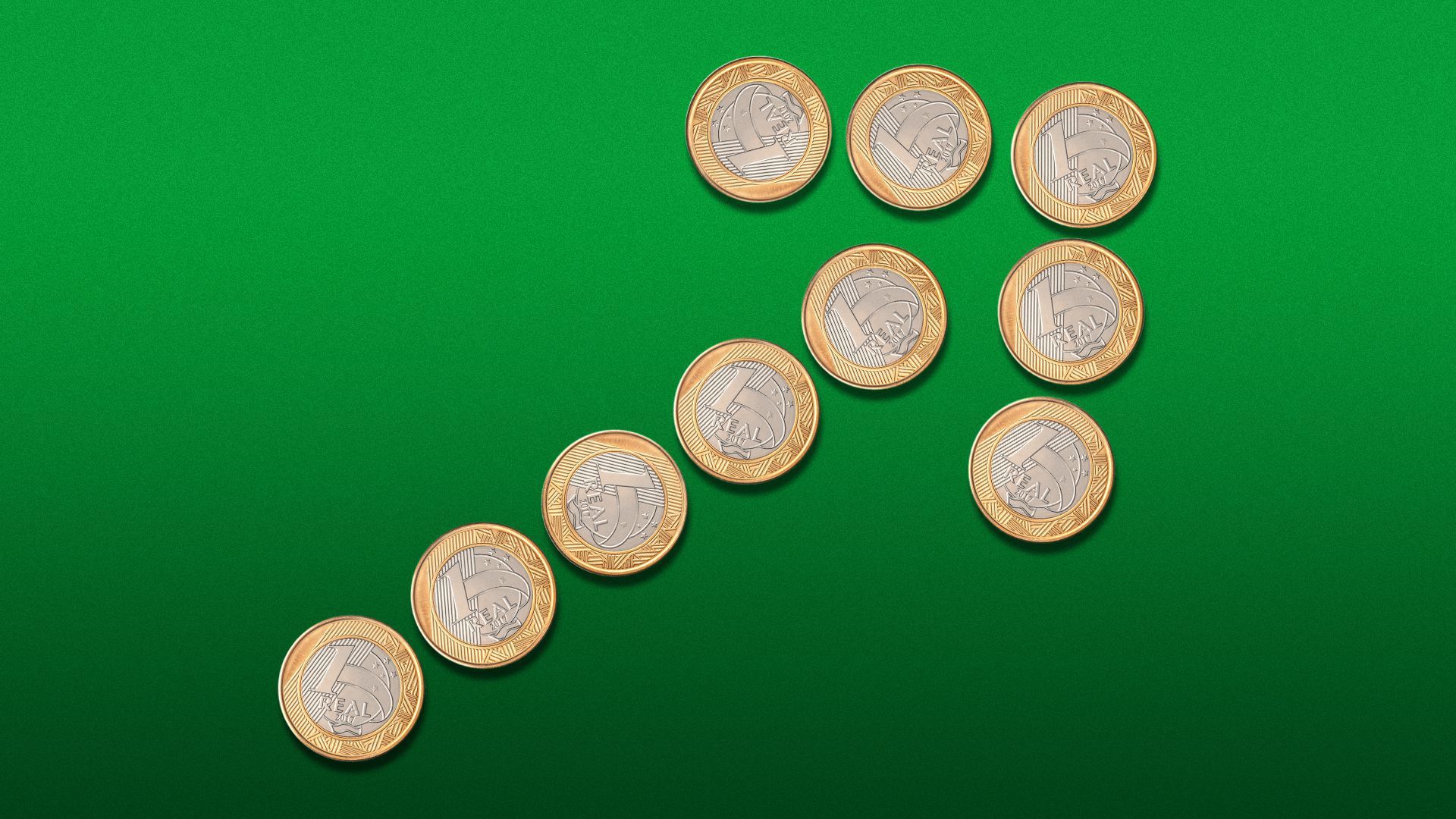
In the worldwide campaign to prevent runaway inflation, Brazil appears to be losing.
Driving the news: The nation’s central bank just raised its key overnight interest rate by 1.5 percentage points — and expects to do so again in December. That would take it to an eye-popping 9.25%.
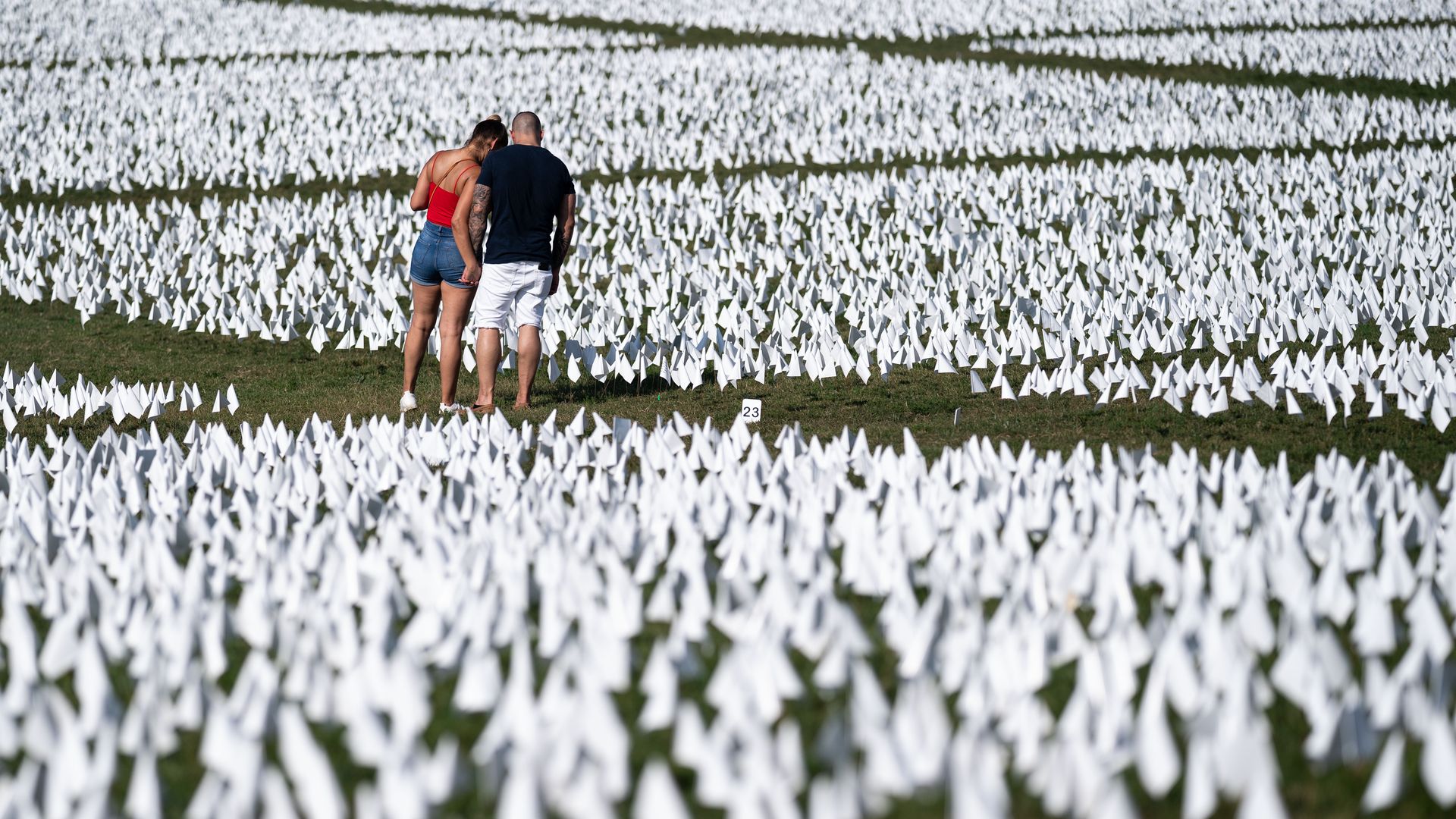
The global toll of confirmed deaths from the coronavirus surpassed 5 million on Monday, according to data from Johns Hopkins University.
Why it matters: The first known death from COVID-19 was announced on Jan. 11, 2020, in Wuhan, China, where the pandemic began. Nearly two years later, the U.S. tops the globe with 745,836deaths. Brazil follows with 607,824.
President Biden convened with leaders of the world's largest economies Sunday to address supply chain disruptions and strategize how to fortify the entire "ecosystem over the long term."
The big picture: The global supply chain has struggled against the backdrop of rising demand, labor shortages and manufacturing delays, as countries have begun to emerge from the economic damage they incurred during the coronavirus pandemic.
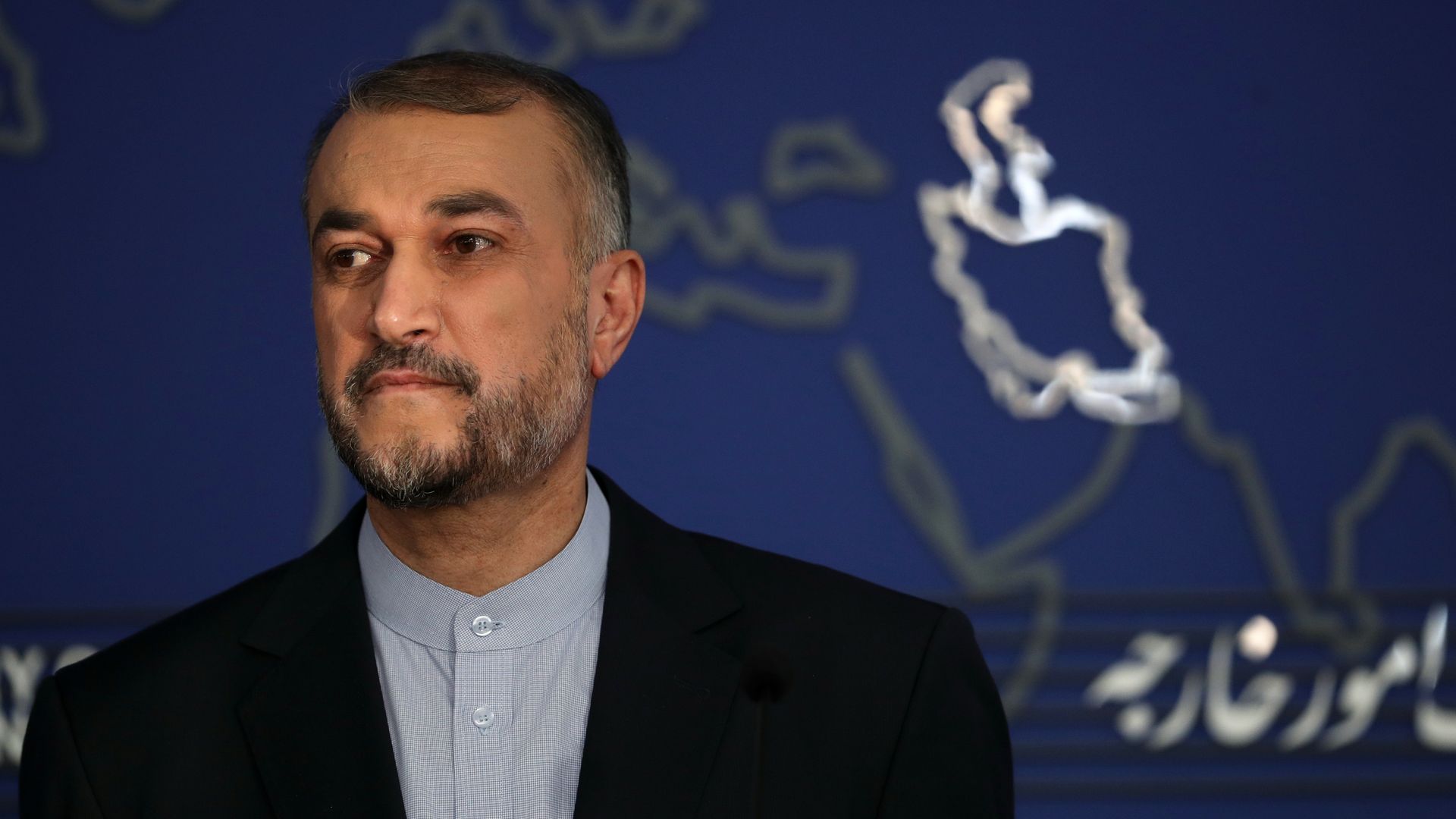
Iranian Foreign Minister Hossein Amir-Abdollahian on Sunday questioned the U.S.' political will to return to the 2015 nuclear deal, saying that President Biden could simply issue an "executive order" on the matter if he wished to, Reuters reported.
Why it matters: Amir-Abdollahian's comments come only a day after Biden and the leaders of Germany, France and the United Kingdom issued a joint statement urging Iran to return to nuclear negotiations soon to avoid “a dangerous escalation.”