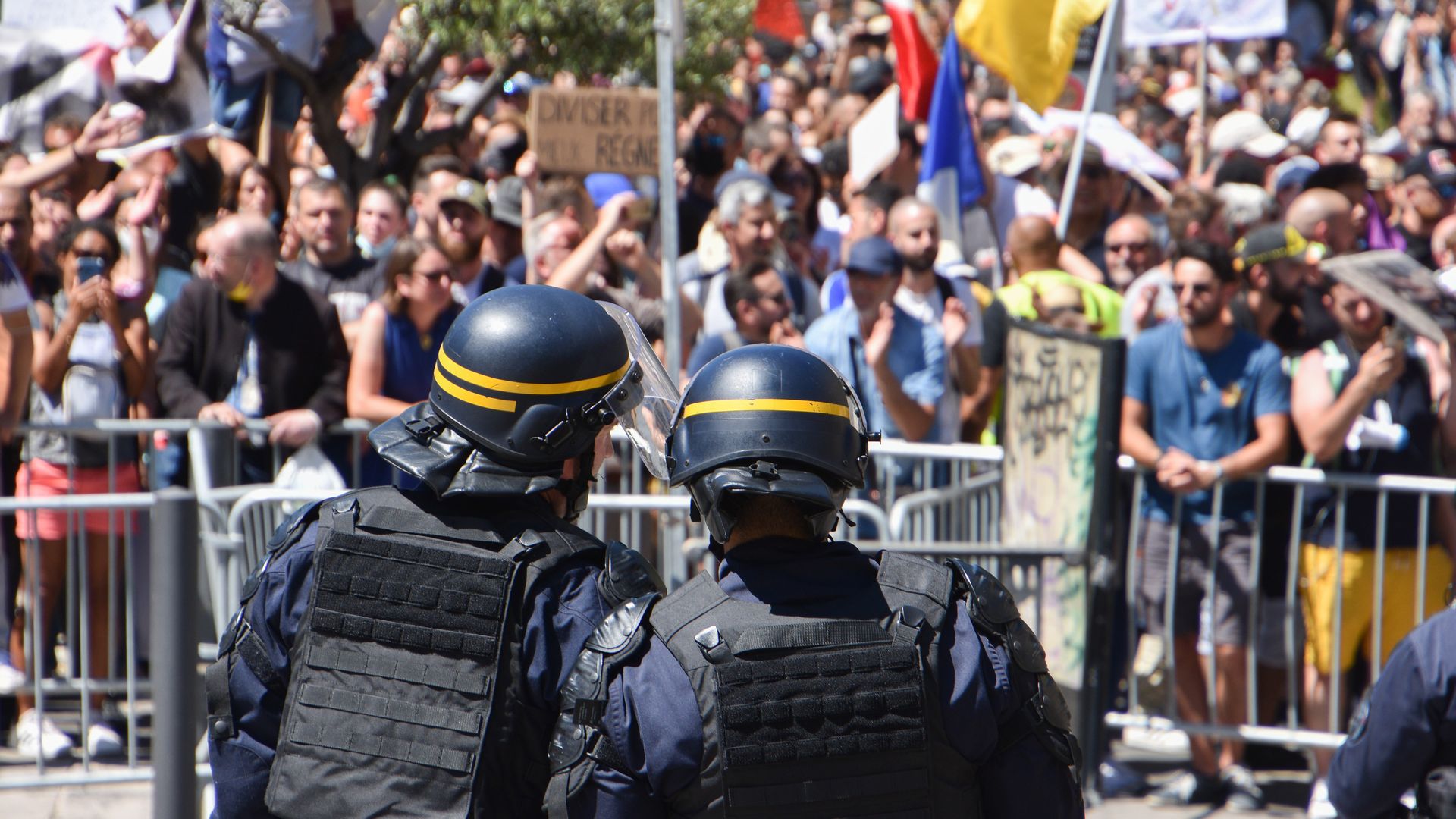
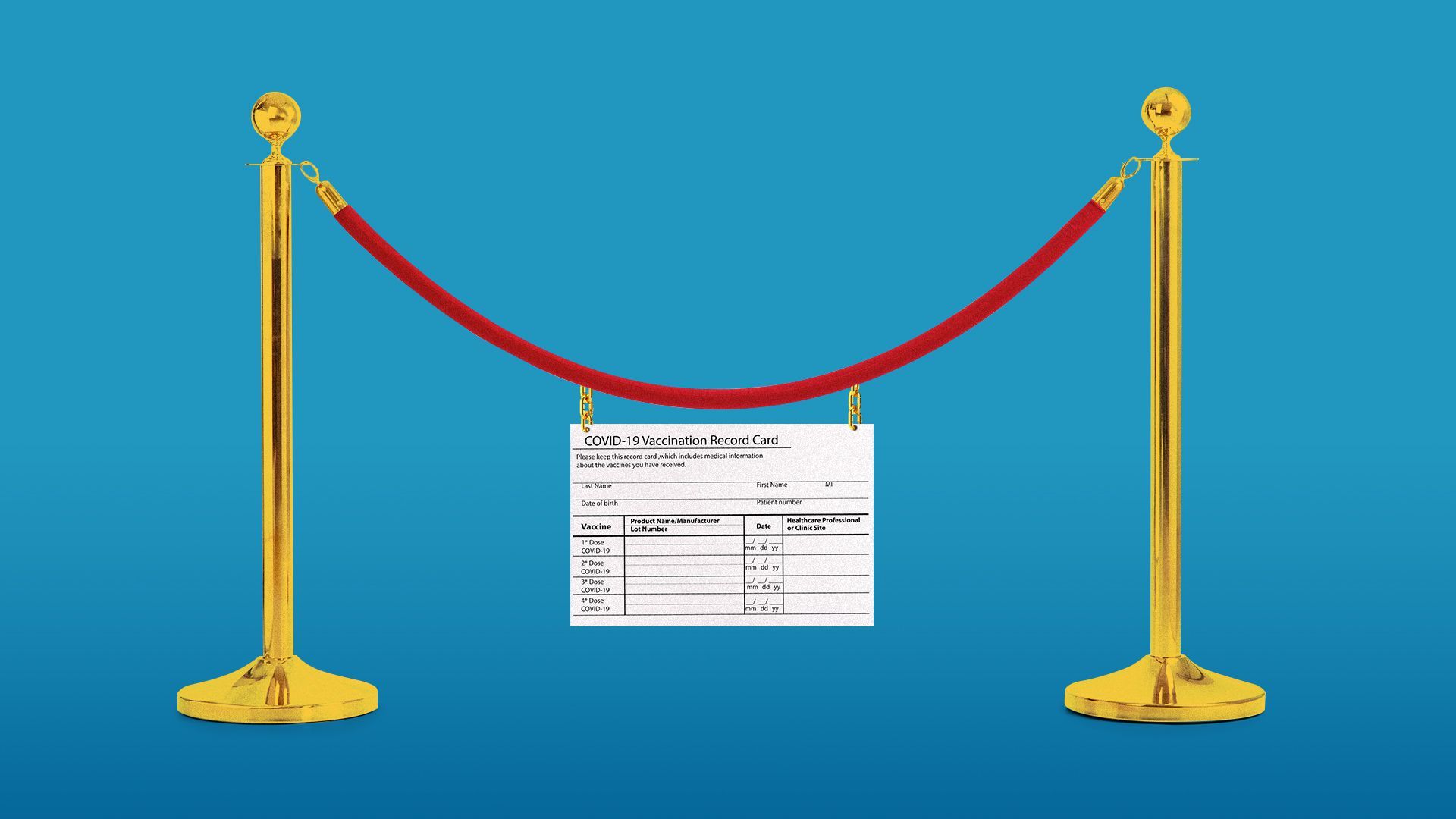
France has seen a surge in vaccinations and a groundswell of anger over policies that will next month make it mandatory to get the shot or show a negative test in order to visit a cafe, see a movie, take a train and more.
Driving the news: Protests across the country reportedly drew over 100,000 people over the weekend, and two vaccination centers were vandalized.
The rapid spread of the Delta variant around the rich world has injected increased urgency into the debate around booster shots, but the World Health Organization and public health experts are trying to keep the focus on getting vaccines to those who don’t yet have access.
Why it matters: Israel last week became the first country to offer boosters to people with weak immune systems, and Pfizer is pushing for rapid approval of boosters in the U.S., citing preliminary data that suggests immunity may begin to wane after six months.
Ben & Jerry's said Monday it will stop selling its ice cream in the occupied West Bank and East Jerusalem.
Why it matters: The ice cream maker's decision is "one of the strongest and highest-profile rebukes by a well-known company" of Israeli settlements in the occupied West Bank, which are considered illegal under international law, AP notes.
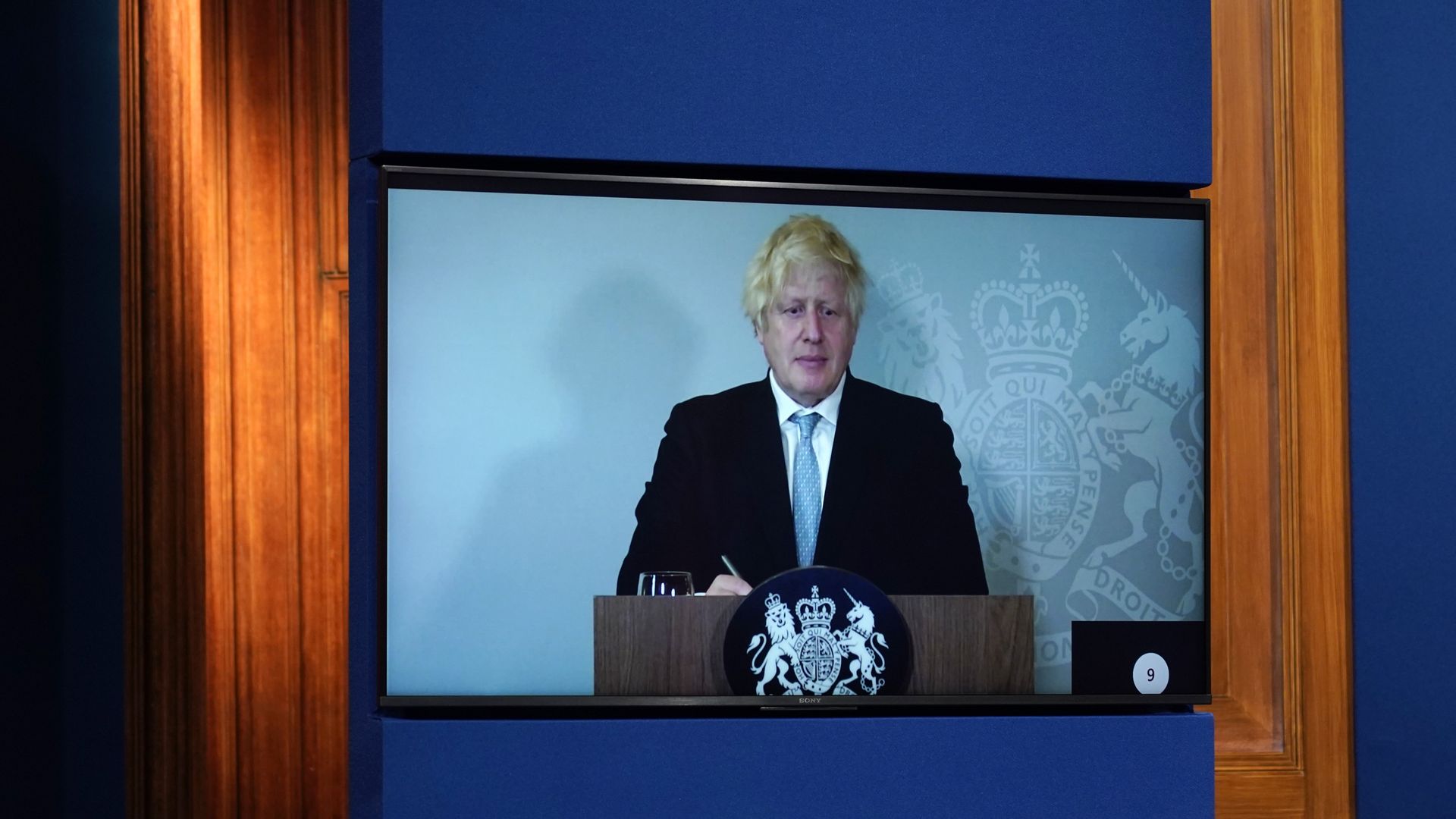
British Prime Minister Boris Johnson said Monday that, beginning in September, England will require people going to nightclubs and other mass public events to show proof of full vaccination, Reuters reports.
Why it matters: Monday also marked "freedom day" in England, as the country lifted many of the remaining coronavirus health restrictions despite rising case numbers.
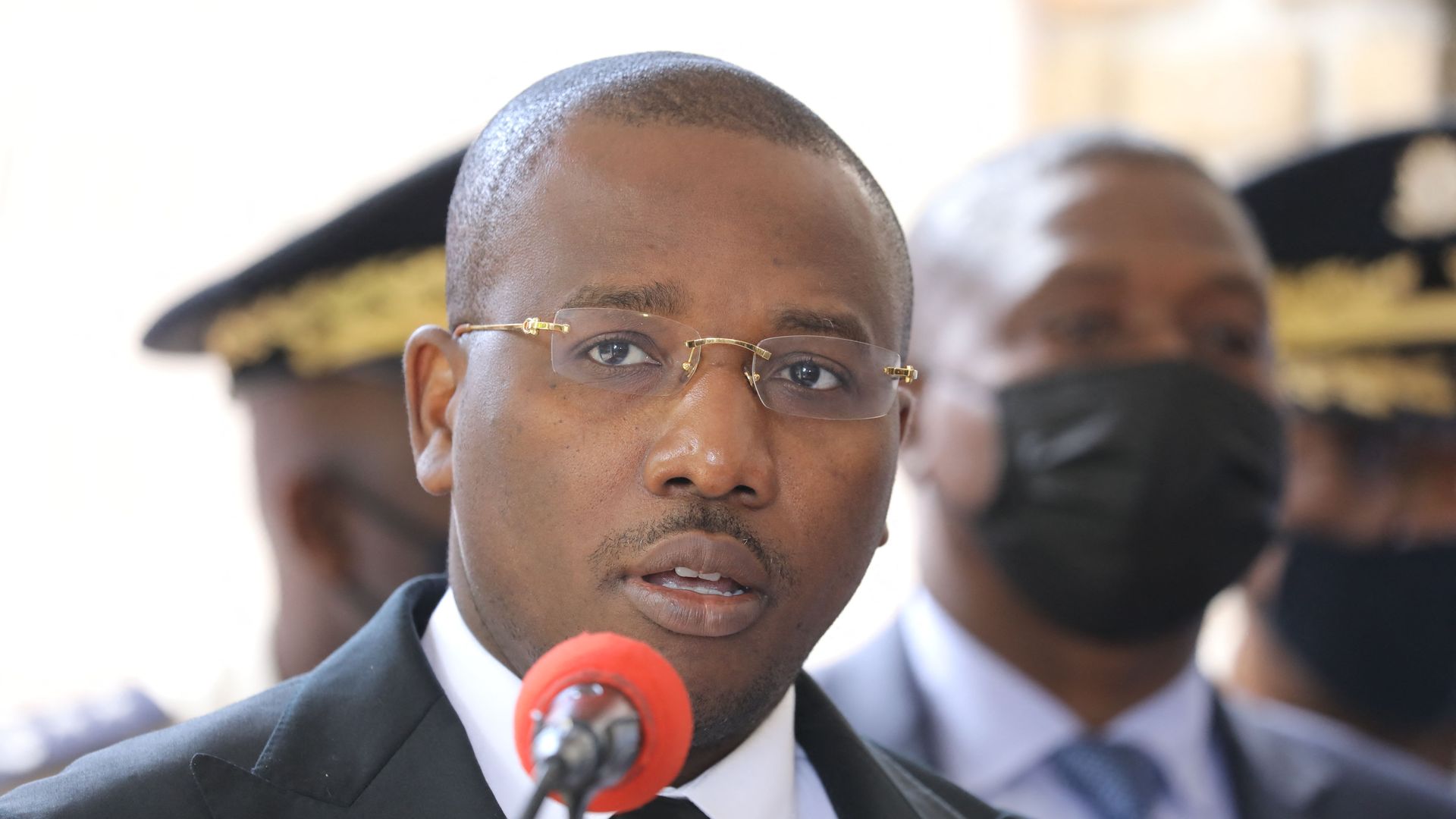
Haiti's acting Prime Minister Claude Joseph told the Washington Post on Monday that he will step down from the role, which had seen him serve as de facto leader of Haiti in the wake of President Jovenel Moïse's assassination earlier this month.
Why it matters: Joseph's decision to step down, which he said was “for the good of the nation," may resolve the leadership crisis set off by Moïse's death.
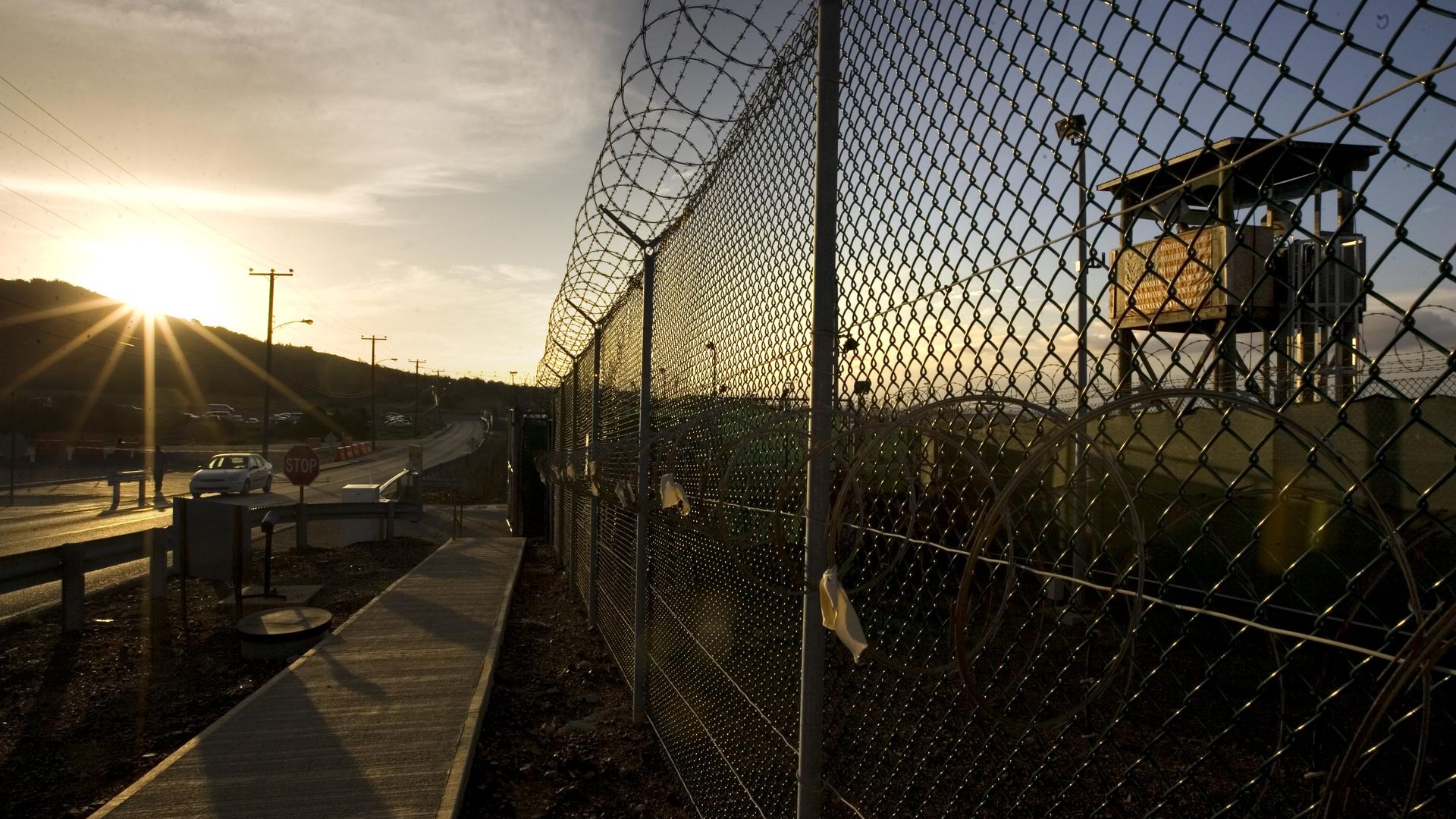
The Biden administration transferred Abdul Latif Nasser, 56, a Moroccan man who was never charged with a crime, from Guantanamo Bay back to his home country on Monday, according to the New York Times.
Why it matters: It's the first time the Biden administration has repatriated someone from Guantanamo Bay, potentially signaling a renewed effort to reduce the number of prisoners at the controversial prison complex.
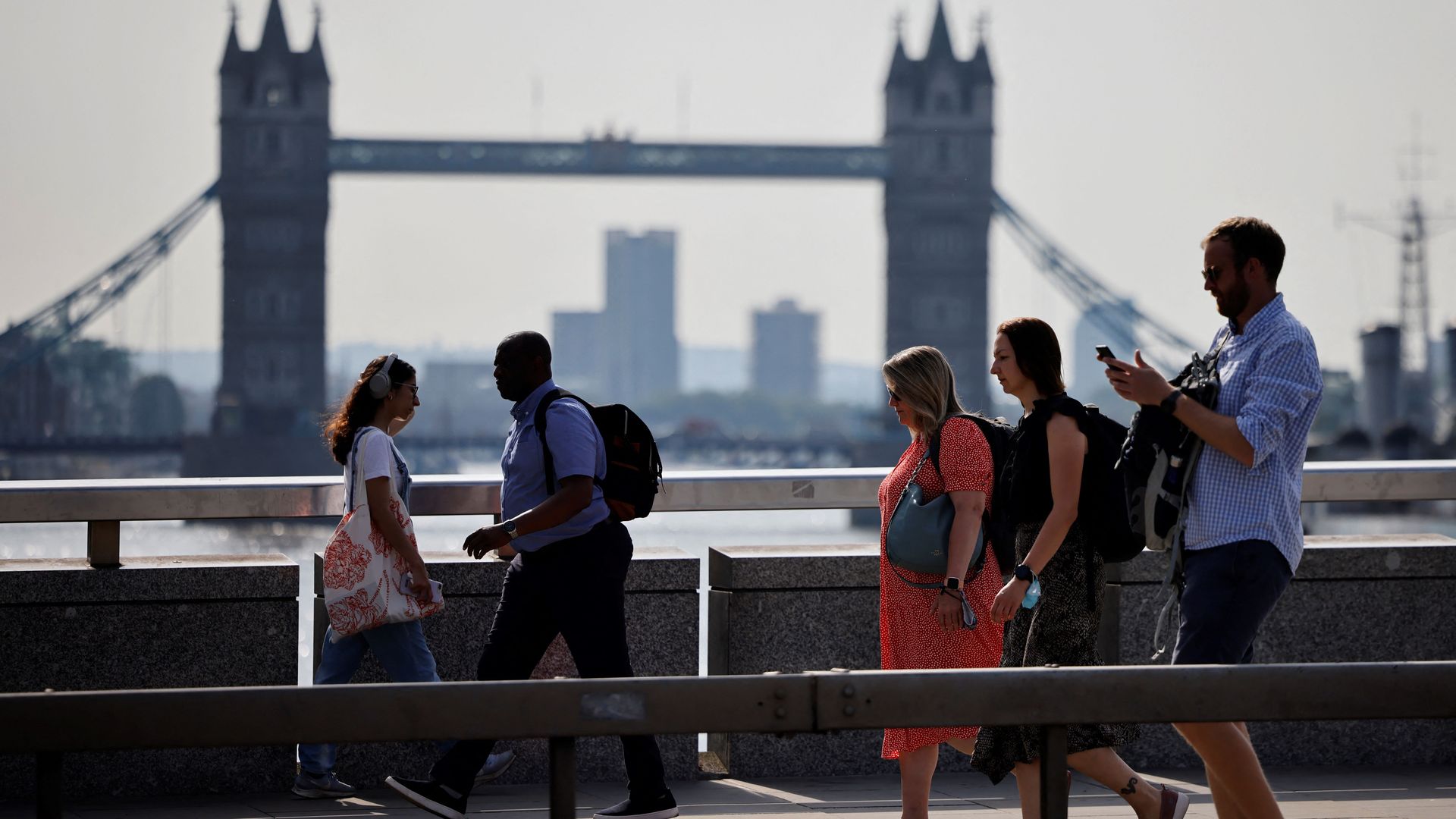
Rising new cases and Prime Minister Boris Johnson's journey back into quarantine dampened England's "freedom day" on Monday, when the country lifted most of its remaining coronavirus-related restrictions.
Why it matters: Face masks and capacity limits are no longer allowed in England, freeing up people to attend large events again, though scientists have warned that it could be dangerous to fully reopen when infections are increasing, according to AP.
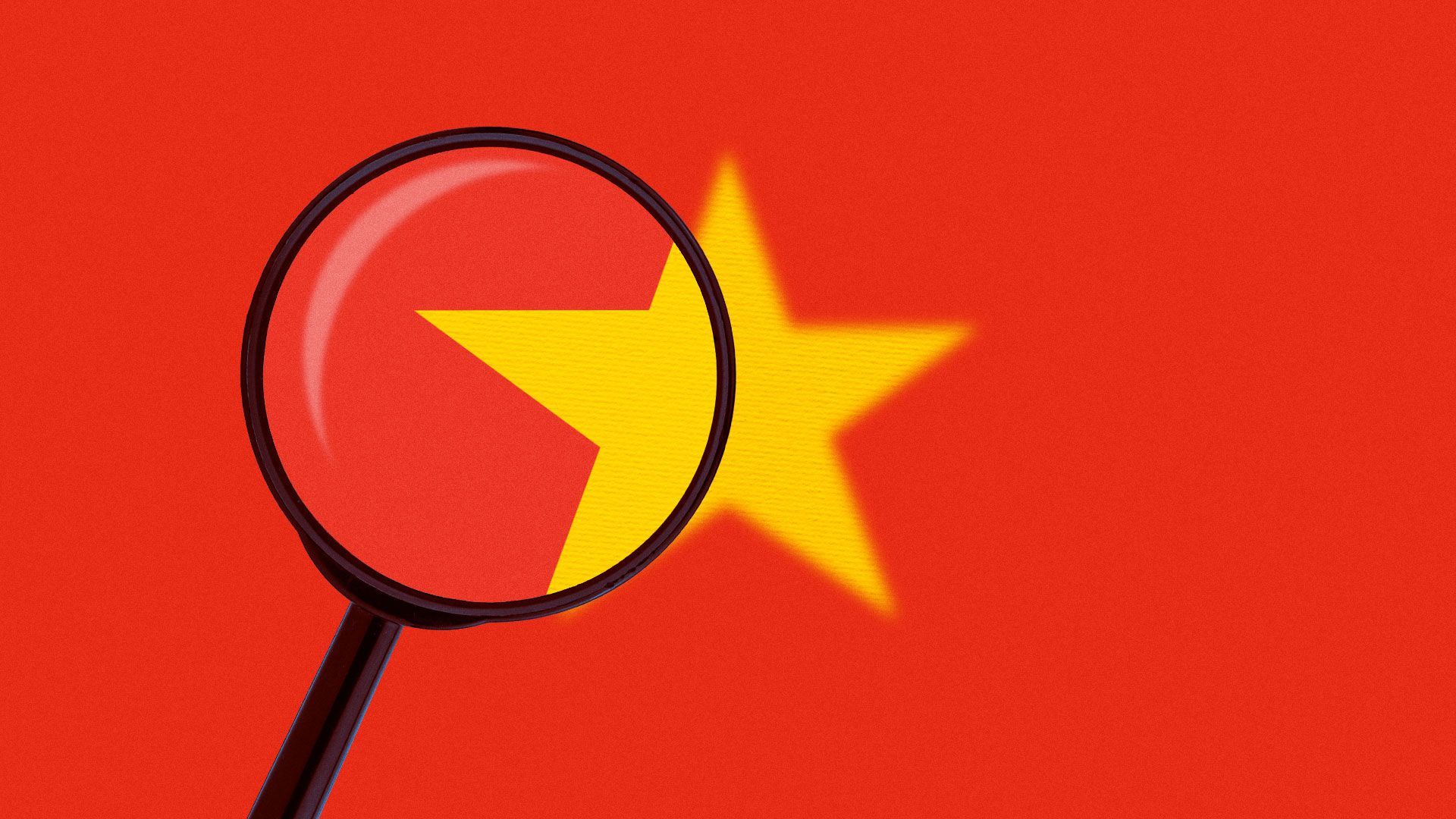
The U.S., NATO and other allies are collectively calling out China for malicious cyberattacks, including a March attack that exploited a flaw in Microsoft's Exchange Server.
Why it matters: It's the first time that NATO, a military alliance founded in 1949 to confront the Soviet Union, has signed onto a formal condemnation of China's cyber activities.
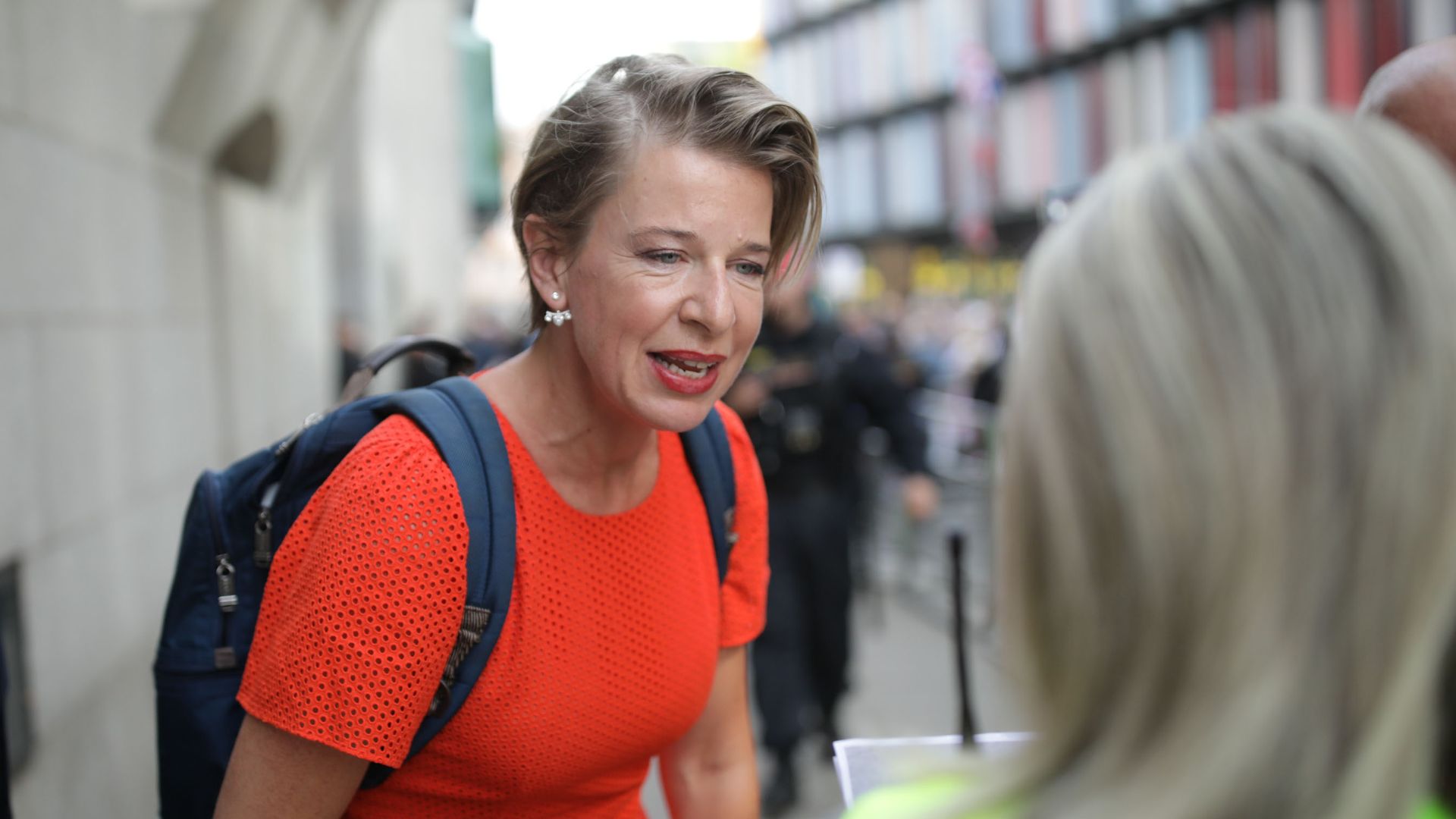
Of note: New South Wales police said in a statement they helped the Australian Border Force transfer a 46-year-old U.K.-bound woman, later identified as Hopkins, to Sydney International Airport and issued her with an AU$1000 fine ($737) for breaching hotel quarantine rules by not wearing a face covering.
Americans Michael Taylor and Peter Taylor were given prison sentences by a Tokyo court Monday for helping former Nissan chair Carlos Ghosn flee Japan in a box aboard a plane in 2019, per the Wall Street Journal.
The big picture: Former green beret Michael Taylor was given a two-year prison sentence for planning the escape to Lebanon of Ghosn, who was awaiting trial in Tokyo on financial misconduct charges. Peter Taylor was sentenced to one year and eight months. The pair pleaded guilty last month. Ghosn denies any wrongdoing.
Israeli cyber intelligence firm NSO Group's hacking software has been used to spy on heads of state, journalists, activists and lawyers across the world, per an investigation by 17 news organizations and nonprofits, published Sunday.
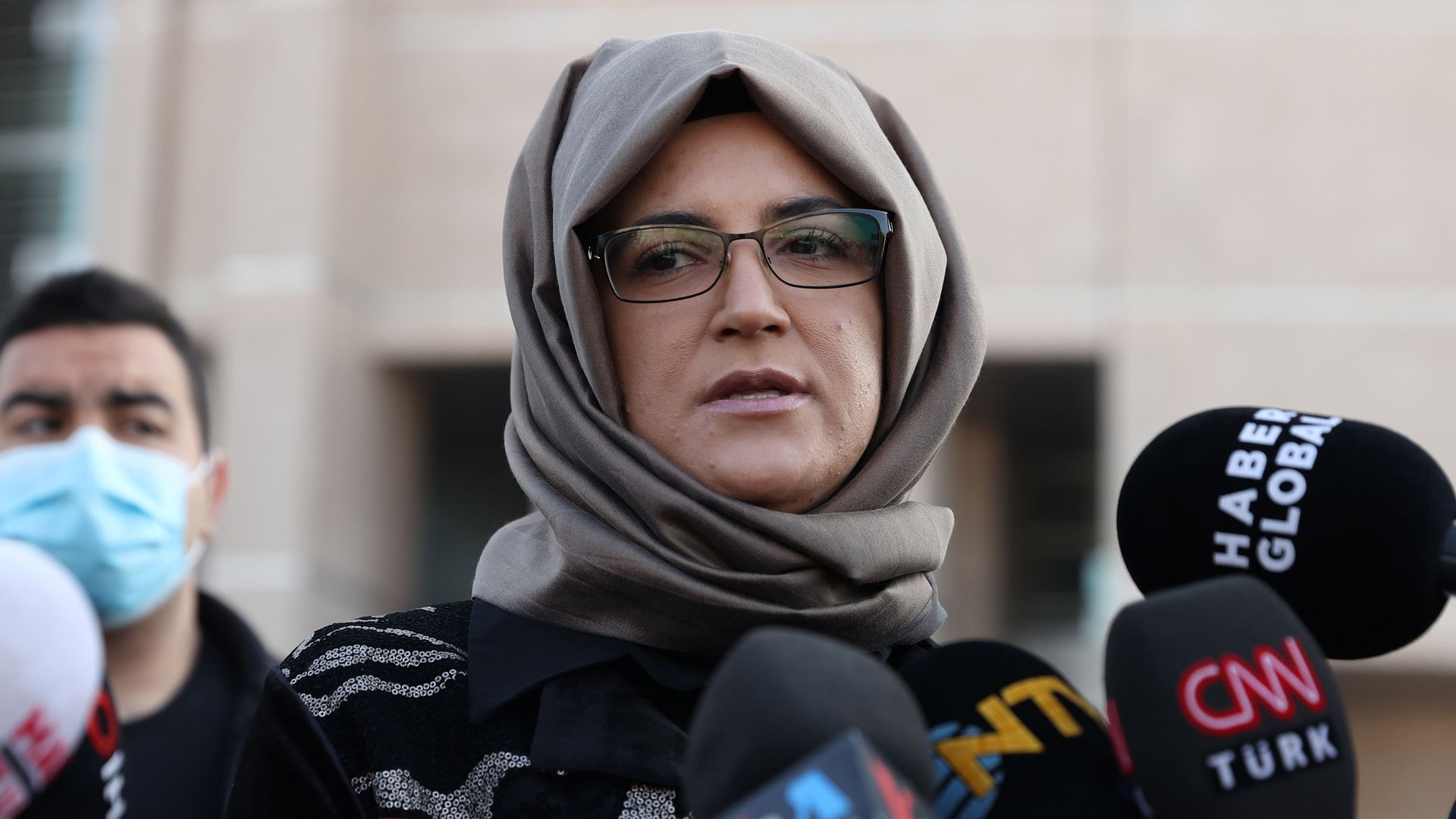
Why it matters: Authoritarian governments and others have used this spyware "to facilitate human rights violations around the world on a massive scale," with 50,000 phone numbers of targets leaked — including the family of slain journalist Jamal Khashoggi, alleges rights group Amnesty International, which helped research the report, which NSO called "false."