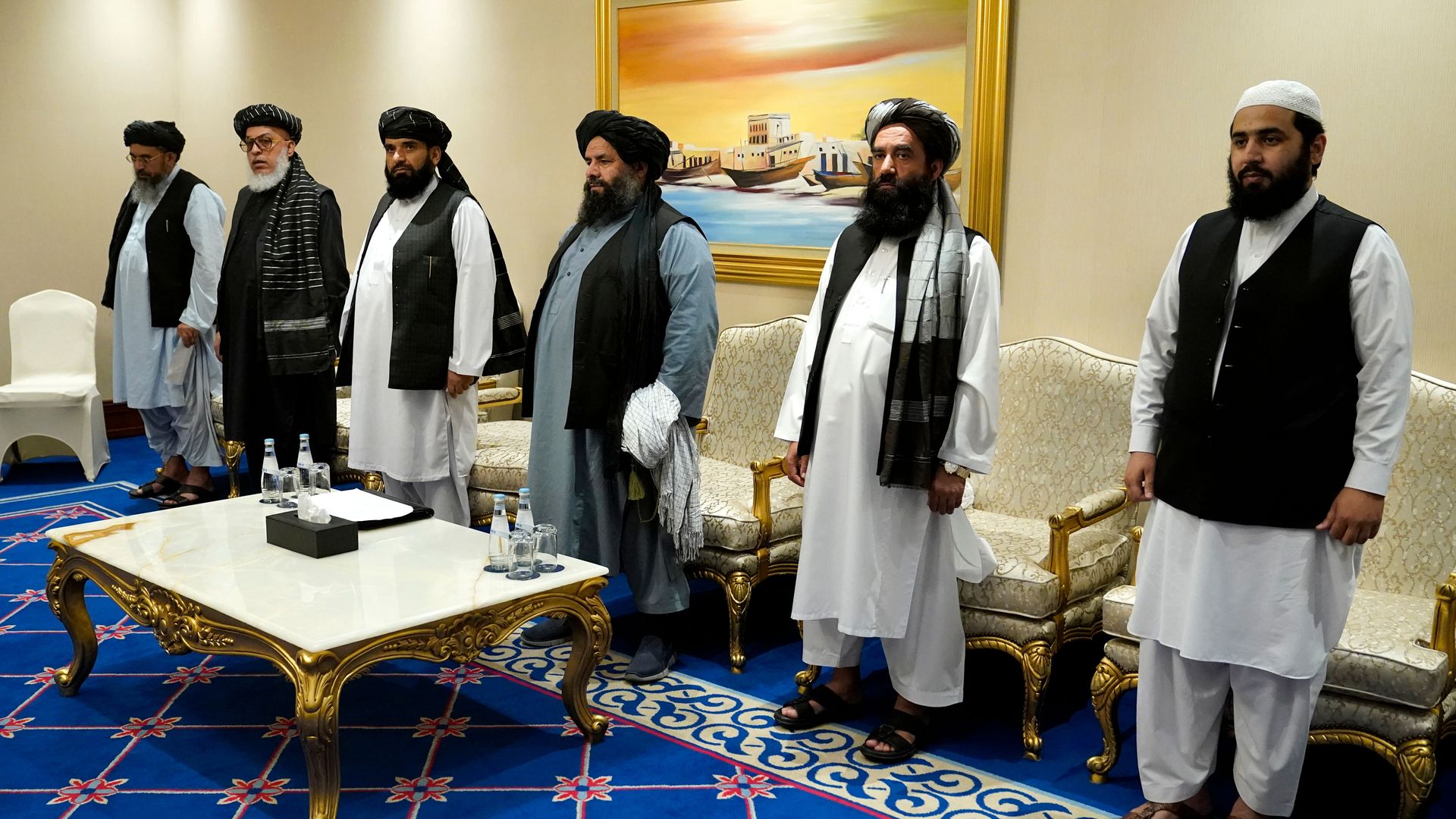
The Taliban will not attend "any conference that shall make decisions about Afghanistan" until "all foreign forces completely withdraw," a spokesperson for the group tweeted on Tuesday.
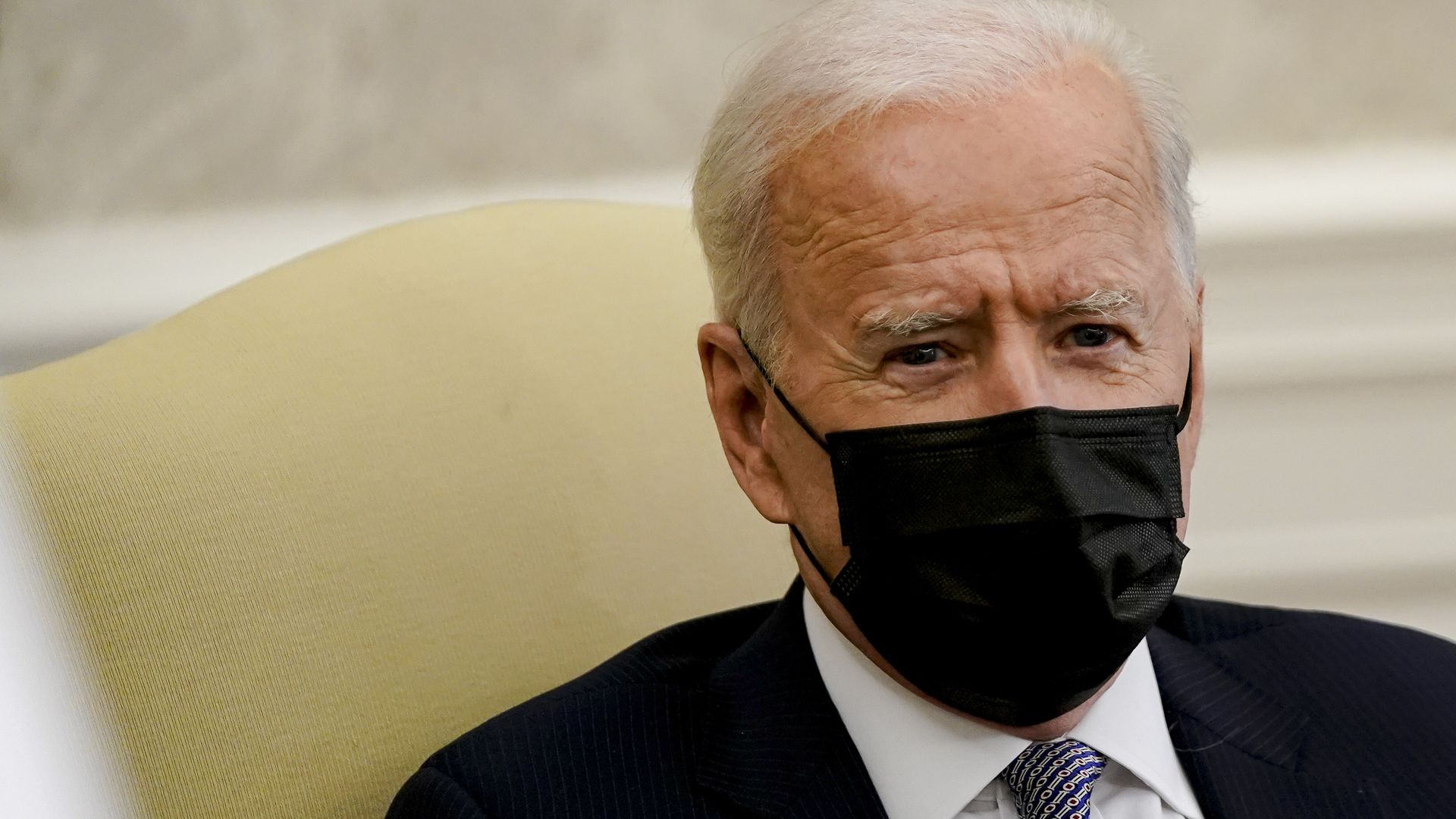
Why it matters: That's an explicit rejection of an upcoming peace conference in Istanbul. It also follows President Biden's announcement that the U.S. will withdraw its troops by Sept. 11, but miss a deadline to do so by May 1.
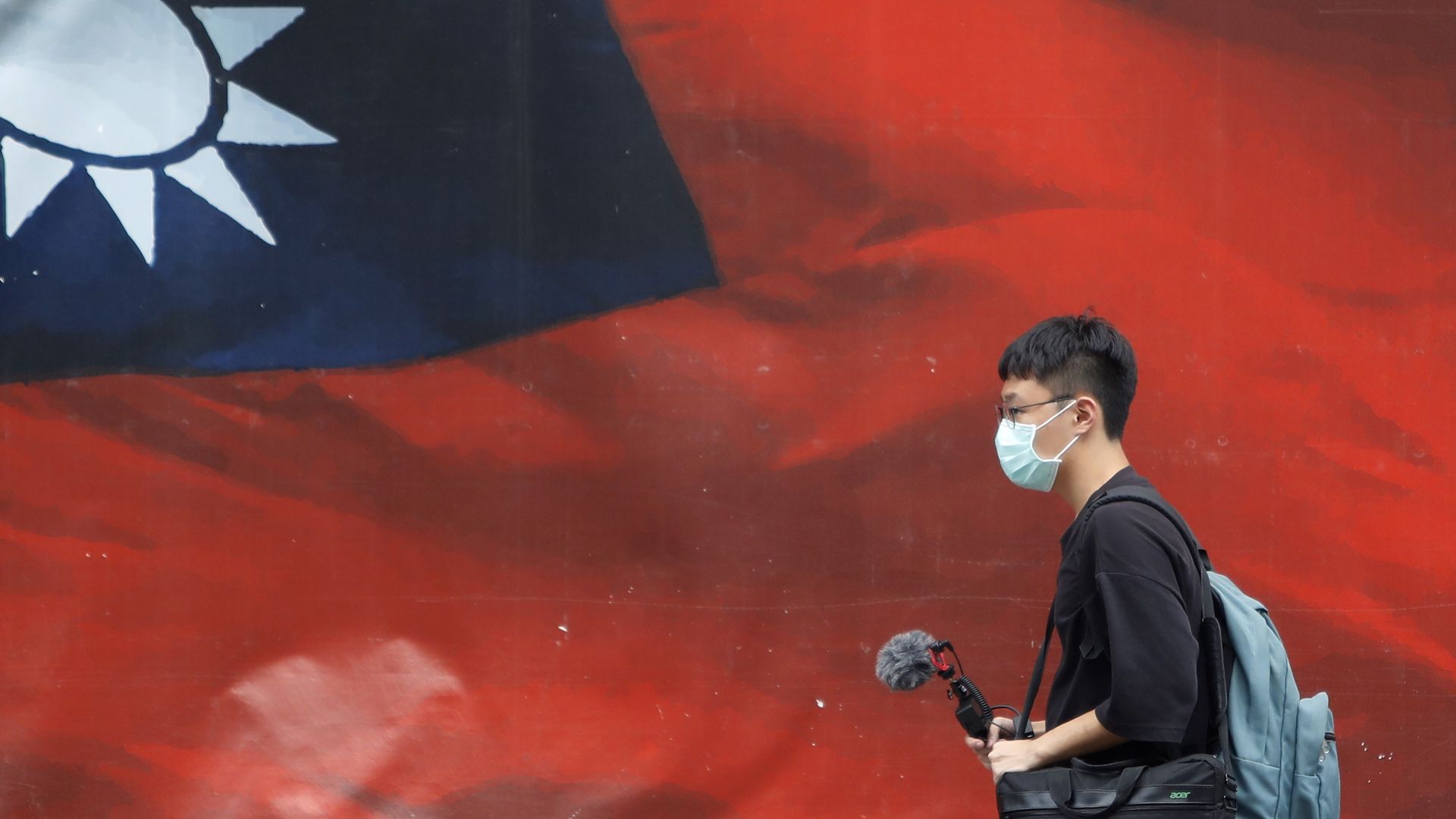
A delegation comprised of former Sen. Chris Dodd and former Deputy Secretaries of State Richard Armitage and James Steinberg left for Taiwan on Tuesday at President Biden's request as tensions rise between the self-ruled island nation and China, according to Reuters.
Why it matters: A White House official told Reuters that the "unofficial" delegation is intended as a “personal signal” of Biden's commitment to Taiwan.
President Biden is expected to announce plans to withdraw all U.S. troops from Afghanistan by Sept. 11, 2021, the 20th anniversary of the 9/11 attacks, the Washington Post reports.
Why it matters: The decision, expected to be publicly announced Wednesday, means thousands of soldiers will remain in the country beyond the current May 1 deadline, which the Trump administration negotiated with the Taliban last year.
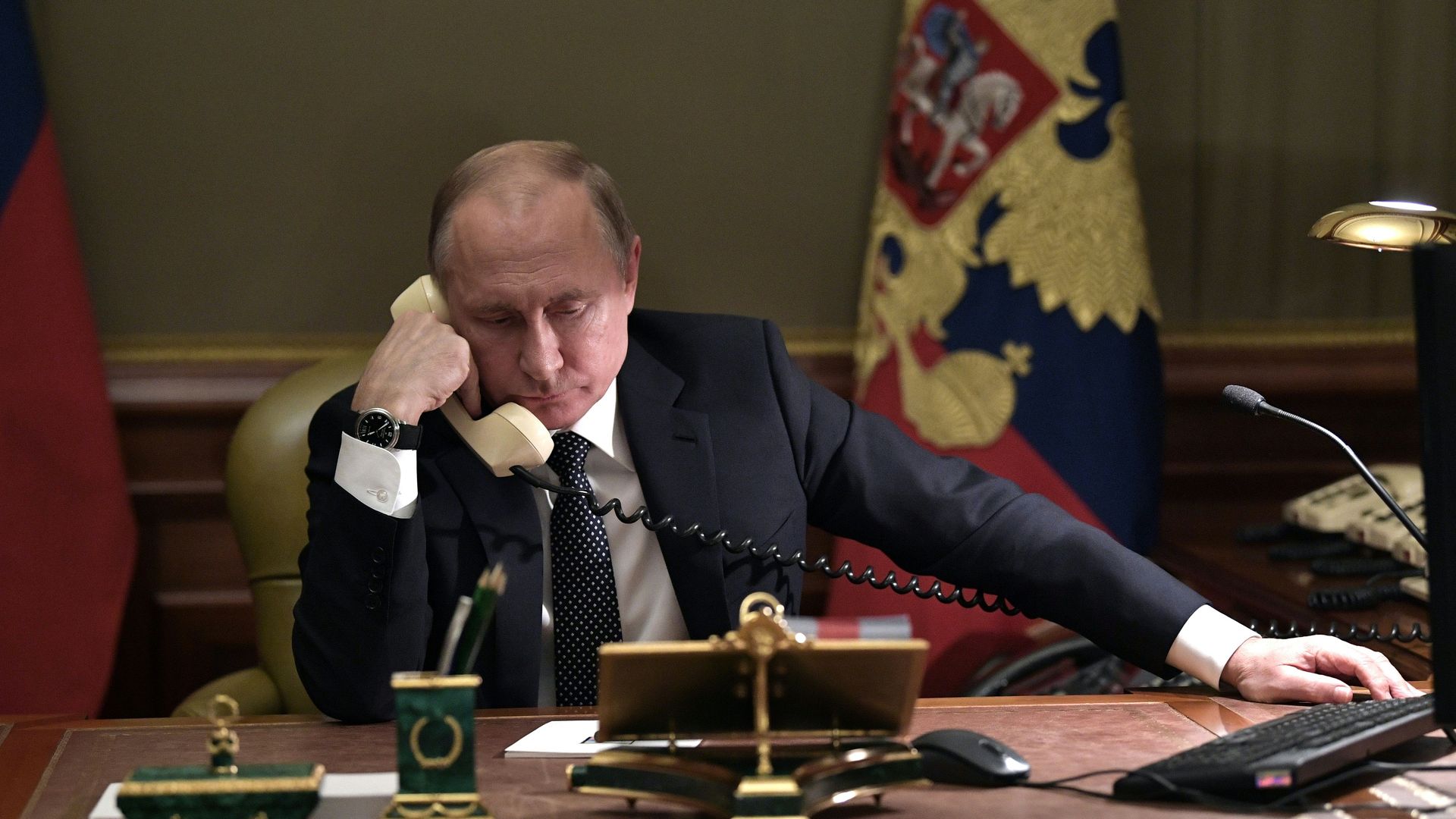
President Biden spoke with Russian President Vladimir Putin on Tuesday and proposed that they meet for a summit "in a third country in the coming months," according to the White House.
Why it matters: The call comes amid a Russian build-up on Ukraine's borders, and after Putin reacted furiously to an interview in which Biden agreed that the Russian president was a "killer."
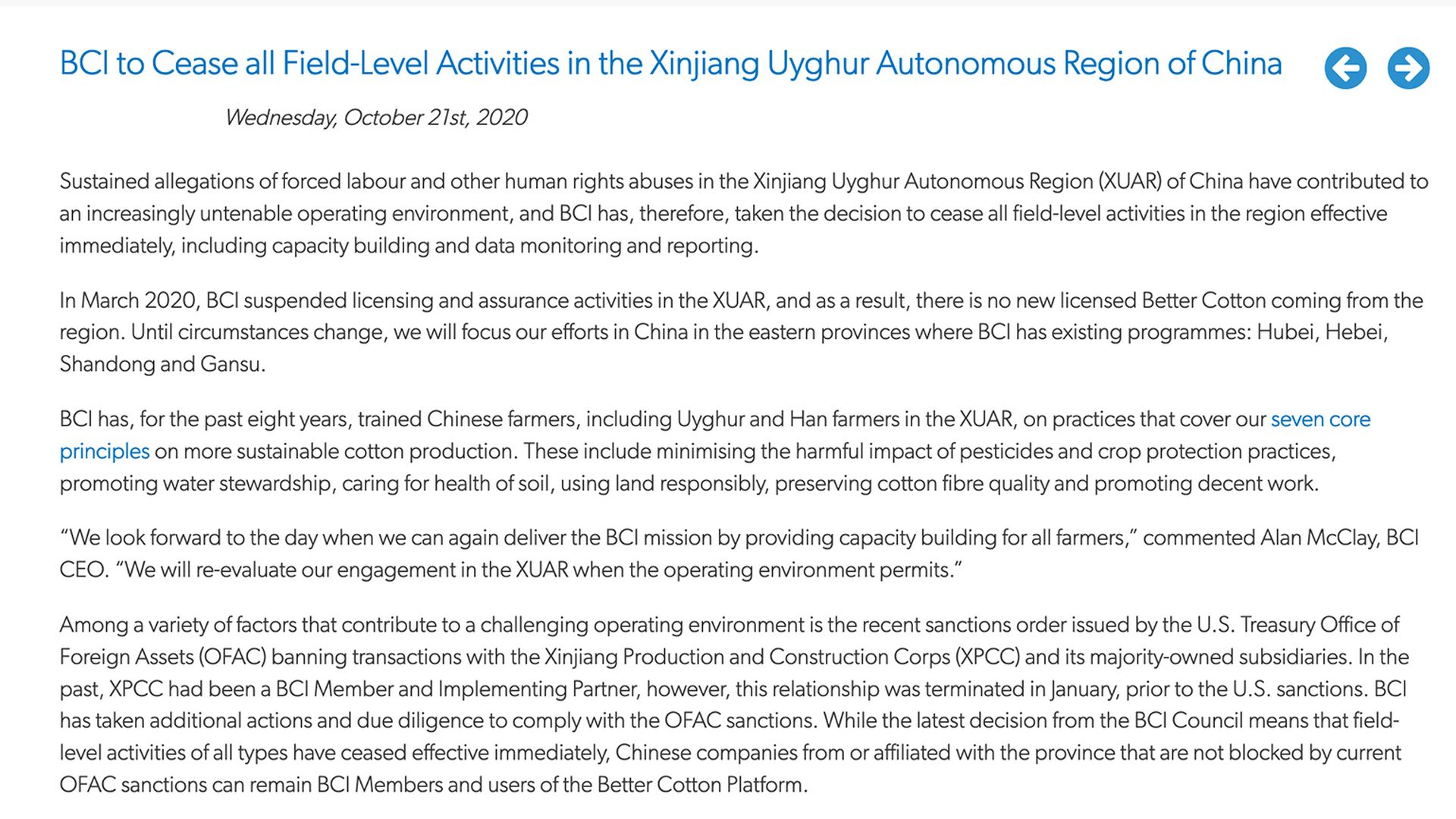
Last year, an international cotton watchdog organization announced it was ceasing all operations in Xinjiang amid reports of widespread forced labor. That statement has now disappeared from the organization's website as backlash grows in China against international attempts to boycott Xinjiang cotton.
The big picture: The Chinese government is pressuring foreign companies and organizations to stay silent on repression in Xinjiang, or in some cases, to even actively promote Xinjiang-made products.
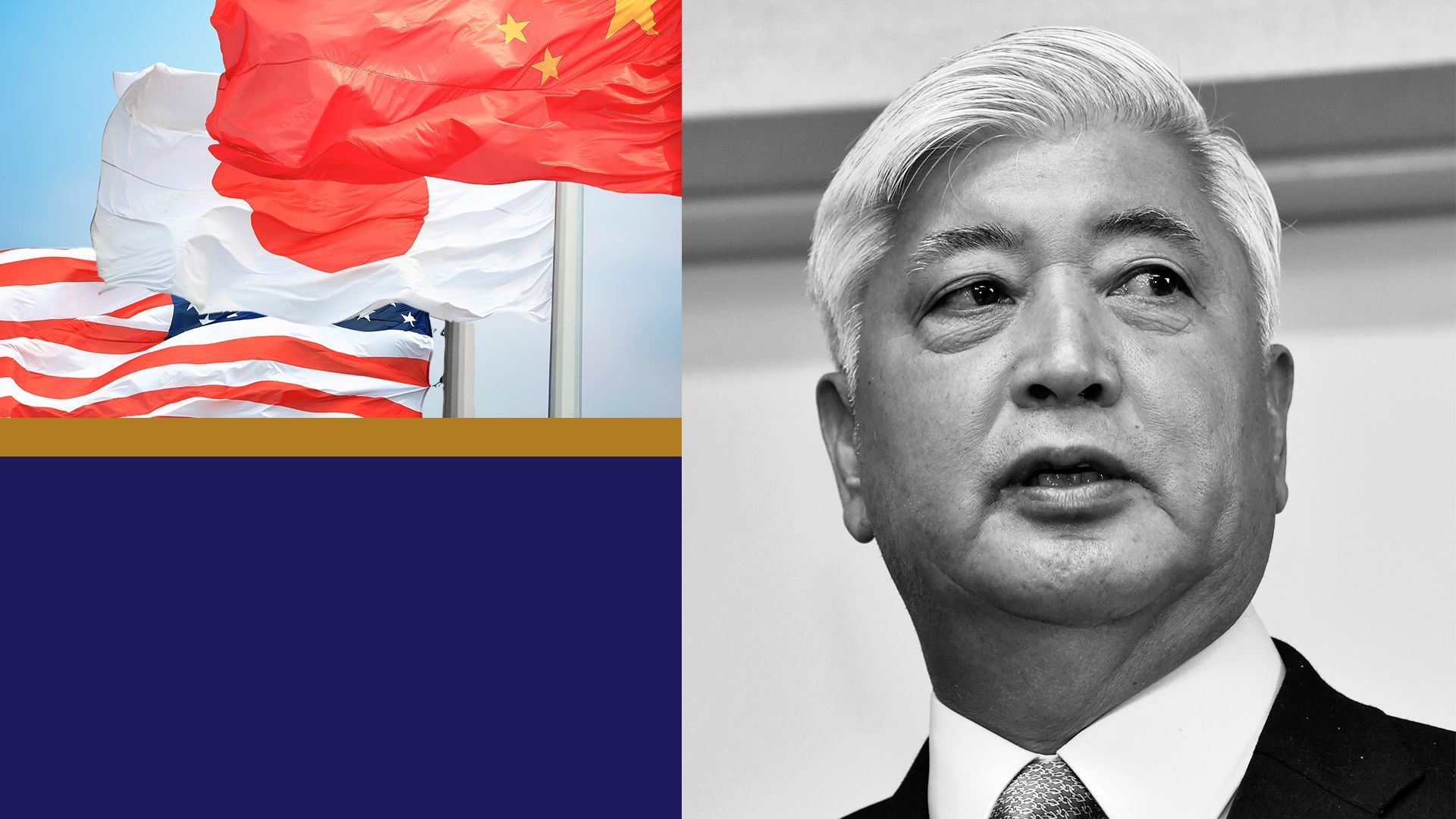
The U.S. and Japan should coordinate even more closely to check China’s military rise, Gen Nakatani, a prominent member of Japan’s House of Representatives and a former defense minister, told Axios in an interview.
Why it matters: Later this week, Japanese Prime Minister Yoshihide Suga will become the first foreign leader to visit President Biden at the White House, demonstrating the importance that the Biden administration is placing on the U.S.-Japan relationship.
The Senate Foreign Relations Committee is preparing to vote on a 280-page bipartisan bill that aims to counter the Chinese Communist Party's global influence.
Why it matters: The bill marks a culmination of years of growing concerns over the rise of an increasingly authoritarian China. It would allocate hundreds of millions of dollars to a raft of new initiatives aimed at helping the U.S. succeed in long-term ideological, military, economic and technological competition.
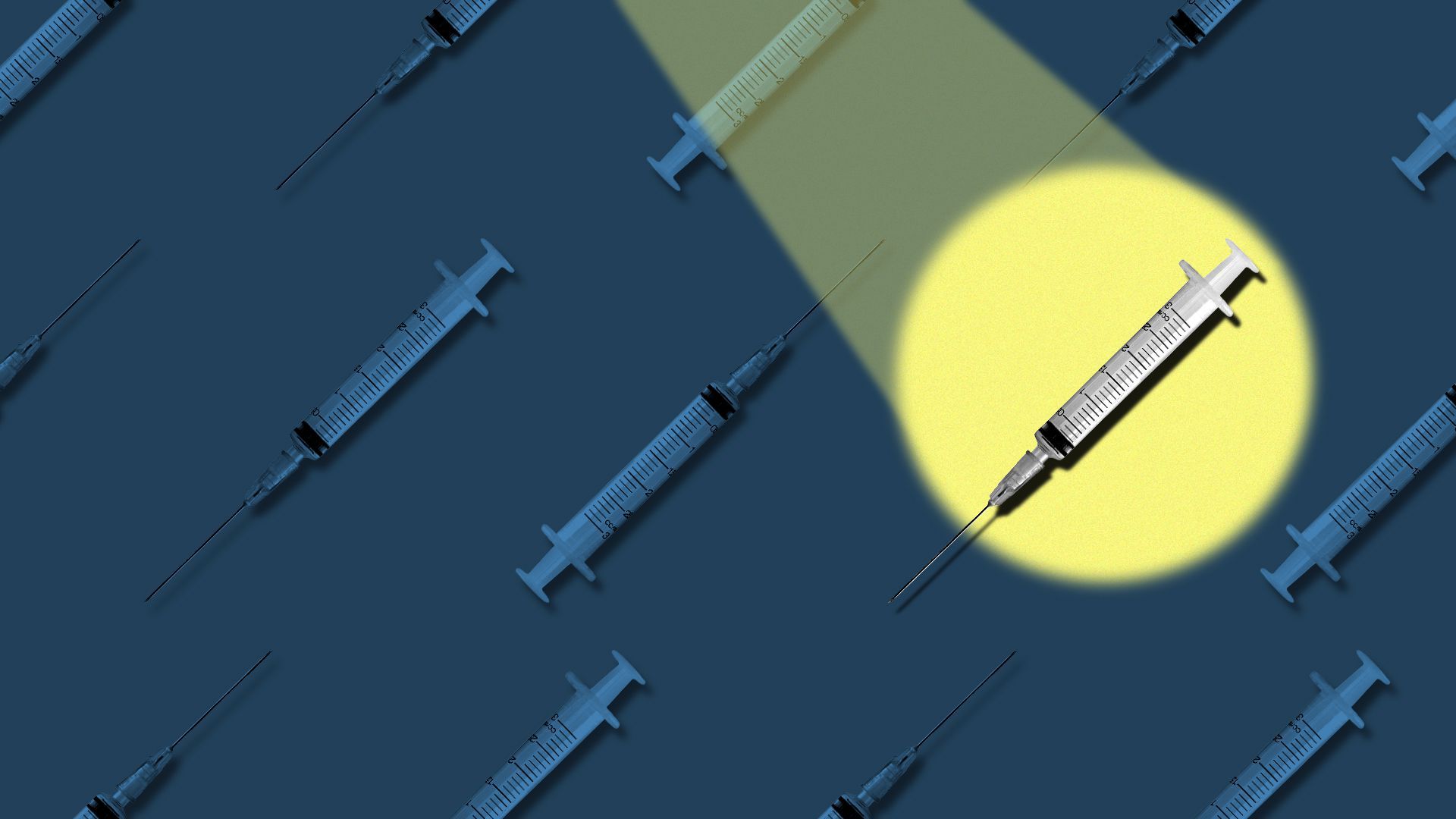
The state of play: J&J was set to send 50 million doses of its one-shot coronavirus vaccine to the European Union within the next few weeks. But the company now says it is reviewing cases of the "extremely rare" blood clotting with European authorities.
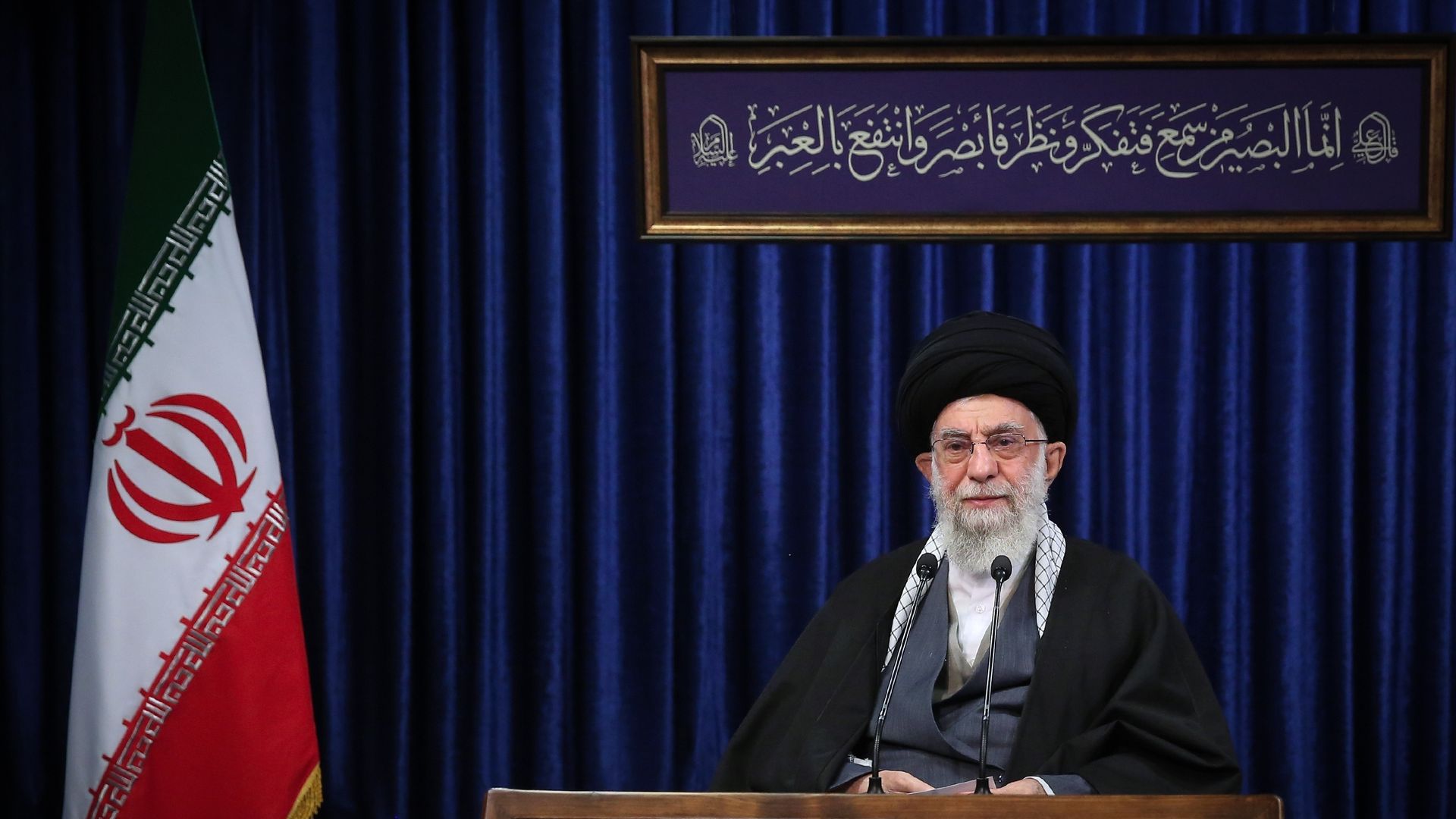
Iran has informed the director general of the International Atomic Energy Agency (IAEA) that it will begin 60% uranium enrichment, Deputy Foreign Minister Abbas Araghchi told reporters as he arrived to Vienna on Tuesday for a second round of nuclear talks.
Why it matters: This will be Iran's most severe violation of the 2015 nuclear deal since the Trump administration withdrew from the agreement in 2018. It's also a serious blow to the ongoing efforts to salvage the deal.
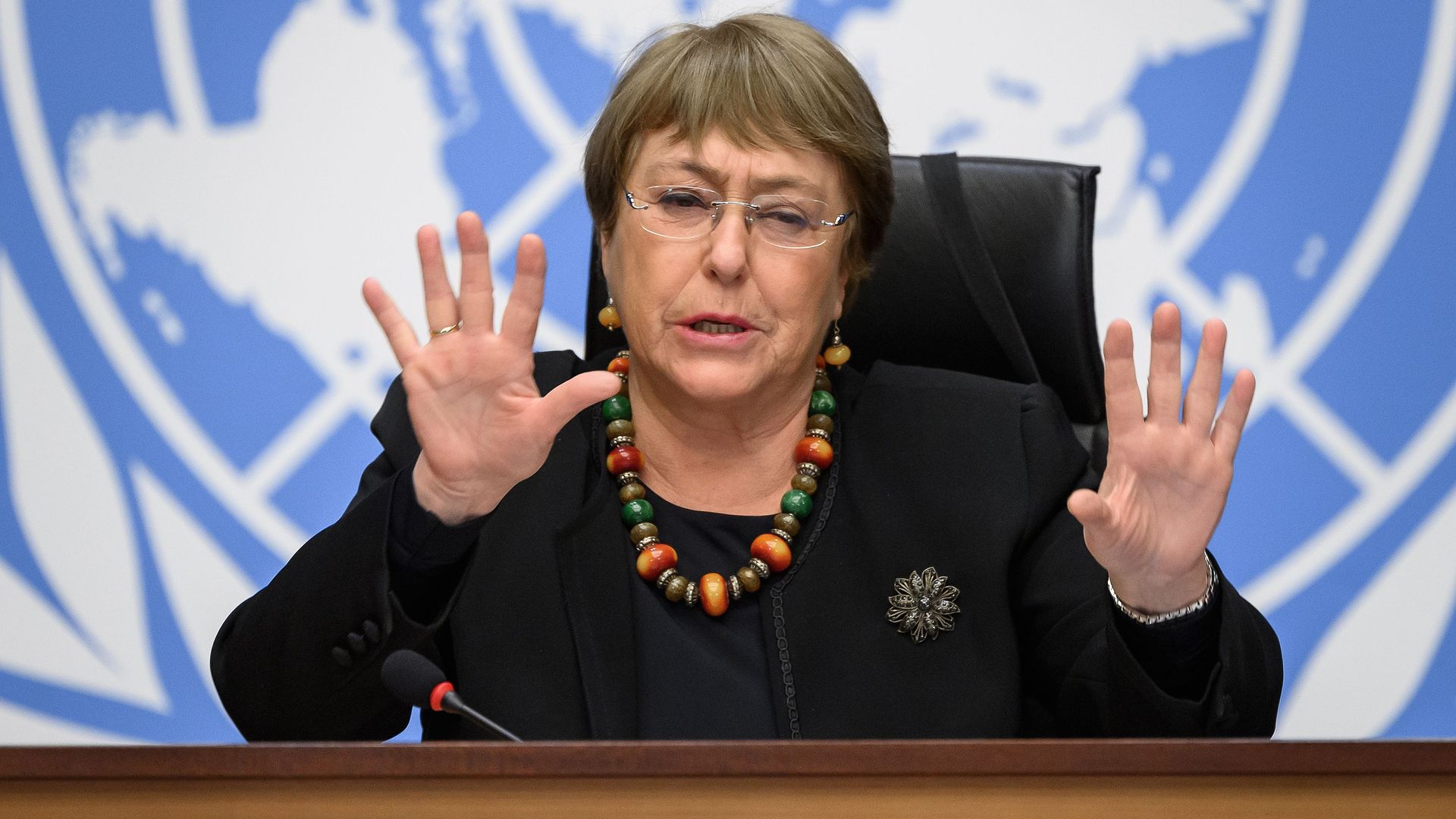
The head of the UN human rights office on Thursday urged the international community to "respond with united resolve" to the military coup in Myanmar, warning of "clear echoes of Syria in 2011."
Why it matters: Military and security forces have killed more than 700 people in the country since pro-democracy protests began in response to the Feb. 1 coup. UN High Commissioner Michelle Bachelet said in a statement Tuesday that the situation risks "heading towards a full-blown conflict."
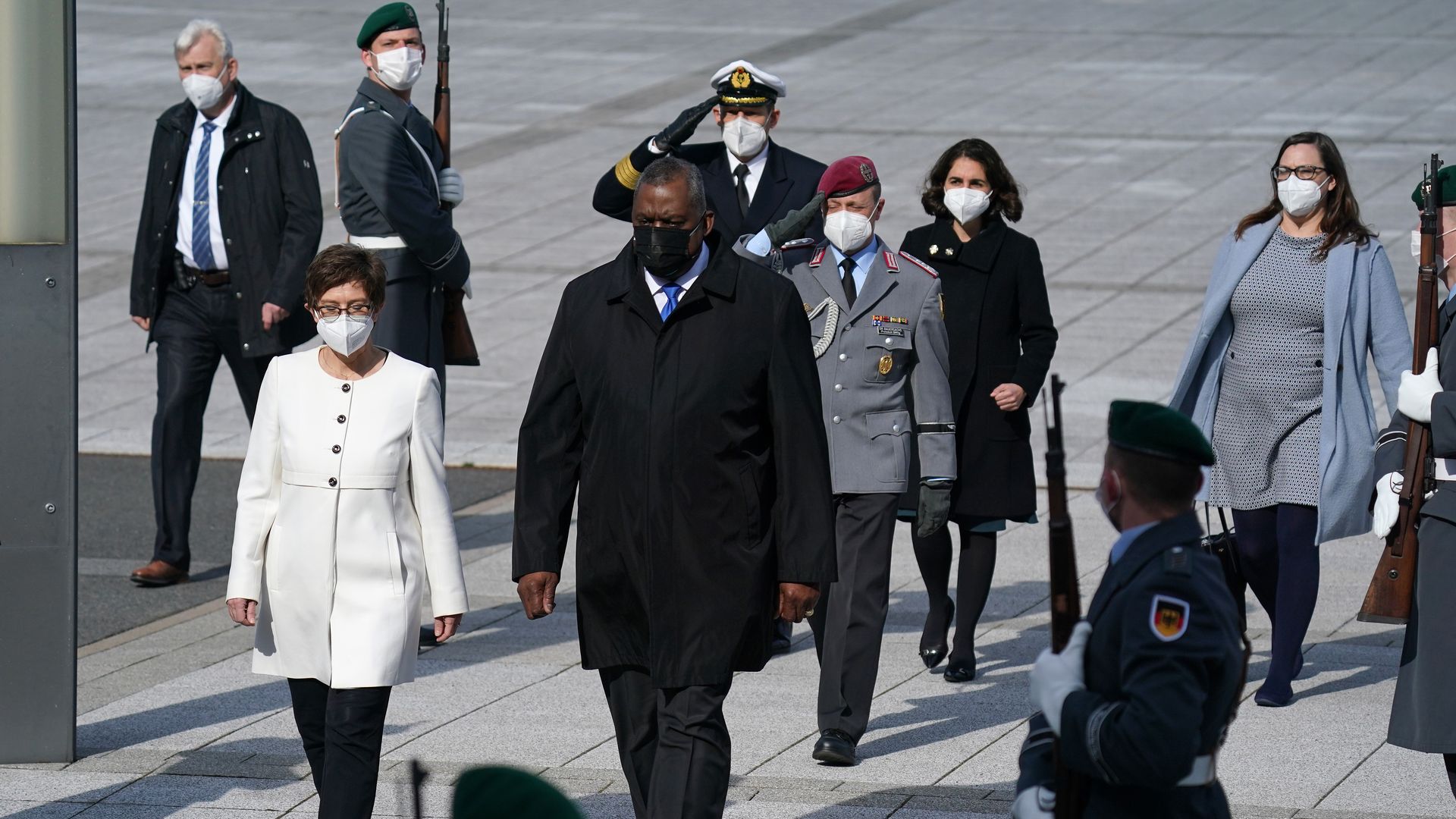
Defense Secretary Lloyd Austin announced on a trip to Berlin Tuesday that the U.S. will station an additional 500 troops in Germany as soon as this fall "to strengthen deterrence and defense in Europe."
Why it matters: It's a stark reversal from the policies of former President Trump, who sought to withdraw 12,000 troops from Germany after accusing the U.S. ally of "delinquent" payments to NATO.
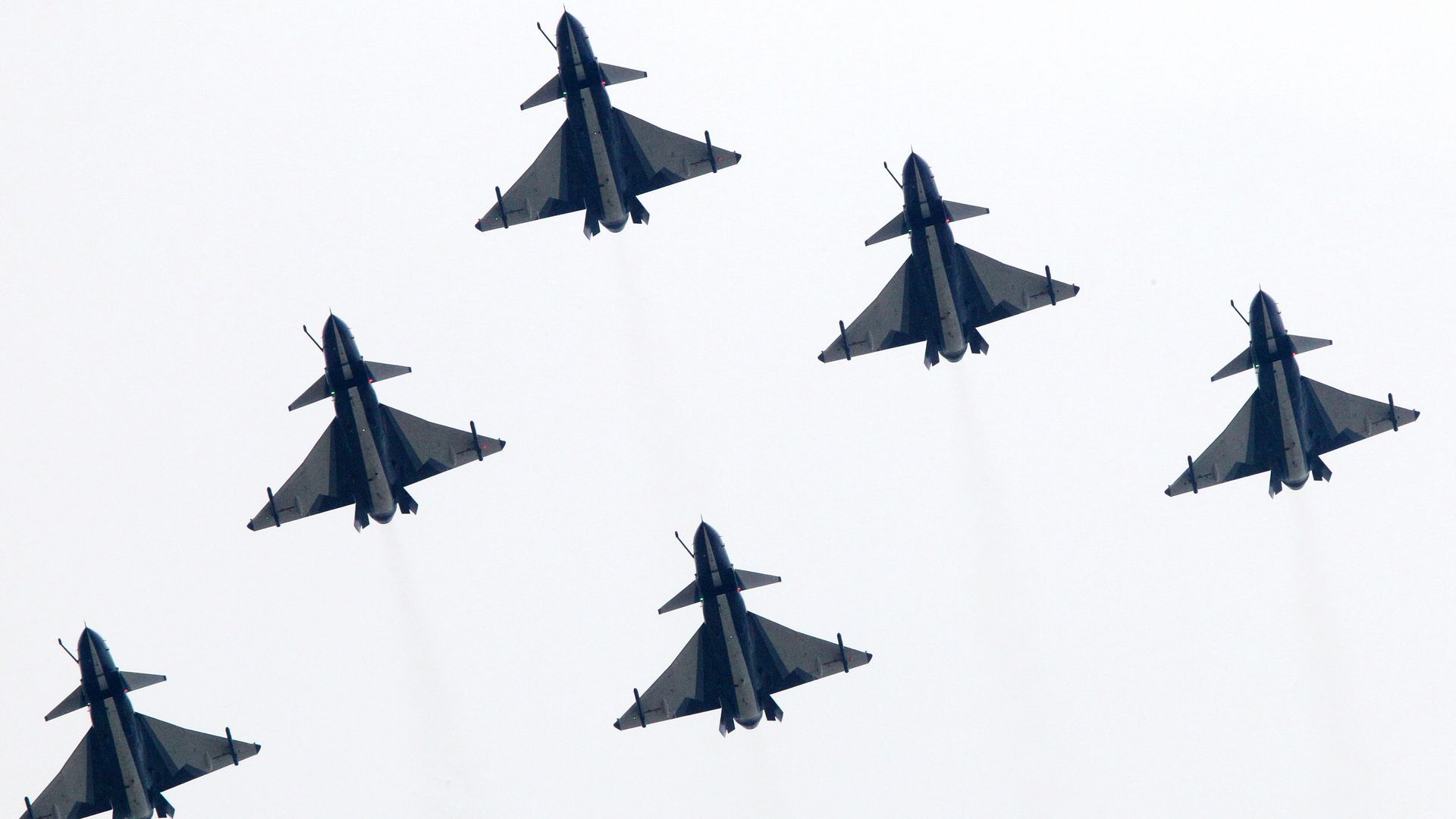
China's government has sent 25 military jets into Taiwan airspace, the self-governed island's Ministry of National Defense said.
Why it matters: Monday's deployment of 14 J-16 and four J-10 fighters, four H-6K bombers, two Y-8 anti-sub warfare aircraft and one KJ-500 aircraft marks the biggest breach of Taiwan's air defense identification zone on record, according to the island's defense ministry.
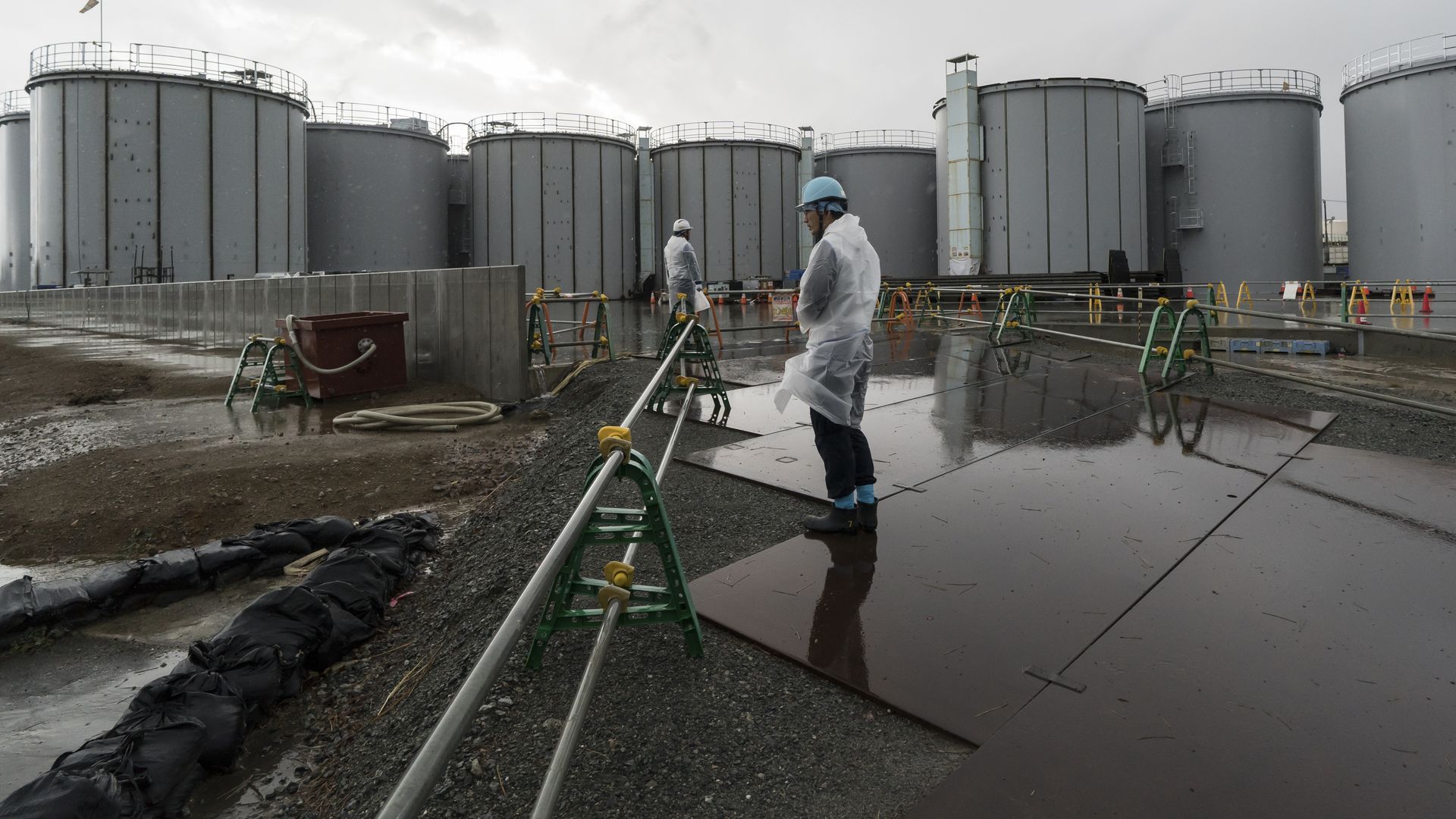
Japan's government on Tuesday announced plans to release more than 1 million metric tons of contaminated water from the destroyed Fukushima nuclear plant into the Pacific Ocean following a treatment process.
Why it matters: While the Biden administration has said Japan appears to have met globally accepted nuclear safety standards, officials in South Korea, China and Taiwan, local residents, those in the fishing industry and green groups oppose the plans, due to begin in about two years, per the Guardian.