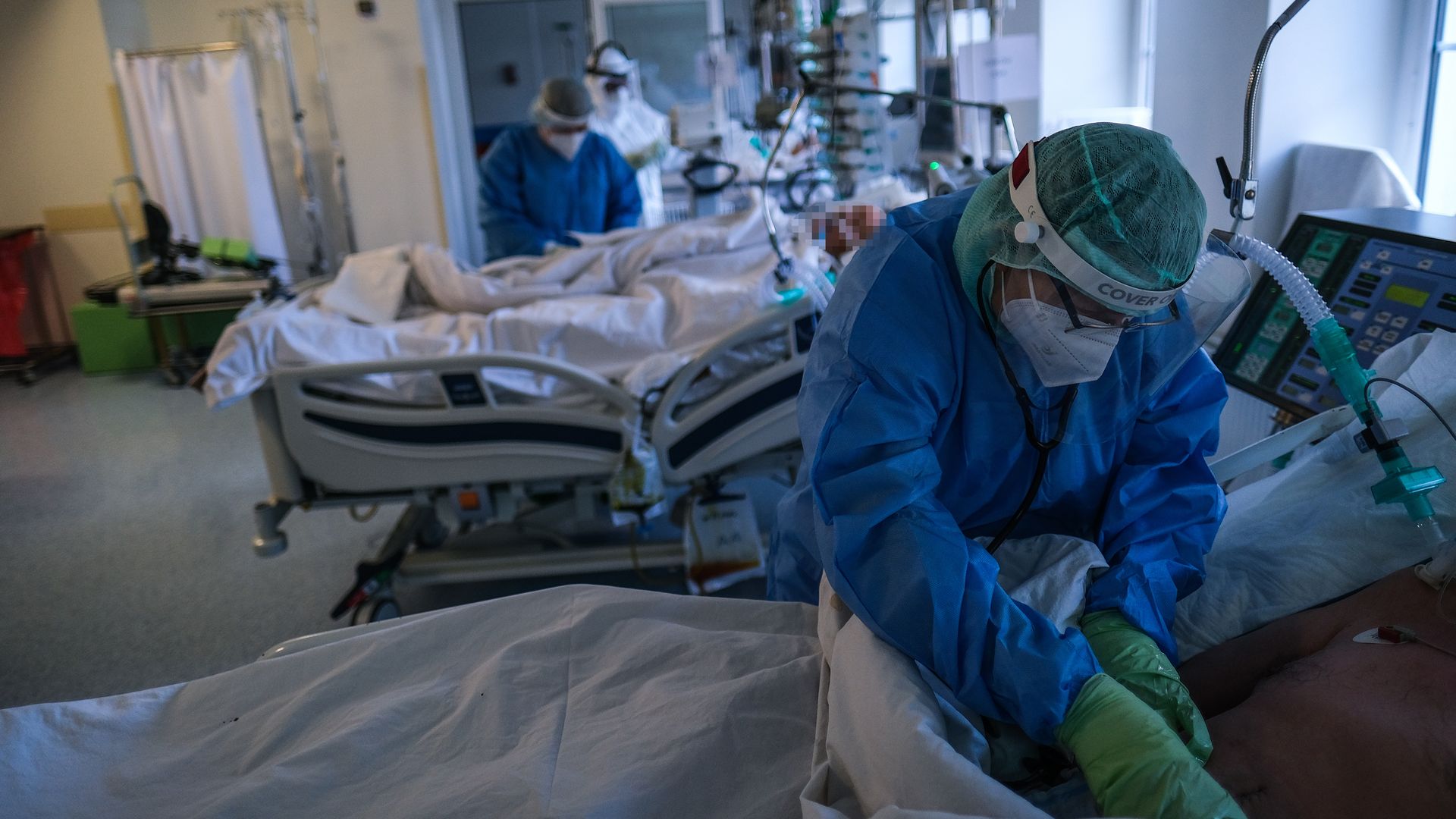
Poland reintroduced coronavirus lockdown measures starting Saturday to combat the latest surge of cases across the country, closing most of its public venues and non-essential businesses and canceling all in-person classes for three weeks.
Why it matters: Poland's Health Minister Adam Niedzielski attributed the case spike to the coronavirus variant first discovered in the United Kingdom that may spread more easily than the original strain of the virus, according to Politico.
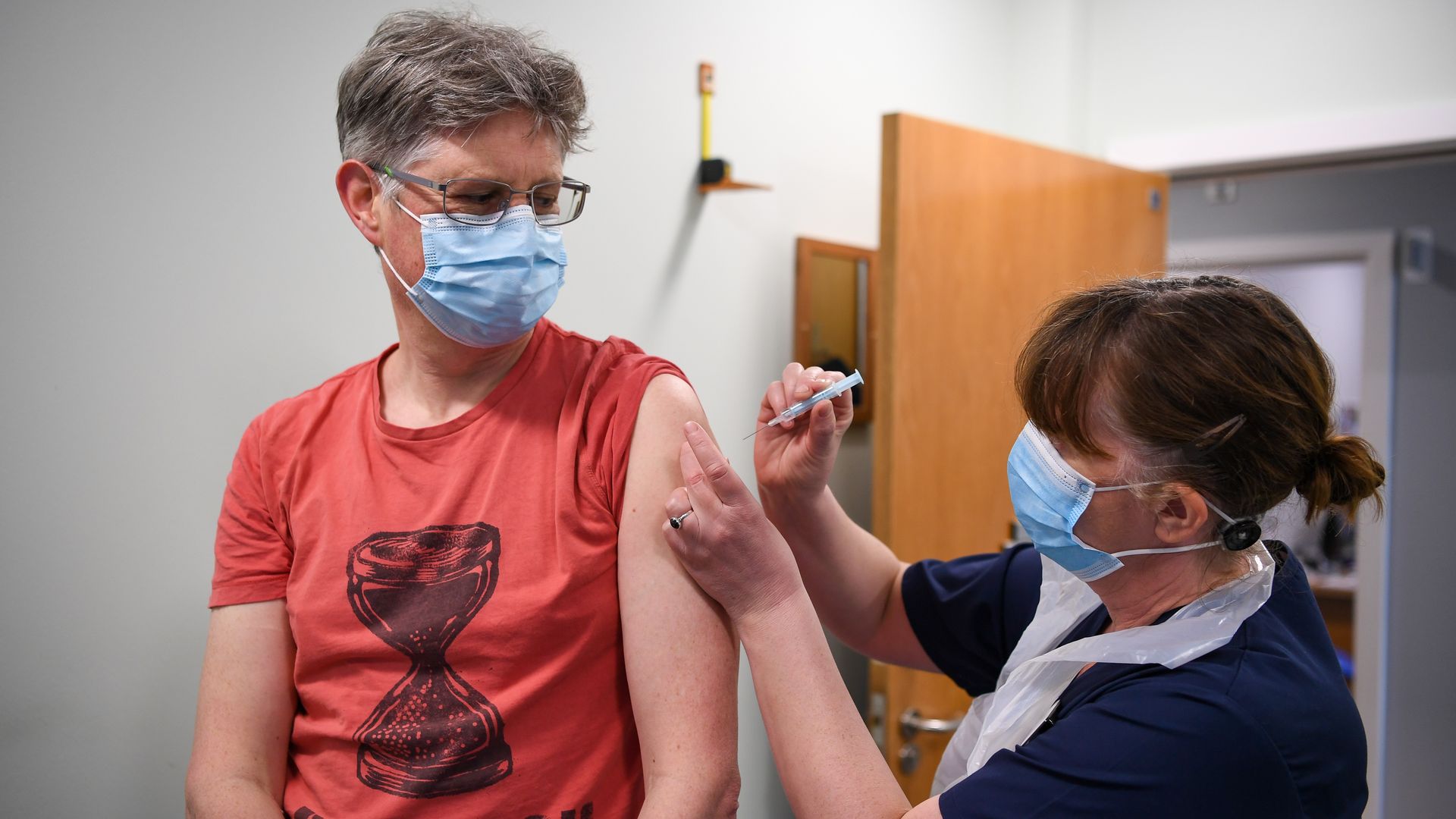
Why it matters: The country administered a record 711,1oo doses on Friday and is fourth in the world for total population vaccinated, coming just behind Israel, United Arab Emirates and Chile, according to Reuters.
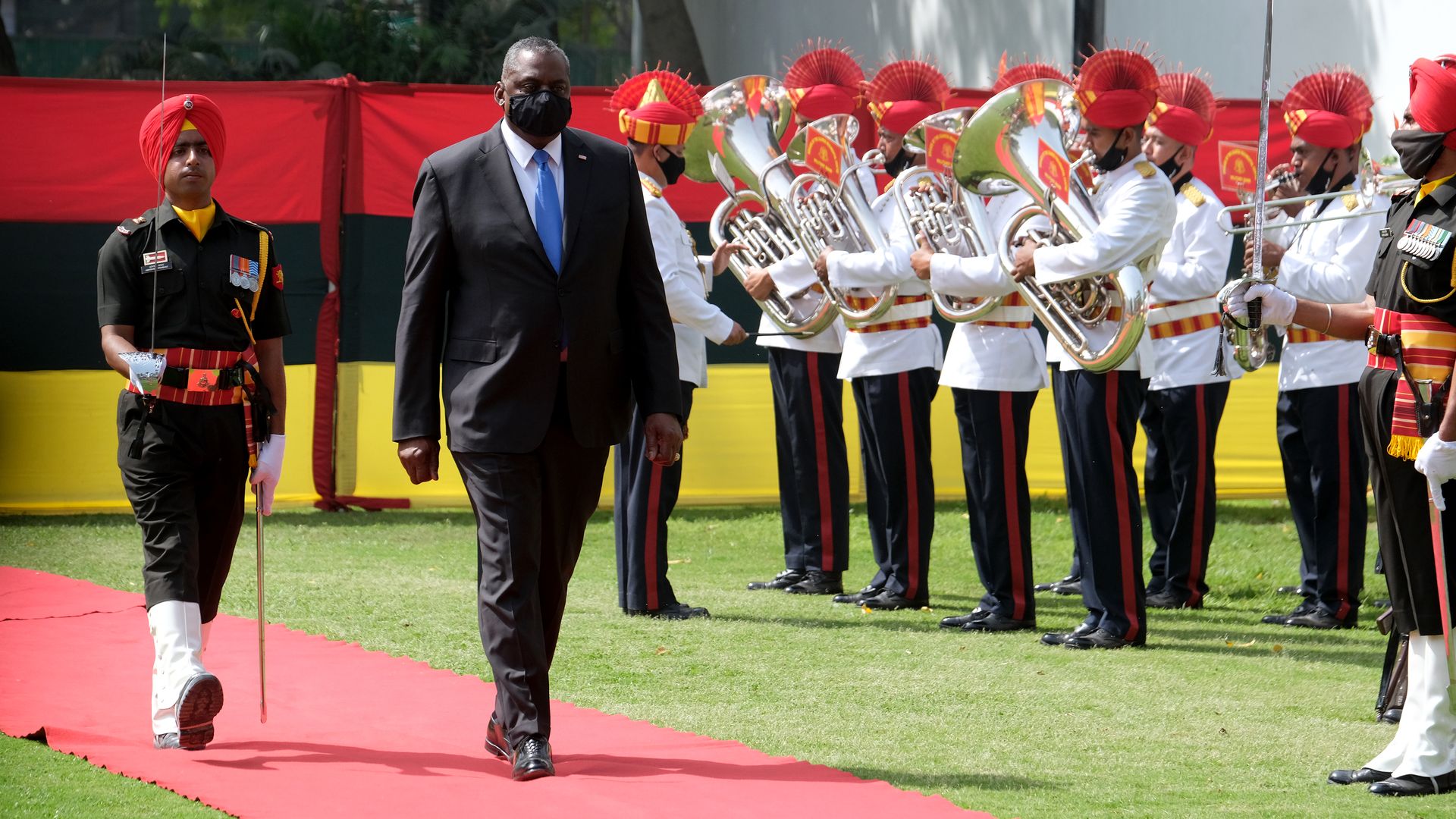
U.S. Defense Secretary Lloyd Austin on Saturday encouraged India to rethink its planned purchase of Russia’s S-400 air defense system to avoid U.S. sanctions, according to Reuters.
Why it matters: No Russian air defense systems have been delivered to India and sanctions are not currently being discussed, Austin told reporters, though the U.S. sanctioned its NATO ally Turkey late last year in response to its 2017 purchase of the defense system.
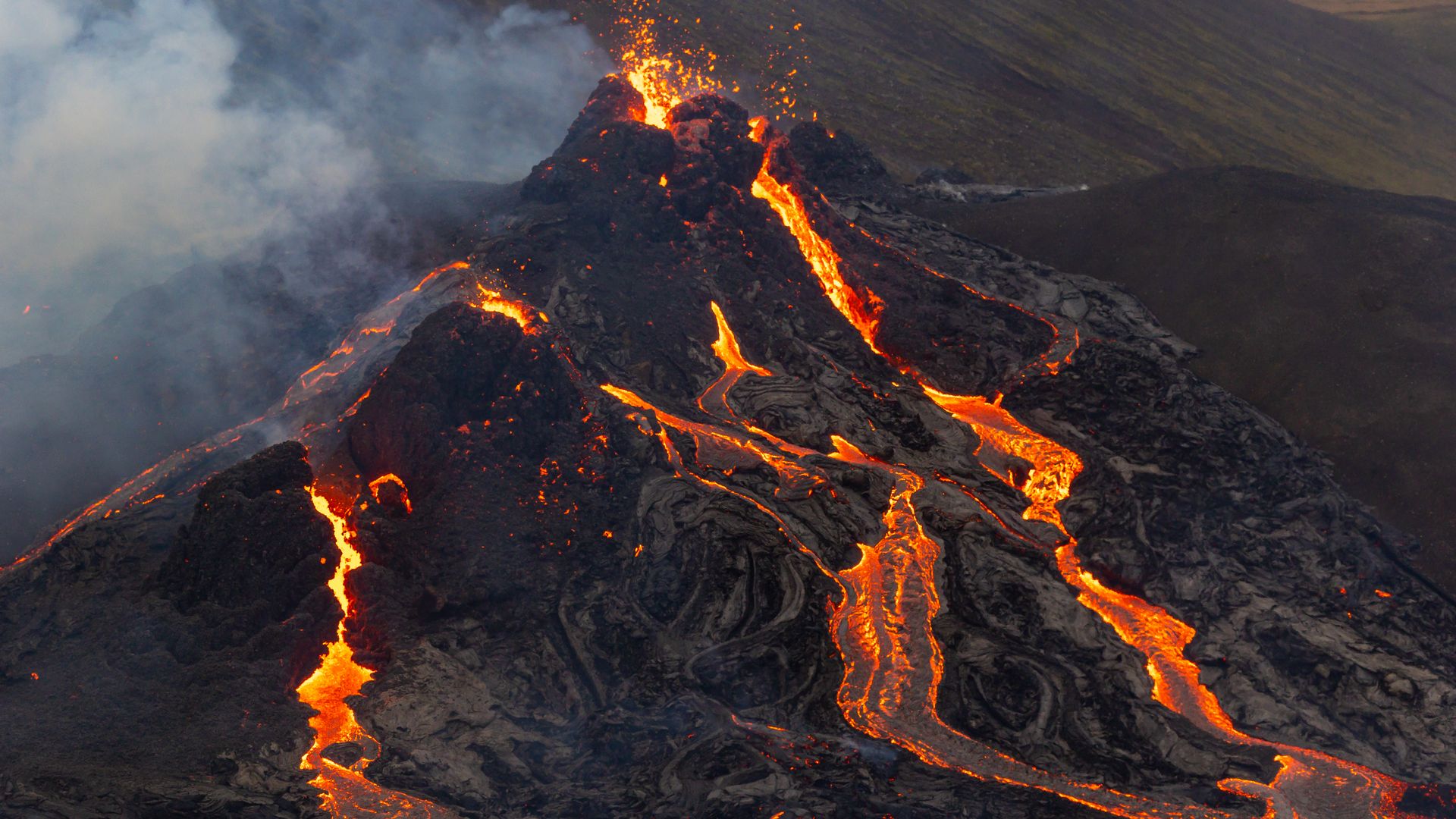
A volcano that had been inactive for roughly 6,000 years erupted on Friday night on the Reykjanes Peninsula in southwestern Iceland, according to AP.
Why it matters: The eruption — which is relatively small for now — is the area's first in 781 years, the glow from which could be seen up to 20 miles away in Reykjavík, the country's capital. Iceland's Department of Emergency Management does not expect to issue evacuations since the Fagradals Mountain volcano is located in a remote area.
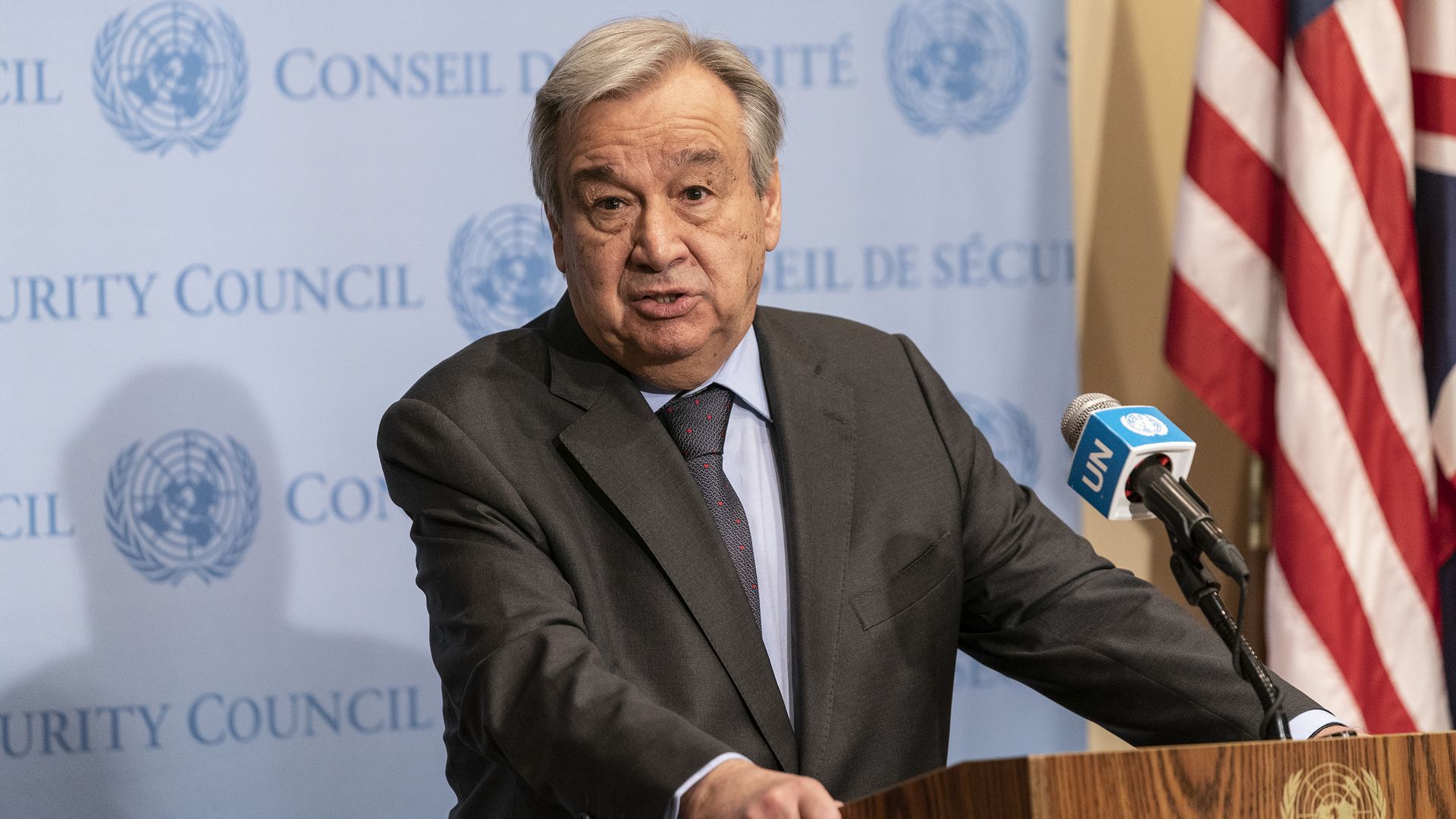
United Nations Secretary-General António Guterres pressed the United States in a CNN interview on Friday to lead the way in countering the "international threat" of extremism.
Why it matters: Guterres' call to action against extremist groups came two days after the Office of the Director of National Intelligence released a report warning that violent extremists motivated by political or racial bias pose an "elevated threat" to the U.S. this year.
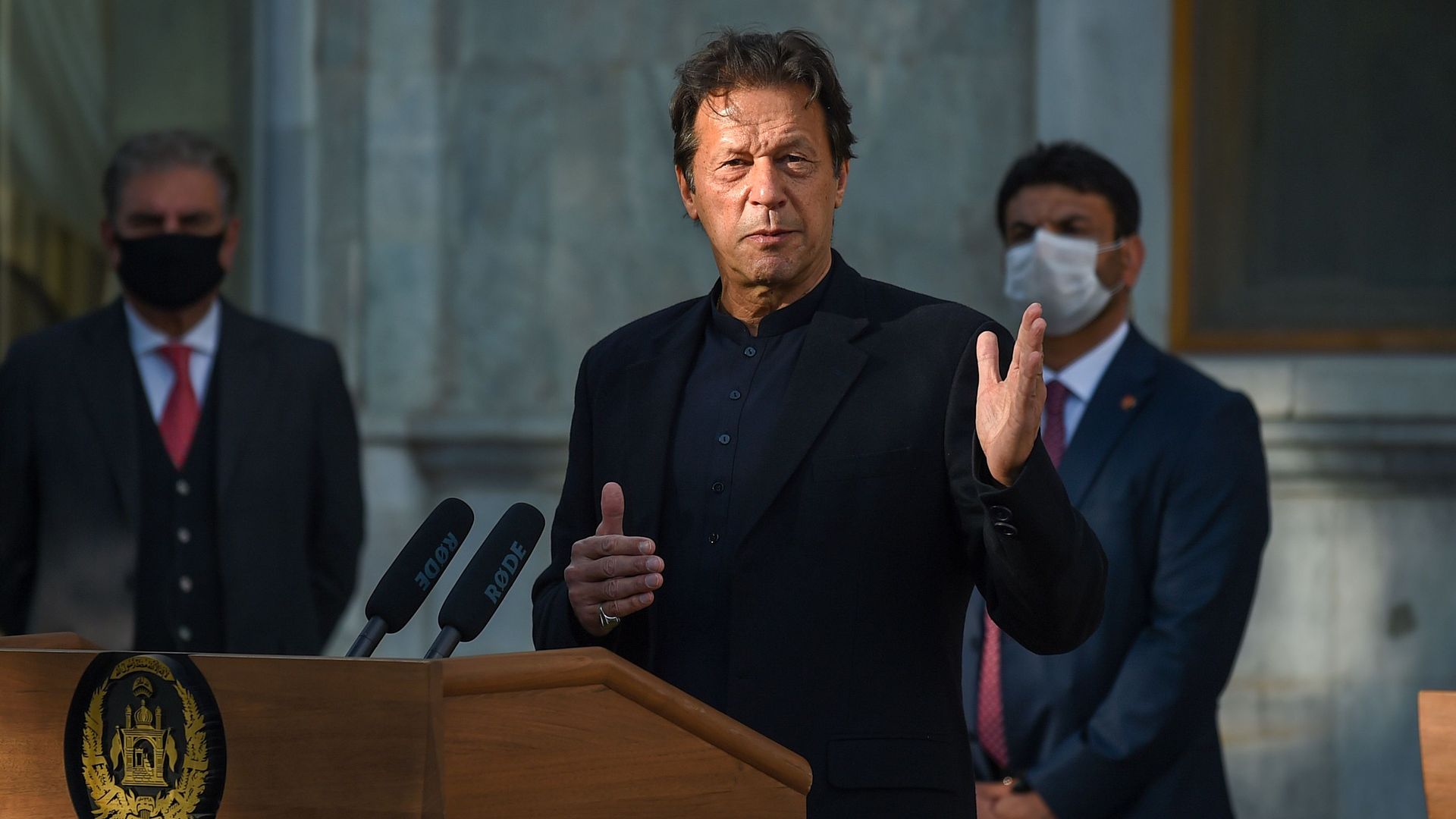
Pakistan Prime Minister Imran Khan has tested positive for the coronavirus and is self-isolating with a mild cough and fever, Health Minister Faisal Sultan said in a tweet on Saturday.
The big picture: The news comes two days after Khan received his first dose of the vaccine, likely China's Sinopharm which is the only shot available in Pakistan and takes a few weeks to build immunity, per Reuters.
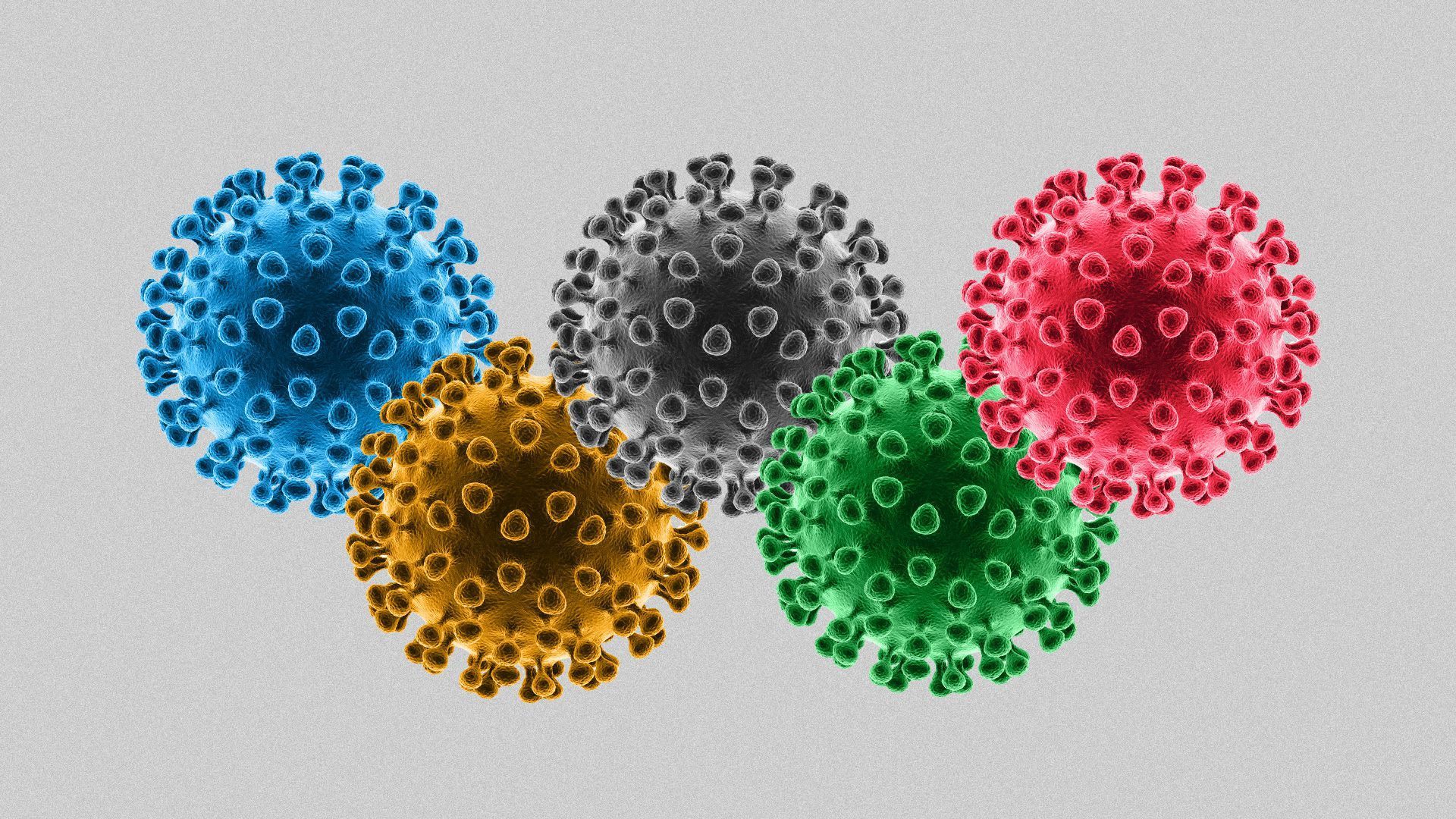
Why it matters: The decision highlights "the realities of COVID-19 even as [the organizers] forged ahead with plans to hold the world’s largest sporting event," the New York Times writes.
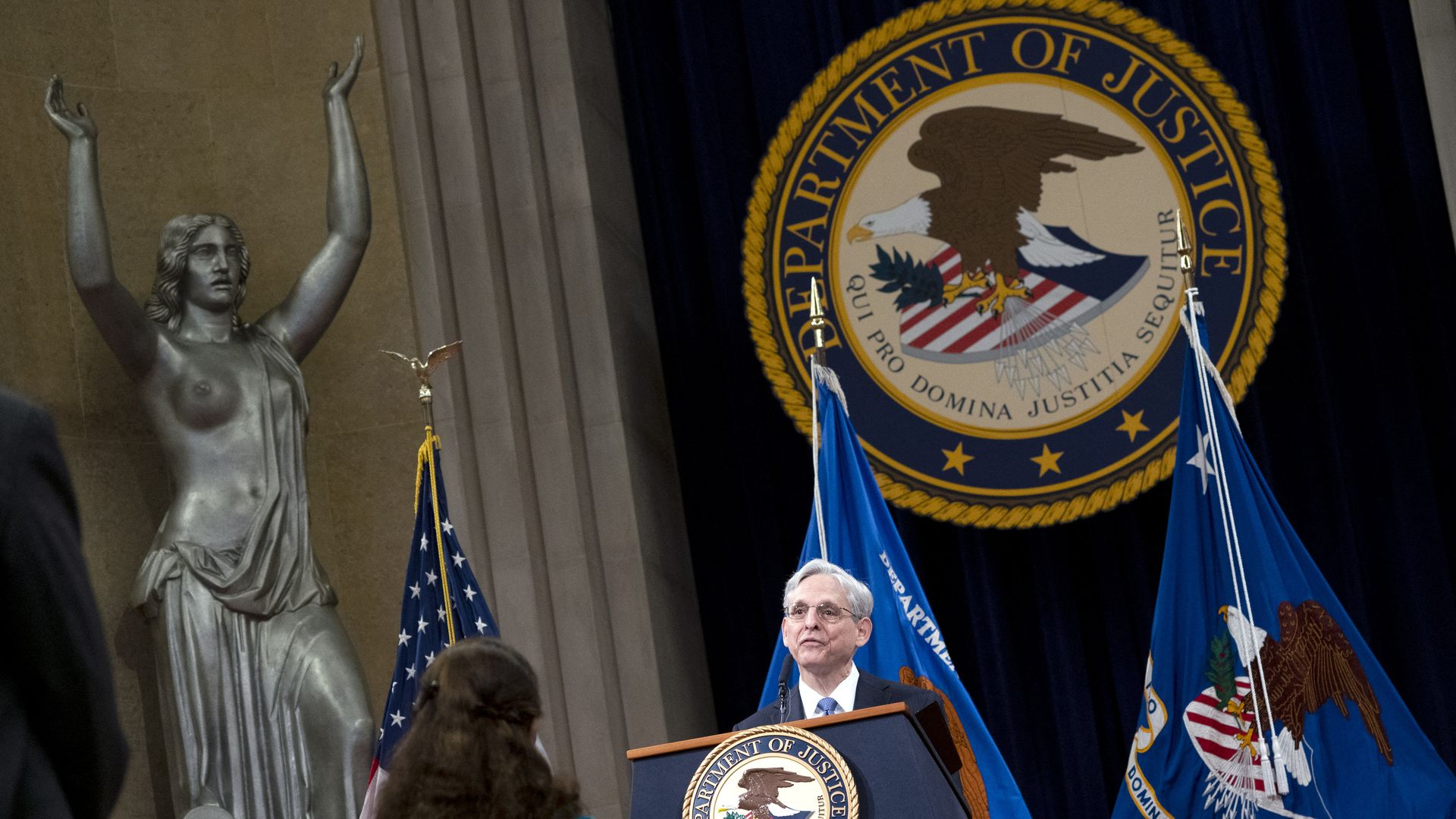
The Justice Department announced charges against 10 Iranian nationals on Friday for running a nearly 20-year-long scheme to evade U.S. sanctions on the government of Iran.
Why it matters: The DOJ said the defendants, who are believed to be outside the U.S., helped the country evade sanctions by disguising more than $300 million worth of transactions through front companies in the U.S., Canada, Hong Kong and the United Arab Emirates.
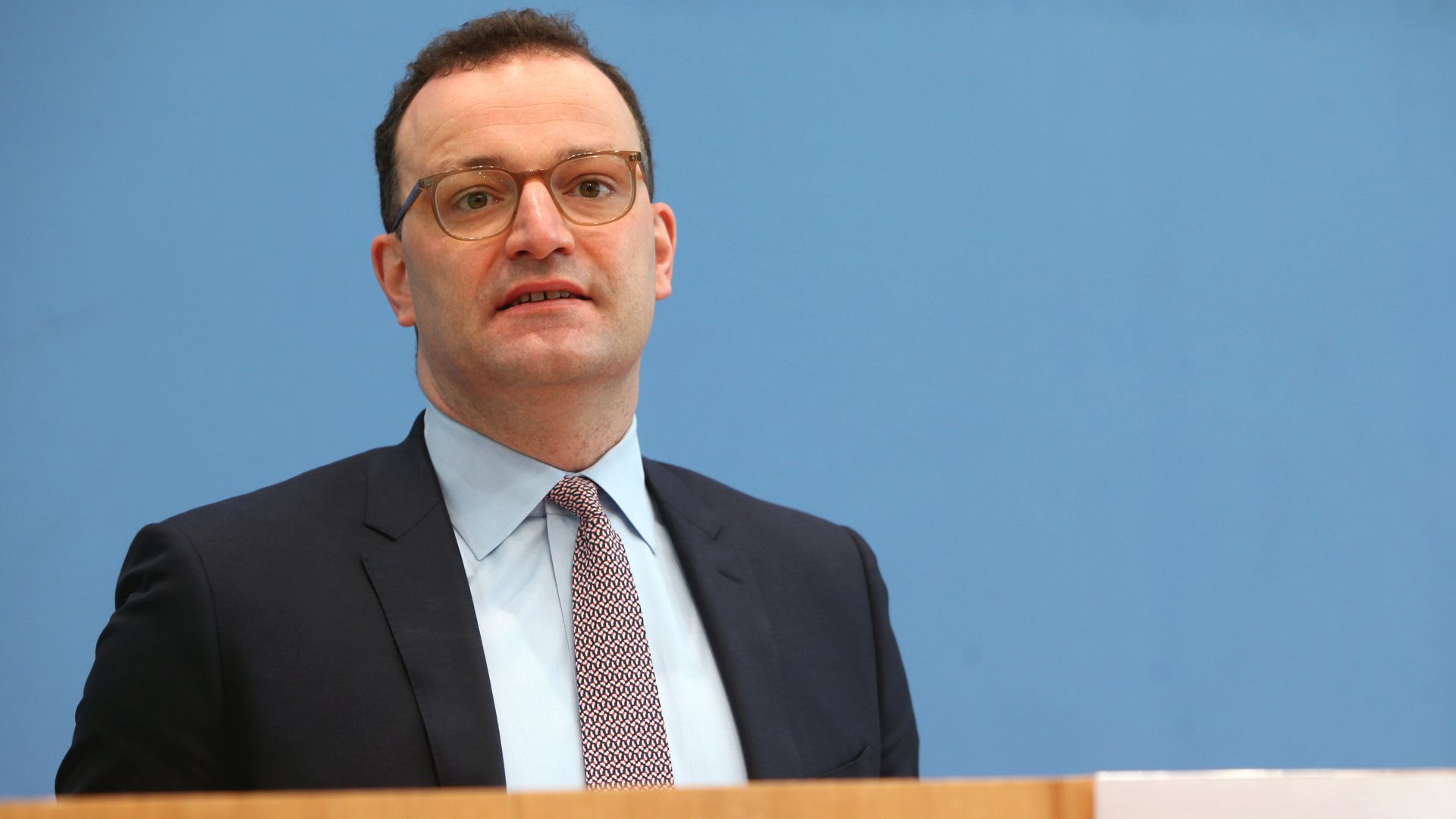
COVID-19 cases are spiking at an "exponential rate" in Germany and there may not be enough vaccine doses to avoid a third wave, German Health Minister Jens Spahn warned at a press conference on Friday, according to Deutsche Welle.
Why it matters: The deteriorating health situation means that Germany may need to consider more restrictive measures, halting reopening plans, Spahn noted.
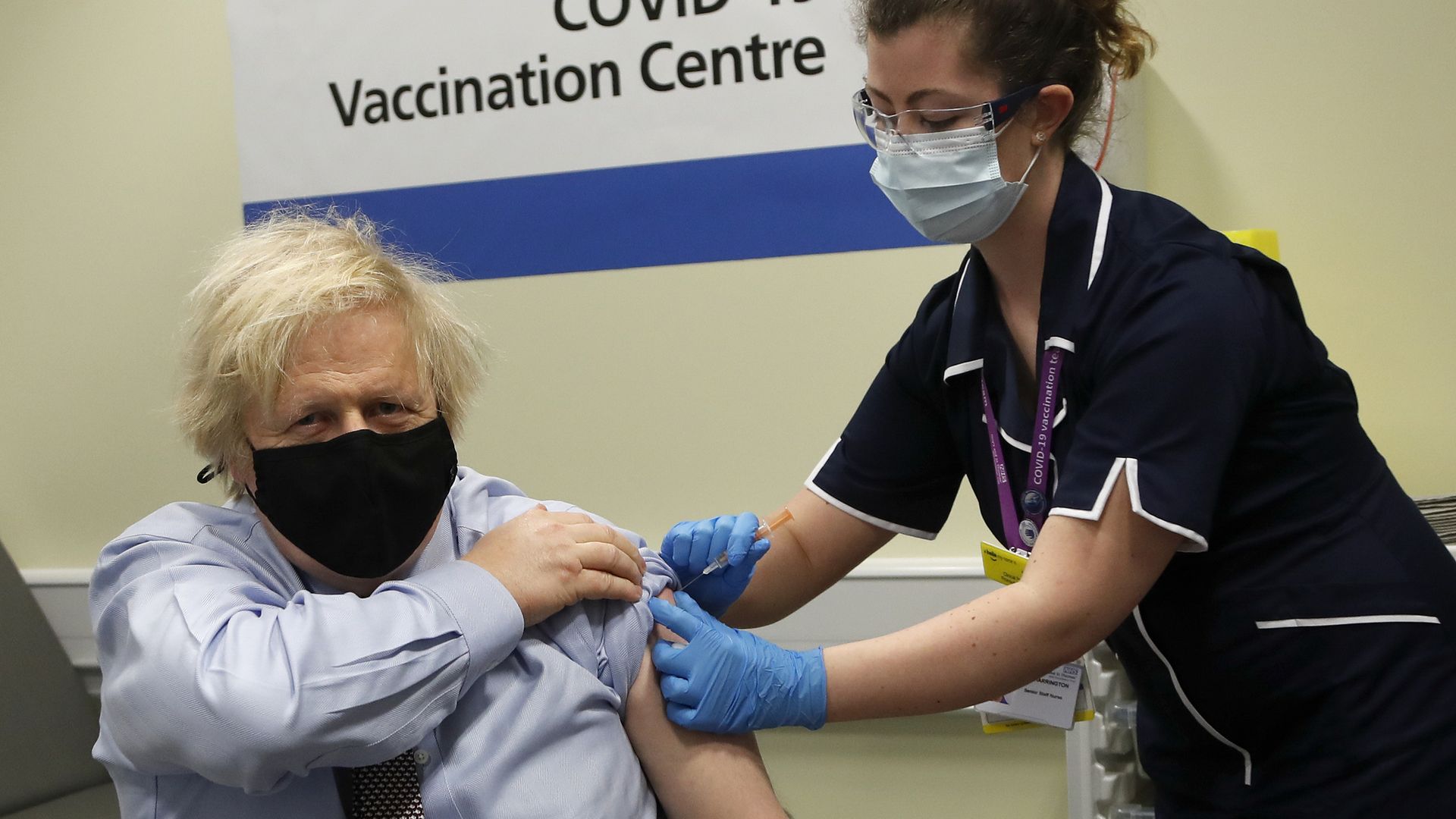
U.K. Prime Minister Boris Johnson on Friday received his first dose of the Oxford-AstraZeneca coronavirus vaccine and said he "did not feel a thing."
Why it matters: Public leaders around the world have gone live on air to receive their coronavirus jabs to boost confidence in the vaccines' efficacy. In the U.S., both President Biden and Vice President Harris received their vaccines on TV.
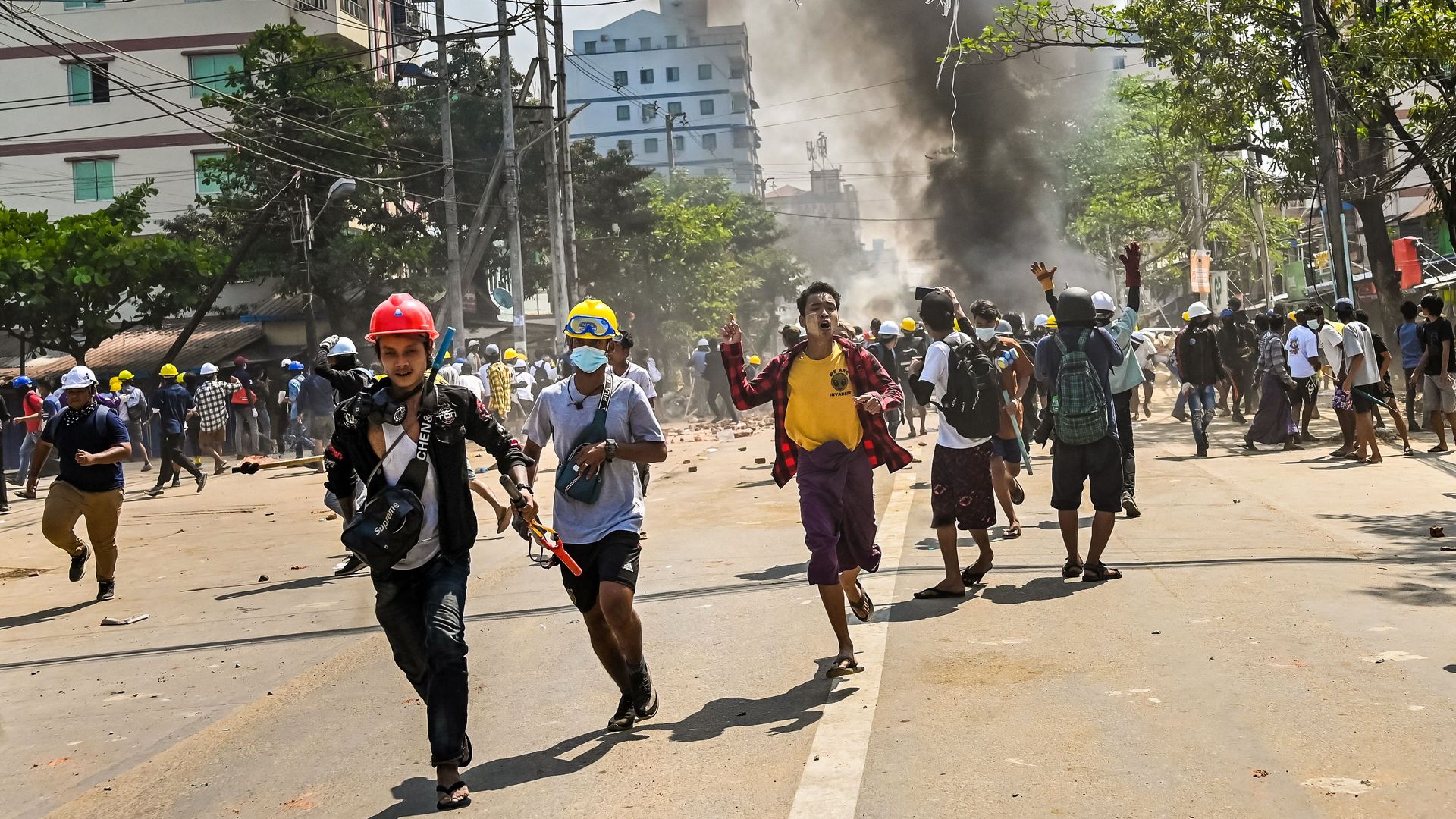
The House adopted a resolution condemning the military coup in Myanmar with a 398-14 vote.
Why it matters: Protesters have been demonstrating in cities across Myanmar for more than a month, demanding the Feb. 1 coup that ended the country's transition to democracy be reversed. All votes against the resolution on Friday came from Republicans.
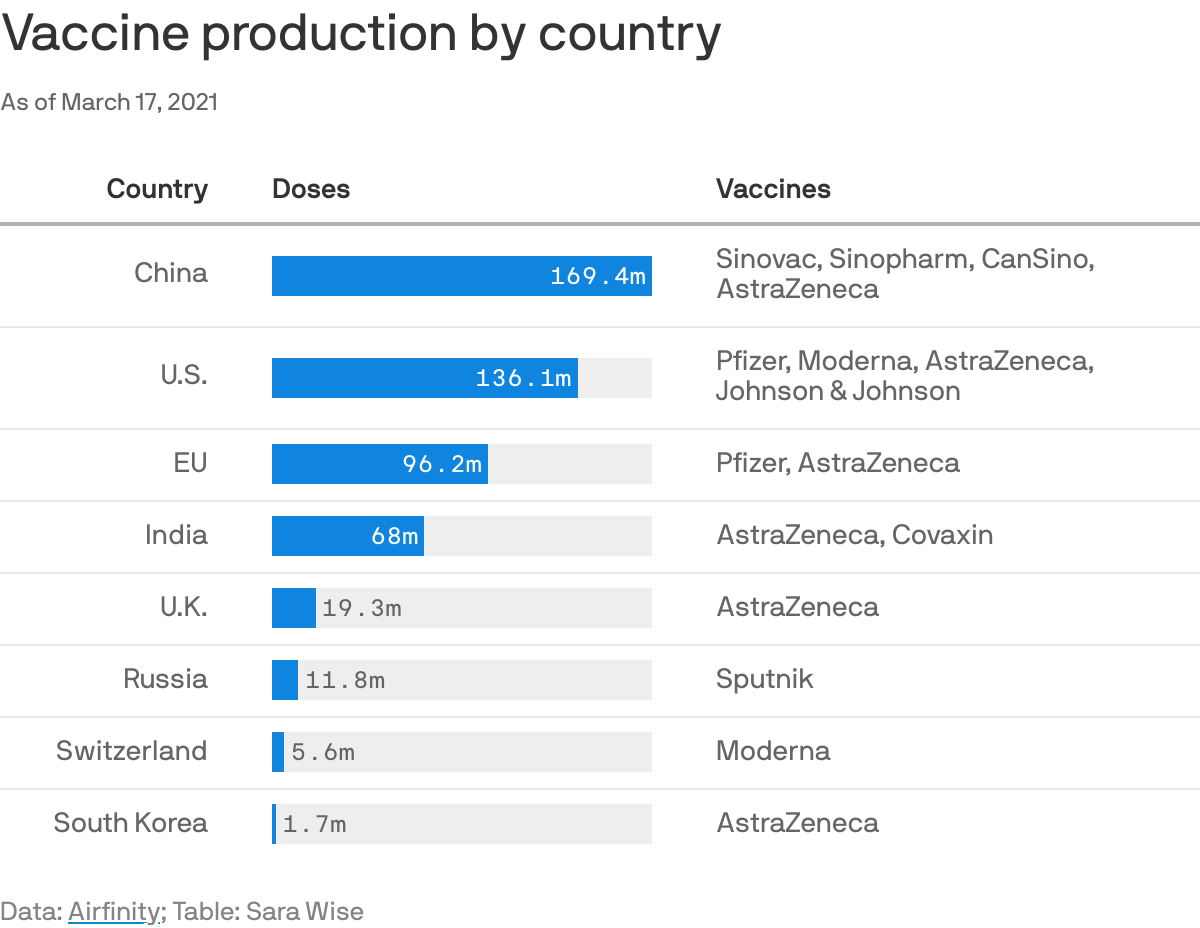
The Biden administration on Thursday took a modest first step toward sharing coronavirus vaccines with the world, announcing that it intends to send 1.5 million AstraZeneca doses to Canada and 2.5 million to Mexico.
Why it matters: The vaccine developed by AstraZeneca and Oxford University hasn't been approved in the U.S., and the White House has faced growing criticism for sitting on doses that could be used elsewhere