Italy on Thursday blocked the export of 250,000 AstraZeneca doses to Australia, becoming the first EU country to exercise an export ban due to a vaccine shortfall in the bloc.
Why it matters: The controversial step exposes multiple major challenges to distributing vaccines — even among the world’s richest countries.
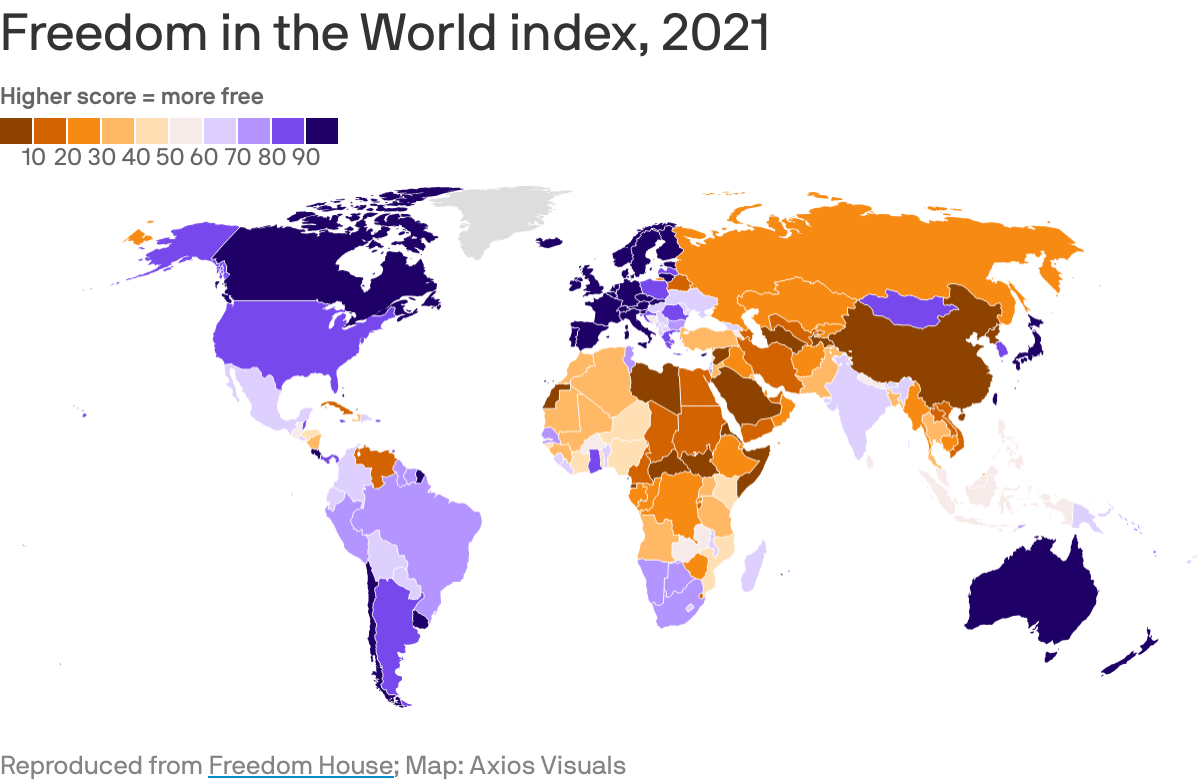
Zoom in: The report calls particular attention to India, which slipped from “free” to “partly free” due to the government's “scapegoating of Muslims” and “crackdown on critics.” Prime Minister Narendra Modi is, according to the report, “driving India itself toward authoritarianism.”
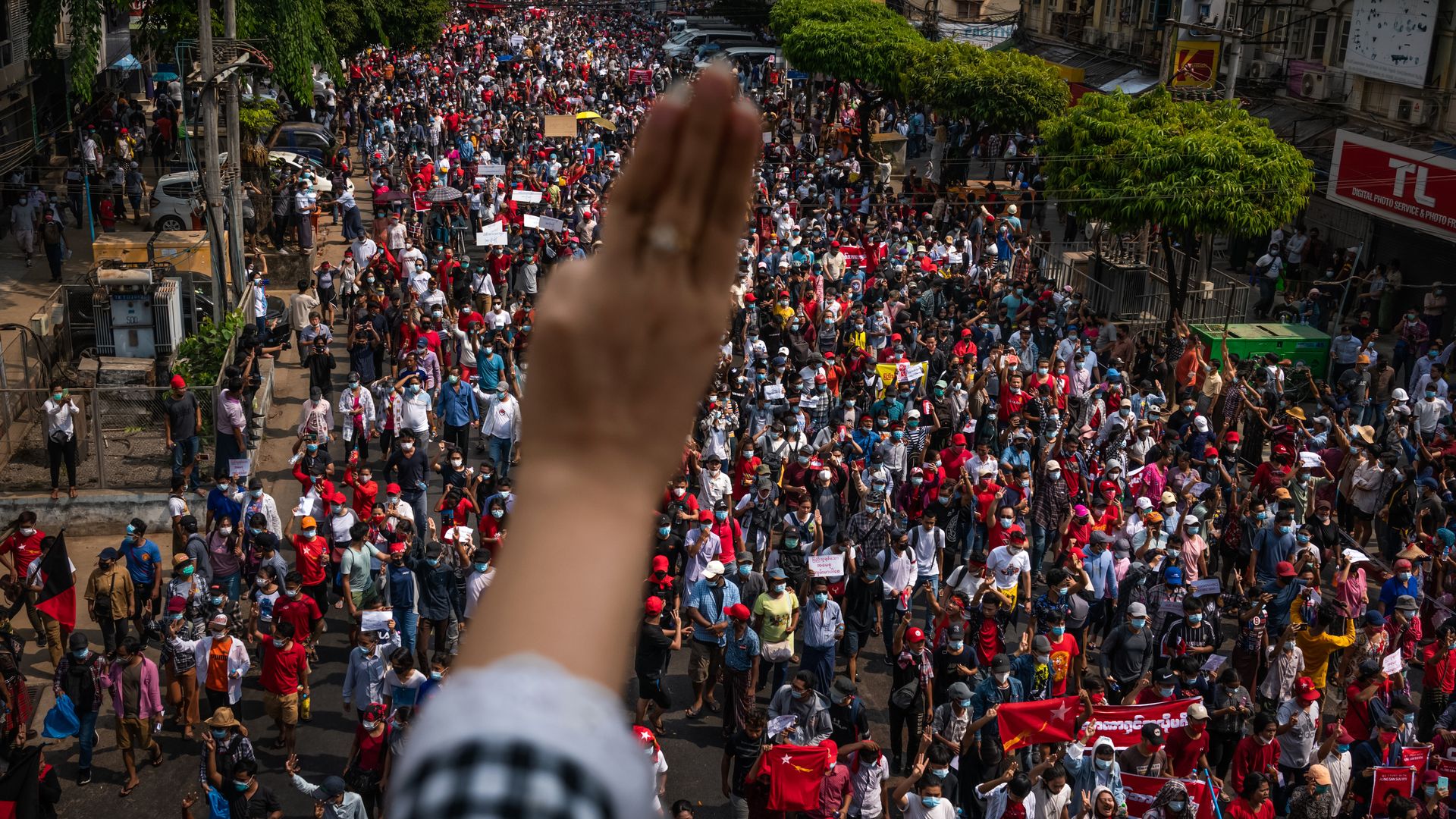
The United States on Thursday announced new export restrictions for Myanmar, and blocked the country's defense and home affairs ministries and other entities from some types of trade.
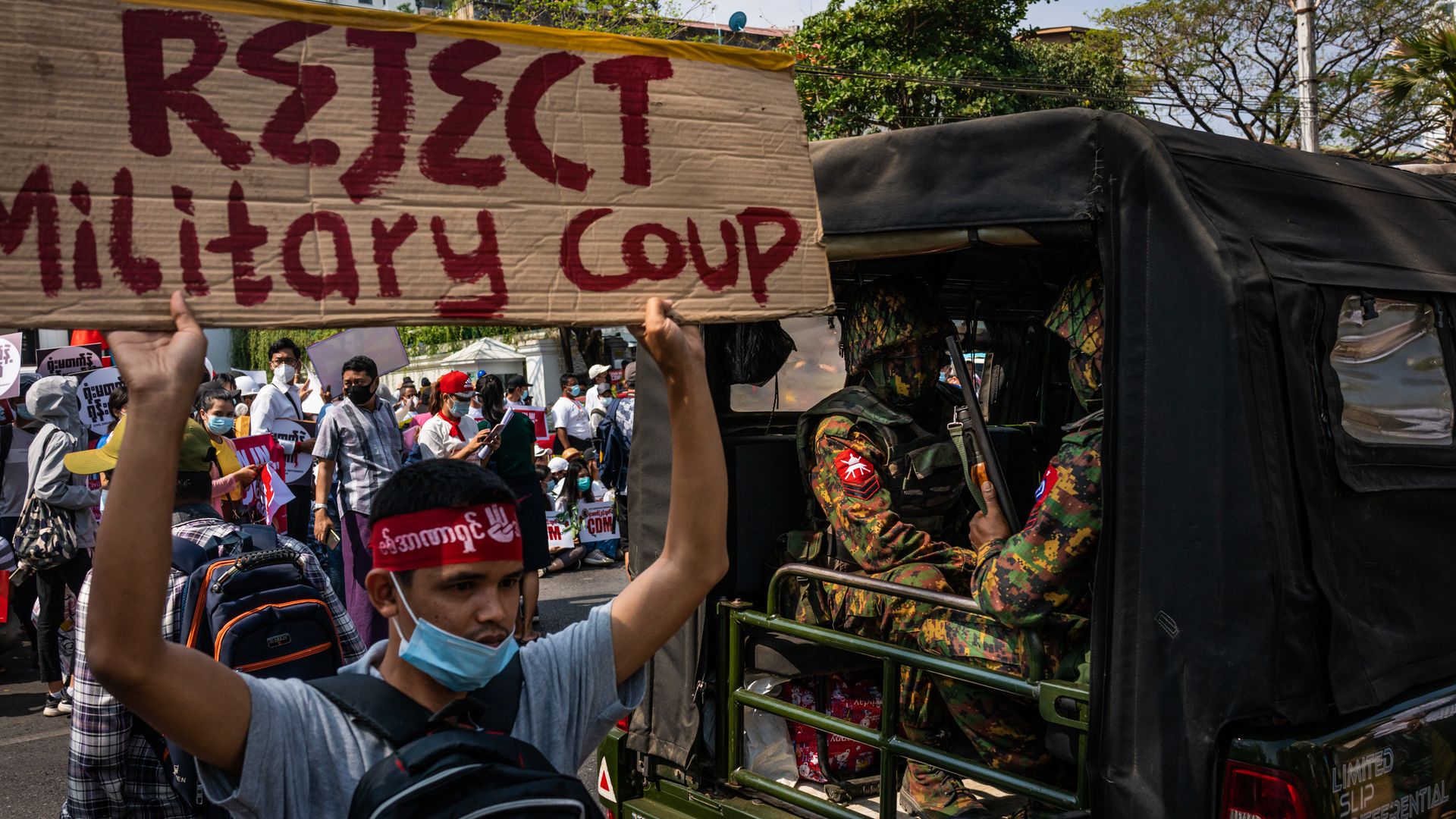
The big picture: The new rules come in response to the escalating military crackdown on anti-coup protesters in Myanmar.
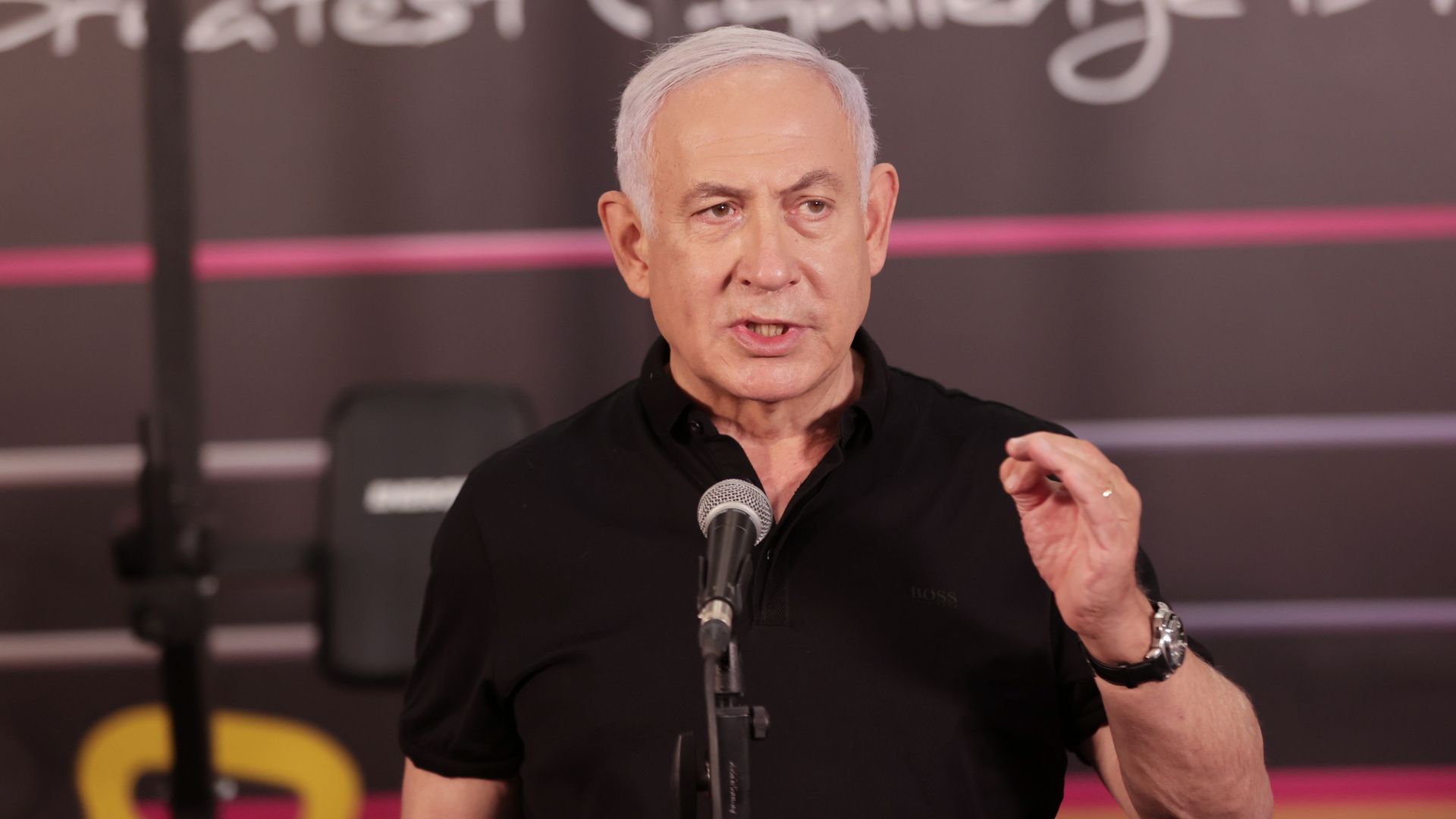
Israeli Prime Minister Benjamin Netanyahu indirectly criticized the Biden administration for its intention to return to the Iran nuclear deal and told his supporters he was prepared to "stand against the entire world" to stop it.
Why it matters: This is a major change of tune for Netanyahu, who had been careful in his statements on the Iran deal and avoided publicly criticizing President Biden. The statement was part of Netanyahu's attempt to rally his base ahead of Israel's election on March 23.
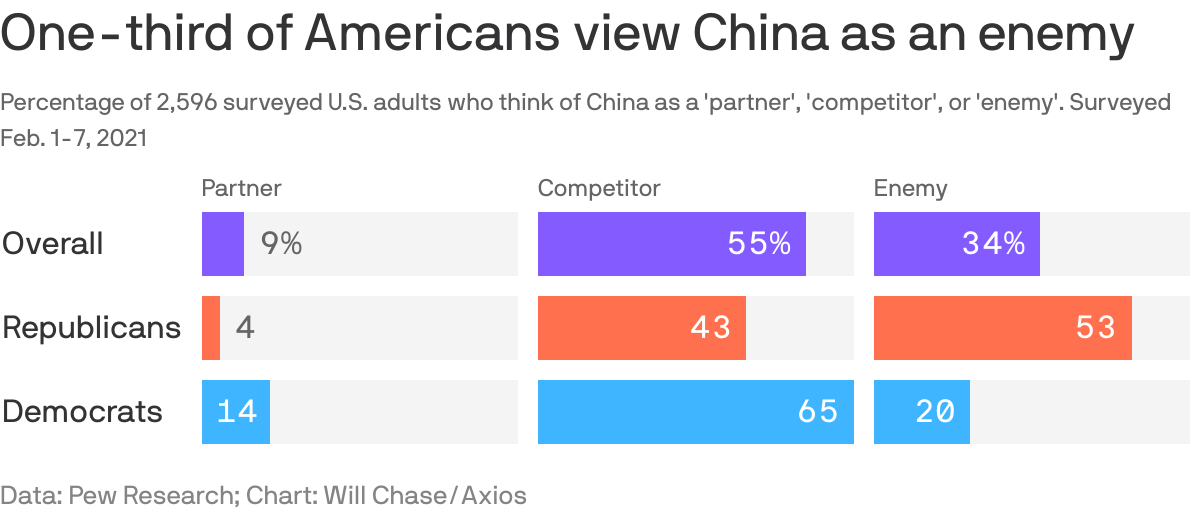
One in three Americans, and a majority of Republicans, now view China as an enemy of the United States, according to a new survey from Pew Research Center.
By the numbers: Just 9% of Americans consider China a "partner," while 55% see Beijing as a "competitor" and 34% as an "enemy."
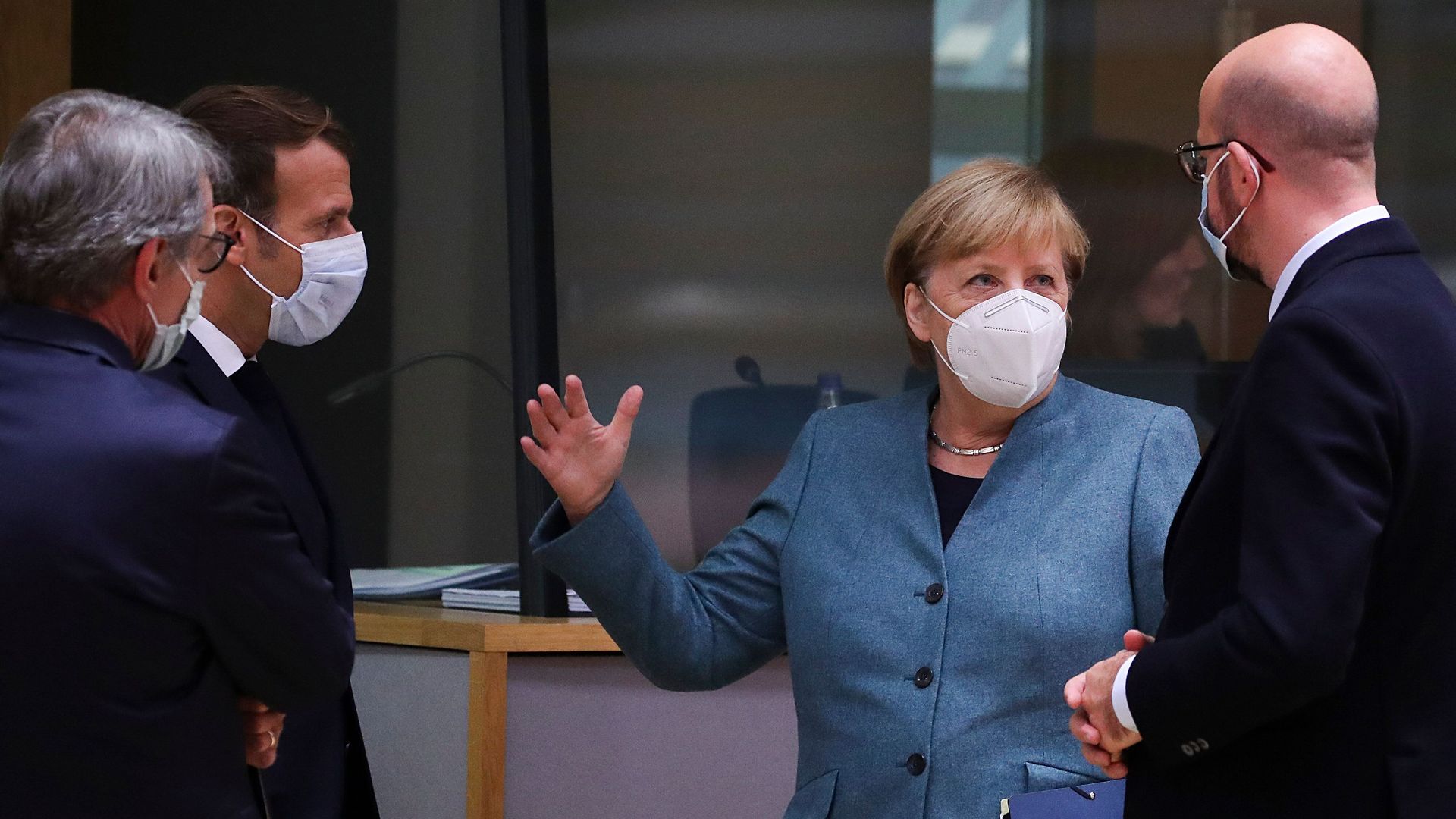
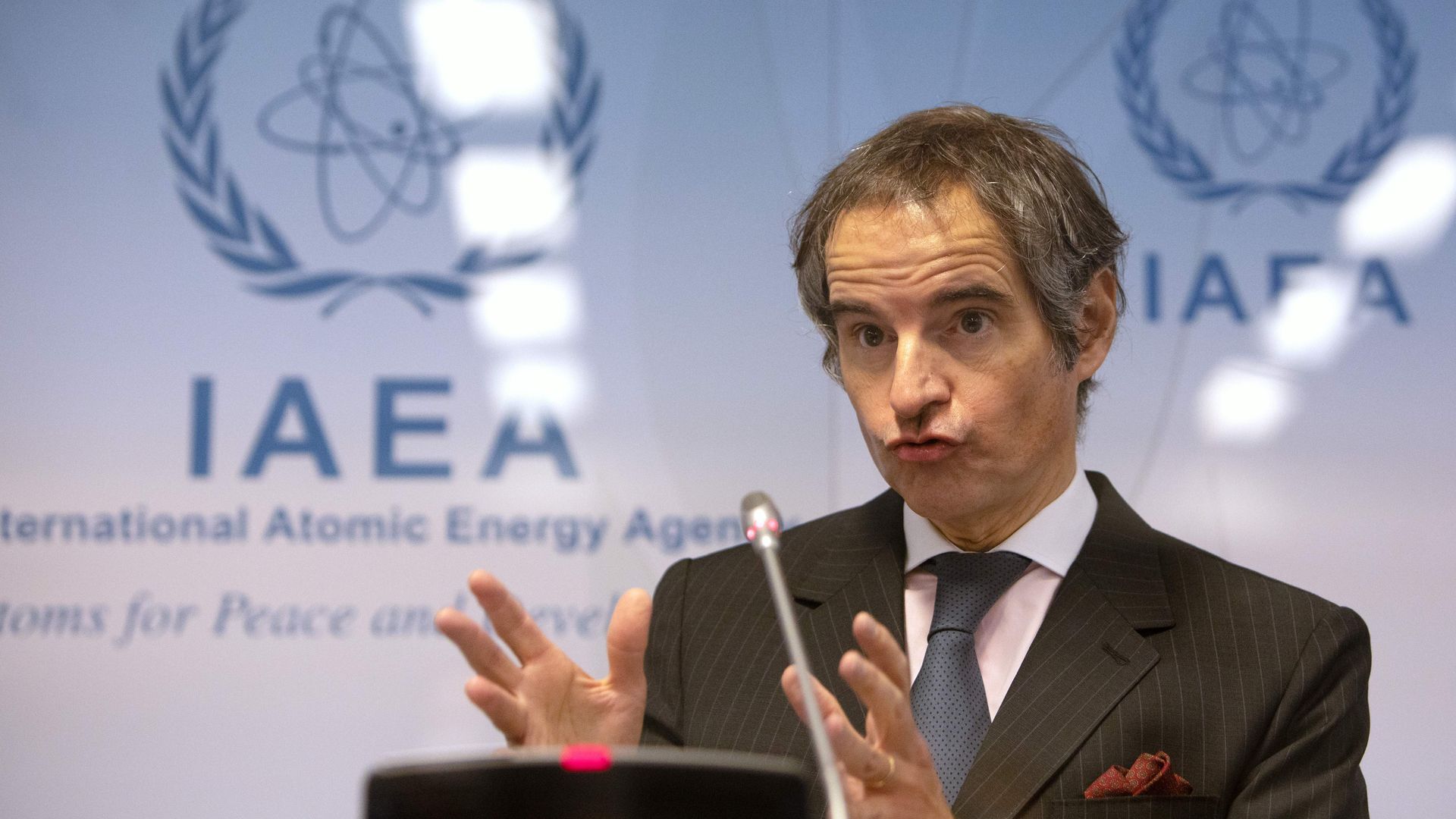
France, Germany and the U.K. have backed off a plan to censure Iran for its lack of cooperation with the International Atomic Energy Agency (IAEA) at the UN nuclear watchdog's quarterly meeting in Vienna, European diplomats tell me.
Why it matters: The U.S. and the three European signatories of the Iran nuclear deal (known as the E3) are attempting to revive diplomacy with Tehran, while also responding to Iran's continual breaches of the deal. But after the plan to censure Iran emerged, Iran reacted angrily and rejected a proposal for nuclear talks.
Researchers keep finding new ways to reveal that nations are together showing very few signs of getting on track to meet the Paris Agreement's goals.
One big question: That's whether a spate of recent analyses to that effect, and scientific reports coming later this year, will move the needle on meaningful new policies (not just targets).
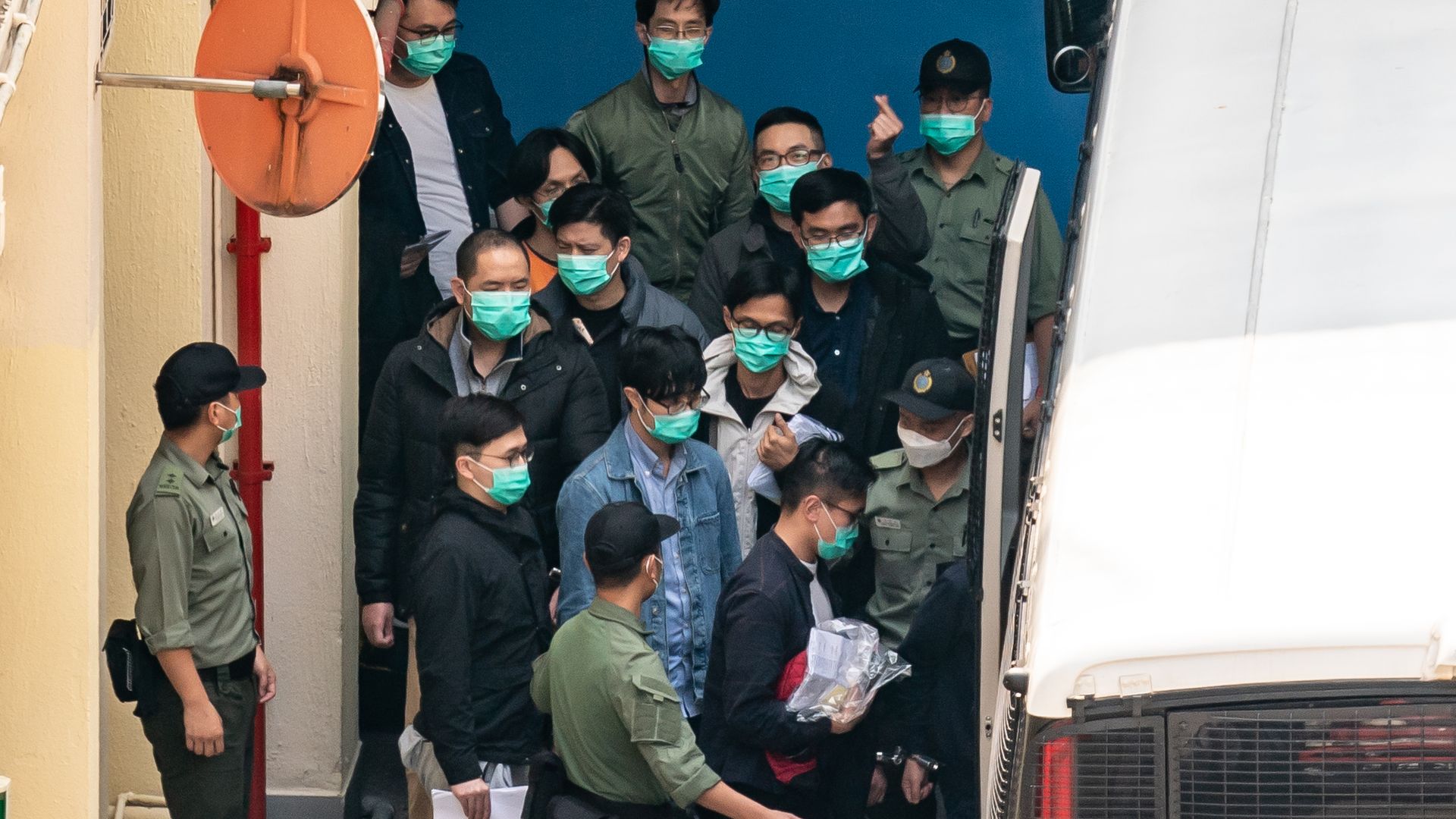
32 out of 47 Hong Kong pro-democracy activists charged for "conspiracy of subversion" under the new national security law were denied bail on Thursday after four days of marathon court hearings.
Why it matters: The charges against the activists were part of the biggest crackdown yet against the pro-democracy movement since Beijing's draconian national security law was enacted last summer, per AP.
Police and military officers in Myanmar have killed at least 54 people during anti-coup protests, while "arbitrarily" detaining over 1,700 people, United Nations Human Rights Commissioner Michelle Bachelet said Thursday.
Why it matters: Protesters have demonstrating across Myanmar for nearly a month, demanding the restoration of democracy after the country's military leaders overthrew its democratically elected government on Feb. 1.
Canada's National Advisory Committee on Immunization (NACI) on Wednesday recommended extending the interval between first and second doses of COVID-19 to up to four months to boost inoculation numbers.
Why it matters: The panel said taking such action would allow about 80% of Canadians over 16 to receive a single dose by the end of June.
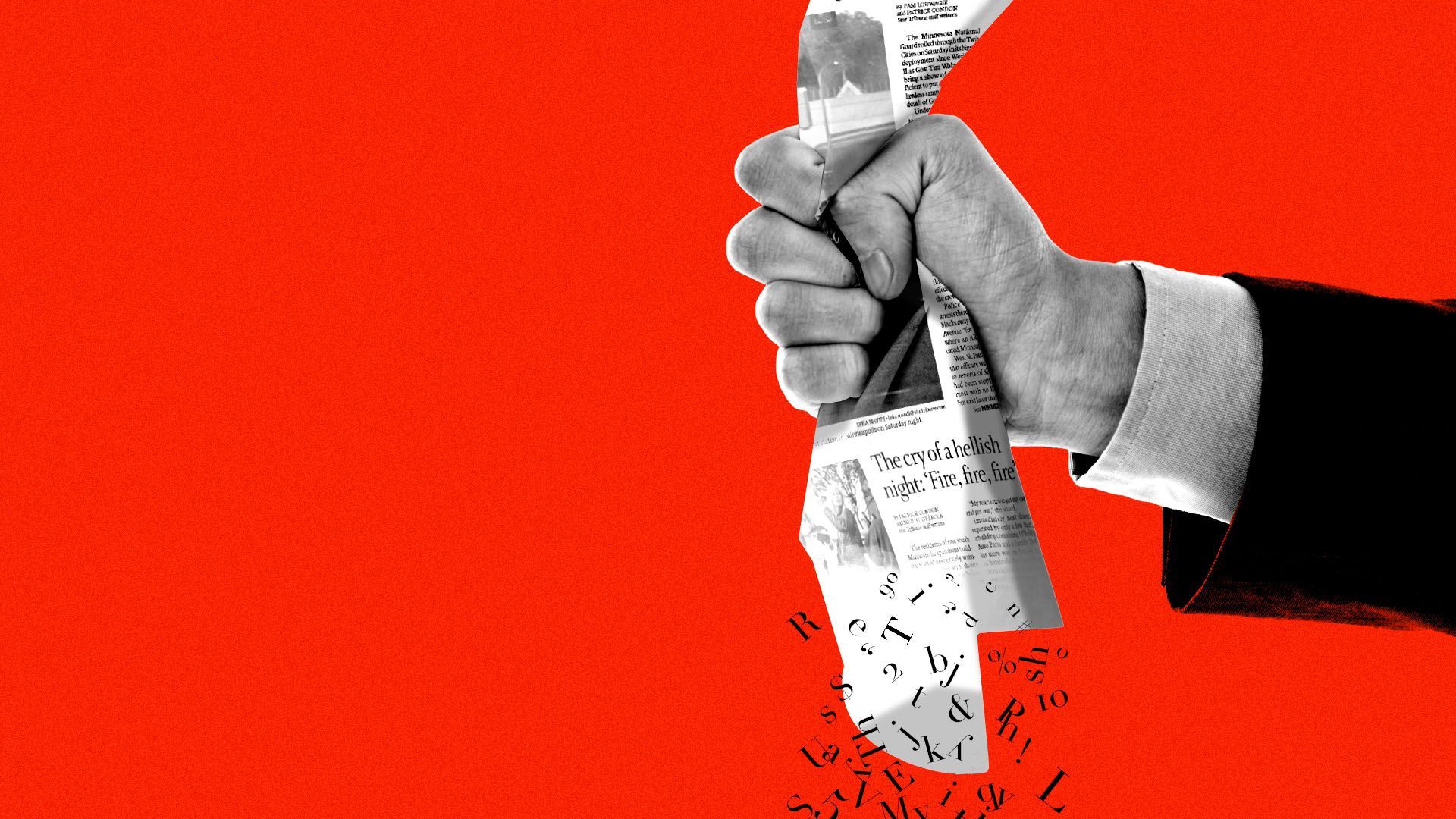
Around the world, journalists are being targeted at record levels by despots, eager to silence the press.
Why it matters: Experts worry that the United States' wavering stance on press freedoms over the past few years may have empowered autocrats looking to gain power and undermine democracy by going after journalists.




/2021/03/04/1614867677660.gif?w=3840)