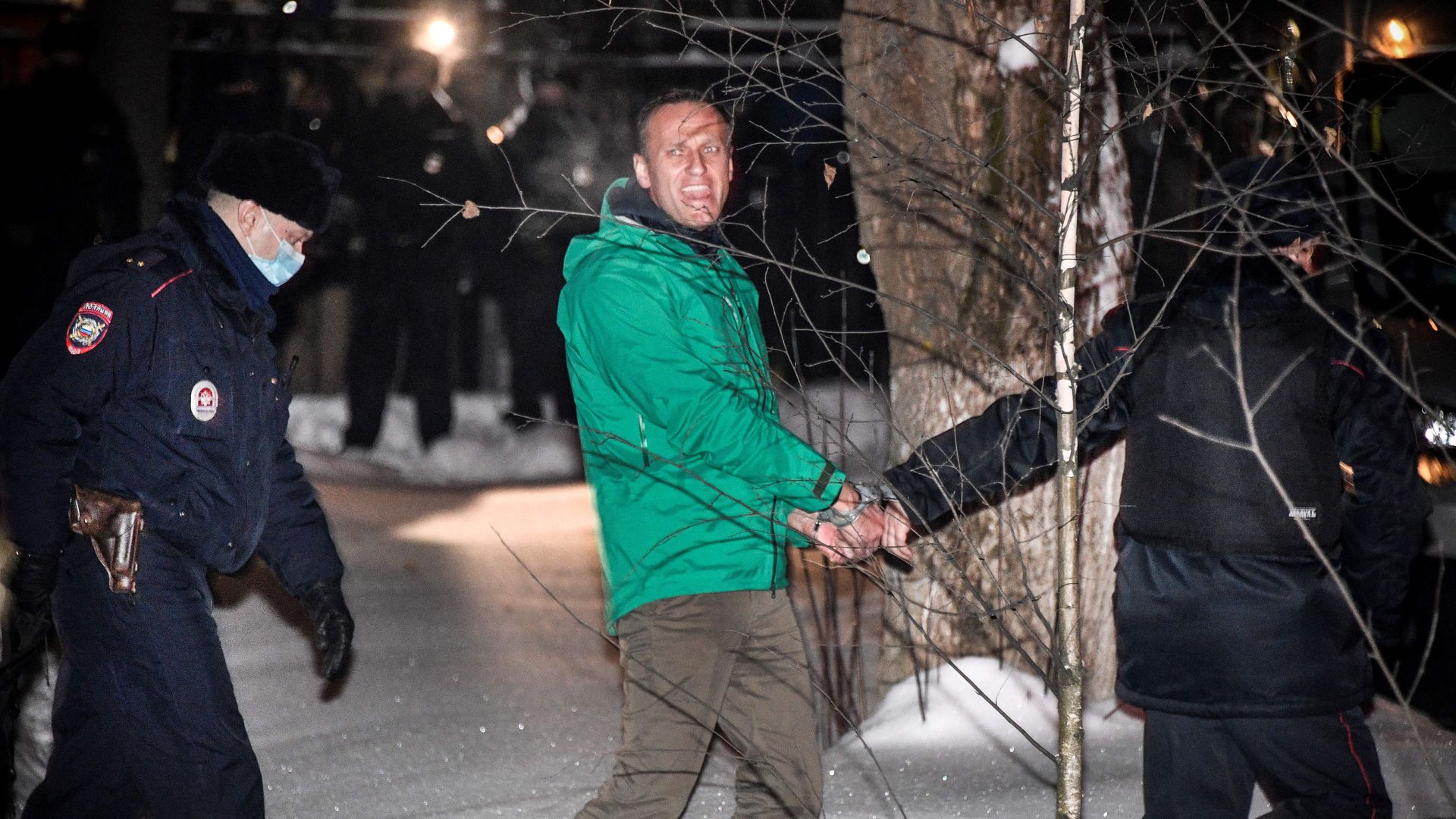
Russian opposition figure Alexei Navalny has been sentenced to about 2.5 years in prison, officially for violating parole while he recovered in Germany from an assassination attempt.
Driving the news: A 3.5-year suspended sentence dating from 2014 — stemming from charges that were widely seen as politically motivated — was turned into a prison term, minus the 10 months Navalny previously spent under house arrest. His arrest last month upon his return to Russia sparked widespread protests over the past two weekends.
Virtually every team in the National Security Council, from technology to global health to international economics, will incorporate China into their work, Axios has learned.
Why it matters: This is a concrete example of the "whole-of-government" approach toward China that officials from both the Biden and Trump administrations have supported.
A proliferation of new policy ideas often accompanies a changing of the guard in Washington. But this time around, growing concern over China's rise has driven debate into overdrive, as numerous stakeholders present competing visions for a U.S. response.
Why it matters: The actions the U.S. and its allies choose to take over the next few years could make the difference between a world made safer for autocracy or one in which human rights and liberal ideals still have a fighting chance.
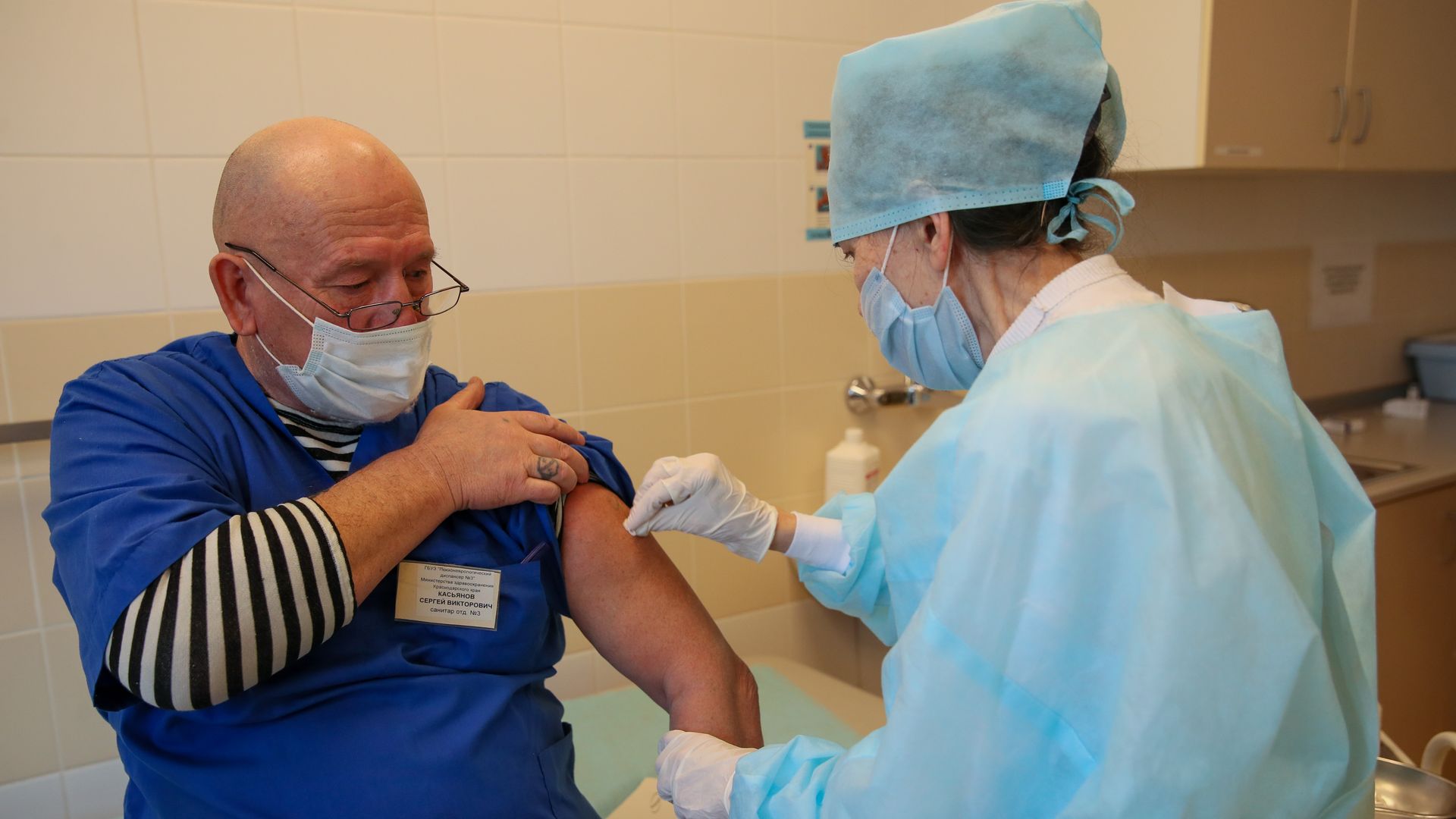
Russia's Sputnik V vaccine demonstrated nearly 92% efficacy against symptomatic cases of COVID-19 and provided complete protection against severe cases, according to a peer-reviewed analysis of a large clinical trial published in the medical journal the Lancet. The vaccine also appears to be safe.
The 2021 Australian Open, which begins Monday, will be the most normal sporting event the world has seen in nearly a year.
Driving the news: Up to 30,000 spectators a day will be allowed to attend the two-week event, Victoria state sports minister Martin Pakula said this weekend.
Where there’s a coup, there will probably be an internet outage.
Why it matters: Internet disruptions in Myanmar early Monday morning coincided with reports that top politicians, including the country’s de facto leader Aung San Suu Kyi, were being rounded up by the military. That’s no surprise: Internet blackouts are now common around the world when power hangs in the balance.
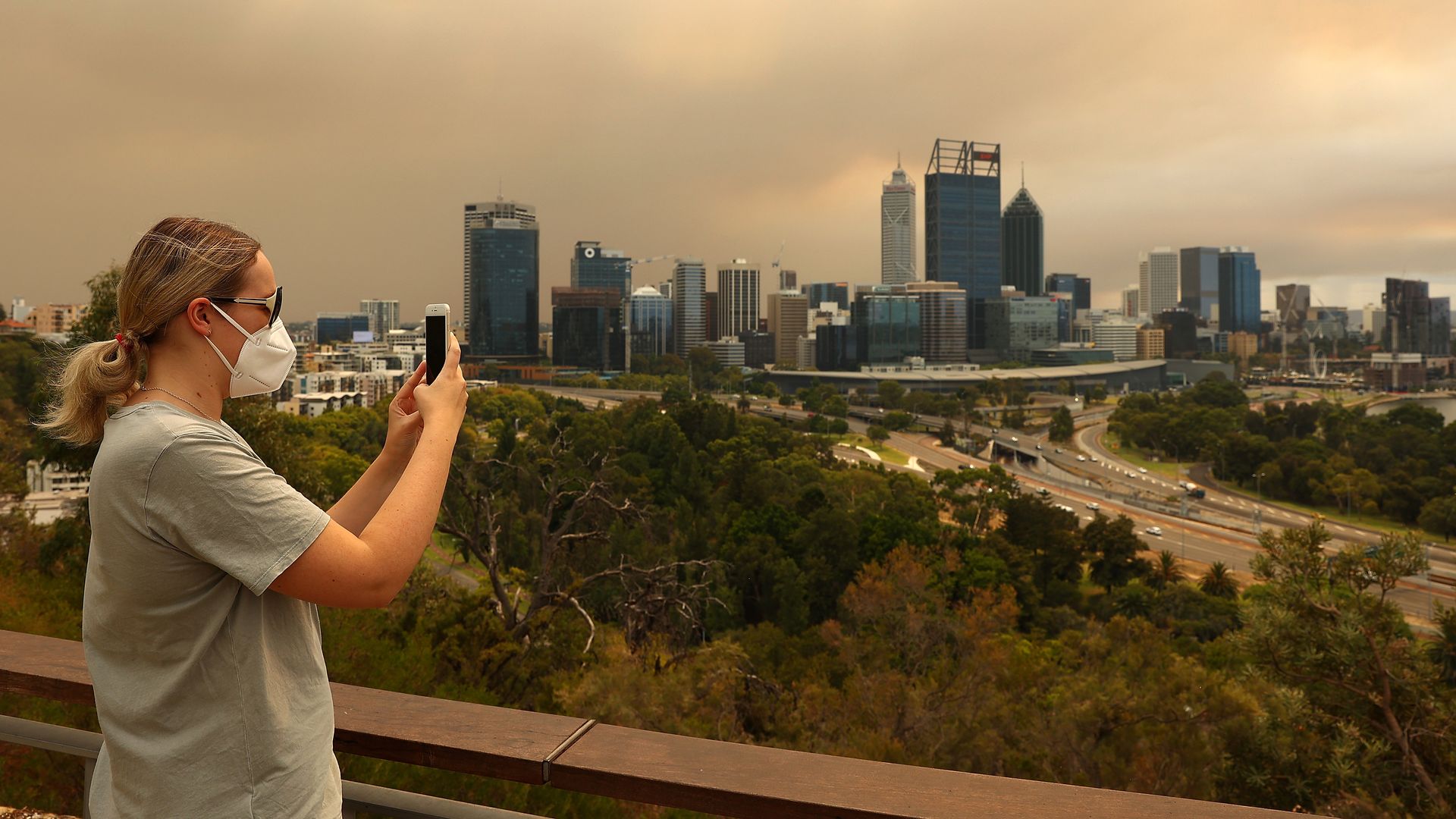
A massive uncontained bushfire has destroyed at least 30 homes in the Perth Hills, Western Australia, officials told the Australian Broadcasting corporation Tuesday.
Why it matters: Per state Premier Mark McGowan, "Right now WA is battling two different kinds of emergencies — a dangerous fire emergency and a COVID-19 lockdown emergency." He said there are "threats to lives and homes" from the wildfire.
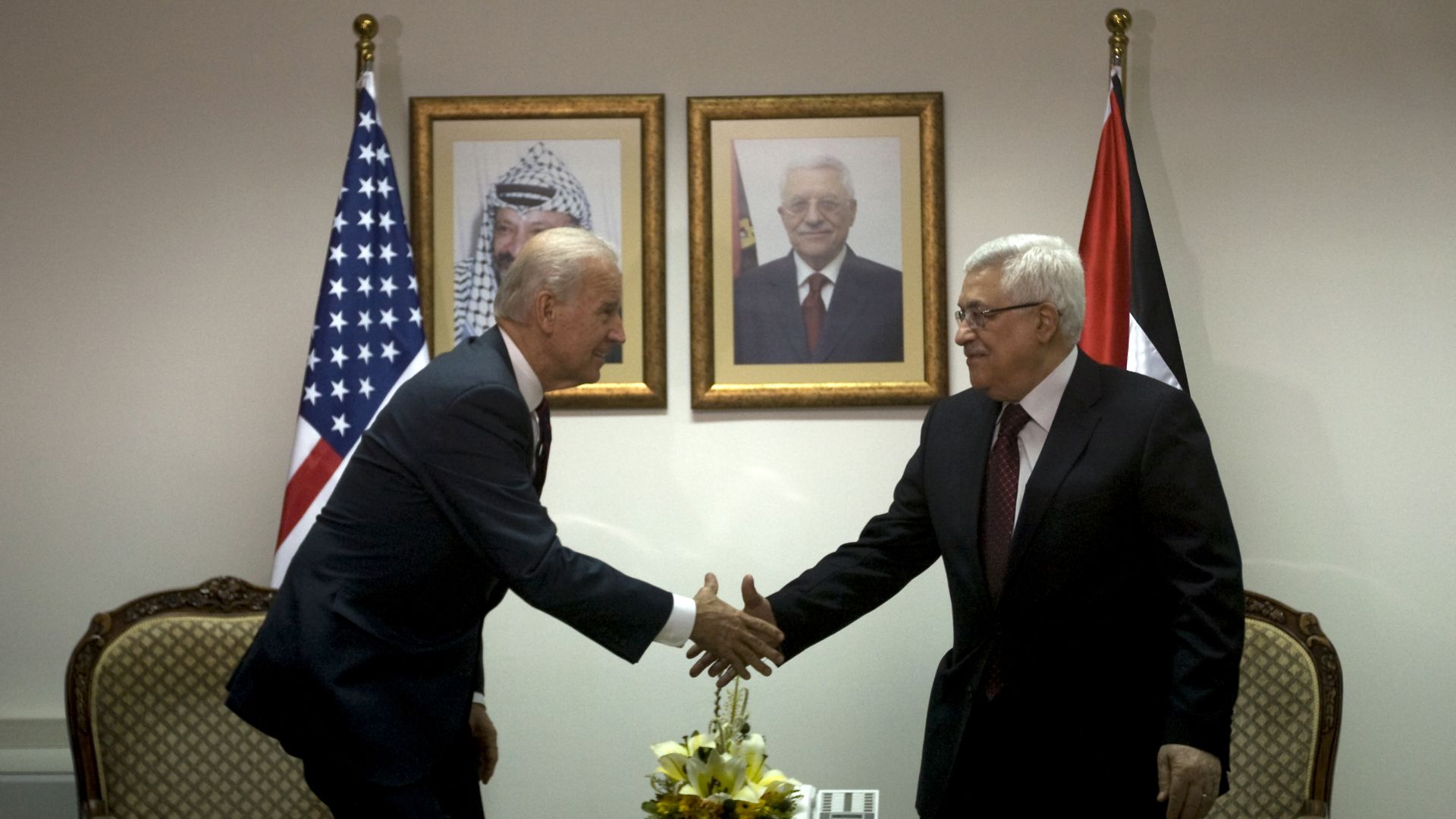
The Biden administration has now had more official contacts with Palestinian officials in its first two weeks than the Trump administration did in its final three years.
Why it matters: The State Department's deputy assistant secretary for Israel-Palestine, Hady Amr, spoke by phone with multiple Palestinian officials on Monday. Those were the first publicly announced interactions between the sides as the Biden administration moves to renew ties that had been effectively severed since Donald Trump announced in December 2017 that he was moving the U.S. Embassy in Israel to Jerusalem.
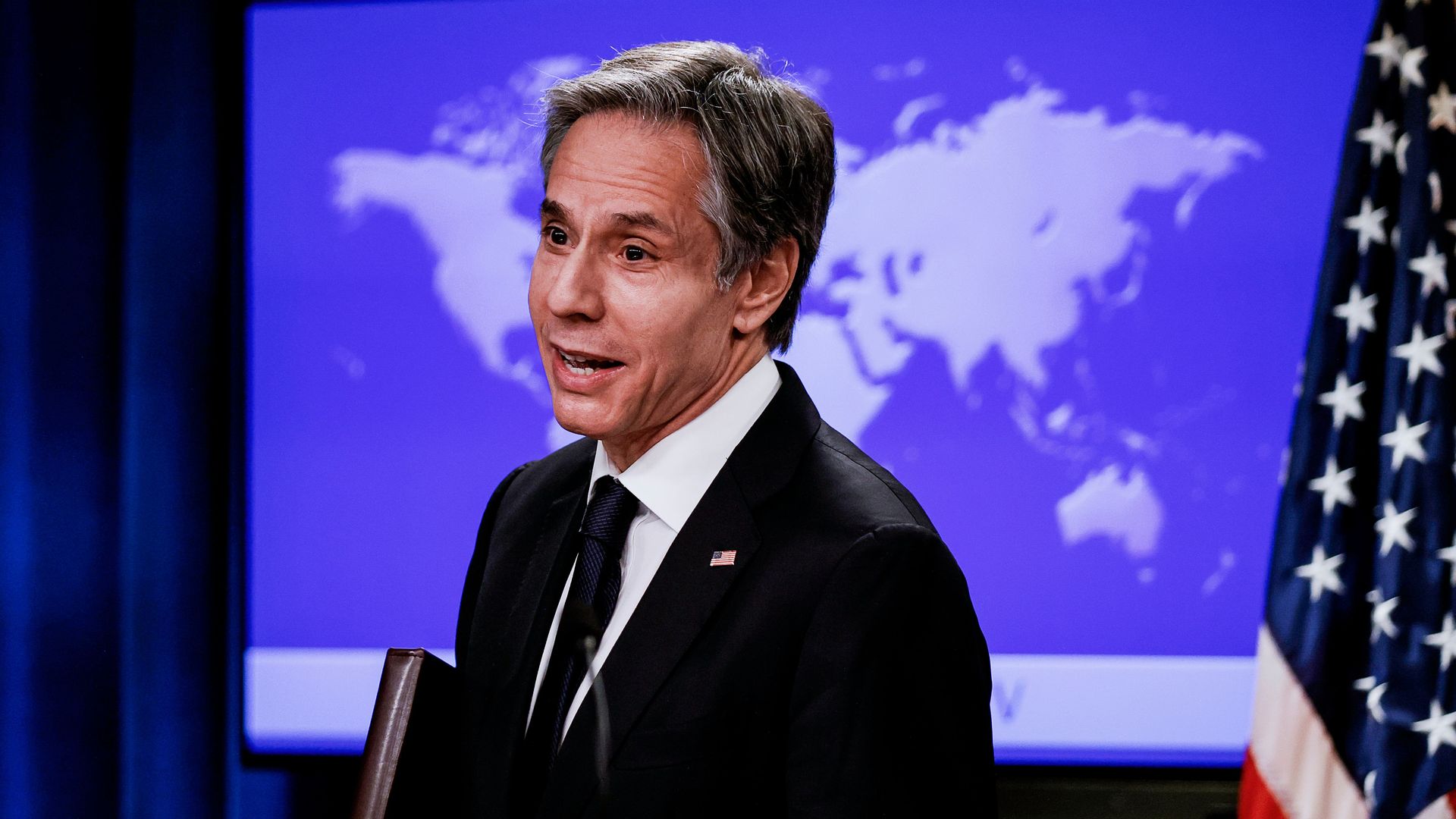
Secretary of State Antony Blinken says the weekend protests and arrests in Russia are about "the frustration that the Russian people have with corruption, with autocracy," in an interview that aired Monday on NBC.
What he's saying: “We are deeply disturbed by this violent crackdown against people exercising their rights to protest peacefully against their government, rights that are guaranteed to them in the Russian constitution."
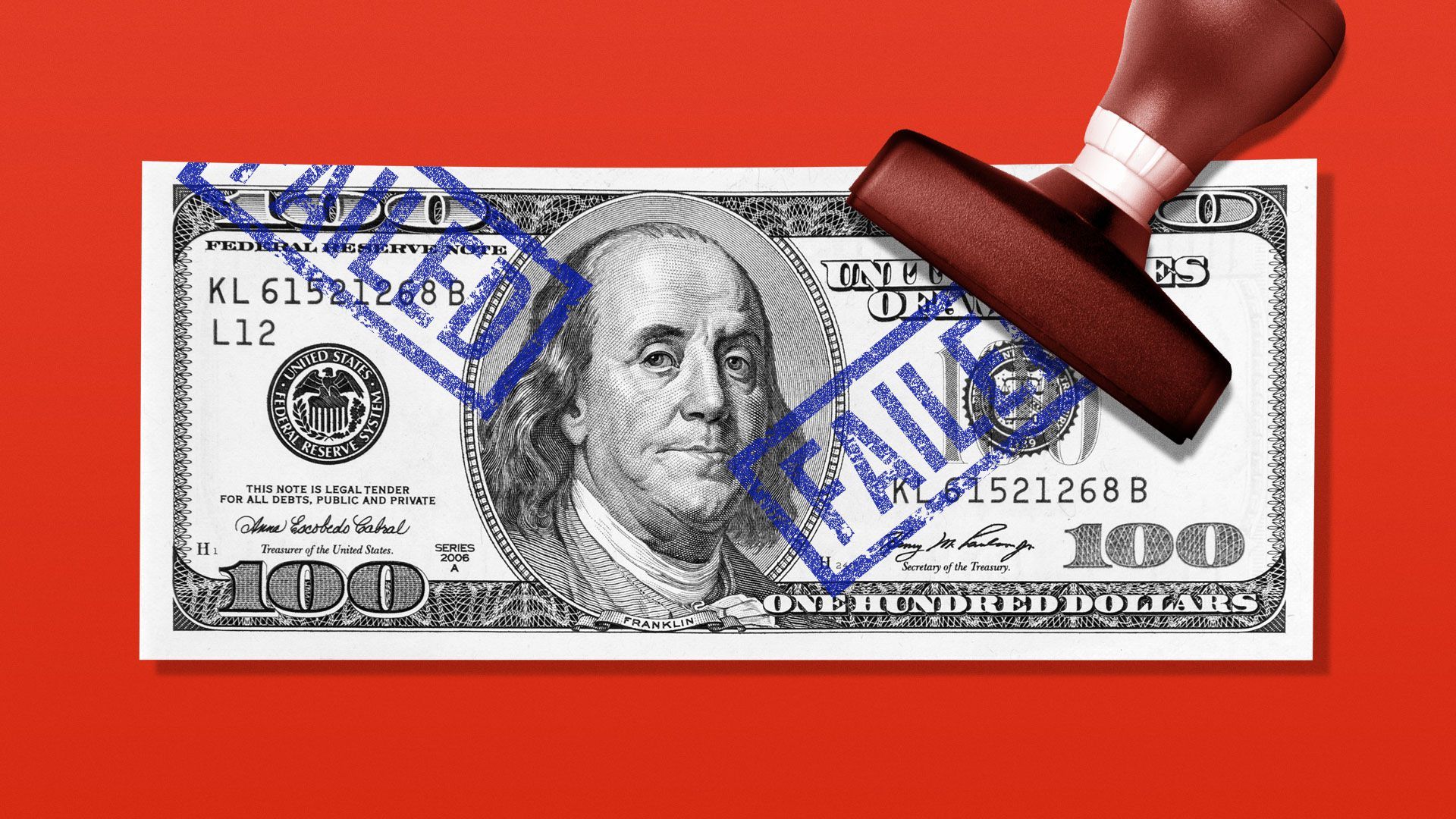
The Biden administration plansto review the phase one U.S.-China trade deal, White House press secretary Jen Psaki said on Friday. Based on publicly available data, it's hard to imagine they'll find anything other than a debacle.
Driving the news: China isn't even close to fulfilling its end of the deal — having come up 42% short of its commitment, Chad Bown, a fellow at the Peterson Institute for International Economics, reported late last week.
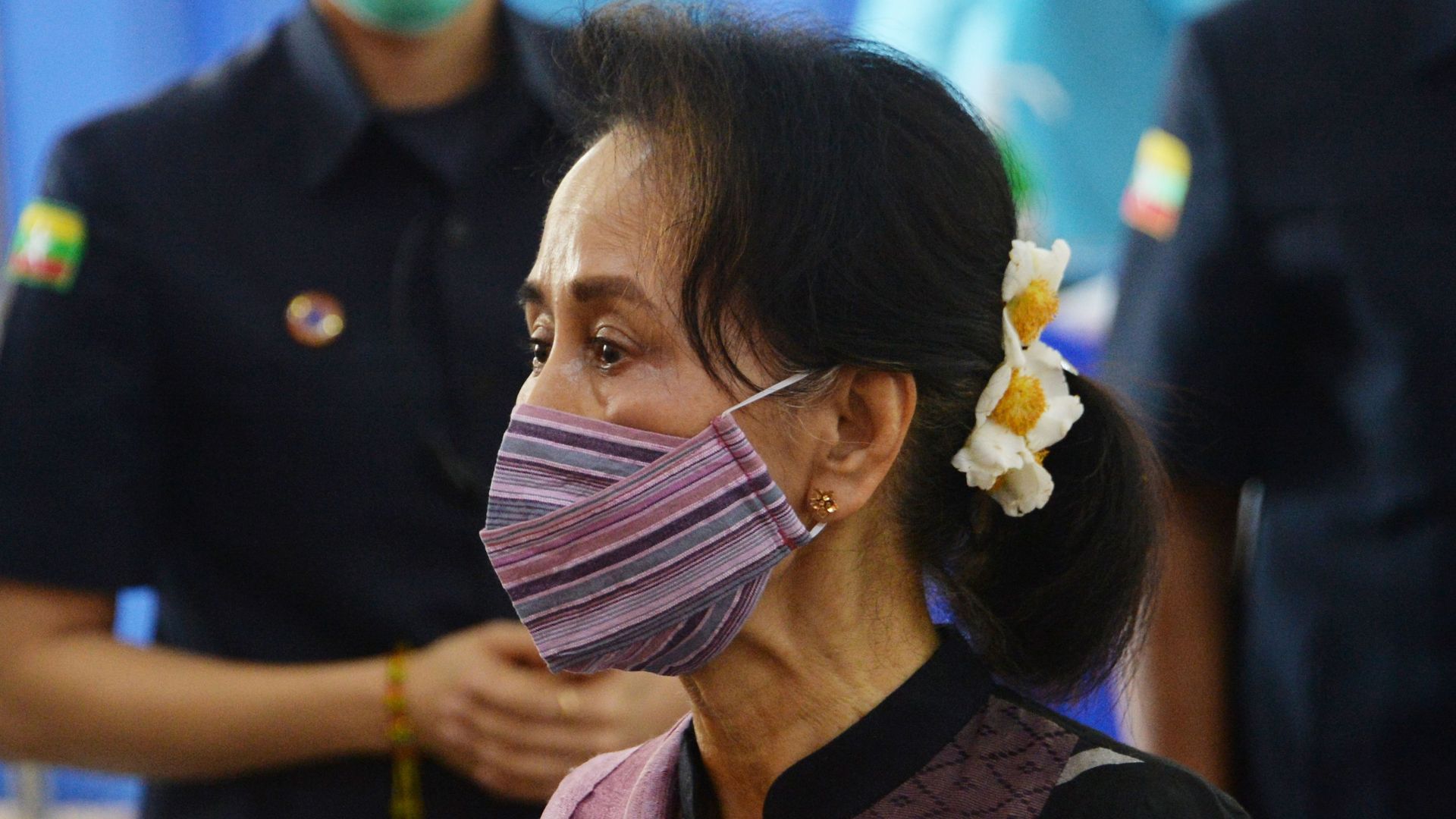
Myanmar's military TV station announced Monday the army has declared a one-year state of emergency after taking power and detaining Aung San Suu Kyi and other top ruling party leaders.
Why it matters: The coup comes after escalating tensions between the civilian government and the military following last November's elections, which Nobel laureate Suu Kyi's National League for Democracy (NLD) party won by a landslide.
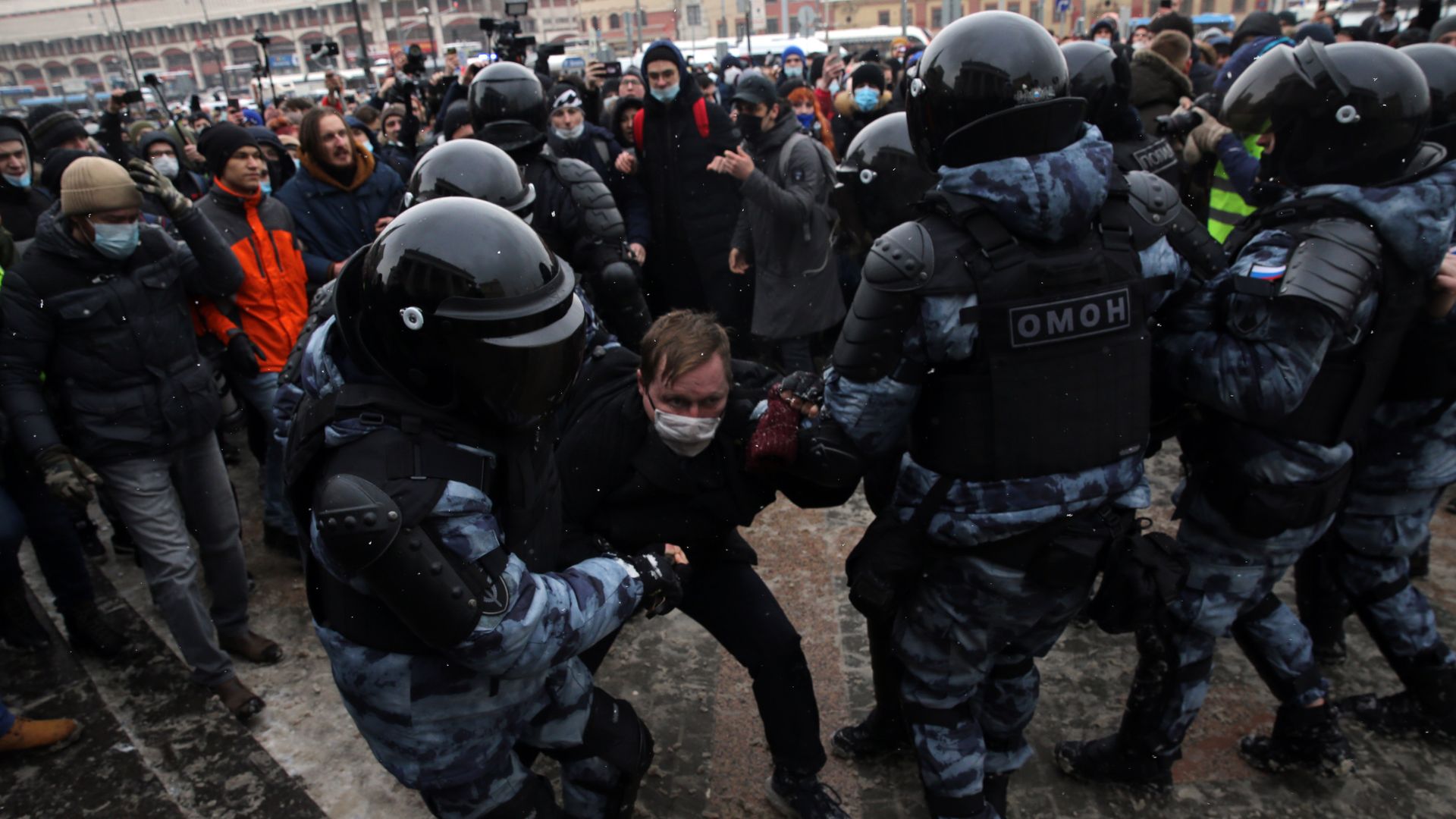
Over 5,000 demonstrators were detained in major Russian cities Sunday, as authorities cracked down on people who defied orders and protested against the detention of opposition leader Alexey Navalny, monitoring groups said.
Why it matters: Navalny's detention has united Russians from a variety of backgrounds, including those who are against his politics, to protest the authoritarian leadership of President Vladimir Putin, per the New York Times.
Russian prosecutors have demanded that social media platforms censor calls to join protests, AP notes.