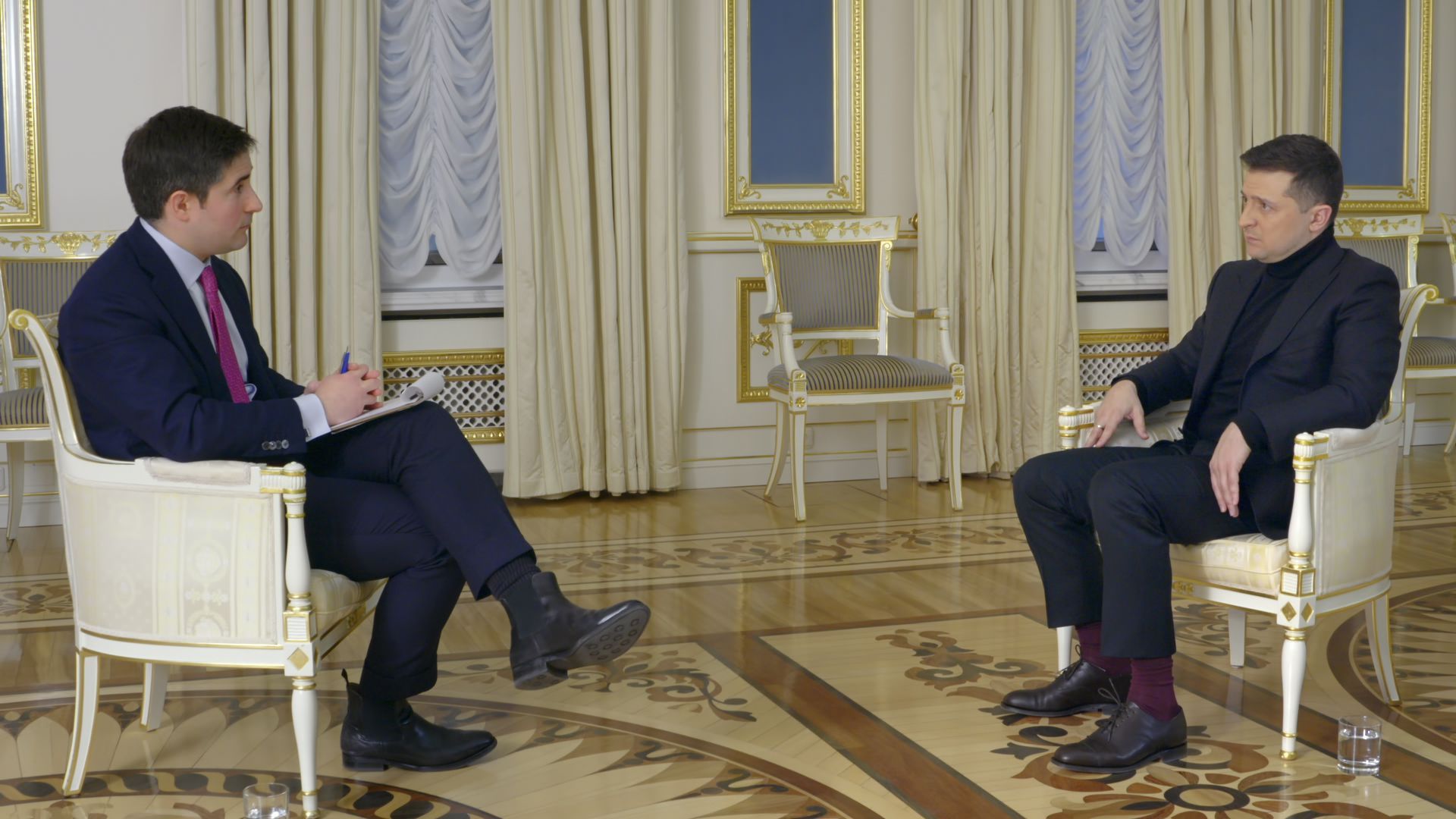
KYIV — Ukrainian President Volodymyr Zelensky tells "Axios on HBO" that he was "shocked" by the pro-Trump mob storming the U.S. Capitol, saying he never imagined this could happen in America and that it harms U.S. efforts to promote democracy abroad.
Why it matters: Zelensky's comments show how the Jan. 6 riots have echoed beyond America's borders, unsettling allies and emerging democracies that look to the U.S. for security and inspiration.
KYIV — Ukrainian President Volodymyr Zelensky told "Axios on HBO" that he doesn't consider China to be a major geopolitical threat — a stance that may cause him friction with the Biden administration and Congress — even as he vowed to limit Chinese control of critical technology sectors.
Why it matters: Zelensky's comments represent a break with U.S. national security leaders from both major political parties who are trying to rally allies to confront the threat of the Chinese Communist Party.
Some of the richest countries in the world — the ones that had been considered the best prepared to handle a pandemic — turned out to be the ones that suffered the highest death rates.
Why it matters: The SARS-CoV-2 virus has proven that preparedness needs to be global, and coordinated.
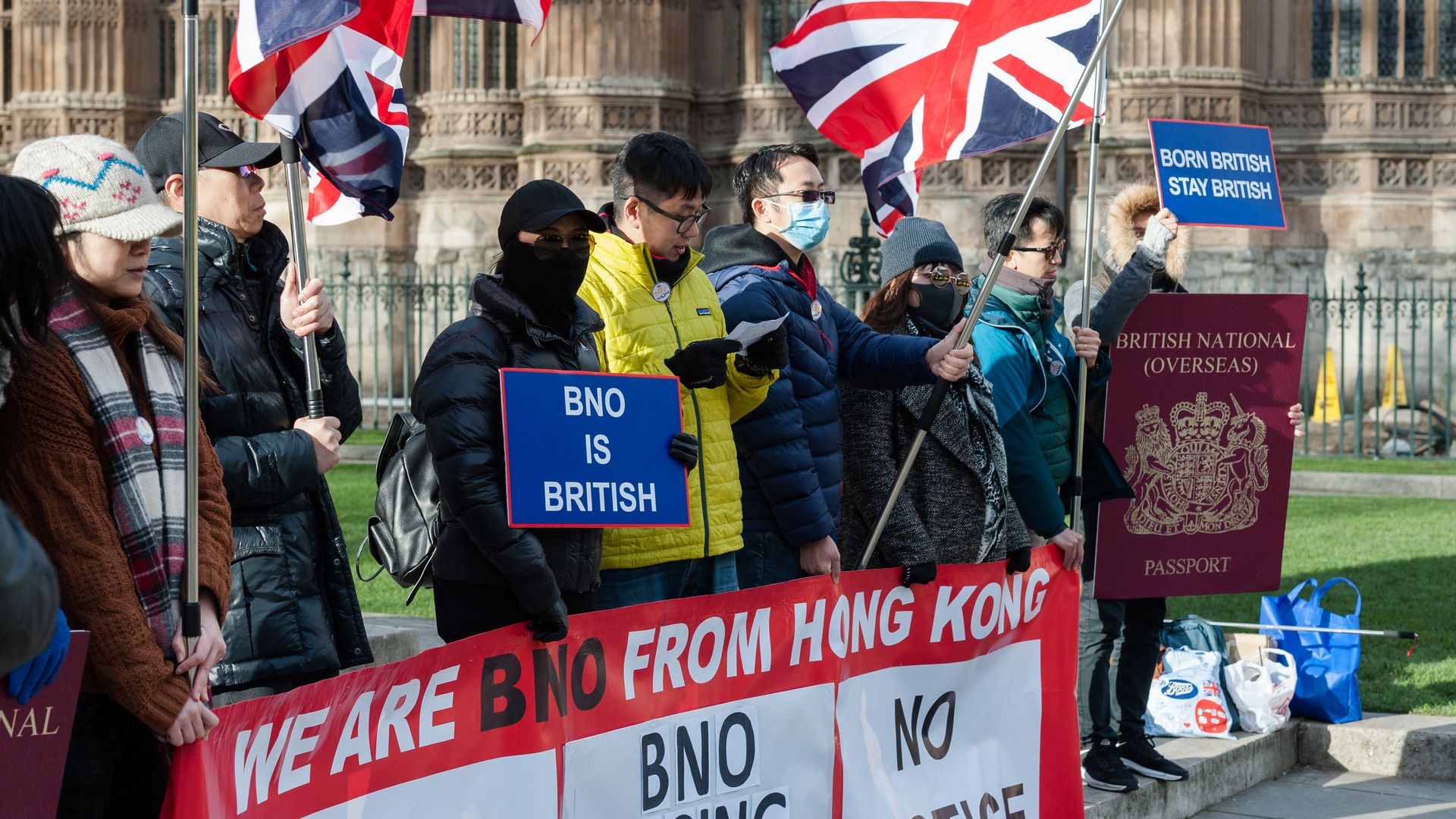
About 7,000 Hong Kongers have fled to the U.K. since China imposed a national security law on Hong Kong and the British government expects more than 300,000 to obtain extended residency rights over the next five years, per AP.
Why it matters: The announcement comes as the U.K. opened the new visa scheme Sunday — a day after China said it would no longer recognize Hong Kongers' British National Overseas (BNO) passports as valid travel documents or proof of identity.
China is imprisoning ordinary citizens who criticize the government on foreign social media — posts not even seen in China, The Wall Street Journal reports.
Why it matters: Human rights activists told The Journal this is a change from the past, when postings abroad were deterred through detentions and harassment.
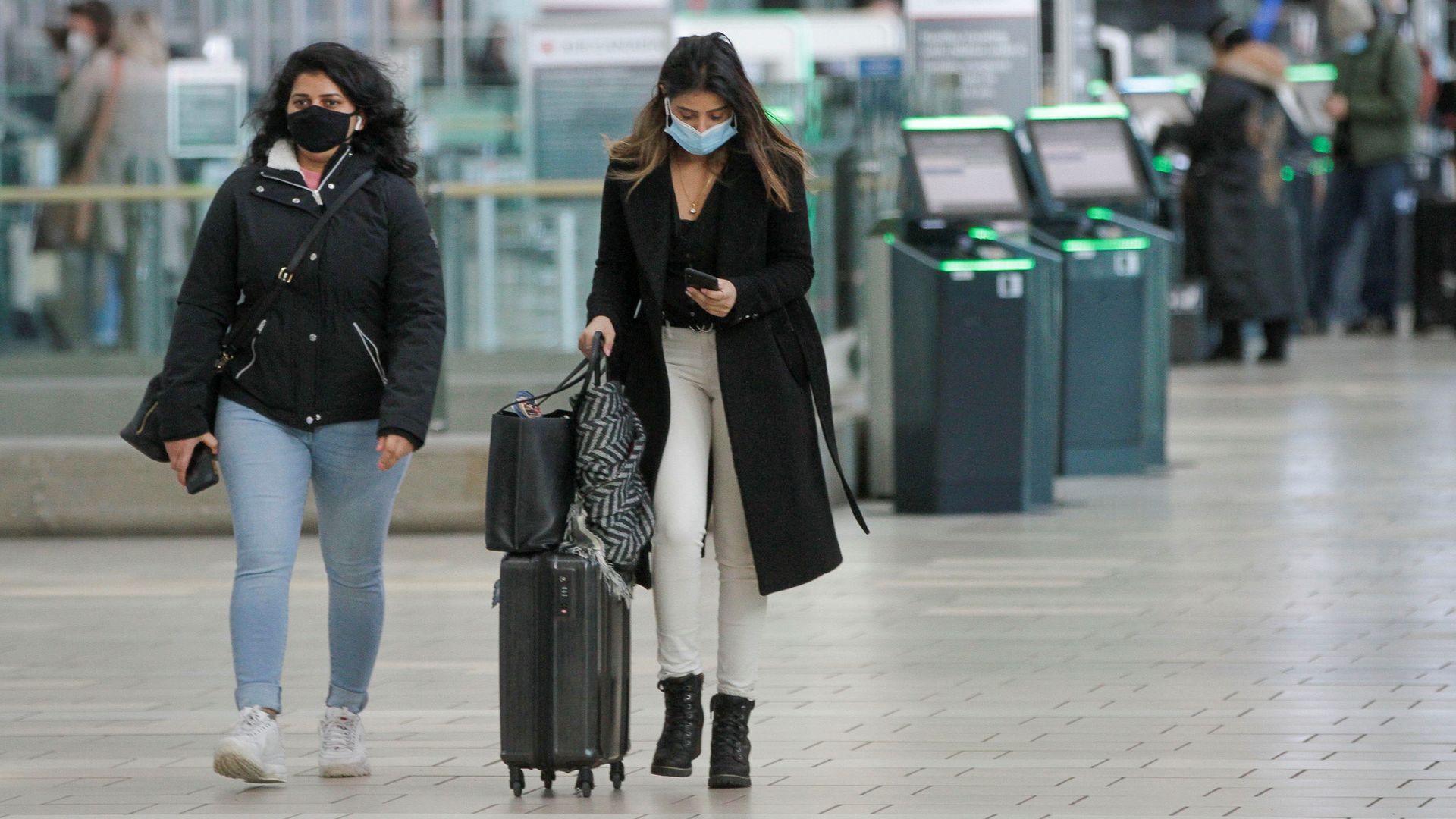
The Canadian government on Friday imposed fresh restrictions on international travel, banning flights to and from Mexico and Caribbean countries starting Sunday through at least April 30.
The state of play: The constraints also make it mandatory for travelers arriving in Canada to quarantine "in a Government of Canada-approved hotel for three nights" and to get tested upon arrival at their own expense.
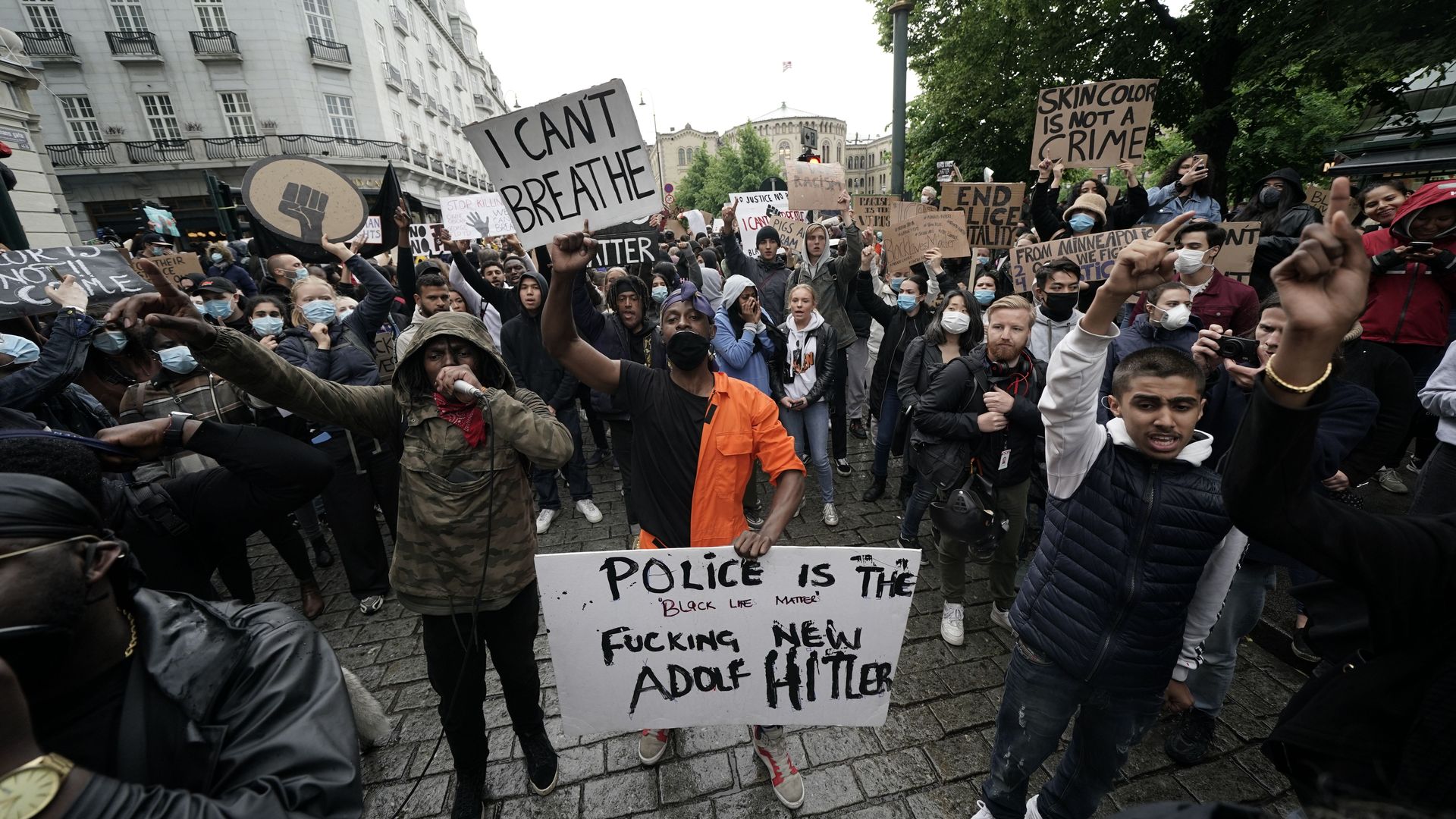
Why it matters: The BLM movement launched in 2013 following George Zimmerman's acquittal for shooting Trayvon Martin, an unarmed Black teenager. The case kickstarted the international movement to address the controversial deaths of Black people, particularly at the hands of police.
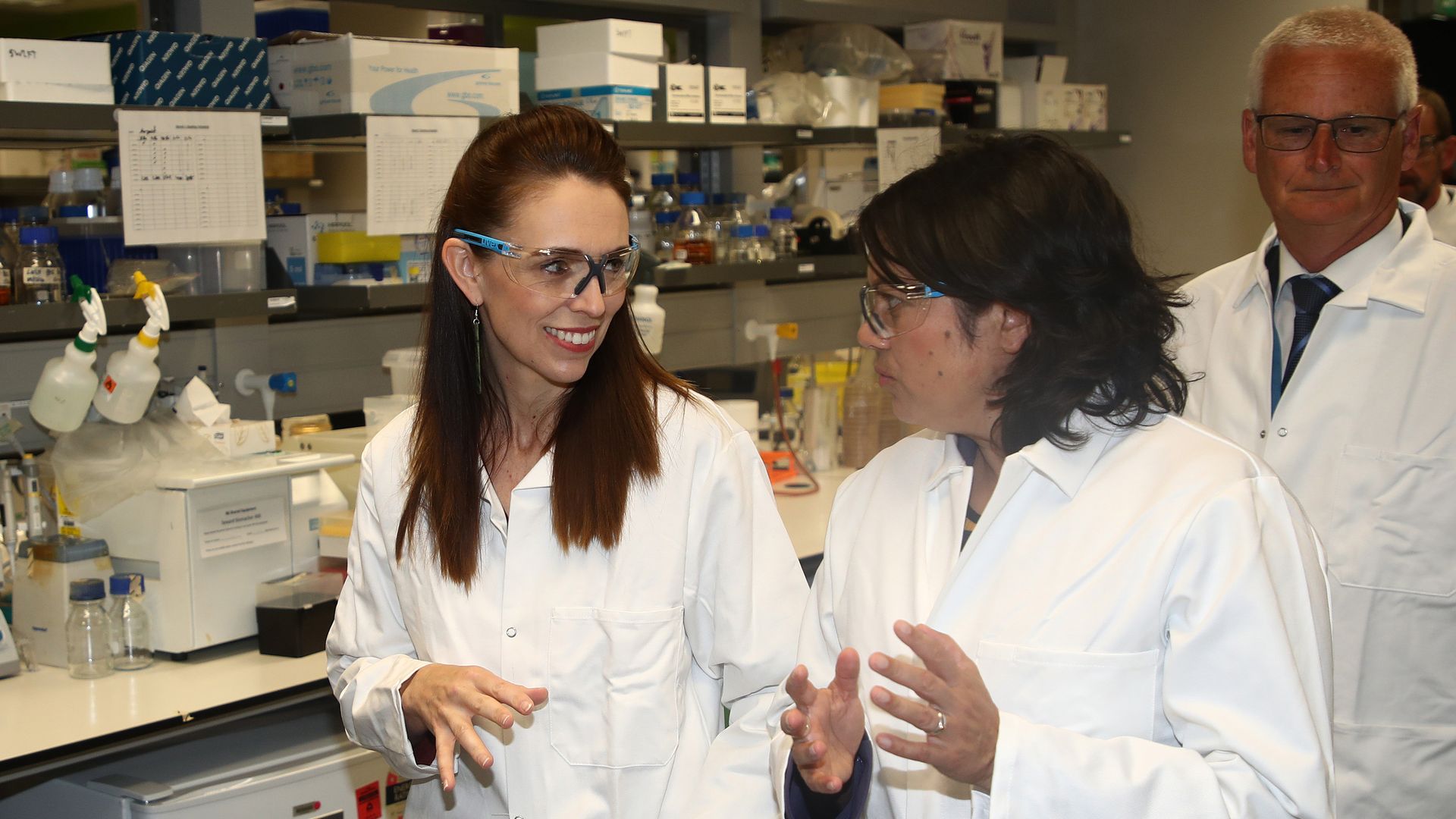
New Zealand has avoided locking down for a second time over COVID-19 community cases because of a swift, science-led response.
Why it matters: The Health Ministry said in an email to Axios Friday there's "no evidence of community transmission" despite three people testing positive after leaving managed hotel isolation. That means Kiwis can continue to visit bars, restaurants and events as much of the world remains on lockdown.
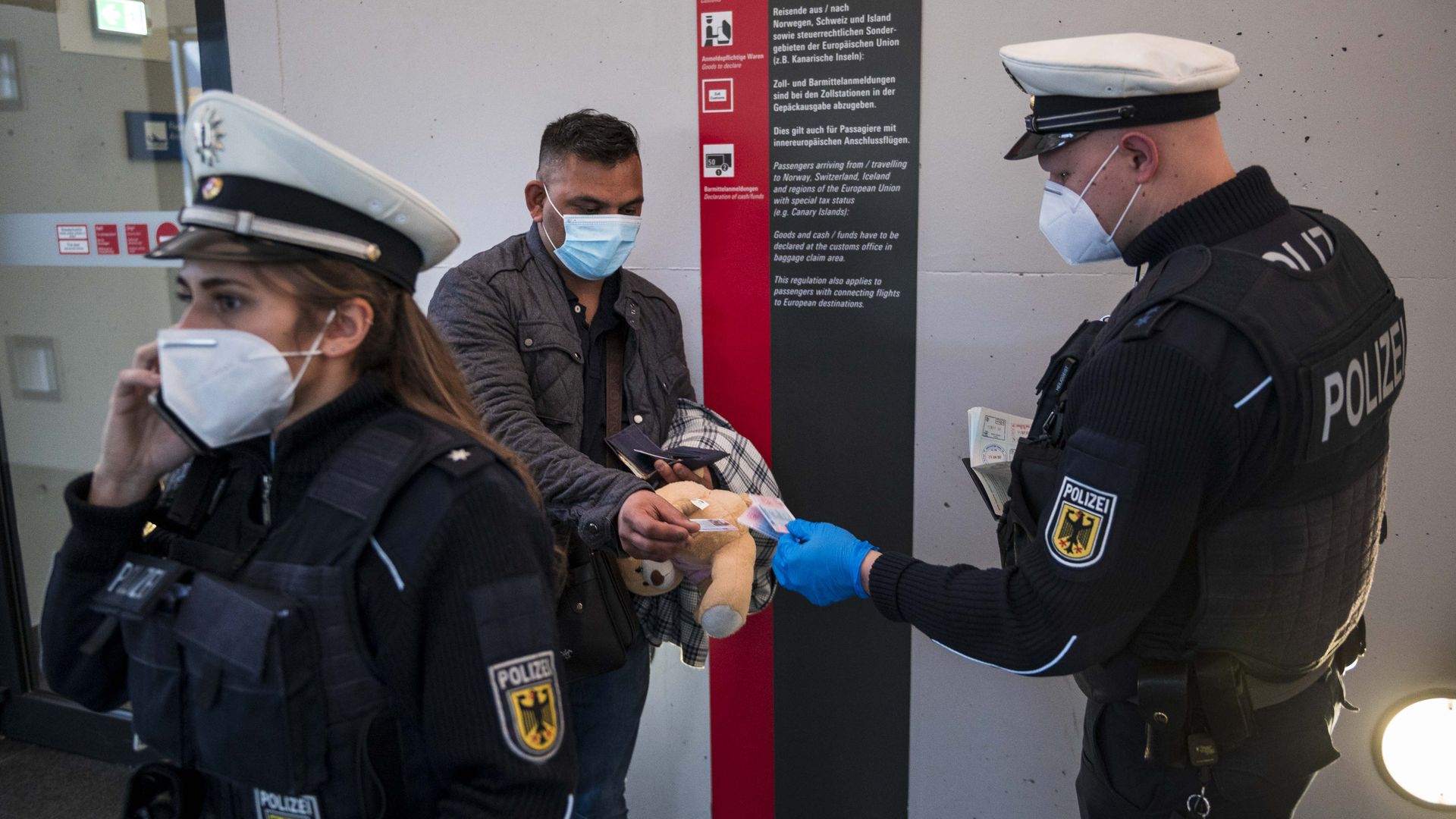
Germany announced Friday that it was imposing new travel restrictions in an effort to curb the spread of more contagious coronavirus variants.
Details: All non-German residents traveling from countries deemed "areas of variant concern," including the United Kingdom, South Africa, Portugal, Ireland, Brazil, Lesotho and Eswatini, will be banned from entering the country, even if they test negative for the coronavirus.