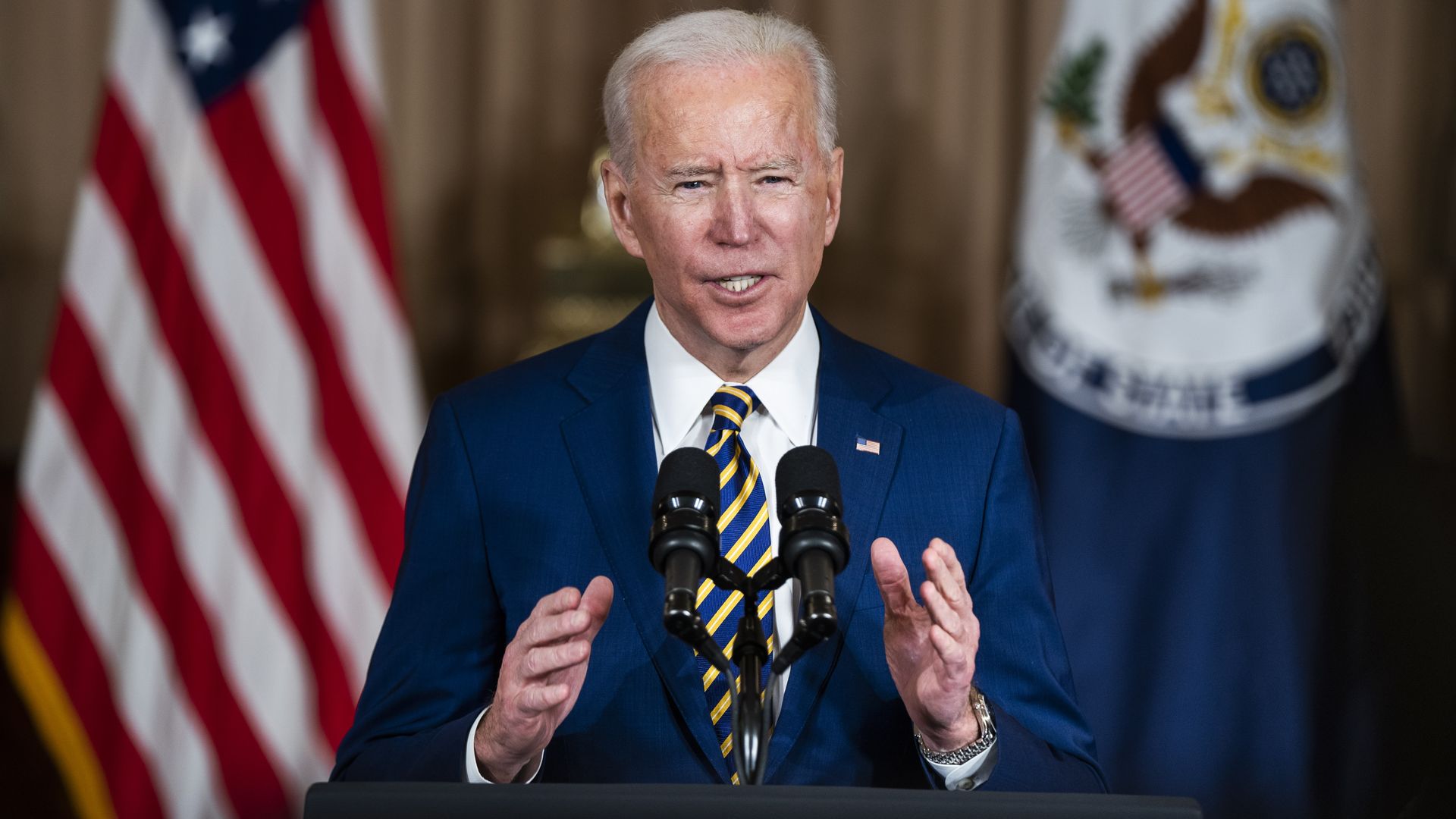
“America cannot afford to be absent any longer from the world stage," President Biden declared on Thursday in his first foreign policy address since taking office.
The big picture: Biden argued that by emphasizing democratic values, recommitting to alliances and investing in diplomacy, the U.S. could rebuild its global leadership and out-compete China.
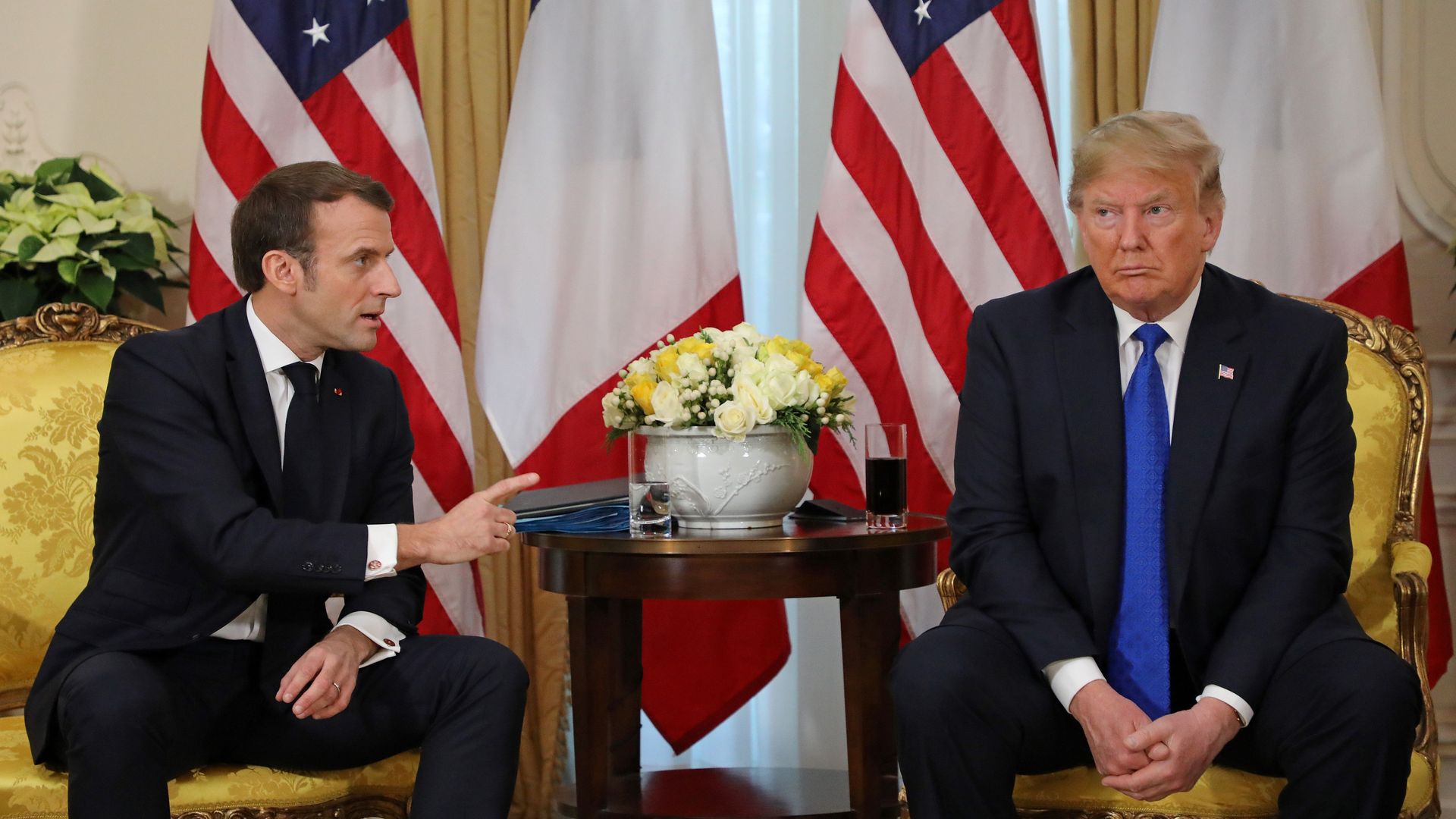
French President Emmanuel Macron on Thursday lambasted social media networks for their decisions to “suddenly cut the mic” as soon as they were sure Donald Trump was leaving power, particularly as they'd effectively “egged President Trump” on during his presidency.
Why it matters: Speaking at an Atlantic Council forum, Macron said the decisions to ban Trump by platforms like Twitter and Facebook may have seemed sensible in the short term, but did not provide a “democratic answer.” Other world leaders like Germany's Angela Merkel have previously raised similar concerns.
President Biden on Thursday will announce an end to U.S. support for offensive operations in Yemen, where a brutal civil war has resulted in one of the world's worst humanitarian crises, White House national security adviser Jake Sullivan said at a press briefing.
Why it matters: Pulling support for the war in Yemen was one of Biden's top foreign policy campaign promises. It marks a significant reversal from U.S. policy under former President Trump, who vetoed bipartisan resolutions passed by Congress that called for the U.S. to stop providing weapons to the Saudi-led coalition in Yemen.
Increasing lockdowns, a mutating virus and a botched vaccine rollout have the eurozone headed for a double-dip recession, weighing heavily on its currency and pushing the dollar higher.
Why it matters: The weak dollar (down 10% from its 2020 highs) has been a linchpin for some of the biggest consensus trades this year — strong commodities, skyrocketing U.S. equity prices and emerging market stocks and bonds.
The United Kingdom on Thursday launched a new clinical study to test the effects of mixing COVID-19 vaccines.
Why it matters: Per a statement from Oxford University virologist Matthew Snape, chief investigator of the world-first study: "If we do show that these vaccines can be used interchangeably in the same schedule this will greatly increase the flexibility of vaccine delivery."
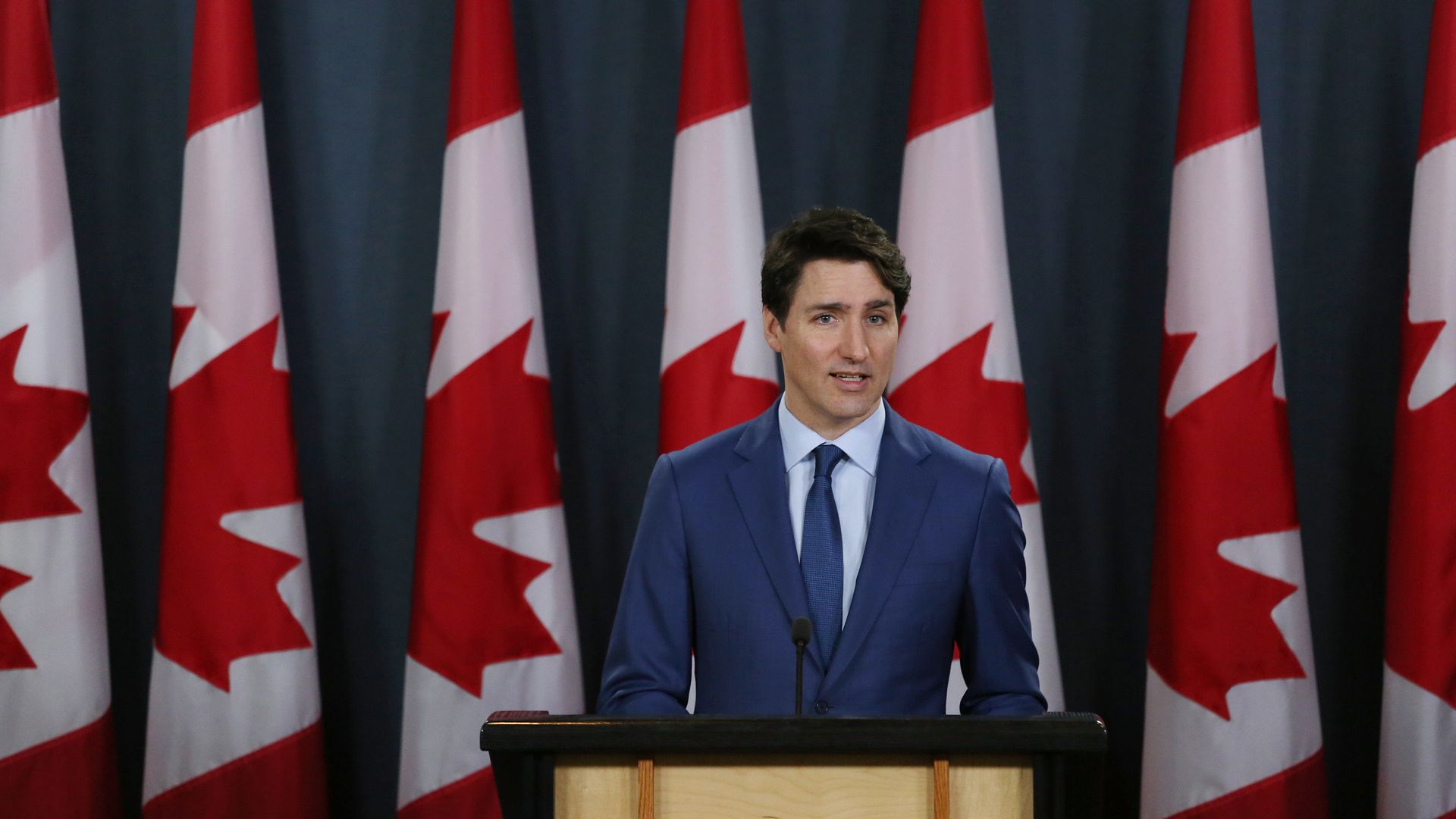
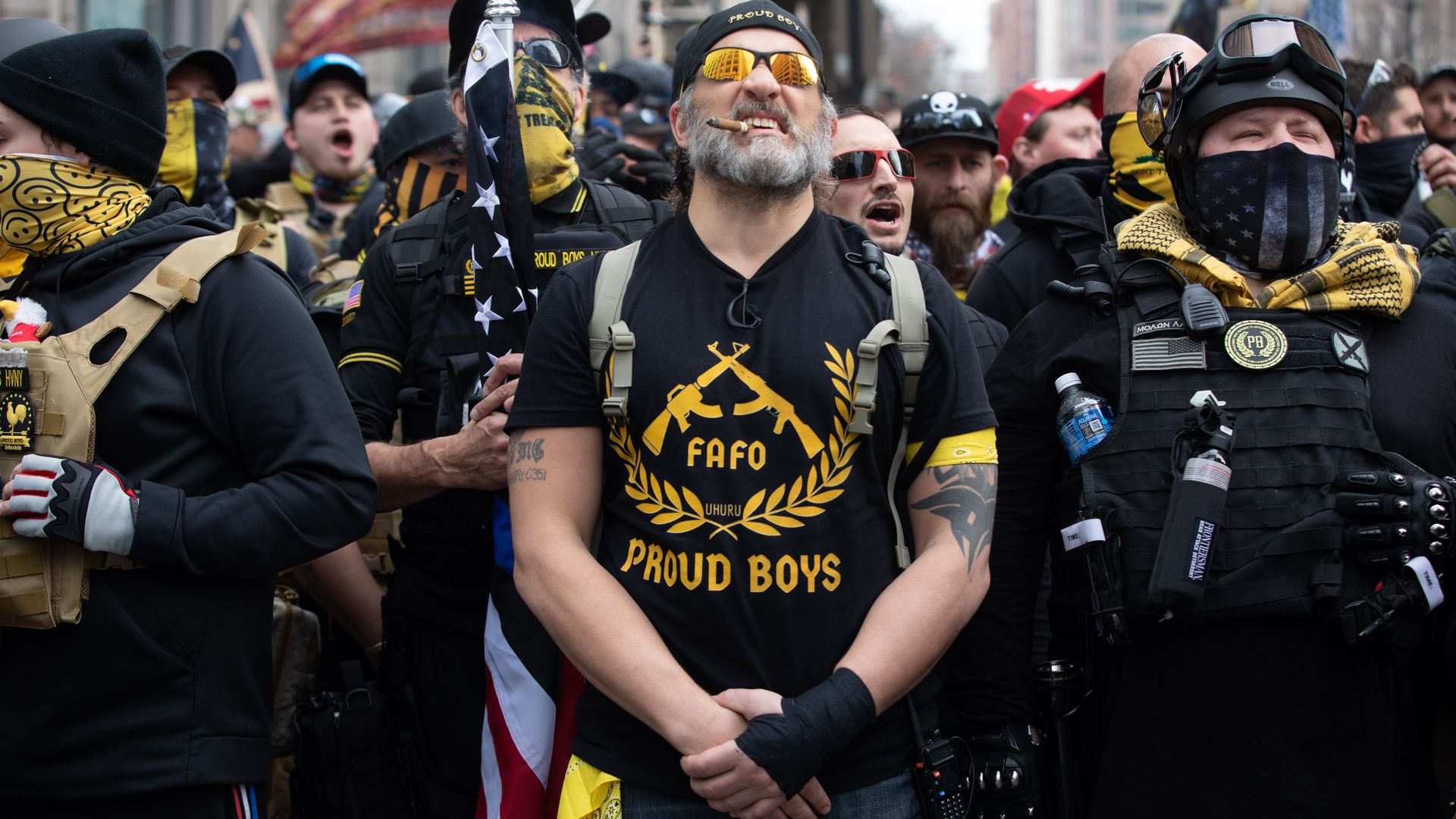
Canada's government has added the Proud Boys, a far-right extremist group, to its list of terrorist entities alongside al-Qaeda affiliates and ISIS, Public Safety Minister Bill Blair announced at a press conference Wednesday.
Why it matters: Canada is the first country in the world to designate the Proud Boys as a terrorist organization. U.S. law currently limits terrorist designations to "foreign" entities, but the Department of Homeland Security has warned that violent white supremacy is the "most persistent and lethal threat in the homeland."
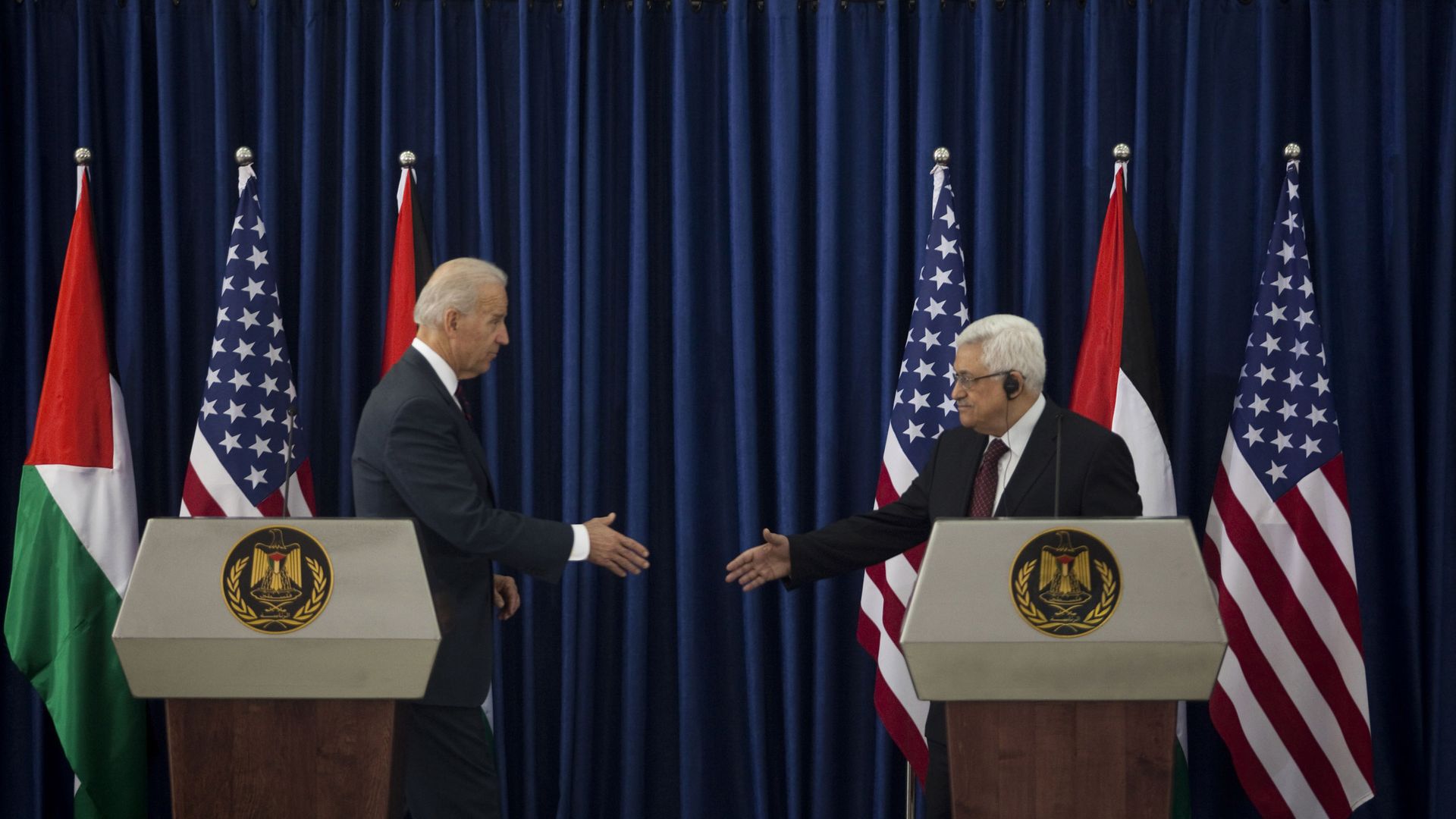
Palestinian Prime Minister Mohammad Shtayyeh has formed a special team to prepare for talks with the Biden administration over controversial payments made by the Palestinian Authority to Palestinian prisoners jailed in Israel, many of them on terrorism charges.
Why it matters: The prisoner stipends — termed "pay for slay" by the Trump administration — are a primary concern for the Biden administration as it prepares to re-engage with the Palestinians.
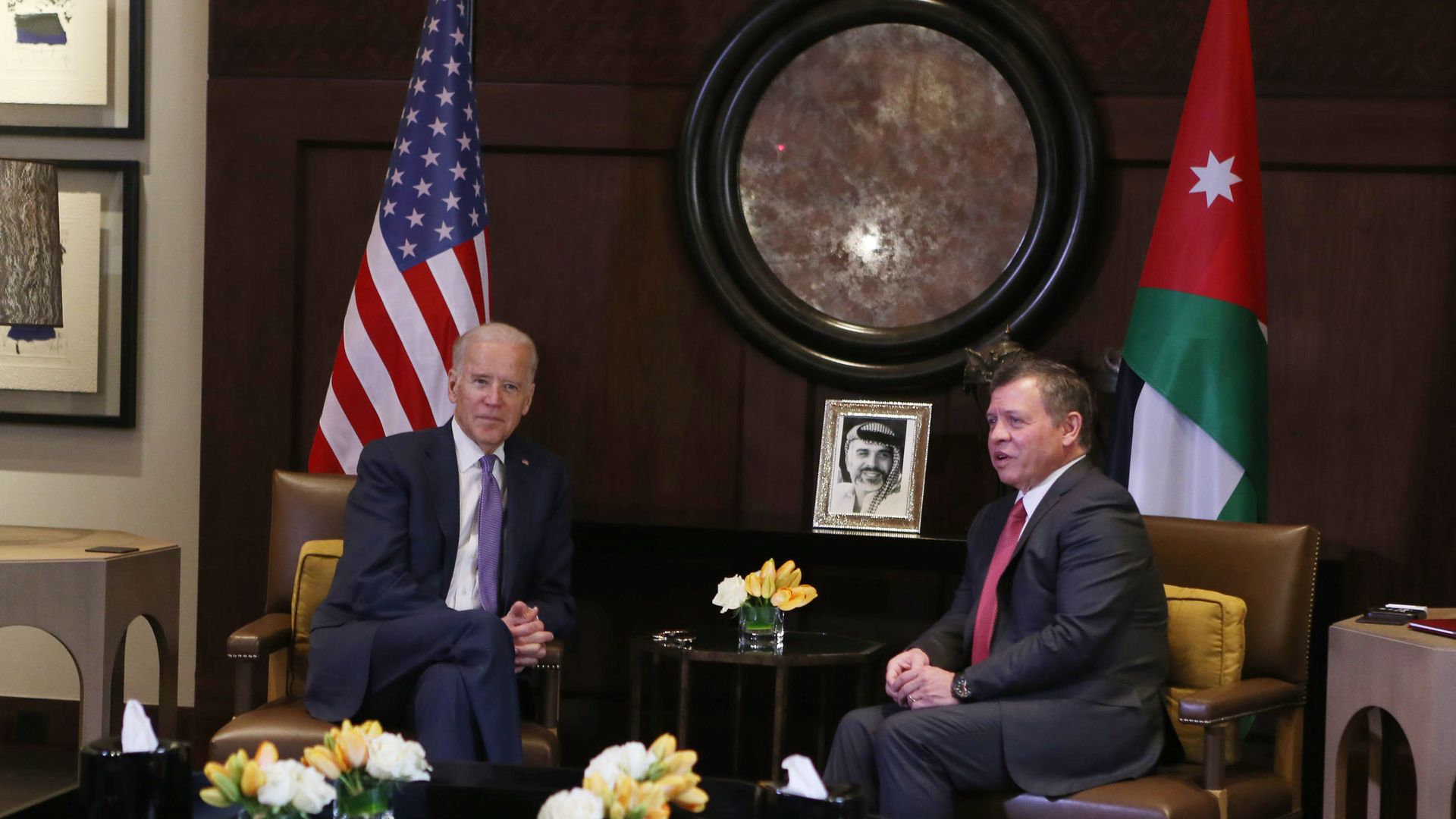
Amman — After a complicated relationship with the Trump administration, Jordan now has the opportunity to strengthen relations with the U.S. — but it will not come for free.
Why it matters: King Abdullah II, anticipating more emphasis on human rights and democracy from Washington, has now publicly called for political reforms.
Suspected Chinese state hackers compromised the Department of Agriculture’s National Finance Center (NFC) last year using a second “software flaw” used on the SolarWinds platform, reports Reuters.
Why it matters: The Chinese-authored breach could represent a potentially catastrophic leak of sensitive personal information of U.S. government officials — information that China’s spy services will be keen to exploit for counterintelligence purposes.
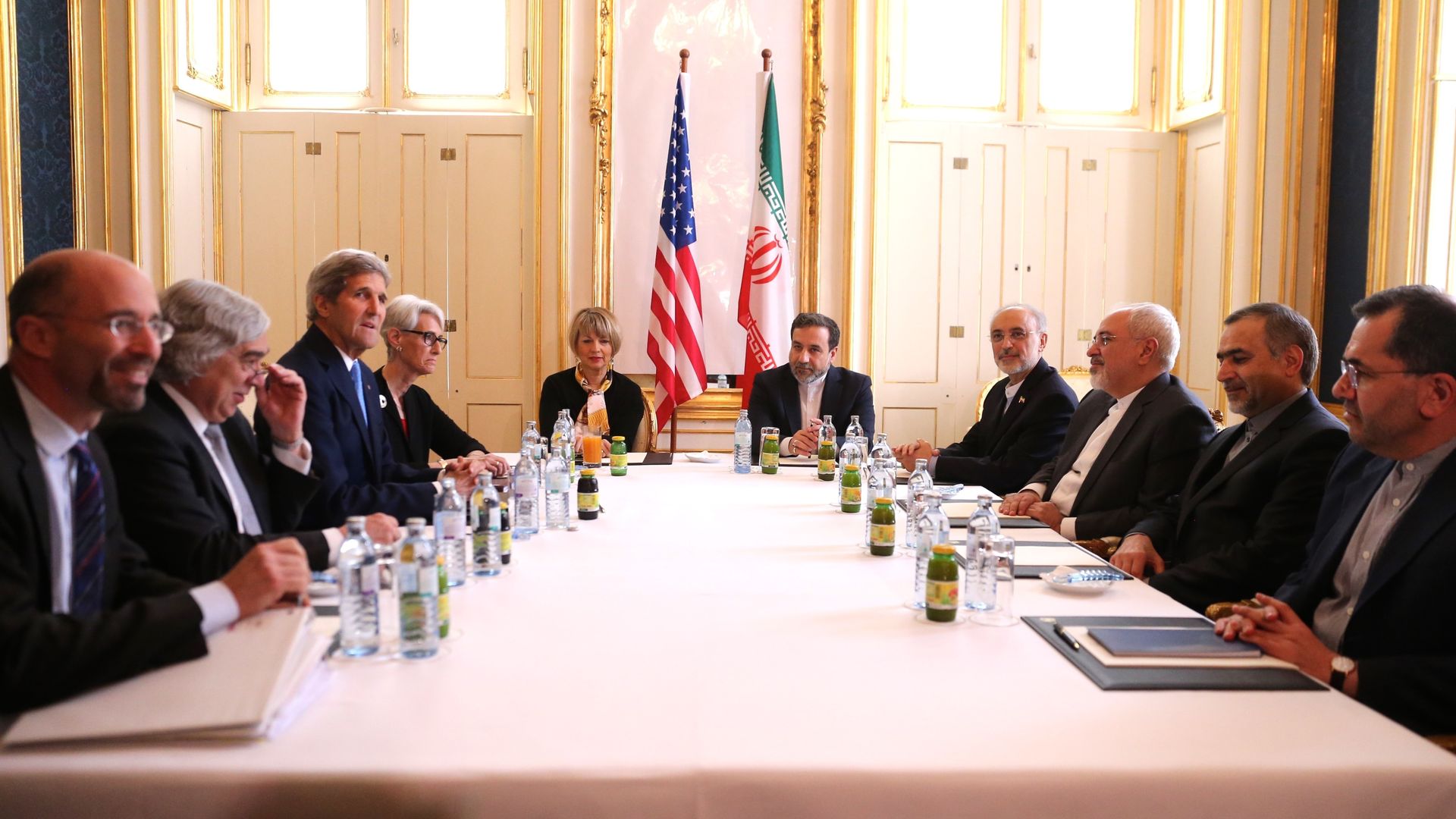
Secretary of State Tony Blinken has asked newly appointed Iran envoy Rob Malley to form a negotiating team made up of diplomats and experts with a range of views on the path forward with Iran, U.S. officials tell me.
Why it matters: Those instructions indicate the Biden administration is attempting to avoid groupthink when drafting its policies on Iran, while also signaling to critics that a diversity of views will be taken into consideration.
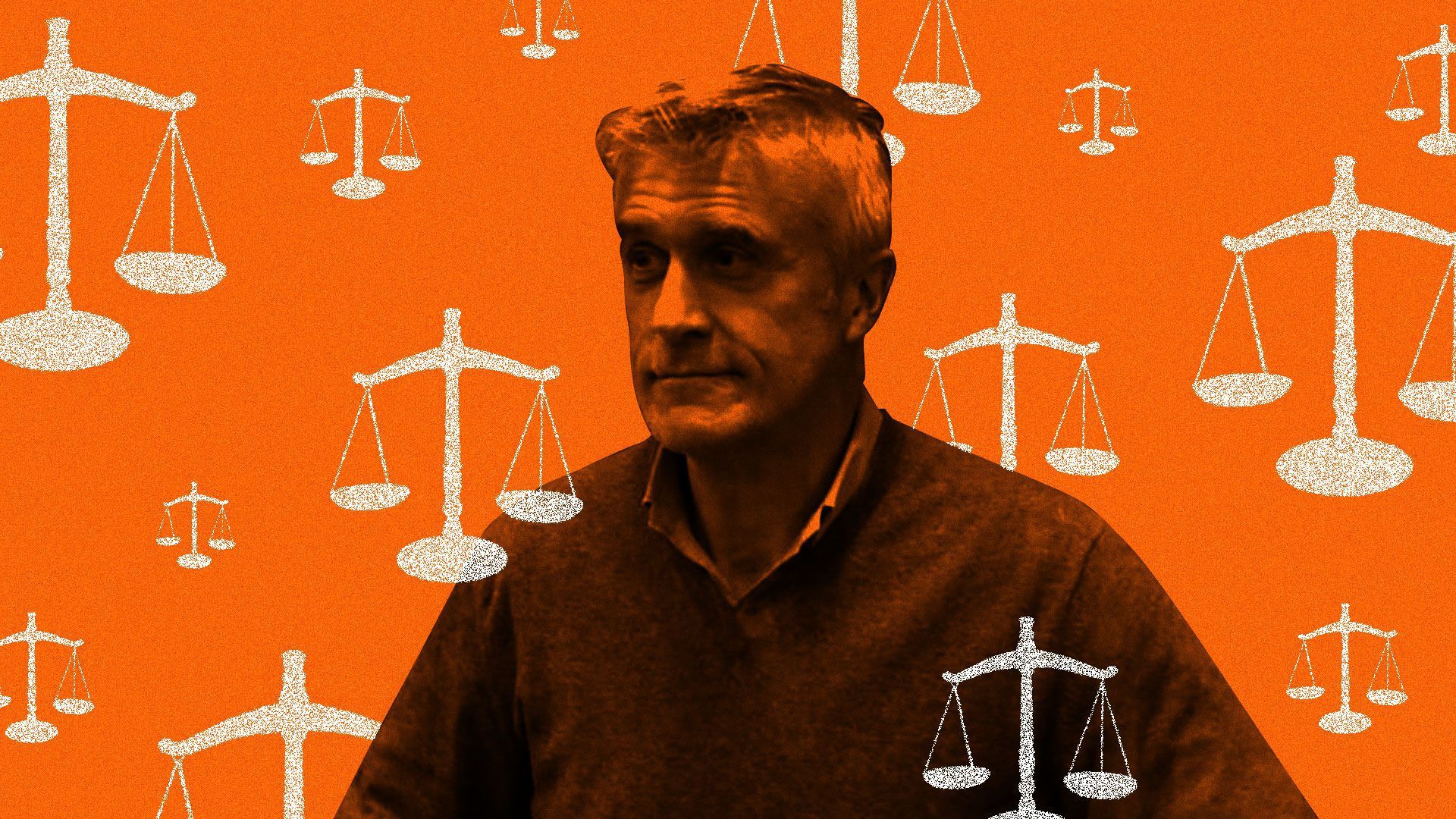
Russia's legal system made global headlines yesterday, after a Moscow court sentenced opposition leader Alexei Navalny to a multi-year prison term for parole violations.
In a different Moscow court this week, U.S.-born investor Mike Calvey began fighting for his own freedom against very long odds.
Israeli Prime Minister Benjamin Netanyahu wants to visit Cairo,but Egyptian President Abdel Fattah al-Sisi has a condition: Netanyahu must make a positive statement on the Palestinian issue, such as re-committing to the two-state solution, Israeli sources tell me.
Why it matters: The Egyptians are concerned that they're on track for a rocky start with the Biden administration. They want to reinvigorate their role in the Israeli-Palestinian conflict to send a positive sign to the White House and to increase their relevance as a partner for Biden.
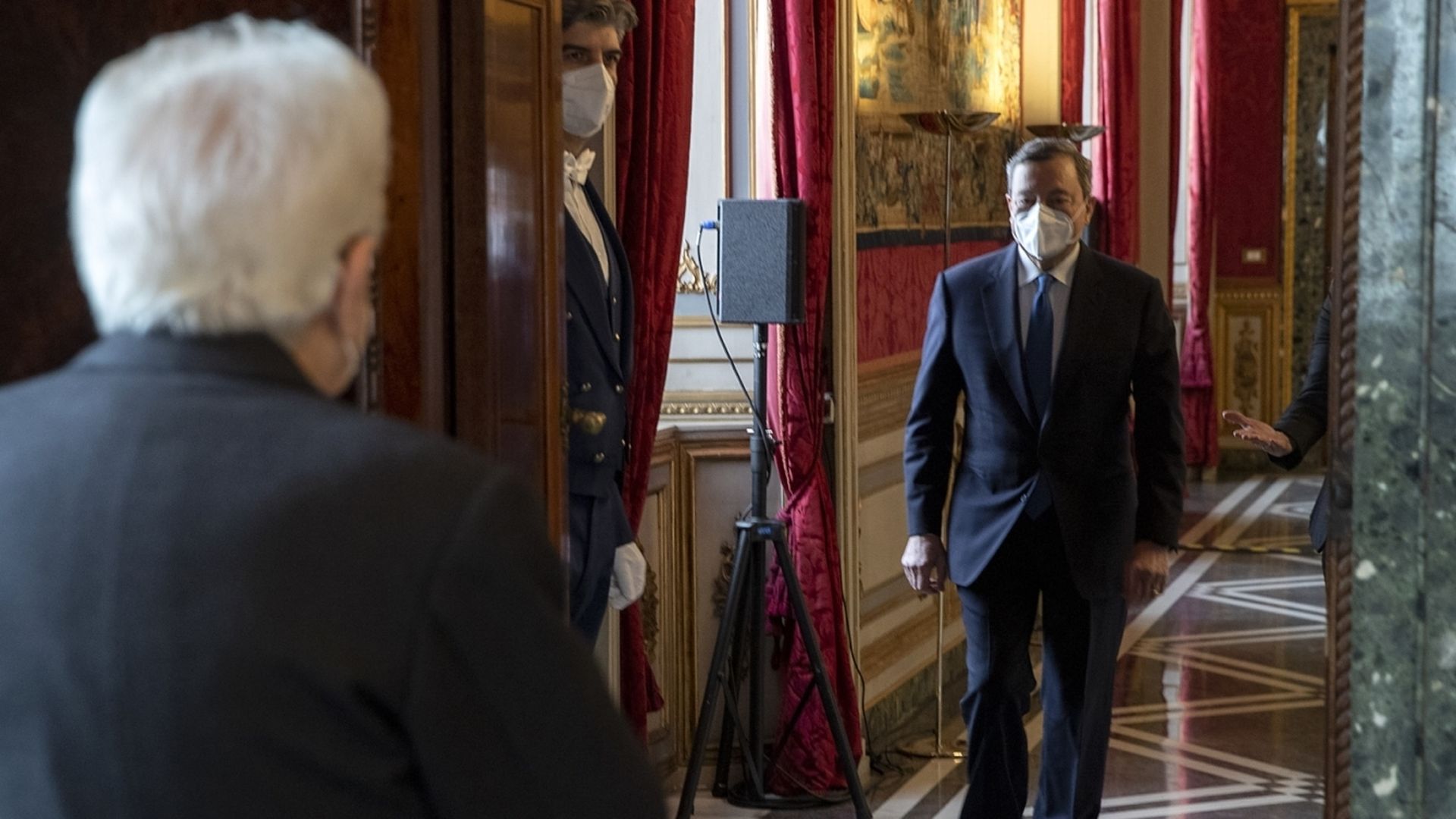
Mario Draghi, the former president of the European Central Bank, has accepted a mandate from Italy's president to form a national unity government.
Why it matters: Italy's government collapsed last week over a dispute about the disbursement of recovery funds from the EU, and the popular prime minister, Giuseppe Conte, has been unable to cobble together a parliamentary majority. That task now falls to Draghi, with an election looming if he fails.
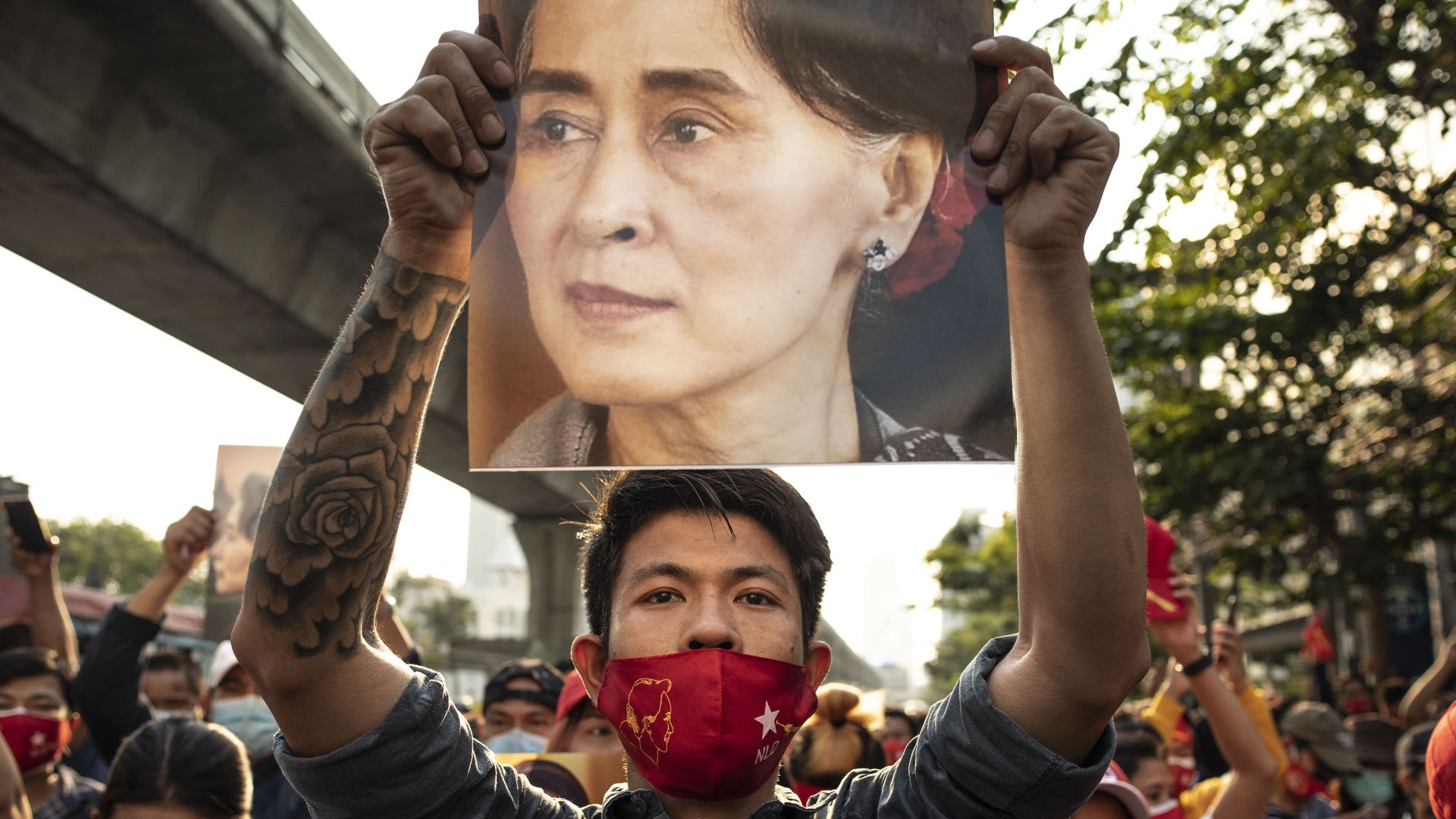
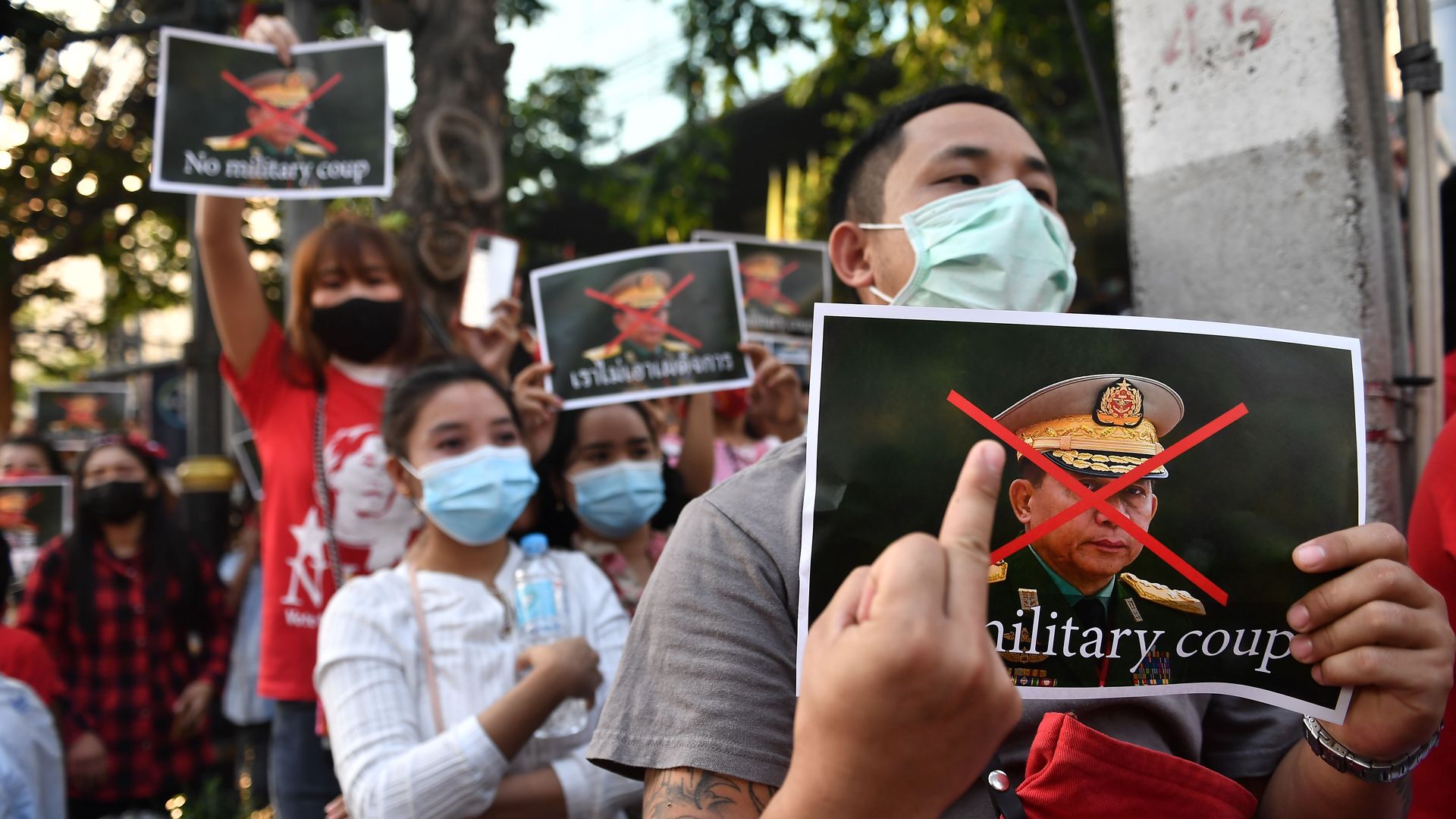
Authorities in Myanmar on Wednesday filed charges against civilian leader Aung San Suu Kyi for illegally importing and using walkie-talkies found in her home, just days after she was detained by the military.
Driving the news: The Biden administration has designated the seizure of power a "coup," opening the door to sanctions and a broader review of U.S. assistance programs to the Southeast Asian country, which was under military rule before becoming a civilian-led democracy in 2011.
The Biden administration on Tuesday called the military seizure of power in Myanmar and detainment of civilian leader Aung San Suu Kyi a coup d'etat as pro-democracy groups protested across Asia.
Driving the news: The official designation will open a broader review of U.S. assistance programs to the Southeast Asian country, which was under military rule before becoming a civilian-led democracy in 2011.