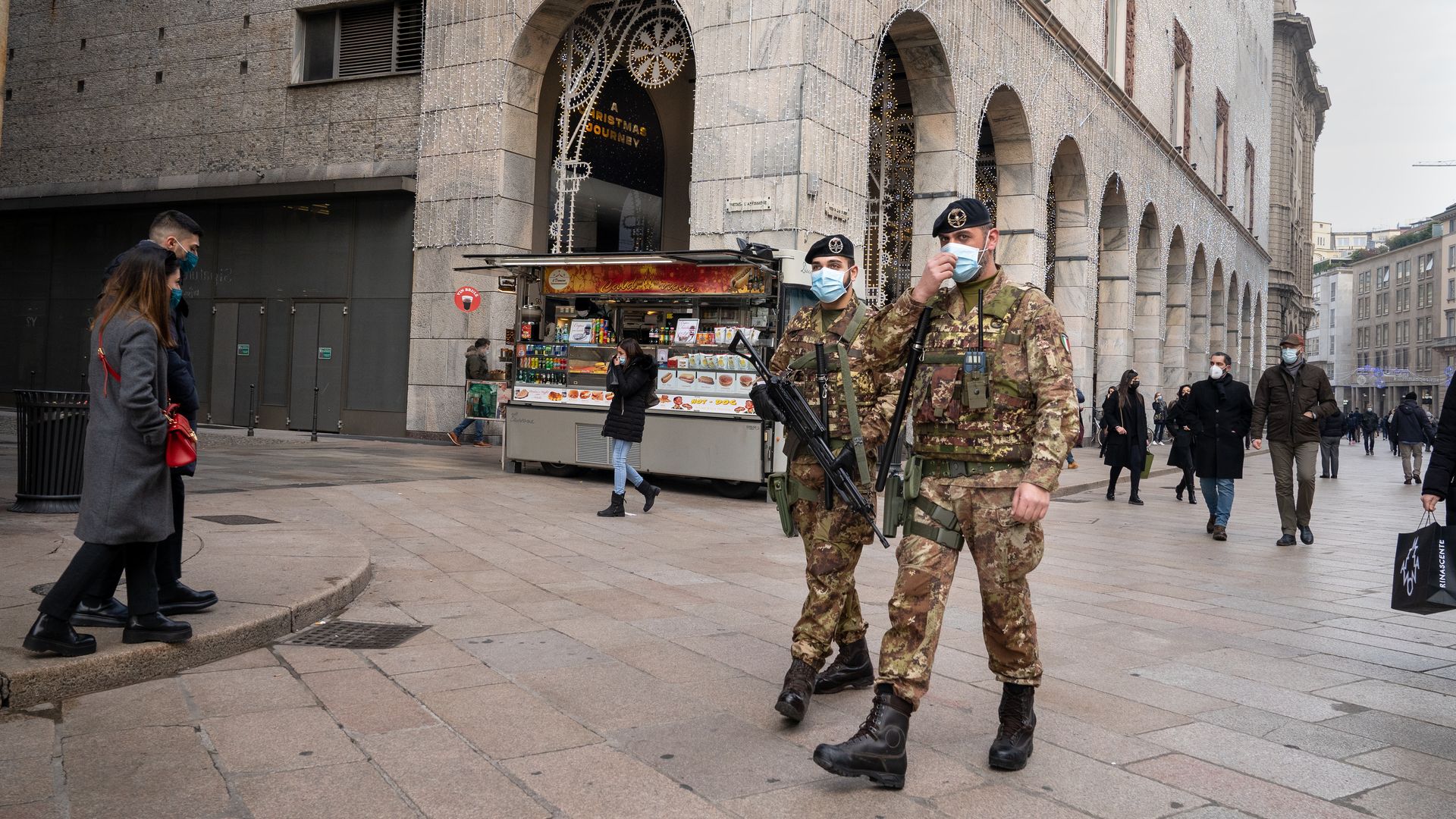
Italy's Prime Minister Giuseppe Conte announced Friday that he has ordered a national lockdown for the Christmas and New Year's holidays as the country continues to see a surge in cases and deaths.
Why it matters: Italy has been one of the hardest-hit Western countries, with 67,894coronavirus-related deaths as of Friday — the most in Europe.
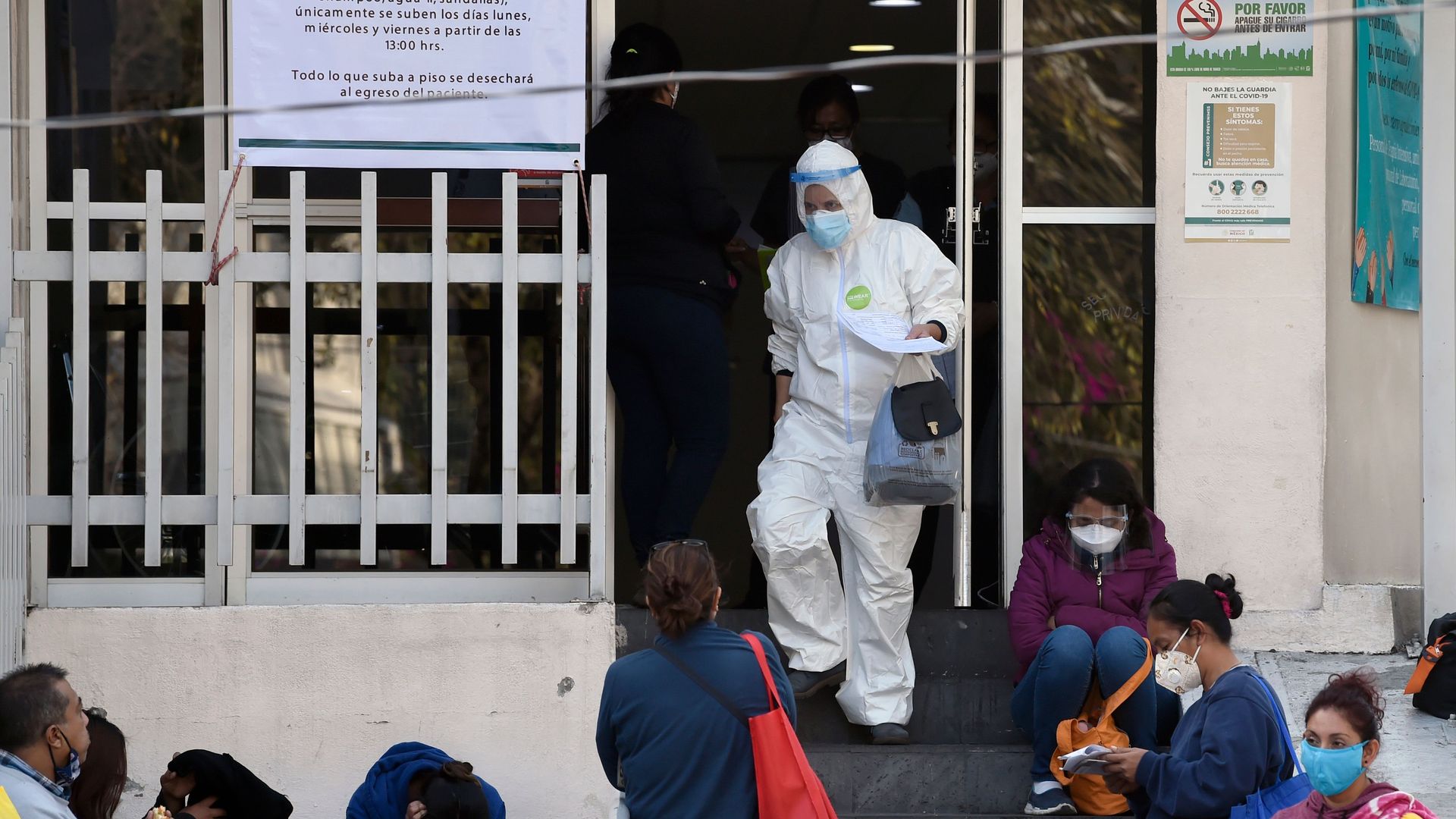
Mexico City and the neighboring State of Mexico will ban nonessential activities in an effort to curb a spike in COVID-19 cases that has overwhelmed hospitals, officials announced Friday.
Driving the news: Mexico City Mayor Claudia Sheinbaum said hospital capacity is at about 75%, but the federal government put the number at 80%, per AP. Families have reported searching for hours to find open hospital beds in the capital.
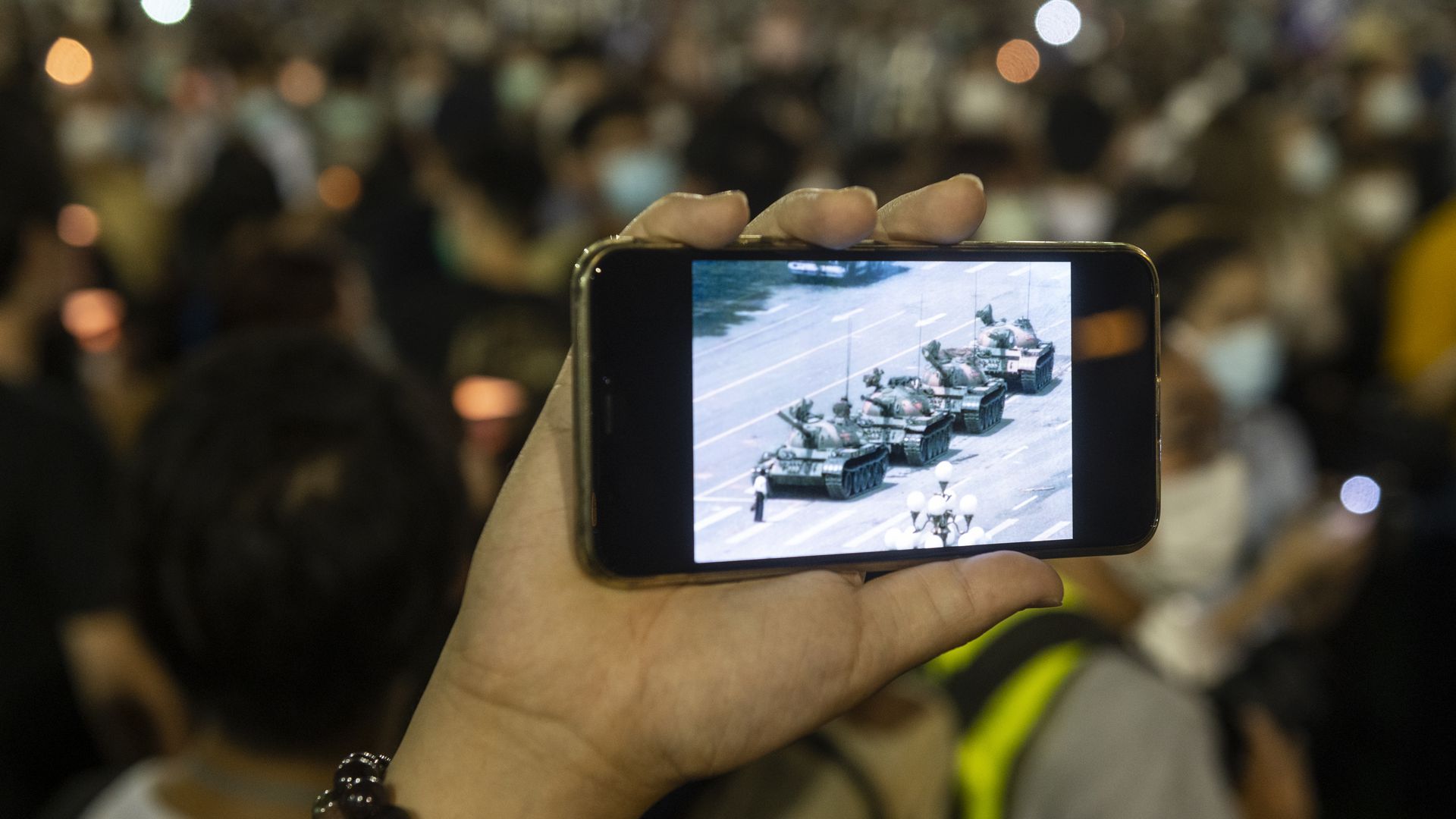
A now-former Zoom executive based in China has been charged by the Justice Department with disrupting video meetings that commemorated the 1989 Tiananmen Square massacre, Zoom confirmed on Friday.
Why it matters: This case could shake the foundations of U.S. tech cooperation with China. Researchers and U.S. government officials have warned of the possibility that the Chinese government might require China-based employees to hand over private company data to Beijing. This indictment indicates that those fears are, in fact, a reality.
The Bank of Japan extended its special support programs for businesses by six months and said it would “conduct an assessment for further effective and sustainable monetary easing” after Japan’s core consumer prices fell at the fastest pace in 10 years in November.
Driving the news: November's core consumer price index decline beat out October's historic decline when consumer prices fell by what was then the fastest pace in 10 years.
A Trump administration official tells Axios that the cyberattack on the U.S. government and corporate America, apparently by Russia, is looking worse by the day — and secrets may still be being stolen in ways not yet discovered.
The big picture: "We still don't know the bottom of the well," the official said. Stunningly,the breach goes back to at least March, and continued all through the election. The U.S. government didn't sound the alarm until this Sunday. Damage assessment could take months.
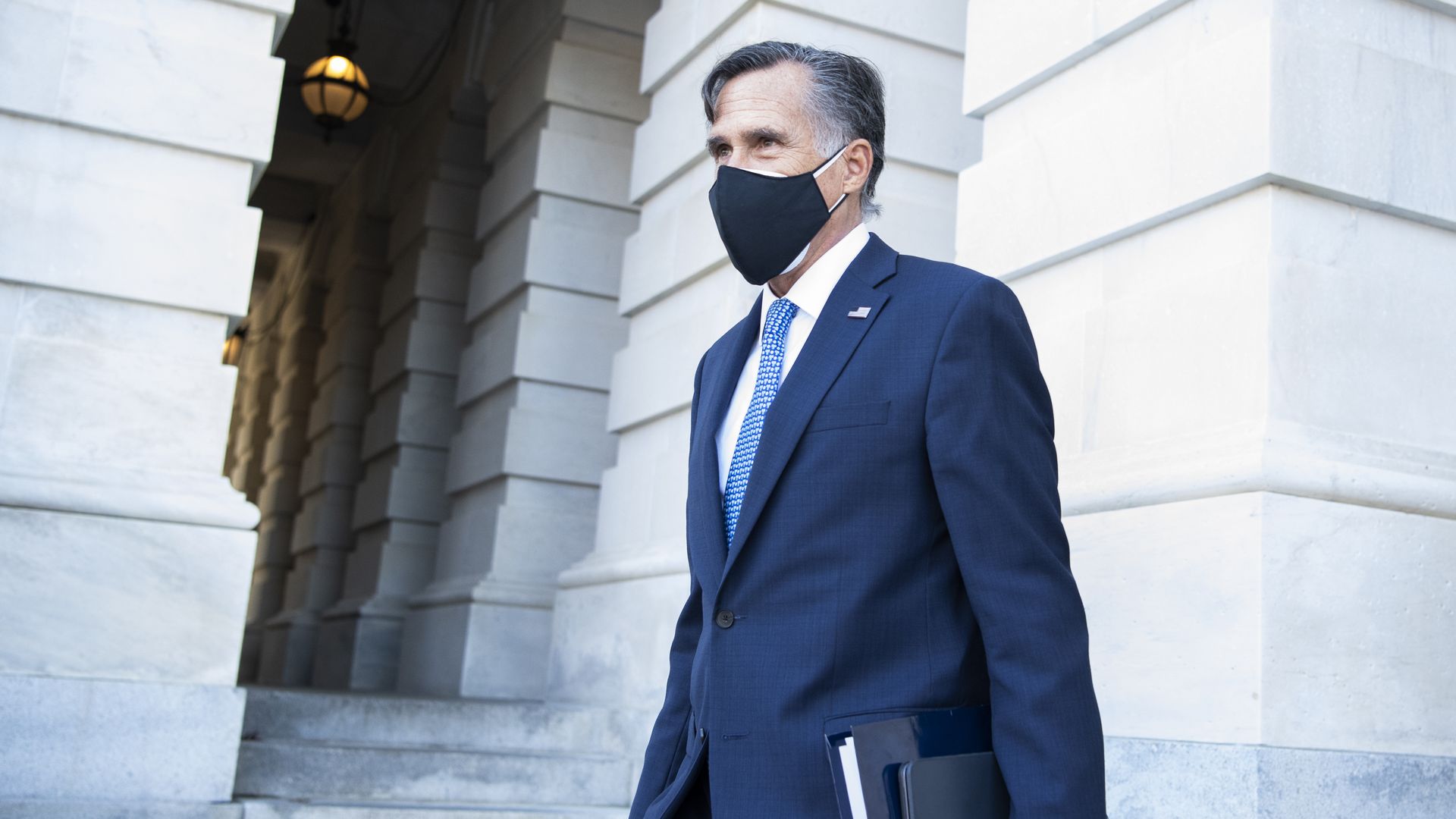
Sen. Mitt Romney (R-Utah) called on the White House to “aggressively” condemn a suspected Russian cyberattack in an interview with SiriusXM on Thursday evening.
Why it matters: Since news broke that hackers tied to Russia penetrated U.S. government networks and companies, public officials including President-elect Biden have come forward with rebukes. President Trump has been largely silent, though the White House has held emergency meetings with officials across agencies to address the breach, per Bloomberg.
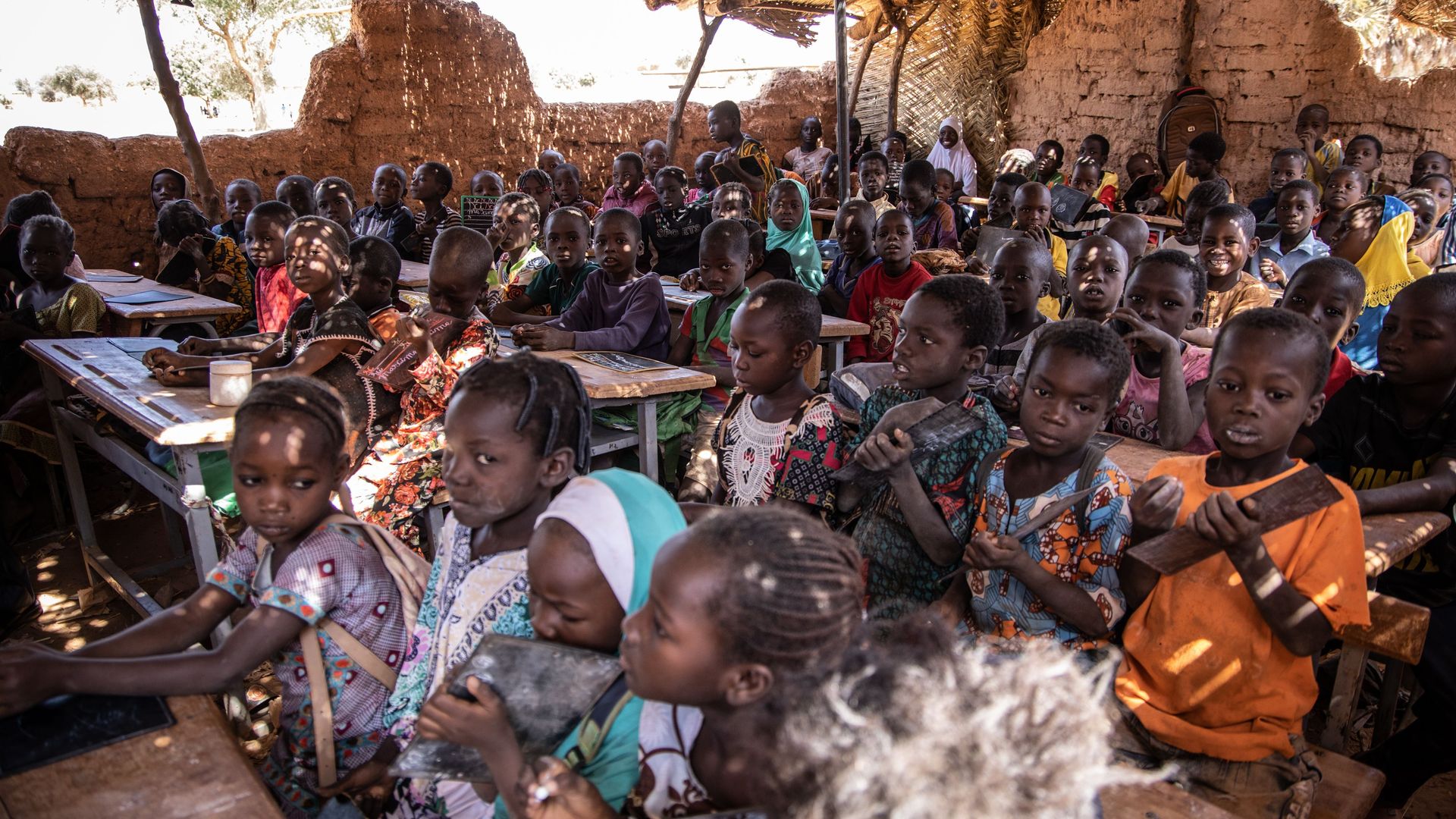
Yemen topped the International Rescue Committee's annual watchlist of the world's most dire humanitarian crises for the third consecutive year, followed by Afghanistan and Syria.
The big picture: All three face chronic violence and instability, and Yemen is one of four countries at risk of famine in the coming year (the others are Burkina Faso, South Sudan and northeastern Nigeria).
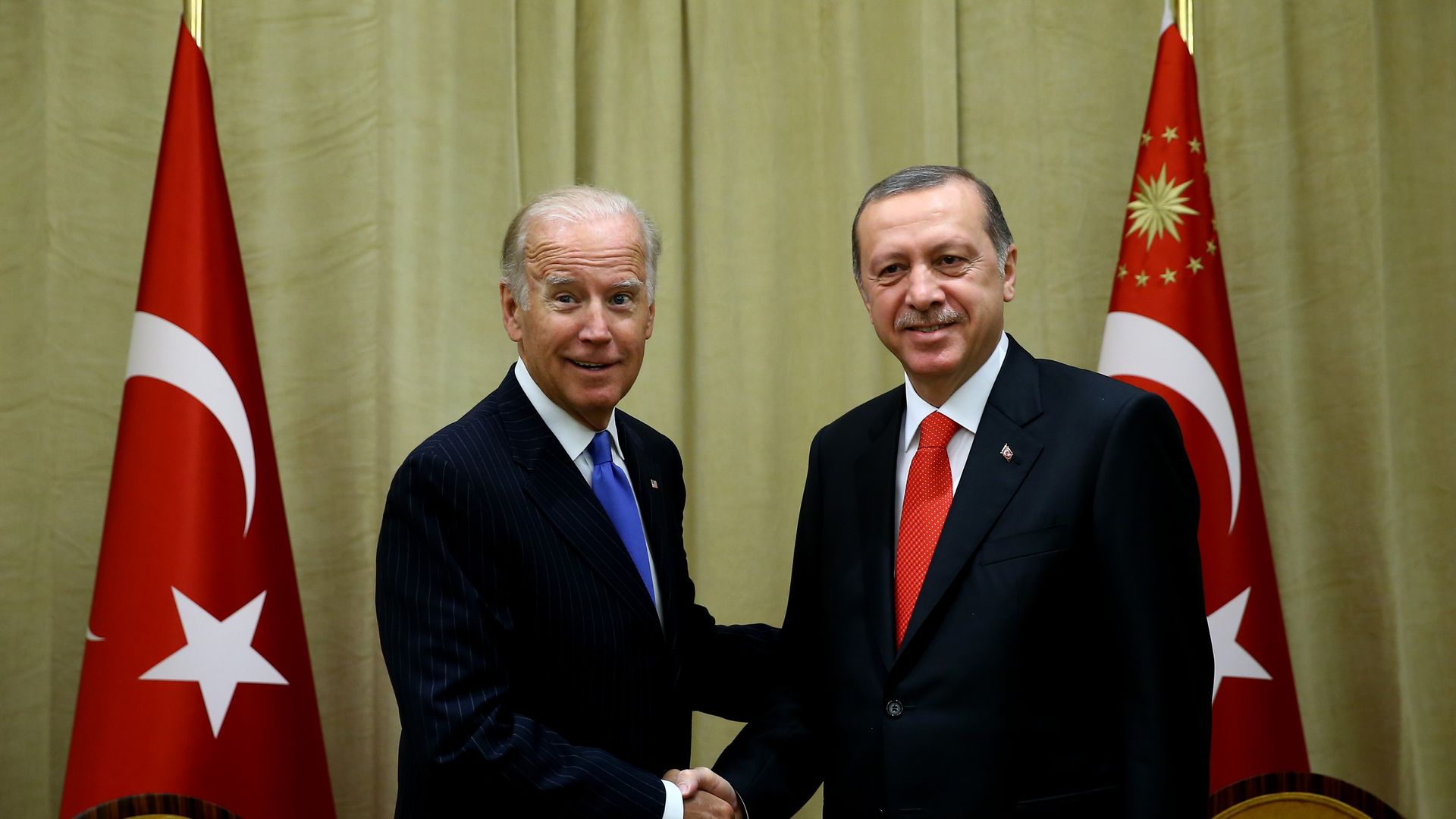
President Trump’s imposition of long-awaited sanctions on Turkey this week over its purchase of a Russian S-400 missile defense system illustrates the fragile state of a critical relationship — but it may also allow President-elect Joe Biden to start fresh with Turkish President Recep Tayyip Erdoğan.
Why it matters: Erdoğan raged against the sanctions, which target Turkey’s defense procurement agency and the agency’s leaders, as a “hostile attack” from a NATO ally. Trump had resisted pressure to impose them, but Congress forced his hand.
More than 300 Nigerian schoolboys captured by Boko Haram nearly a week ago were handed over to government security agencies on Thursday, the Wall Street Journal reports, citing the Katsina state governor.
Why it matters: Their release puts to rests fears that the boys would become long-term hostages of the Jihadist group and prompted outpourings of relief across Nigeria.
The Court of Arbitration for Sport on Thursday cut Russia's ban from participation in global sports from four years to two years, but ruled that Russia will not be able to enter teams or even use its name or flag at the next two Olympics, AP reports.
Why it matters: Russia has been accused by anti-doping regulators of running of one of the most sophisticated doping schemes in the history of international sports, which at its peak was alleged to involve state authorities tampering with testing samples.
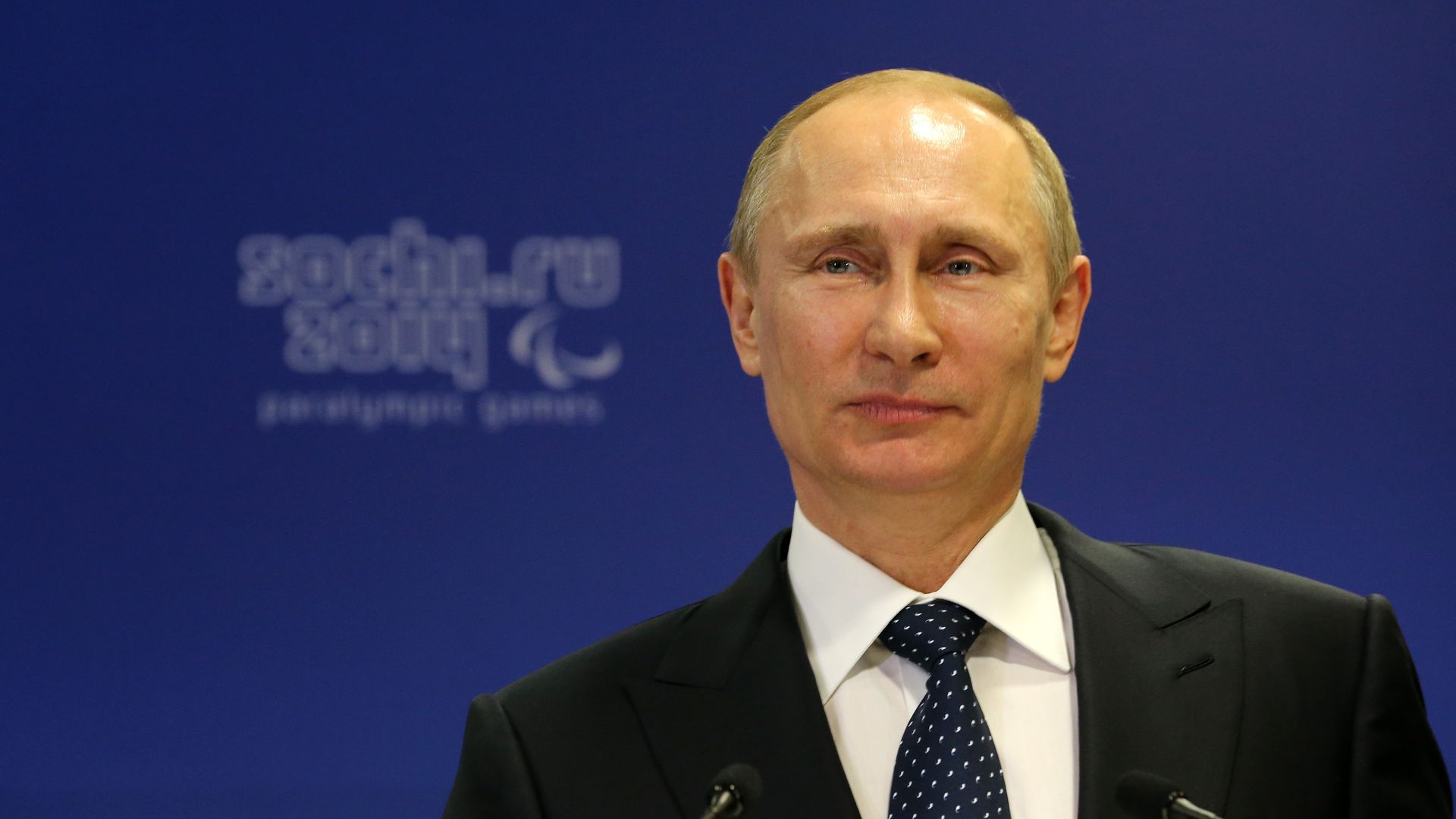
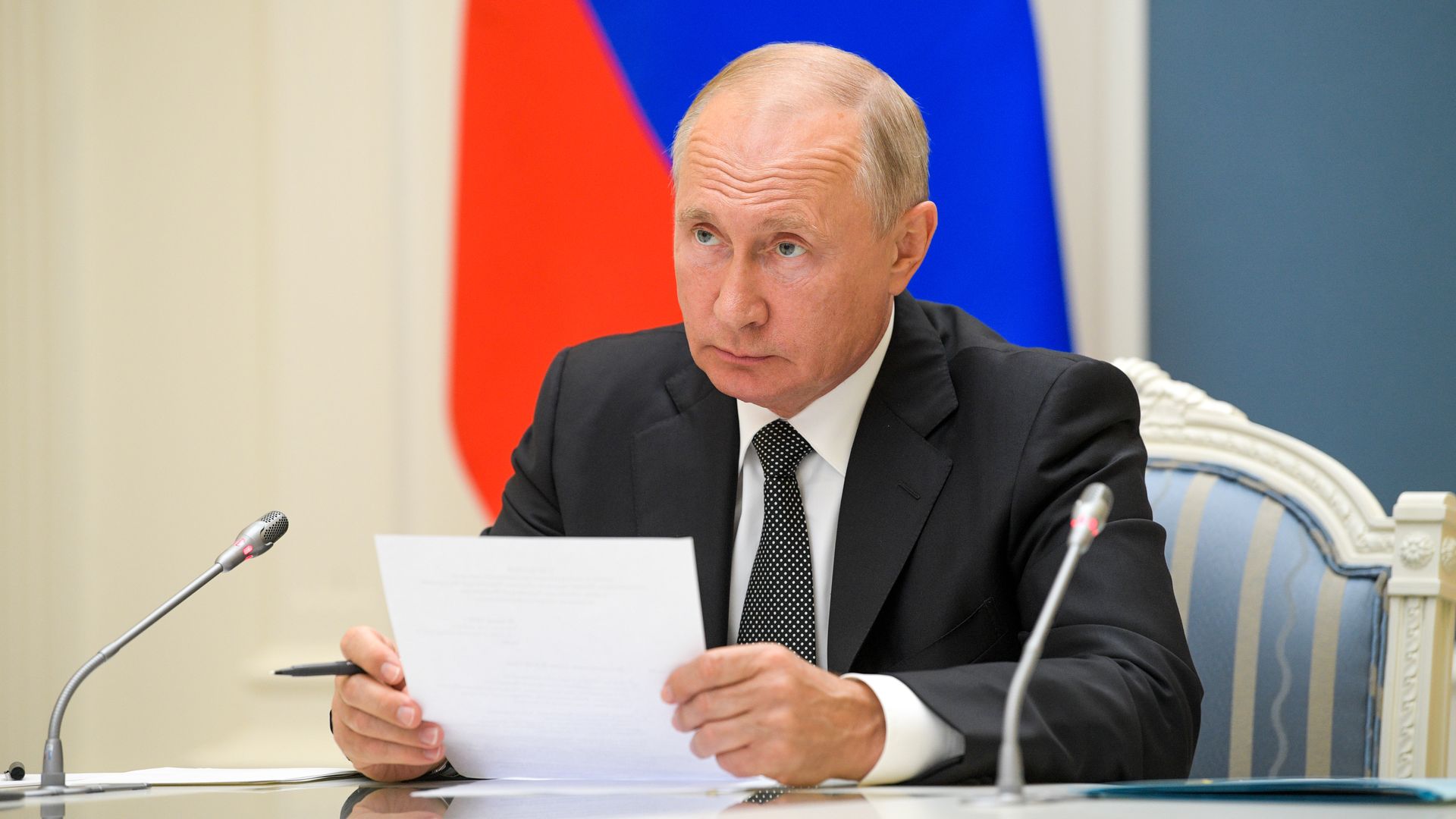
Russian President Vladimir Putin on Thursday denied that Russian intelligence officers were involved in the near-deadly Novichok poisoning of opposition leader Alexei Navalny, suggesting with a laugh that they "would have probably finished the job," the New York Times reports.
Why it matters: A bombshell investigation led by open-source research group Bellingcat found that agents of Russia's Federal Security Service (FSB) with expertise in chemical weapons followed Navalny on more than 30 trips to and from Moscow starting in 2017 before he was poisoned in August.
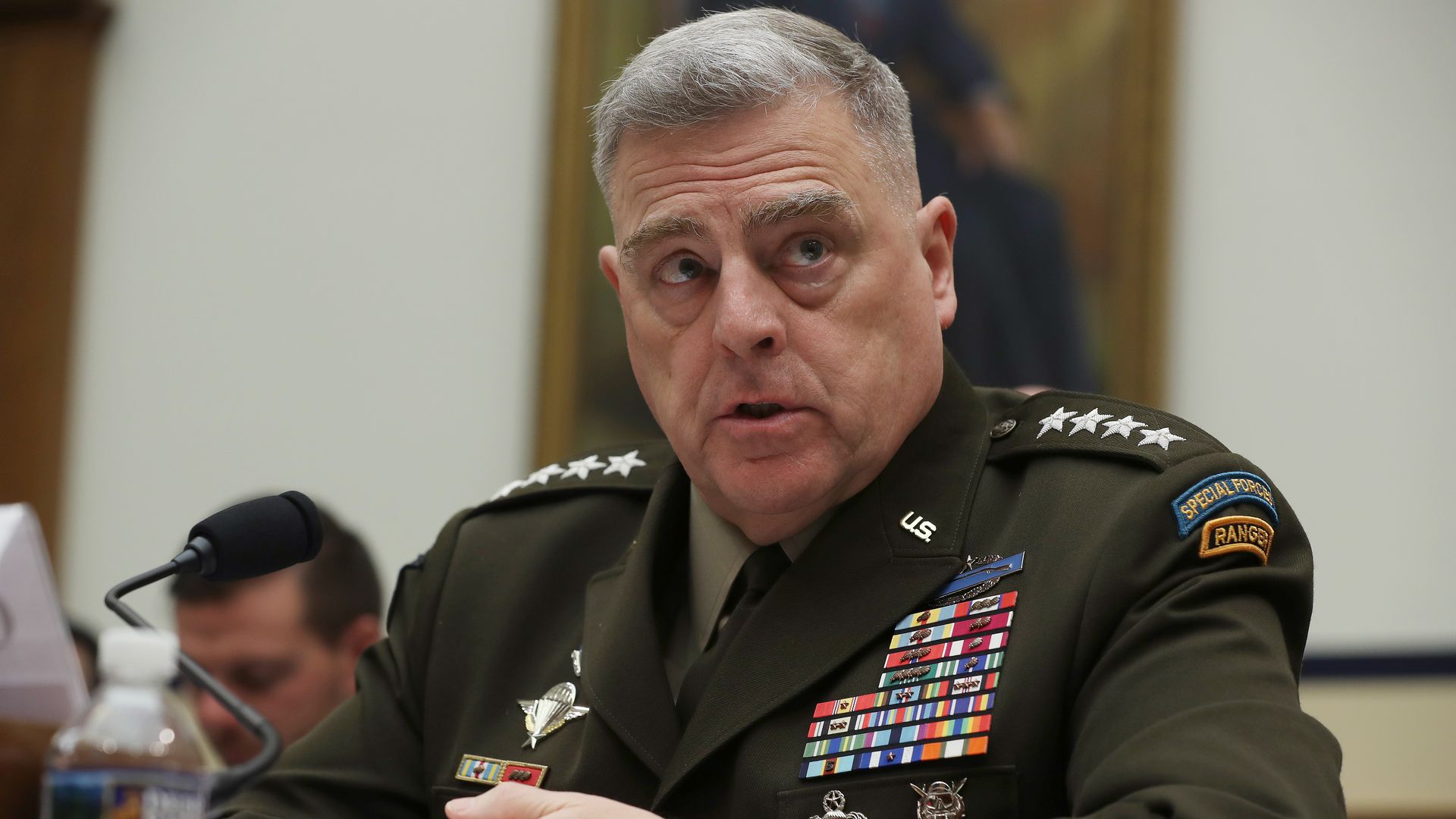
Gen. Mark Milley, chairman of the Joint Chiefs of Staff, met with Taliban negotiators in Qatar on Tuesday and flew to Afghanistan on Wednesday to meet with Afghan President Ashraf Ghani to urge a reduction in violence, AP reports.
Why it matters: It's the second time that Milley, the U.S. military's top general, has met face-to-face with negotiators from the militant group that ruled Afghanistan in the early stages of America's longest war. Milley previously met with Taliban negotiators in Qatar in June, a meeting that was not reported until today.
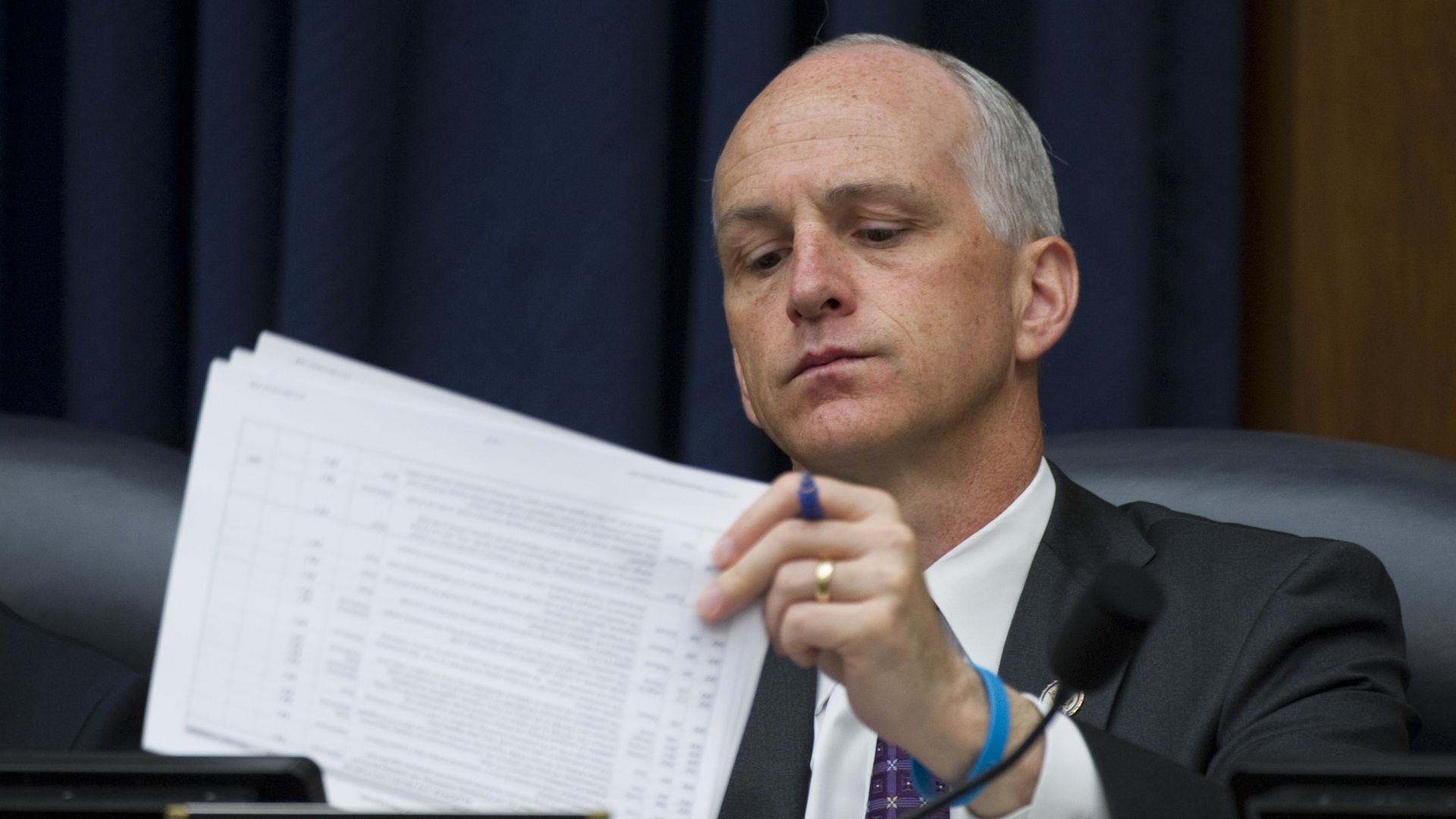
House Armed Services Committee Chairman Adam Smith has outlined a plan for his body to improve its oversight of cybersecurity, although experts say suspected Russian cyberattacks show the focus is late in coming.
Why it matters: The alleged Russian penetration of the Pentagon and Treasury Commerce, State, Homeland Security and other departments shows the sweep of digital warfare and the need for an all-hands, all-of-government response.