Yemen topped the International Rescue Committee's annual watchlist of the world's most dire humanitarian crises for the third consecutive year, followed by Afghanistan and Syria.
The big picture: All three face chronic violence and instability, and Yemen is one of four countries at risk of famine in the coming year (the others are Burkina Faso, South Sudan and northeastern Nigeria).
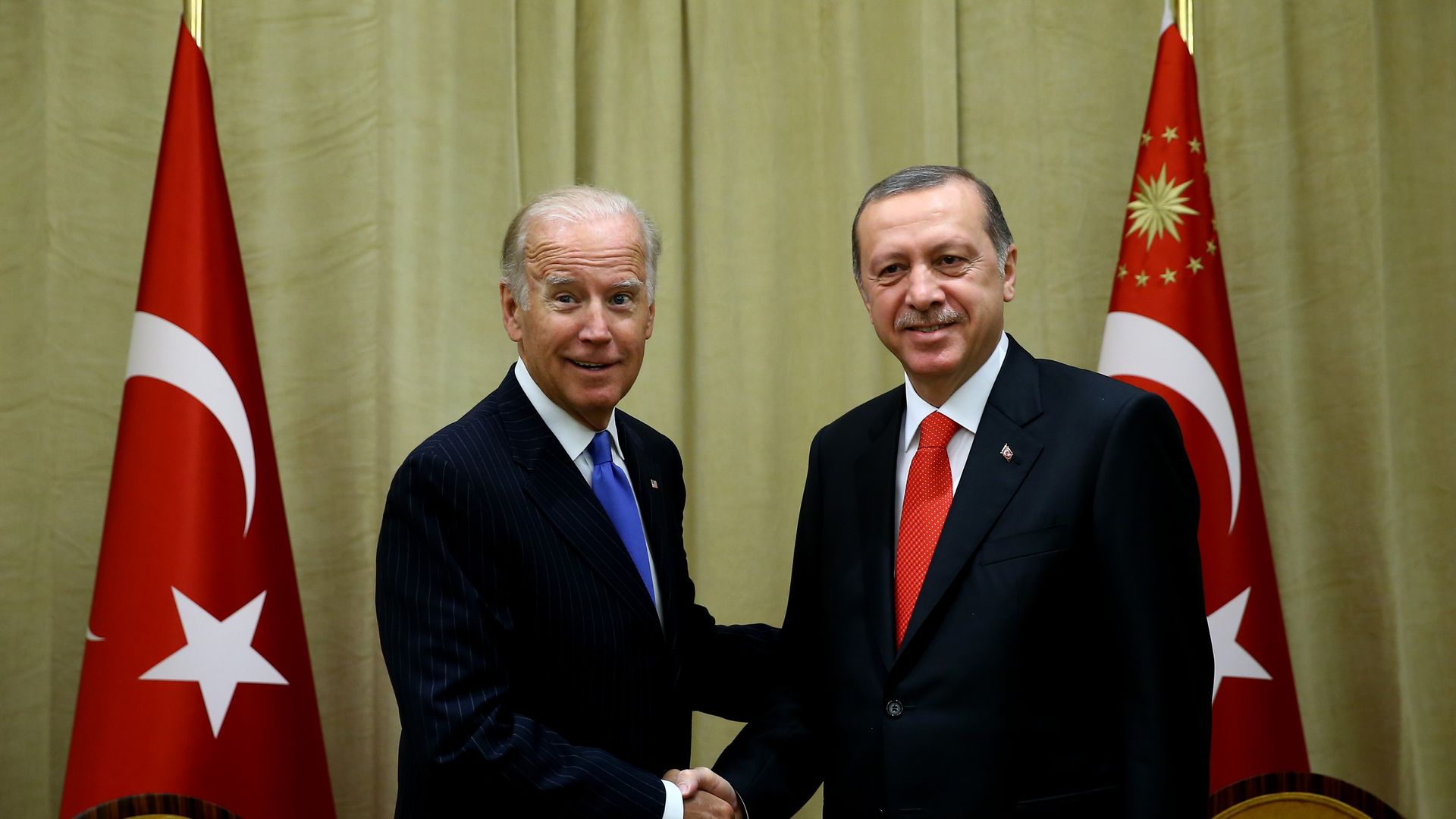
President Trump’s imposition of long-awaited sanctions on Turkey this week over its purchase of a Russian S-400 missile defense system illustrates the fragile state of a critical relationship — but it may also allow President-elect Joe Biden to start fresh with Turkish President Recep Tayyip Erdoğan.
Why it matters: Erdoğan raged against the sanctions, which target Turkey’s defense procurement agency and the agency’s leaders, as a “hostile attack” from a NATO ally. Trump had resisted pressure to impose them, but Congress forced his hand.
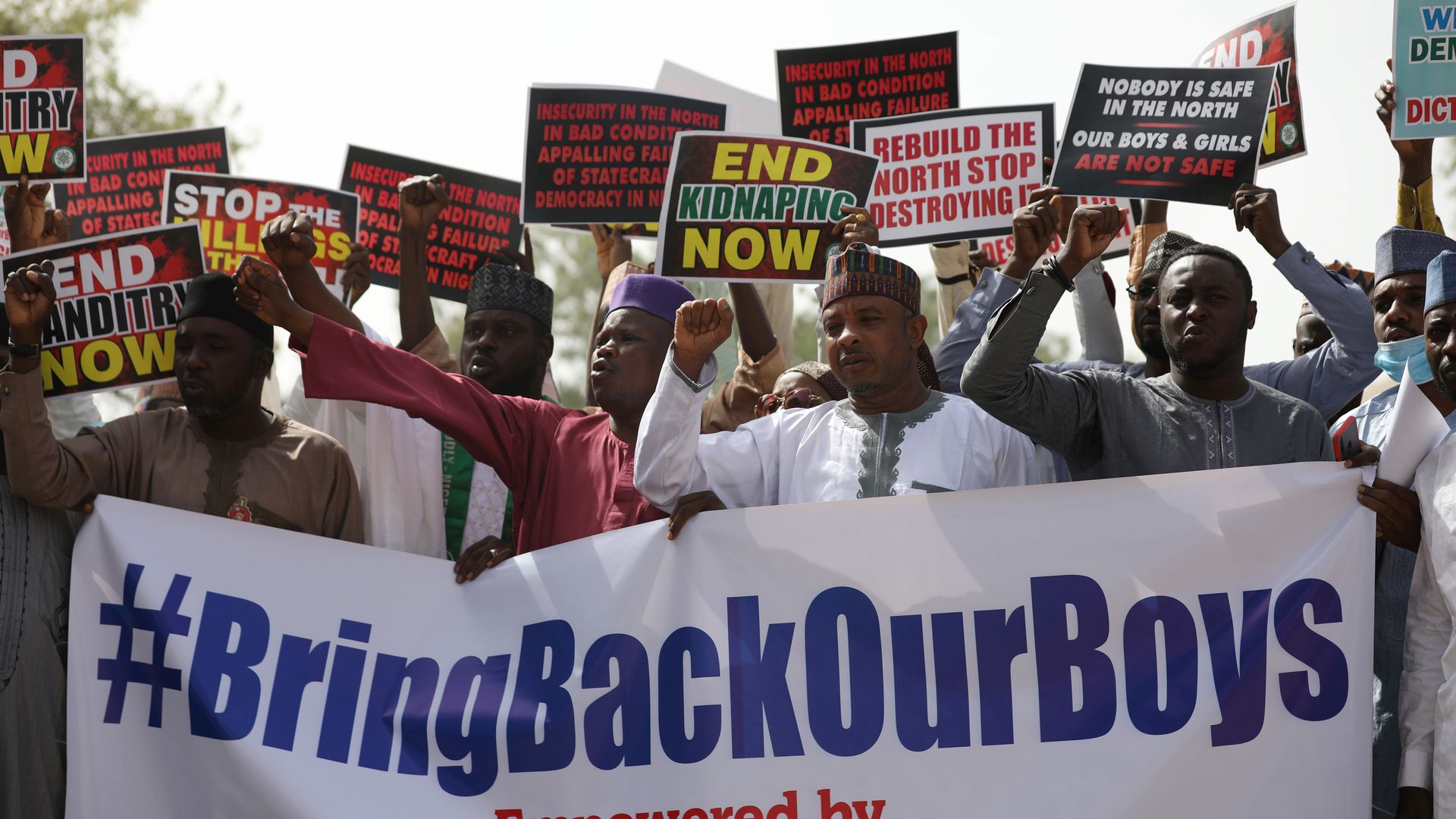
More than 300 Nigerian schoolboys captured by Boko Haram nearly a week ago were handed over to government security agencies on Thursday, the Wall Street Journal reports, citing the Katsina state governor.
Why it matters: Their release puts to rests fears that the boys would become long-term hostages of the Jihadist group and prompted outpourings of relief across Nigeria.
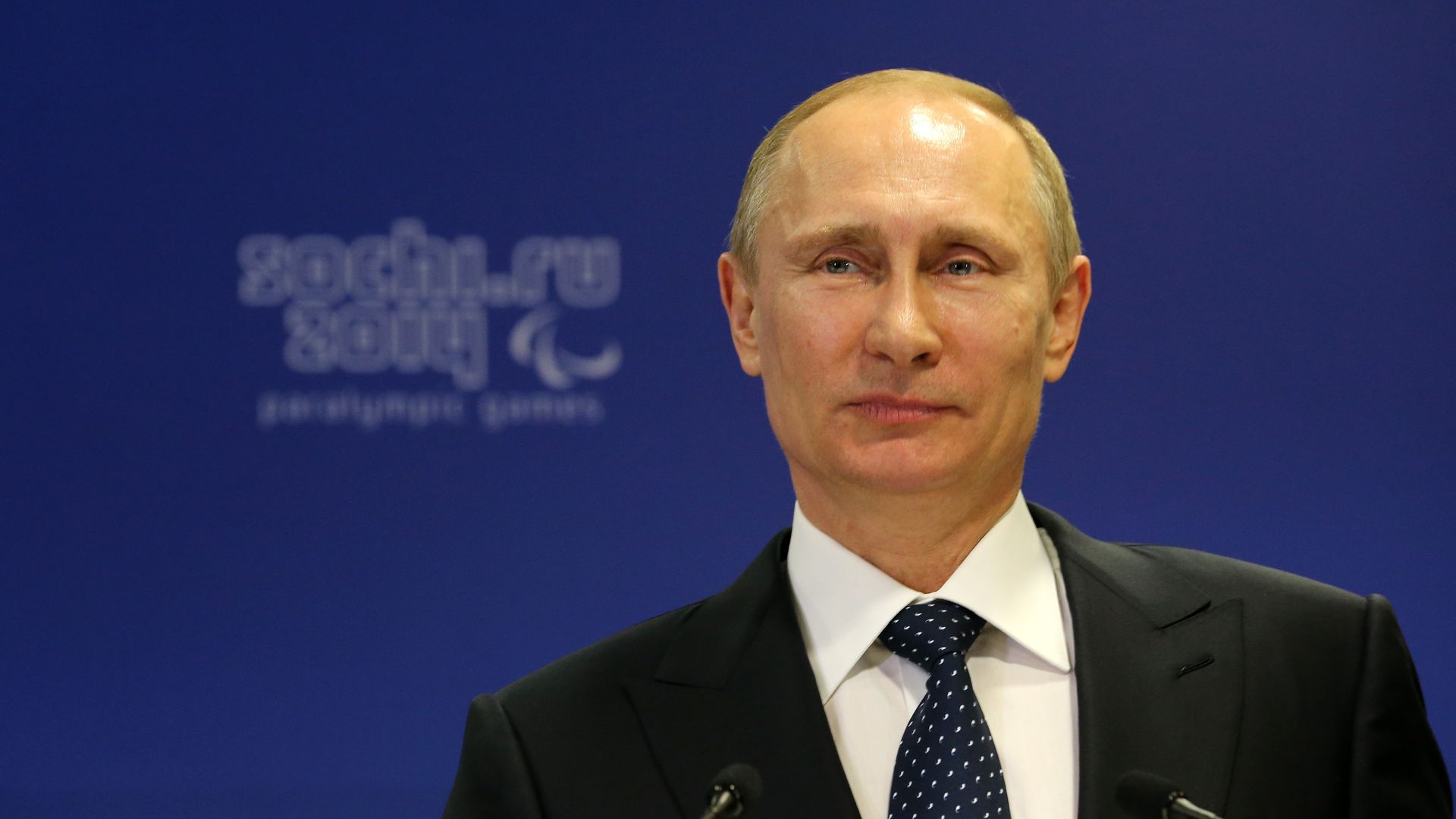
The Court of Arbitration for Sport on Thursday cut Russia's ban from participation in global sports from four years to two years, but ruled that Russia will not be able to enter teams or even use its name or flag at the next two Olympics, AP reports.
Why it matters: Russia has been accused by anti-doping regulators of running of one of the most sophisticated doping schemes in the history of international sports, which at its peak was alleged to involve state authorities tampering with testing samples.
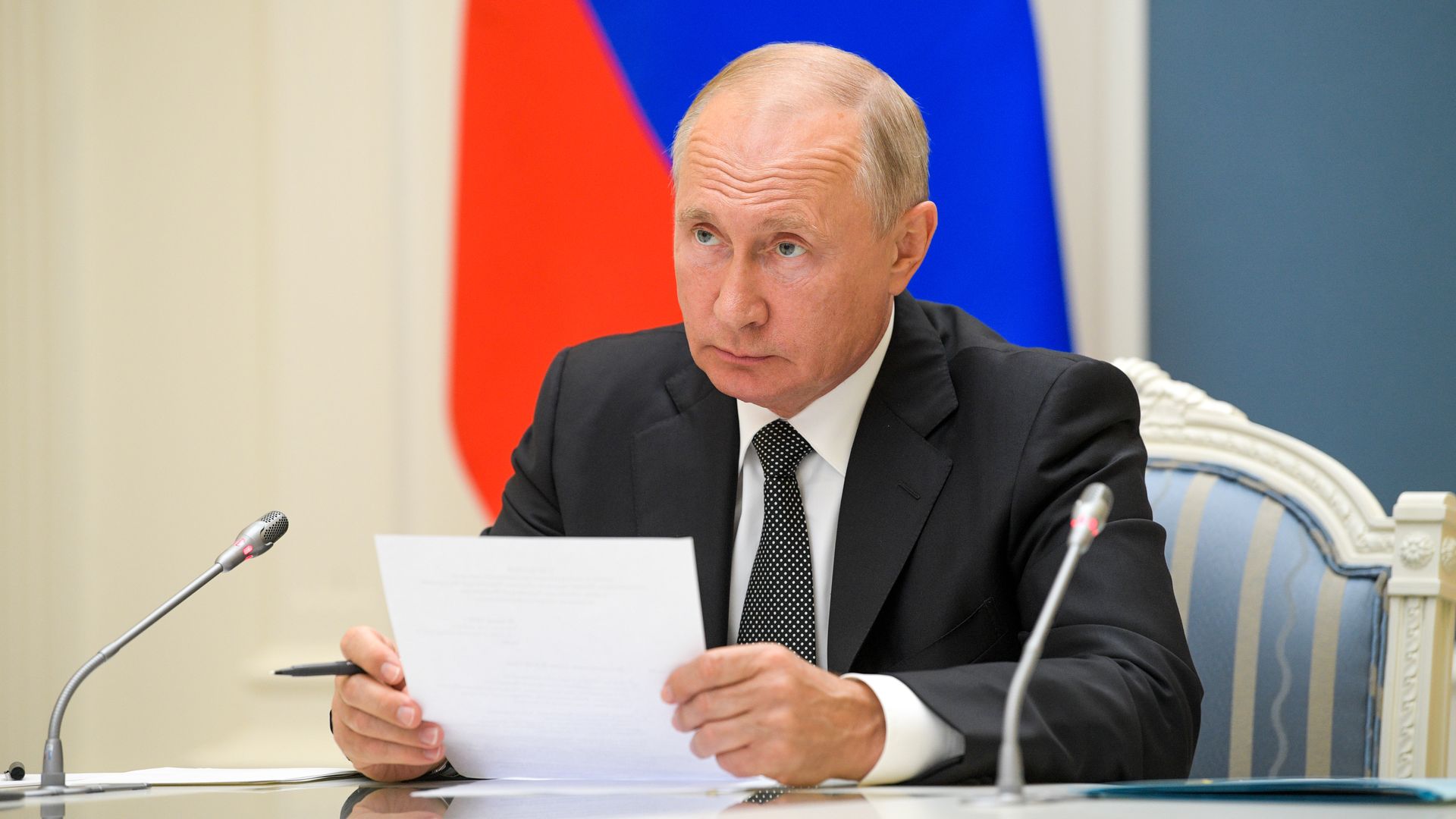
Russian President Vladimir Putin on Thursday denied that Russian intelligence officers were involved in the near-deadly Novichok poisoning of opposition leader Alexei Navalny, suggesting with a laugh that they "would have probably finished the job," the New York Times reports.
Why it matters: A bombshell investigation led by open-source research group Bellingcat found that agents of Russia's Federal Security Service (FSB) with expertise in chemical weapons followed Navalny on more than 30 trips to and from Moscow starting in 2017 before he was poisoned in August.
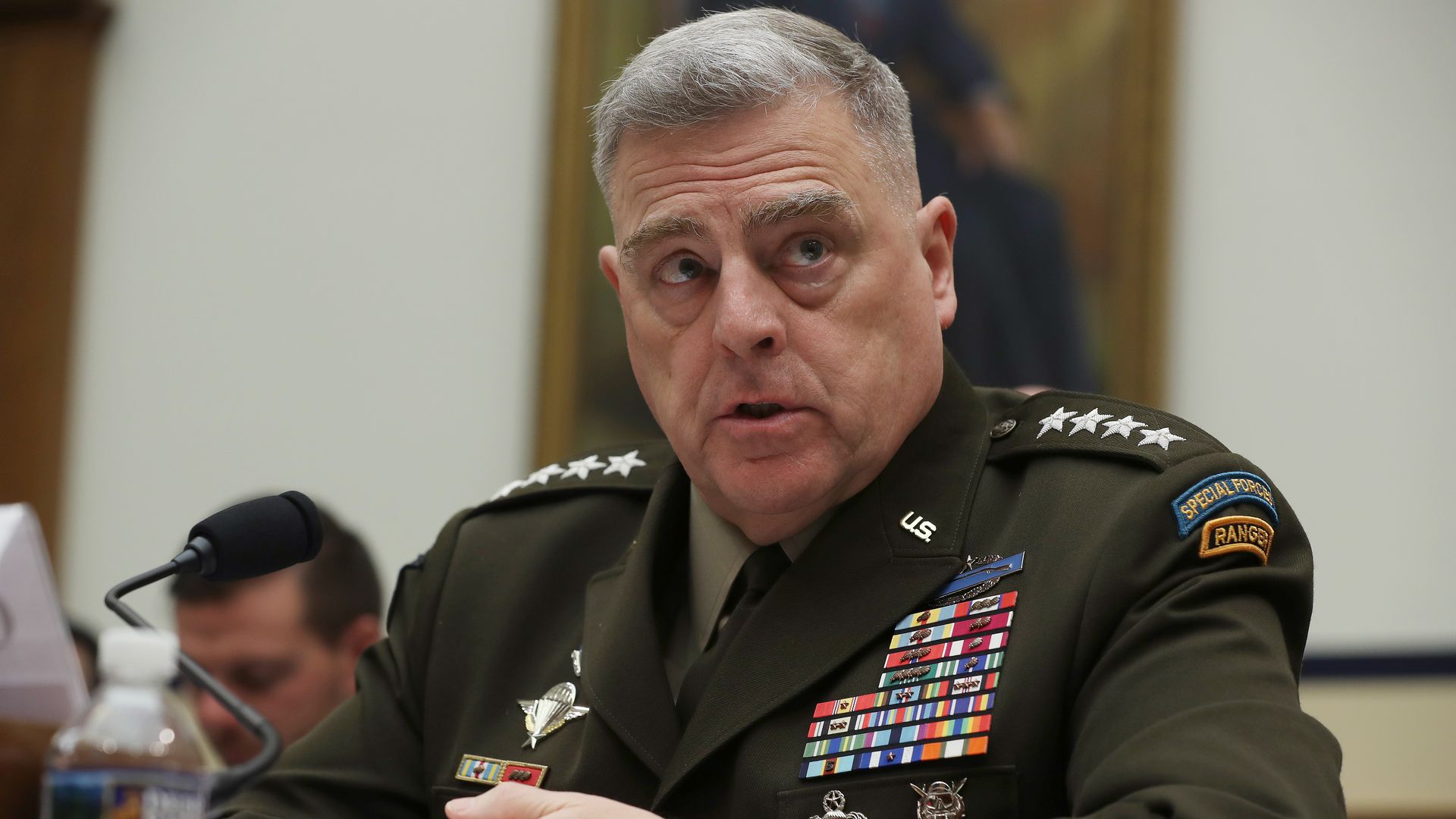
Gen. Mark Milley, chairman of the Joint Chiefs of Staff, met with Taliban negotiators in Qatar on Tuesday and flew to Afghanistan on Wednesday to meet with Afghan President Ashraf Ghani to urge a reduction in violence, AP reports.
Why it matters: It's the second time that Milley, the U.S. military's top general, has met face-to-face with negotiators from the militant group that ruled Afghanistan in the early stages of America's longest war. Milley previously met with Taliban negotiators in Qatar in June, a meeting that was not reported until today.
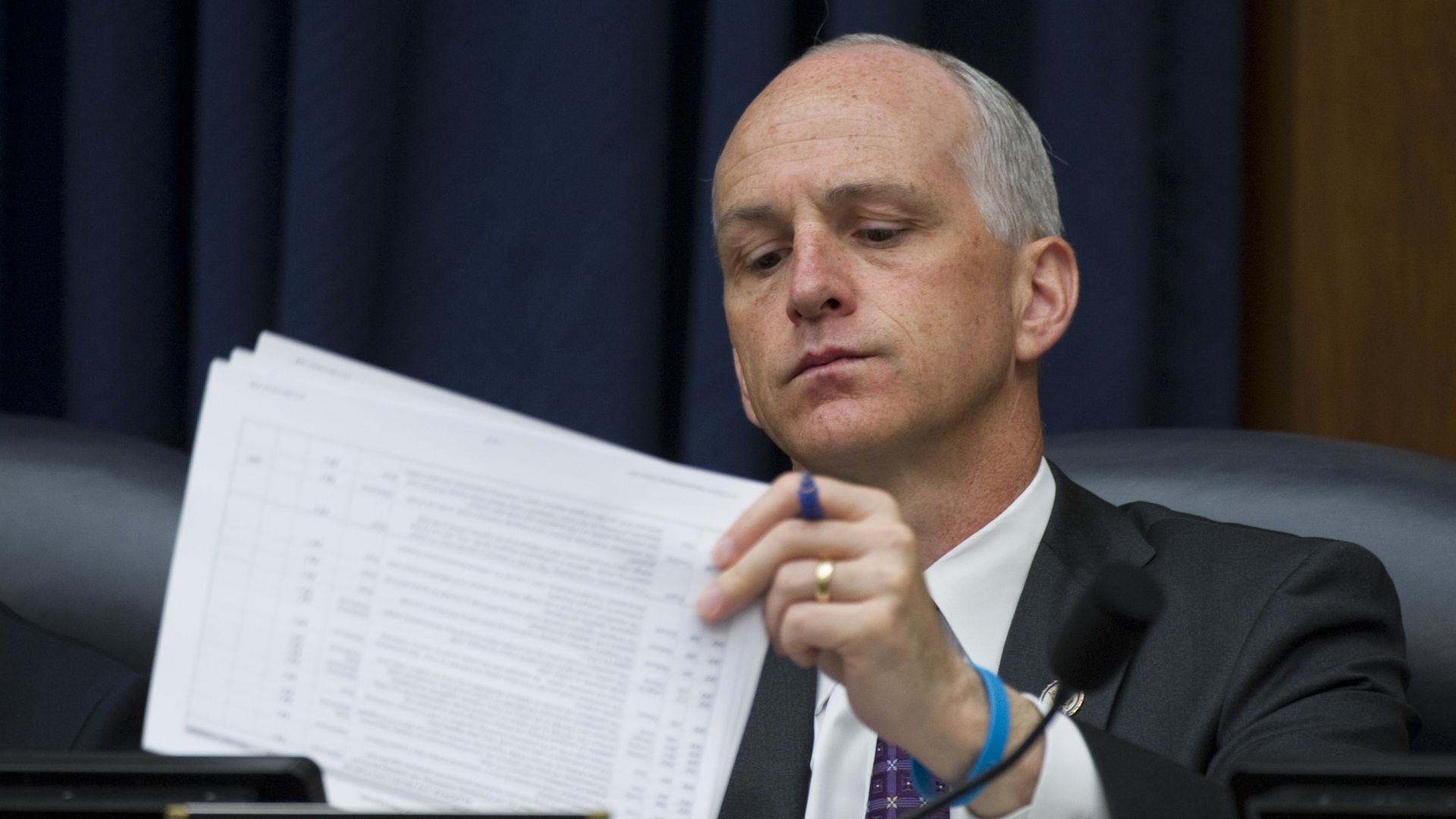
House Armed Services Committee Chairman Adam Smith has outlined a plan for his body to improve its oversight of cybersecurity, although experts say suspected Russian cyberattacks show the focus is late in coming.
Why it matters: The alleged Russian penetration of the Pentagon and Treasury Commerce, State, Homeland Security and other departments shows the sweep of digital warfare and the need for an all-hands, all-of-government response.
A new UN report on human development makes the case that our species faces a dire future of our own making.
The big picture: The COVID-19 pandemic — which emerged from nature but is in every other way a human-made catastrophe — is the most recent signal that we are firmly in the Anthropocene, a new epoch in which human beings are the most powerful force on the Earth. What comes next is on us.
A new report — first seen by Axios — lays out what could go wrong in the worlds of geopolitics, business and technology in the coming year, as well as what could go right.
The big picture: Viewed side by side, many of the risks and opportunities of 2021 present a mirror image, where different decisions in the same part of the world can lead to positive outcomes — or another year of catastrophe.
Facebook took down three networks of accounts that were waging online influence campaigns in Africa, which researchers linked to an infamous Russian troll farm and the French military.
Why it matters: The report offers an unusual look into an antagonistic online influence campaign that pitted two adversaries against each other in real time.
Security experts, businesses and government agencies are continuing their work to understand the scope of a massive cyber attack, while the finger-pointing and blame game is also picking up steam.
The big picture: Experts warn the attack could have severe repercussions given it went on for months, targeted key companies and government agencies and gained access to a wide swath of substantive information.
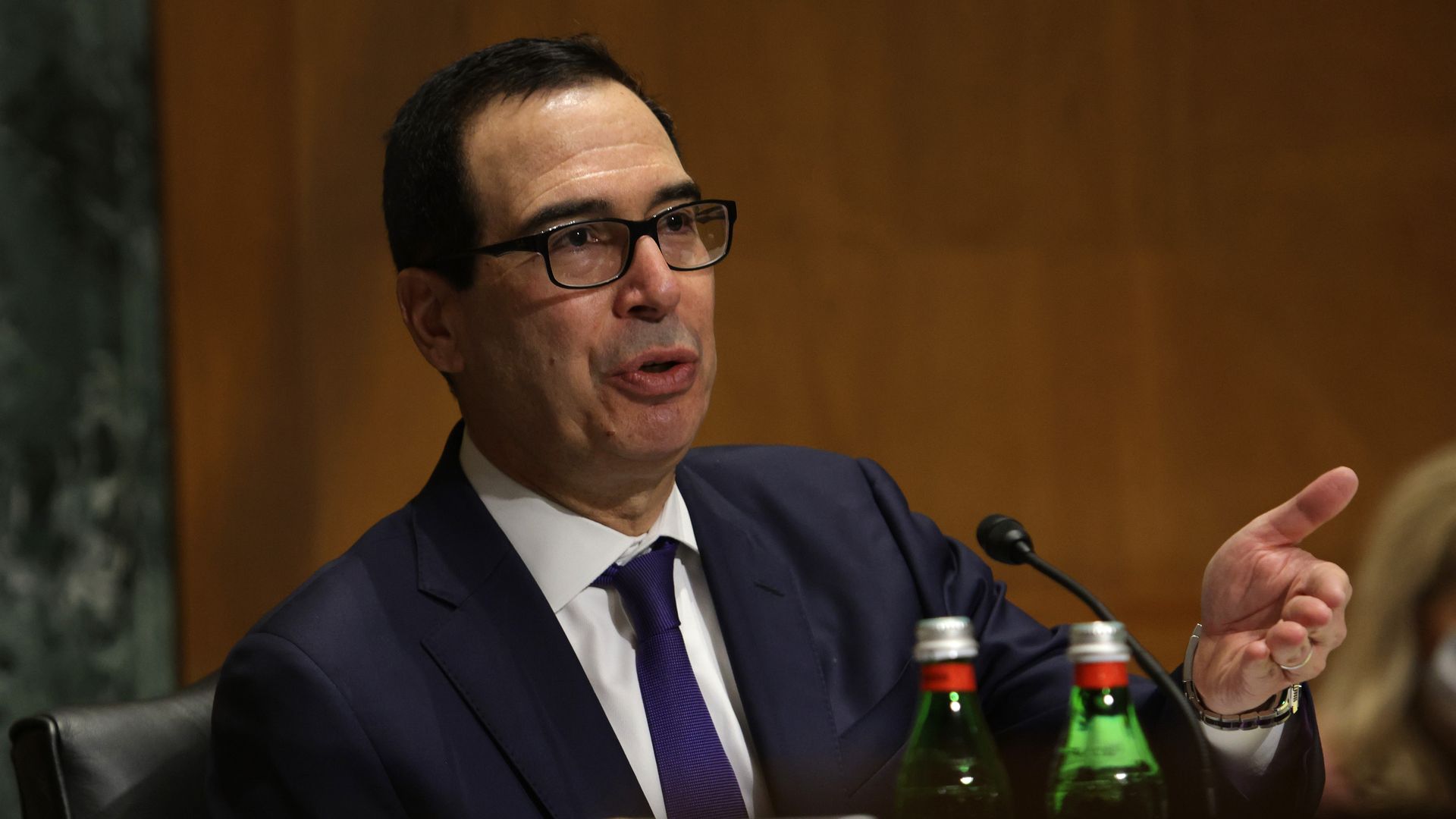
Switzerland and Vietnam have officially been designated as currency manipulators, the Treasury Department announced today.
Why it matters: The designation allows the White House to impose a broad range of tariffs, sanctions and other punishments on the two friendly countries, both of whom have been struggling with strengthening currencies this year.
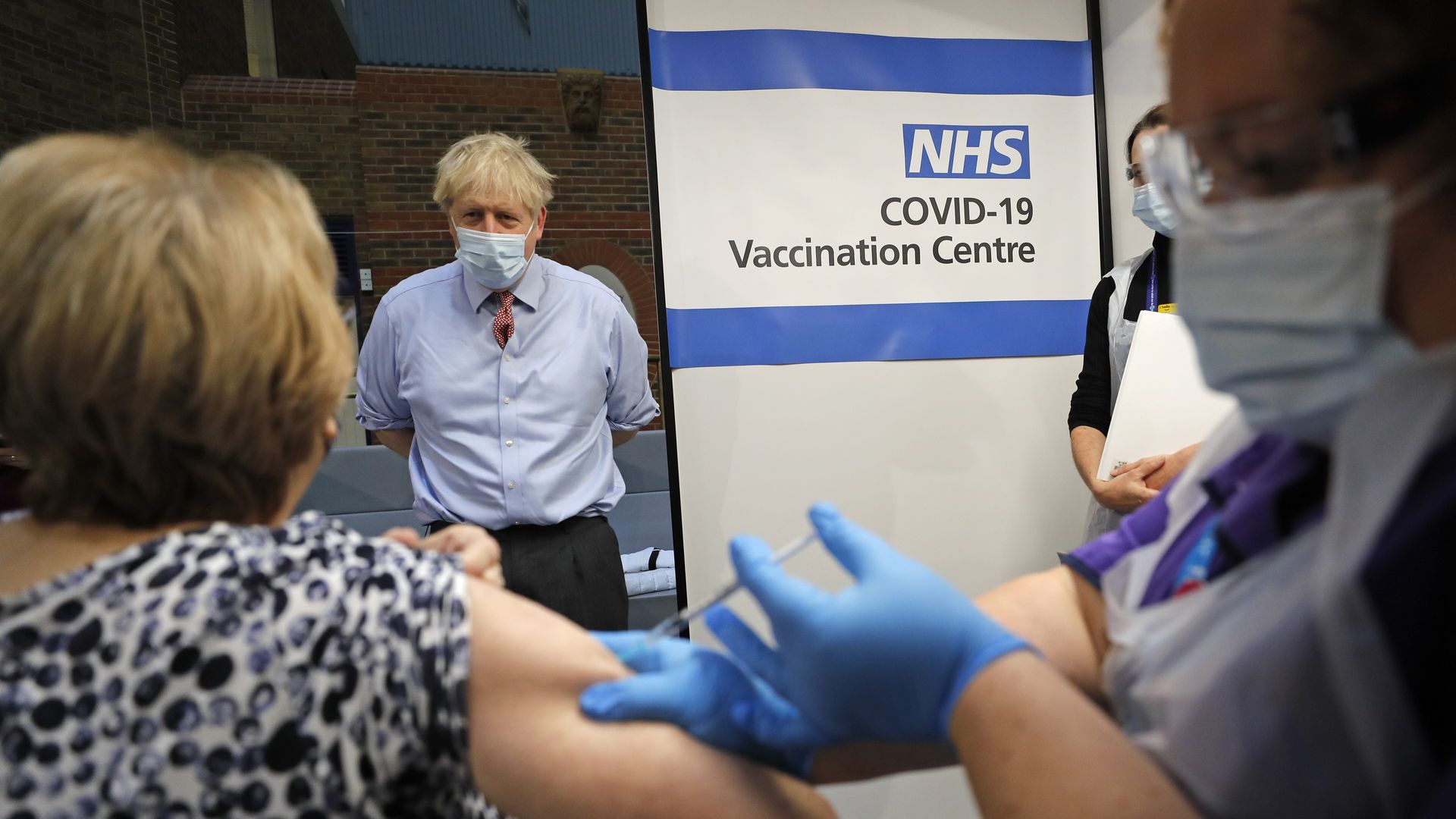
The U.K. has vaccinated more than 100,000 people with Pfizer-BioNTech's coronavirus vaccine in the first week of its program, according to Nadhim Zahawi, a government minister in charge of vaccine deployment.
The big picture: The U.K. earlier this month became the first Western nation to give emergency approval to a COVID-19 vaccine. A 90-year-old woman from Coventry became the world's first person to get a fully tested, clinically authorized COVID-19 vaccine.
The Australian government's regulatory commission announced Wednesday it's launched legal proceedings against Facebook and two of its subsidiaries for allegedly engaging in "false, misleading or deceptive conduct" in regards to a mobile app.
Why it matters: Governments around the world are clamping down on tech giants. Australia's lawsuit is similar to one filed against Facebook last week by the Federal Trade Commission and most states, which alleges the firm illegally hurt competition by buying smaller rivals and "converting personal data into a cash cow."