A growing movement against police brutality in Nigeria has erupted into violence, with reports of a number of deaths and injuries in Lagos on Tuesday, according to Al Jazeera.
Why it matters: Nigeria is the latest country to confront police brutality. The U.S. has witnessed months of clashes between police and protesters over the killings of Black Americans.
Hatice Cengiz and Democracy for the Arab World Now filed a federal lawsuit on Tuesday alleging that Saudi Crown Prince Mohammed bin Salman ordered the murder of journalist and human rights activist Jamal Khashoggi.
Why it matters: Attorneys representing Cengiz and DAWN, a nonprofit, told reporters that the purpose of the lawsuit was to have a U.S. court hold MBS responsible for the killing and to obtain documents that would reveal the truth about Khashoggi's death. The lawsuit claims that Khashoggi was tortured, killed and dismembered “pursuant to a directive of Defendant Mohammed bin Salman.”
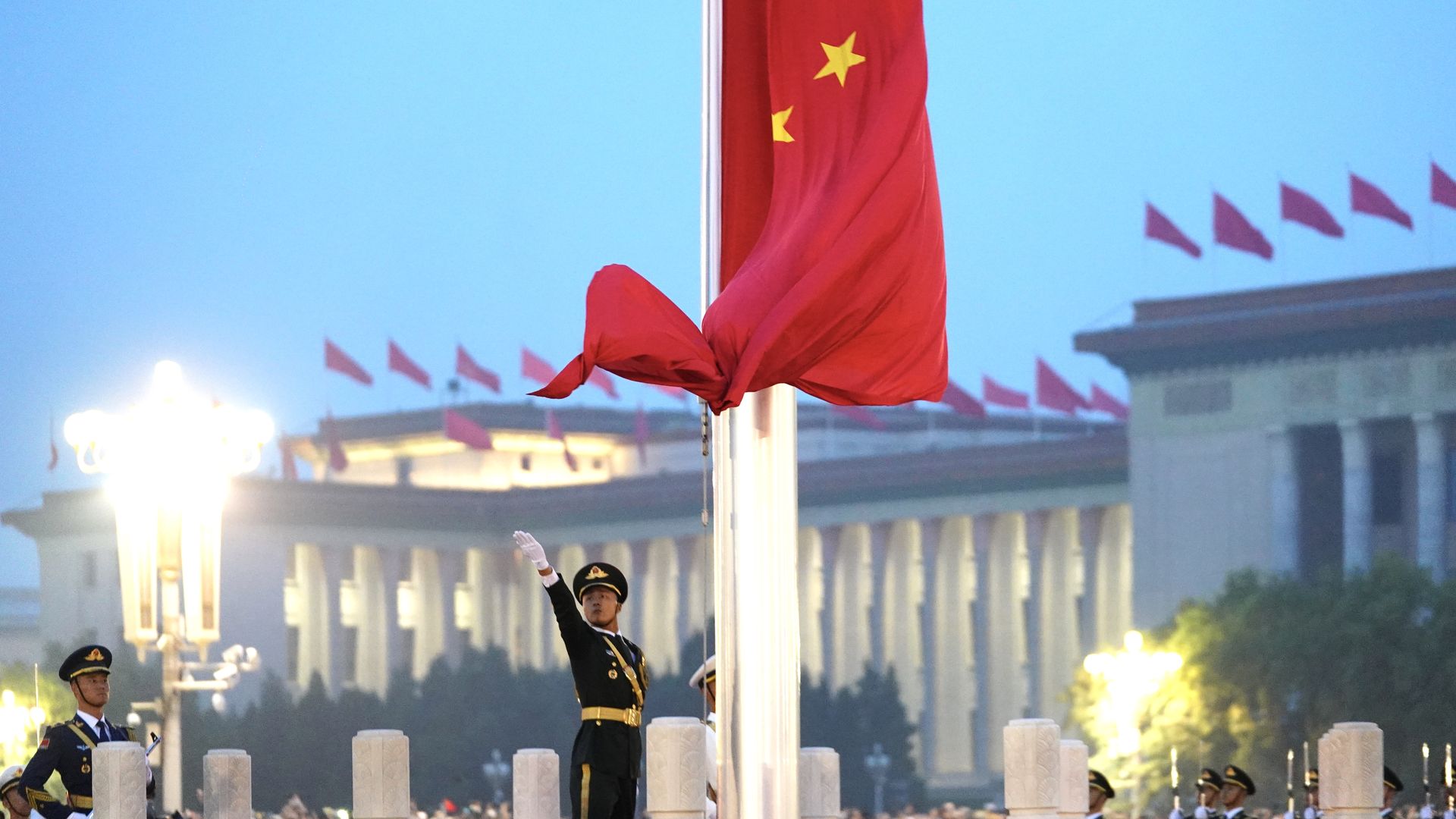
The Chinese government on Monday reported third-quarter GDP growth of 4.9%, year-over-year. This comes as the U.S. economy continues to be much weaker, year-over-year, given our relative inability to get COVID-19 under control.
Axios Re:Cap goes deeper into China's economy, including its increased focus on domestic demand, with CNBC Beijing bureau chief Eunice Yoon.
The Chinese government is threatening to detain foreign citizens unless their home governments do what Beijing demands. In some cases, China has already made good on those threats.
The big picture: This marks a potential evolution of China's "wolf warrior diplomacy" to outright rogue state behavior, putting it in the company of countries like North Korea and Iran, which have also engaged in hostage diplomacy.
Right-wing outlets and commentators have recently spread a false claim linking the Chinese Communist Party to the Black Lives Matter movement.
Why it matters: Such claims raise concerns that a real issue — that of Chinese government interference in U.S. politics — could be wrongly invoked along partisan lines to attack Americans engaging in legitimate activities.
Sweden banned Chinese telecom giants Huawei and ZTE from its 5G mobile networks on Tuesday, citing China’s “extensive intelligence gathering and theft of technology.”
The big picture: Since the Trump administration announced its own ban last year, the U.S. government has increasingly pressured allies to follow its lead amid growing tensions between the West and China. In July, the United Kingdom became the first European country to announce plans to exclude Huawei from its networks by 2027.
The first official visit of UAE officials to Israel took place on Tuesday, a month after the signing of a U.S.-brokered normalization treaty.
What's happening: The two sides signed agreements on direct flights, mutual visa exemptions and investments. The agreements are designed to get relations moving and allow business travelers and tourists to travel freely between the countries as soon as possible, Israeli officials told me.
The Republic of Ireland will return to its highest level of lockdown restrictions this week to combat surging coronavirus cases, Taoiseach Micheál Martin announced Monday evening.
Why it matters: The country is the first in Europe to announce a return to a nationwide lockdown. Martin described the measures that'll see non-essential retailers close, home visits banned and a three-mile travel limit imposed from midnight Wednesday as "probably Europe's strictest regime." Bars, cafes and restaurants can only serve takeout meals only under the measures, which will last for six weeks.
Argentina's health ministry reported 12,982 new coronavirus cases Monday night, taking the country's total to 1,002,662.
Why it matters: Argentina is the fifth country to surpass 1 million COVID-19 cases, after Russia (over 1.4 million), Brazil (more than 5.2 million), India (7.5-plus) and the U.S. (over 8.2 million), per Johns Hopkins. "It means one in every 45 Argentinians have had the virus," the Guardian notes. The country reported Monday that the virus had killed another 451 people, taking the death toll to over 26,000.
Editor's note: The headline of this story has been corrected to show Argentina passed 1 million cases not 5 million.
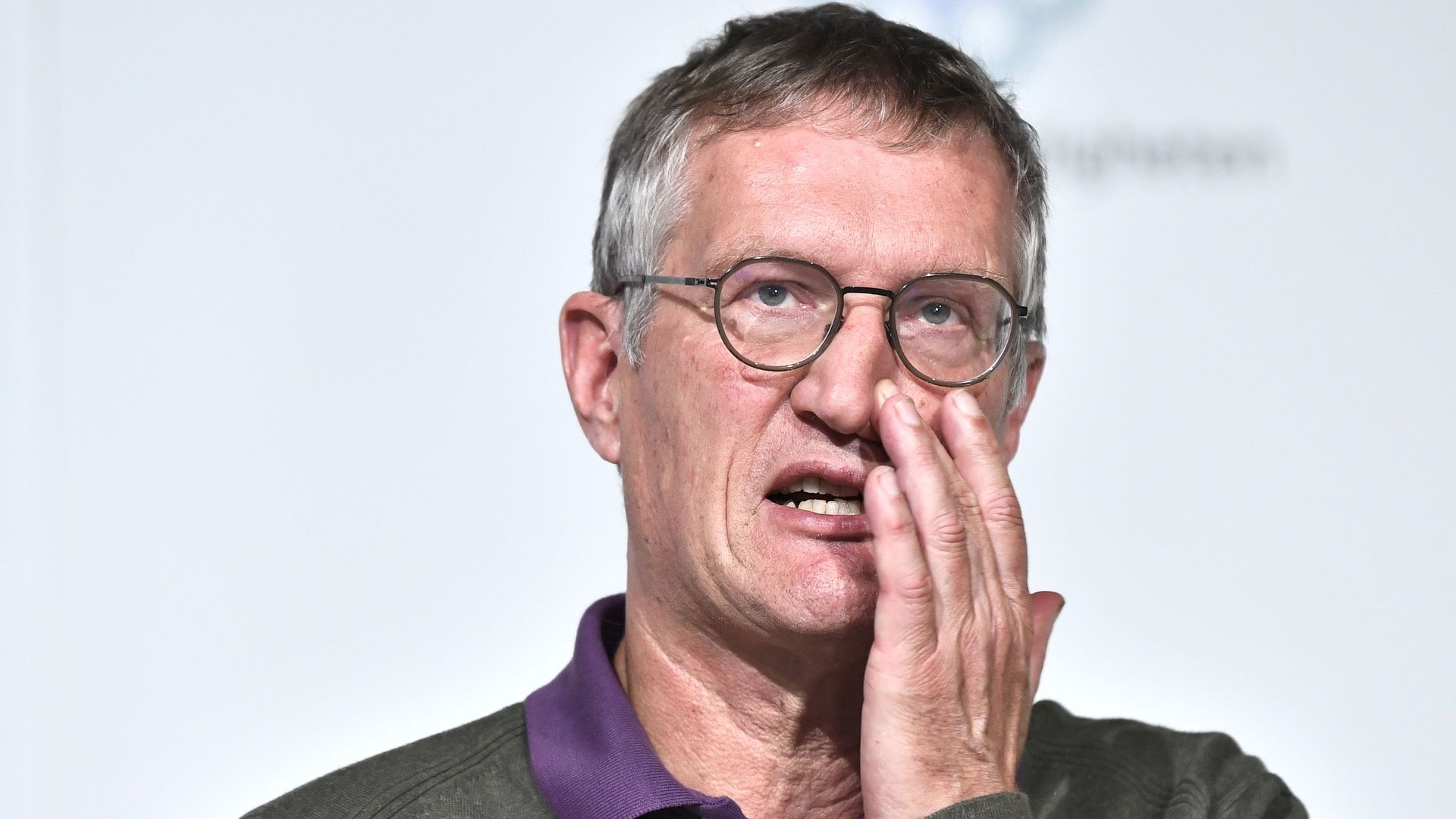
Anders Tegnell, Sweden's chief epidemiologist, defended his country's coronavirus strategy in an interview with the New Statesman, telling the newspaper that Sweden did not pursue "herd immunity" and "definitely had a virtual lockdown" — despite looser restrictions than most countries.
Why it matters: Sweden's more relaxed approach to the pandemic compared to other industrialized countries has been a source of controversy, with many libertarians and conservatives, including Sen. Rand Paul (R-Ky.), arguing that the U.S. should have pursued a similar strategy.
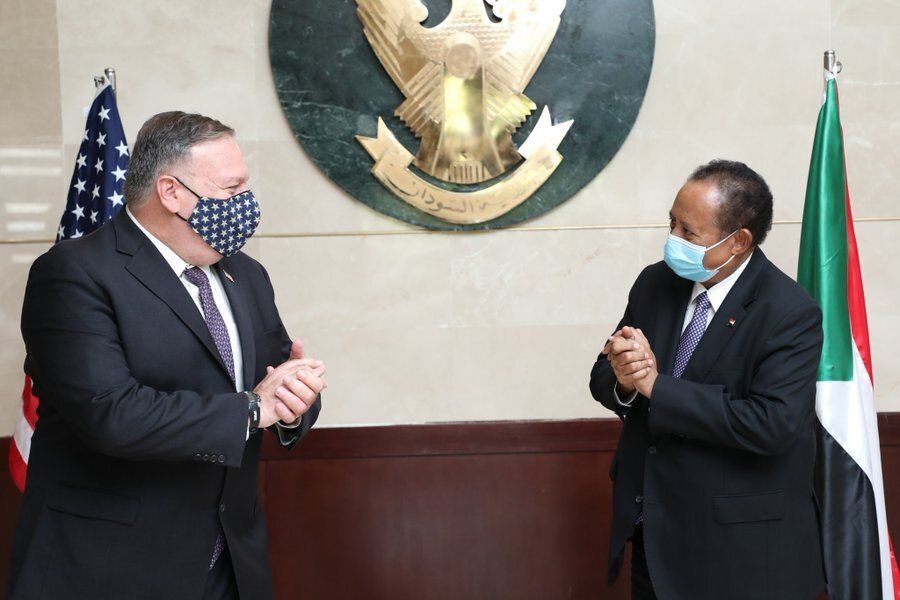
Secretary of State Mike Pompeo (L) meets with Sudanese Prime Minister Abdalla Hamdok in Khartmoum. Photo: Handout via Getty Images
President Trump announced Monday that he will be removing Sudan from the State Department’s state sponsors of terrorism list after the Sudanese government agreed to pay $335 million in compensation for families of American victims of terrorism.
The big picture: Trump's announcement is part of a wider agreement that is expected to include moves from Sudan toward normalizing relations with Israel.
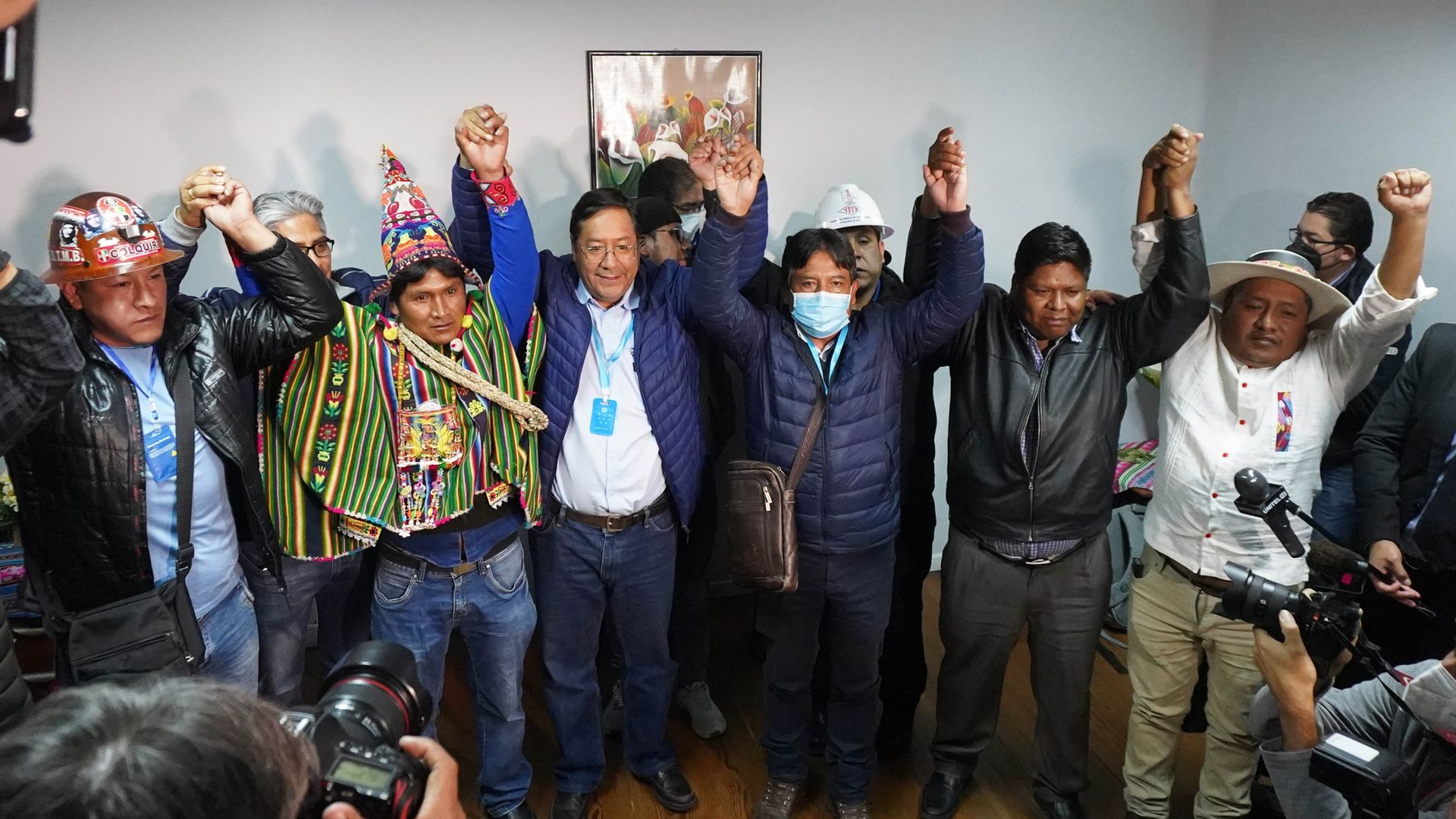
Leftist candidate Luis Arce won an "overwhelming and clear" victory in Bolivia's presidential election, his chief opponent said Monday in a concession speech.
Why it matters: Looming over Sunday's vote were the events of one year ago, when then-president Evo Morales was ousted and fled into exile following a disputed election. He was controversially succeeded by a right-wing senator, Jeanine Añez, deepening a political crisis which appears to have ended with an emphatic mandate for Morales' party, the Movement for Socialism.
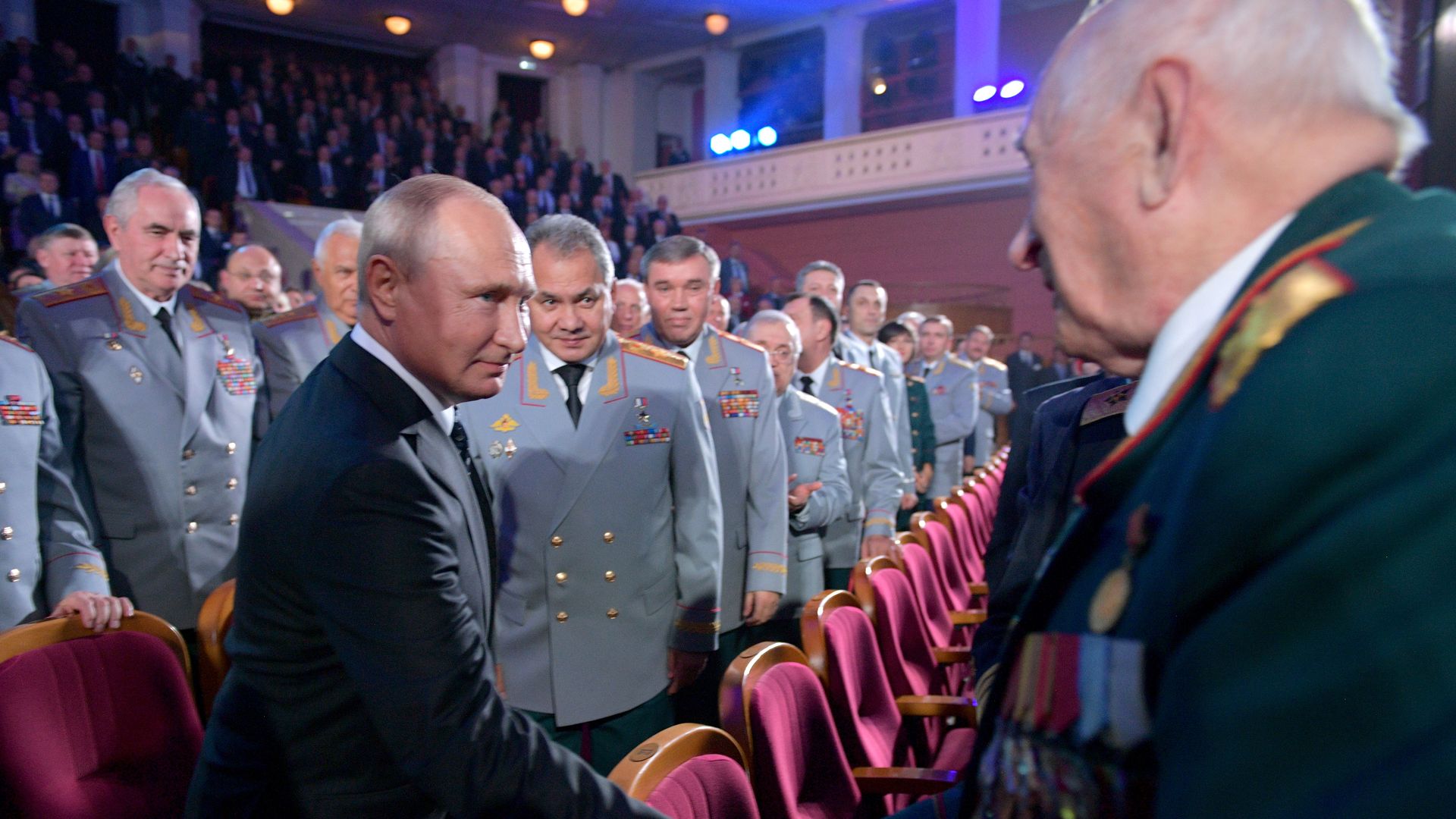
A federal grand jury has returned a 7-count indictment against six Russian military intelligence officers for major hacking operations targeting foreign elections, the Olympics and computer systems worldwide that resulted in nearly $1 billion in losses, the Justice Department announced Monday.
The big picture: The officers are members of the same GRU unit indicted by special counsel Robert Mueller for interference in the 2016 election. It's unlikely that they will ever face trial in the U.S.
Chinese officials said Monday that GDP "expanded by 4.9% in the third quarter from a year earlier, putting China’s economy back toward its pre-coronavirus trajectory," The Wall Street Journal reports from Beijing.
Why it matters: This shows a superpower economy can bounce back quickly after the virus is defeated.
Chinese officials told the Trump administration they may detain Americans in China if the DOJ prosecutes scholars with ties to the Communist country's military, the Wall Street Journal first reported and Axios has confirmed.
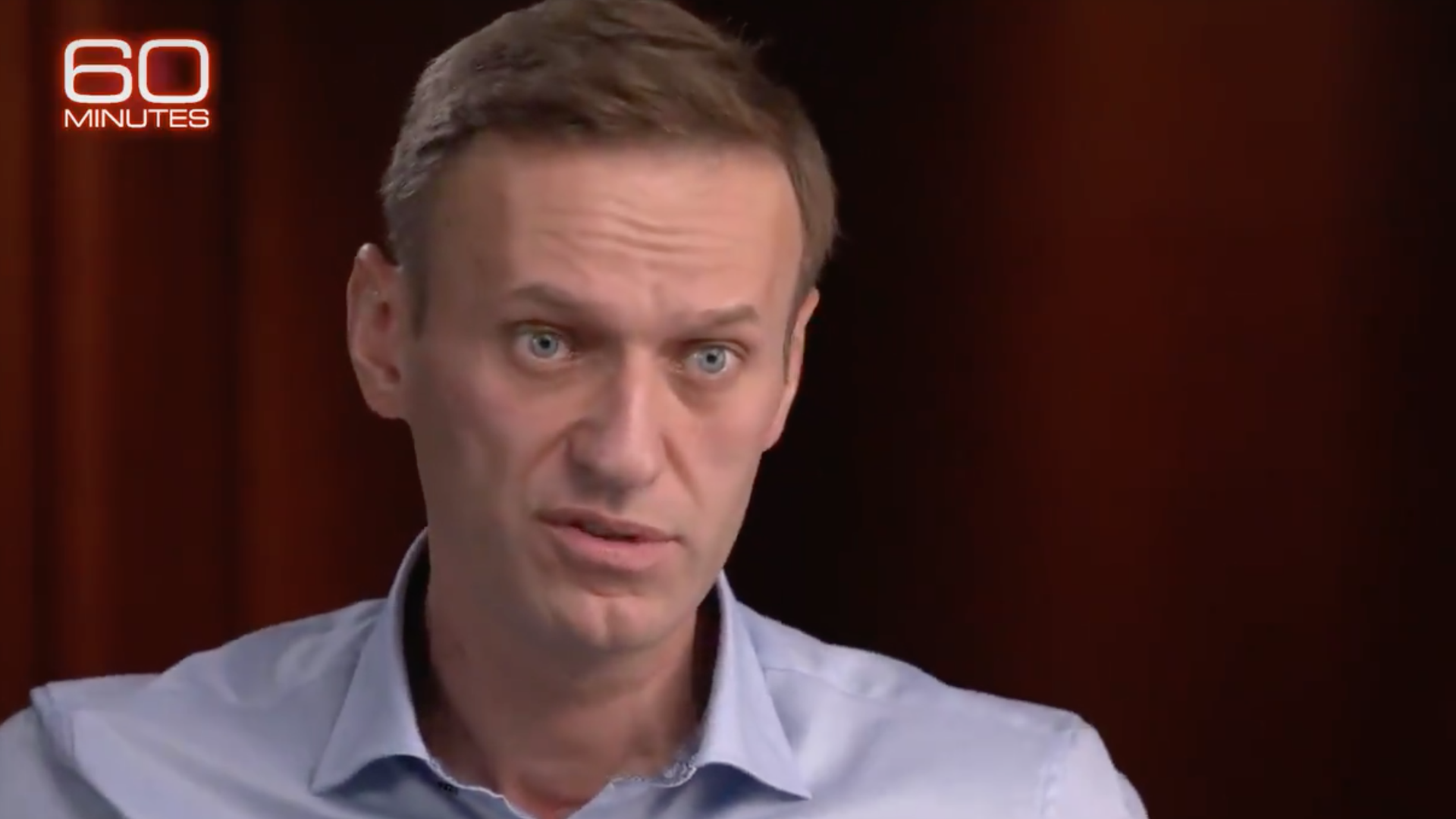
Russian opposition leader Alexey Navalny called on President Trump during an interview with CBS' "60 Minutes" broadcast Sunday to condemn his Novichok poisoning that left him critically ill in hospital.
Details: Asked by CBS' Lesley Stahl if it's important for Trump to condemn the attack, which Navalny says Russian President Putin was behind, he replied: "I think it's extremely important that everyone, of course, including and maybe in the first of all, president of United States, to be very against using chemical weapons in the 21st Century."