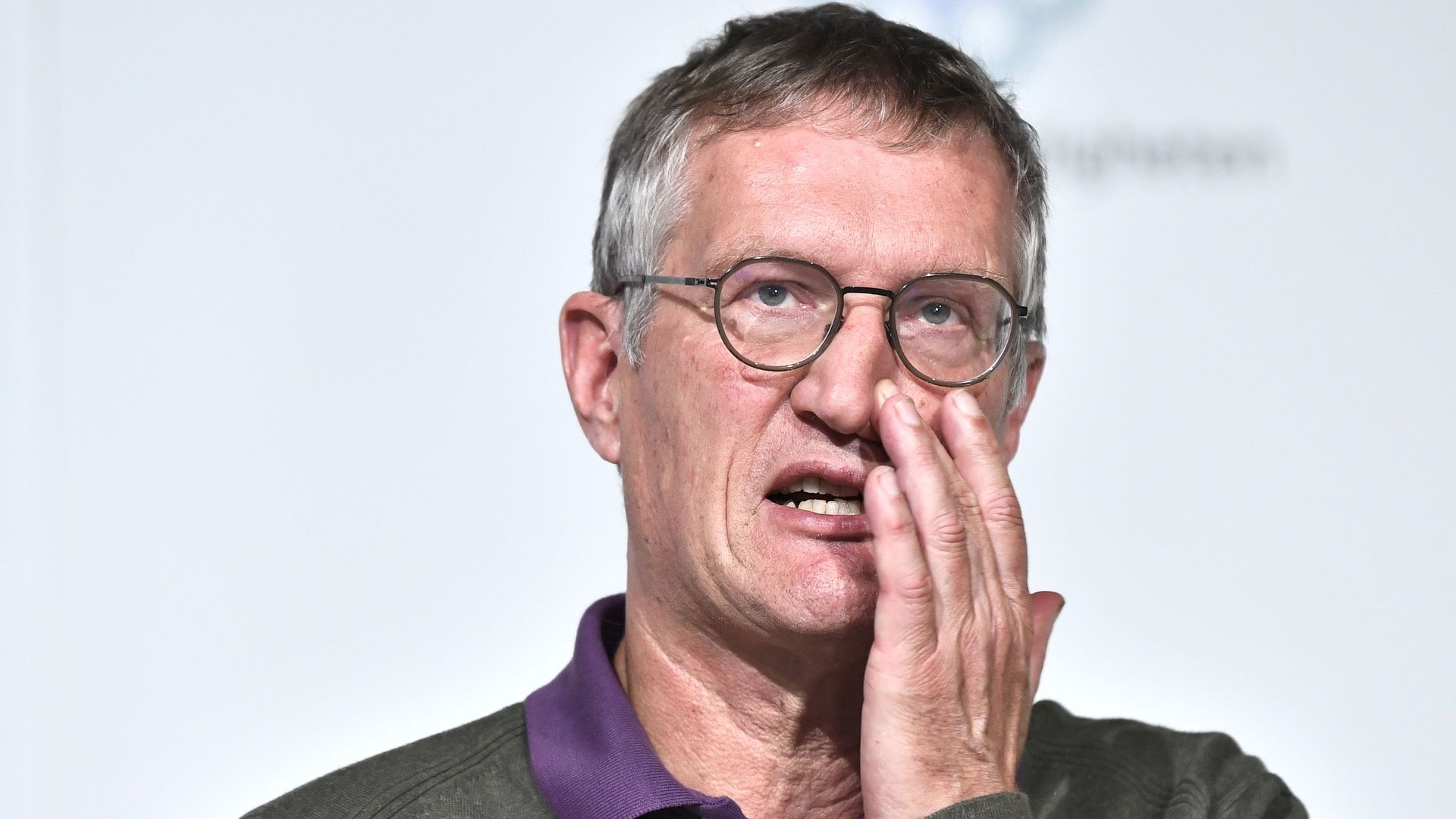
Anders Tegnell, Sweden's chief epidemiologist, defended his country's coronavirus strategy in an interview with the New Statesman, telling the newspaper that Sweden did not pursue "herd immunity" and "definitely had a virtual lockdown" — despite looser restrictions than most countries.
Why it matters: Sweden's more relaxed approach to the pandemic compared to other industrialized countries has been a source of controversy, with many libertarians and conservatives, including Sen. Rand Paul (R-Ky.), arguing that the U.S. should have pursued a similar strategy.
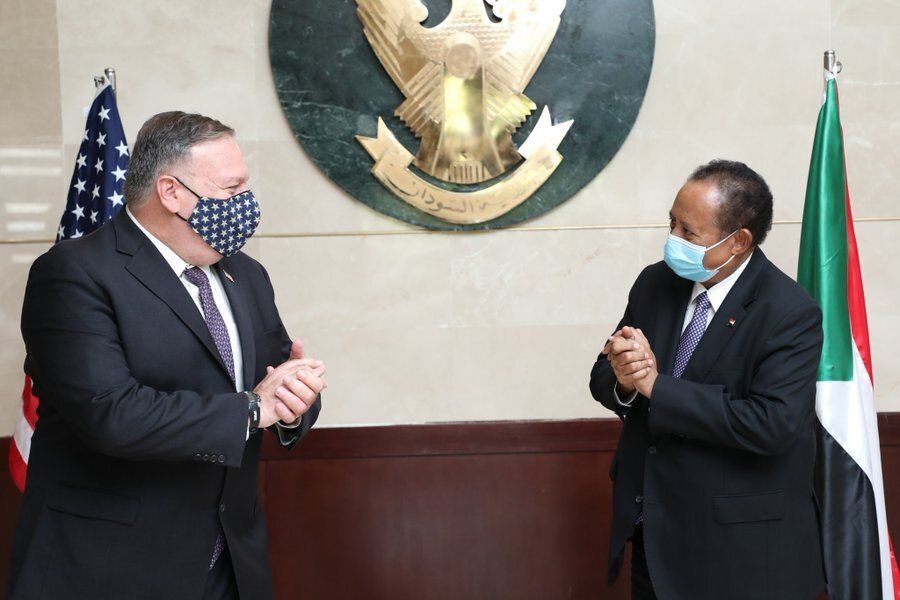
Secretary of State Mike Pompeo (L) meets with Sudanese Prime Minister Abdalla Hamdok in Khartmoum. Photo: Handout via Getty Images
President Trump announced Monday that he will be removing Sudan from the State Department’s state sponsors of terrorism list after the Sudanese government agreed to pay $335 million in compensation for families of American victims of terrorism.
The big picture: Trump's announcement is part of a wider agreement that is expected to include moves from Sudan toward normalizing relations with Israel.
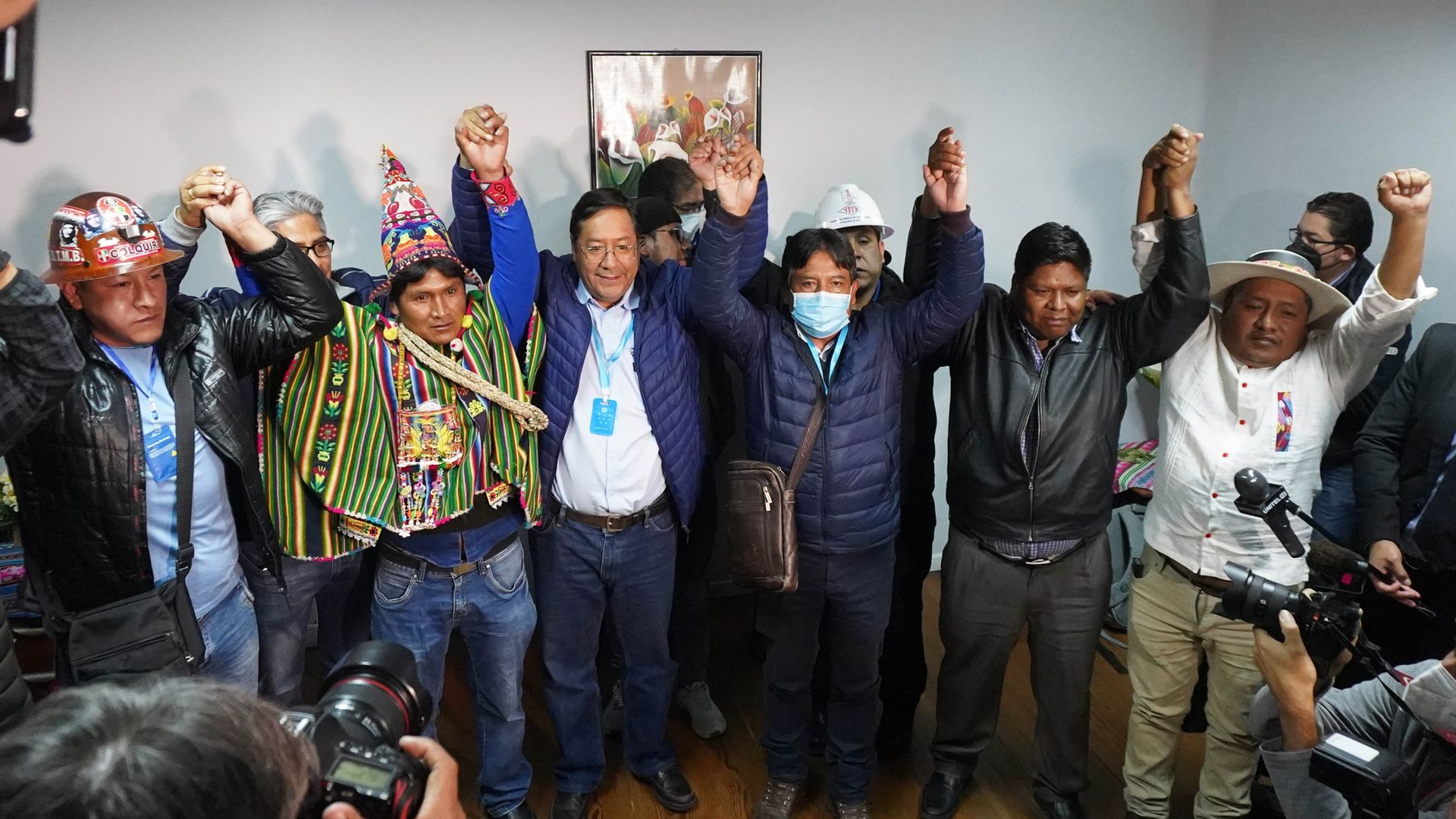
Leftist candidate Luis Arce won an "overwhelming and clear" victory in Bolivia's presidential election, his chief opponent said Monday in a concession speech.
Why it matters: Looming over Sunday's vote were the events of one year ago, when then-president Evo Morales was ousted and fled into exile following a disputed election. He was controversially succeeded by a right-wing senator, Jeanine Añez, deepening a political crisis which appears to have ended with an emphatic mandate for Morales' party, the Movement for Socialism.
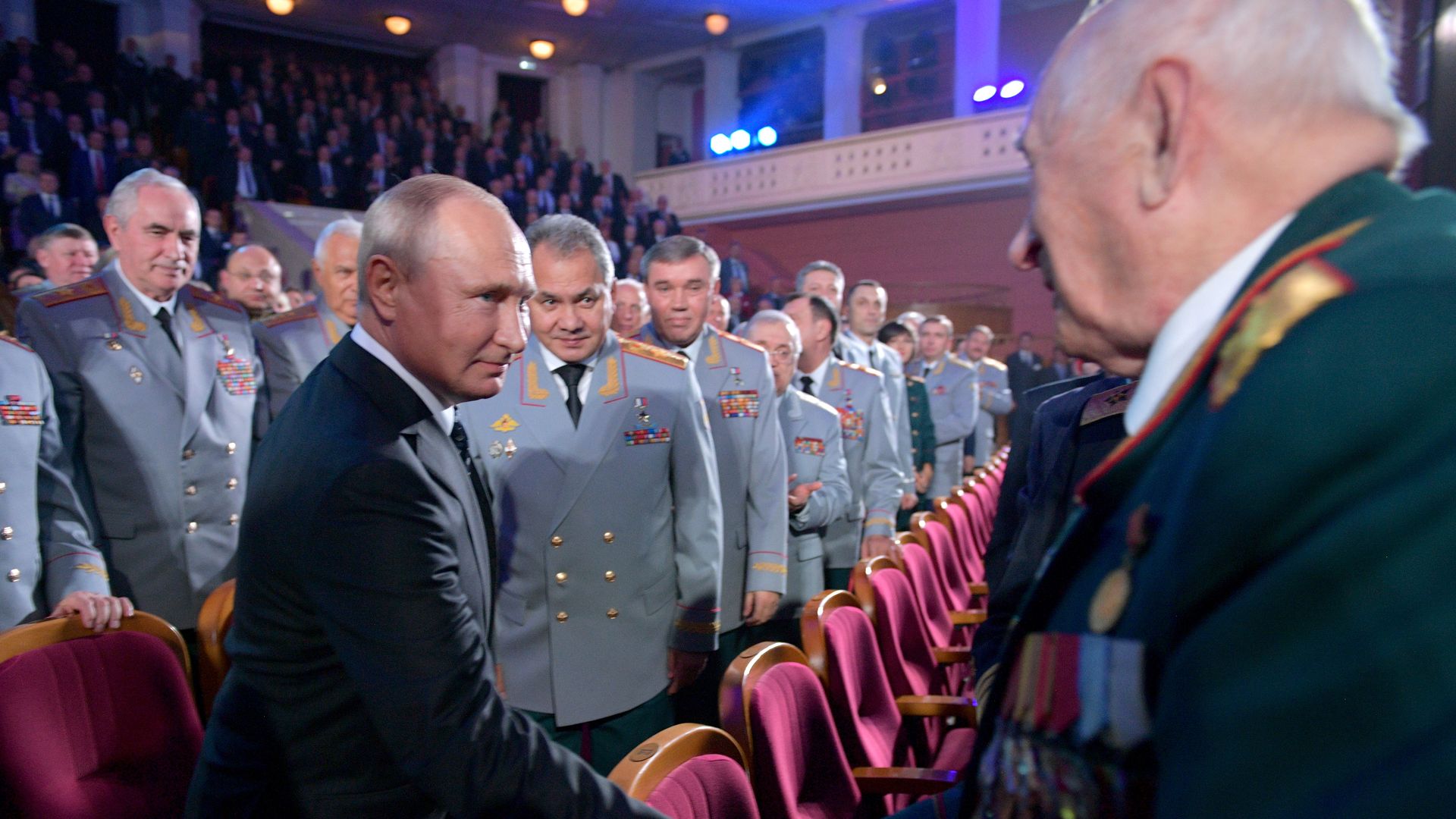
A federal grand jury has returned a 7-count indictment against six Russian military intelligence officers for major hacking operations targeting foreign elections, the Olympics and computer systems worldwide that resulted in nearly $1 billion in losses, the Justice Department announced Monday.
The big picture: The officers are members of the same GRU unit indicted by special counsel Robert Mueller for interference in the 2016 election. It's unlikely that they will ever face trial in the U.S.
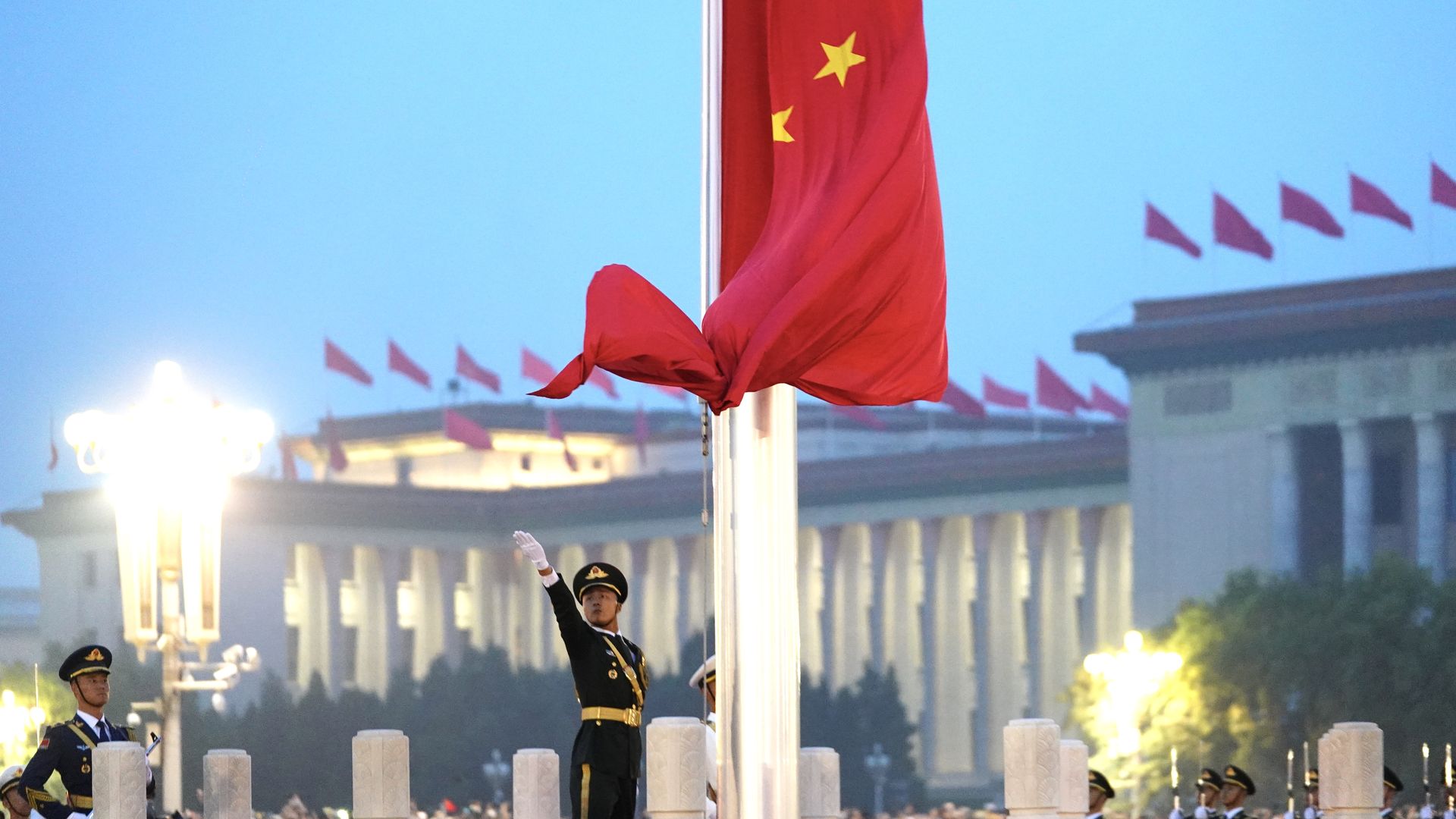
Chinese officials said Monday that GDP "expanded by 4.9% in the third quarter from a year earlier, putting China’s economy back toward its pre-coronavirus trajectory," The Wall Street Journal reports from Beijing.
Why it matters: This shows a superpower economy can bounce back quickly after the virus is defeated.
Chinese officials told the Trump administration they may detain Americans in China if the DOJ prosecutes scholars with ties to the Communist country's military, the Wall Street Journal first reported and Axios has confirmed.
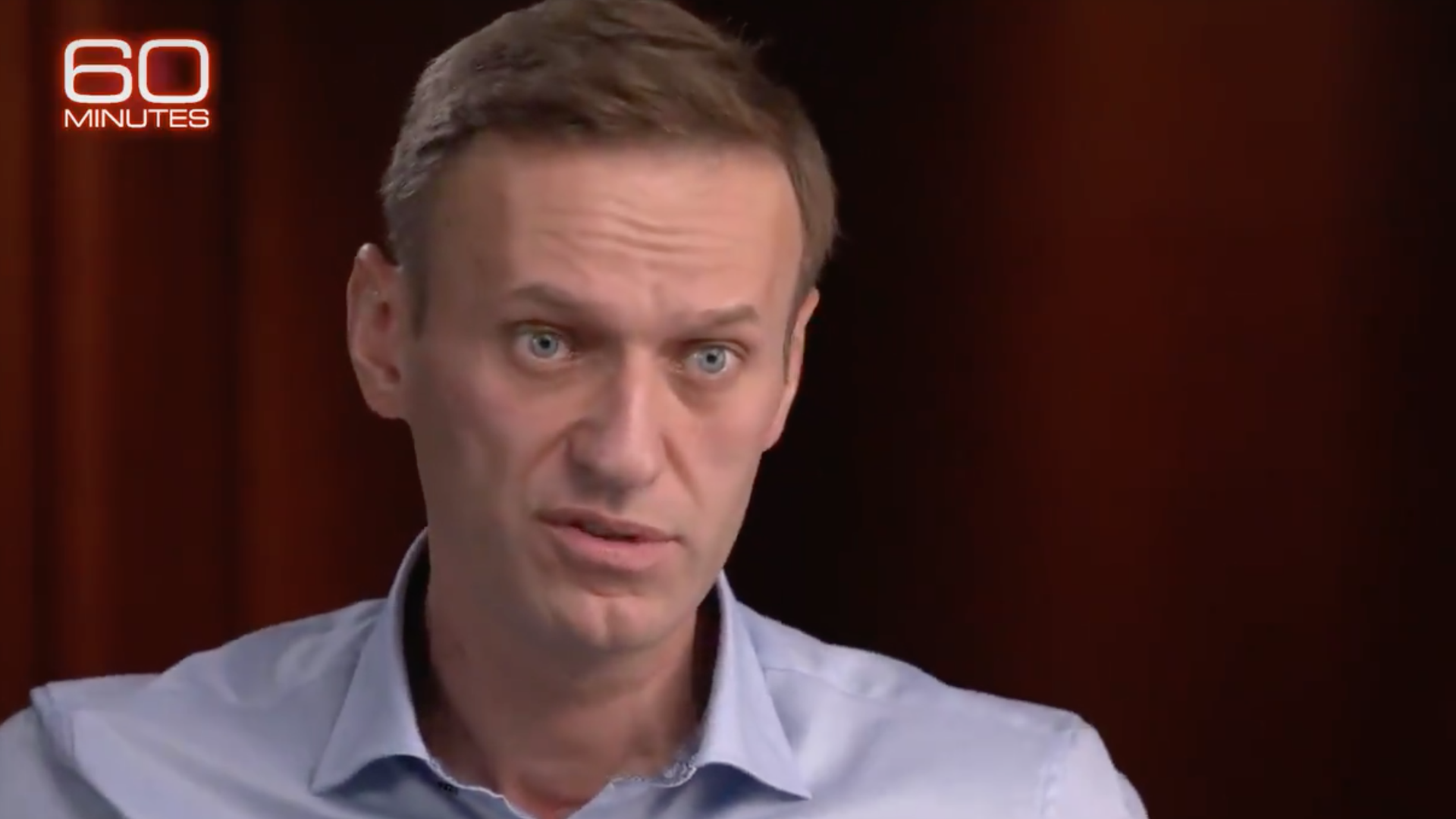
Russian opposition leader Alexey Navalny called on President Trump during an interview with CBS' "60 Minutes" broadcast Sunday to condemn his Novichok poisoning that left him critically ill in hospital.
Details: Asked by CBS' Lesley Stahl if it's important for Trump to condemn the attack, which Navalny says Russian President Putin was behind, he replied: "I think it's extremely important that everyone, of course, including and maybe in the first of all, president of United States, to be very against using chemical weapons in the 21st Century."
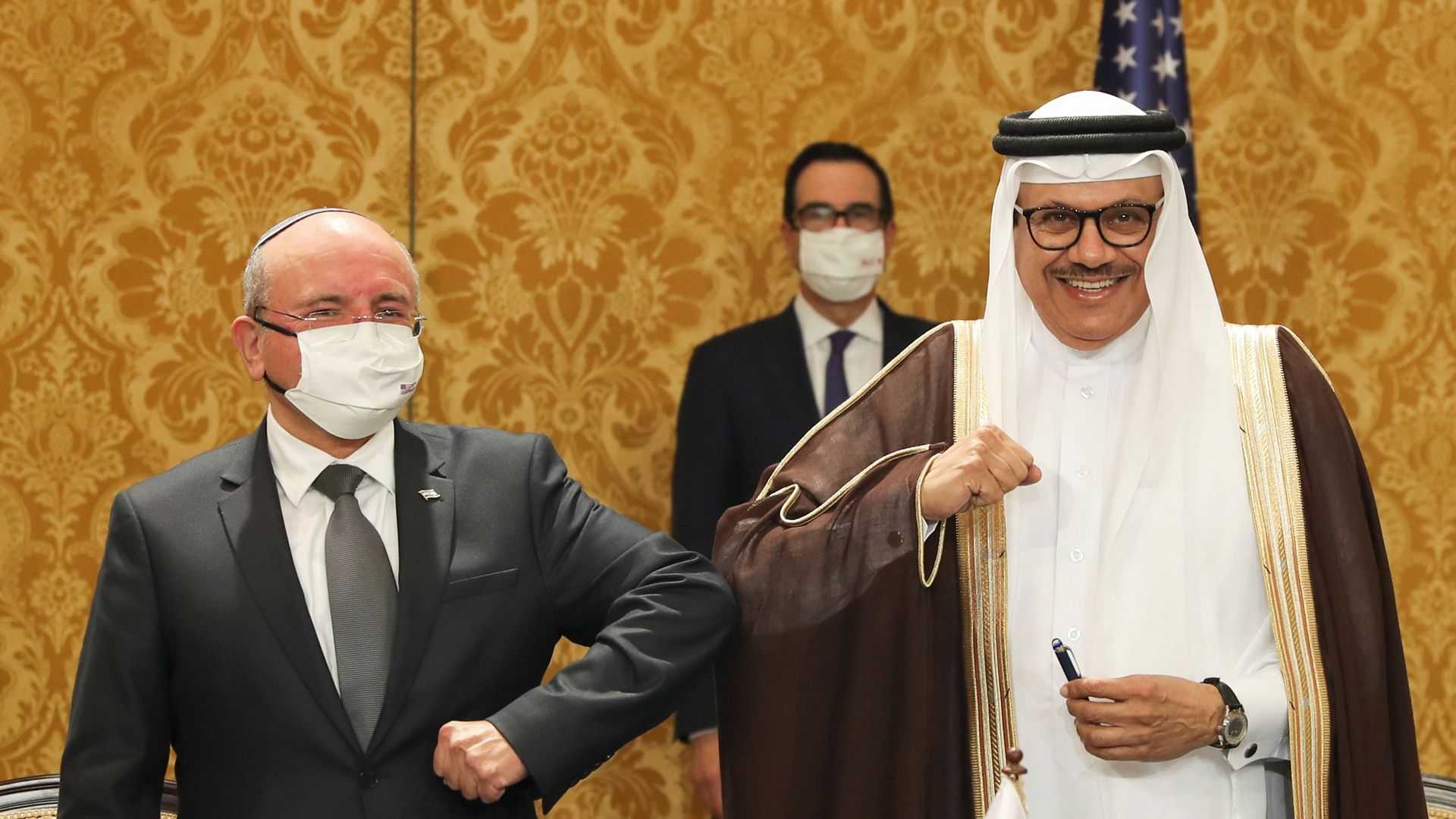
MANAMA, Bahrain — Israel and Bahrain signed an agreement on establishing diplomatic relations in Manama on Sunday, one month after a historic ceremony at the White House.
Why it matters: The "joint communique on establishing peaceful and diplomatic relations" is an interim agreement on the path to a comprehensive peace treaty, paving the way for the two countries to open embassies and sign more cooperation agreements.
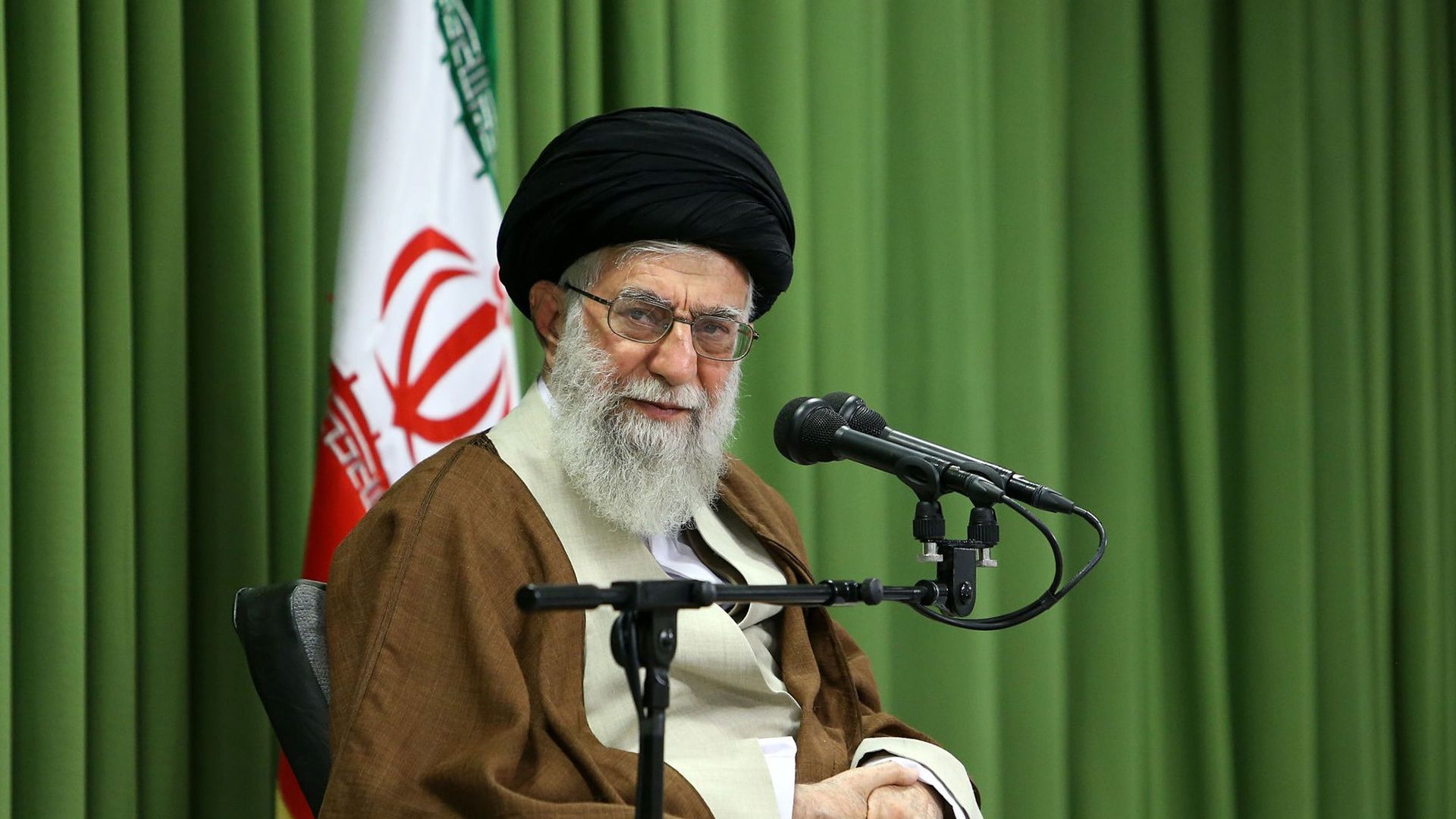
A 13-year United Nations ban on Iran's ability to buy and sell conventional arms expired on Sunday over the objections of the U.S, which insisted that all UN sanctions on Iran had been reimposed under the "snapback" process of the 2015 nuclear agreement — even though President Trump withdrew from the deal in 2018.
Why it matters: The expiration of the arms embargo will allow Iran to buy advanced weapons systems from countries like Russia and China, upgrading military equipment that dates back to before the 1979 Islamic Revolution, according to AP.
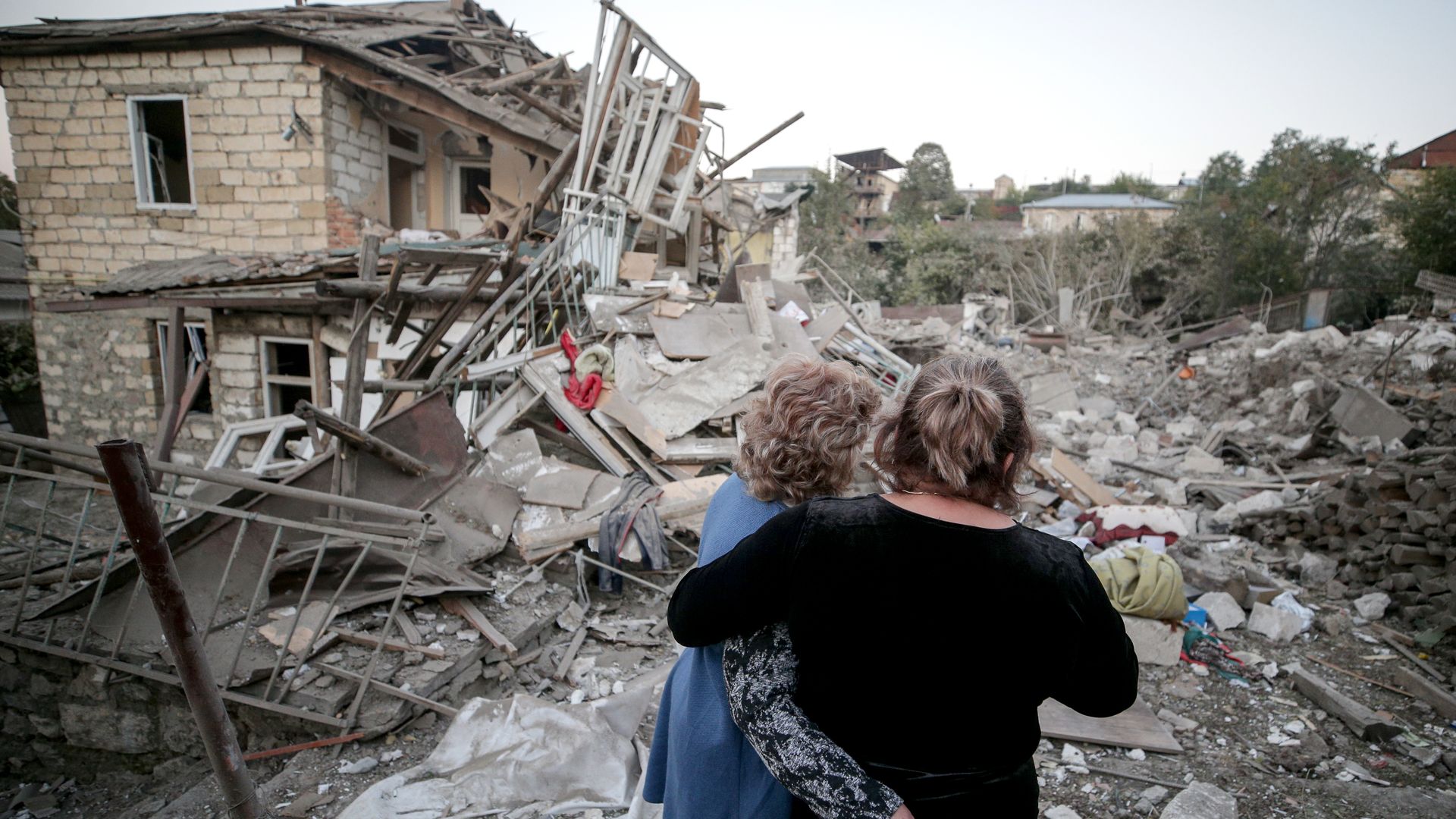
Armenia and Azerbaijan accused each other overnight of breaching the ceasefire in the disputed region of Nagorno-Karabakh.
Details: An Armenia Defense Ministry spokesperson said late Saturday Azerbaijan was "violating the humanitarian ceasefire" by firing artillery shells and rockets. Hours later, the Azeri defence ministry said Armenia had fired "mortars and artillery" at "the vicinity of the Jabrail city, as well as the villages of this region," per Reuters.
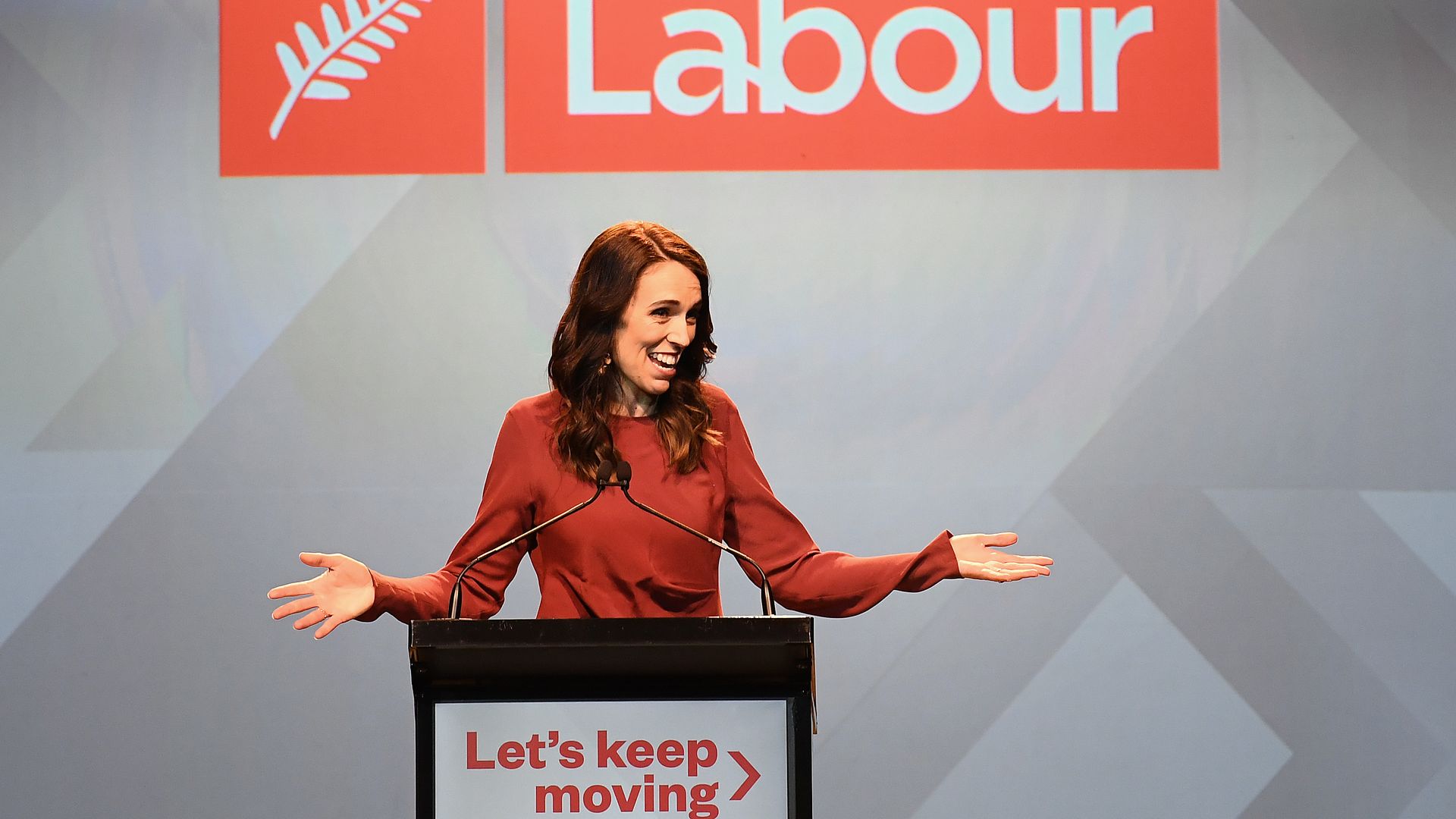
Prime Minister Jacinda Ardern told reporters Sunday that she expects to form a government "within the next two to three weeks" following her Labour Party's historic election win.
Driving the news: Labour is projected to win 49.1% of the vote, ensuring 64 of 120 available parliamentary seats. Ardern said in her victory speech Saturday, "New Zealand has shown the greatest support in at least 50 years."
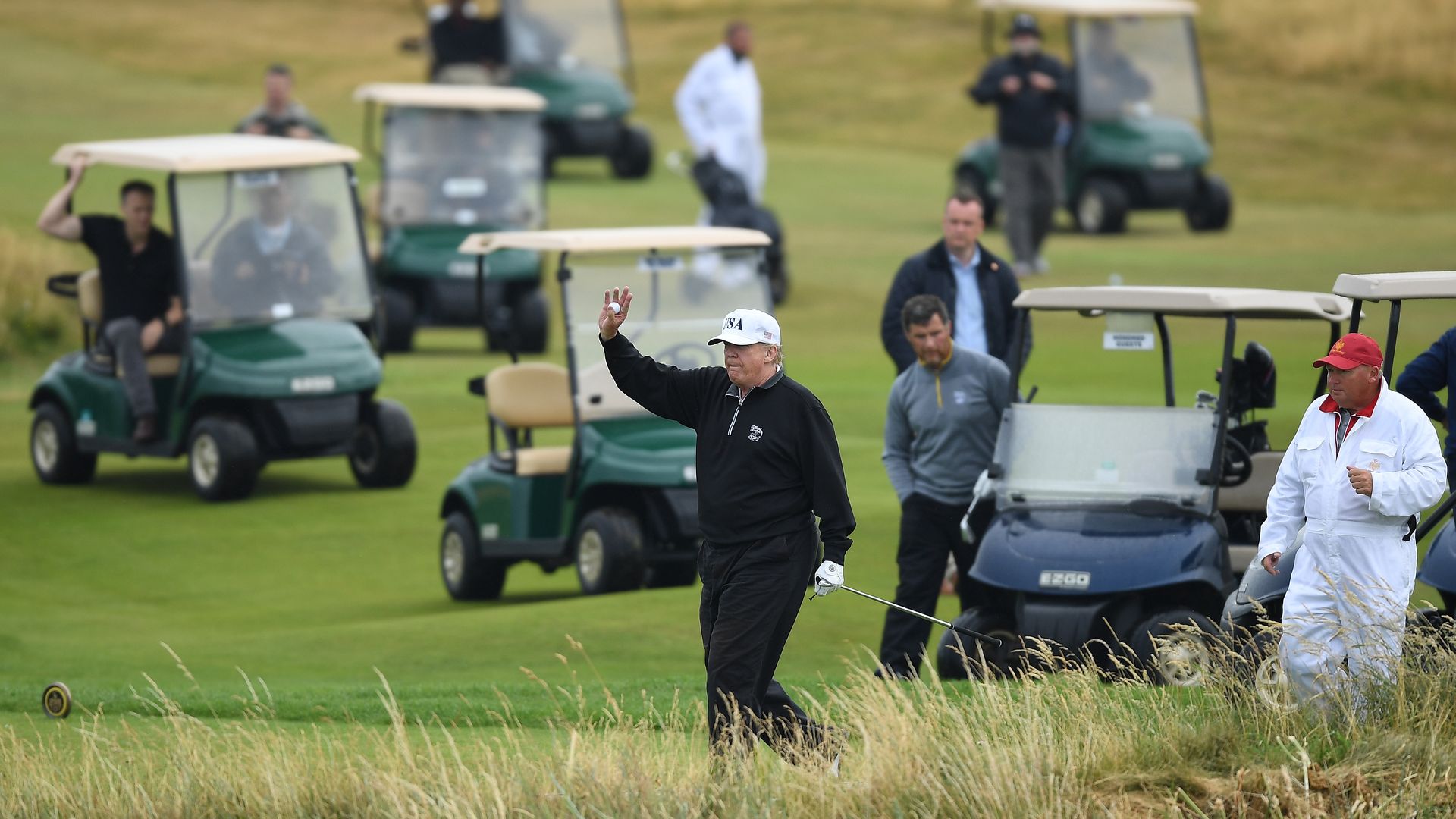
Environmentalists criticized Aberdeenshire Council on Saturday for approving plans by President Trump's family business to build a second golf course in the region.
Driving the news: Locals and the Scottish Environment Protective Agency opposed the creation of the 18-hole golf course, to be named MacLeod after Trump's Scottish-born mother, Mary Anne MacLeod, next to his existing one. But the council on Friday agreed to the plans, per the Scotsman.