The pandemic has come storming back to Europe, and hope of a return to normality is being replaced by a much more ominous prospect: the return to lockdown.
The big picture: Case counts in countries like France and Spain have skyrocketed past the numbers seen during the spring peak. While that’s partially due to more widespread testing, it’s now clear that deaths are climbing too.
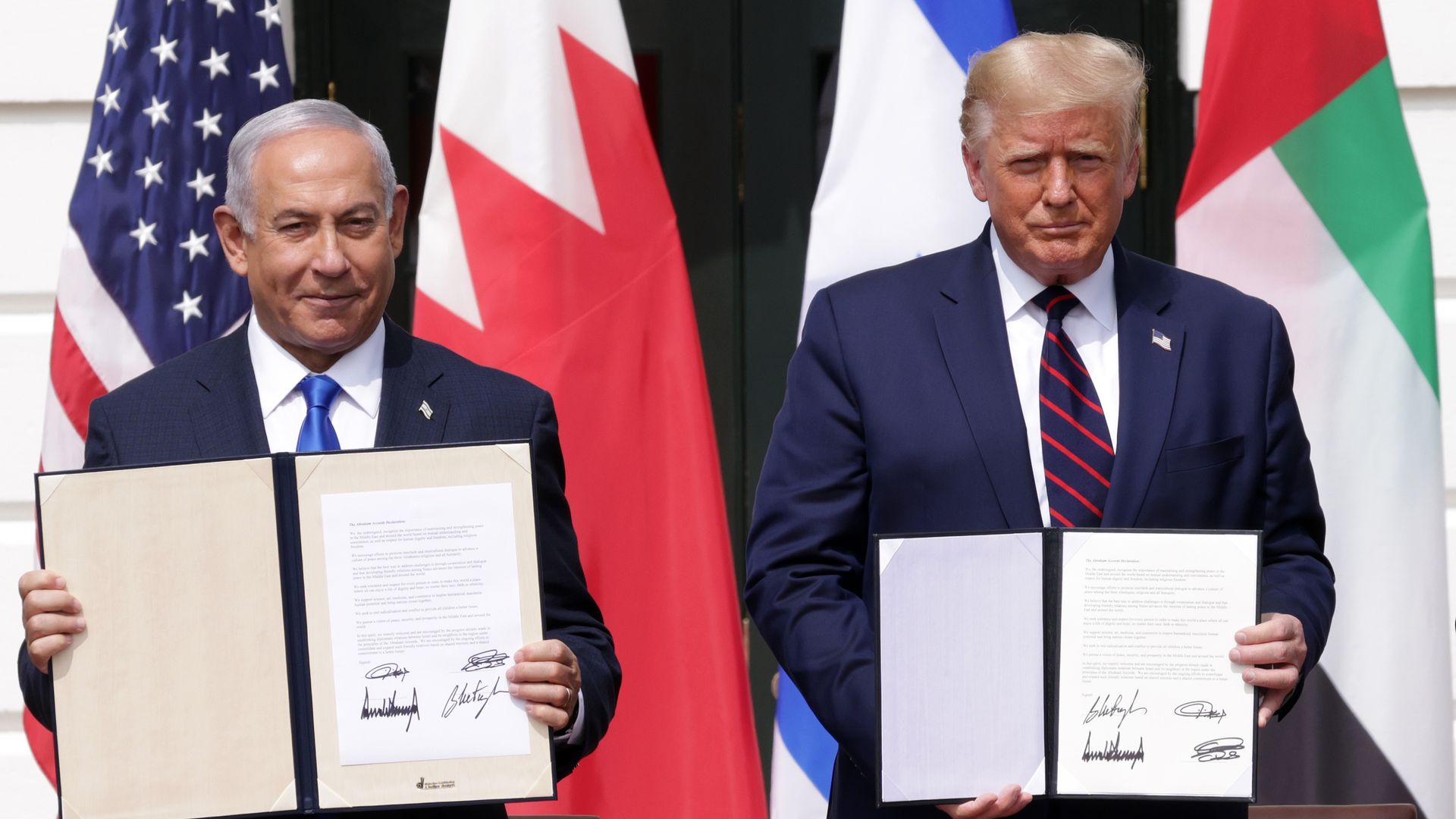
The Israeli Knesset approved the U.S.-brokered normalization treaty with the United Arab Emirates on Thursday.
Why it matters: The treaty was previously approved by the cabinet, which will now be asked to ratify it. It won't come into force until approved by the UAE.
Chinese students make up 16%of all graduate STEM students in the U.S. and 2% of undergraduate STEM students, per a new report from Georgetown University's Center for Security and Emerging Technology.
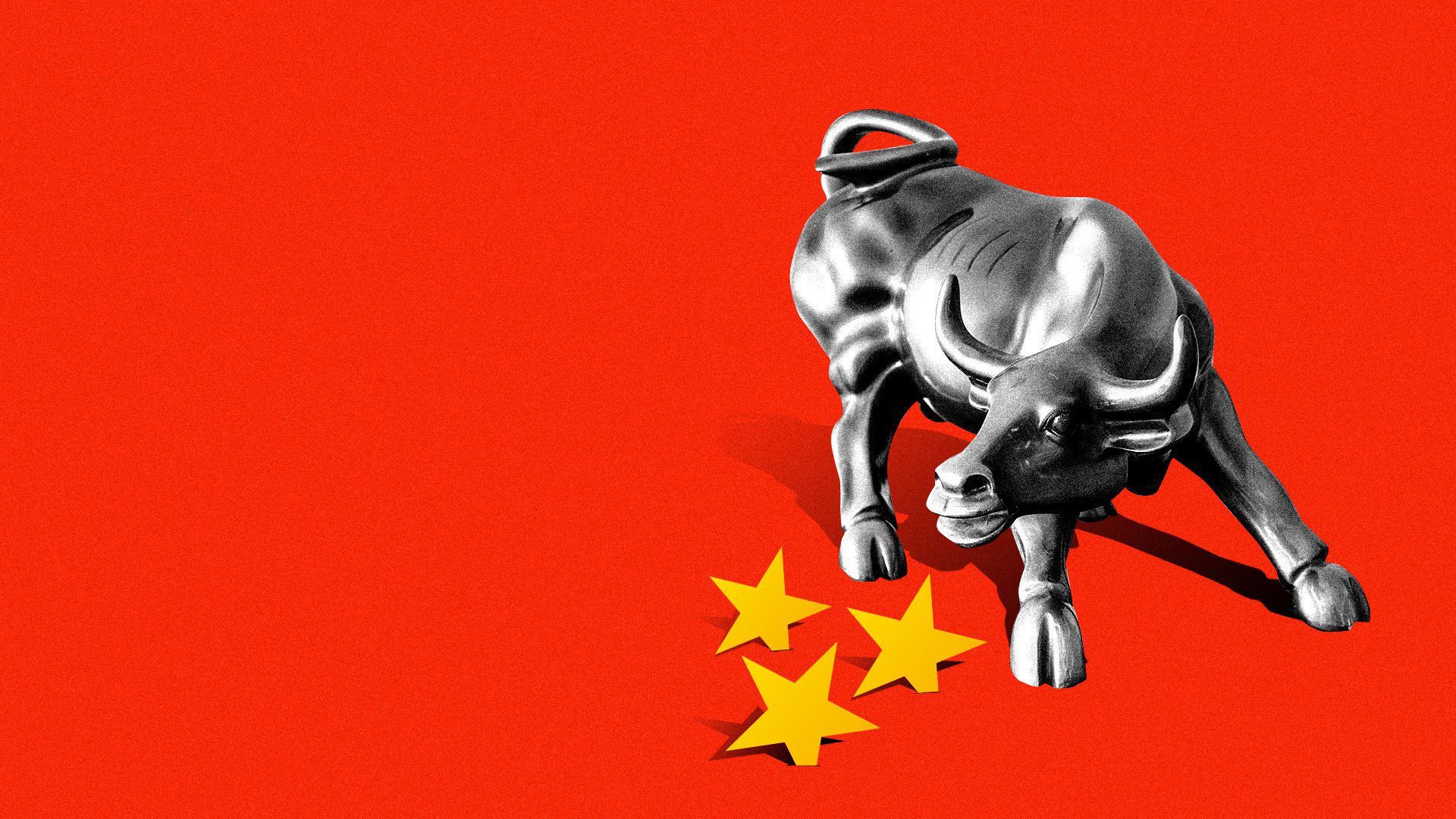
Yihai Kerry Arawana, the Chinese unit of Singapore-listed agribusiness Wilmar, raised $2 billion in a highly-oversubscribed IPO. The company is best known for its namesake cooking oil, whose logo is a golden dragon fish.
Why it matters: This was the largest-ever IPO on the Shenzhen Stock Exchange.
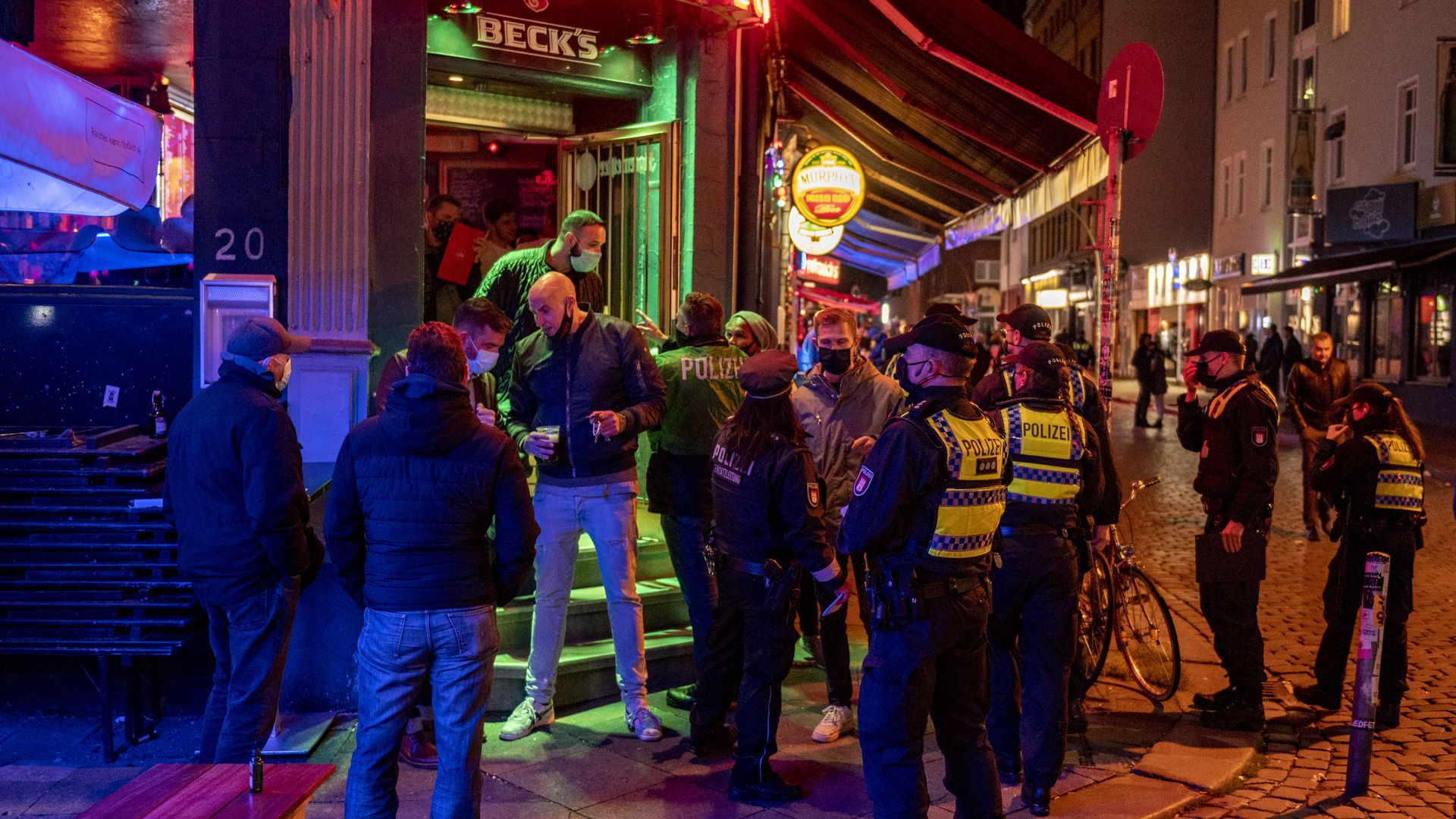
Germany on Thursday became the latest European country to announce new restrictions this week amid record coronavirus case numbers. But governments are seeking to avoid a second round of nationwide lockdowns.
Why it matters: Widespread lockdowns to contain the spread of the virus have devastated economies around the world.
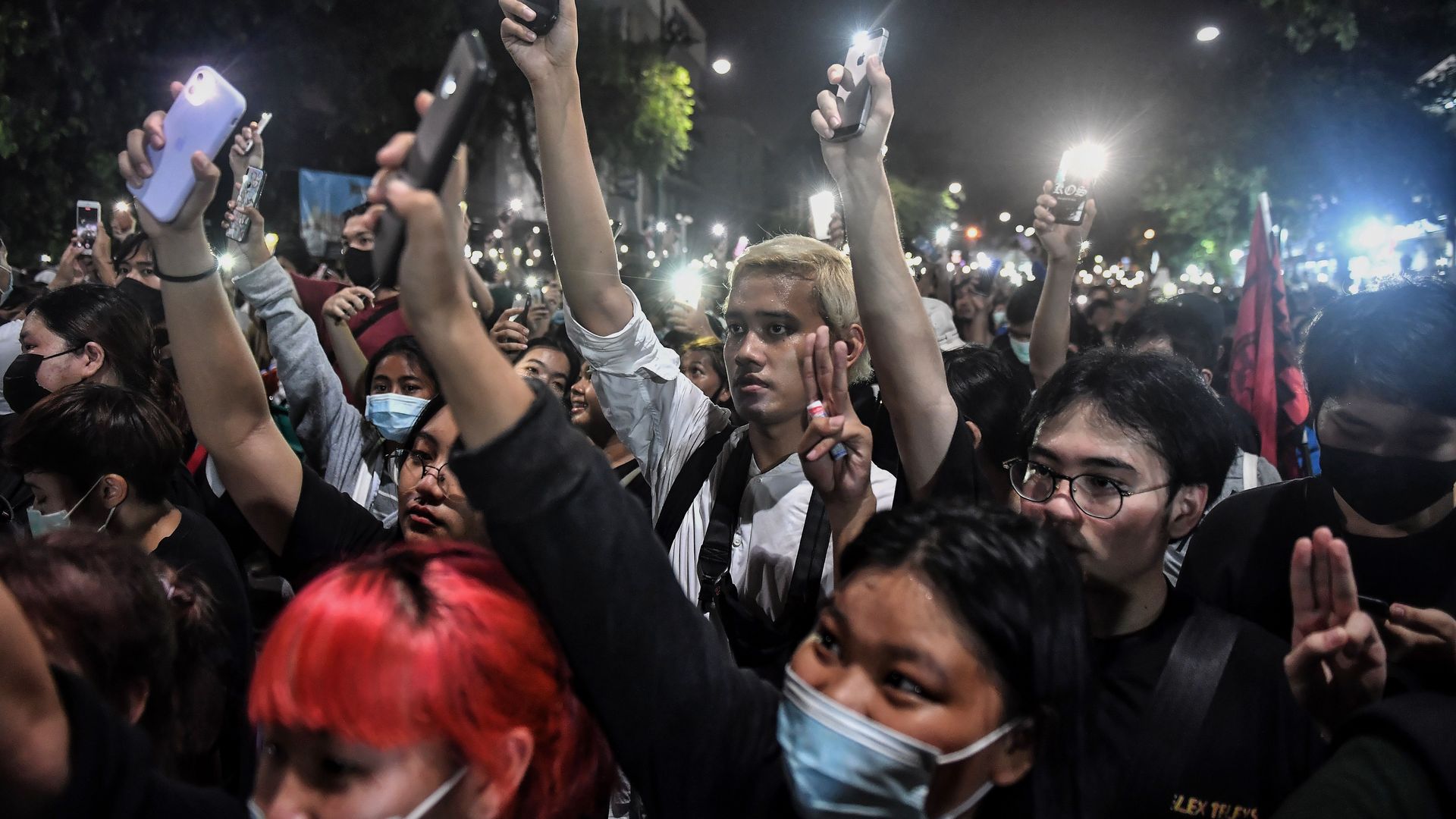
The Thai government issued an emergency decree Thursday outlawing large gatherings following massive youth-led demonstrations in Bangkok, as police arrested three protest leaders, per the BBC.
Driving the news: The protests began earlier this year over the dissolution of Thanathorn Juangroongruangkit's Future Forward Party. They've evolved into calls for Prime Minister Prayuth Chan-ocha, a former junta leader, to resign, a new constitution and monarchy reforms, Reuters notes. Police said demonstrators had instigated "chaos and public unrest," but the BBC reports protests were "largely peaceful."
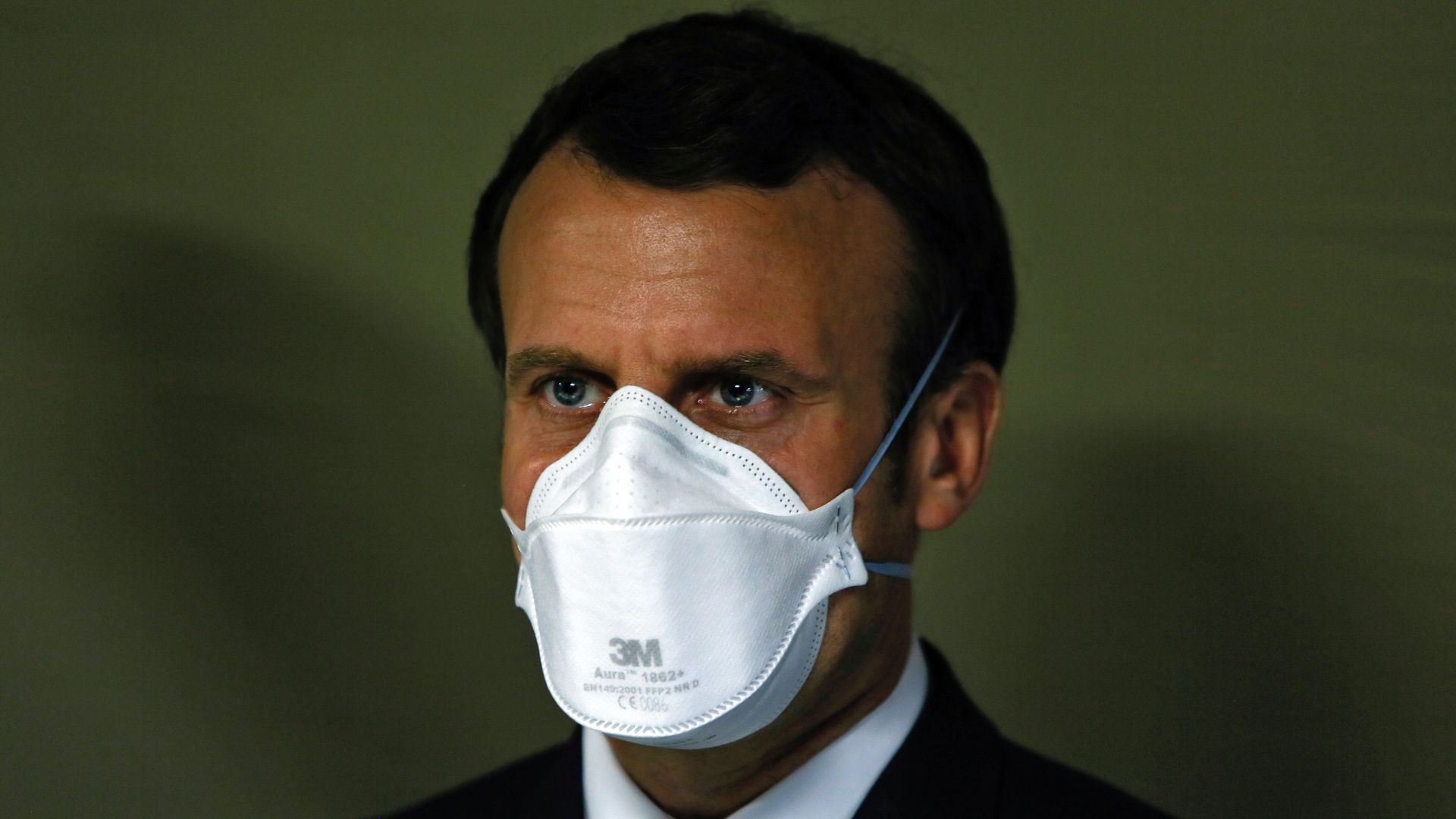
French President Emmanuel Macron on Wednesday declared a state of health emergency and instated a curfew on some of the regions that have been hardest hit by the coronavirus, France 24 reports.
Why it matters: A number of European countries have reimposed lockdown measures, as an uptick in COVID-19 cases has eroded the continent's earlier progress in containing the virus. Macron described the situation as a "second wave."
Italy on Wednesday reported 7,332 new positive COVID-19 tests — breaking its previous record for most infections added in a single day — while the U.K. reported nearly 20,000 new cases.
Why it matters: Italy was one of the world's first major coronavirus hotspots, locking down the entire country in March as hospitals threatened to be overwhelmed, and the U.K. has Europe's highest death toll. After successfully suppressing the virus over the summer, many European countries are facing a potentially devastating second wave.
China is already test-driving the future of finance while the rest of the world is stuck trying to get its learner's permit.
What's happening: Over the past two weeks Chinese authorities in cities like Shenzhen and Chengdu have given out the country's brand new digital renminbi currency and are urging even faster rollout of the token nationwide.