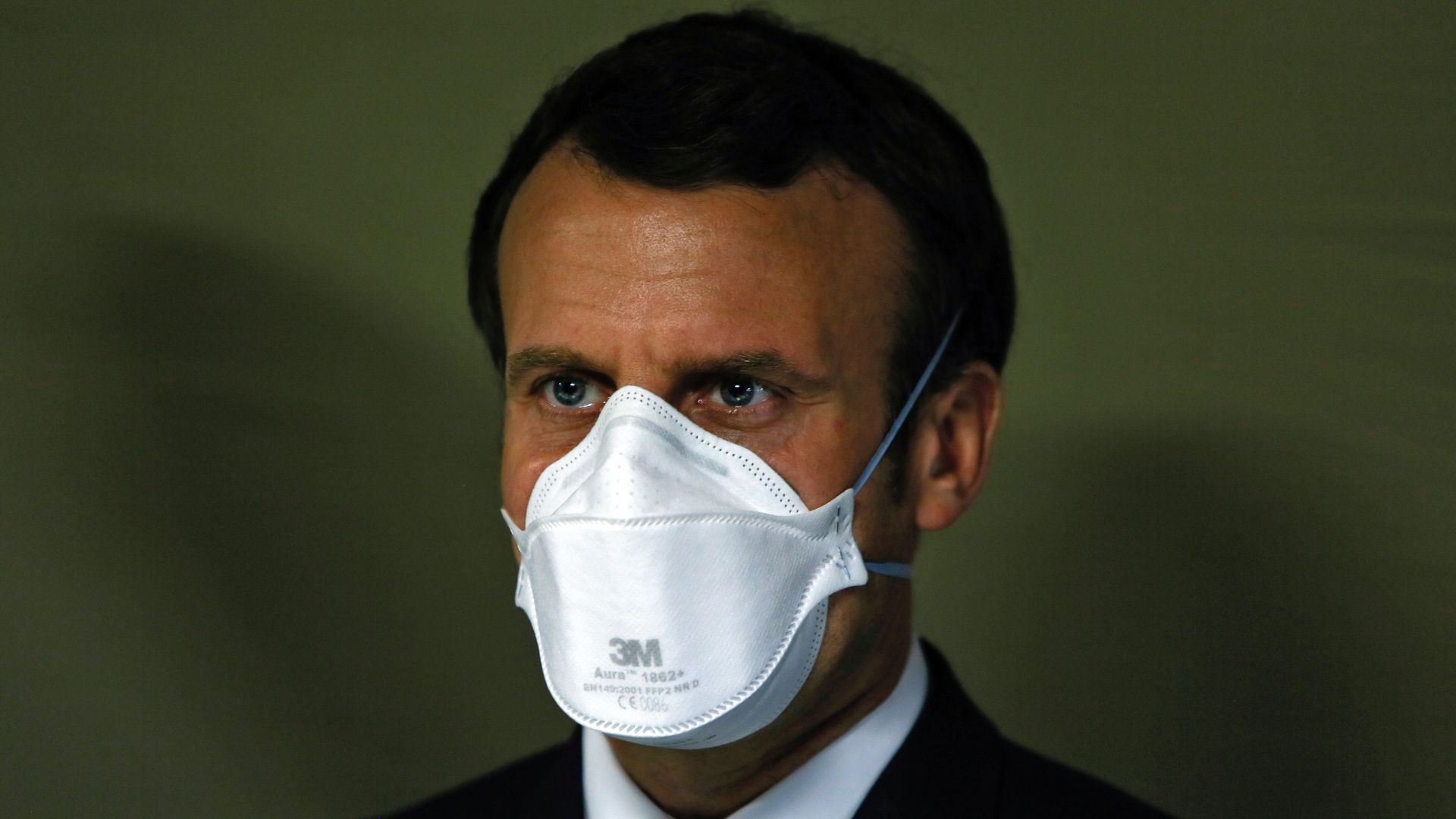
French President Emmanuel Macron on Wednesday declared a state of health emergency and instated a curfew on some of the regions that have been hardest hit by the coronavirus, France 24 reports.
Why it matters: A number of European countries have reimposed lockdown measures, as an uptick in COVID-19 cases has eroded the continent's earlier progress in containing the virus. Macron described the situation as a "second wave."
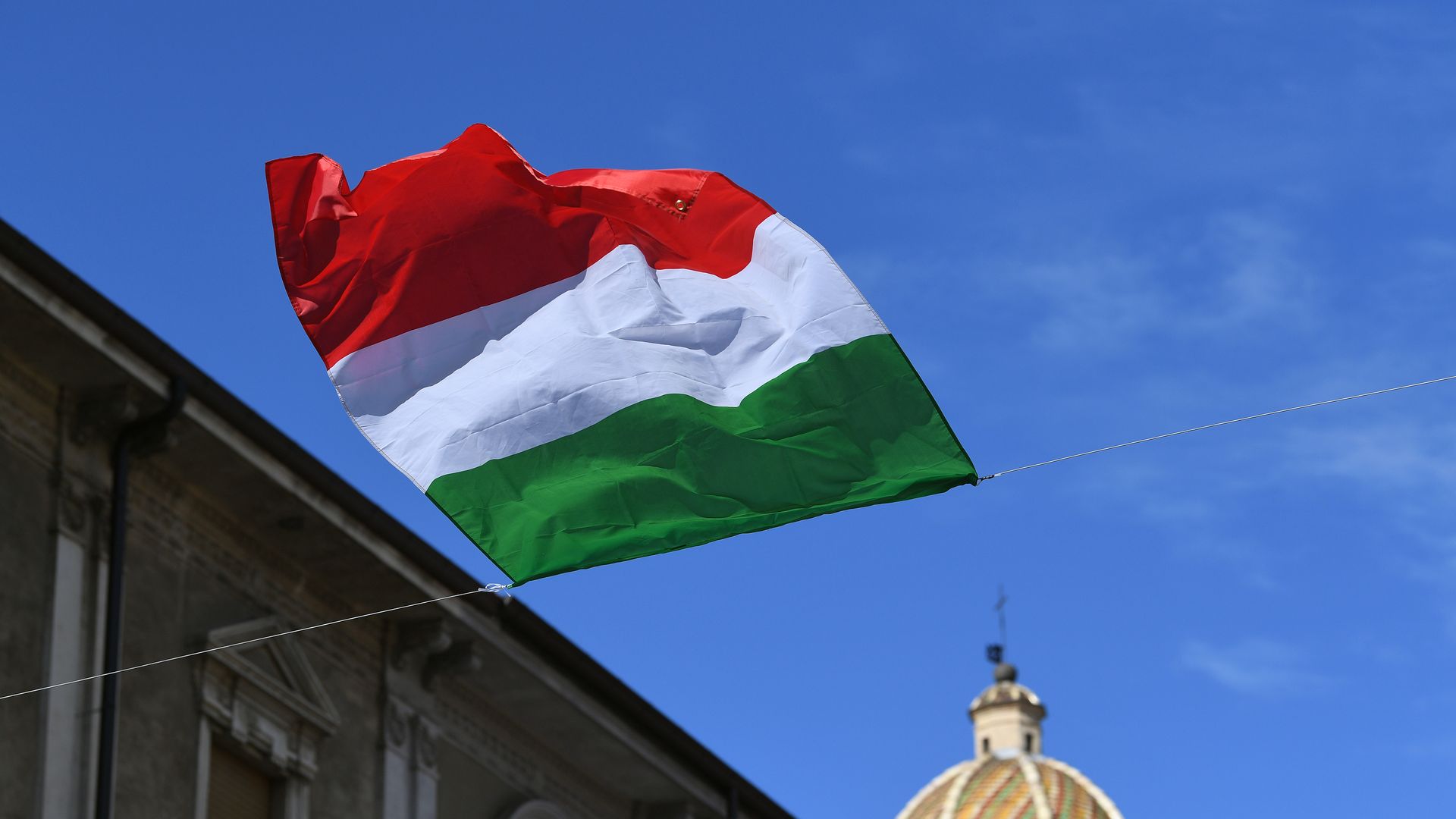
Italy on Wednesday reported 7,332 new positive COVID-19 tests — breaking its previous record for most infections added in a single day — while the U.K. reported nearly 20,000 new cases.
Why it matters: Italy was one of the world's first major coronavirus hotspots, locking down the entire country in March as hospitals threatened to be overwhelmed, and the U.K. has Europe's highest death toll. After successfully suppressing the virus over the summer, many European countries are facing a potentially devastating second wave.
China is already test-driving the future of finance while the rest of the world is stuck trying to get its learner's permit.
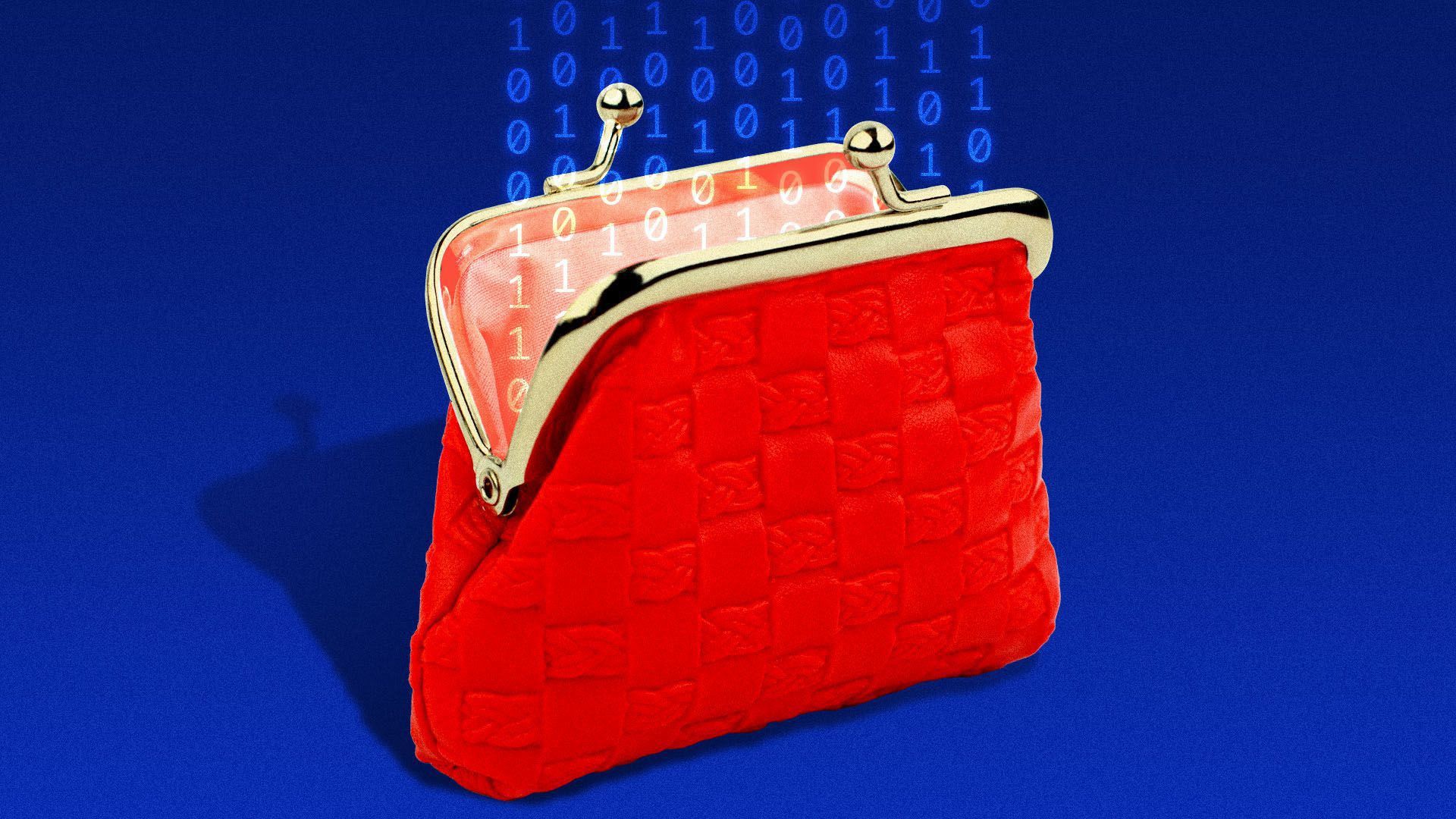
What's happening: Over the past two weeks Chinese authorities in cities like Shenzhen and Chengdu have given out the country's brand new digital renminbi currency and are urging even faster rollout of the token nationwide.
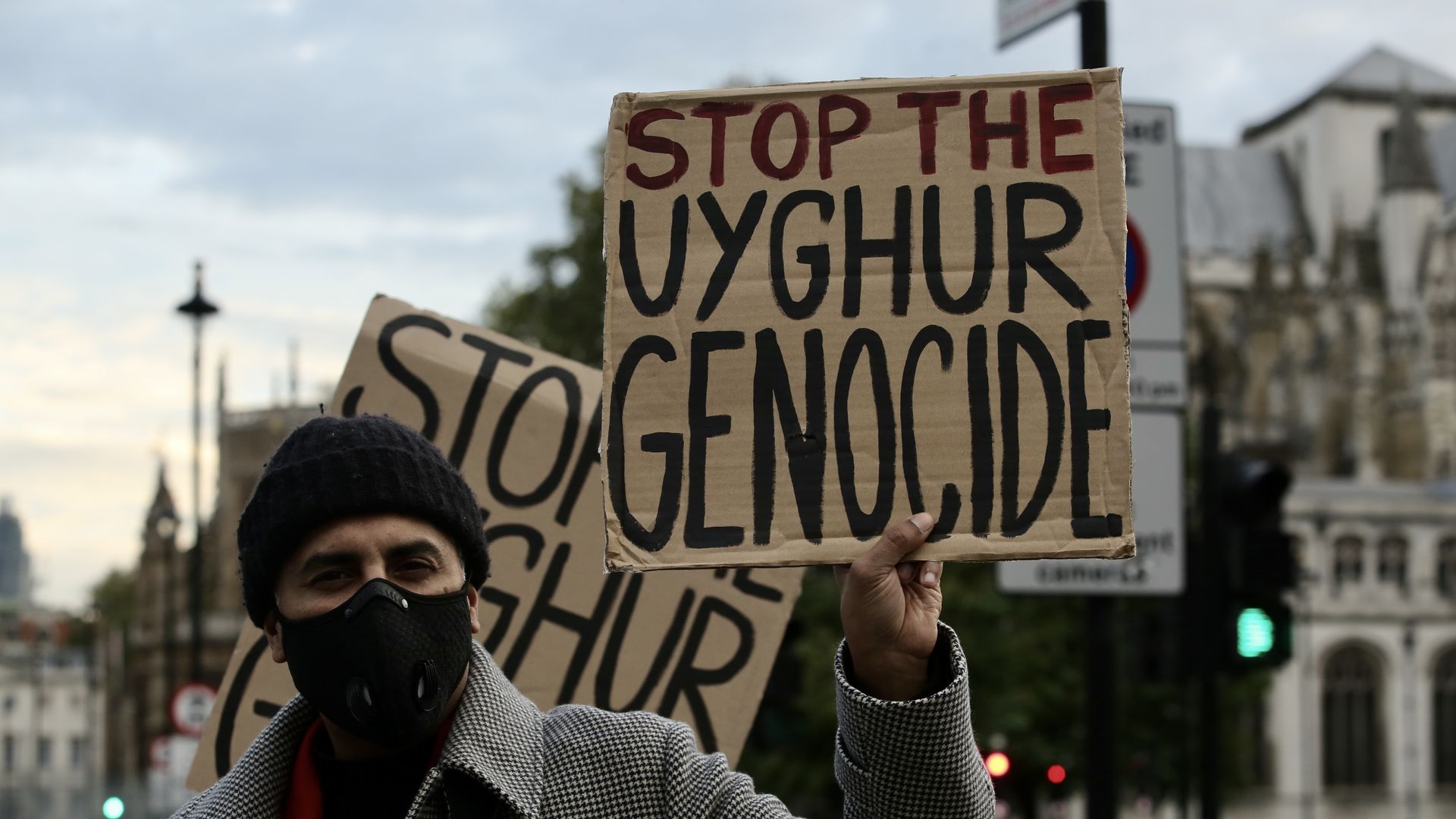
Several of the 15 countries elected to the United Nations Human Rights Council on Tuesday have themselves been condemned for serious human rights abuses, including China, Cuba, Pakistan, Russia and Uzbekistan.
The big picture: The intergovernmental body of 47 countries is responsible for "the promotion and protection of all human rights around the globe." The Trump administration pulled the U.S. out of the Human Rights Council in 2018, citing alleged bias against Israel and a pattern of allowing corrupt and repressive regimes to serve in its ranks.
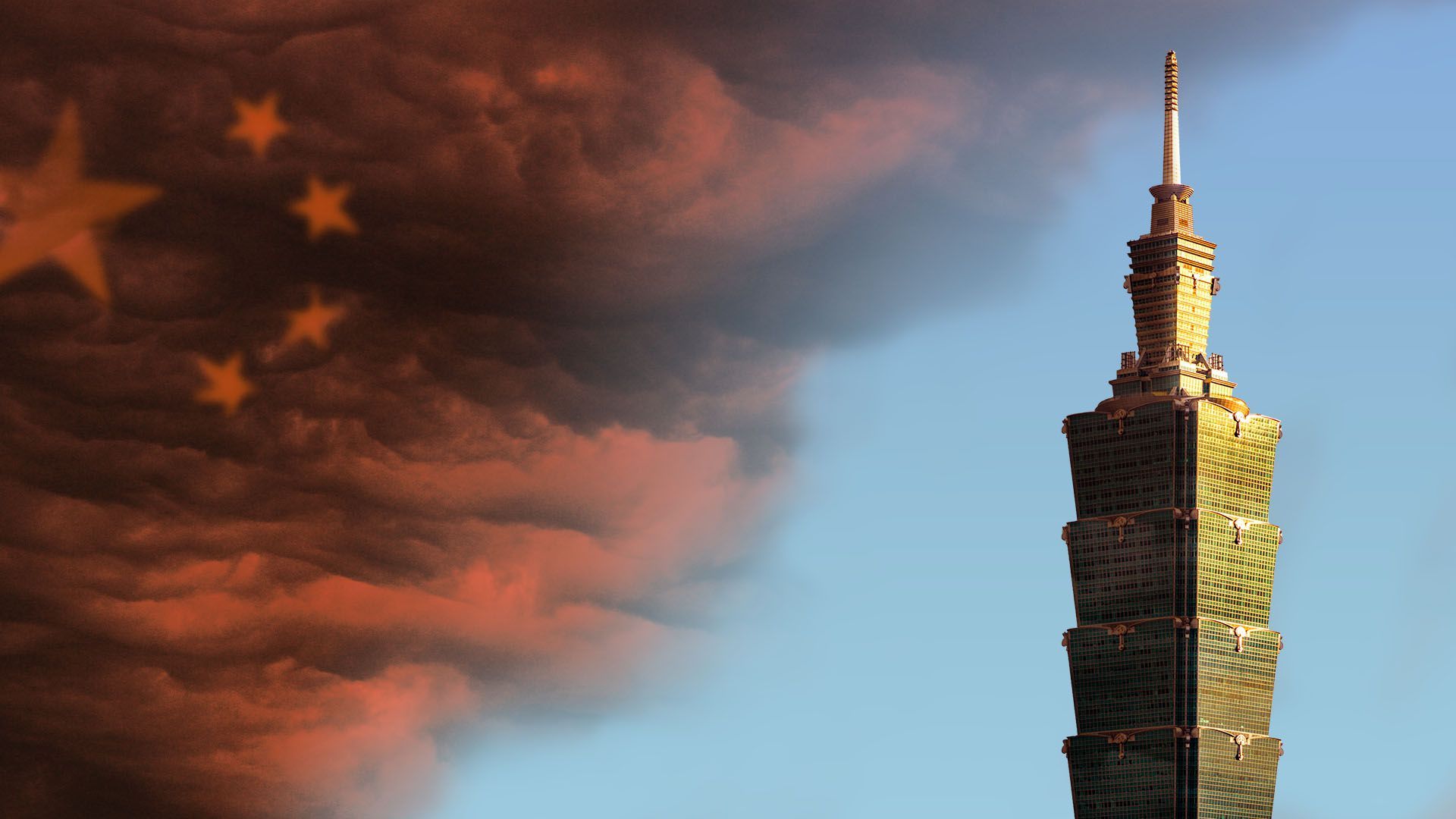
Taiwan's success in fighting the coronavirus, along with high-profile U.S. support in recent months, has raised the nation's profile on the international stage. But Beijing views this new prominence as a serious provocation.
Why it matters: Military conflict between China and Taiwan could embroil not just Asia but also the U.S. and other outside players in a larger conflagration.
On Friday, shares of Hong Kong Finance Investment Holding Group Ltd. plummeted, Bloomberg reported. The company is involved in real estate and natural resources.
Why it matters: Neil Bush, the brother of former President George W. Bush, sits on the company's board as deputy chairman. Neil Bush's ties to Chinese-owned companies have drawn public scrutiny and once landed a super PAC supporting his brother Jeb Bush in hot water.
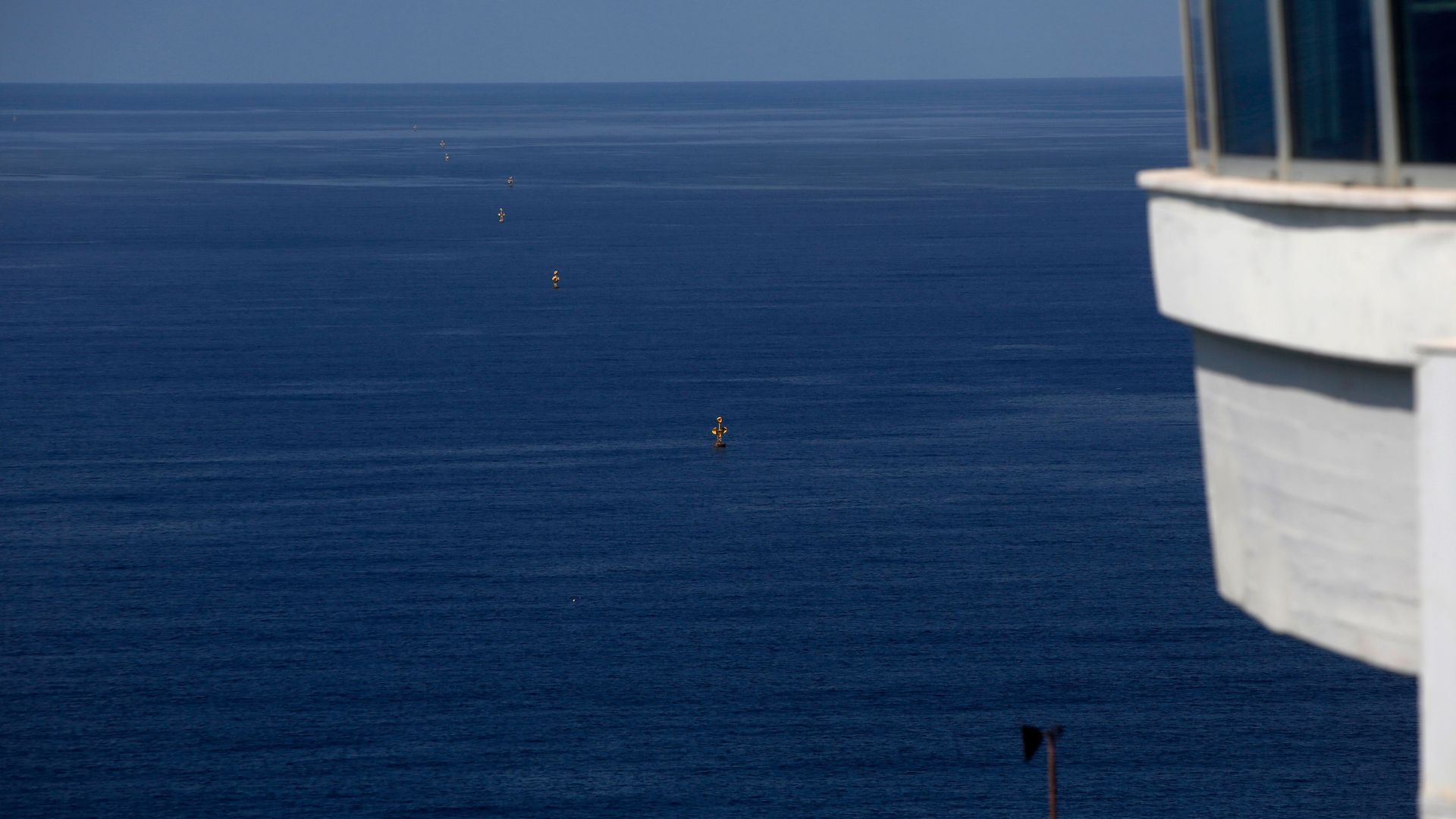
Israeli officials are framing upcoming negotiations over their maritime border dispute with Lebanon as a matter of pragmatism — if both sides take a businesslike approach, they say, the issue can be resolved fairly quickly.
Why it matters: These will be the first negotiations between the two countries in 30 years. The maritime border dispute affects natural gas exploration, and the revenues at stake could reach the tens of billions of dollars.
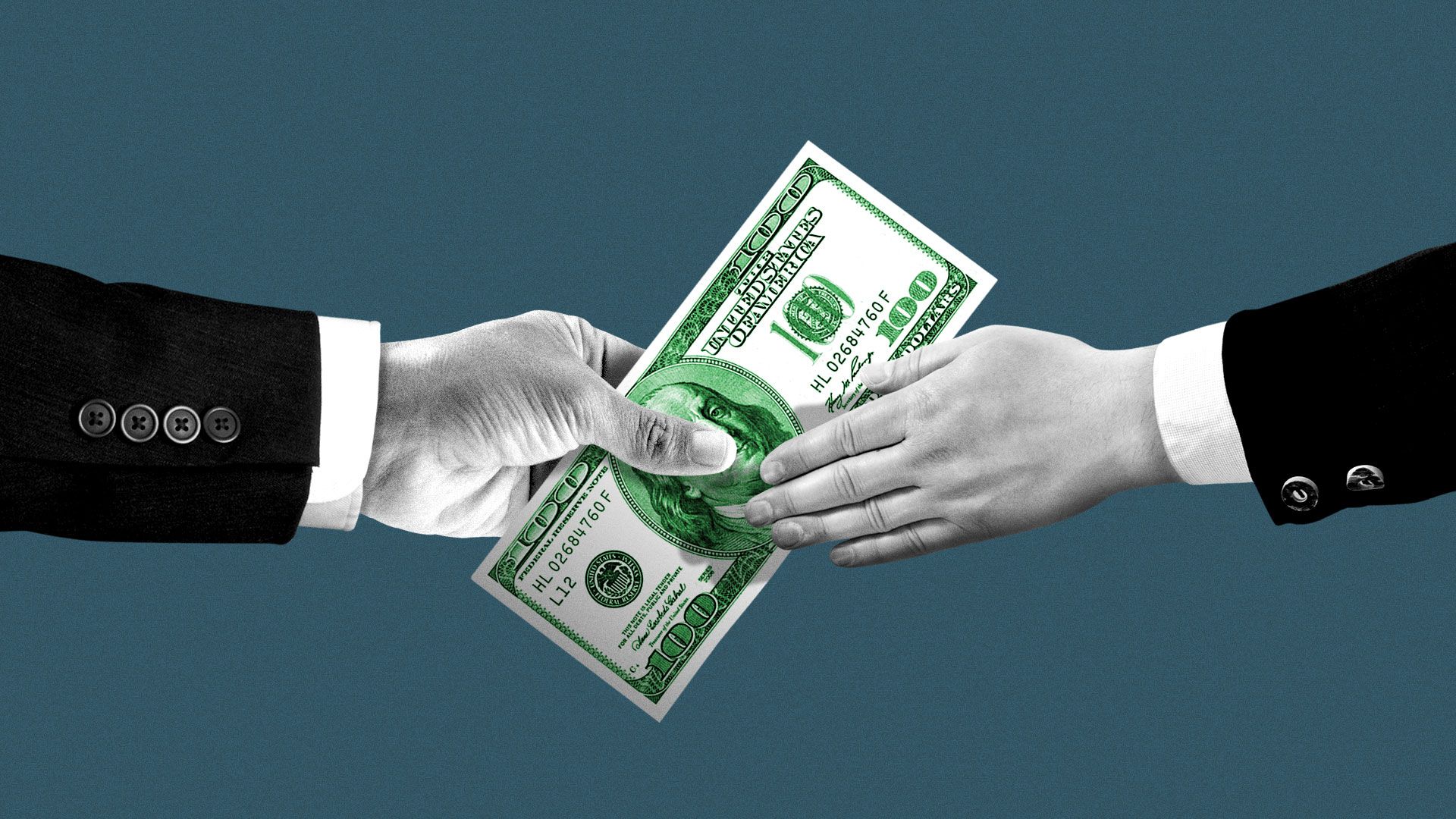
Access money — funneling cash to government officials in return for favors — is the dominant form of corruption in both China and the U.S., according to groundbreaking research by University of Michigan political scientist Yuen Yuen Ang.
Why it matters: Until now, international corruption comparisons were largely confined to Transparency International’s Corruption Perceptions Index, which views corruption as a third-world problem through Western eyes.
China's entry into the COVAX initiative means the list of non-participants in the global effort to develop and distribute coronavirus vaccines has dwindled down to Belarus, Kazakhstan, Malaysia, Russia, the U.S. and five small island countries or micro-states.
Breaking it down: 183 countries with a combined 93% of the world's population are either eligible for subsidized access or have said they intend to participate, though some have yet to sign formal agreements.