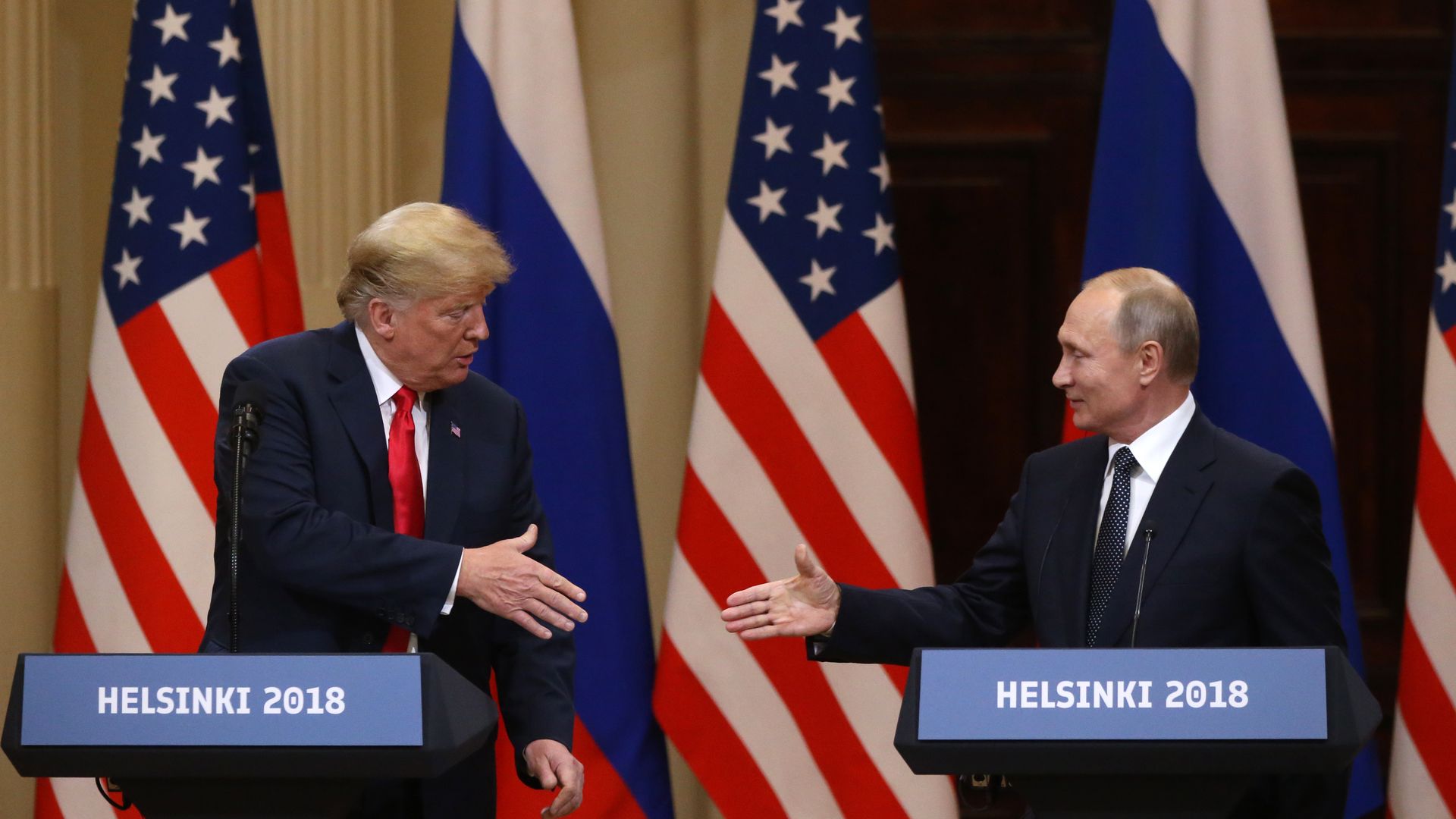
National Security Adviser Robert O'Brien said in a statement on Friday that Vladimir Putin's position for the extension the New START treaty was a "non-starter" — effectively confirming that hopes of a pre-election nuclear deal had been dashed.
Between the lines: Just a few days ago, senior administration officials were expressing confidence that a deal was close, or even agreed in principle. But senior Russian officials, including Putin, have since indicated that they see little chance of a complex deal on such an expedited timetable.
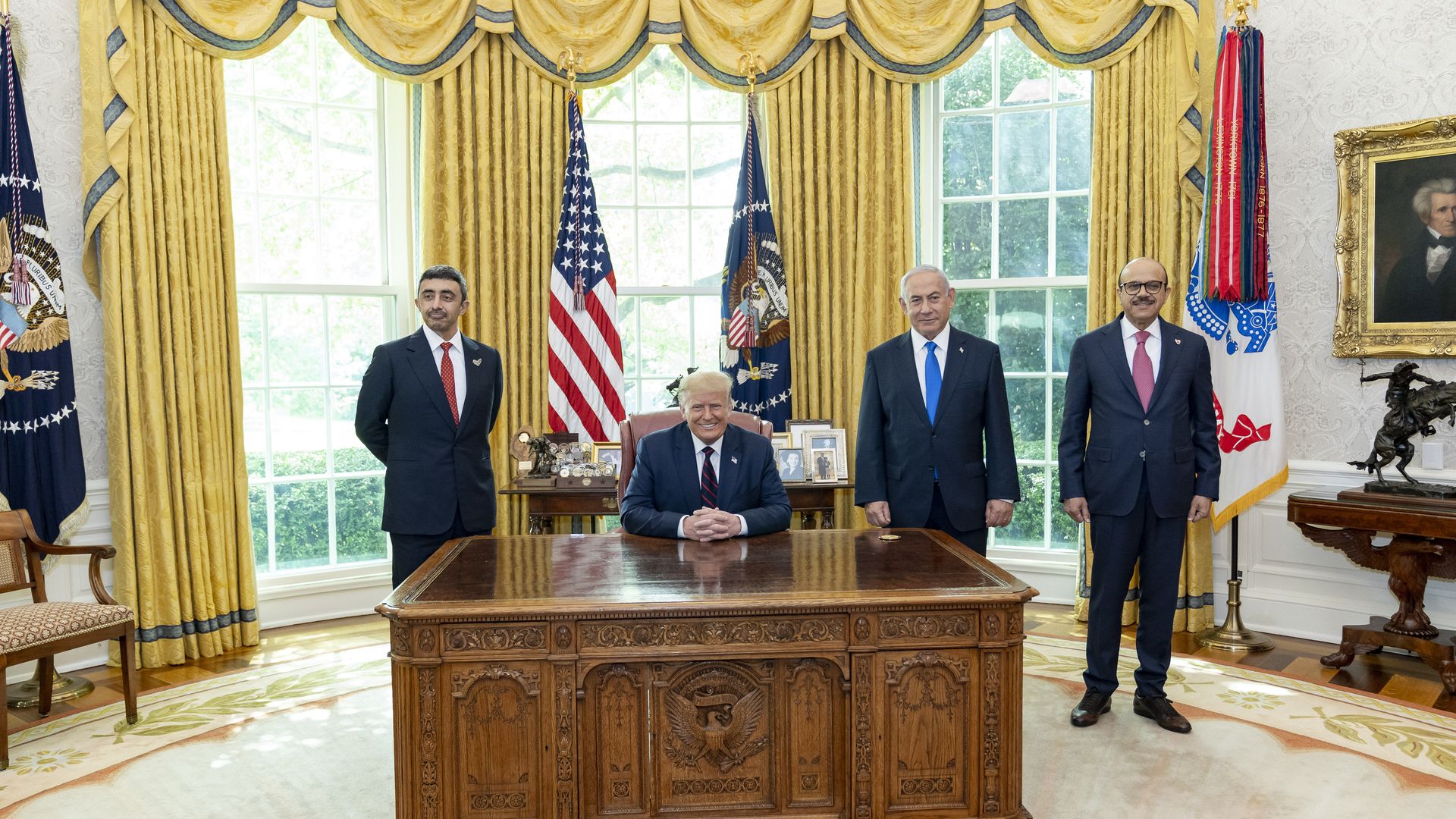
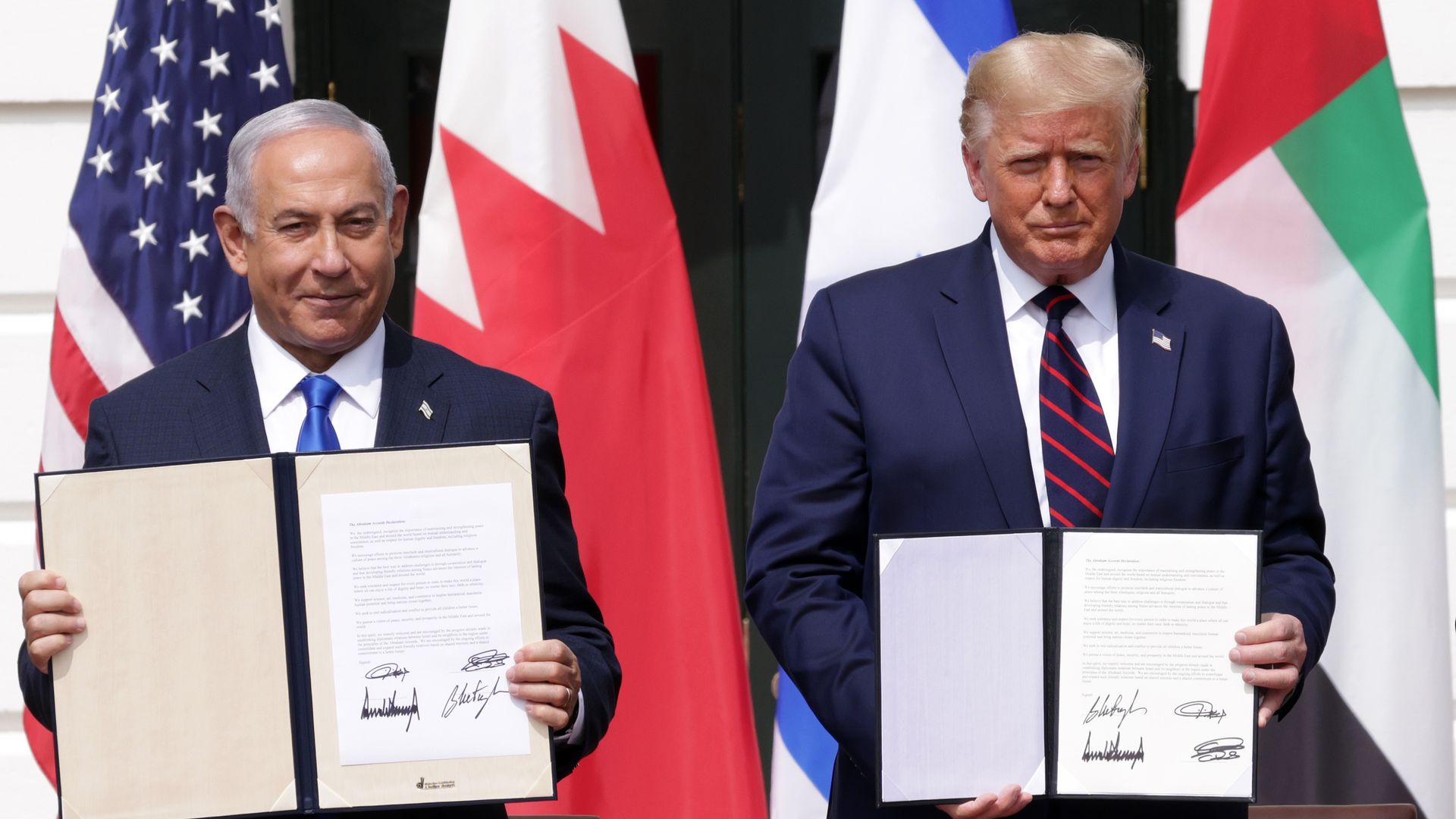
Israel and Bahrain will sign on Sunday a “joint communique on establishing peaceful and diplomatic relations” during a visit by a joint Israeli-U.S. delegation to Manama, Israeli and U.S. officials tell me.
Why it matters: The document that will be signed on Sunday is a significant step forward from the general “peace declaration” which was signed at the White House on September 15th, but still not of a full treaty like the one between Israel and the United Arab Emirates.
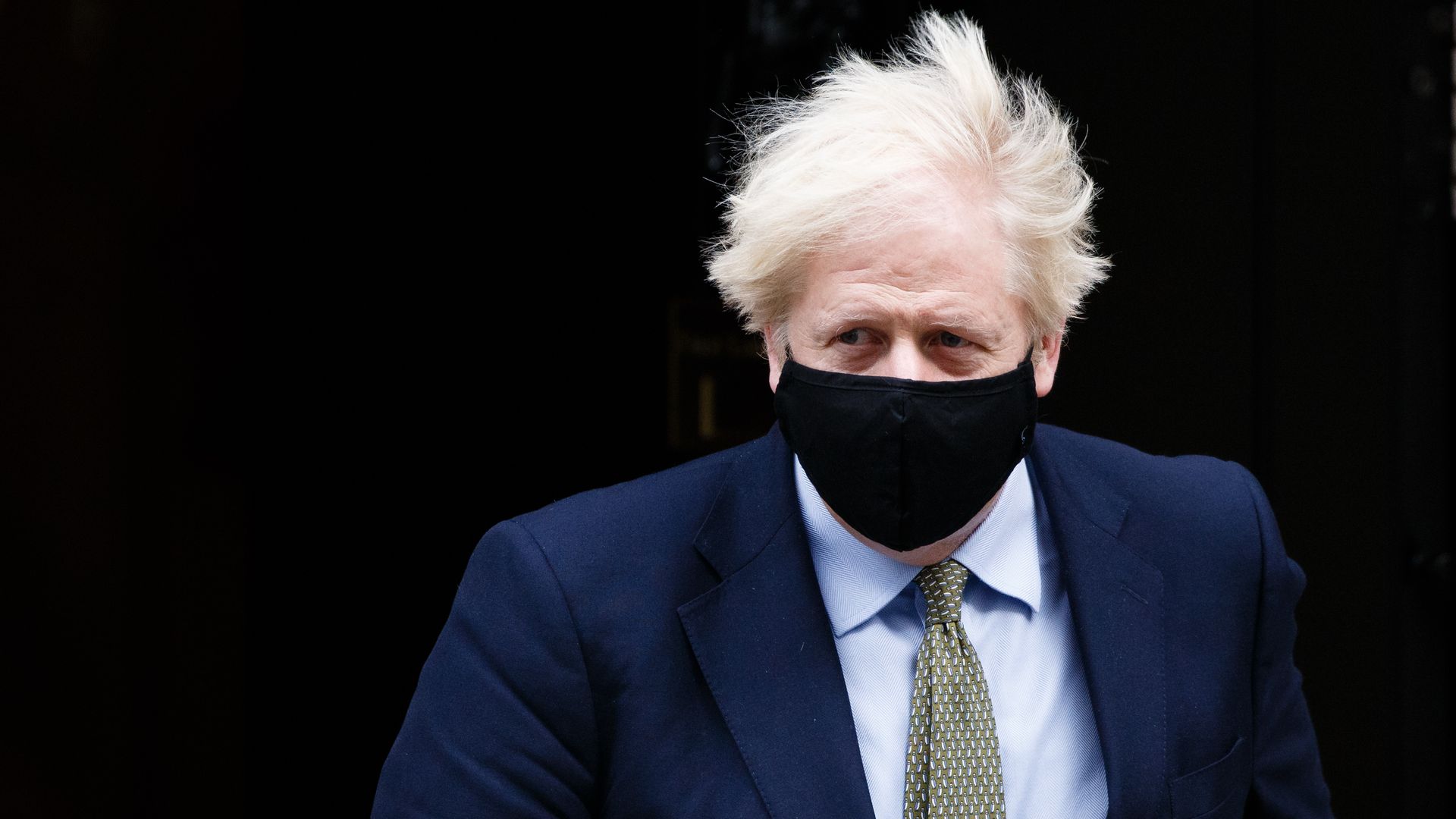
U.K. Prime Minister Boris Johnson has been caught between two prerogatives throughout the pandemic — his sober commitment to "follow the science" and his instinctive opposition to heavy-handed restrictions.
Why it matters: He now faces pressure from the opposition Labour Party to agree to a two-week "circuit breaker" lockdown, which the government's Scientific Advisory Group for Emergencies believes would reduce deaths before the end of the year by 29%–49%. But he's also under pressure from many in his Conservative Party to rule out any such measures.
British Prime Minister Boris Johnson said Friday that the U.K. must prepare for a no-deal split from the European Union, unless the bloc offers a "fundamental" change in its negotiations, AP reports.
What he's saying: "As far as I can see they have abandoned the idea of a free trade deal. ... Unless there is a fundamental change of approach we are going to go for the Australia solution," Johnson said, referencing Australia's lack of a substantive trade deal with the EU.
The pandemic has come storming back to Europe, and hope of a return to normality is being replaced by a much more ominous prospect: the return to lockdown.
The big picture: Case counts in countries like France and Spain have skyrocketed past the numbers seen during the spring peak. While that’s partially due to more widespread testing, it’s now clear that deaths are climbing too.
The Israeli Knesset approved the U.S.-brokered normalization treaty with the United Arab Emirates on Thursday.
Why it matters: The treaty was previously approved by the cabinet, which will now be asked to ratify it. It won't come into force until approved by the UAE.
Chinese students make up 16%of all graduate STEM students in the U.S. and 2% of undergraduate STEM students, per a new report from Georgetown University's Center for Security and Emerging Technology.
Yihai Kerry Arawana, the Chinese unit of Singapore-listed agribusiness Wilmar, raised $2 billion in a highly-oversubscribed IPO. The company is best known for its namesake cooking oil, whose logo is a golden dragon fish.
Why it matters: This was the largest-ever IPO on the Shenzhen Stock Exchange.
Germany on Thursday became the latest European country to announce new restrictions this week amid record coronavirus case numbers. But governments are seeking to avoid a second round of nationwide lockdowns.
Why it matters: Widespread lockdowns to contain the spread of the virus have devastated economies around the world.