The Justice Department announced charges Monday against a Texas A&M University professor accused of conducting research for NASA while hiding his affiliations with a Chinese University and at least one Chinese company.
What happened: A complaint unsealed Monday alleges that Zhengdong Cheng, 53, participated in China's Thousand Talents Plan, which seeks to recruit "high-level scientific talent in furtherance of China’s scientific development, economic prosperity and national security."
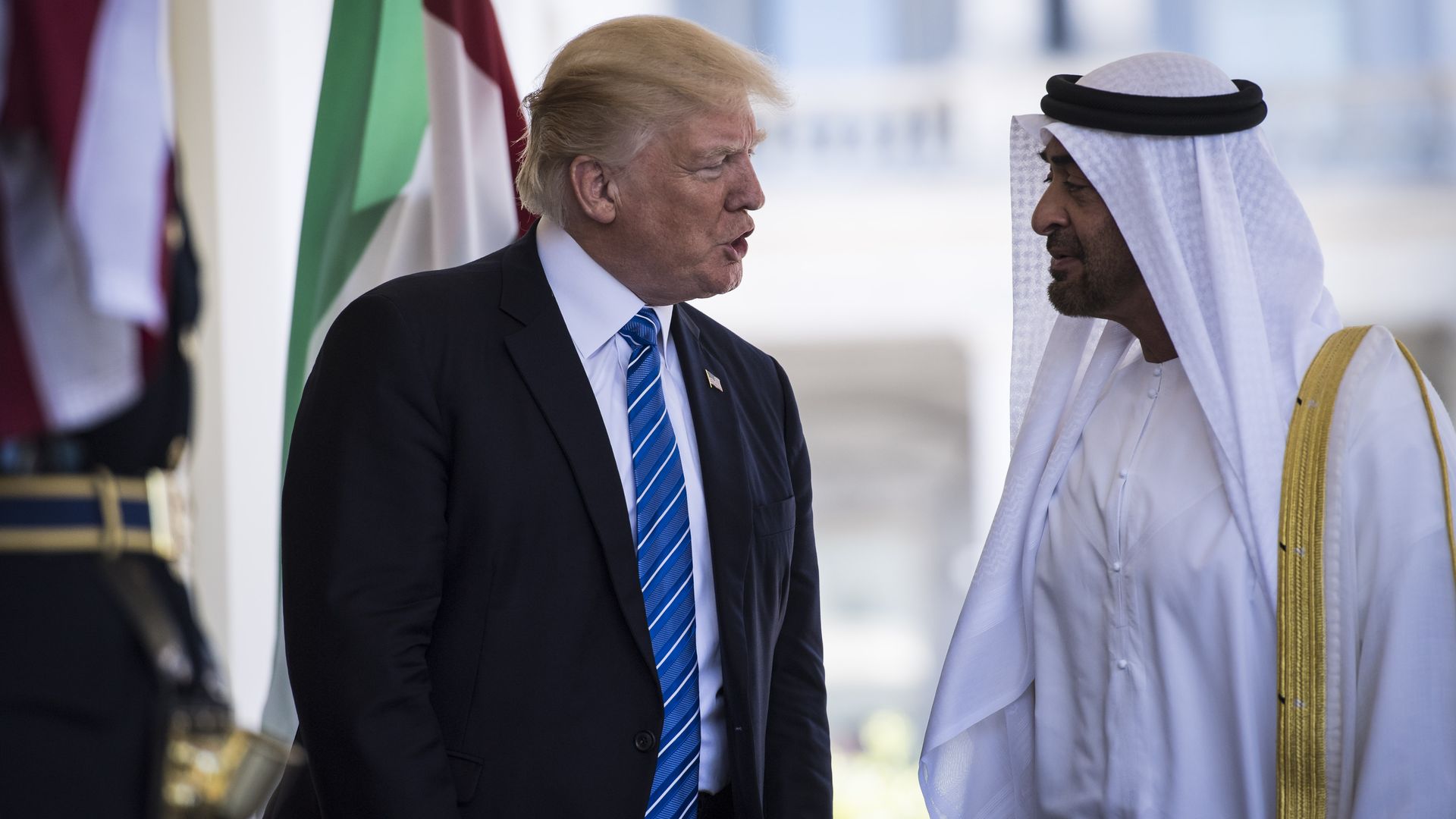
The United Arab Emirates canceled a planned trilateral meeting with the U.S. and Israel last Friday to send a message to Israeli Prime Minister Benjamin Netanyahu over his opposition to a pending arms deal between the U.S. and UAE, three sources with knowledge of the matter tell me.
Why it matters: Just days after Israel and the UAE announced a landmark normalization deal, there has already been a spike in tensions.
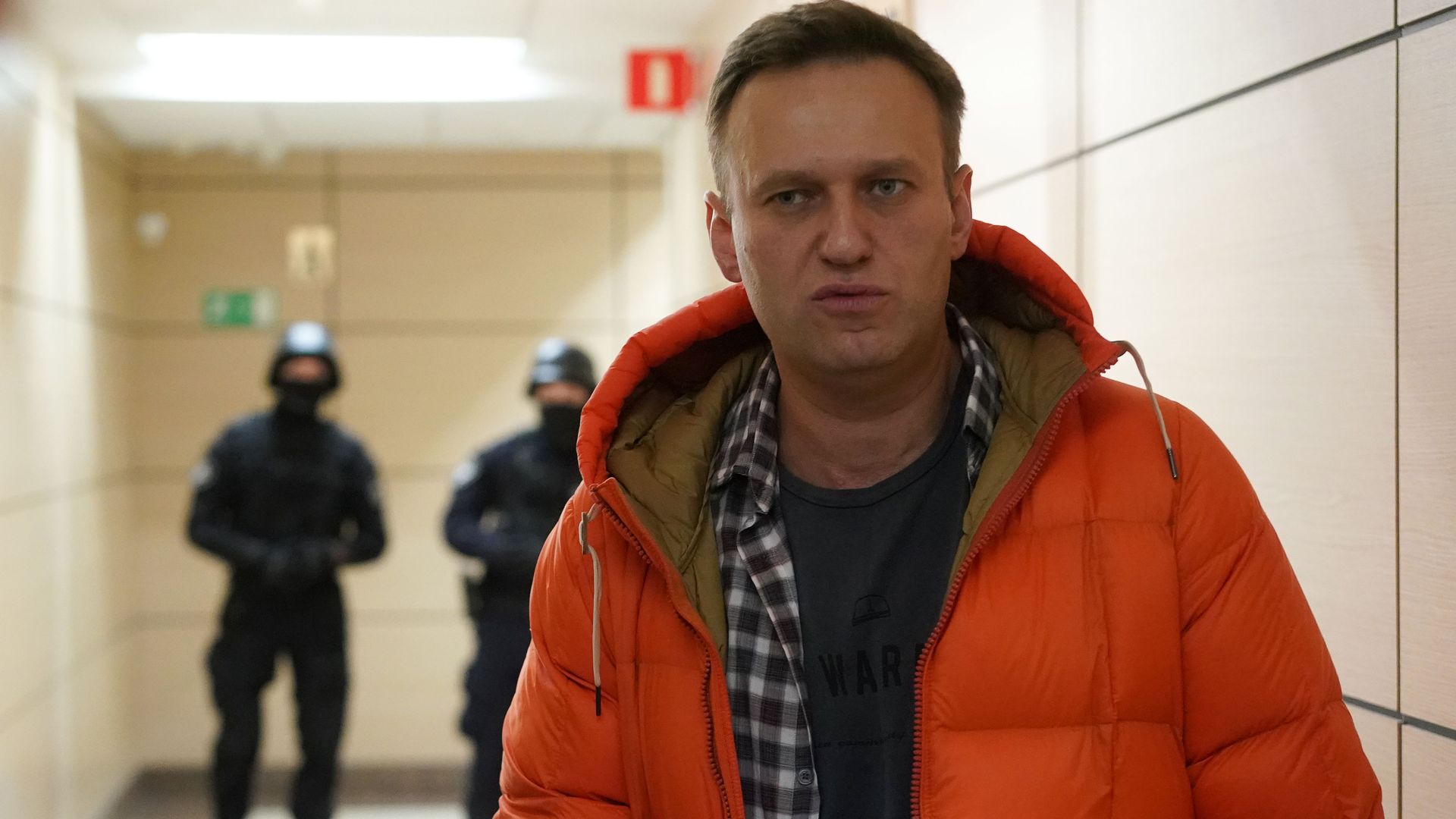
Russian opposition leader Alexei Navalny was probably poisoned but is not currently in danger of dying, according to doctors at the Berlin hospital where he remains in an induced coma, per AP.
Why it matters: Navalny is the best-known critic of Russian President Vladimir Putin, and several other prominent government critics have been poisoned in recent years.
TikTok is suing the Trump administration over the president's executive order to ban the app unless it's sold to a U.S. company, arguing it's no security threat and that it was deprived due process.
Why it matters: There are bipartisan concerns that TikTok, owned by Chinese company ByteDance, could share U.S. user data with Beijing. TikTok has lobbied aggressively to dispel those accusations and now says the executive order is invalid because the government has failed to prove that point.
TikTok is expected to sue the Trump administration Monday over its move to ban the app, in what's likely to be an explosive and closely watched court battle.
Why it matters: The Trump administration has given ByteDance, TikTok's Chinese parent company, a deadline to divest its U.S. operations or else see its massively popular social video app banned.
China is moving ahead "rapidly" with its version of a central bank-issued digital currency and the Fed looks to be prioritizing development and moving forward with urgency to produce one in the U.S. as well.
Why it matters: Digital currencies would provide a number of new policy tools to help stimulate the economy, including allowing Congress to send money more quickly and efficiently to Americans or facilitating direct transmissions from the Fed to consumers.
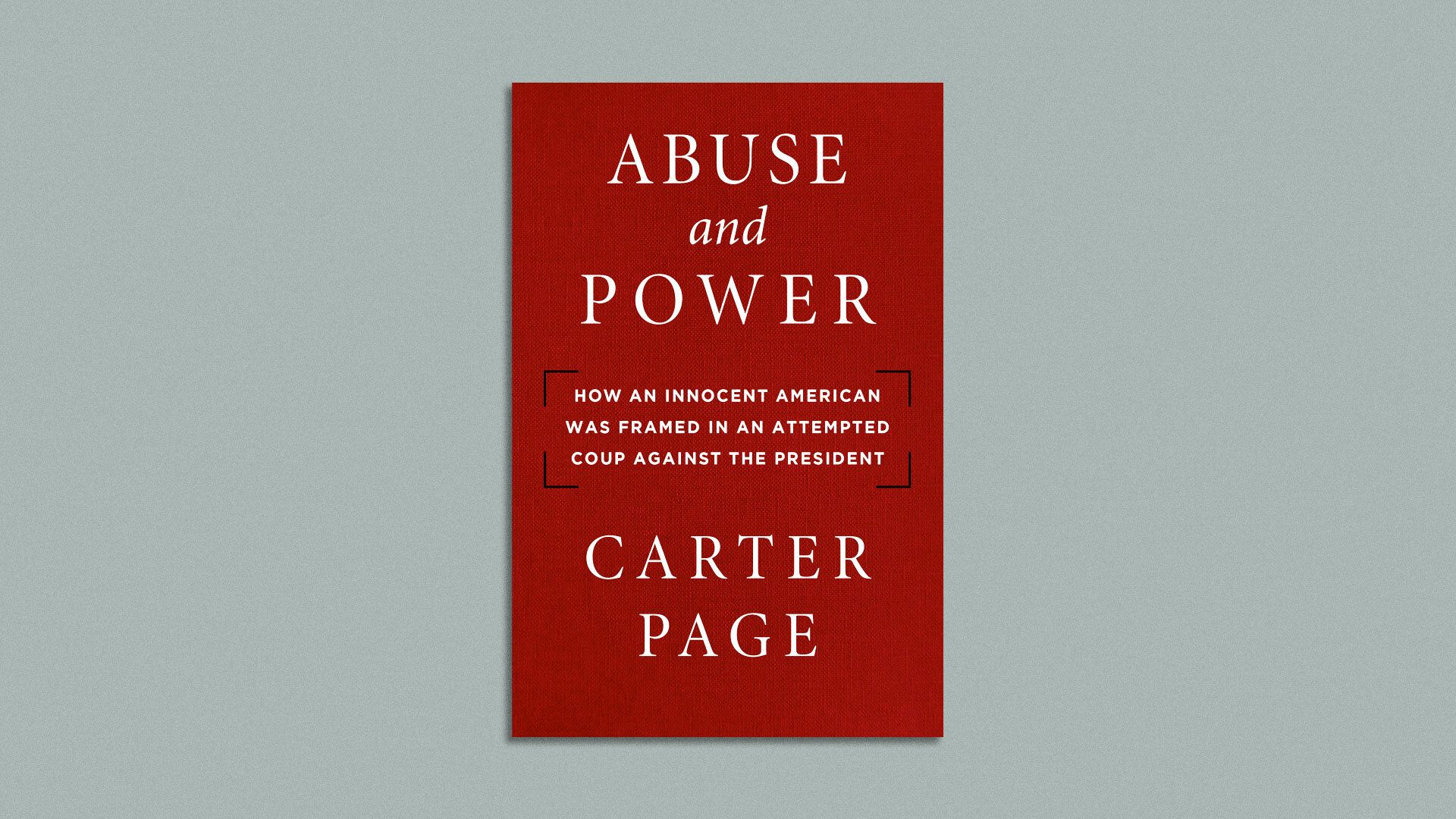
In his new book — soon to make the Fox News/opinion circuit — former Trump campaign adviser Carter Page details his 2016 trip to Russia to deliver a commencement speech at the New Economic School (NES), which later became a subject of keen interest to the FBI.
Between the lines: On Tuesday, the Senate Intelligence Committee released the final volume of its Russia report, which revealed Page “was likely a subject of interest to Russian officials during the 2016 election, given that he was the only member of the Trump Campaign's foreign policy advisory team publicly identified as a Russia expert.”
Former FBI director James Comey argued on Sunday that the Senate Intelligence Committee's report on 2016 Russian interference "blows up" President Trump and Attorney General Bill Barr's claims that the FBI's Russia investigation was unjustified and a "hoax."
Why it matters: The 966-page bipartisan report, which goes into more detail than the Mueller report, found that Trump campaign manager Paul Manafort passed sensitive internal polling data and strategy to a Russian intelligence officer who may have been involved in the hacking of Democratic emails.
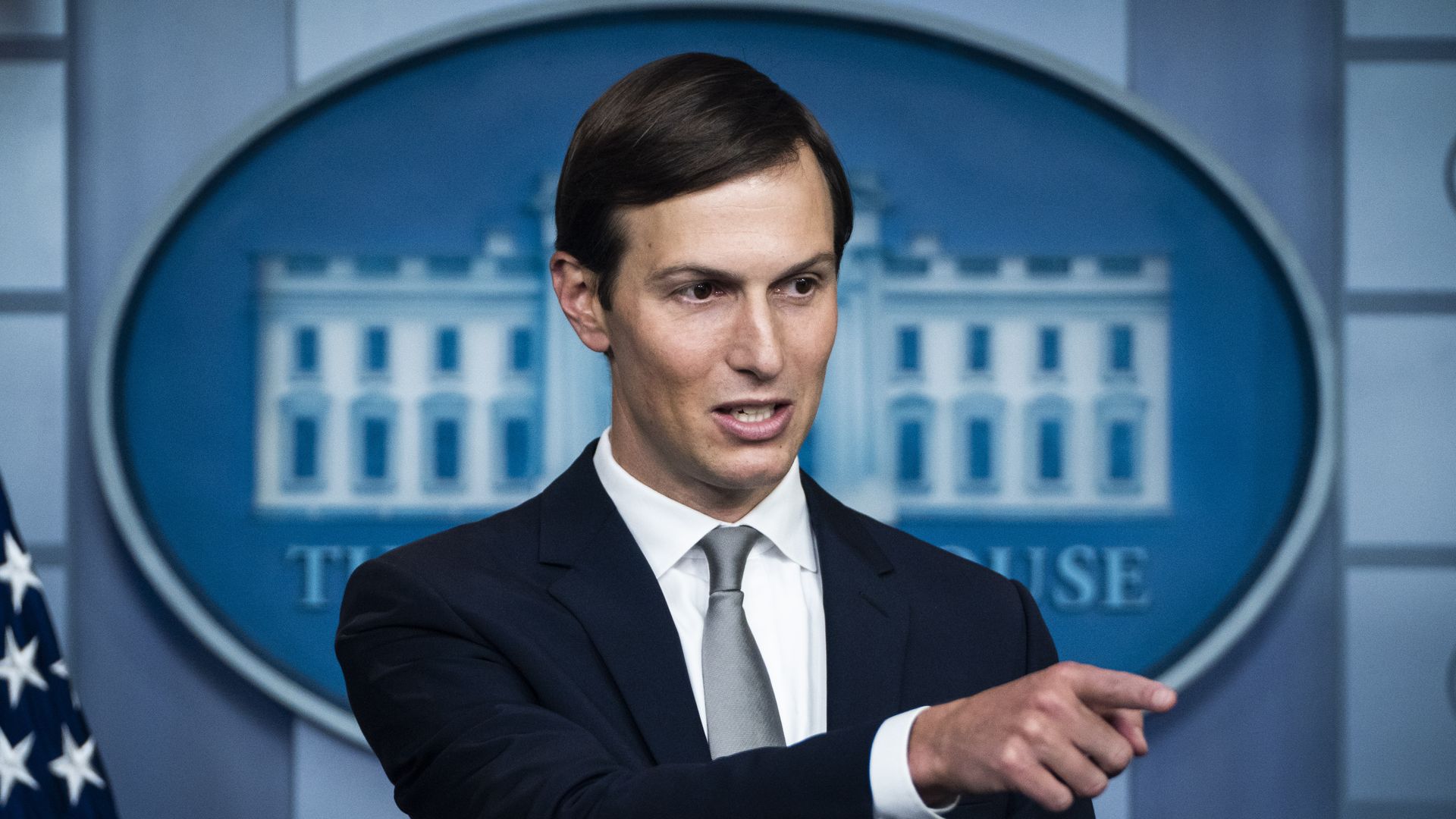
White House senior adviser Jared Kushner told CNN Sunday that the U.S.-brokered normalization deal between Israel and the UAE increases the probability that the Trump administration would agree to sell F-35 jets to the UAE.
Why it matters: Israel is the only country in the Middle East to possess the F-35, the United States' most advanced fighter aircraft. Reports that Prime Minister Benjamin Netanyahu signed off on potential sales to the UAE — which he denies — ignited a political controversy in Israel.







/2020/08/24/1598269819622.gif?w=3840)