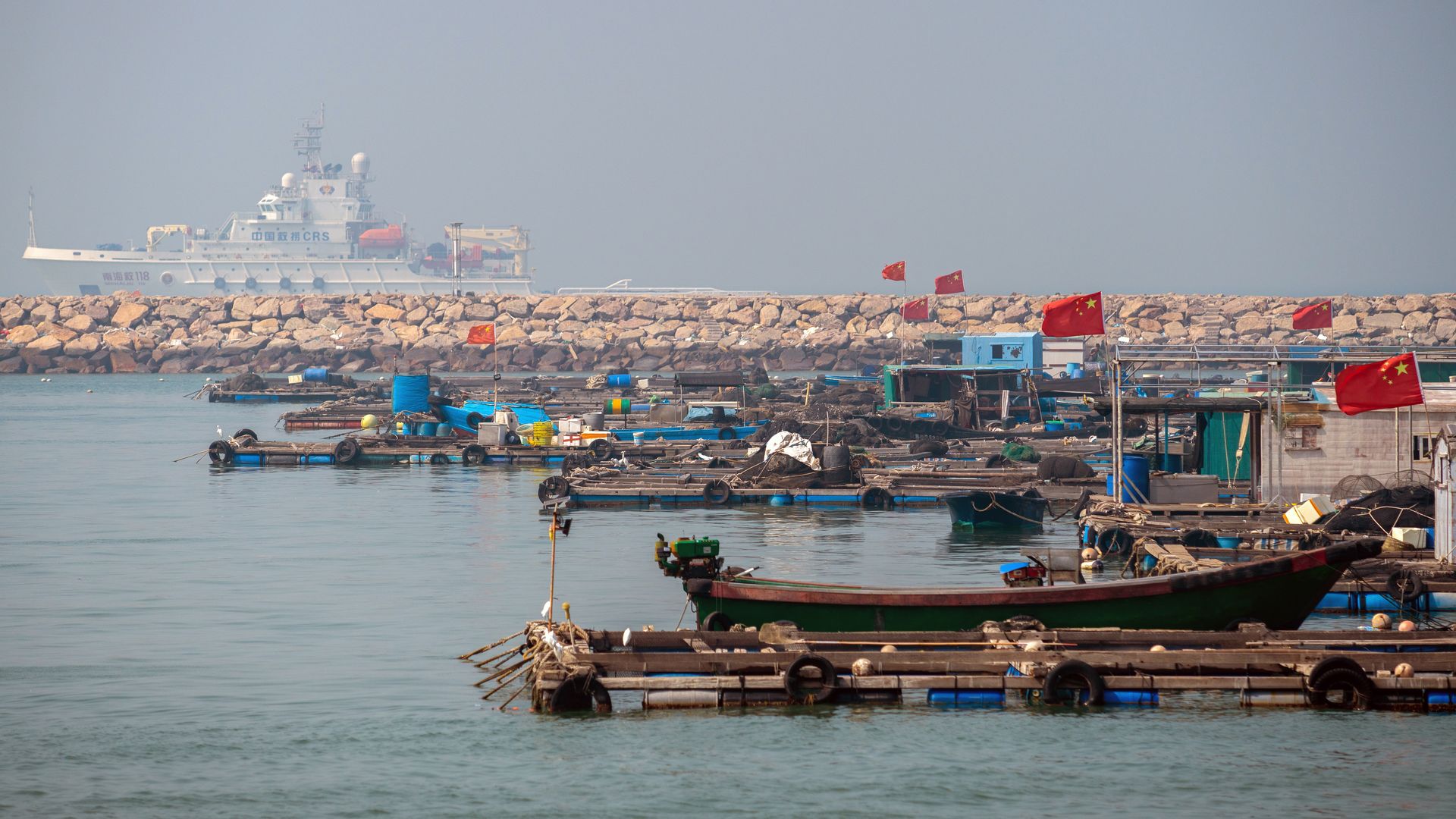
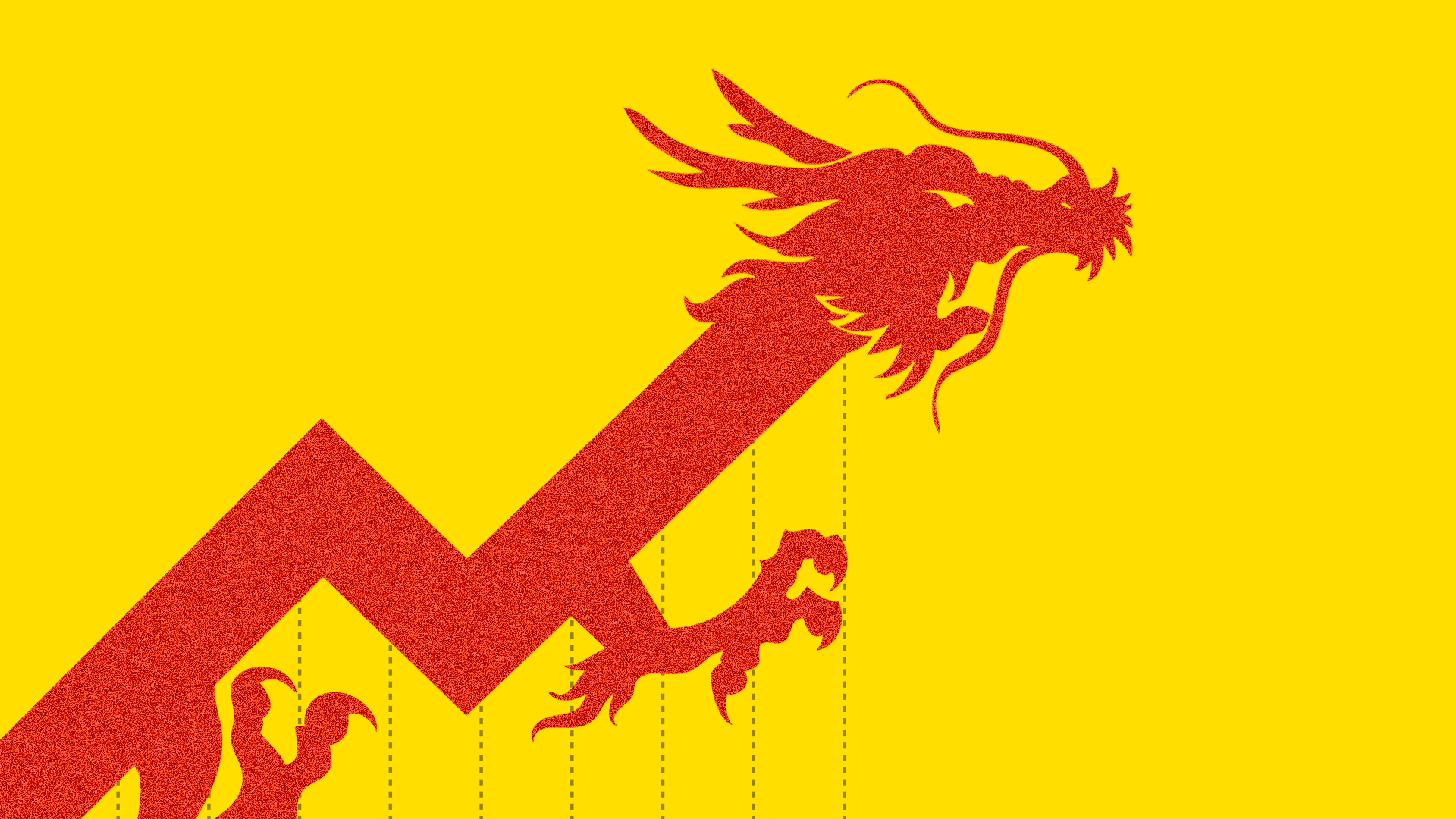
The Department of Commerce on Wednesday blacklisted 24 Chinese firms for "helping the Chinese military construct and militarize the internationally condemned artificial islands in the South China Sea."
Why it matters: The move comes as the Trump administration continues to ramp up pressure on Beijing amid escalating tensions in the disputed region.
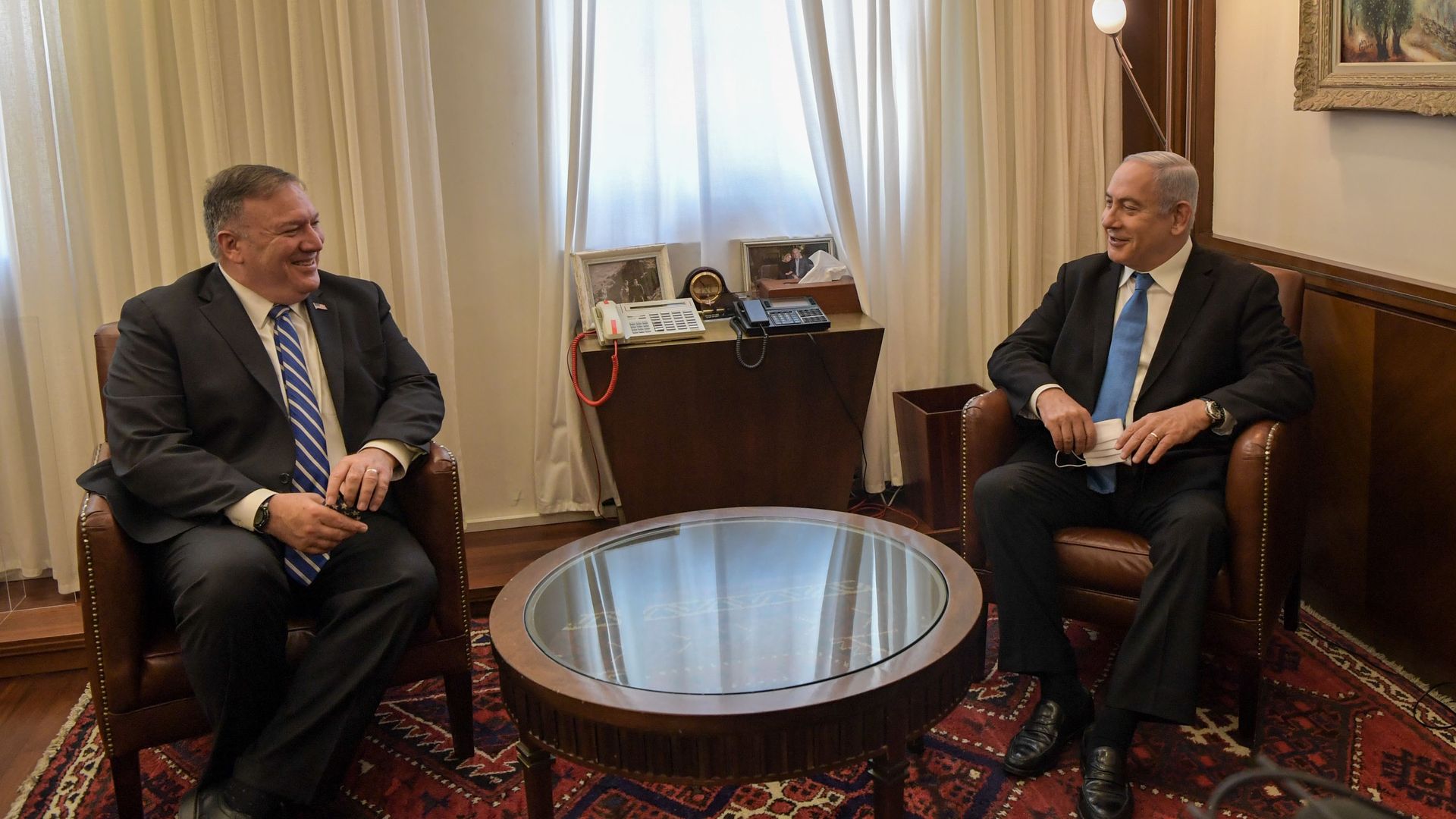
Secretary of State Mike Pompeo pressed Israeli Prime Minister Benjamin Netanyahu during their meeting in Jerusalem on Monday to further cool relations with China and limit Chinese investments in Israel over the new strategic partnership agreement China signed with Iran, Israeli and U.S. officials said.
Why it matters: The Trump administration has been lobbying Israel for two years to scale back its relations with China. Until now, those efforts have had very little success.
Total U.S. imports have risen in August after 10 straight months of declines, data from S&P Global shows, with U.S. imports by sea growing by 7% year over year in the first 15 days of the month.
Details: Imports from China surged 14.3% higher year over year in the first half of August after increasing by 4.3% in July, per Panjiva, the supply chain research unit of S&P Global Market Intelligence. Exports from the EU rose by 7.5% after falling 13.9% in July. Growth was not universal with shipments from Asia, excluding China, down by 4.6% due to a continued decline in imports from Japan.
To satisfy the conditions of the phase one U.S.-China trade deal, China is expected to purchase at least $200 billion more in U.S. exports combined in 2020 and 2021. Data shows that as of July they are more than 50% behind the pace of expected purchases.
By the numbers: So far, China's purchase of covered products was $39.3 billion, compared with a year-to-date target of $83.2 billion, Chad Bown, a fellow at the Peterson Institute for International Economics, notes.
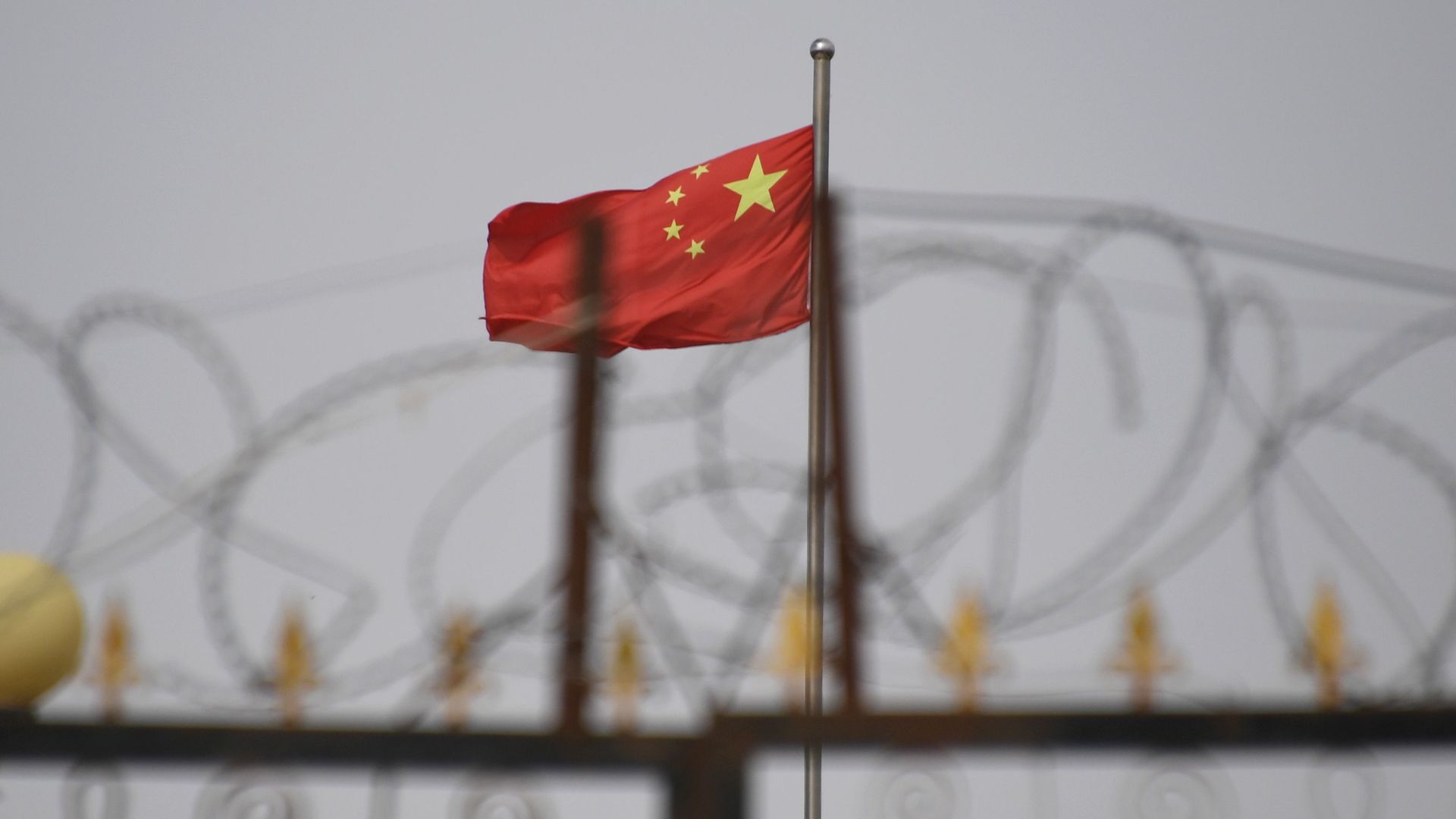
The Biden campaign said in a statement Tuesday that the Chinese government's oppression of Uighur Muslims and other ethnic minorities in the northwest region of Xinjiang is "genocide," and that Joe Biden "stands against it in the strongest terms."
Why it matters: Genocide is a serious crime under international law, and the U.S. government has adopted the formal label only on rare occasions after extensive documentation.
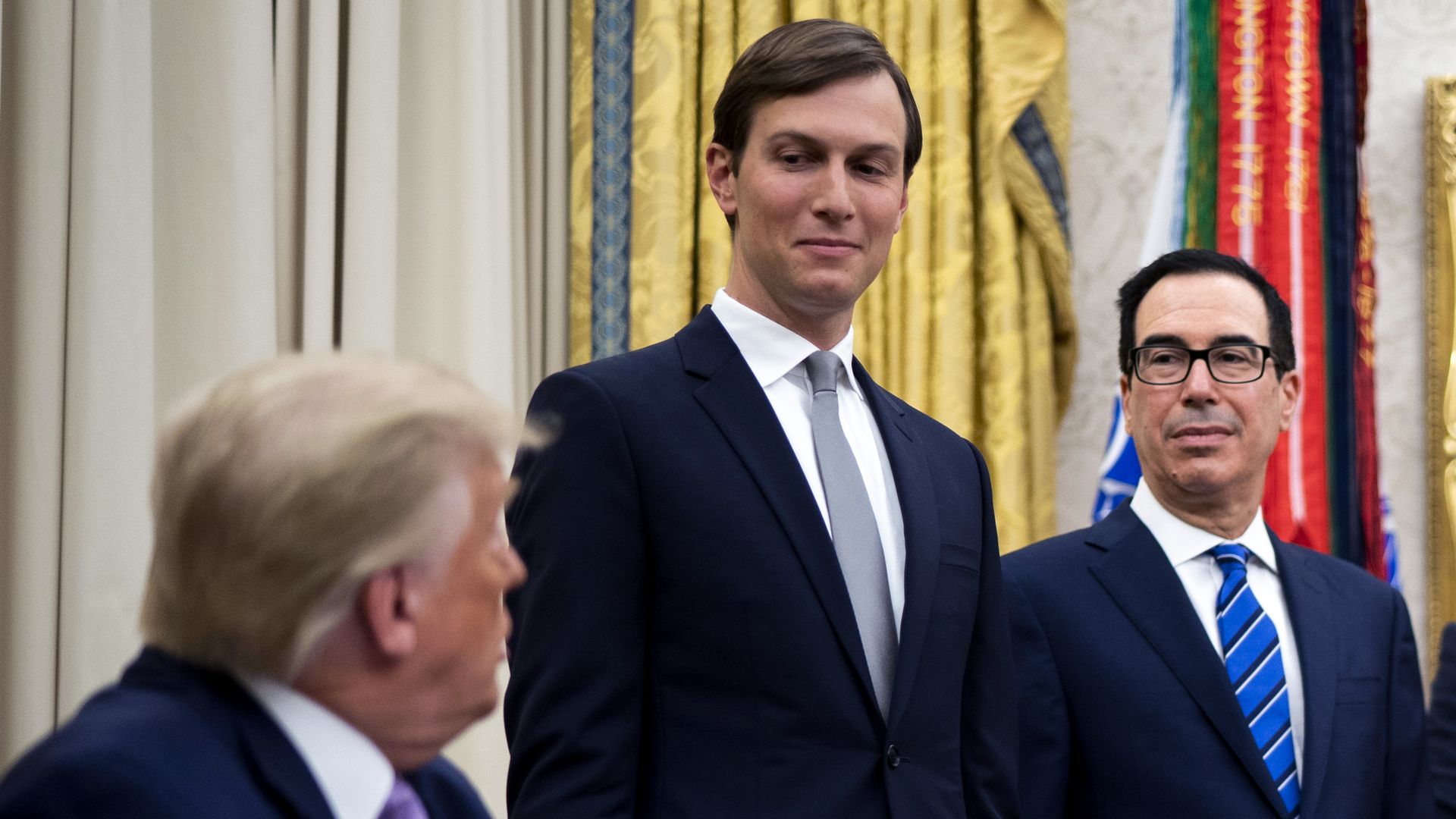
Jared Kushner will travel next Monday on the first direct commercial flight from Tel Aviv to Abu Dhabi following a U.S.-brokered normalization agreement, the White House and the Israeli Prime Minister’s Office announced.
Why it matters:Kushner’s trip will facilitate the beginning of direct talks on various aspects of the Israel-UAE normalization process amid tensions over a pending sale of F-35 jets from the U.S. to the UAE.
Chinese financial tech giant Ant Group today filed for what could become the largest initial public offering of all time, with plans to list in Hong Kong and Shanghai.
Axios Re:Cap digs into why this deal is as much about geopolitics as it is about stocks, and why New York got left behind.
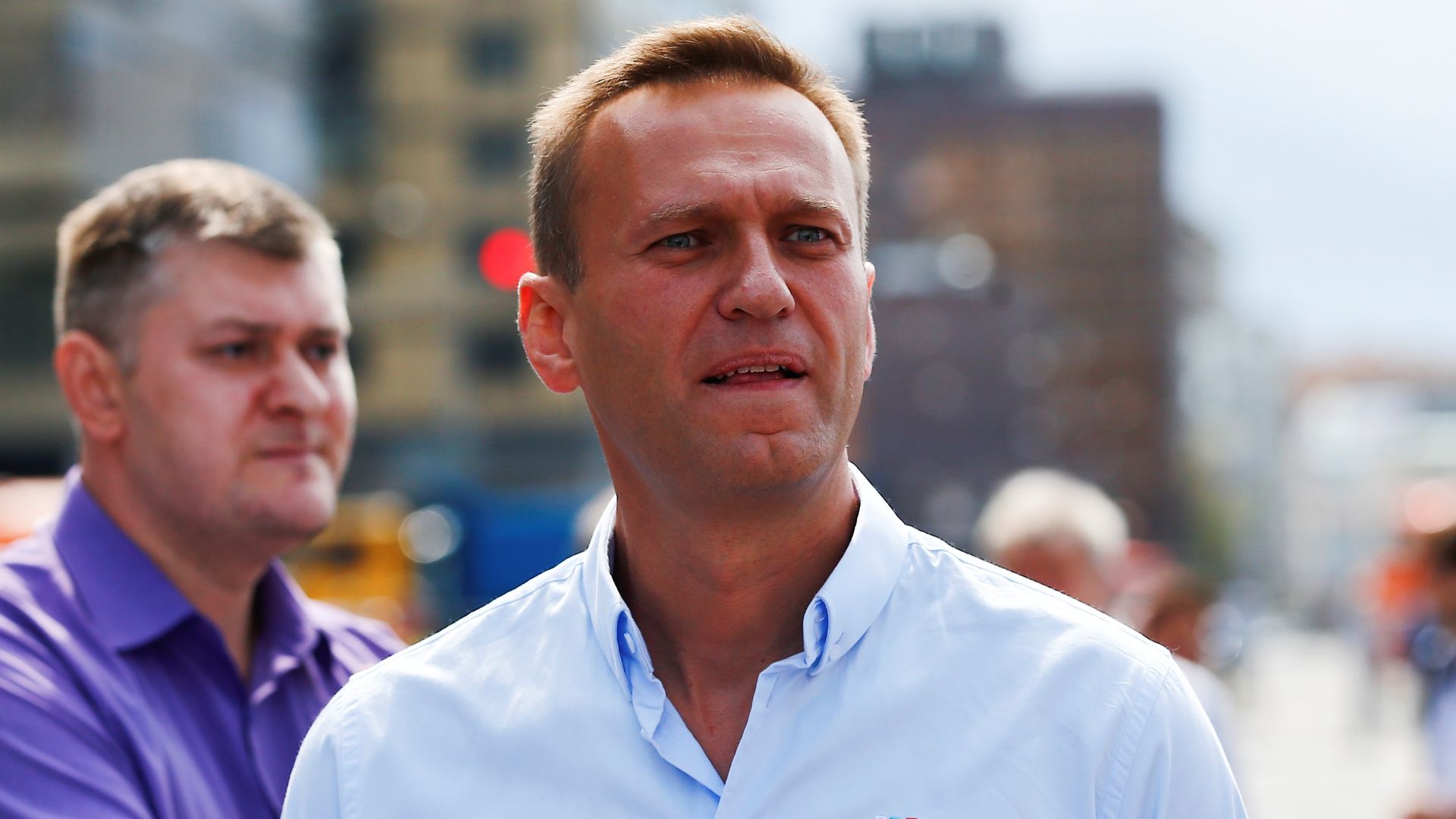
U.S. Ambassador to Russia John Sullivan said Tuesday that Russia must conduct an "immediate, comprehensive, and transparent investigation" on the apparent poisoning of opposition leader Alexei Navalny. Secretary of State Mike Pompeo later issued a statement saying he is "deeply concerned" and supports calls for a "comprehensive investigation."
Why it matters: Sullivan's statement was the first from a top American official demanding that Russia take action since Navalny was first admitted to a hospital last week.
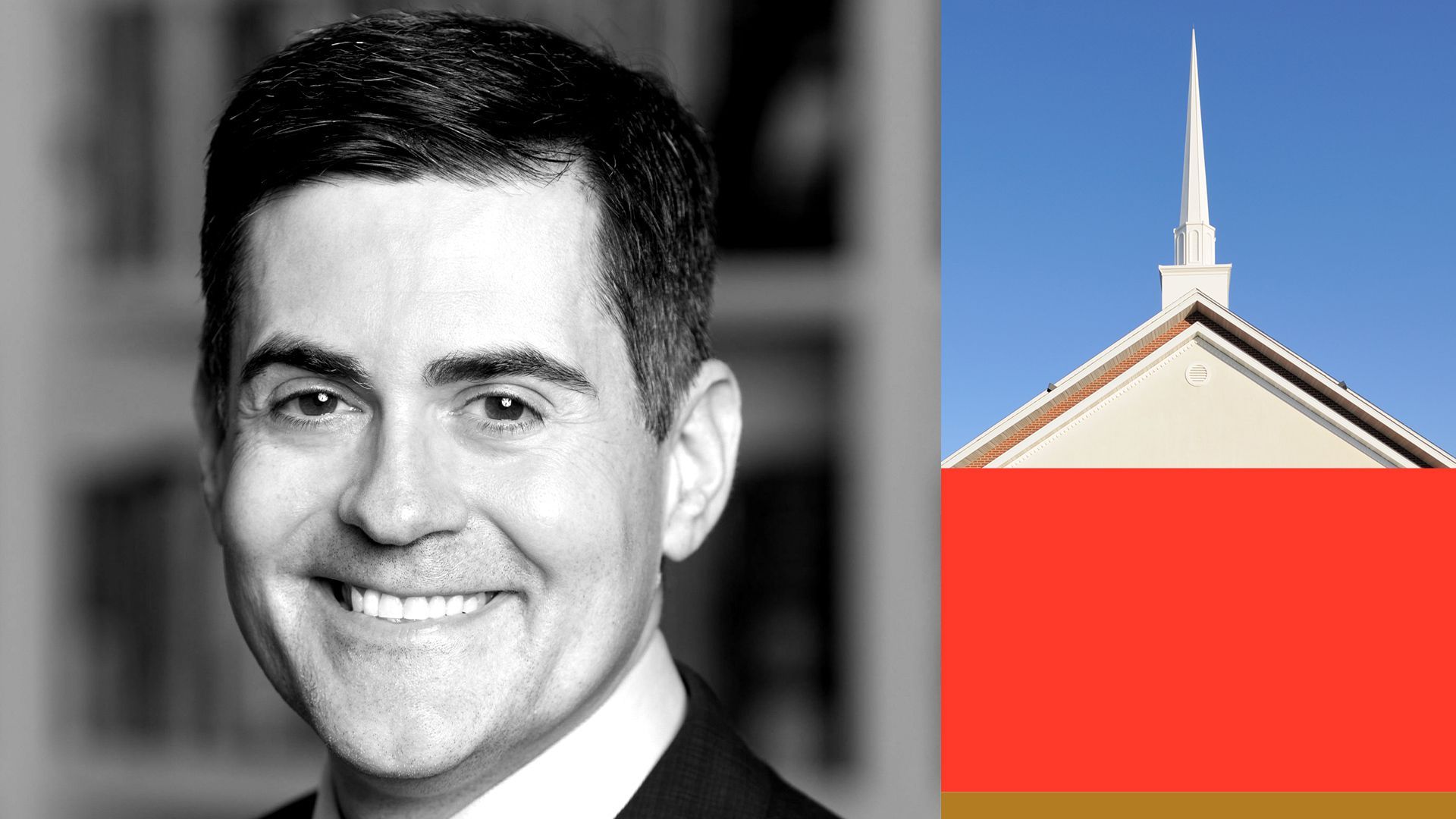
Russell Moore, the president of the Southern Baptist Convention's Ethics and Religious Liberty Commission, is trying to educate Christians about the cultural and demographic genocide that China is perpetrating against its Muslim population.
Why it matters: "If no one in the world is going to notice that someone is gone, then the CCP can do whatever it wants," says Moore.
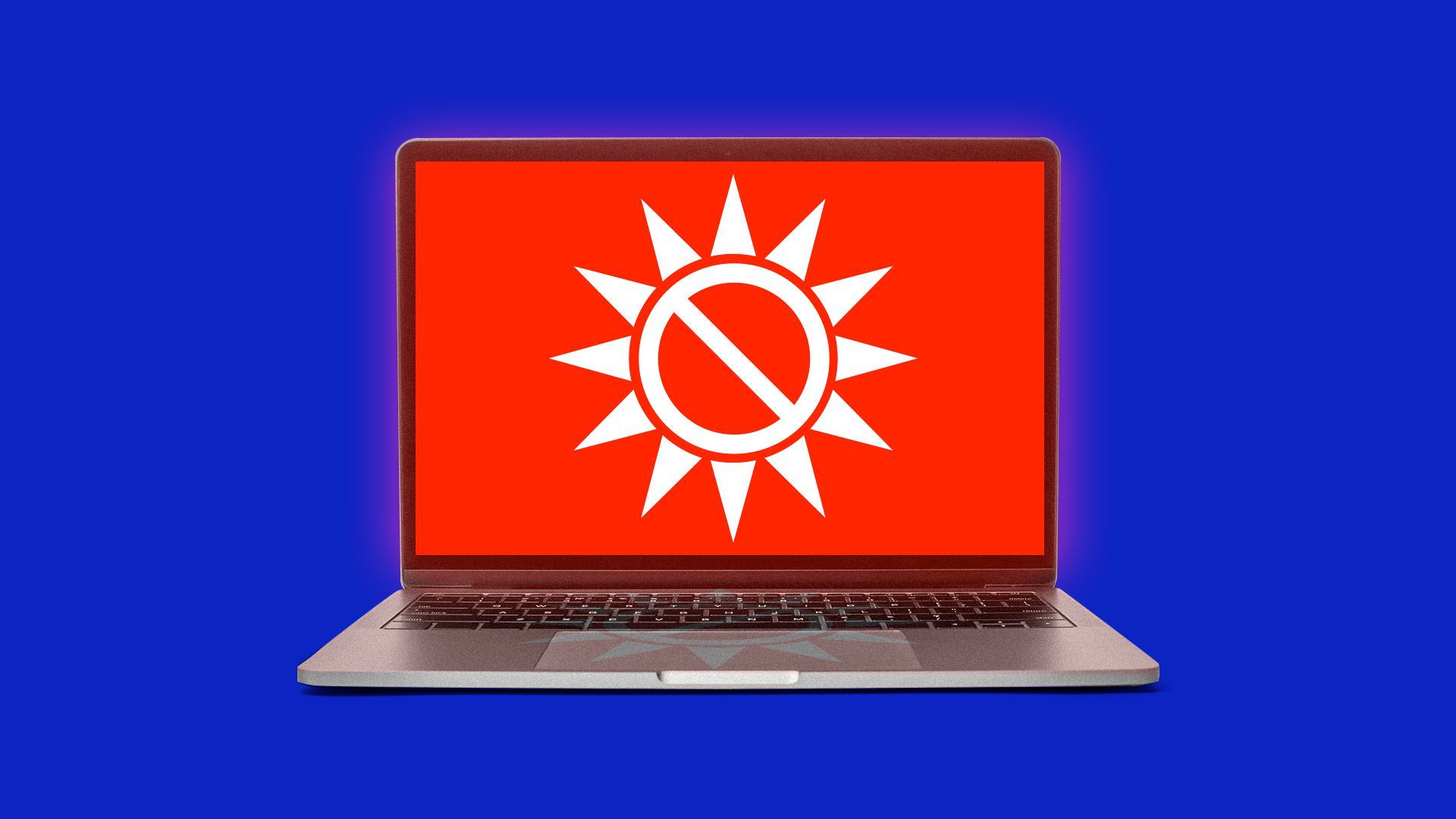
Taiwan has recently issued a series of restrictions on Chinese tech companies, from streaming apps to e-commerce.
Why it matters: Critics say that recent U.S. restrictions on Chinese tech companies stem from Trumpism rather than legitimate concerns. But Taiwan is spooked by Chinese tech as well.
Ant Financial on Monday filed for an initial public offering in Hong Kong and Shanghai, after years of speculation and anticipation.
Why it matters: This could be the largest IPO of all time, topping the $29 billion raised last year by Saudi Aramco. It's also a passive aggressive escalation of China-U.S. tensions, with Ant snubbing New York.
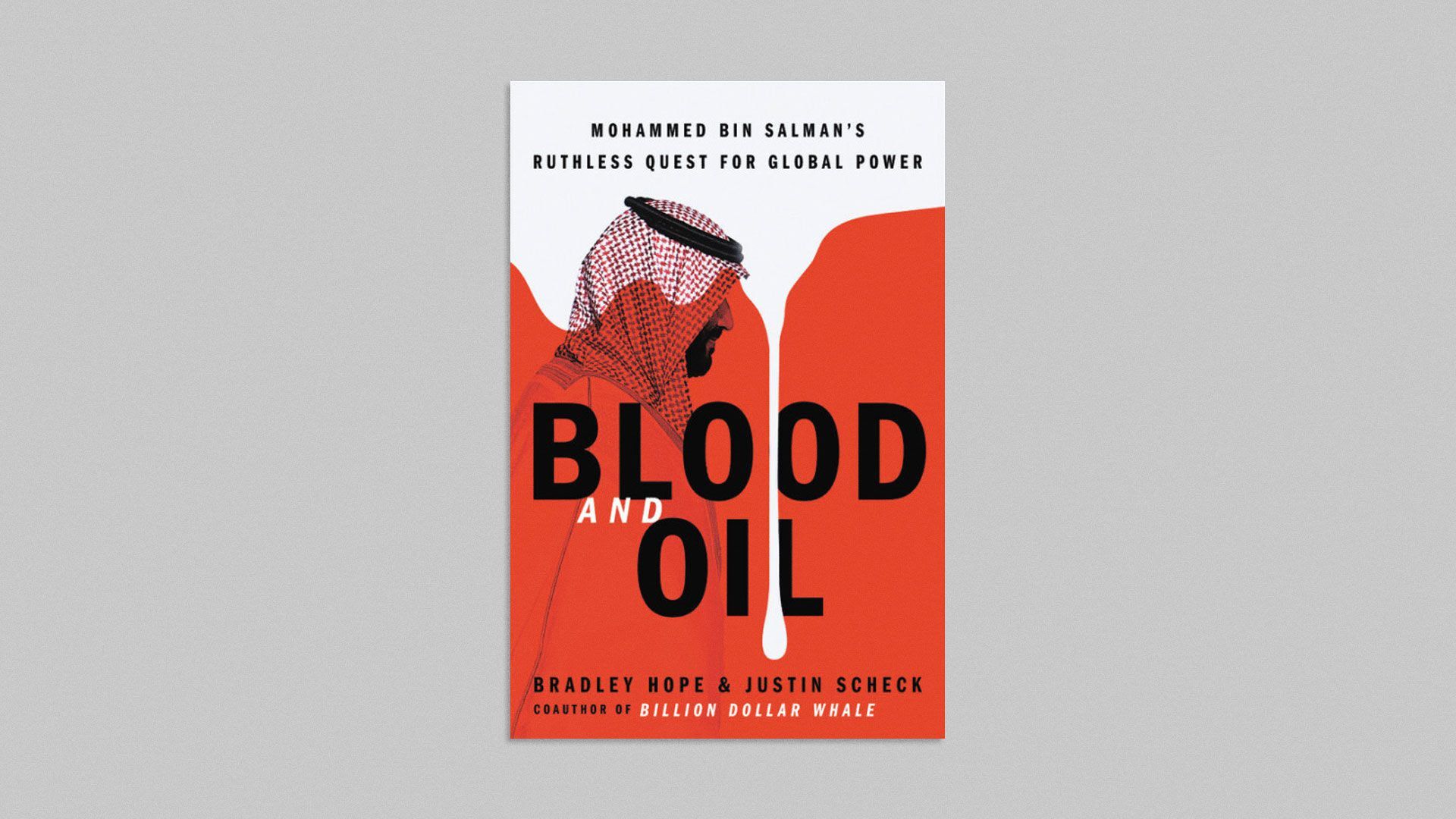
"Blood and Oil: Mohammed bin Salman's Ruthless Quest for Global Power," by Wall Street Journal reporters Bradley Hope and Justin Scheck, is coming a week from Tuesday from Hachette Books.
One reveal: "As King Abdullah lay dying, a veritable 'Game of Thrones' got underway among descendants of the Al Saud family. Salman and his son, Mohammed, won out despite efforts from other senior princes to undermine their ascent to rule the country."
The U.S. "disrupted a concerted effort to undermine the midterm elections" in 2018, writes NSA Director and head of U.S. Cyber Command Paul Nakasone, along with senior Cyber Command adviser Michael Sulmeyer, in Foreign Affairs.
Why it matters: Nakasone and Sulmeyer reveal that lessons from those incidents are being used to protect November's election from foreign interference.
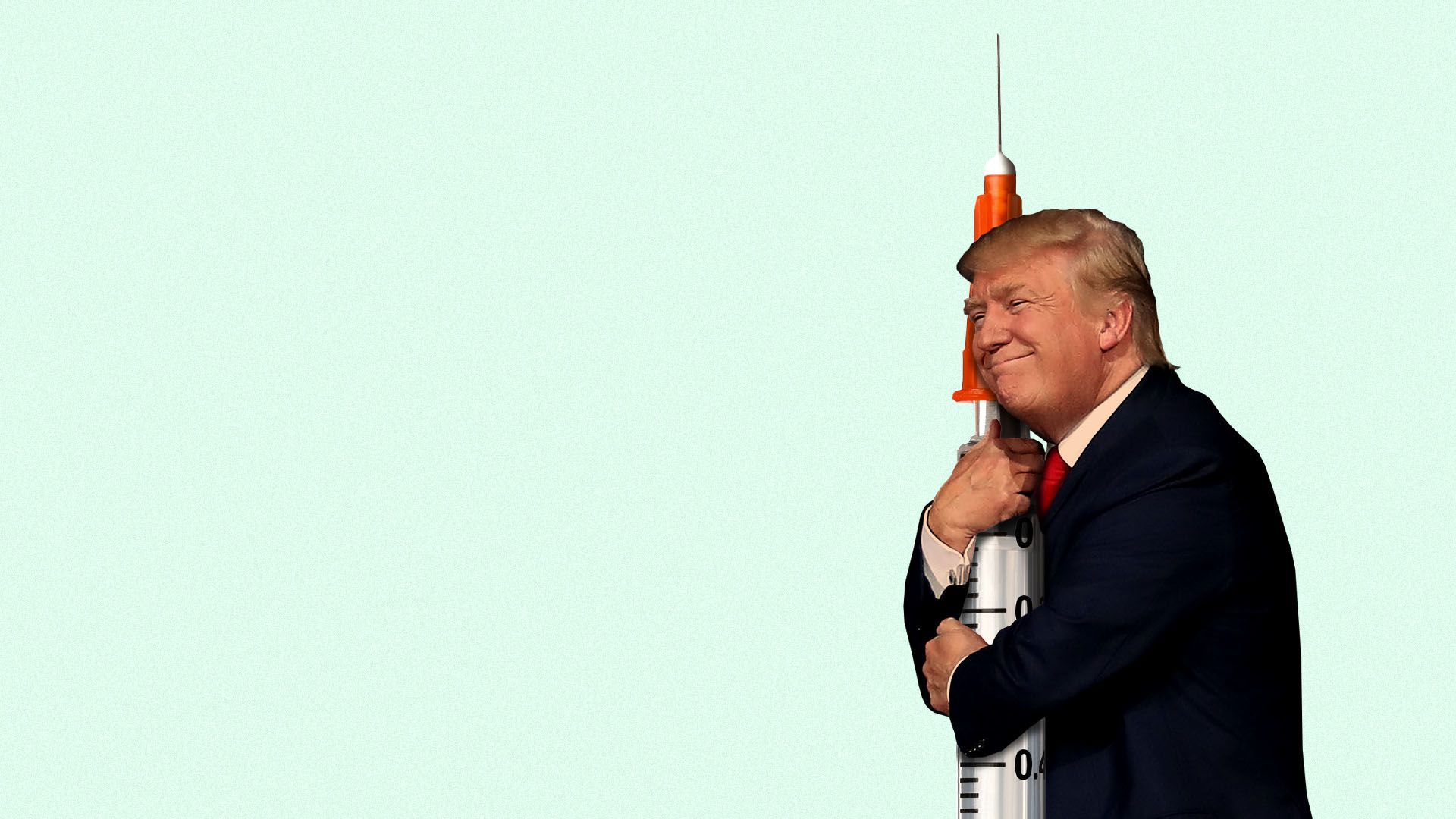
The race is on to test and produce billions of doses of the myriad coronavirus vaccines currently in development — and to determine how they will be distributed if approved for use.