Millions of Britons are casting their votes today in what could be the most consequential election in living memory. One question now has less of a clear answer than ever: What will happen to Britain's terms of trade if it leaves the EU single market?
Driving the news: Polling suggests that Boris Johnson's Conservative Party will win about 43% of the votes. Under Britain's winner-takes-all voting system, that'll be enough to give him a modest overall majority in Parliament.
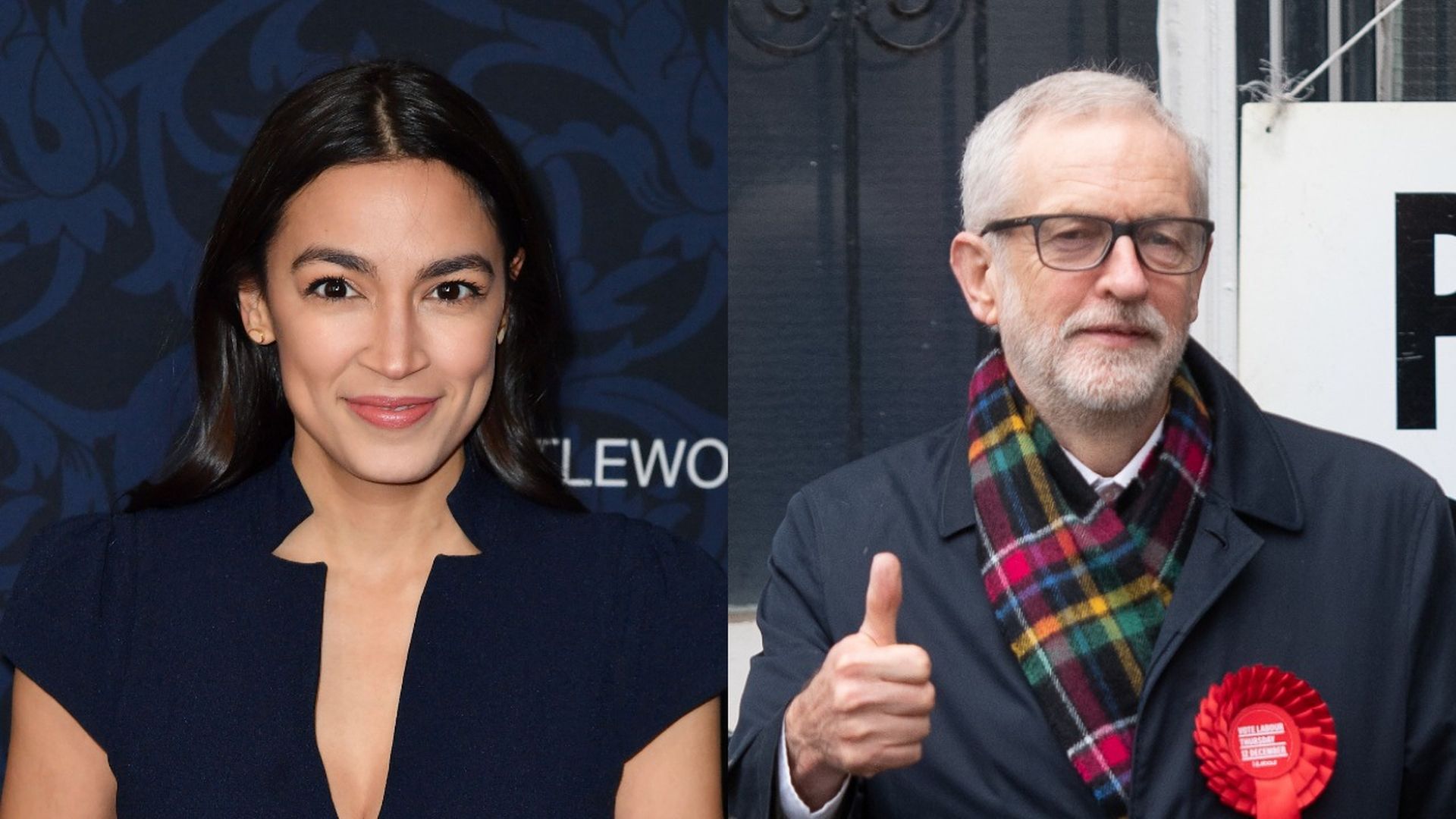
Rep. Alexandria Ocasio-Cortez (D-N.Y.) urged U.K. voters to head to the polls to vote for Jeremy Corbyn's Labour Party in Thursday's general election.
"The hoarding of wealth by the few is coming at the cost of peoples’ lives. The only way we change is with a massive surge of *new* voters at the polls. U.K., Vote!"
The big picture: Ocasio-Cortez, who said a Labour-created video "might as well have been produced about the United States," is the latest big-name U.S. politician to have a stake in the U.K.'s trip to the polls — which features Brexit at its center.
Why it matters: The data is a reflection of America's superpower status. But while American power is still respected, polls also show global views of the U.S. growing frostier in the Trump era.
After years of U.S. outperformance, fund managers say they expect American assets to deliver gains in line with international markets in 2020.
The big picture: Firms including BlackRock, BofA and JPMorgan say they are particularly bullish on emerging market equities, which have been unloved in 2019.
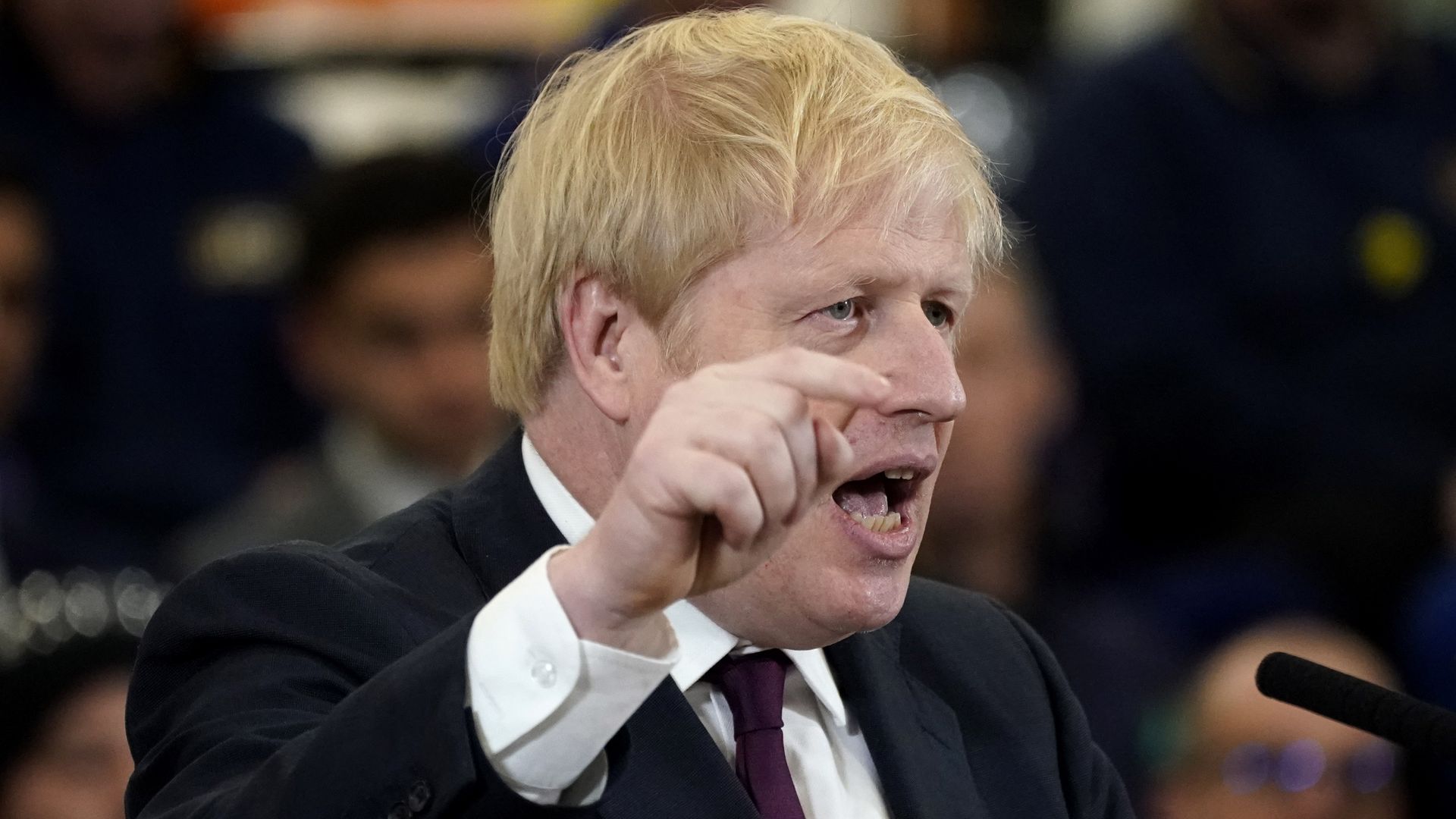
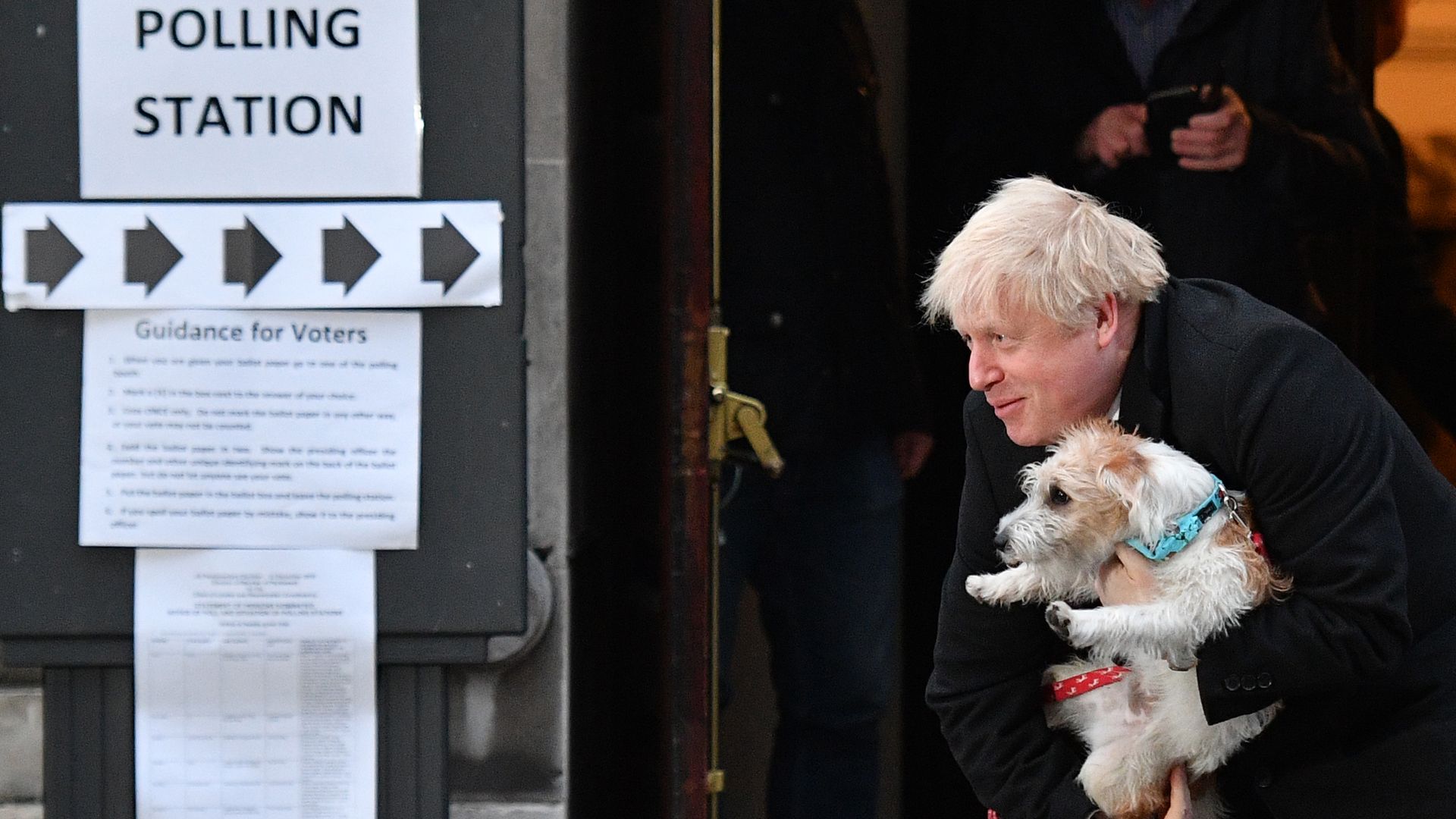
Polls across the United Kingdom opened Thursday morning as millions of Brits vote in the country's third general election since 2015.
Why it matters: Prime Minister Boris Johnson has staked his leadership on a promise to "get Brexit done" by securing a majority in the election, after facing a parliamentary impasse on the issue in a minority government. But if he loses, he'll go down as one of the shortest-serving prime ministers in history.
Israel's political drama is entering yet another unprecedented stage. The Knesset, Israel's parliament, dissolved itself tonight, and the third election in under a year was set for March.
Why it matters: Prime Minister Benjamin Netanyahu is facing three corruption indictments, and the March election could be his last. Netanyahu and his top rival, Benny Gantz, both failed to form a government during 80 days of negotiations following September's vote.
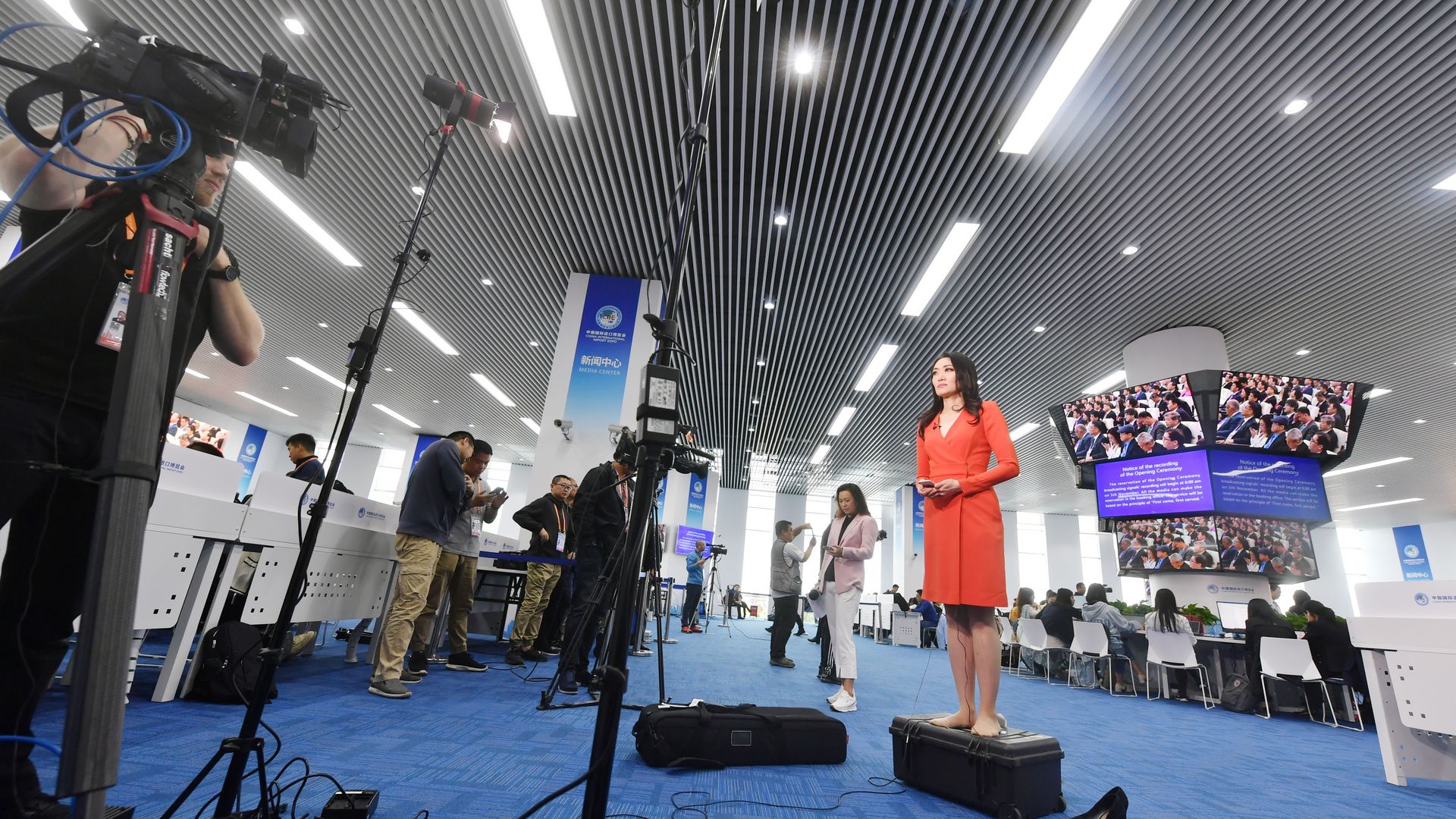
China imprisoned at least 48 journalists in 2019, more than any other country in the world, Reuters writes, citing a new Committee to Protect Journalists report.
Why it matters: The CPJ attributed China's arrests to its government media crackdown in Xinjiang province, where it's holding more than 1 million ethnic Muslim minorities in internment camps.
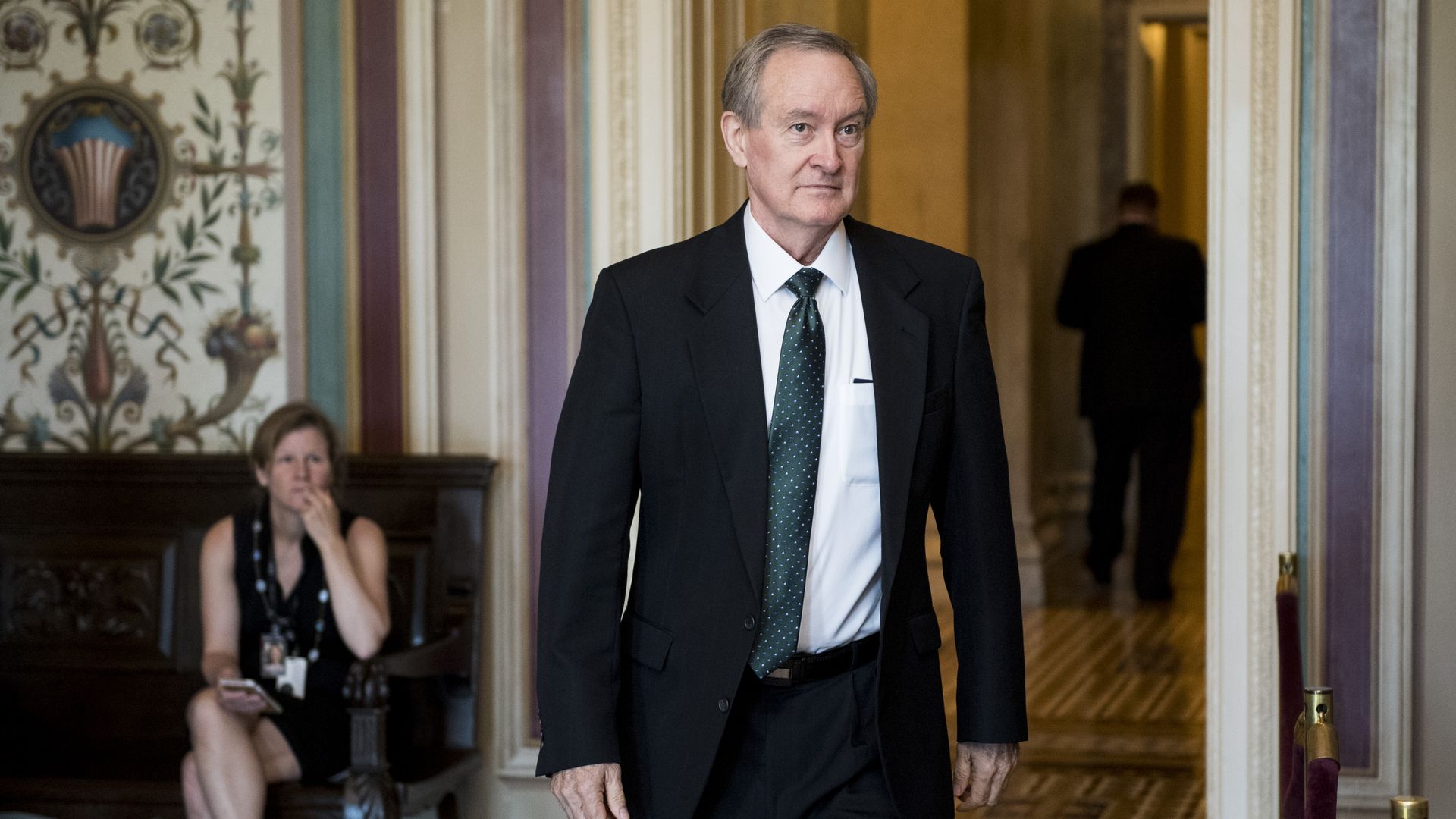
A Republican senator is blocking bipartisan legislation meant to counter foreign election interference, saying it is more anti-Trump than anti-Russia.
The big picture: The Defending Elections from Threats by Establishing Redlines (DETER) Act of 2019 is sponsored and supported by both Republicans and Democrats. But efforts to counter Russian election interference have often run afoul of the Trump administration, which has frequently downplayed Russian meddling in the 2016 race and pointed a finger (without evidence) at Ukraine instead.
Justice Department Inspector General Michael Horowitz said at a hearing Wednesday that his investigation into the origins of the Russia probe found "no testimonial or documentary evidence" for the assertion that there was a "deep state conspiracy" within the FBI to take down candidate or President Trump.
U.K. Prime Minister Boris Johnson was accused of hiding in a refrigerator to avoid a live television interview on Wednesday, the final day of campaigning before the country's general election.
What happened: Johnson was approached by a reporter for "Good Morning Britain" while visiting Modern Milkman, a local business in Yorkshire, who asked to speak to him on live television, setting off a confrontation, per The Guardian.
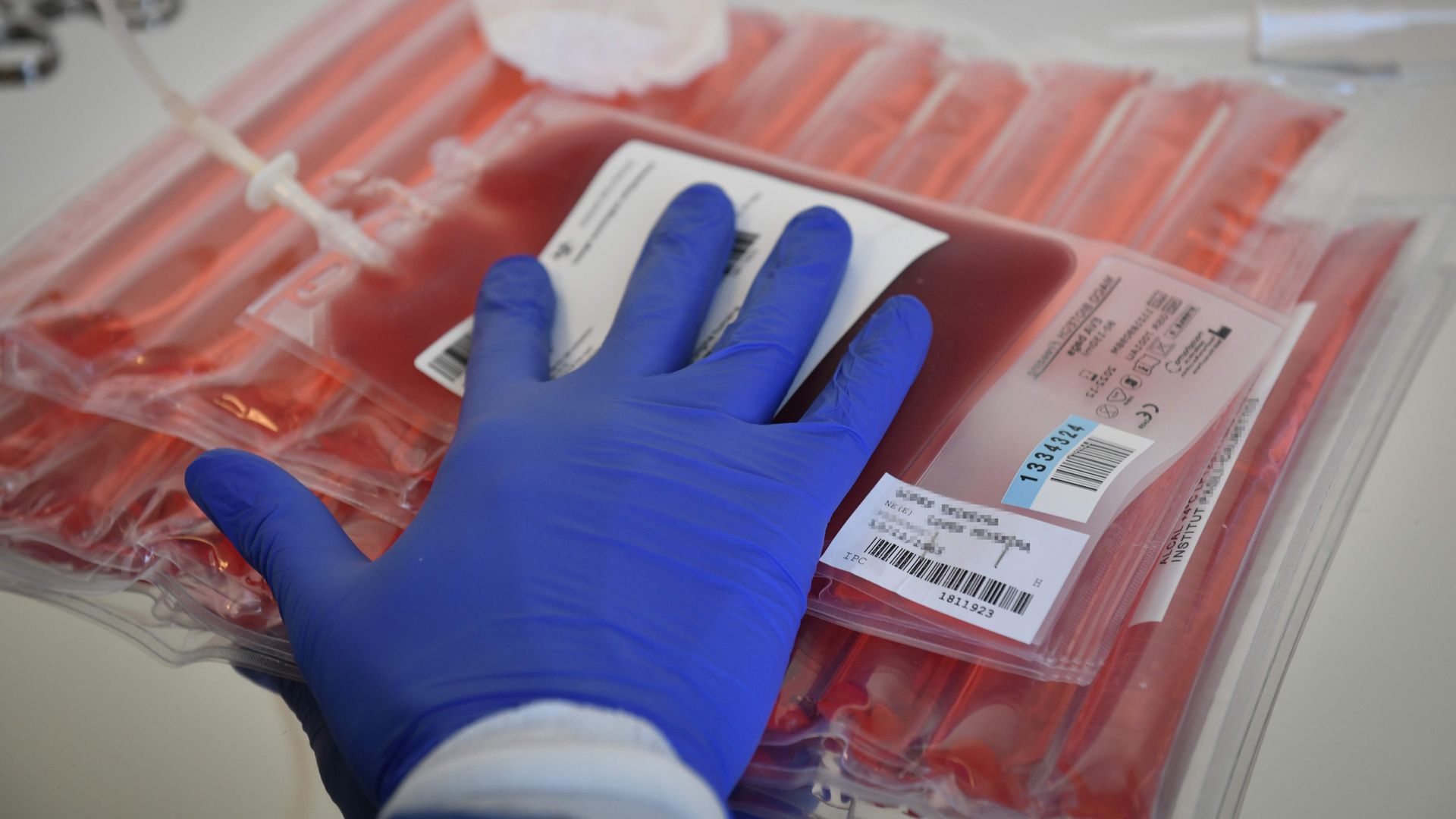
China's aggressive focus on prescription drugs includes developing its own version of CAR-T, one of the most ambitious therapies on the market, Bloomberg reports.
Why it matters: Chinese scientists are attempting to develop CAR-T therapies — which genetically engineer a patient's own immune cells to destroy cancer cells — much faster and with a much cheaper price tag than those in the U.S.
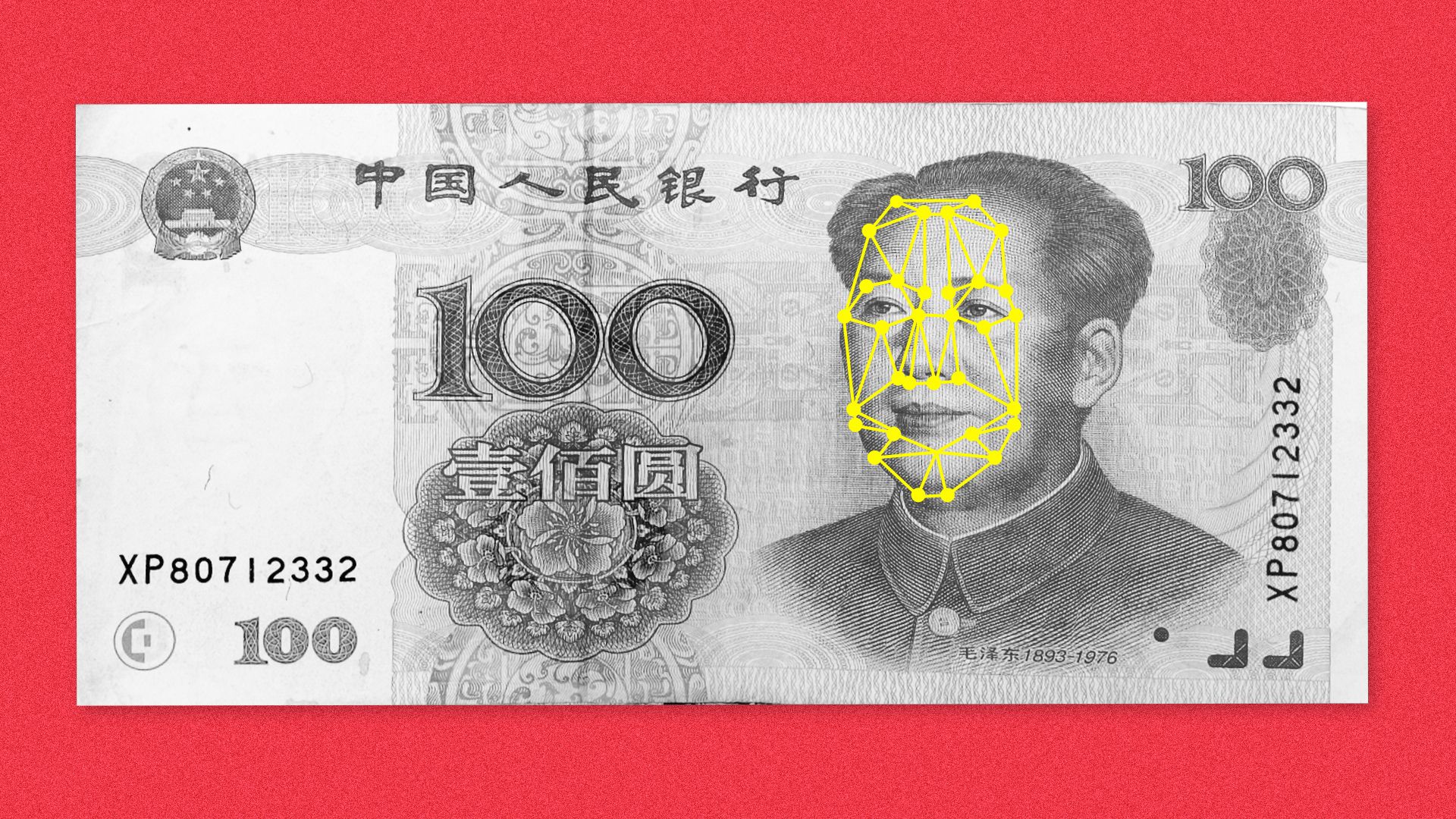
Chinese recipients of World Bank loans tried to secure funding for the purchase of facial recognition technology for use in China’s northwest region of Xinjiang, according to documents obtained by Axios.
Why it matters: The World Bank's loan program in Xinjiang demonstrates the extreme moral hazard that is now facing any organization with operations in the region, where China has constructed a surveillance state and detained more than a million ethnic minorities.
Below are more than 8,000 pages of documentation about efforts by Chinese schools to secure funding from the World Bank to support surveillance programs in the country's Xinjiang region.
Why it matters: A World Bank spokesperson told Axios the June 2017 procurement documents had not been translated into English, meaning only Chinese-speaking staff could read them.