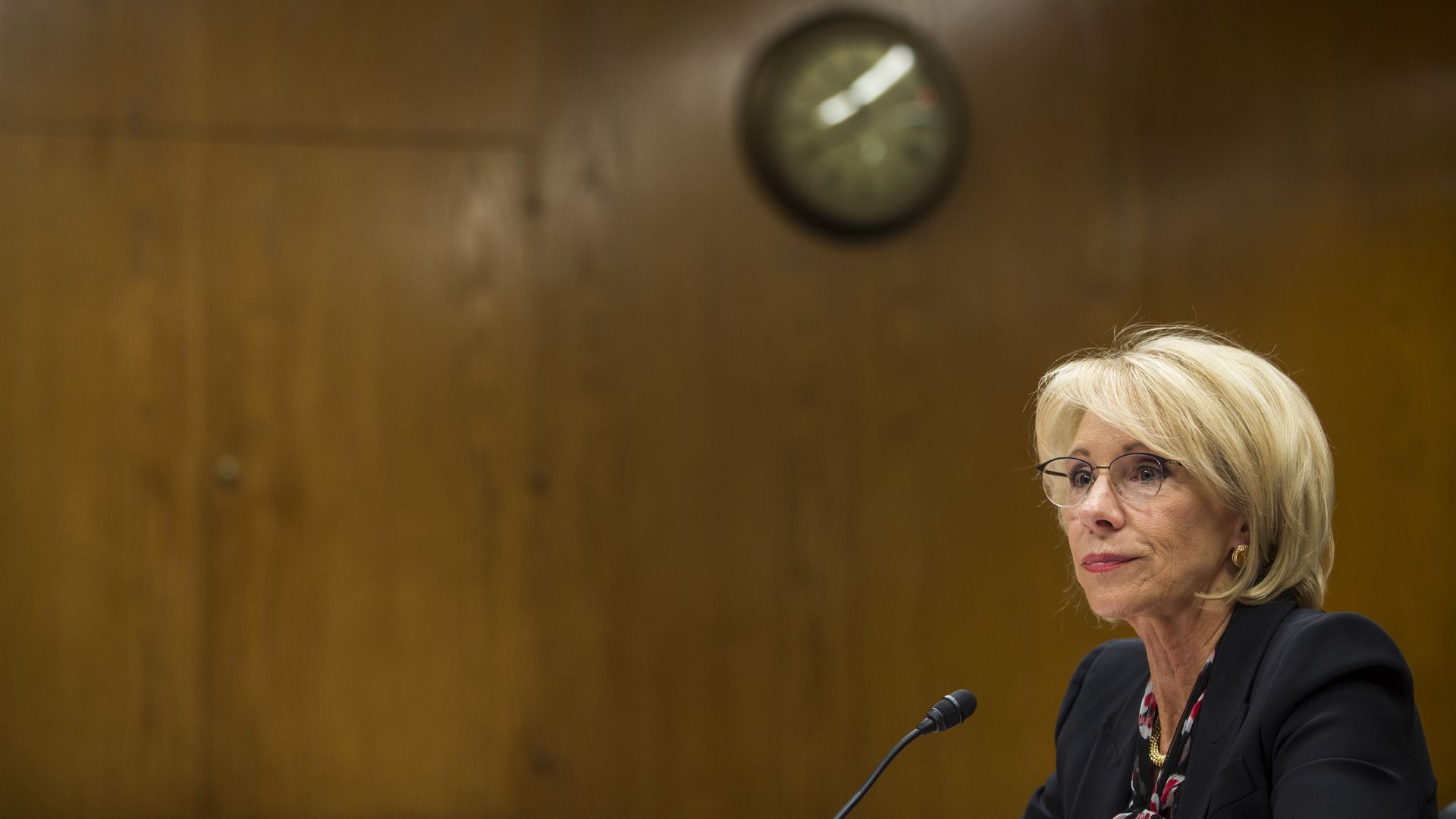
The Education Department told Duke University and the University of North Carolina at Chapel Hill to restructure their joint Middle East studies program, claiming there was not enough “positive imagery of Judaism and Christianity in the region," the New York Times reports.
The state of play: In a letter assistant Secretary for postsecondary education Robert King wrote that the Duke-UNC program "appears to lack balance," alleging that it failed to abide by the standards of Title VI of the Higher Education Act, which grants college funding for international studies and foreign language programs.
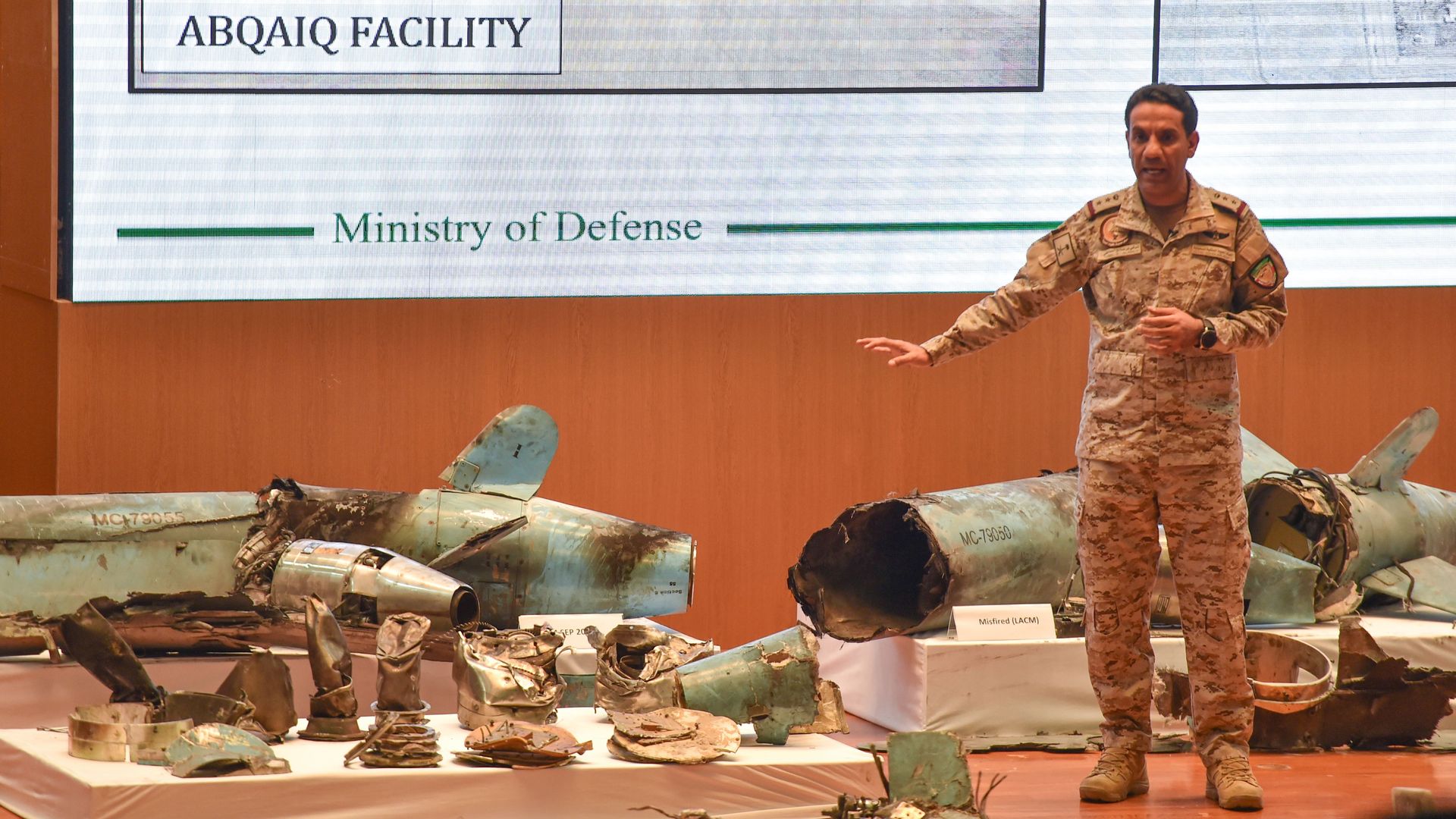
This past weekend's strikes on critical infrastructure at Saudi Arabia's second largest oil field at Khurais and its vital crude oil stabilization center at Abqaiq virtually eliminated the cushion of spare oil field capacity that typically prevents market panics during large supply disruptions.
Why it matters: The attack marks a major escalation of the proxy war between regional rivals Saudi Arabia and Iran that has raged since 2015, though there have been previous acts of sabotage on oil facilities. Its success shakes confidence in Saudi Arabia's status as the global swing producer of spare oil supply, a role that has afforded Riyadh substantial influence.
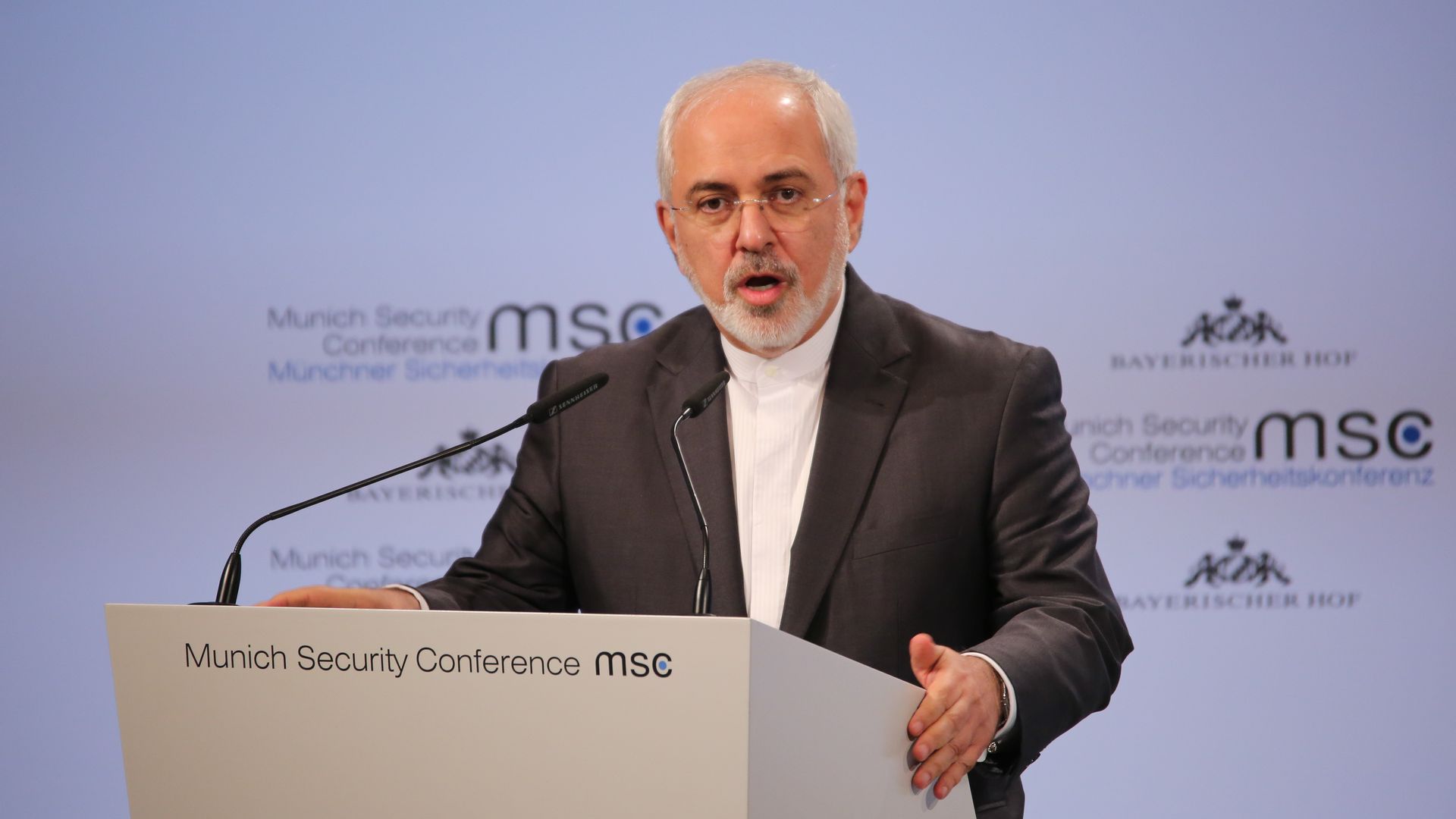
Foreign Minister Javad Zarif warns of "all-out war" if anyone attacks Iran, but Zarif emphasizes Iran does not want war with anyone, during an interview with CNN.
"I make a very serious statement about defending our country. I'm making a very serious statement that we don't want war. We don't want to engage in military confrontation. We believe that a military confrontation based on deception is awful. [It] will have a lot of casualties, but we won't blink to defend our territory."
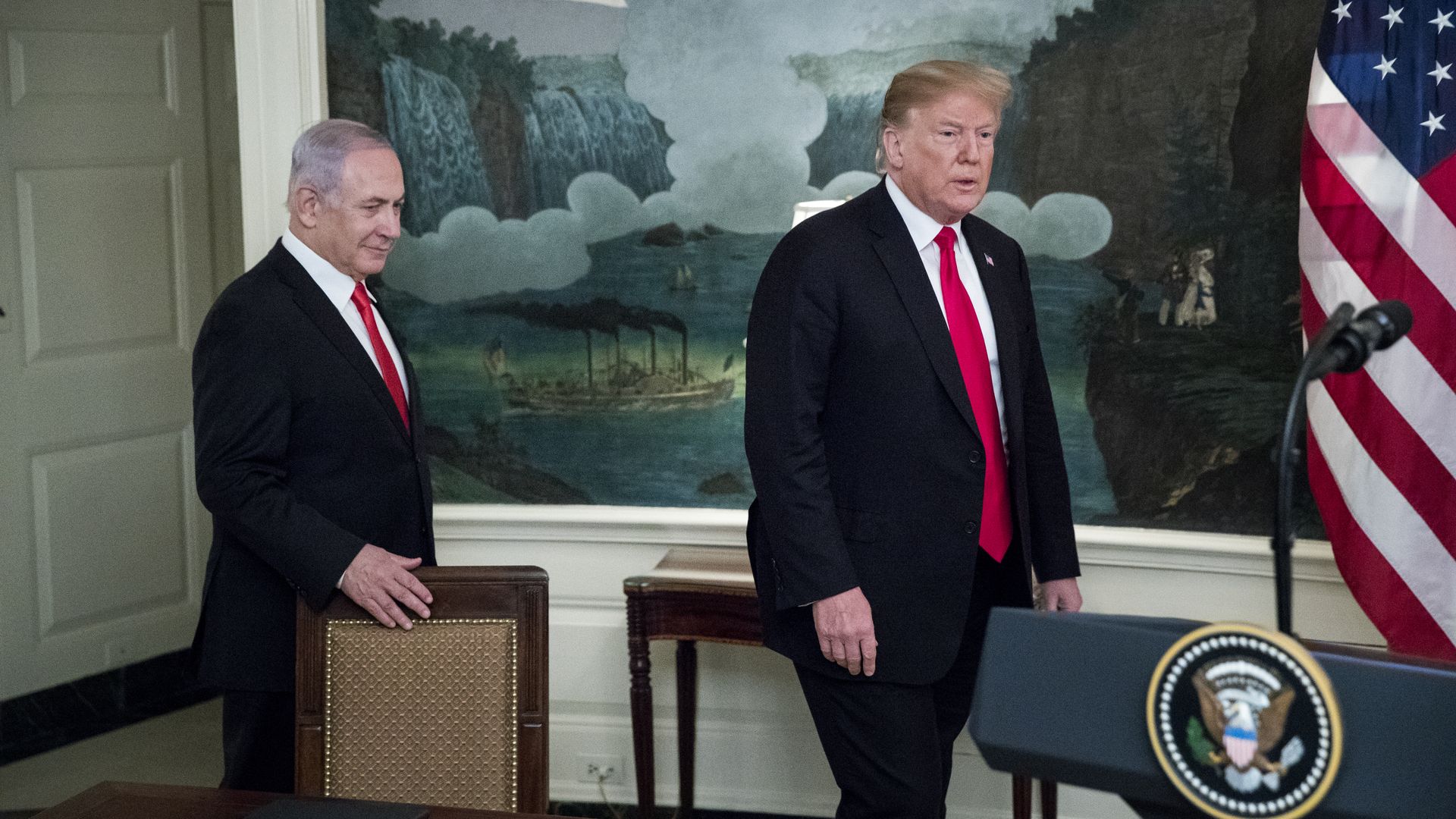
What he's saying: Trump told reporters in California that he hasn’t spoken yet to Netanyahu about the election results and stressed that his administration's relations “are with Israel." Those cool remarks are a blow to Netanyahu, who is fighting for his political survival.
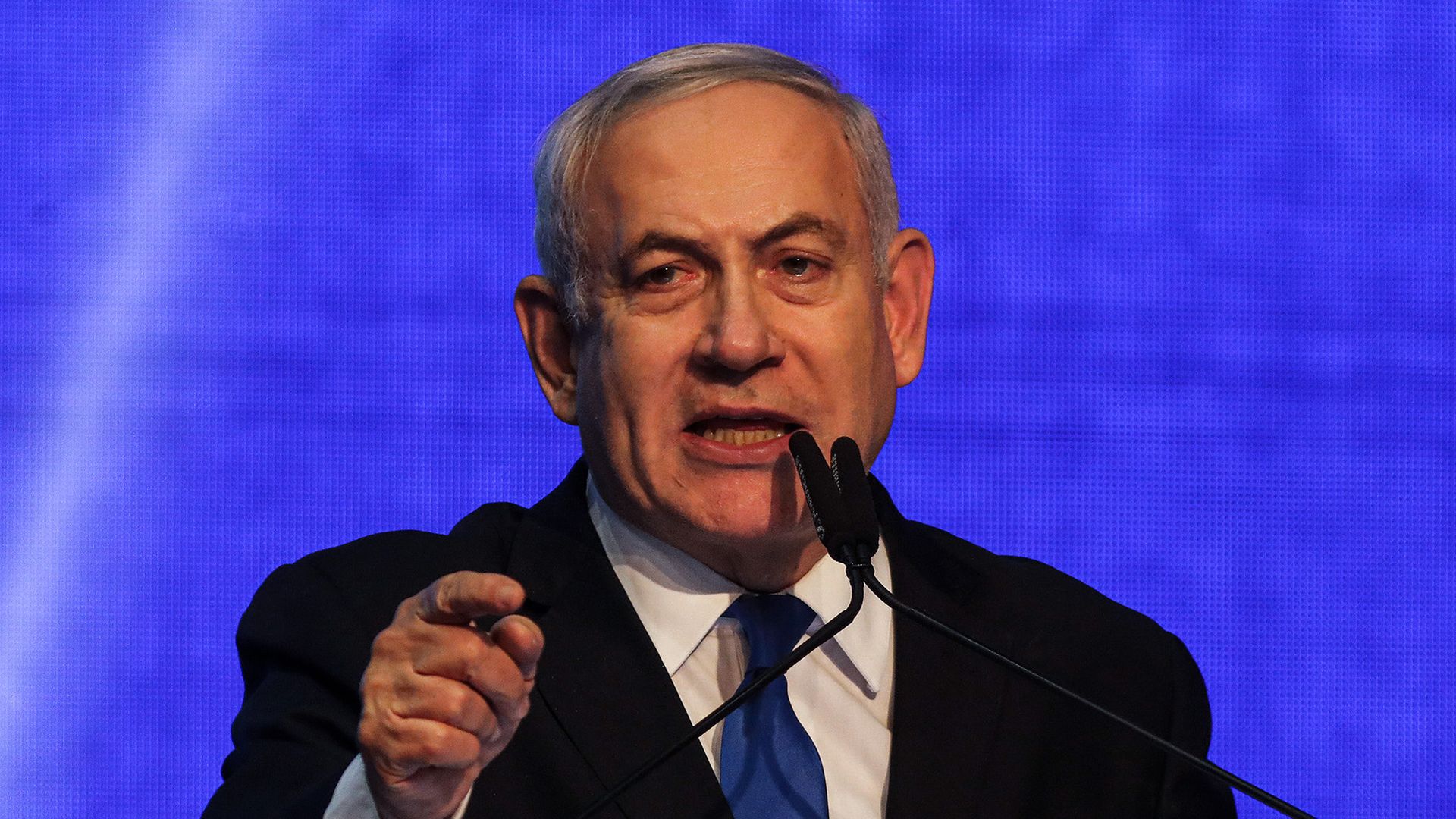
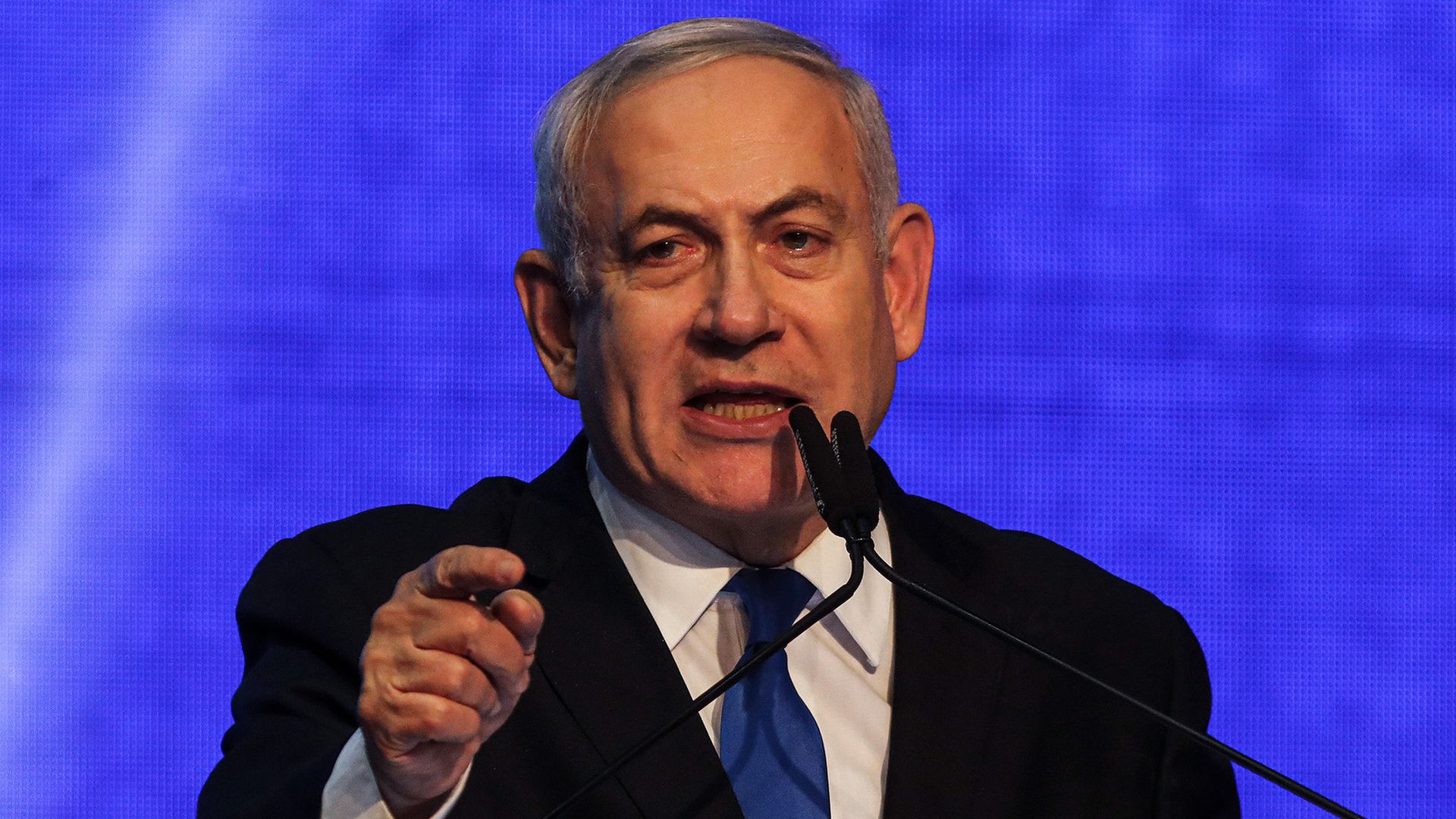
Israeli Prime Minister Benjamin Netanyahu has canceled his planned trip to the UN General Assembly meeting in New York after failing to gain a parliamentary majority in Tuesday's elections, his office announced Wednesday.
Why it matters: Netanyahu hasn't missed the UN General Assembly meeting since 2010. He was planning to meet President Trump on the sidelines of the summit to discuss a defense treaty. The fact that Netanyahu decided to cancel the trip shows the depth of the political crisis he is currently in.
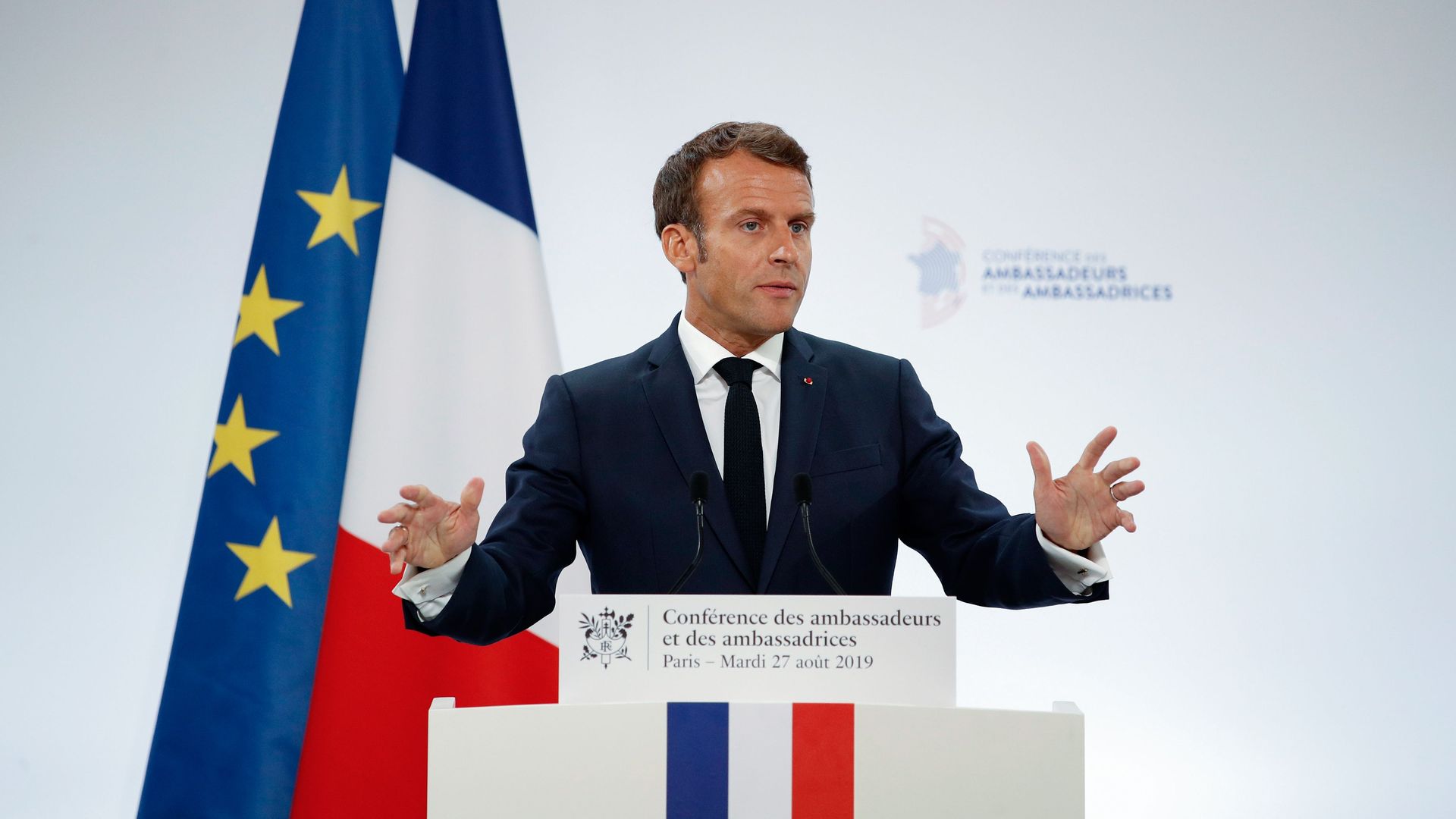
French asset managers and insurers pledged €5 billion for investment in local tech companies, as announced by President Macron before a dinner in Paris for VC and sovereign wealth fund managers.
Why it matters: This is France making a power play for foreign investment, at a time when leading European tech hub London is potentially vulnerable due to the Brexit chaos.
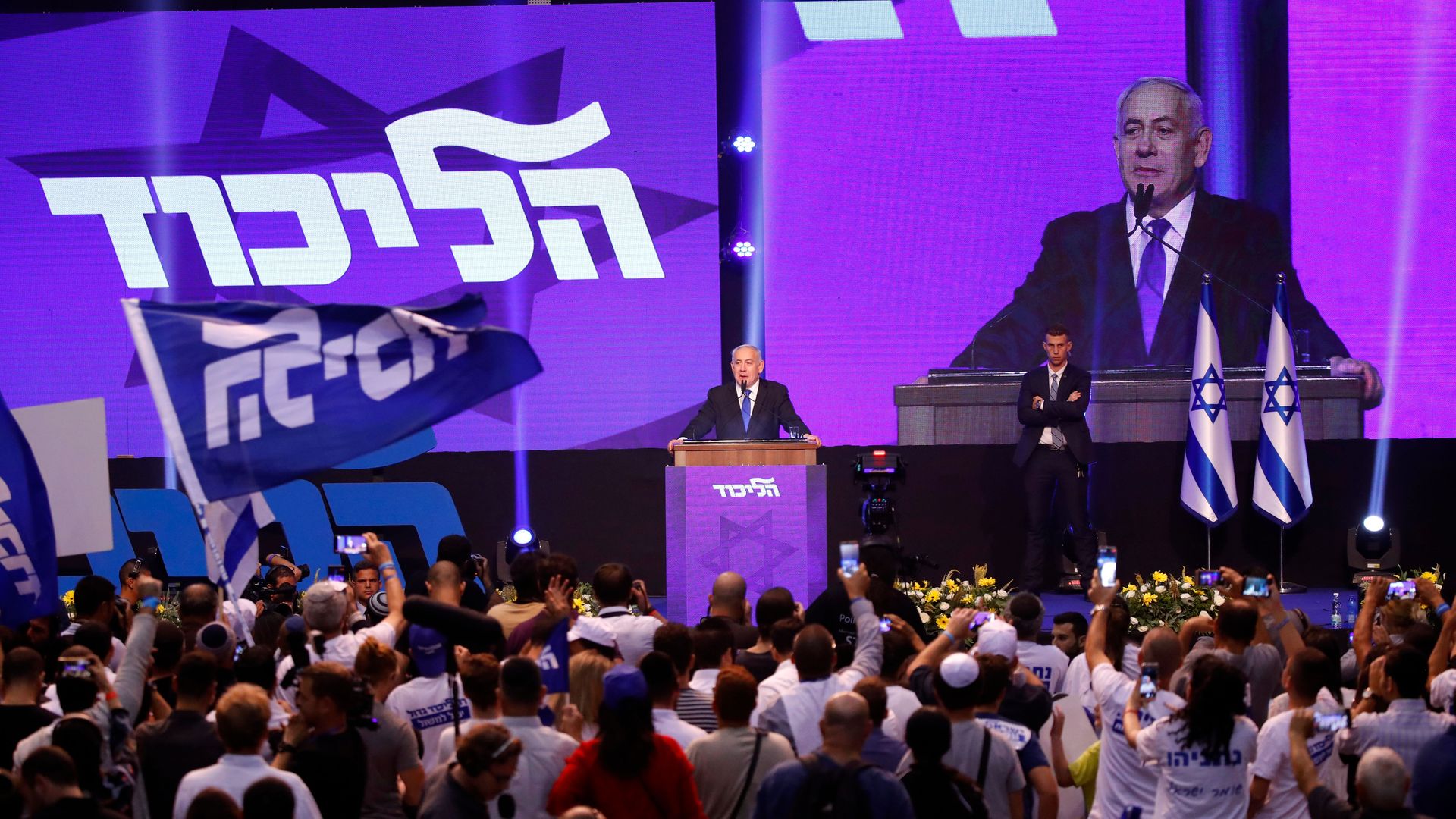
Israeli Prime Minister Benjamin Netanyahu's Likud party and the Blue and White party, led by Benny Gantz, are tied with 32 seats each with more than 85% of votes counted from Tuesday’s election.
The latest: The center-left and right-wing blocs, led by Gantz and Netanyahu respectively, were also roughly tied with 55-56 seats each on Wednesday morning. The Israel Beitenu party, led by former Defense Minister Avidor Lieberman, looks set to win about 10 seats.
What he's saying: Netanyahu accused the media of biased coverage during the campaign and insisted that after waiting for the final results, he'd attempt to form a governing coalition. Netanyahu also said Israel needs a Zionist government committed to Israel's identity as a Jewish state, adding: "No government can be based on support from Arab parties." Netanyahu, Israel's longest-serving prime minister, also stressed that he's the man to deal with President Trump's peace plan and the Iranian nuclear threat.