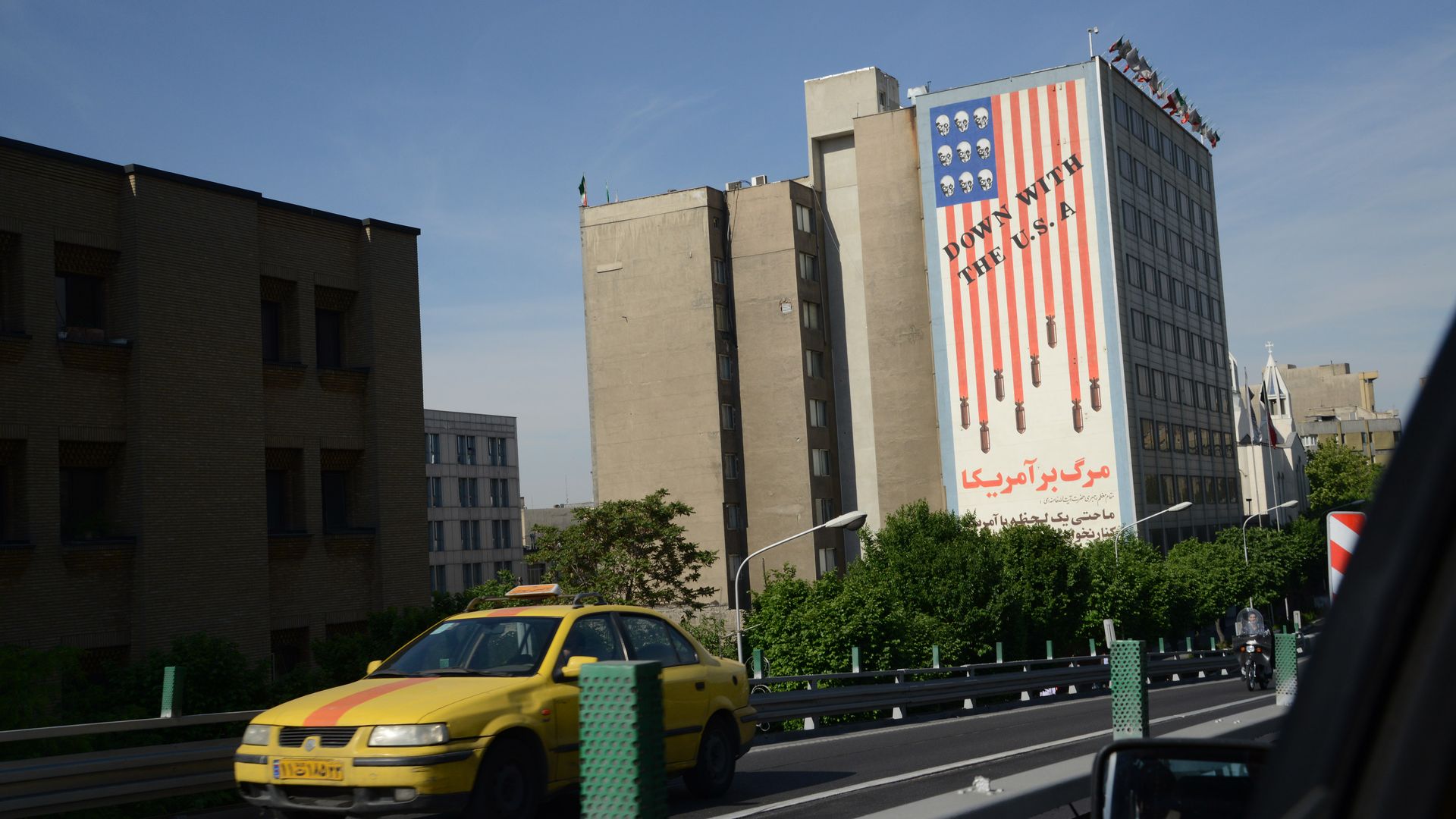
The United States attempted to use a cyber attack to disable the communications networks of the Iran-sponsored militia Kata'ib Hezbollah last week as part of the U.S. response to Iran's downing of a drone, reports CNN.
The big picture: While it had already been reported that the U.S. launched cyber attacks against several Iranian targets, Kata'ib Hezbollah was not yet a known target.
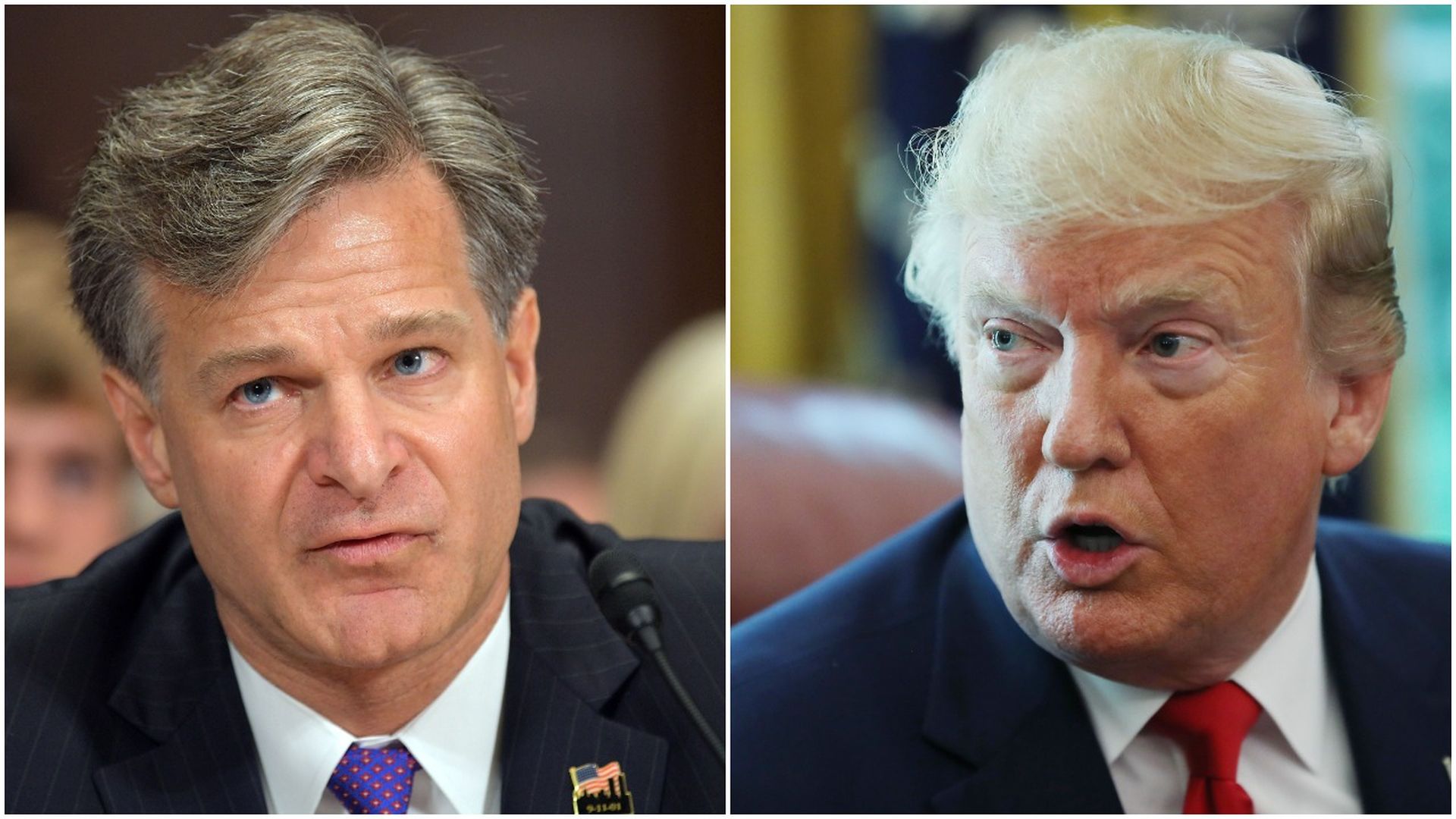
The big picture: On Monday, Trump said he disagreed with Wray's testimony that the FBI director would not describe the agency's investigations as "spying" — an account that originated with Attorney General Bill Barr. These "spygate" allegations, which have not been corroborated, are one reason that Barr has called for a review of Robert Mueller's Russia investigation.
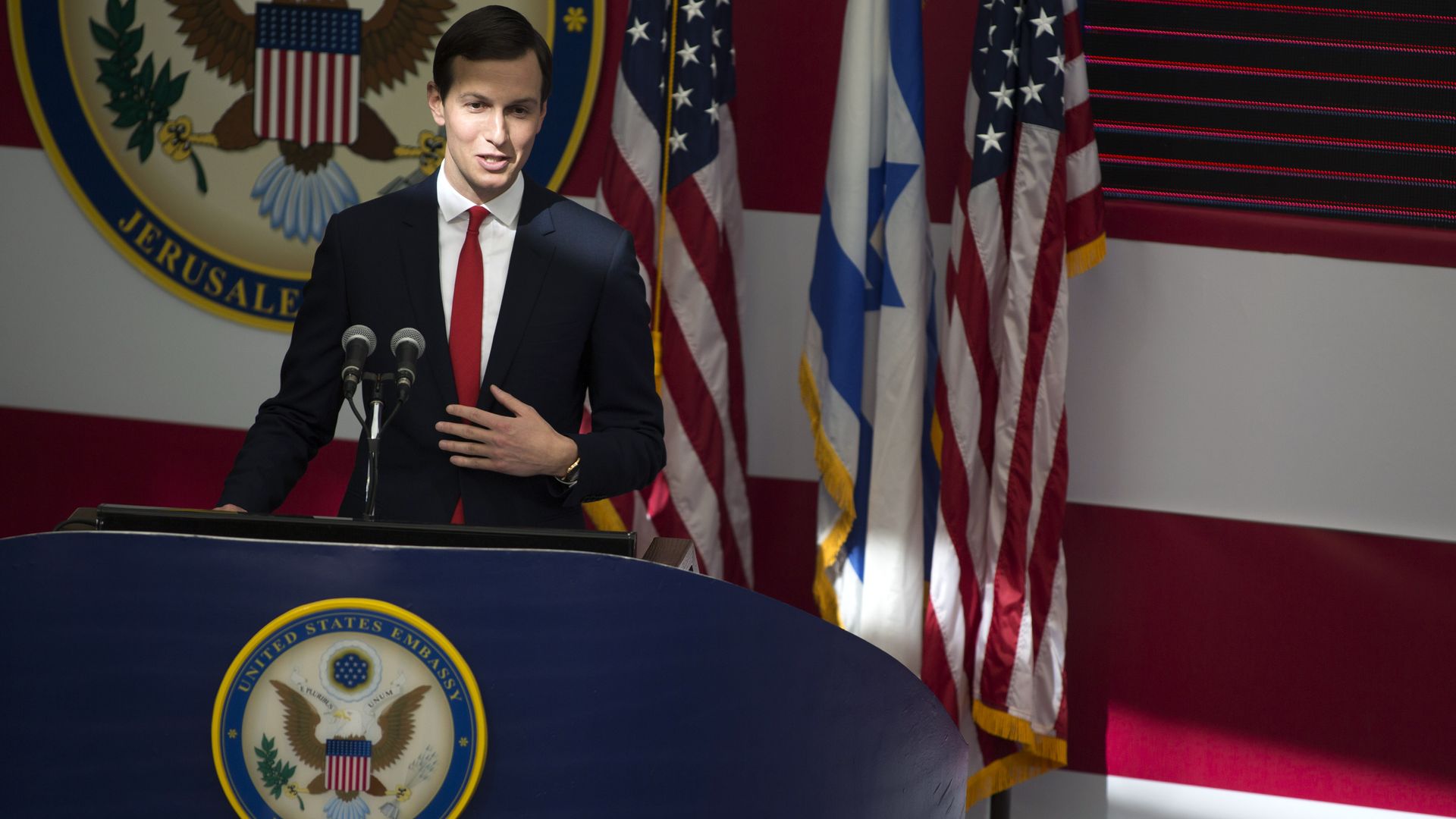
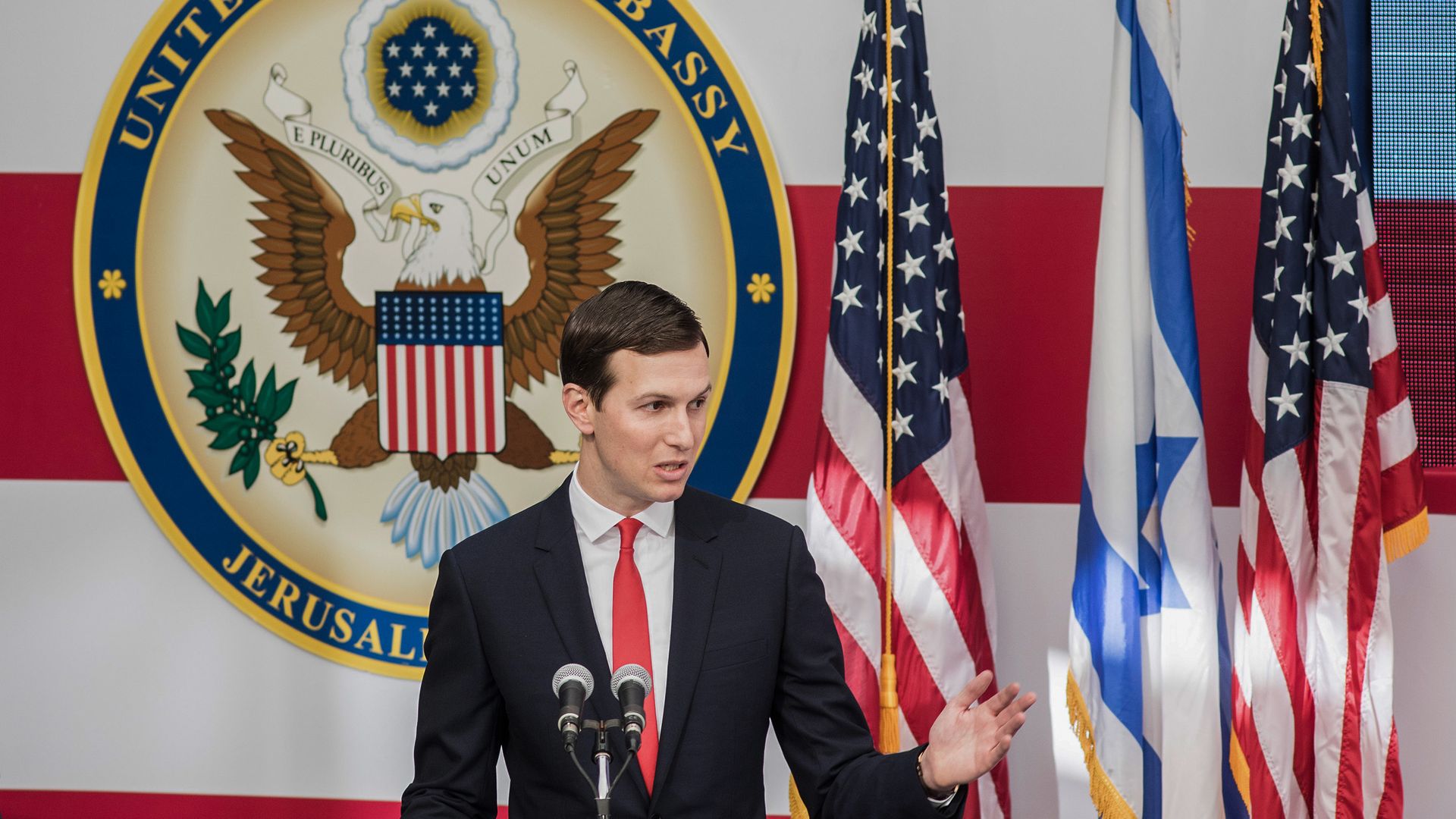
MANAMA, Bahrain — Jared Kushner used the opening speech of the Bahrain conference on President Trump's Middle East peace plan to speak directly to the Palestinian public.
Why it matters: Trump is deeply distrusted by Palestinian leaders, who are boycotting the conference. The White House "peace team," which Kushner leads, is attempting to go over their heads and convince the Palestinian people the plan includes major economic opportunities.
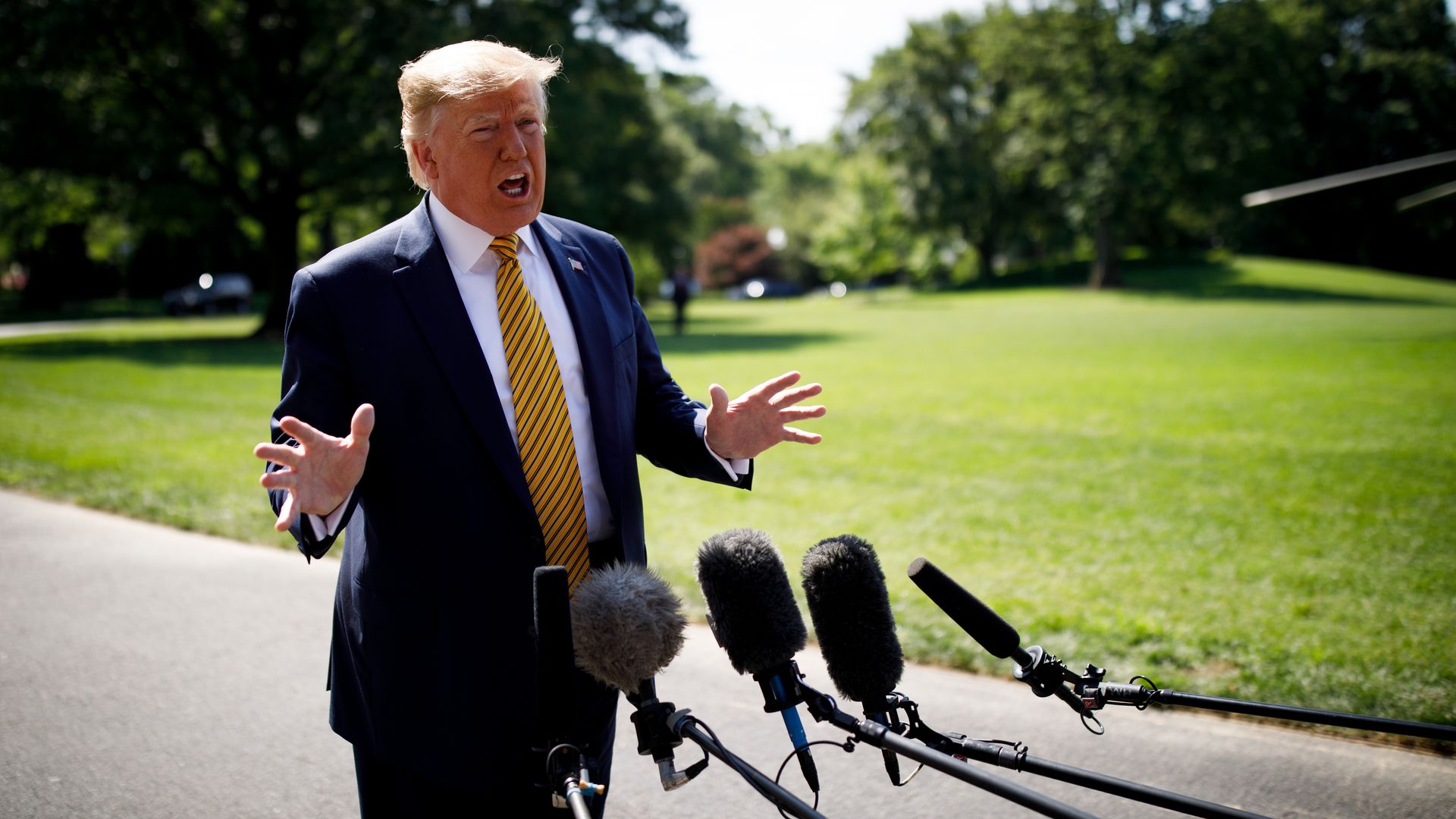
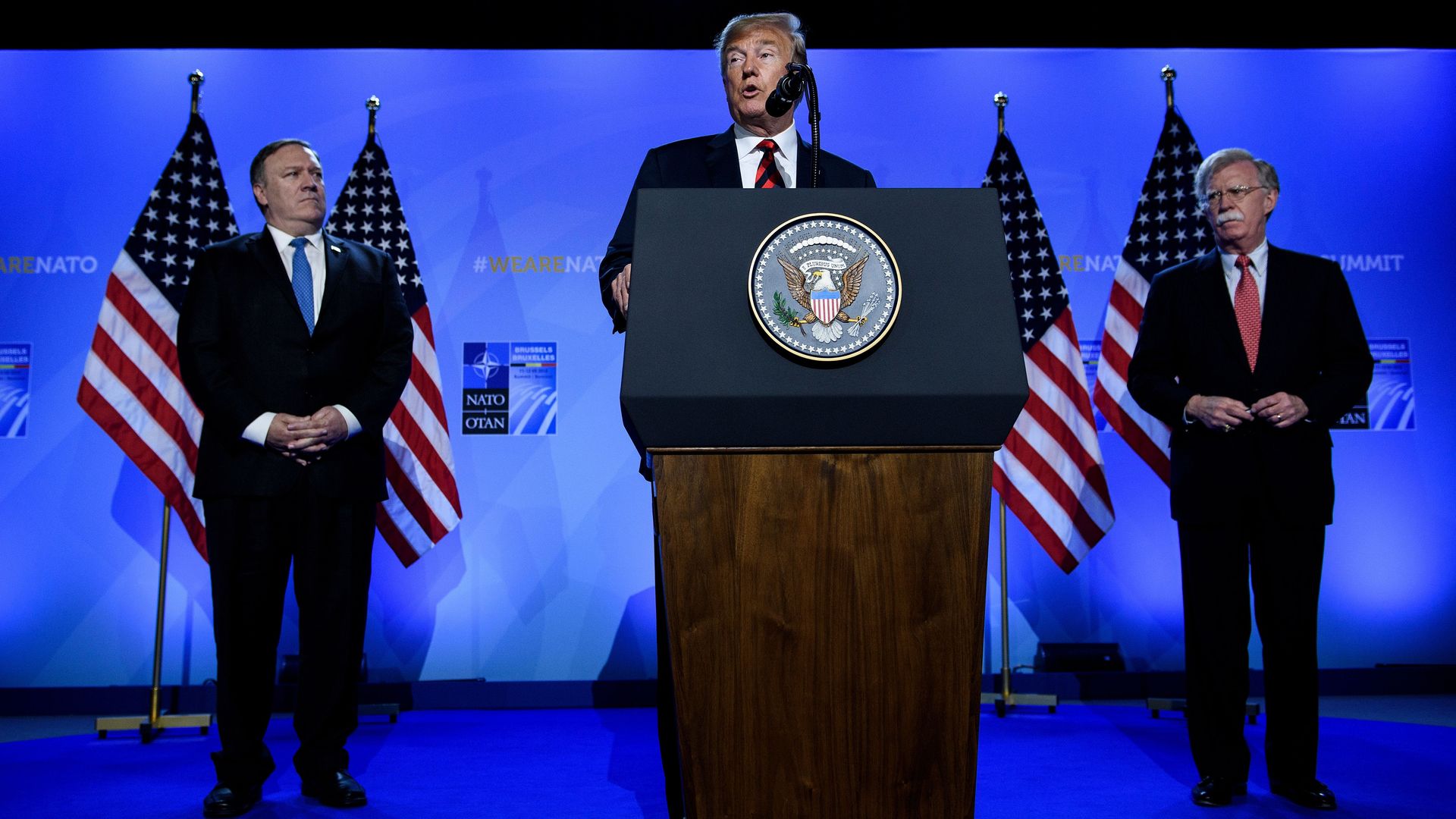
President Trump tweeted on Tuesday that any "attack by Iran on anything American will be met with great and overwhelming force."
Why it matters: It's a new red line for Trump in the latest round of heightened tensions with Iran. The president previously called off a military strike in response to the downing of a U.S. drone, claiming the death toll would be disproportionate. His tweet on Tuesday strikes a markedly new tone.
A short paper from an Oxford Institute for Energy Studies researcher looks at China's soaring demand for natural gas and ways it could meet growing import reliance.
Why it matters: China has become the world's largest gas importer as demand has greatly outpaced domestic production, as the chart above shows.
Iran's Foreign Ministry said Tuesday that the White House's new sanctions targeting the country's top leadership could lead to a "permanent closure of the road of diplomacy," the AP reports.
Why it matters: During a televised speech, Iranian President Hassan Rouhani — regarded as a moderate who has previously been open to discussions with Washington — added that the sanctions show the U.S. is "afflicted by mental retardation." These comments could scuttle any "already-remote prospects" of additional talks between the two countries, per the New York Times.
A Chinese espionage group appears to have hacked 10 international cellphone providers to track calling data on 20 dissidents, military officials, spies and law enforcement agents, according to a report from the cybersecurity firm Cybereason reported on in the Wall Street Journal.
Why it matters: Though we don't have any details on who the victims are or exactly why they were targeted, China could potentially use tracked phone records to tell if a highly placed individual was another country's intelligence asset or follow the movements of an activist.
Manama, Bahrain — The U.S.-led conference to launch the economic part of the Trump administration's Israeli-Palestinian peace plan will begin today in Bahrain amid an ever-growing crisis between the White House and Palestinian leadership.
Why it matters: The White House and the Palestinian Authority are both hoping Palestinian public opinion will favor their narrative around the plan.
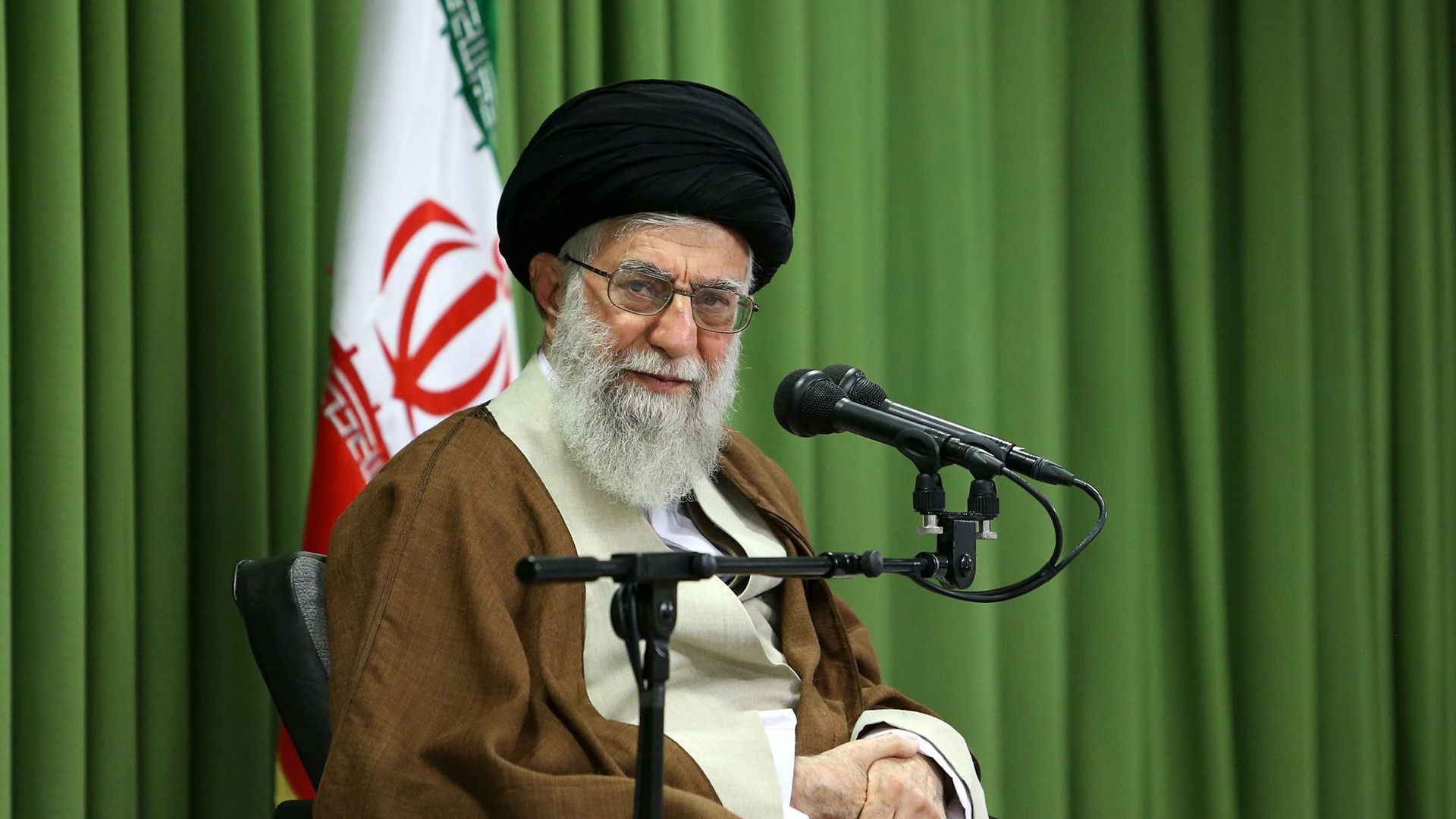
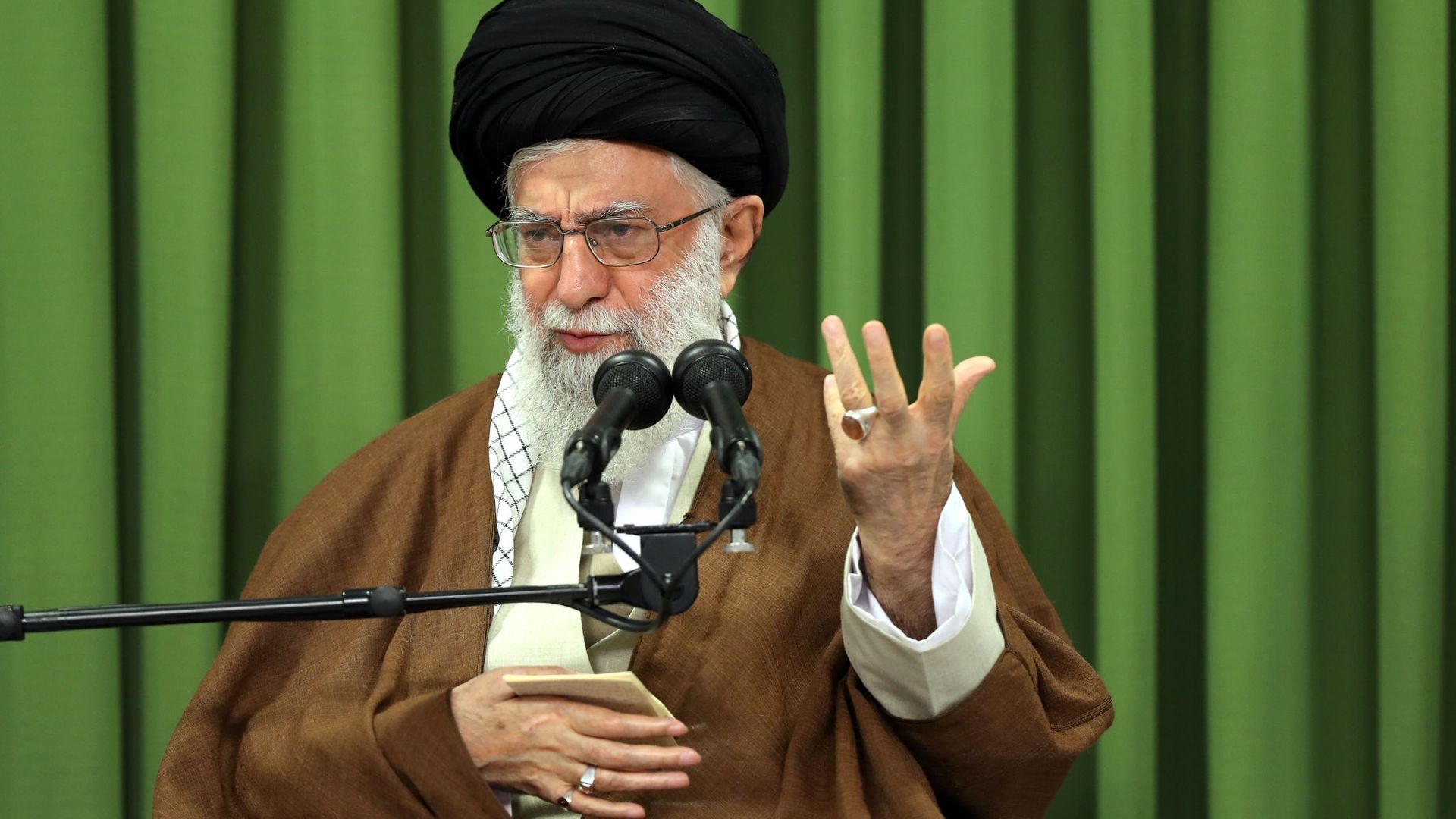
Iranian foreign ministry spokesman Abbas Mousavi tweeted Tuesday that new U.S. sanctions imposed on the country, including on its Supreme Leader Ayatollah Ali Khamenei, marks the "permanent closure of the path of diplomacy."
What they're saying: "Trump's desperate administration is destroying the established international mechanisms for maintaining world peace and security," Mousavi said in the tweet, translated by Reuters.
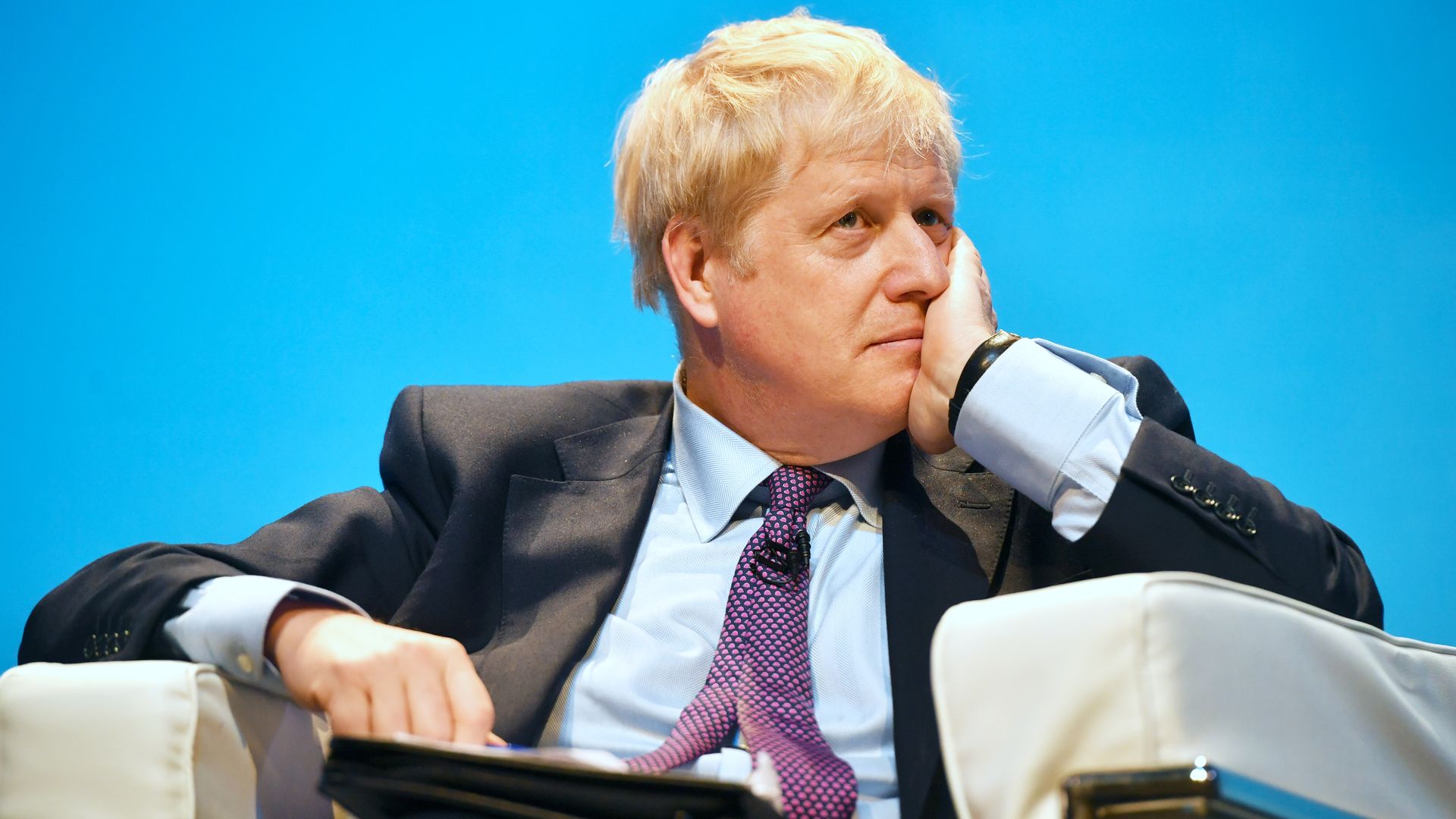
Why it matters: Long the favorite to replace Theresa May as prime minister next month, Johnson had until tonight been avoiding interviews, apparently believing he could only hurt his chances.
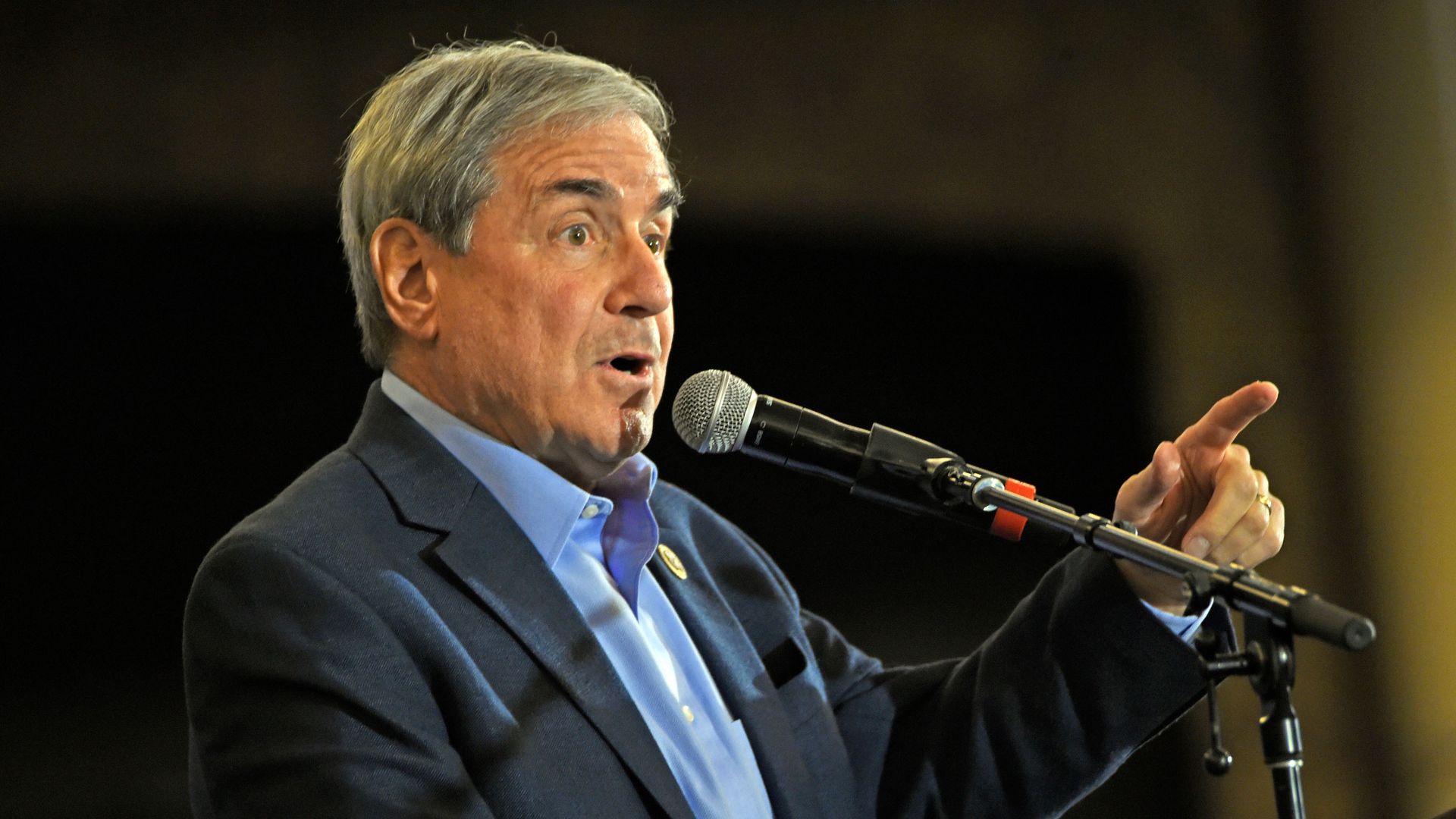
Rep. John Yarmuth (D-Ky.) labeled President Trump Monday a "moron" after the commander-in-chief said his administration's goal was to prevent Iran from obtaining a nuclear weapon — a key point of the nuclear deal the U.S. withdrew from.
Current U.S. policy toward Iran has deepened the Middle East's Sunni-Shia divide — embodied in the regional rivalry between Saudi Arabia and Iran — and risks repeating the failures of successive U.S. administrations.
Why it matters: American presidents have often tried to view the Middle East in overly black-and-white terms — from Reagan in Lebanon and Bush in Iraq to Obama’s dreams of Arab democracy. With this mindset still in play, the risks of economic harm and military escalation continue to mount.
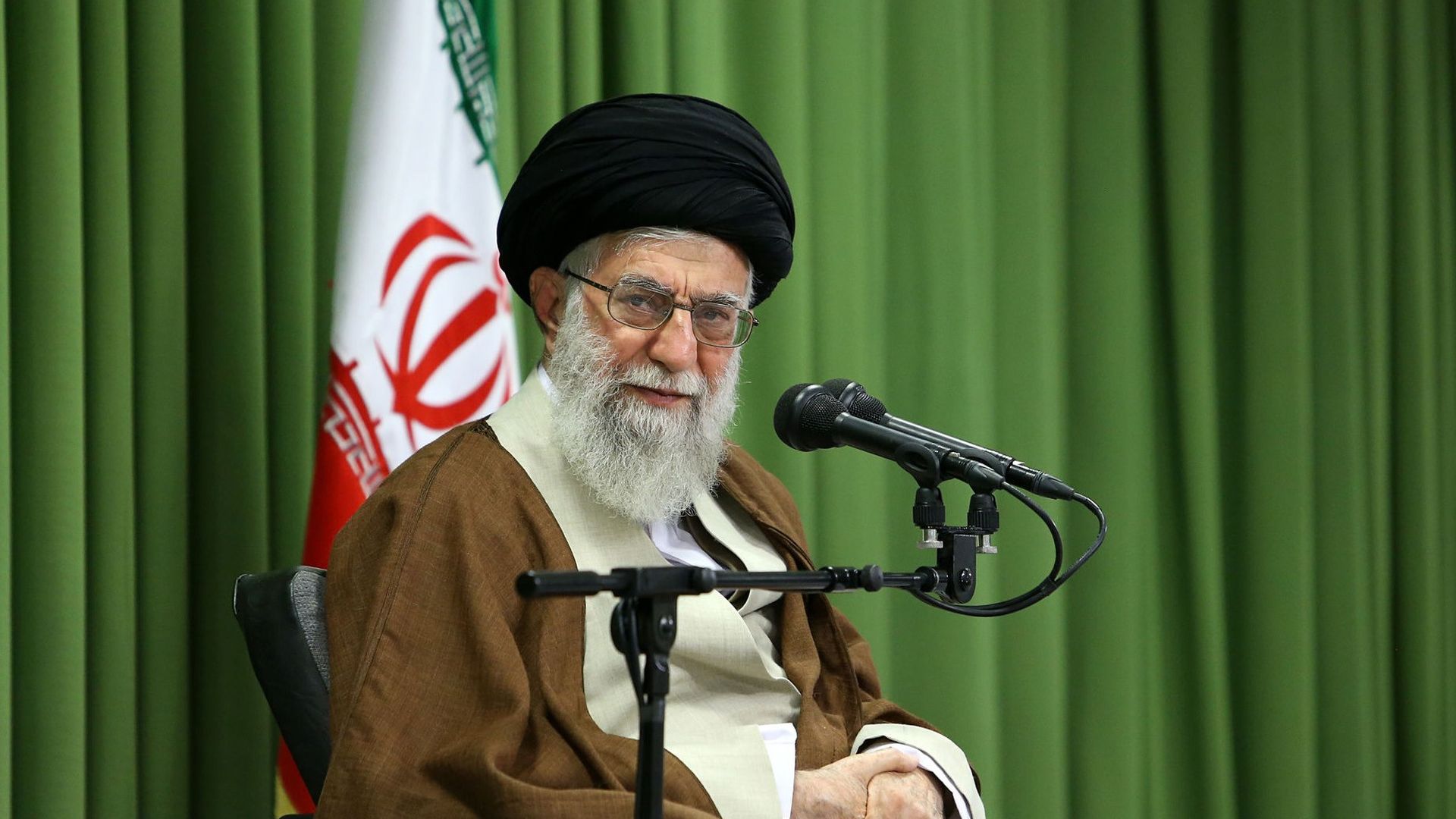
President Trump on Monday announced that the U.S. would impose a new set of sanctions targeting top officials in the Iranian government and their access to the international financial system, including Supreme Leader Ayatollah Ali Khamenei.
"We do not seek conflict with Iran or any other country. ... I can only tell you we cannot ever let Iran have a nuclear weapon."
Russia's booming stock market and currency, China's second quarter bounce and Nicolás Maduro's ability to hold power in Venezuela this year have all flown directly in the face of conventional wisdom about the power of the U.S. to cajole bad actors on the international stage through sanctions.
Why it matters: As the Trump administration mulls further punitive actions on China, Iran and a growing list of countries, there's growing evidence the U.S. is losing its coercive power.
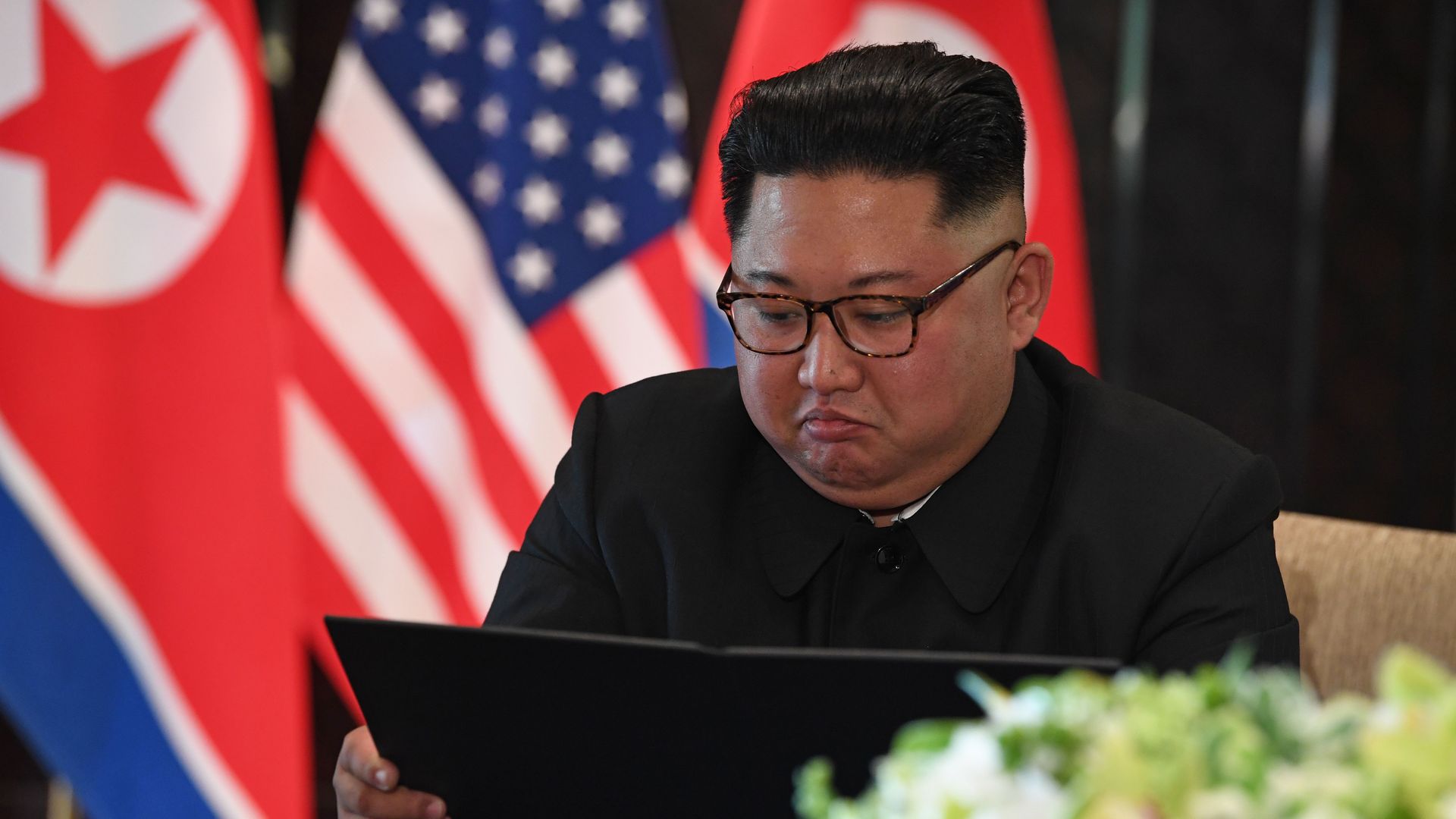
Secretary of State Mike Pompeo said Sunday he's hopeful a letter President Trump sent to North Korean leader Kim Jong-un would provide a "good foundation" for "discussions with the North Koreans to denuclearize the peninsula."
Details: Pompeo made the comments during a media briefing a day after Pyongyang's state-run news agency KCNA praised the letter's "excellent content," without specifying details. "Appreciating the political judging faculty and extraordinary courage of President Trump, Kim Jong Un said that he would seriously contemplate the interesting content," it said.
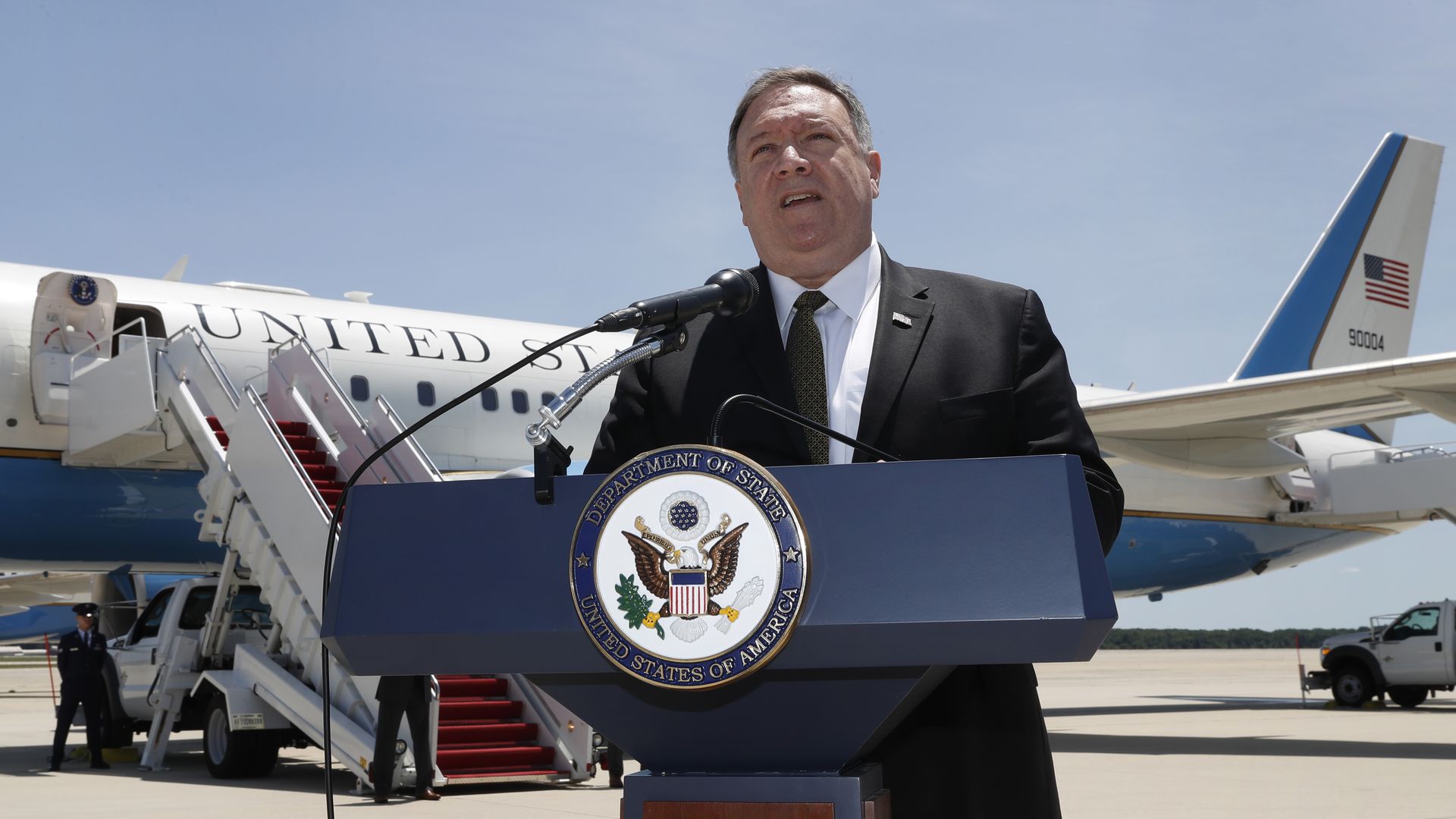
Secretary of State Mike Pompeo said Sunday he wants to "build out a global coalition" against Iran, after a week that saw Washington on the brink of launching military action against Tehran.
Details: Pompeo made the comments as he prepared to fly to Saudi Arabia and then the United Arab Emirates to discuss with leaders there "the challenge that Iran presents," he said. Pompeo outlined his goals for a coalition "not only throughout the Gulf states but in Asia and in Europe that understands this challenge and that is prepared to push back against the world’s largest state sponsor of terror."