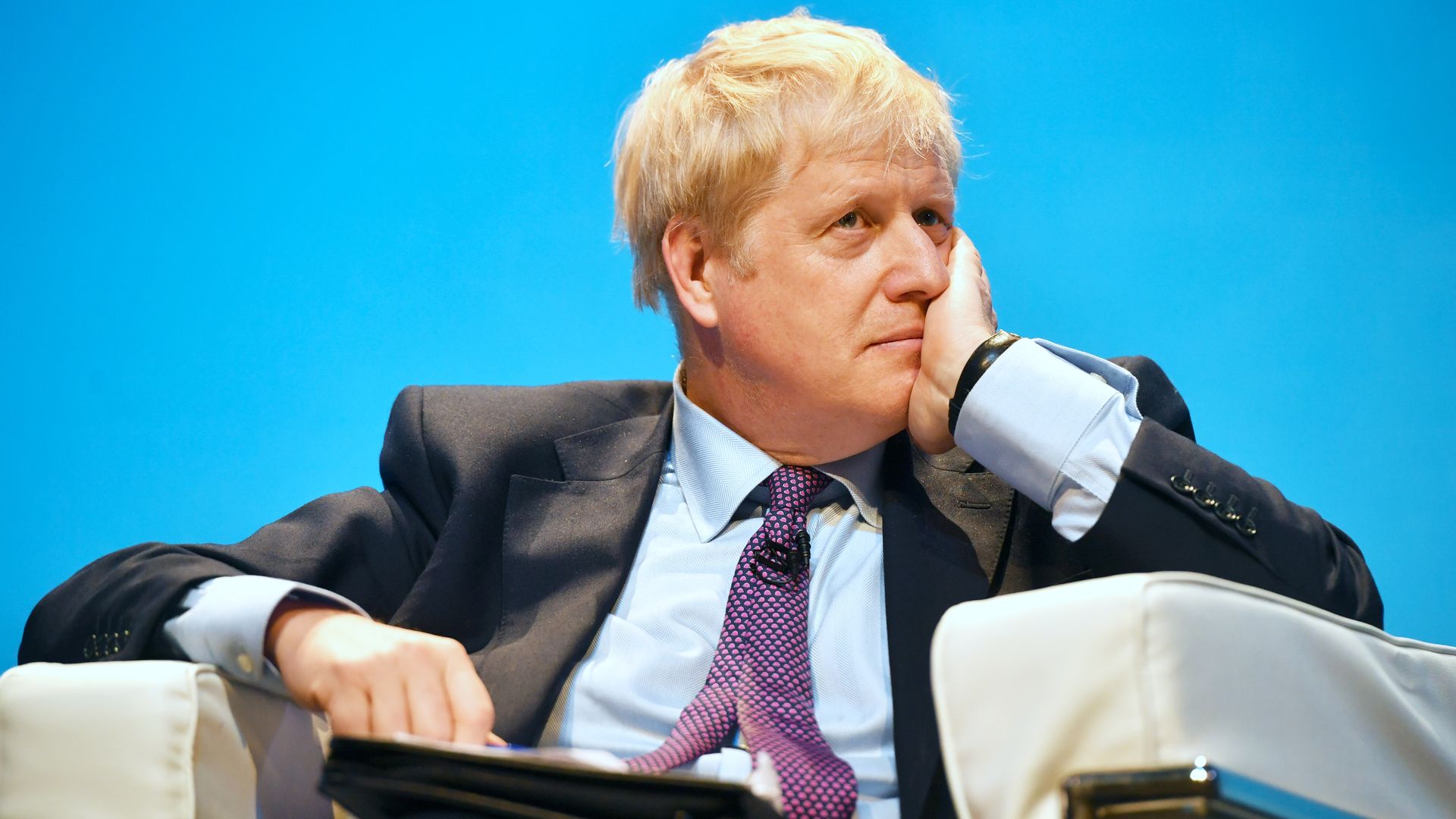
Why it matters: Long the favorite to replace Theresa May as prime minister next month, Johnson had until tonight been avoiding interviews, apparently believing he could only hurt his chances.
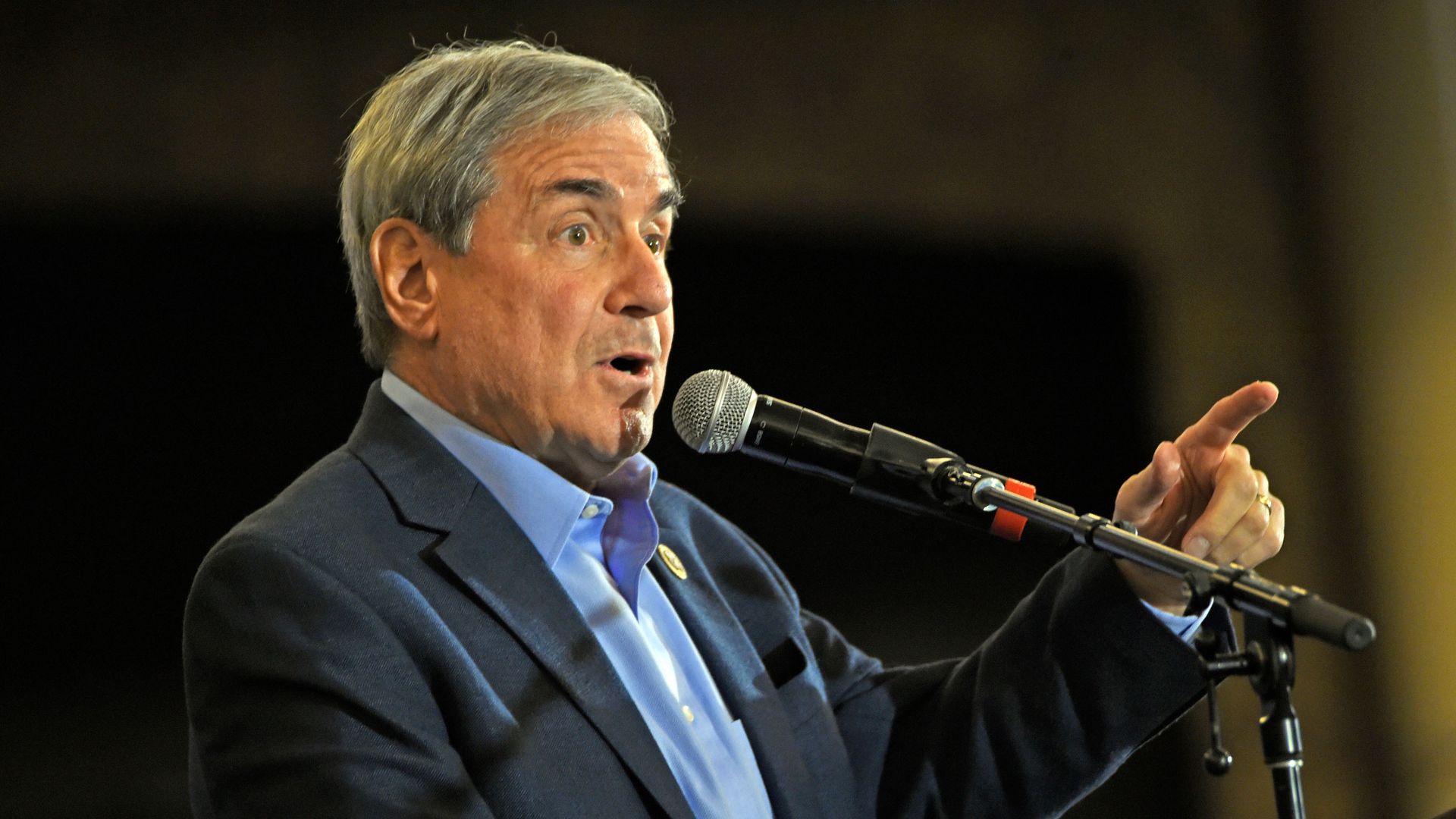
Rep. John Yarmuth (D-Ky.) labeled President Trump Monday a "moron" after the commander-in-chief said his administration's goal was to prevent Iran from obtaining a nuclear weapon — a key point of the nuclear deal the U.S. withdrew from.
Current U.S. policy toward Iran has deepened the Middle East's Sunni-Shia divide — embodied in the regional rivalry between Saudi Arabia and Iran — and risks repeating the failures of successive U.S. administrations.
Why it matters: American presidents have often tried to view the Middle East in overly black-and-white terms — from Reagan in Lebanon and Bush in Iraq to Obama’s dreams of Arab democracy. With this mindset still in play, the risks of economic harm and military escalation continue to mount.
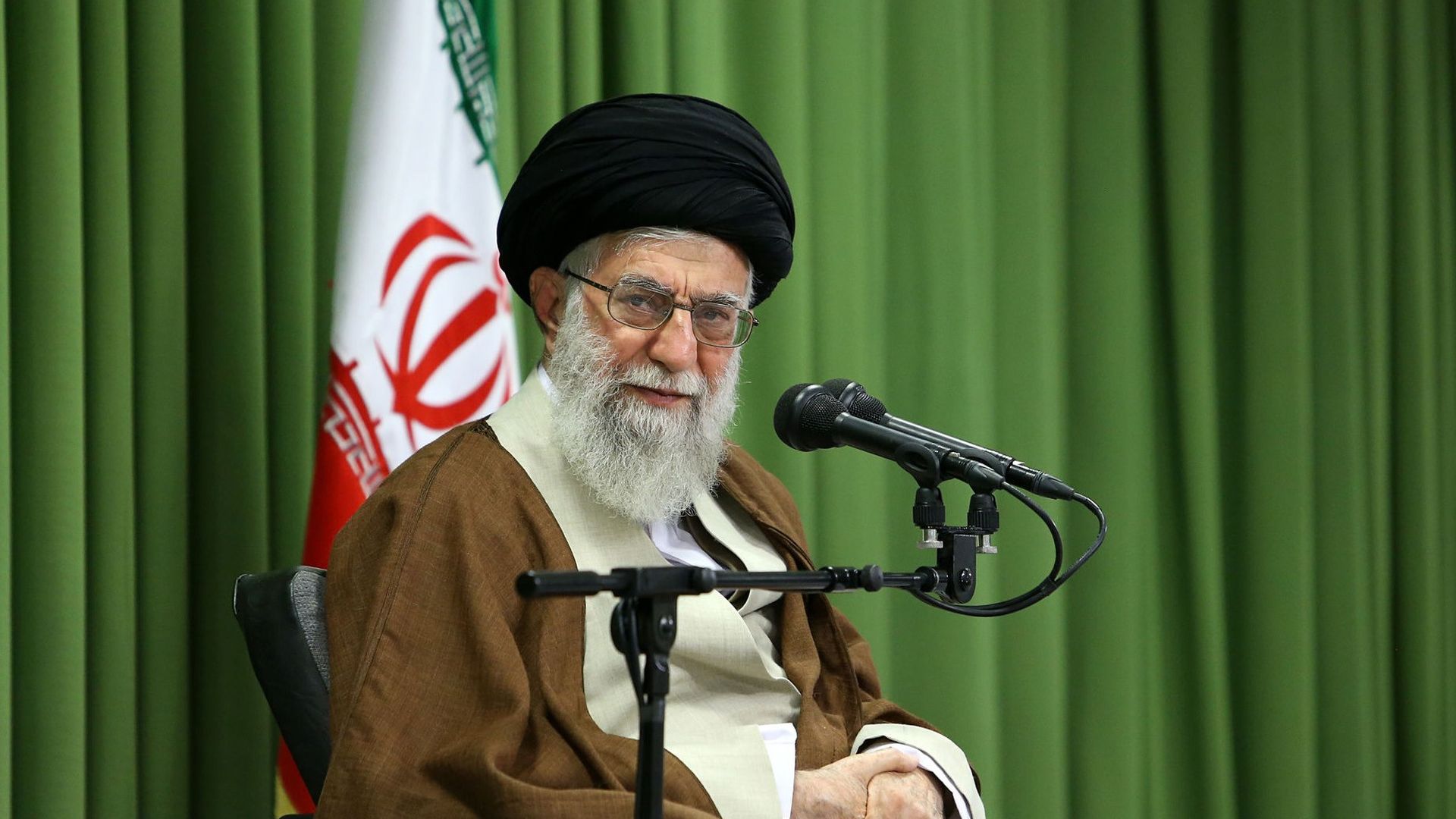
President Trump on Monday announced that the U.S. would impose a new set of sanctions targeting top officials in the Iranian government and their access to the international financial system, including Supreme Leader Ayatollah Ali Khamenei.
"We do not seek conflict with Iran or any other country. ... I can only tell you we cannot ever let Iran have a nuclear weapon."
Russia's booming stock market and currency, China's second quarter bounce and Nicolás Maduro's ability to hold power in Venezuela this year have all flown directly in the face of conventional wisdom about the power of the U.S. to cajole bad actors on the international stage through sanctions.
Why it matters: As the Trump administration mulls further punitive actions on China, Iran and a growing list of countries, there's growing evidence the U.S. is losing its coercive power.
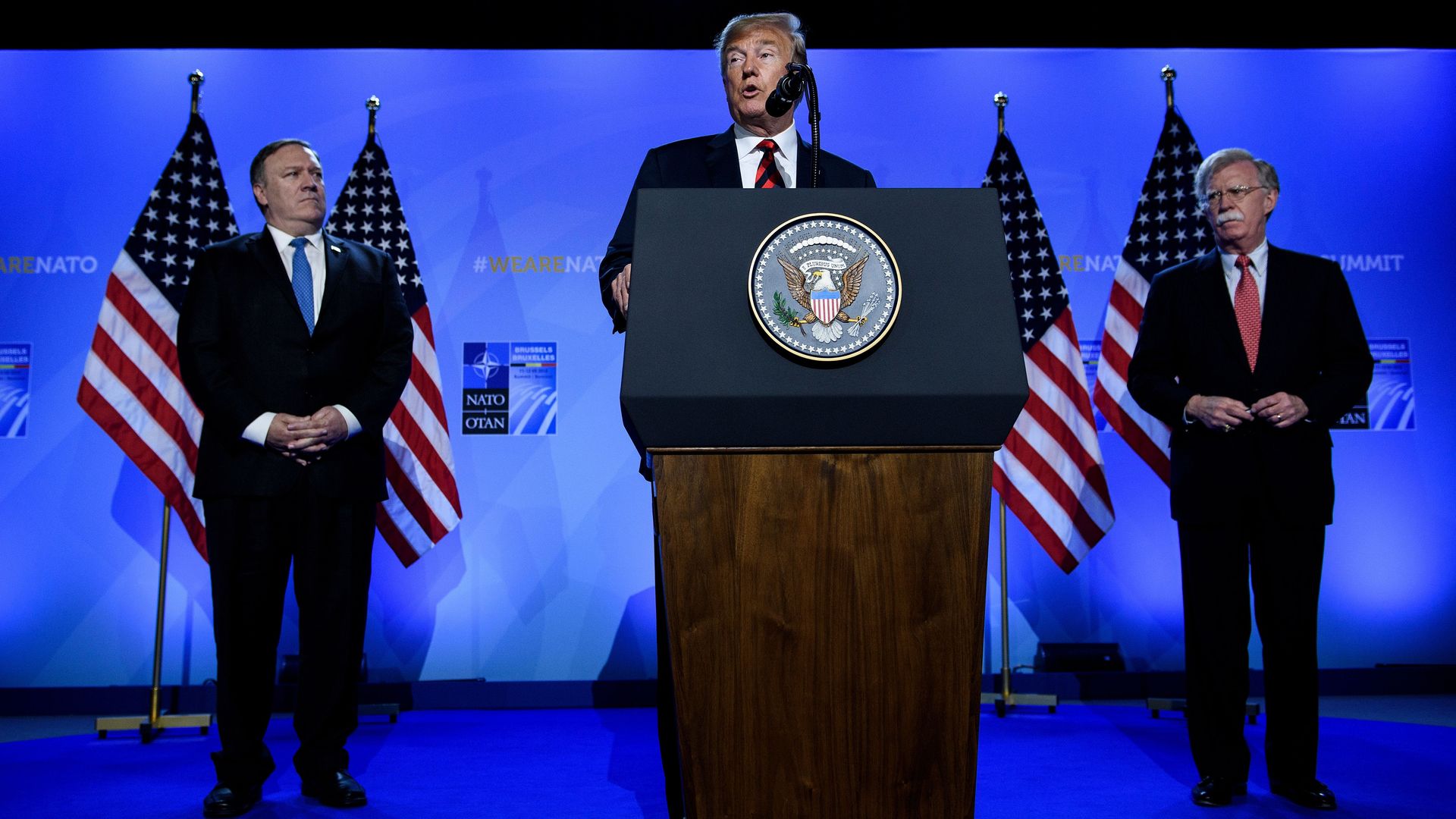
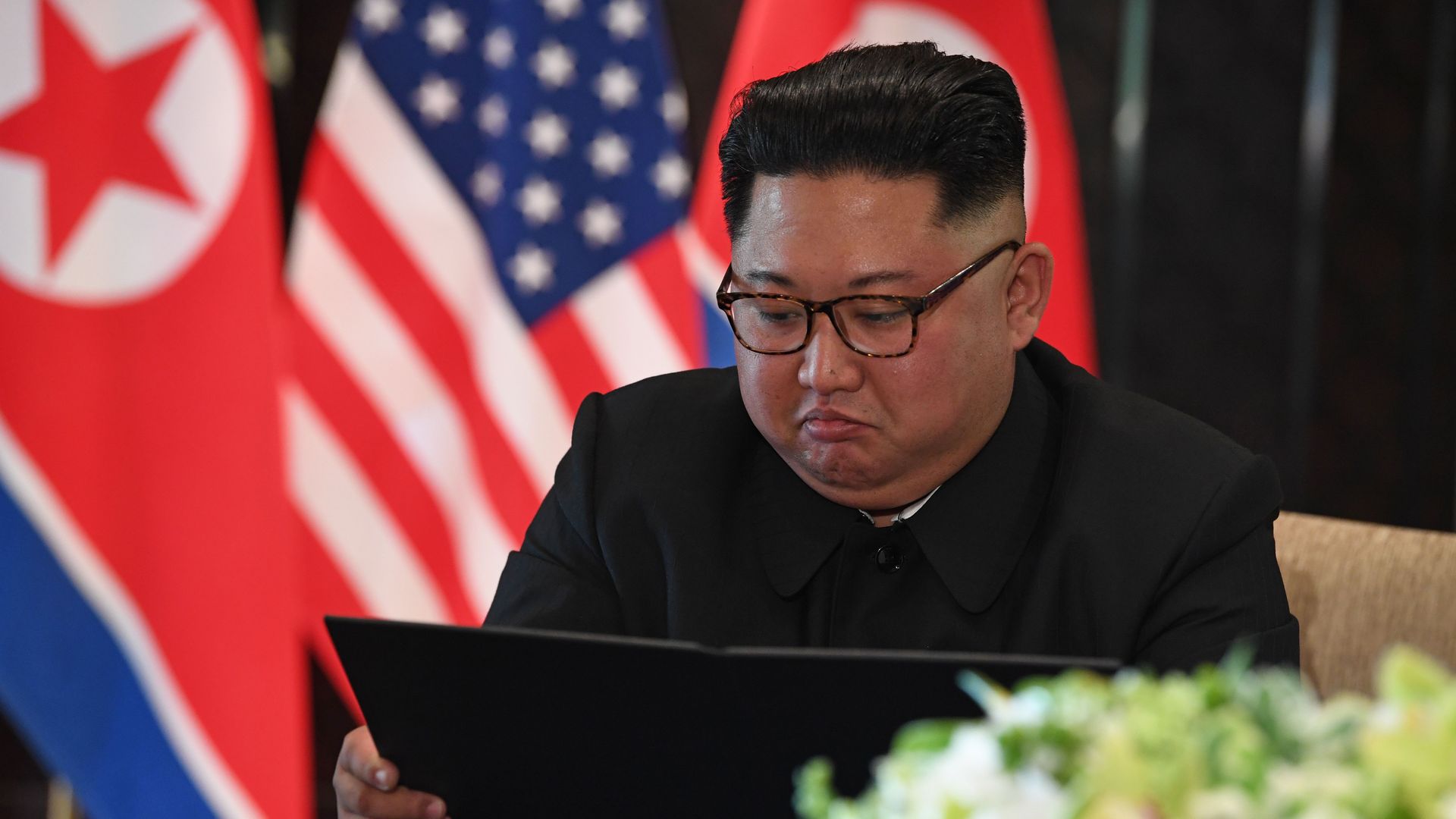
Secretary of State Mike Pompeo said Sunday he's hopeful a letter President Trump sent to North Korean leader Kim Jong-un would provide a "good foundation" for "discussions with the North Koreans to denuclearize the peninsula."
Details: Pompeo made the comments during a media briefing a day after Pyongyang's state-run news agency KCNA praised the letter's "excellent content," without specifying details. "Appreciating the political judging faculty and extraordinary courage of President Trump, Kim Jong Un said that he would seriously contemplate the interesting content," it said.
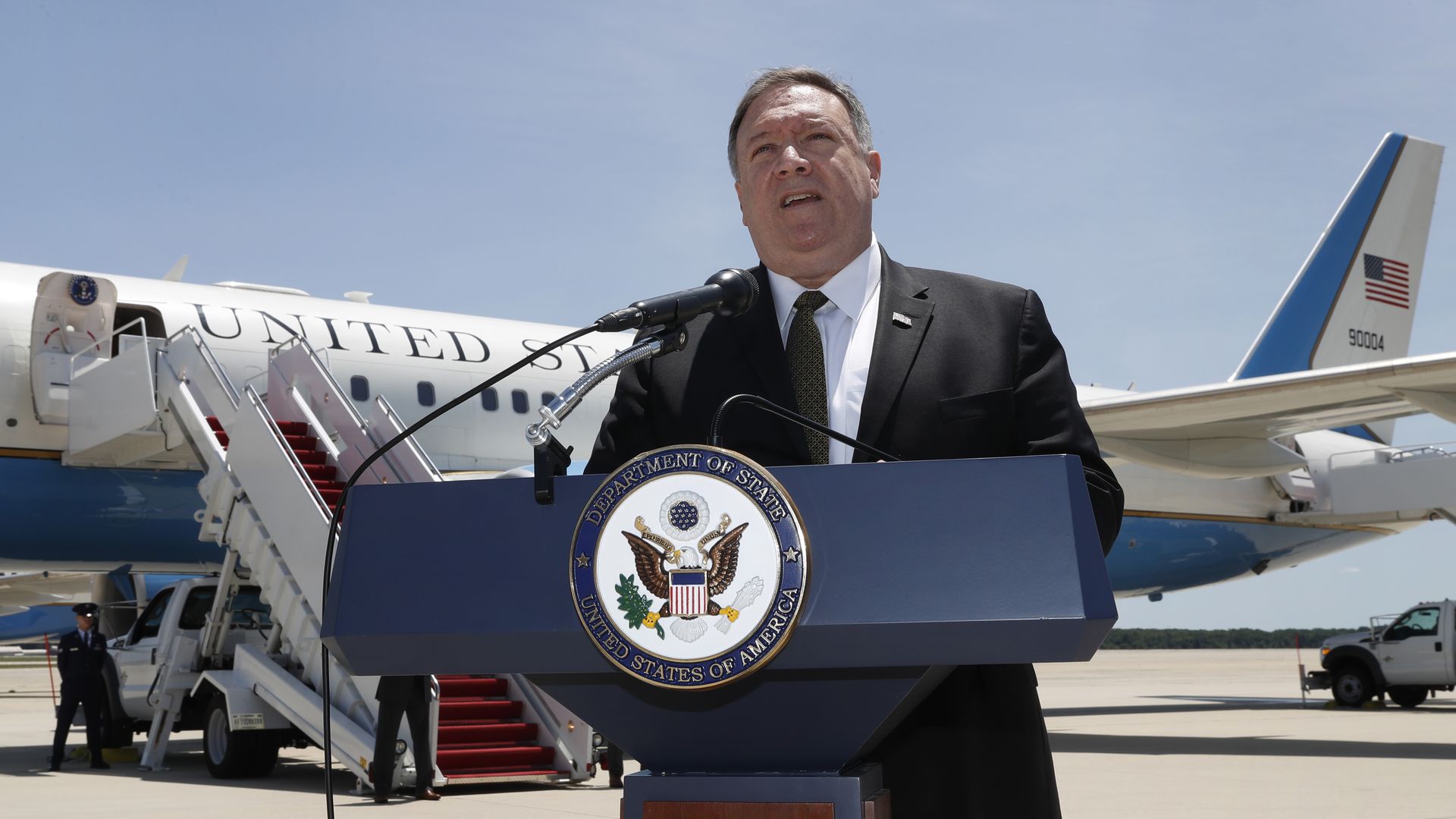
Secretary of State Mike Pompeo said Sunday he wants to "build out a global coalition" against Iran, after a week that saw Washington on the brink of launching military action against Tehran.
Details: Pompeo made the comments as he prepared to fly to Saudi Arabia and then the United Arab Emirates to discuss with leaders there "the challenge that Iran presents," he said. Pompeo outlined his goals for a coalition "not only throughout the Gulf states but in Asia and in Europe that understands this challenge and that is prepared to push back against the world’s largest state sponsor of terror."
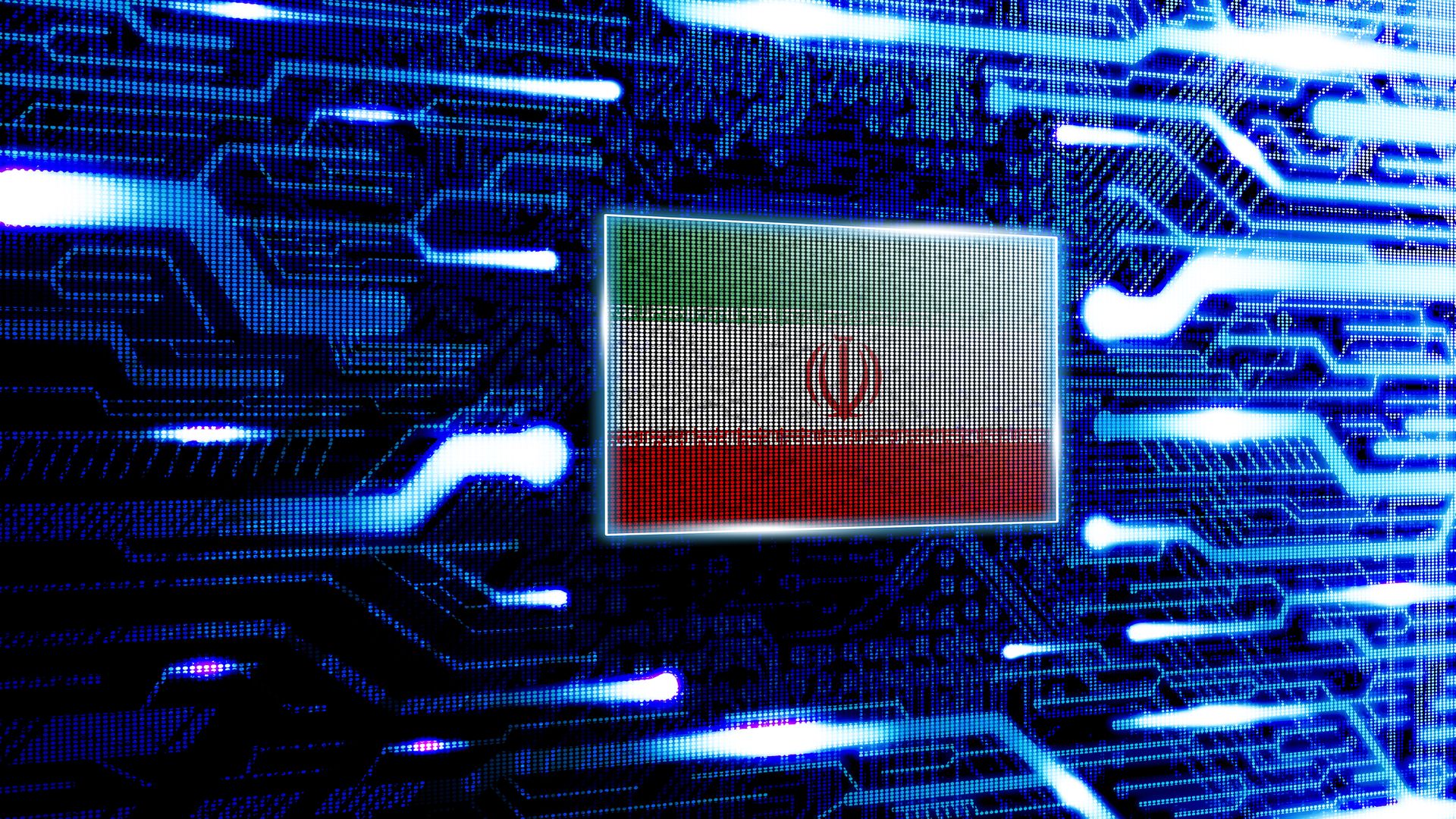
Various media outlets have reported that the U.S. waged some form of cyber operation against the Iranian military last week in response to attacks on oil tankers in the Gulf of Oman and an unmanned U.S. drone.
The big question: Given its history of responding to various threats with cyberattacks of their own, how will Tehran respond? It's a complicated question to answer, especially given how close President Trump was to launching physical attacks as part of his own response to escalating tensions with Iran.
President Trump said in an interview on NBC's "Meet the Press" Sunday that he is willing to speak with the leaders of Iran under "no pre-conditions," and that all he is seeking out of a deal with Iran is a ban on the country obtaining nuclear weapons.
CHUCK TODD: "Is it one-on-one talks, you and the Ayatollah, or you and the President?
TRUMP: "It doesn't matter to me. Here's what I want, anything that gets you to the result. They cannot have a nuclear weapon. It's not about the straits. You know, a lot of people covered it incorrectly. They're never mentioned. They cannot have a nuclear weapon. They'd use it. And they're not going to have a nuclear weapon."
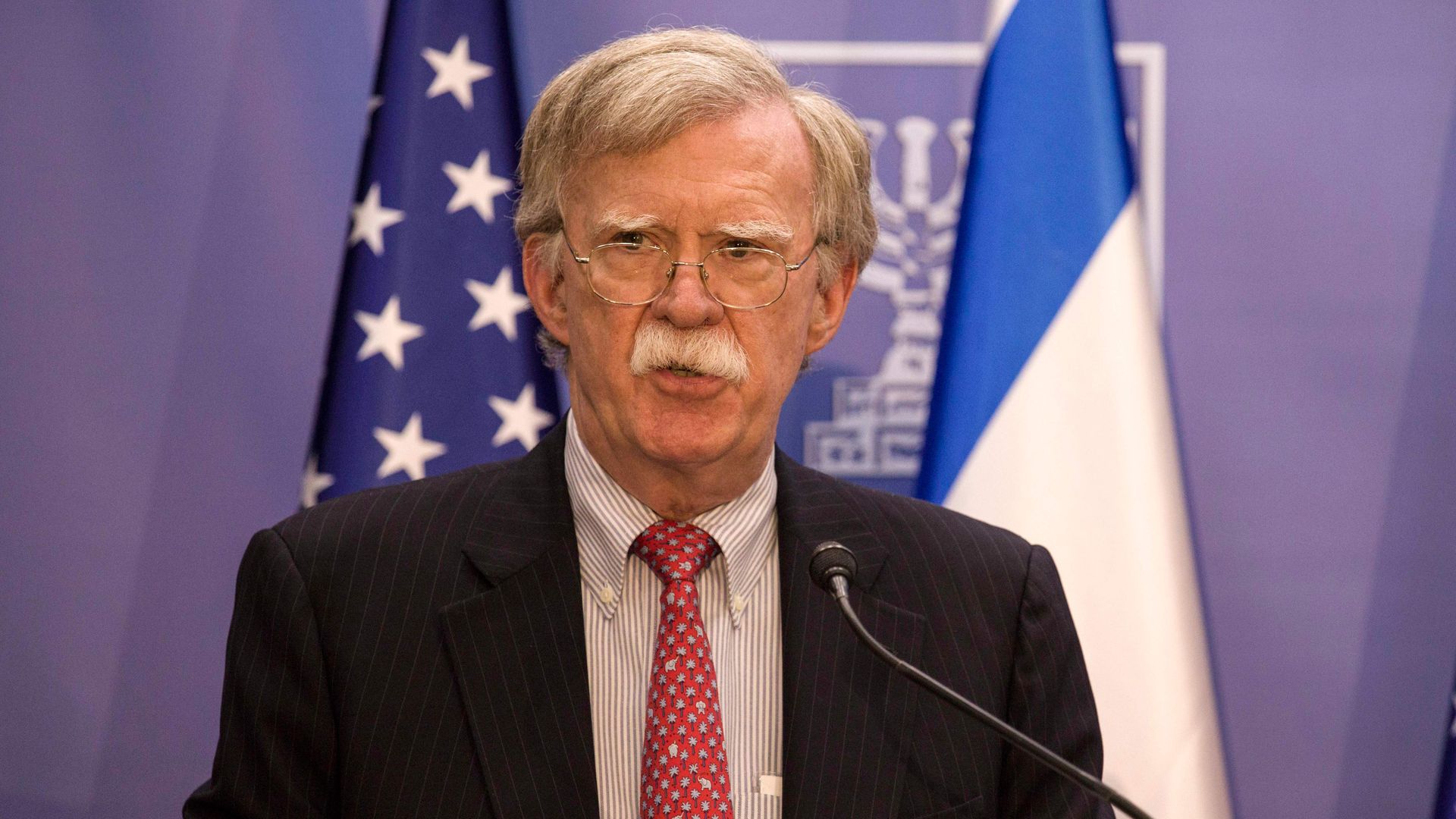
White House national security adviser John Bolton told Israeli Prime Minister Benjamin Netanyahu in a meeting today that President Trump may still order a military strike against Iran. "The president said he just stopped the strike from going forward at this time," Bolton said in a joint press availability with Netanyahu at the top of their meeting.
Why it matters: Israeli officials are concerned with the U.S. response to the latest Iranian actions in the region. Israeli security and intelligence officials think that in order to force Iran to stop its provocations, the U.S. response needs to be stronger. Despite this assessment, Netanyahu refrained from publicly criticizing Trump's decision not to order a military strike and didn't say a word about it in his press remarks with Bolton.
U.S. military cyber forces launched retaliatory online attacks this week on Iranian computer systems that control Iran’s rocket and missile launchers, the New York Times and AP report.
Details: President Trump authorized the cyberattack as he stopped a military response to Iran shooting downing a U.S. surveillance drone, according to AP and the Washington Post. Thursday's operation targeted Iran's Revolutionary Guard, which U.S. officials hold responsible for attacks on oil tankers in the Gulf of Oman this month, per AP.
The Department of Homeland Security said in a warning issued on Saturday there's been a recent rise in malicious cyber activity directed at U.S. industries and government agencies by Iranian regime actors and proxies.
"Iranian regime actors and proxies are increasingly using destructive 'wiper' attacks, looking to do much more than just steal data and money. These efforts are often enabled through common tactics like spear phishing, password spraying, and credential stuffing."
— Christopher Krebbs, Cybersecurity and Infrastructure Security Agency director