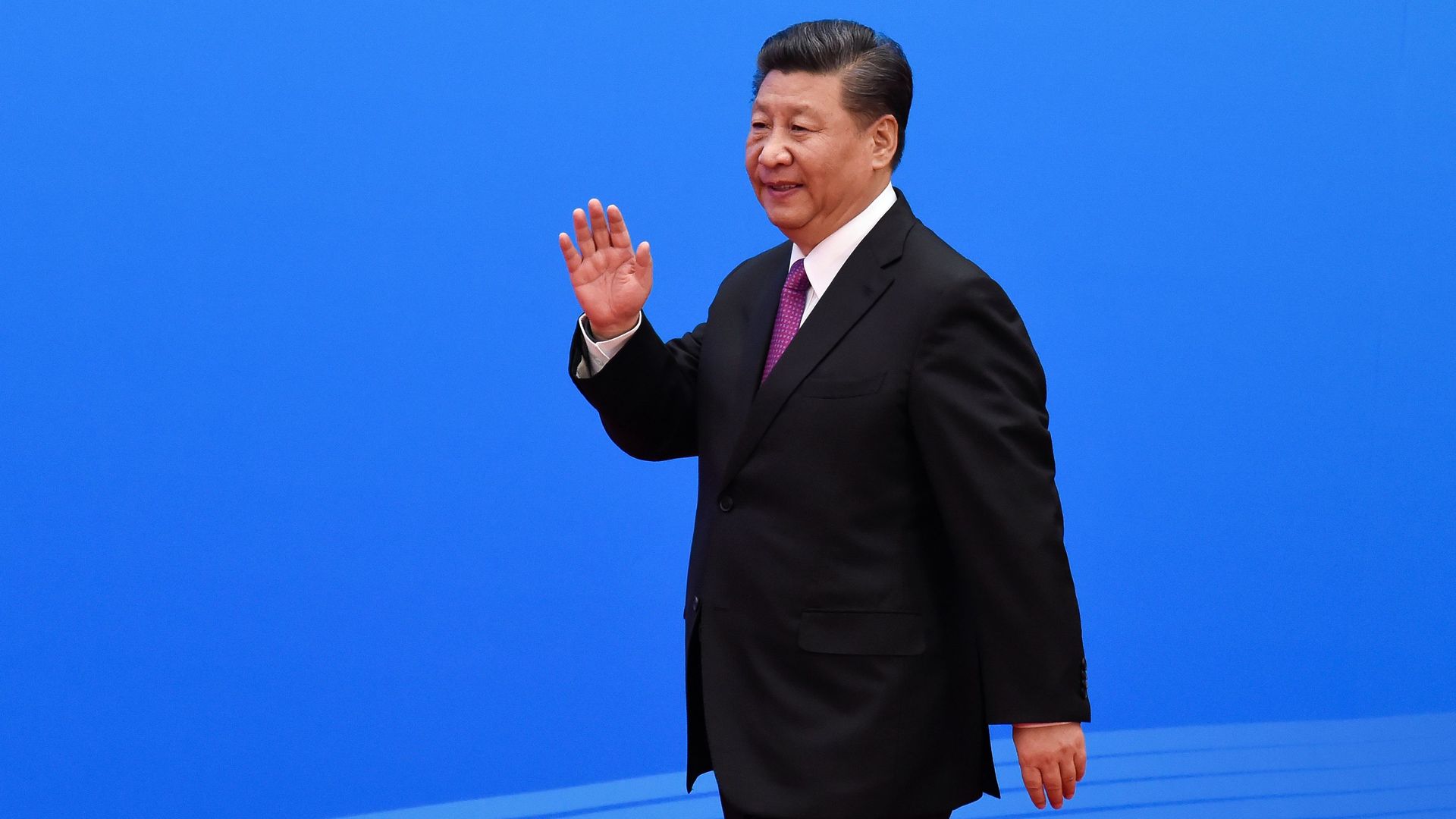
At China's big Belt and Road conference last week in Beijing, local officials bandied about a new moniker for the spidery, geopolitically important system of infrastructure it is building around the world — "Six Corridors, Six Roads."
The backdrop: The name gives more descriptionto a project that fans out from China, around the region and to most of the other continents, reflecting Beijing's ambitions, like Rome, to make all roads lead to it.
Today, Brazilians poured into the streets to vent their anger about something that, in fairness, makes a lot of people's eyes glaze over: pension reform.
The big picture: It's the same issue that's roiled politics in Spain, France, and Argentina recently. In Nicaragua last year, it prompted a violent political crisis. And in Russia, it's the one thing Vladimir Putin is truly afraid of.
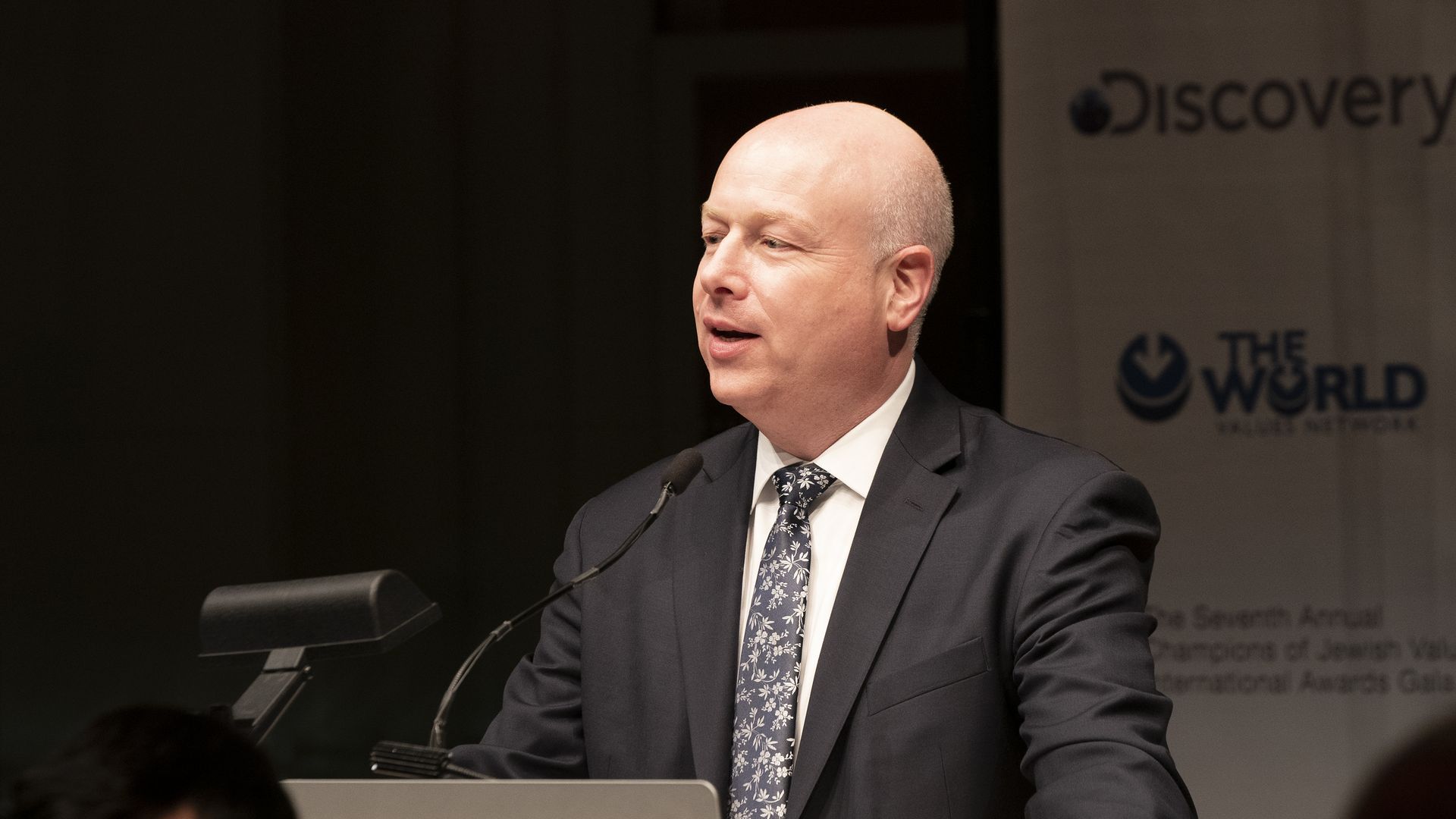
President Trump's special envoy for Middle East Peace Jason Greenblatt on Wednesday visited the Poway synagogue in southern California, which was attacked last Saturday by a white supremacist.
Why it matters: Greenblatt is the most senior Trump administration official to visit the Poway Jewish community since the attack. Trump had a phone call a few days ago with Rabbi Goldstein, who was wounded in the attack. Greenblatt's visit was meant to send a message from the White House condemning anti-Semitism and hate crimes on the date that Israel and Jewish communities around the world mark Yom HaShoa, or Holocaust Remembrance Day.
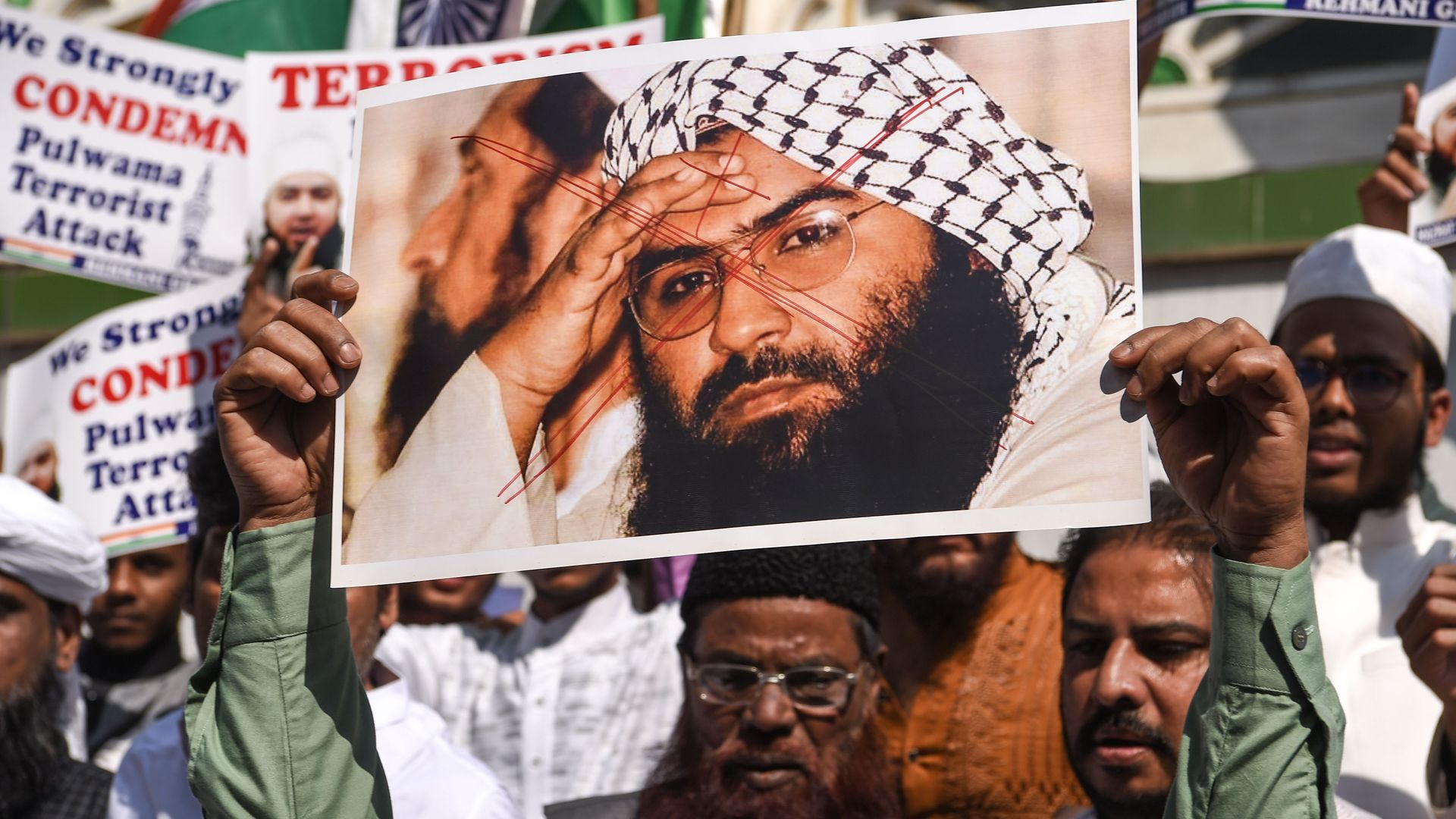
In a major diplomatic win for India, the United Nations has listed Jaish-e-Mohammed leader Masood Azhar as a global terrorist after China finally supported the terror designation for the Pakistan-based militant leader.
Why it matters: Jaish-e-Mohammed is accused of carrying out numerous attacks in India, including the bombing of India’s parliament in 2001 and the suicide attack that killed 40 troops in Indian-administered Kashmir last February. That attack brought nuclear-armed rivals India and Pakistan close to war.
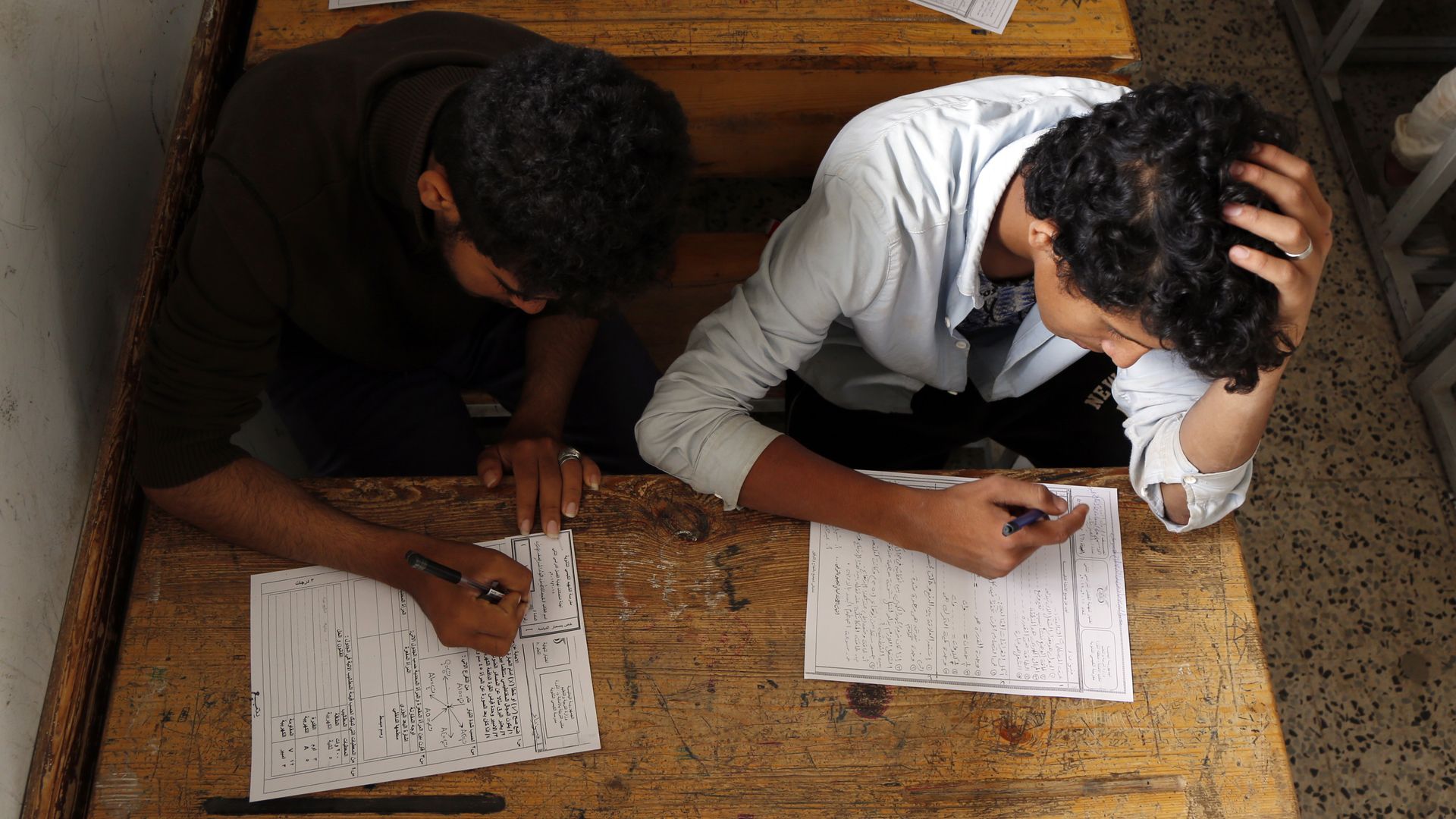
Two-thirds of young Arabs — 65% of the Arab population is under age 30 — say religion plays too big a role in the Middle East, according to the 11th annual Arab Youth Survey, which included 3,300 18- to 24-year-olds in 15 states and territories in the Middle East and North Africa.
By the numbers: 59% say the U.S. is an adversary while only 41% call it an ally, according to the survey, conducted by the research consultancy PSB. When asked whether the U.S. or Russia is a stronger ally of their country, young Arabs are as likely to select Russia (37%) as the U.S. (38%).
The age of surveillance and Big Data is throwing up a new challenge to one of the oldest professions on the planet. We are talking the job of secret agent.
What's happening: Suddenly, the world's least-open nations can marshal a lifetime of personal and location data on friend and foe from security cameras, social media, and smart phones. This seriously complicates the mission of undercover spy — men and women whose talent since Cleopatra and before has been gaining cozy proximity with movers and shakers and persuading locals to betray their country.
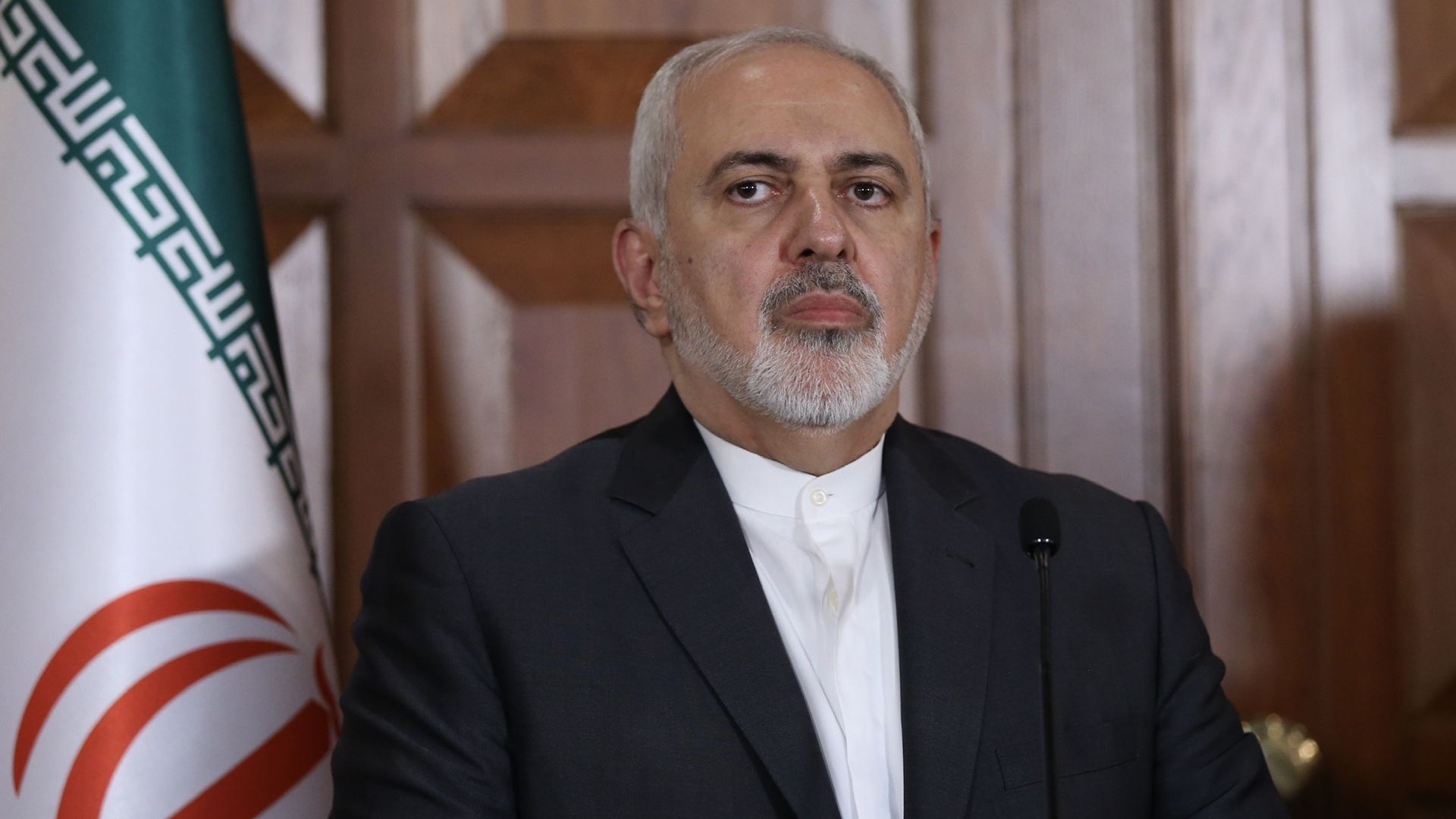
Iran’s Foreign Minister Mohammad Javad Zarif has stepped up his public diplomacy to criticize President Trump's foreign policy and amplify ruptures — real or purported — within the administration.
The big picture: In a string of televisedinterviews on Sunday, Zarif warned that Washington risks stumbling into a war with Tehran and defended Iran’s Islamic Revolutionary Guard Corps, falsely claiming it “has never killed Americans.” Almost a year after the U.S. withdrawal from the Iran nuclear deal, this effort may signal that the administration's "maximum pressure" campaign is straining Iran's "maximum patience."
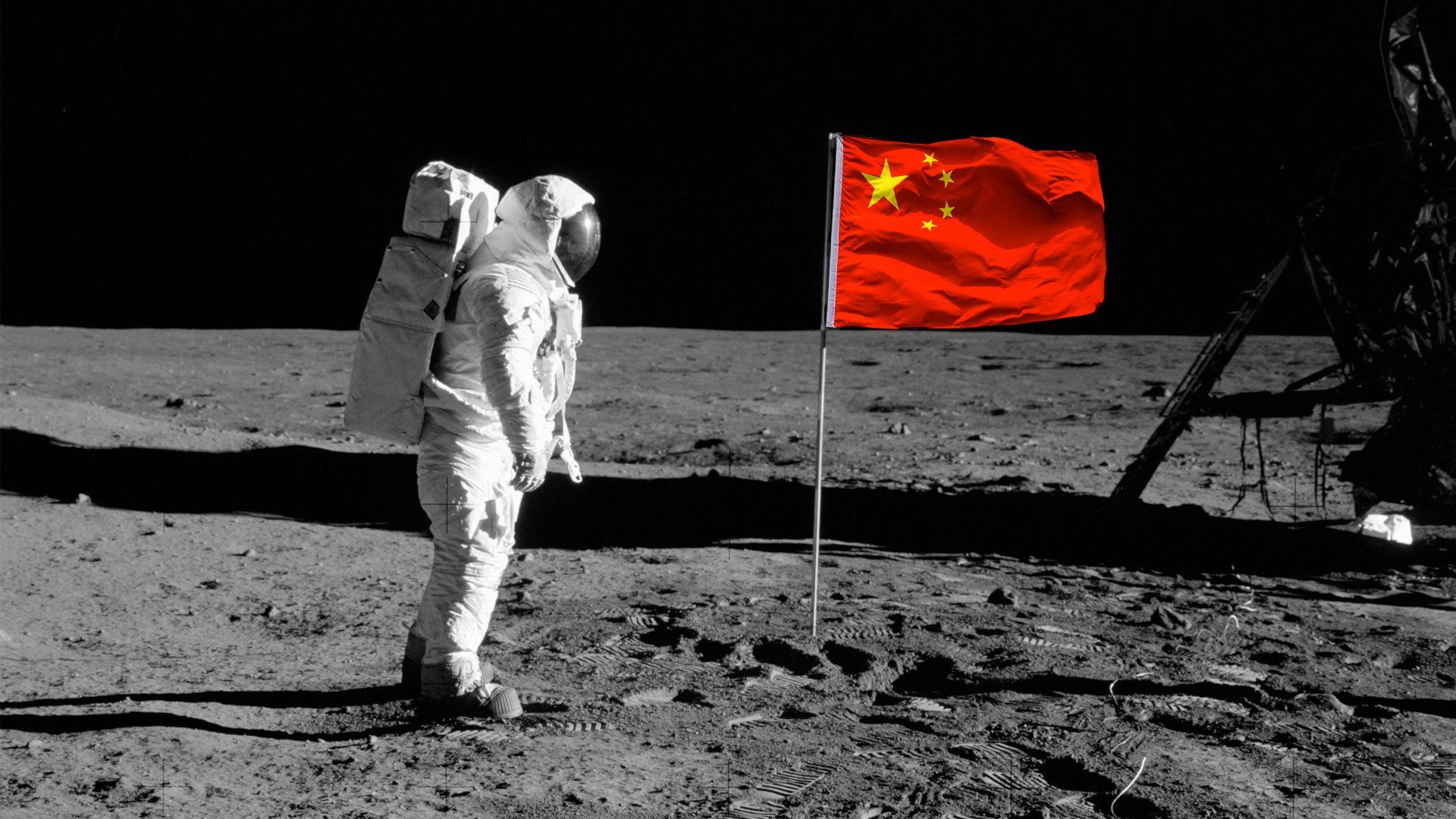
China is pushing deeper into space, but its human spaceflight goals don't directly compete with the U.S.
Why it matters: Much of the dialogue around the U.S. and China's orbital ambitions calls to mind a new space race. Rather, Chinese and U.S. interests — particularly when it comes to human spaceflight — run parallel to one another. If the world's two biggest economies and science and technology leaders were to collaborate, it could open up new avenues for space exploration.
It's no surprise that China is the world's largest electric vehicle market by far, but this chart above, constructed from DOE data, puts it in stark relief.