Friday's world stories

U.S. exit from INF Treaty frees Russia from key nuclear constraints
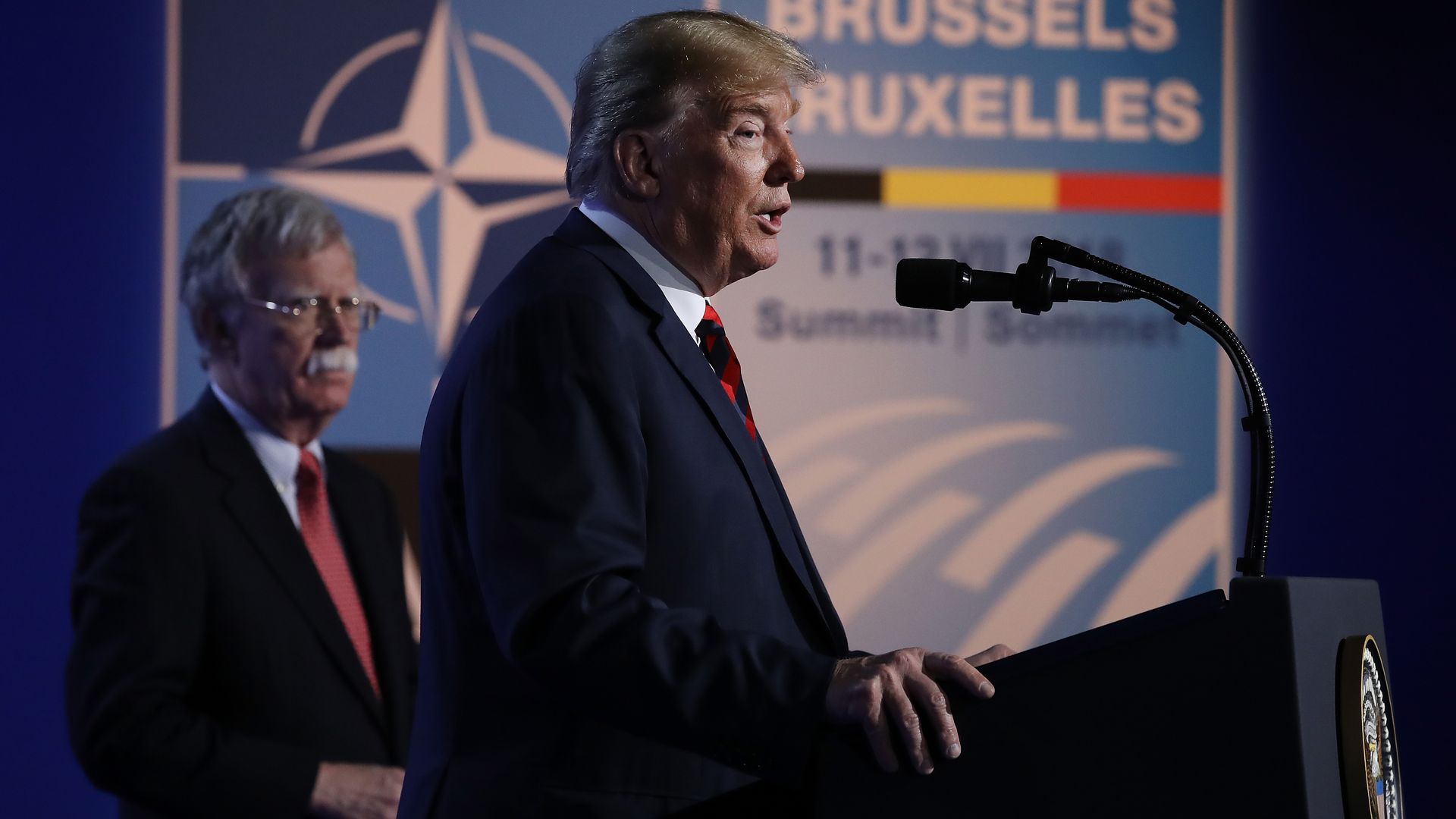
Secretary of State Pompeo announced on Feb 1. that the United States will suspend its obligations under — and withdraw from — the 1987 Intermediate-range Nuclear Forces (INF) Treaty. That treaty banned U.S. and Russian land-based missiles with ranges between 500 and 5,500 kilometers, but Russia has violated violated the agreement by deploying the 9M729 intermediate-range cruise missile.
Why it matters: Although Washington asserted that its goal was to bring Russia back into compliance, it did not develop a serious political and military strategy to do so. There is now little chance now of saving the treaty, whose demise will weaken U.S. and allied security and free Russia to deploy intermediate-range missiles.

Judge considering gag order for Roger Stone
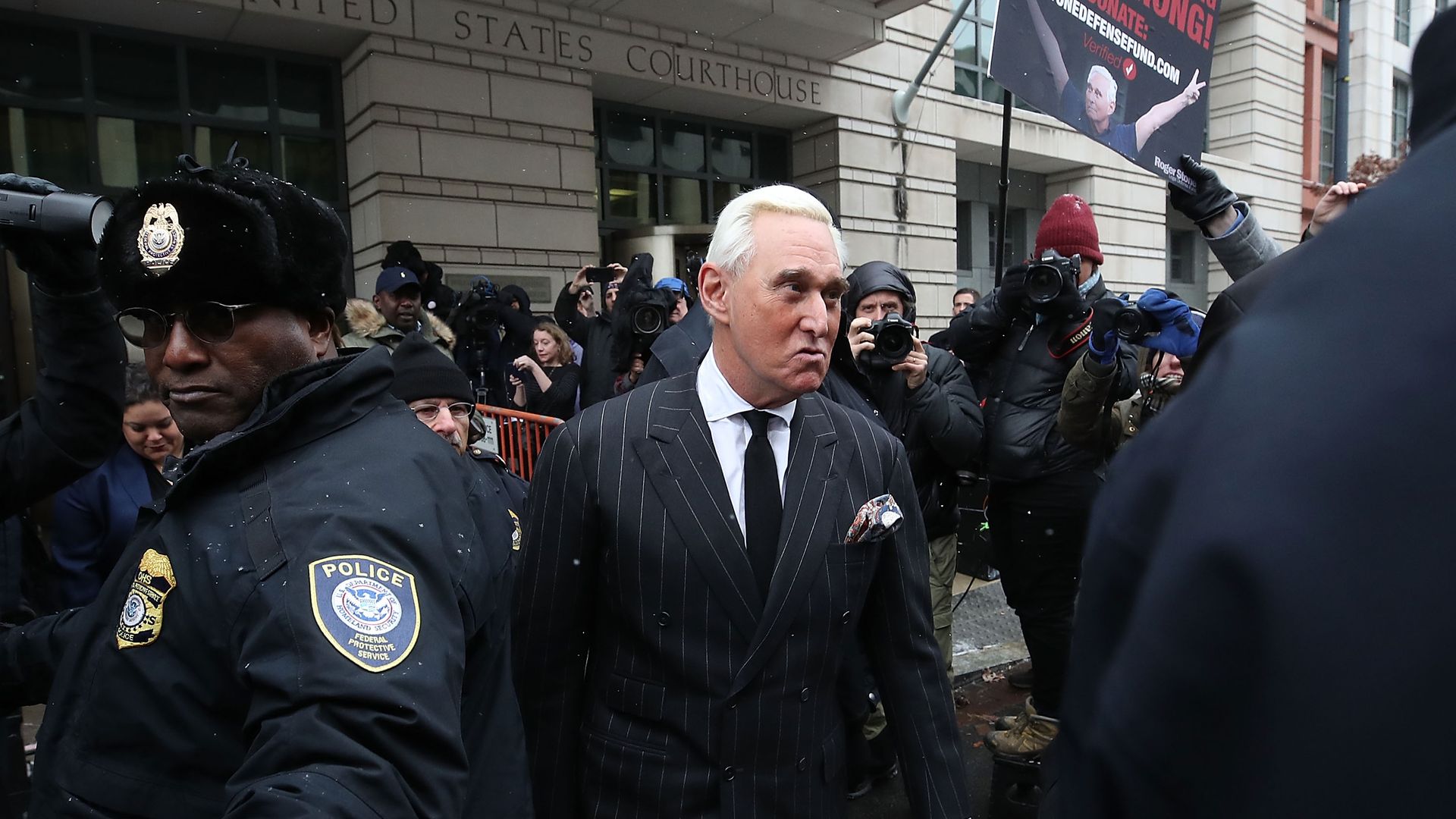
Judge Amy Berman Jackson said Friday that she would decide next week whether to issue a gag order on longtime Trump associate Roger Stone, who has pleaded not guilty in the Mueller investigation to felony charges of witness tampering, obstruction of justice and lying to investigators.
Why it matters: Stone, a notoriously brash and theatrical political operative, has publicly condemned the investigation into his alleged involvement with WikiLeaks and Russian interference in the 2016 election as politically motivated. Stone's public behavior since his indictment and arrest last week — including his discussion of the case on cable television and with reporters on the courthouse steps — prompted Jackson to tell the courtroom: "This is a criminal proceeding, not a public relations campaign.”
Go deeper: Mueller says evidence in Roger Stone case is "voluminous and complex"

World First closes U.S. operations before acquisition by Chinese tech giant
World First, a British money transfer and currency exchange company backed by FTV Capital, is shutting its longstanding U.S. operations to defend against possible regulatory challenges to a planned £700 million takeover by China's Ant Financial.
Why it matters: Such extreme measures could become the new normal for non-U.S. companies seeking acquisition by Chinese tech giants. The Financial Times' Nicholas Megaw & Louise Lucas note: "The decision comes almost exactly a year after Ant Financial, the digital payments affiliate of Chinese e-commerce giant Alibaba, was forced to abandon a proposed $1.2 billion proposal to buy MoneyGram, a U.S. money transfer business."

U.S. to withdraw from landmark Cold War missile treaty
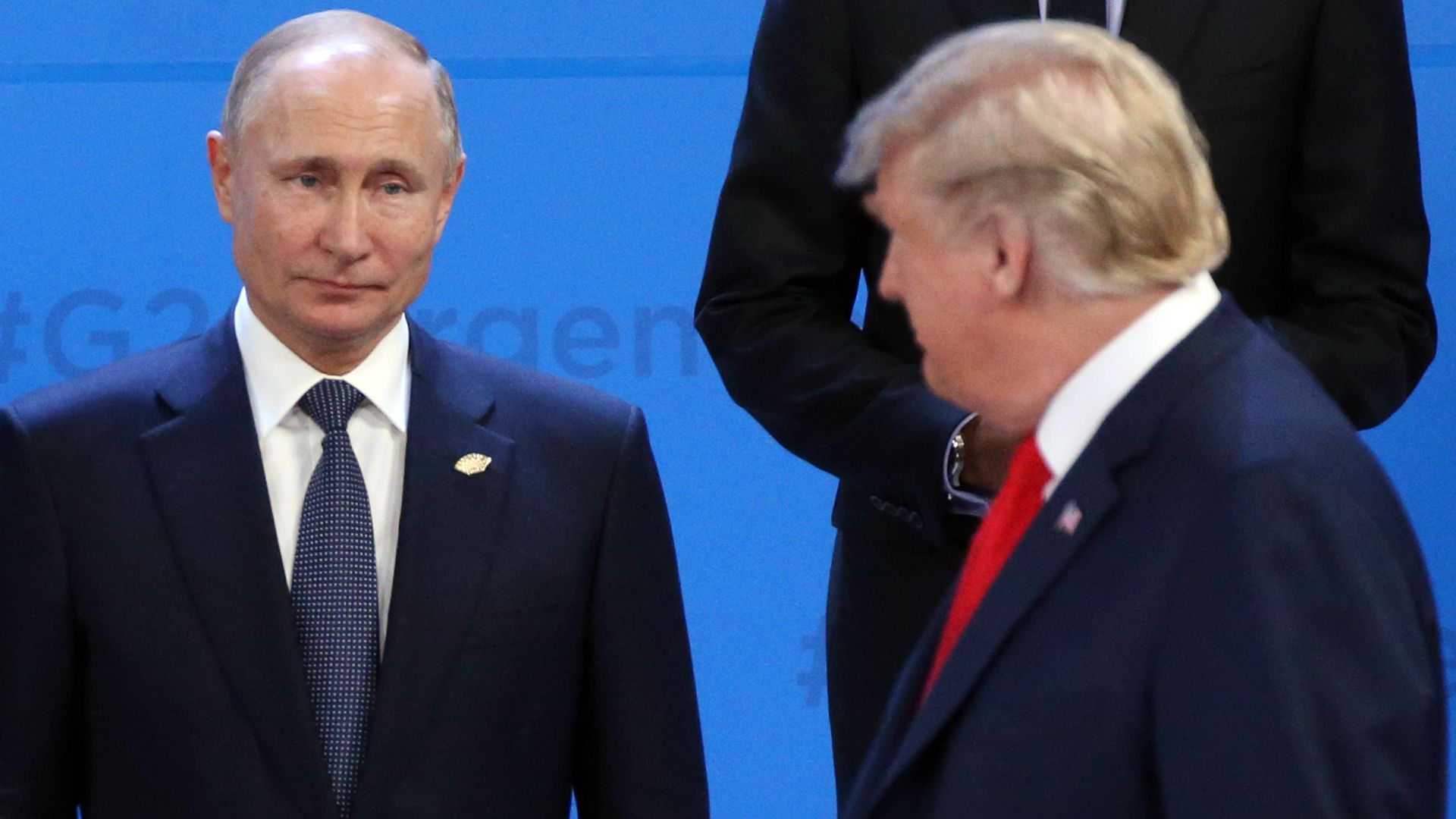
The U.S. will formally notify Russia tomorrow that it is pulling out of the landmark Intermediate-Range Nuclear Forces (INF) treaty, signed in 1987 by Ronald Reagan and Mikhail Gorbachev.
The backdrop: Both the Obama and Trump administrations have accused Russia of violating the treaty, which bans nuclear and conventional ground-launched missiles with ranges of 500 to 5,500 kilometers. Secretary of State Mike Pompeo said in December that Russia had 60 days to return to compliance, or the U.S. would pull out. China, meanwhile, is unconstrained by the treaty and has an arsenal of such missiles.

U.S. cuts off all aid to Palestinian security forces
The U.S. government has ceased all security assistance to the Palestinian Authority for training and equipment starting today, a U.S. embassy official told me.
Why it matters: The move coincides with the new anti-terrorism clarification law (ATCA) going into effect. The official said the U.S. security coordinator and his team will continue to conduct a security cooperation-only mission.
Mueller says evidence in Roger Stone case is "voluminous and complex"
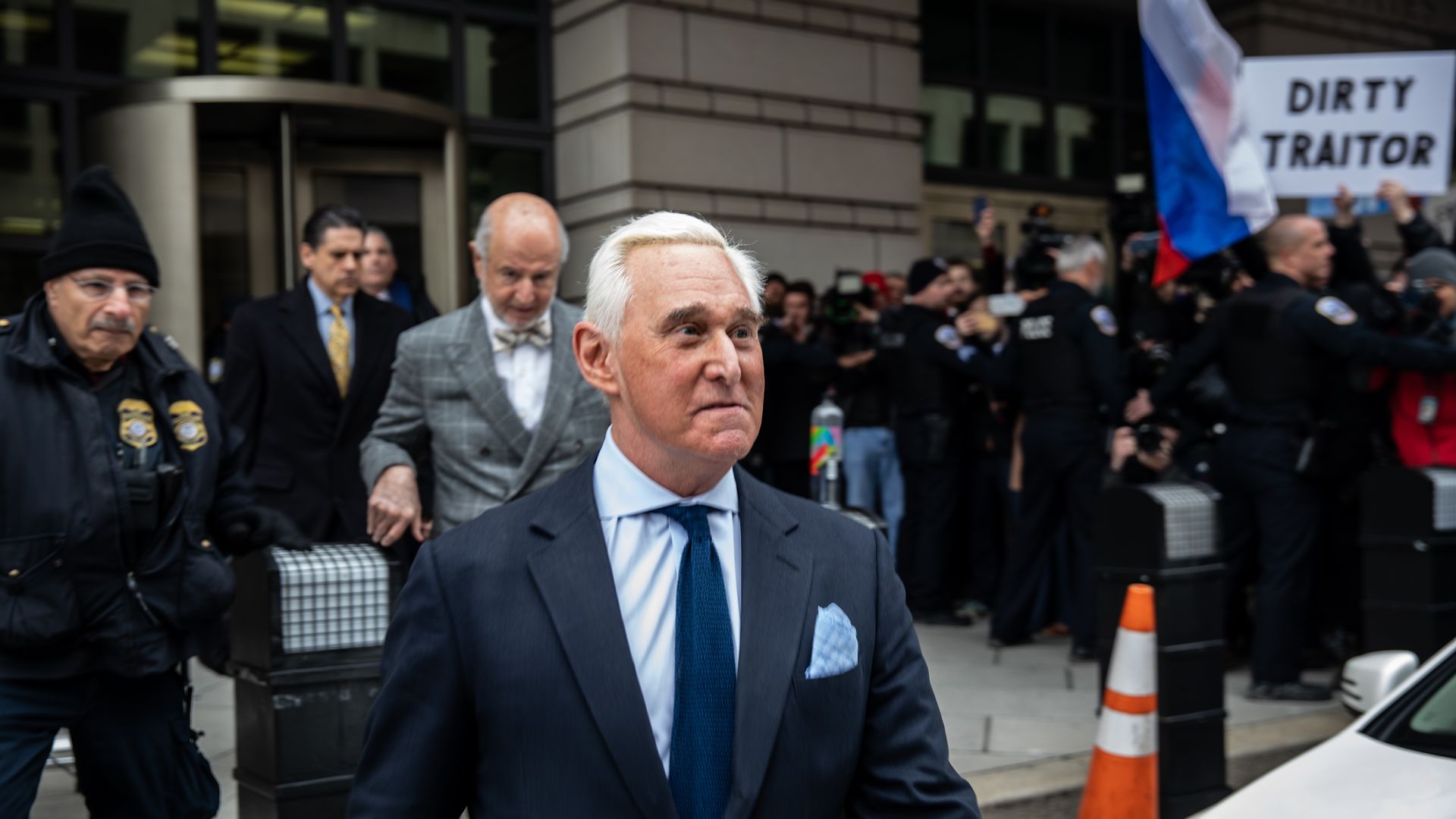
In a new court filing submitted Thursday, special counsel Robert Mueller is claiming that discovery of evidence in the case against Roger Stone — a longtime Trump adviser who was indicted on seven counts last week — is both "voluminous and complex."
"It is composed of multiple hard drives containing several terabytes of information consisting of, among other things, FBI case reports, search warrant applications and results (e.g., Apple iCloud accounts and email accounts), bank and financial records, and the contents of numerous physical devices (e.g., cellular phones, computers, and hard drives). The communications contained in the iCloud accounts, email accounts, and physical devices span several years."
Why it matters: Mueller is arguing that the complexity of the case against Stone outweighs "the interest of the public and defendant in a speedy trial." Stone and his supporters have claimed that Mueller's indictments are politically motivated and simply allege "process crimes," but the breadth of the evidence collected — which includes bank and financial records — suggests Mueller has yet to tip his hand.
Go deeper: What we know and don't know about the players in the Stone indictment

Hezbollah makes gains as Lebanon forms new government
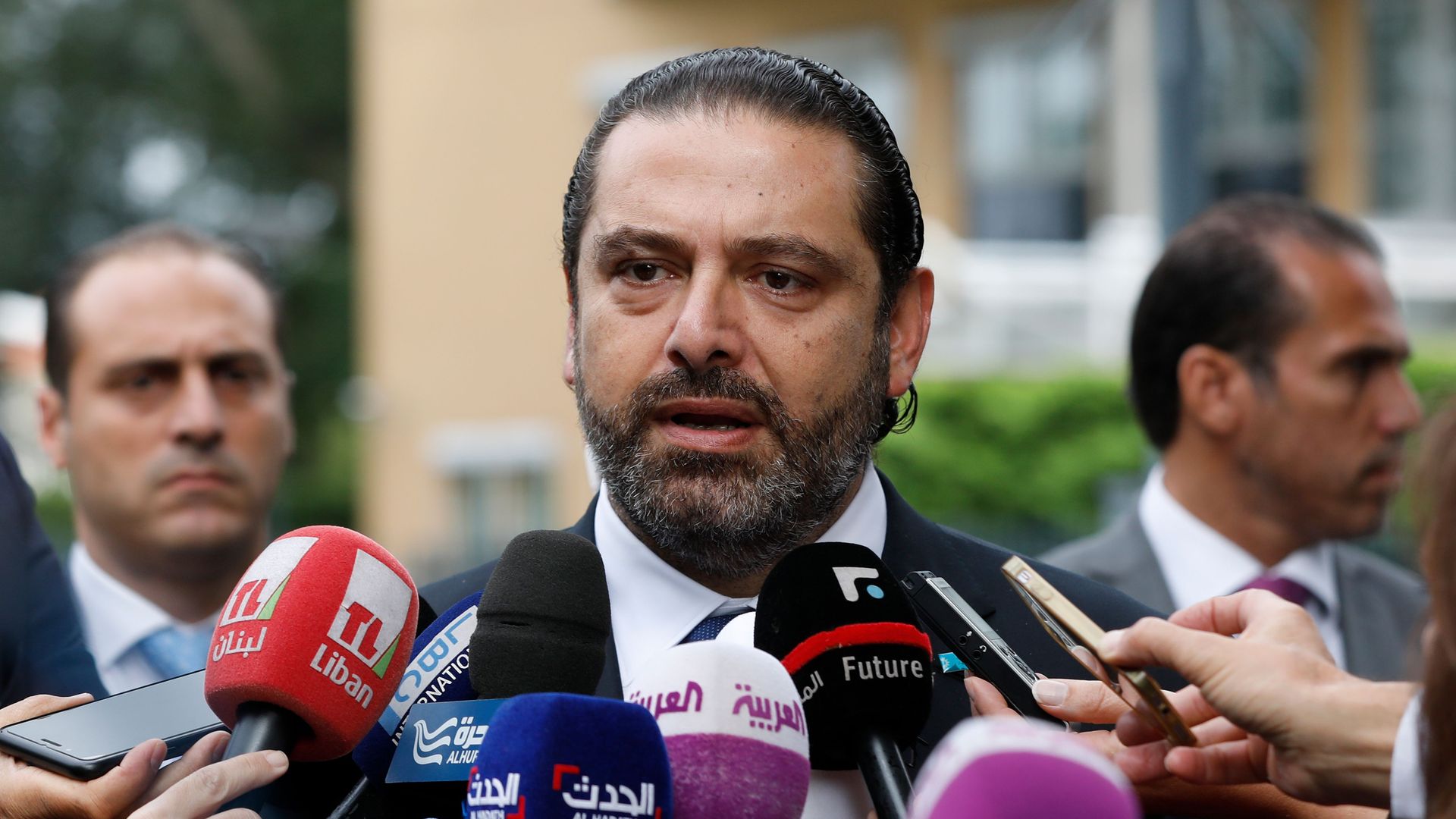
A 9-month political deadlock over the formation of Lebanon's new government has ended, resulting in a Cabinet in which Iran-backed Hezbollah has greater influence. The announced power-sharing agreement is unsurprising given Hezbollah’s strong electoral performance last May, when the predominantly Shiite organization and its allies seized the parliamentary majority from a loose coalition favored by the U.S. and led by returning Prime Minister Saad Hariri.
The big picture: While U.S. allies in Lebanon were able to impede Hezbollah’s ascendency through protracted negotiations, Hezbollah and its allies now control two-thirds of all key government ministries, with the militant group making further inroads into non-Shiite communities. Hezbollah is firmly entrenched in the Lebanese body politic and has grown into a regionwide fighting force on behalf of Iran, undercutting U.S. efforts to roll back Iranian influence.

Europe gambles on a way around Iran sanctions, risking U.S. blowback
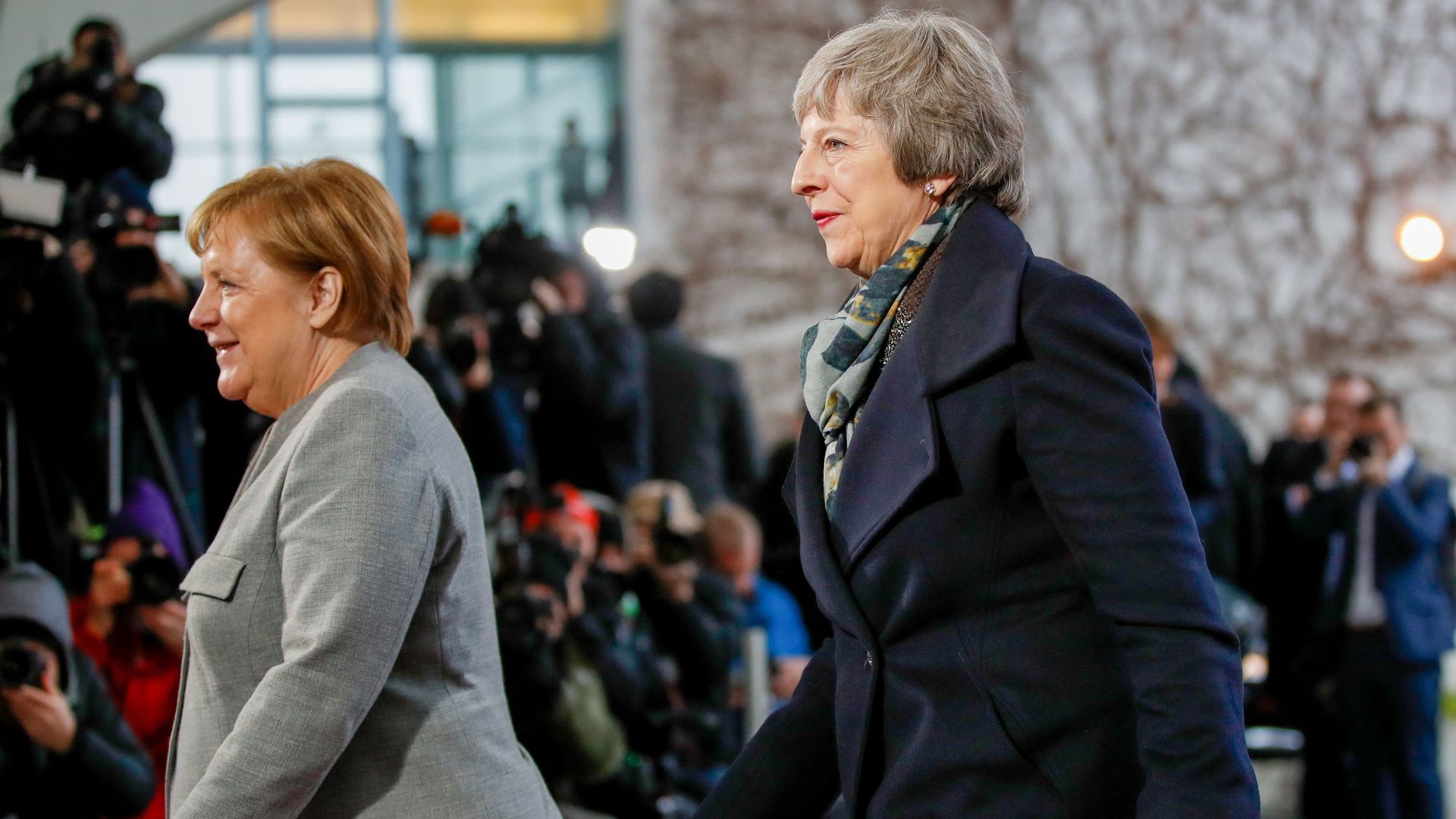
The decision by key European countries to set up a special purpose vehicle (SPV) called INSTEX (Instrument in Support of Trade Exchanges), announced on Thursday, marks Europe’s most substantial step to save the Iran nuclear deal in the wake of the U.S. withdrawal. The SPV provides for a new financial mechanism that would circumvent U.S. sanctions, making it easier for some European companies to do business with Iran.
Why it matters: Whether the EU succeeds won't be determined by the SPV alone. But for now, the move sends 2 messages: Europe remains determined to preserve the agreement, and it's prepared to defy the U.S. administration to do so.
Russia is paranoid about propaganda

Before the 2016 election, Western nations' worst cyberattack nightmare involved sabotage of the electric grid. Meanwhile, the top digital fear among Russians was propaganda campaigns, according to Lincoln Pigman, an Oxford postgraduate researcher who studies the history of Moscow's political posture on cybersecurity.
Why it matters: The idea for the online information campaign that rolled out against the U.S. in 2016 wasn't a stroke of genius out of nowhere. In many ways, it was Russia's worst fears manifest into a weapon.