Thursday's world stories

Mueller says evidence in Roger Stone case is "voluminous and complex"
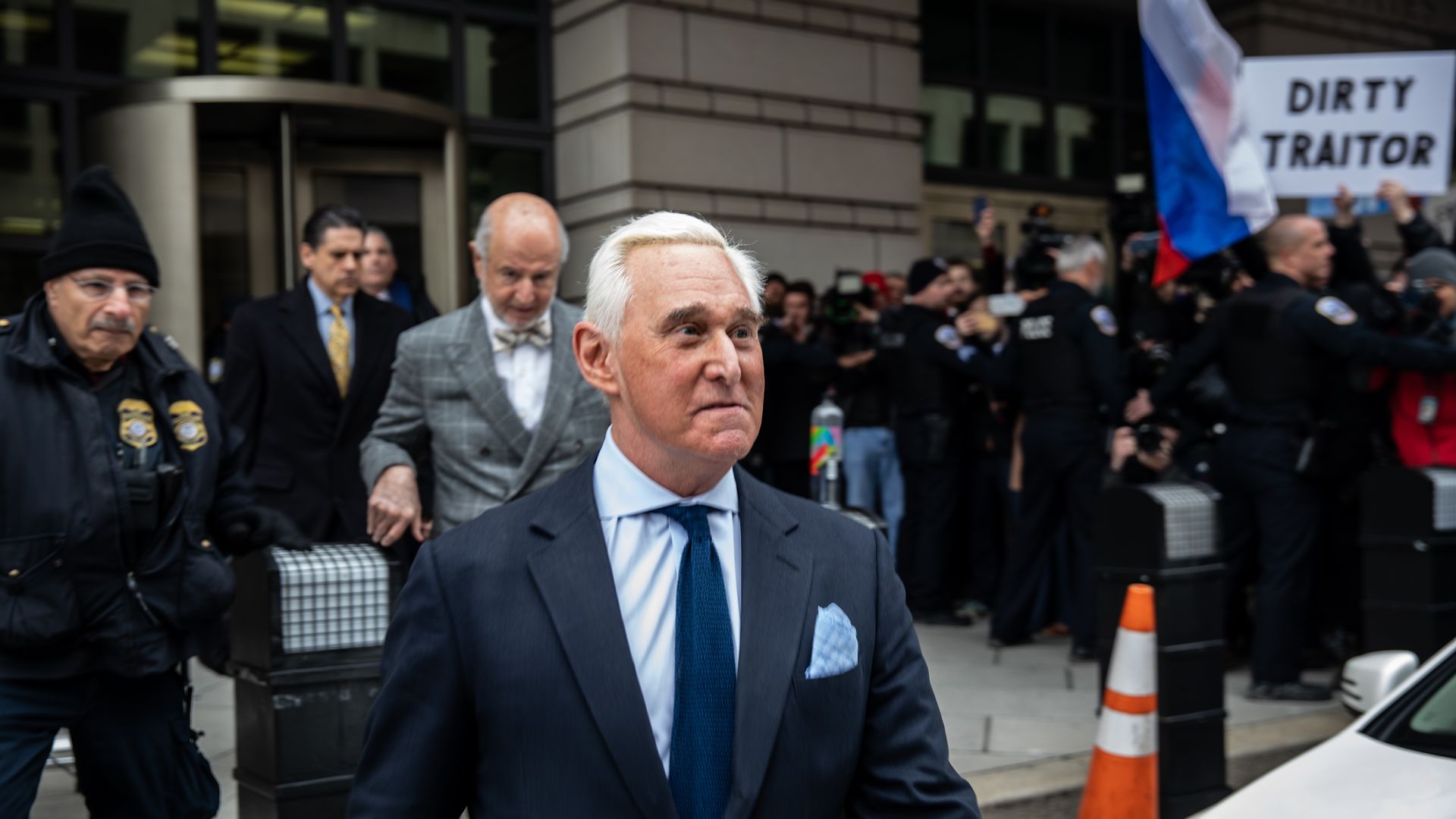
In a new court filing submitted Thursday, special counsel Robert Mueller is claiming that discovery of evidence in the case against Roger Stone — a longtime Trump adviser who was indicted on seven counts last week — is both "voluminous and complex."
"It is composed of multiple hard drives containing several terabytes of information consisting of, among other things, FBI case reports, search warrant applications and results (e.g., Apple iCloud accounts and email accounts), bank and financial records, and the contents of numerous physical devices (e.g., cellular phones, computers, and hard drives). The communications contained in the iCloud accounts, email accounts, and physical devices span several years."
Why it matters: Mueller is arguing that the complexity of the case against Stone outweighs "the interest of the public and defendant in a speedy trial." Stone and his supporters have claimed that Mueller's indictments are politically motivated and simply allege "process crimes," but the breadth of the evidence collected — which includes bank and financial records — suggests Mueller has yet to tip his hand.
Go deeper: What we know and don't know about the players in the Stone indictment

Hezbollah makes gains as Lebanon forms new government
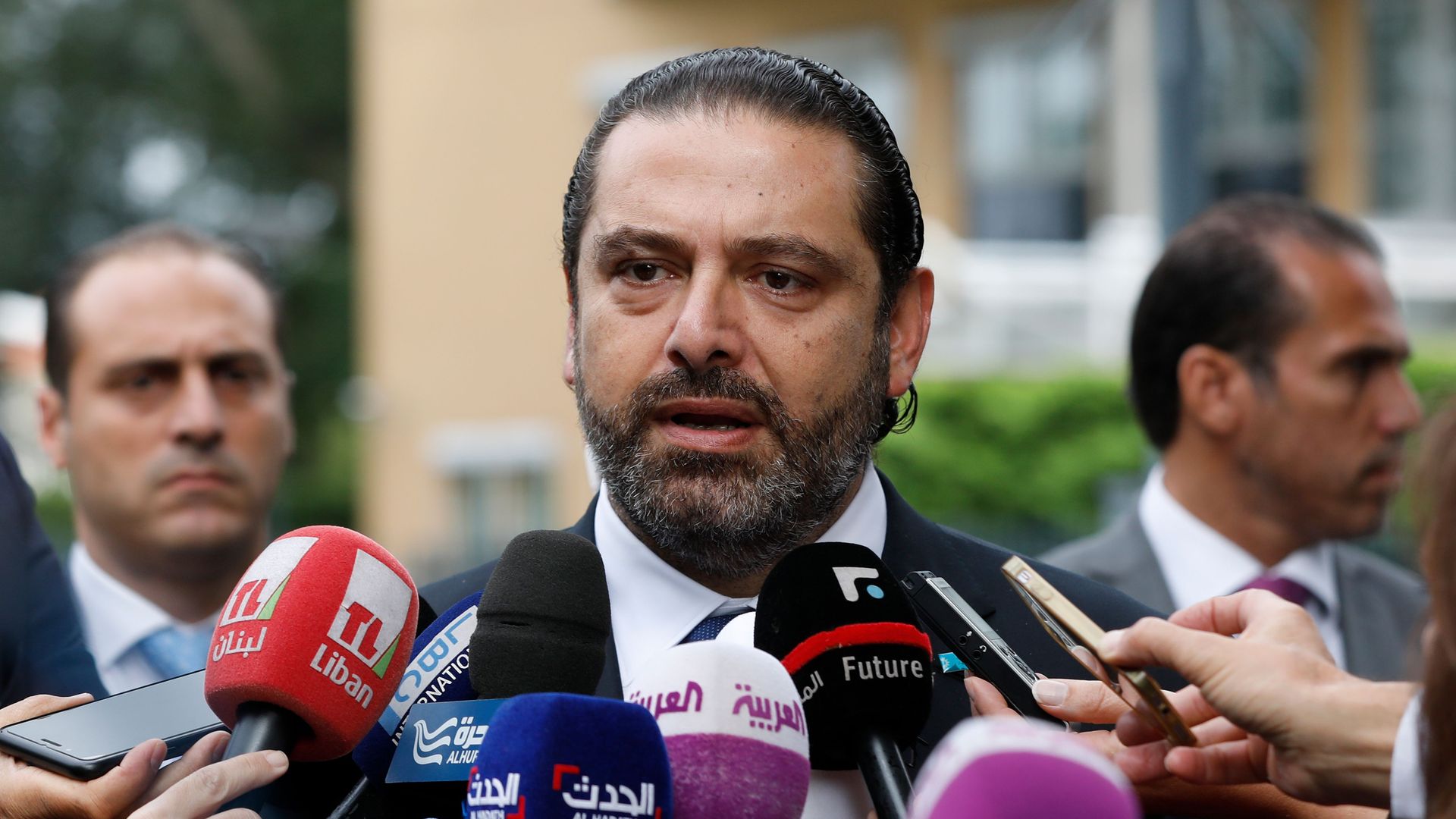
A 9-month political deadlock over the formation of Lebanon's new government has ended, resulting in a Cabinet in which Iran-backed Hezbollah has greater influence. The announced power-sharing agreement is unsurprising given Hezbollah’s strong electoral performance last May, when the predominantly Shiite organization and its allies seized the parliamentary majority from a loose coalition favored by the U.S. and led by returning Prime Minister Saad Hariri.
The big picture: While U.S. allies in Lebanon were able to impede Hezbollah’s ascendency through protracted negotiations, Hezbollah and its allies now control two-thirds of all key government ministries, with the militant group making further inroads into non-Shiite communities. Hezbollah is firmly entrenched in the Lebanese body politic and has grown into a regionwide fighting force on behalf of Iran, undercutting U.S. efforts to roll back Iranian influence.

Europe gambles on a way around Iran sanctions, risking U.S. blowback
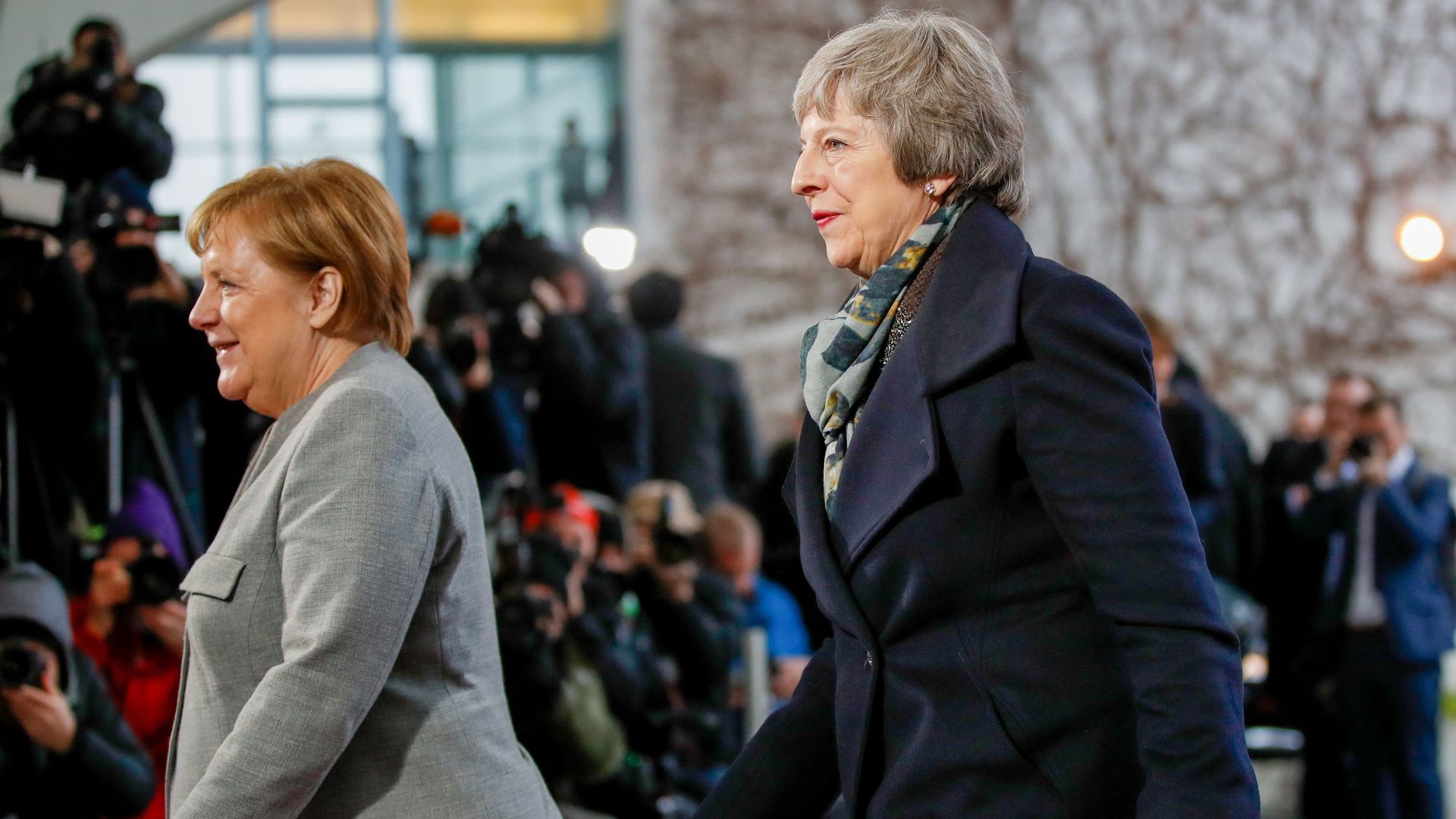
The decision by key European countries to set up a special purpose vehicle (SPV) called INSTEX (Instrument in Support of Trade Exchanges), announced on Thursday, marks Europe’s most substantial step to save the Iran nuclear deal in the wake of the U.S. withdrawal. The SPV provides for a new financial mechanism that would circumvent U.S. sanctions, making it easier for some European companies to do business with Iran.
Why it matters: Whether the EU succeeds won't be determined by the SPV alone. But for now, the move sends 2 messages: Europe remains determined to preserve the agreement, and it's prepared to defy the U.S. administration to do so.
Russia is paranoid about propaganda

Before the 2016 election, Western nations' worst cyberattack nightmare involved sabotage of the electric grid. Meanwhile, the top digital fear among Russians was propaganda campaigns, according to Lincoln Pigman, an Oxford postgraduate researcher who studies the history of Moscow's political posture on cybersecurity.
Why it matters: The idea for the online information campaign that rolled out against the U.S. in 2016 wasn't a stroke of genius out of nowhere. In many ways, it was Russia's worst fears manifest into a weapon.

White House "peace team" to attend Warsaw Middle East conference
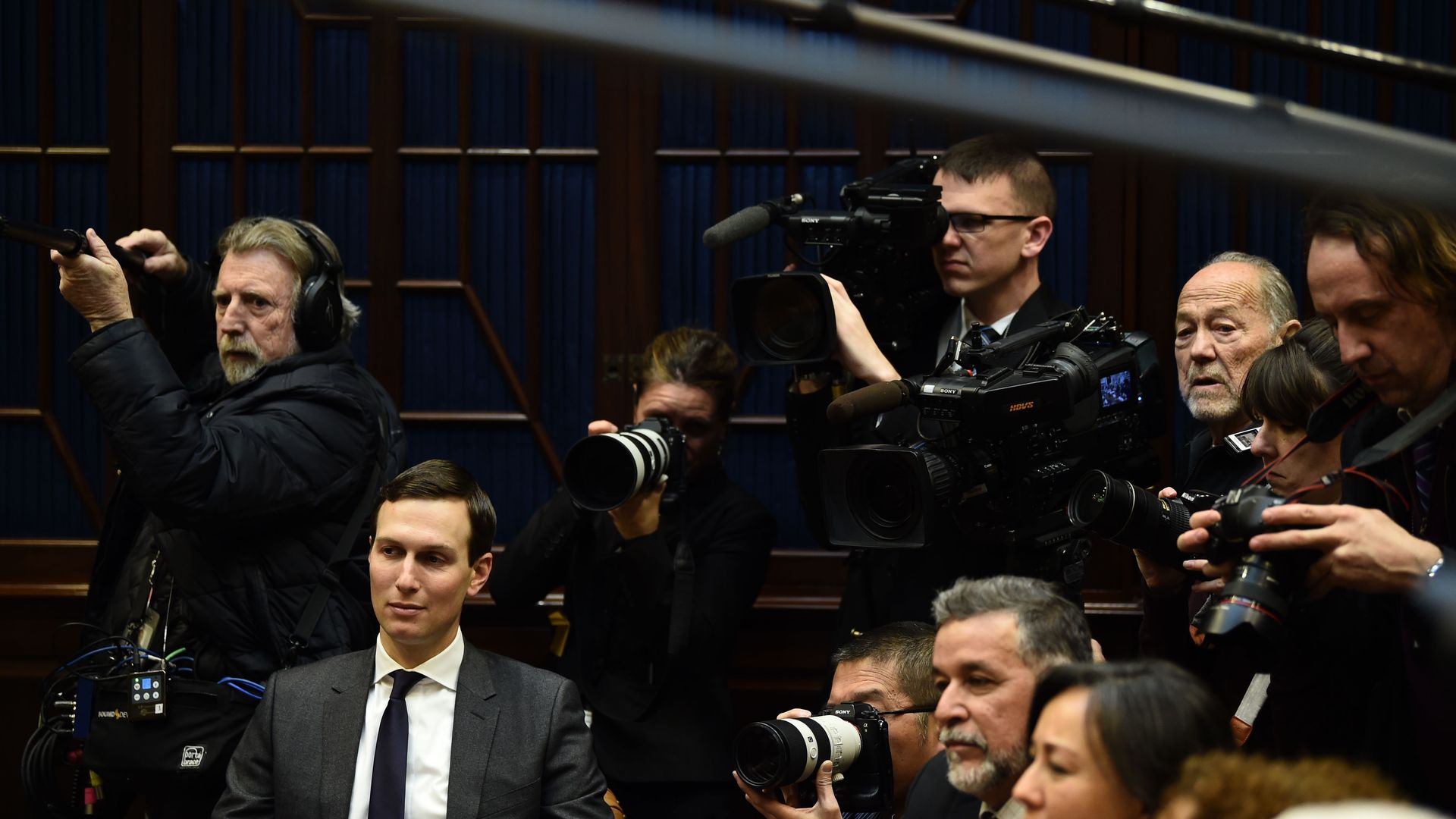
The White House "peace team" — senior adviser Jared Kushner and special envoy Jason Greenblatt — will attend the Warsaw conference on the Middle East on Feb. 13-14, a senior White House official tells me. Kushner and Greenblatt are expected to hold meetings with foreign officials on the Trump administration's Israeli-Palestinian peace plan.
Why it matters: Among the foreign officials in attendance will be Israeli Prime Minister Benjamin Netanyahu and the foreign ministers of Saudi Arabia, the UAE, Bahrain, Oman and Jordan. The Palestinians and the Iranians were not invited. One of the Trump administration's goals in developing its peace plan is to warm relations between Israel and the Gulf states.
Trump blasts U.S. intel chiefs on Iran assessment
President Trump attacked the heads of U.S. intelligence agencies in a pair of Wednesday tweets, criticizing their assessment of Iran's compliance with its nuclear deal.
"The Intelligence people seem to be extremely passive and naive when it comes to the dangers of Iran. They are wrong! When I became President Iran was making trouble all over the Middle East, and beyond. Since ending the terrible Iran Nuclear Deal, they are MUCH different, but.... They are testing Rockets (last week) and more, and are coming very close to the edge. There economy is now crashing, which is the only thing holding them back. Be careful of Iran. Perhaps Intelligence should go back to school!"
Background: The U.S. intelligence community released its annual worldwide threat assessment this week, which said that Iran is not currently working to develop its nuclear capabilities and remains compliant with the Iran nuclear deal, undercutting Trump's fiery rhetoric on the topic.
2 startling stats on China's retreat from the West
- Chinese investment in Europe and the U.S. dropped a whopping 73% in 2018, per the Economist.
- And China's net purchases of U.S. real estate last year plummeted to their lowest since 2012. All told, Beijing spent $2.68 billion on U.S. properties in 2018, compared with $19.1 billion in 2016, reports WSJ.