Saturday's world stories

China's esports ambitions

China's tech giants have invested aggressively to expand esports in ways that U.S. tech platforms, like Amazon's Twitch and Google's YouTube, have not.
Why it matters: Those investments are what could drive the Chinese gaming community ahead of some international rivals, despite being smaller in reported revenue.. for now. (The Chinese esports market is expected to double to $1.5 billion by 2020.)

Russia to exit nuclear arms pact, begin designing new weapons
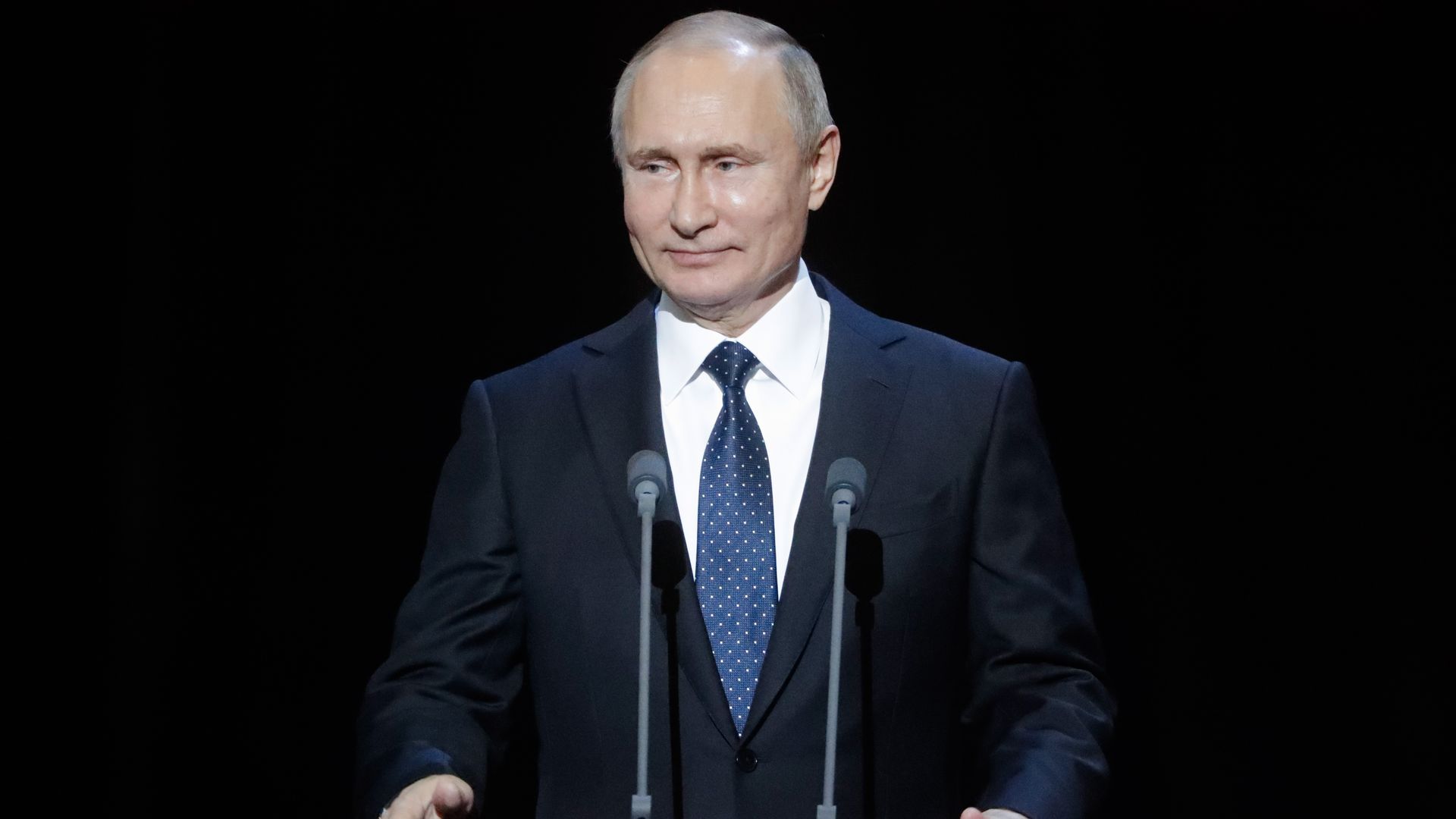
Russian President Vladimir Putin said Saturday that Russia will withdraw from the 1987 Intermediate-Range Nuclear Forces Treaty and begin designing new intermediate-range weapons, following the Trump administration’s announcement Friday that the U.S. will officially exit the pact, the AP reports.
Why it matters: The Trump administration formally announced its intent to withdraw from the INF treaty in six months after accusing Russia of developing and testing a cruise missile that violates certain provisions of the Cold War-era pact. Putin has denied doing so, but said that while Russia will abandon the treaty in six months and begin developing previously banned ballistic missiles, it will not deploy any unless the U.S. does so first.
Go deeper: U.S. exit from INF Treaty frees Russia from key nuclear constraints

U.S. exit from INF Treaty frees Russia from key nuclear constraints
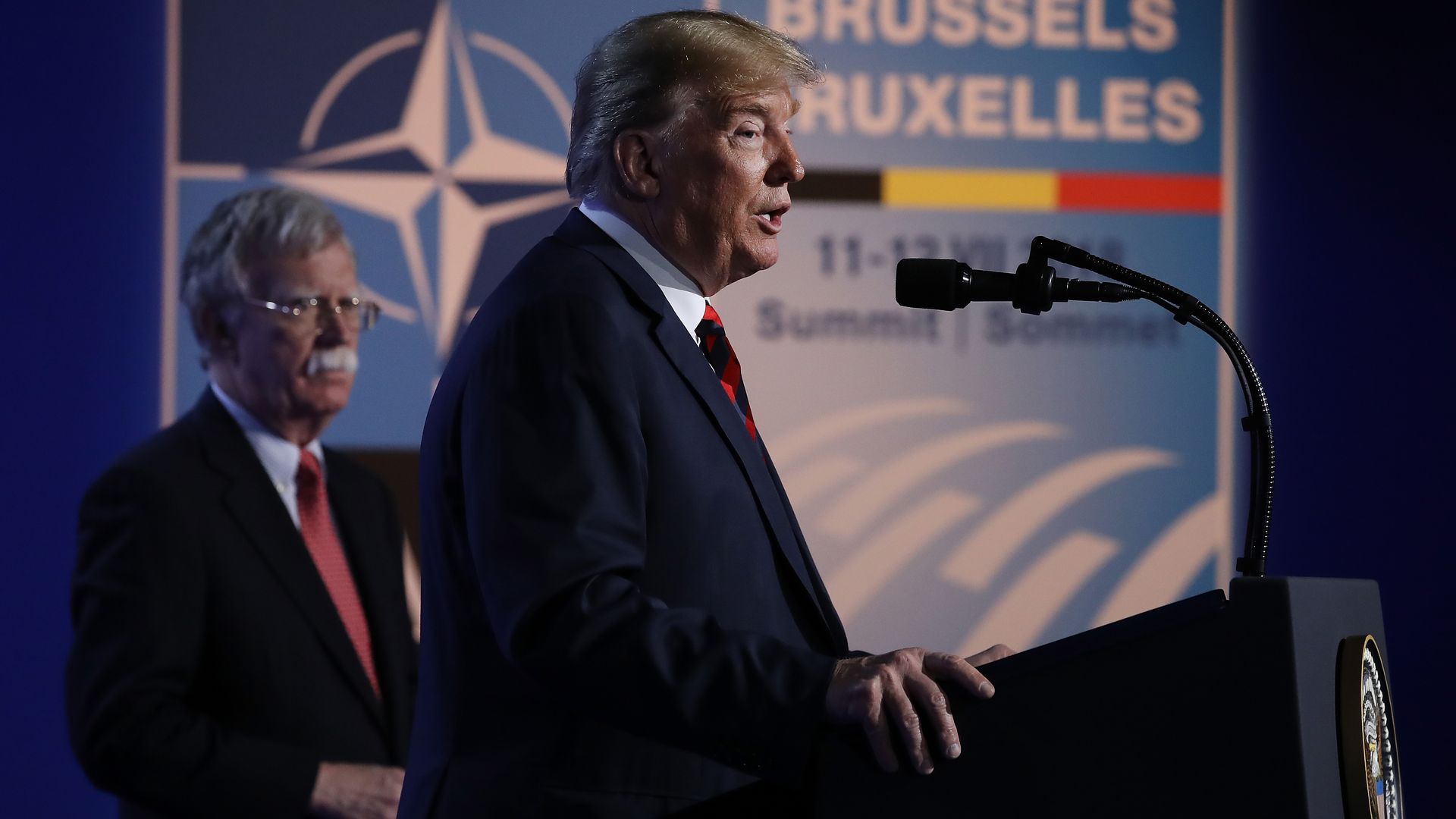
Secretary of State Pompeo announced on Feb 1. that the United States will suspend its obligations under — and withdraw from — the 1987 Intermediate-range Nuclear Forces (INF) Treaty. That treaty banned U.S. and Russian land-based missiles with ranges between 500 and 5,500 kilometers, but Russia has violated violated the agreement by deploying the 9M729 intermediate-range cruise missile.
Why it matters: Although Washington asserted that its goal was to bring Russia back into compliance, it did not develop a serious political and military strategy to do so. There is now little chance now of saving the treaty, whose demise will weaken U.S. and allied security and free Russia to deploy intermediate-range missiles.

Judge considering gag order for Roger Stone
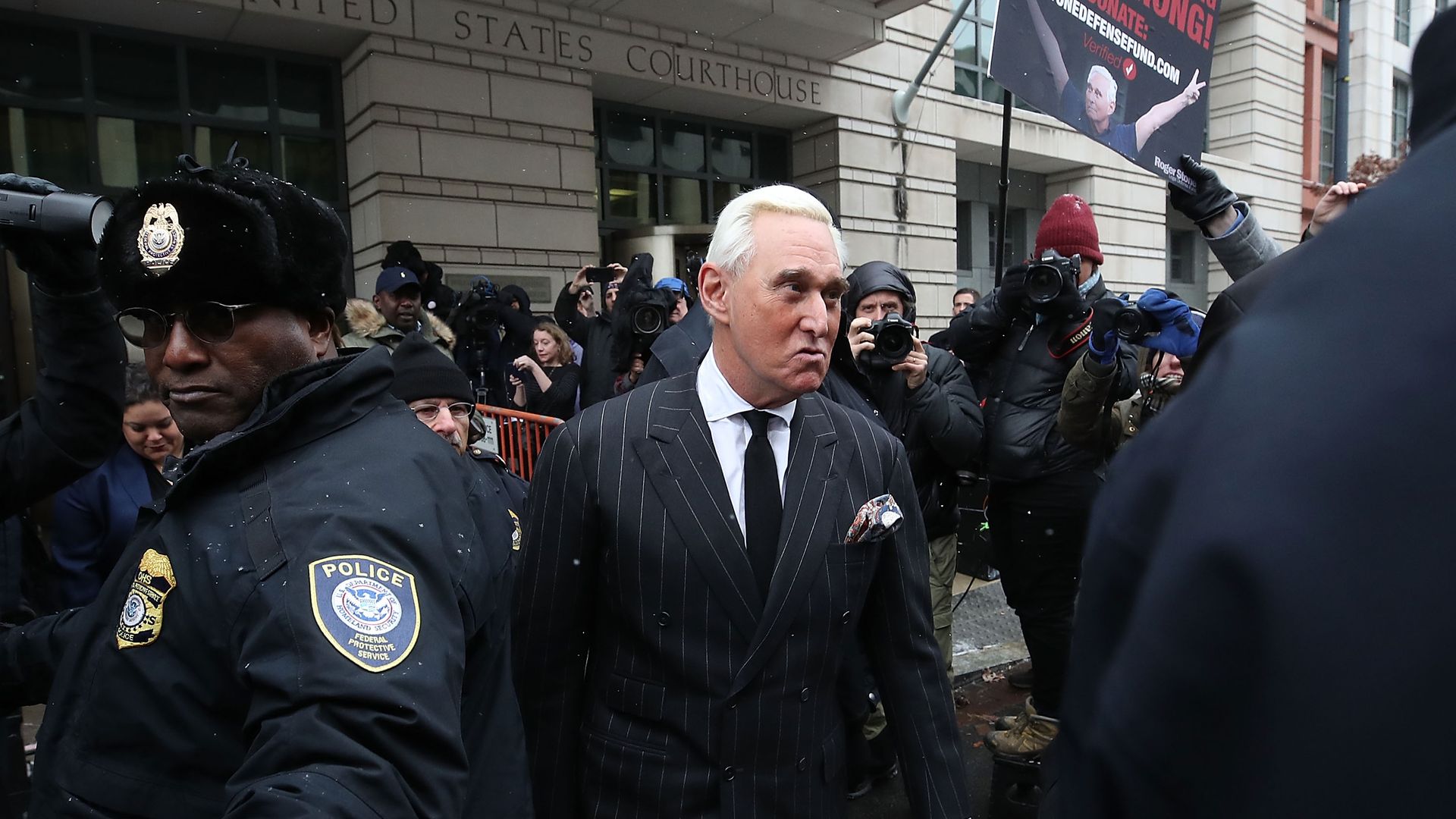
Judge Amy Berman Jackson said Friday that she would decide next week whether to issue a gag order on longtime Trump associate Roger Stone, who has pleaded not guilty in the Mueller investigation to felony charges of witness tampering, obstruction of justice and lying to investigators.
Why it matters: Stone, a notoriously brash and theatrical political operative, has publicly condemned the investigation into his alleged involvement with WikiLeaks and Russian interference in the 2016 election as politically motivated. Stone's public behavior since his indictment and arrest last week — including his discussion of the case on cable television and with reporters on the courthouse steps — prompted Jackson to tell the courtroom: "This is a criminal proceeding, not a public relations campaign.”
Go deeper: Mueller says evidence in Roger Stone case is "voluminous and complex"

World First closes U.S. operations before acquisition by Chinese tech giant
World First, a British money transfer and currency exchange company backed by FTV Capital, is shutting its longstanding U.S. operations to defend against possible regulatory challenges to a planned £700 million takeover by China's Ant Financial.
Why it matters: Such extreme measures could become the new normal for non-U.S. companies seeking acquisition by Chinese tech giants. The Financial Times' Nicholas Megaw & Louise Lucas note: "The decision comes almost exactly a year after Ant Financial, the digital payments affiliate of Chinese e-commerce giant Alibaba, was forced to abandon a proposed $1.2 billion proposal to buy MoneyGram, a U.S. money transfer business."

U.S. to withdraw from landmark Cold War missile treaty
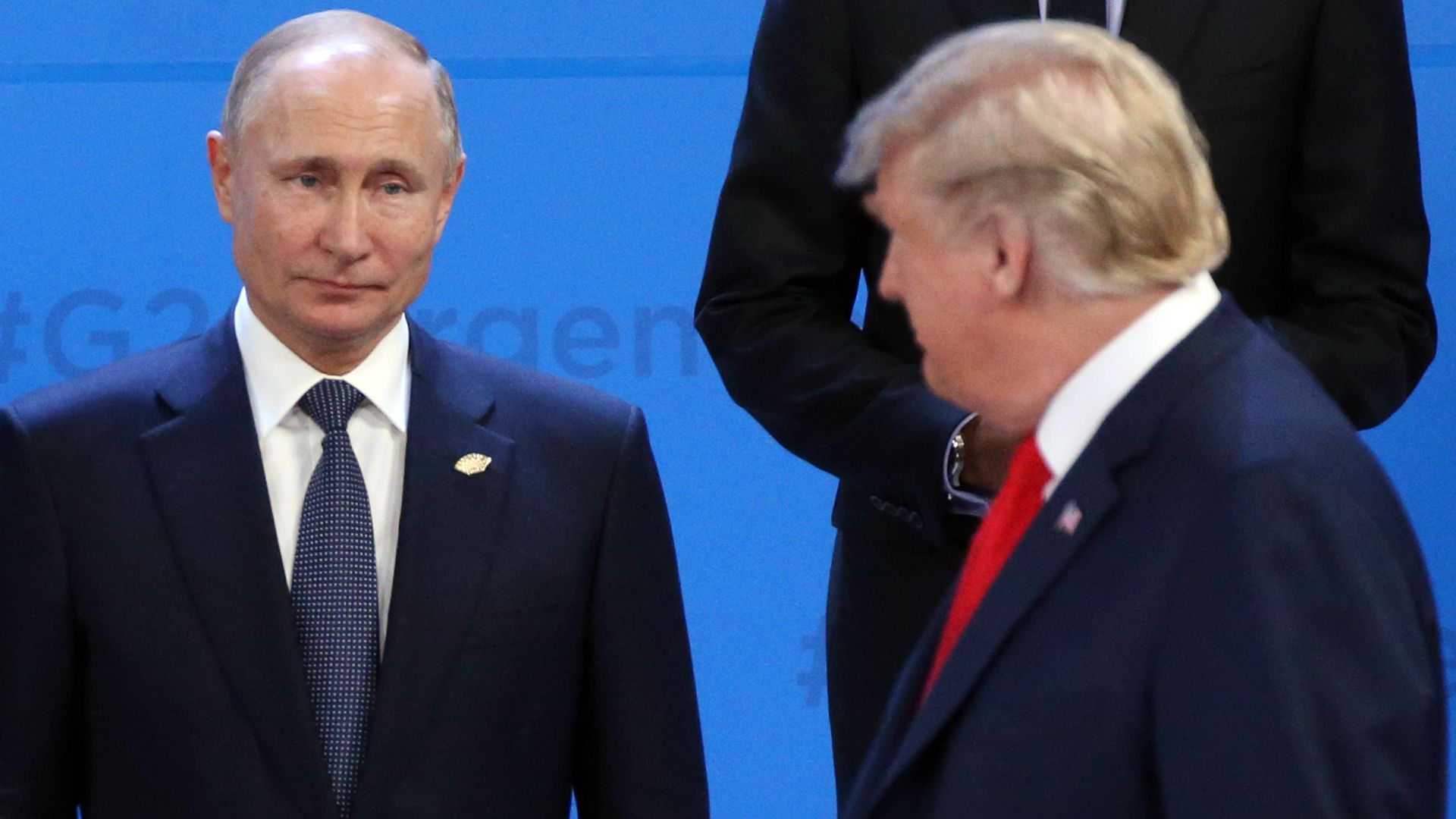
The U.S. will formally notify Russia tomorrow that it is pulling out of the landmark Intermediate-Range Nuclear Forces (INF) treaty, signed in 1987 by Ronald Reagan and Mikhail Gorbachev.
The backdrop: Both the Obama and Trump administrations have accused Russia of violating the treaty, which bans nuclear and conventional ground-launched missiles with ranges of 500 to 5,500 kilometers. Secretary of State Mike Pompeo said in December that Russia had 60 days to return to compliance, or the U.S. would pull out. China, meanwhile, is unconstrained by the treaty and has an arsenal of such missiles.

U.S. cuts off all aid to Palestinian security forces
The U.S. government has ceased all security assistance to the Palestinian Authority for training and equipment starting today, a U.S. embassy official told me.
Why it matters: The move coincides with the new anti-terrorism clarification law (ATCA) going into effect. The official said the U.S. security coordinator and his team will continue to conduct a security cooperation-only mission.