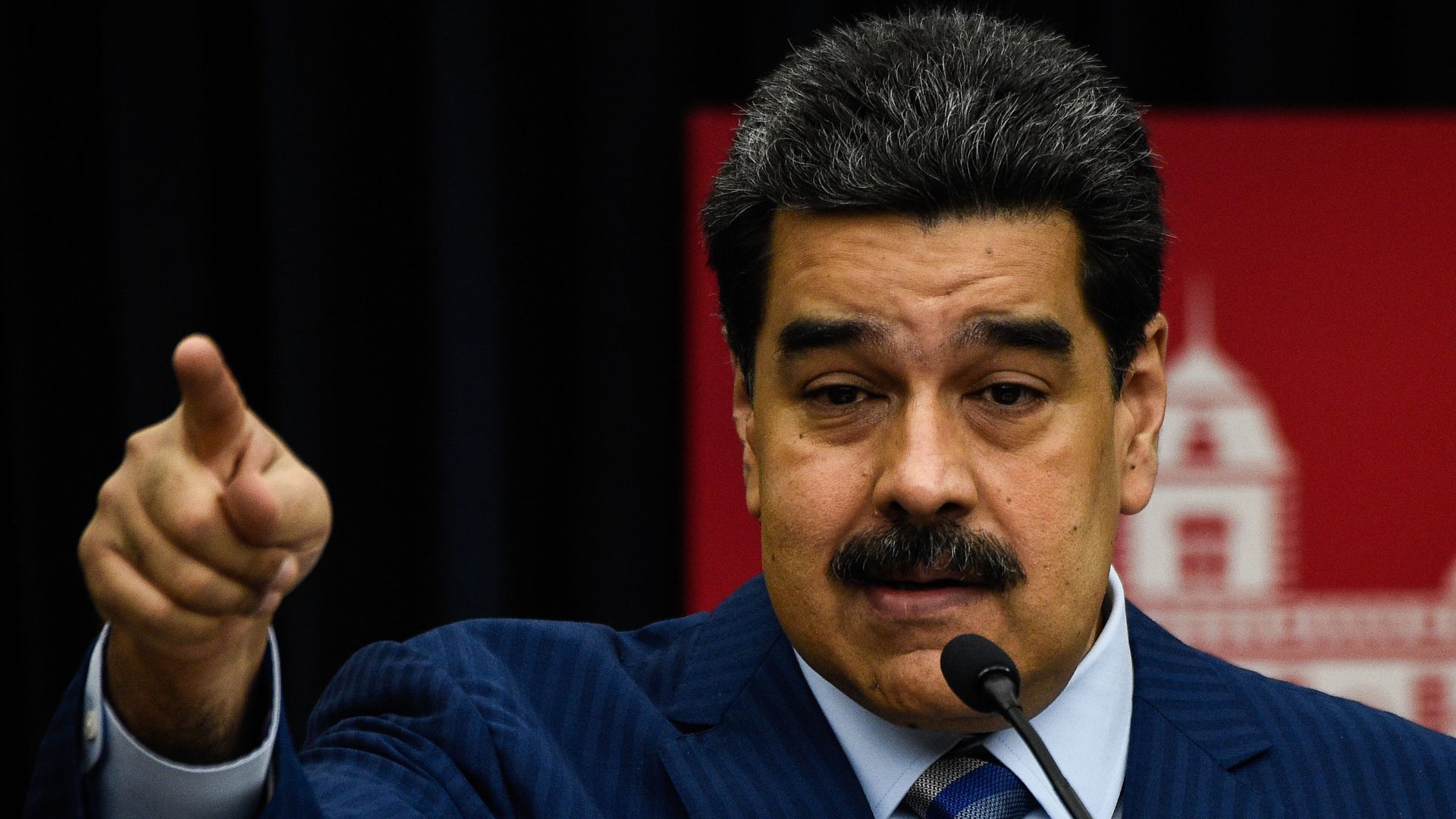
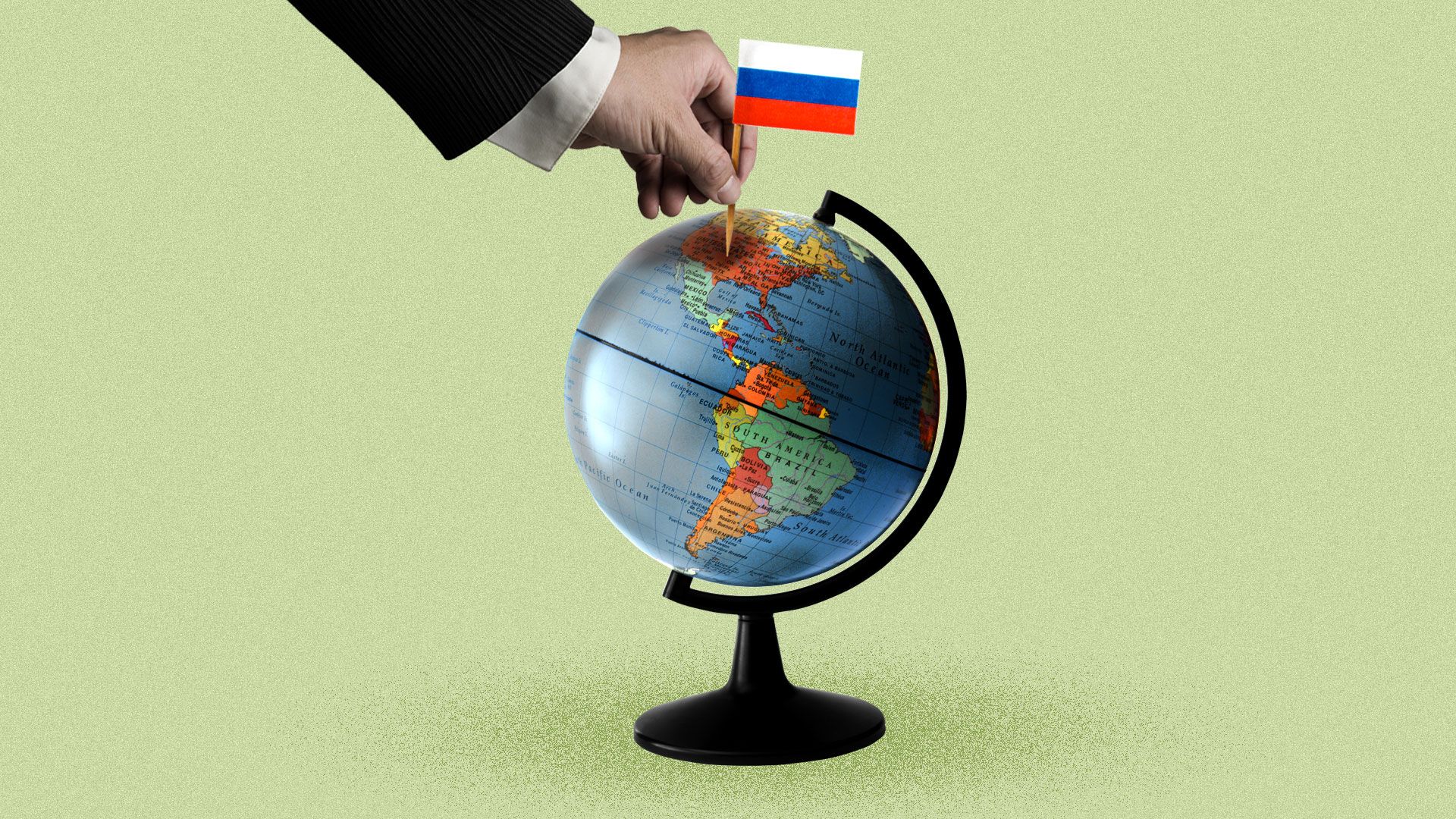
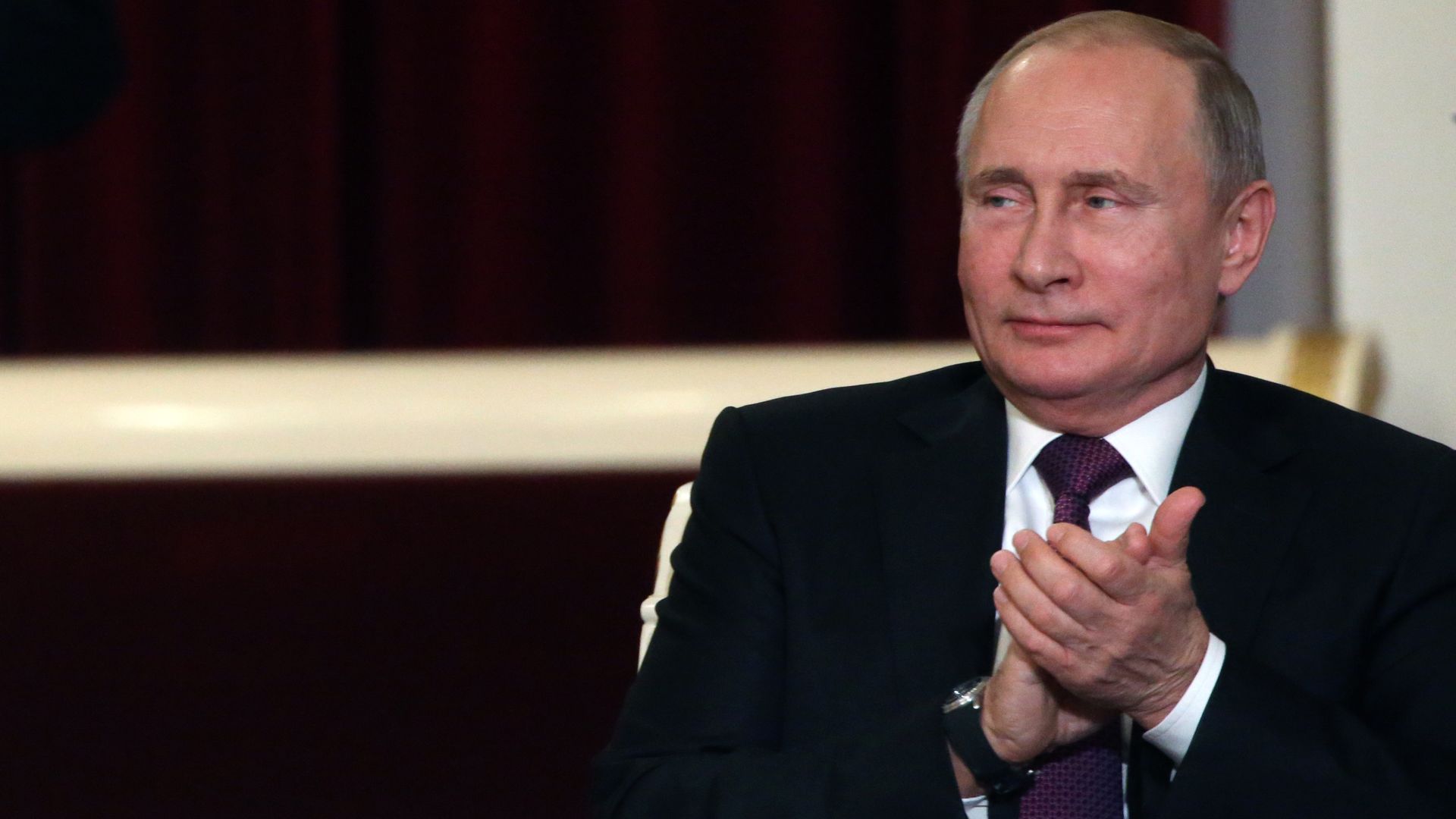
By sending two nuclear-capable bombers to Caracas for a week of “joint operational flights” with the Venezuelan air force, Vladimir Putin awarded Nicolás Maduro a propaganda victory and irked the U.S. with a new incursion into the Western hemisphere.
Why it matters: Maduro is set to be sworn in for a new term on January 10, 2019. With Western democracies planning not to recognize his new mandate and to take further diplomatic actions, Maduro needs all the international support he can get to prop up his claim to legitimacy.
Airbnb will hold off on implementing its new policy of boycotting Israeli settlements in the occupied West Bank, the company announced today. The statement was issued after a round of negotiations today between Airbnb vice president Chris Lehane and Israeli Minister of Tourism Yariv Levin.
Why it matters: Airbnb's decision last month to delist 200 apartments and houses for rent in the Israeli settlements shocked the Israeli government. In the last few weeks, the Israeli government together with pro-Israeli organizations in the U.S. pressed Airbnb to change course. However, Airbnb has clarified that it is preparing to implement the policy in the future.
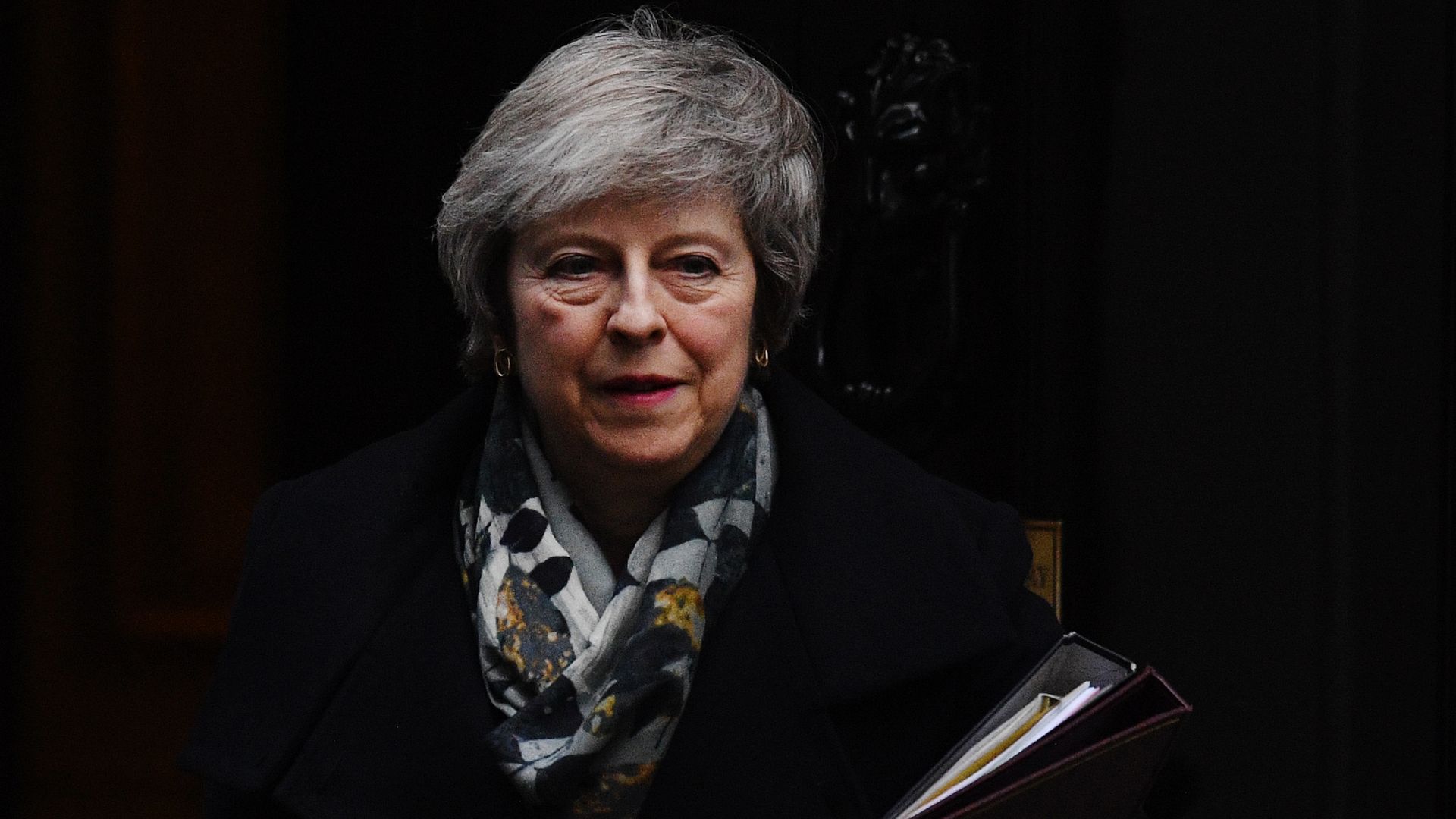
U.K. Prime Minister Theresa May says she will put her Brexit plan up for a vote in the House of Commons the week of Jan. 14.
Where things stand: Since May canceled a vote on the plan last week, admitting she had nowhere near the support she needed, she has been visiting European capitals in search of tweaks that will make the plan more palatable to Parliament. What she's really banking on is that, as Brexit Day approaches, members will be so fearful of a "no deal" exit that they'll hold their noses and vote for her plan. Right now, that seems unlikely.
Two outside research groups used data obtained from Silicon Valley giants by the Senate Intelligence Committee to paint a sweeping picture of Russia’s online disinformation efforts both before and after the 2016 presidential election in reports released Monday.
Why it matters: "We should certainly expect to see recruitment, manipulation, and influence attempts targeting the 2020 election, including the inauthentic amplification of otherwise legitimate American narratives," said researchers from New Knowledge in the report they provided to the panel.
U.S. intelligence says Russia sought to disrupt the 2016 and 2018 elections and sow discord. Regardless of what Robert Mueller does, Russia did it — and is still at it.
The big picture: Multiple high-stakes, aggressive federal investigations were spawned by an initial FBI probe of Russian government efforts to influence the 2016 presidential election. And fallout from Russian meddling, including Democratic talk of impeaching President Trump, is likely to remain a dominant political issue as Democrats take over the House 17 days from now.
A report authored for the Senate Intelligence Committee and obtained by the Washington Post highlights the scale of Russia's disinformation campaign during the 2016 election cycle to aid Donald Trump’s White House bid.
Why it matters: The report — from Oxford University’s Computational Propaganda Project and network analysis firm Graphika — illustrates how Russian agents targeted almost every major social media platform, including Facebook, Twitter and YouTube, to influence online discourse both in support of Trump’s candidacy and "to confuse, distract and ultimately discourage members [of Trump's main opposition groups] from voting." Senate Intel plans to release the report with another study later this week, but hasn't yet indicated if it will endorse the report's findings.
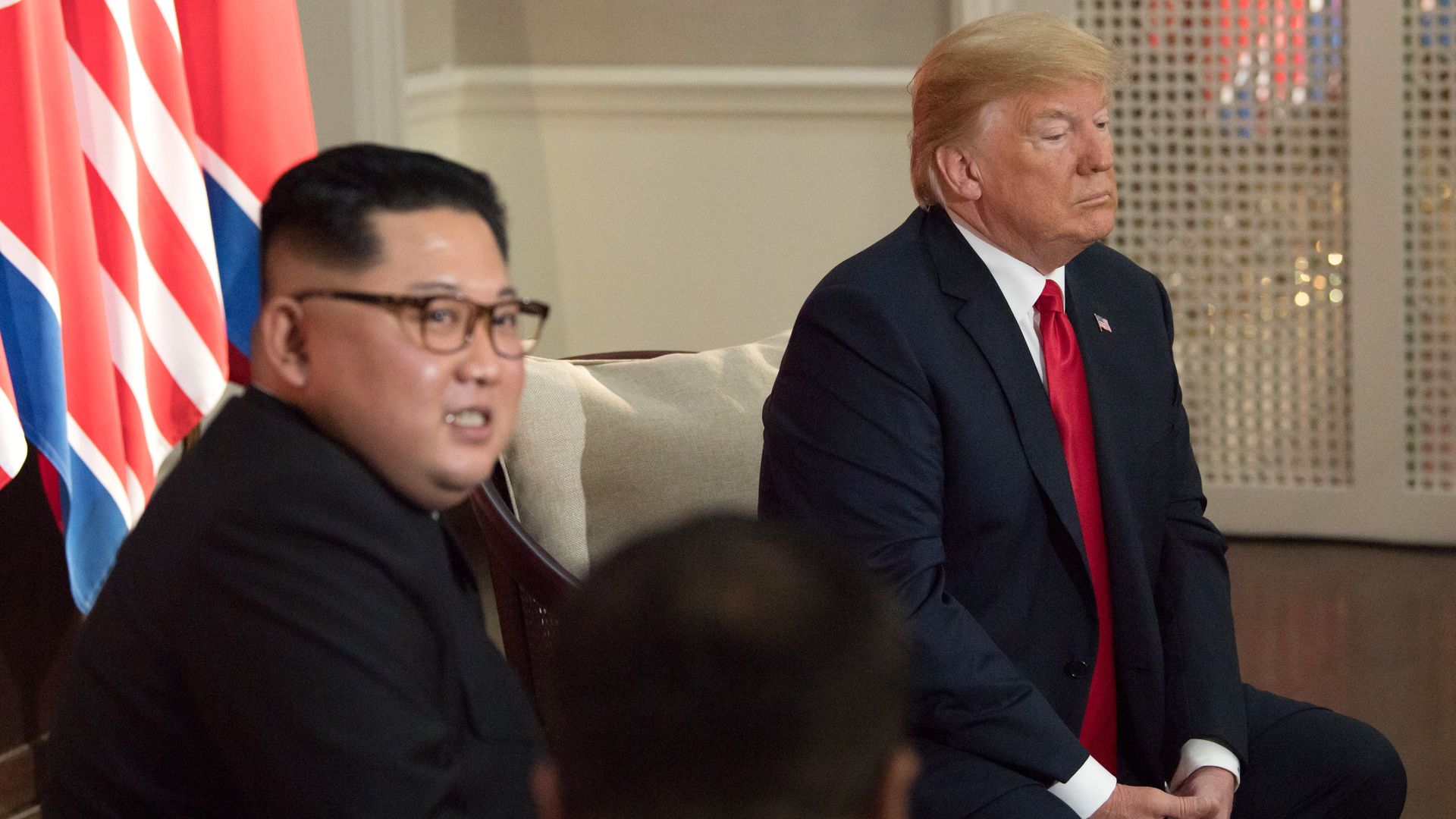
North Korea issued a stern warning to the U.S. on Sunday about its latest round of sanctions on officials in Pyongyang, cautioning that continued escalation could "block the path to denuclearization on the Korean peninsula forever" and lead "relations back to the status of last year which was marked by exchanges of fire," BBC reports.
Background: Since President Trump’s June summit with North Korean leader Kim Jong-un, denuclearization efforts have been slow, and the Trump administration has sanctioned North Koreans engaging in illegal activities like cyberattacks and money laundering. The latest round of sanctions came last week, when the Treasury Department sanctioned three of Kim's top aides over "serious human rights abuses and censorship."
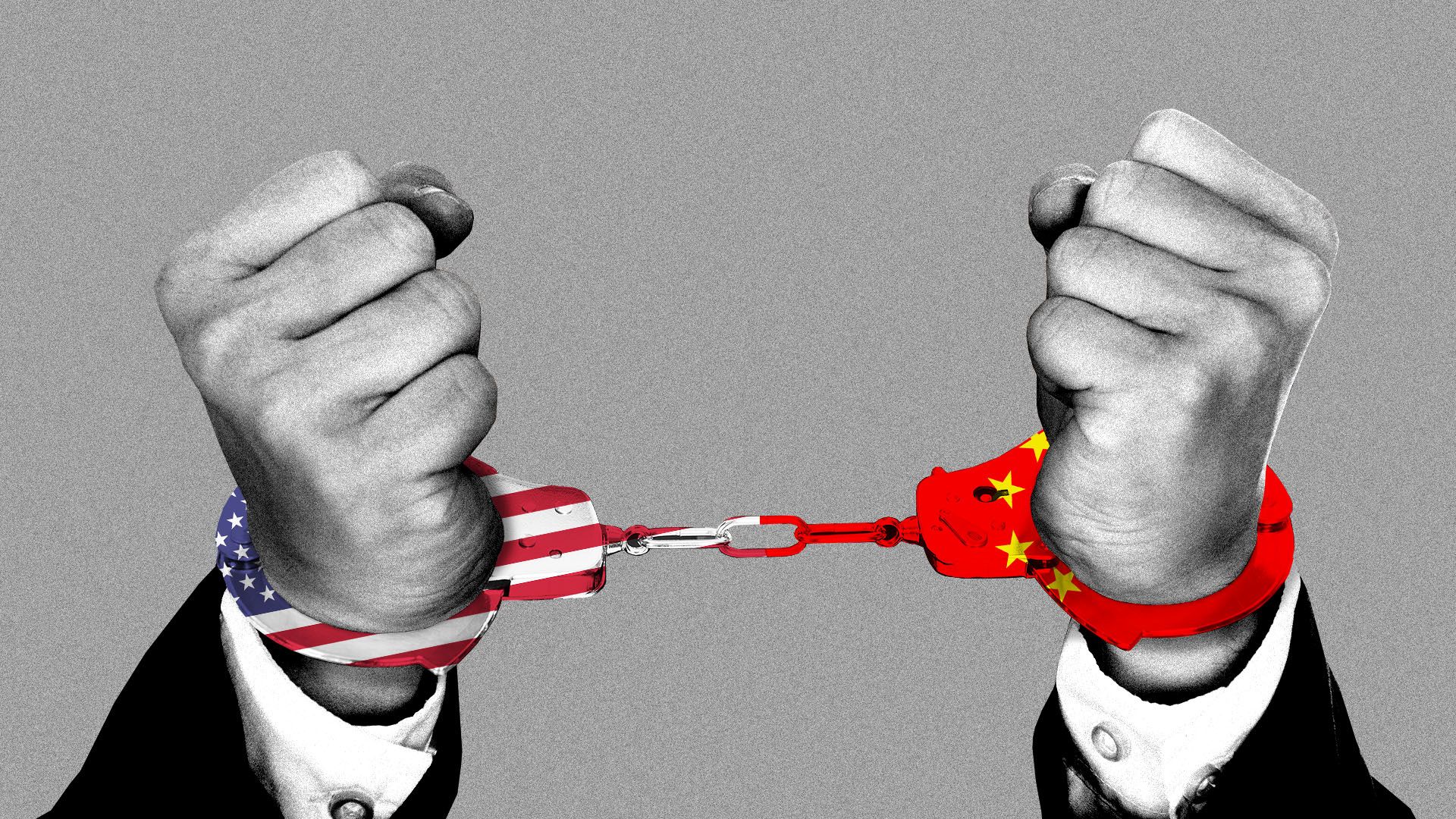
The escalation of the U.S.-China trade war into tit-for-tat arrests suggests a new stage of hostility in their rivalry for technological and economic dominance in the coming decades.
Why it matters: Everyone is a potential target in this brinkmanship as nerves fray, the global order erodes, and the old rules of international engagement are thrown out.
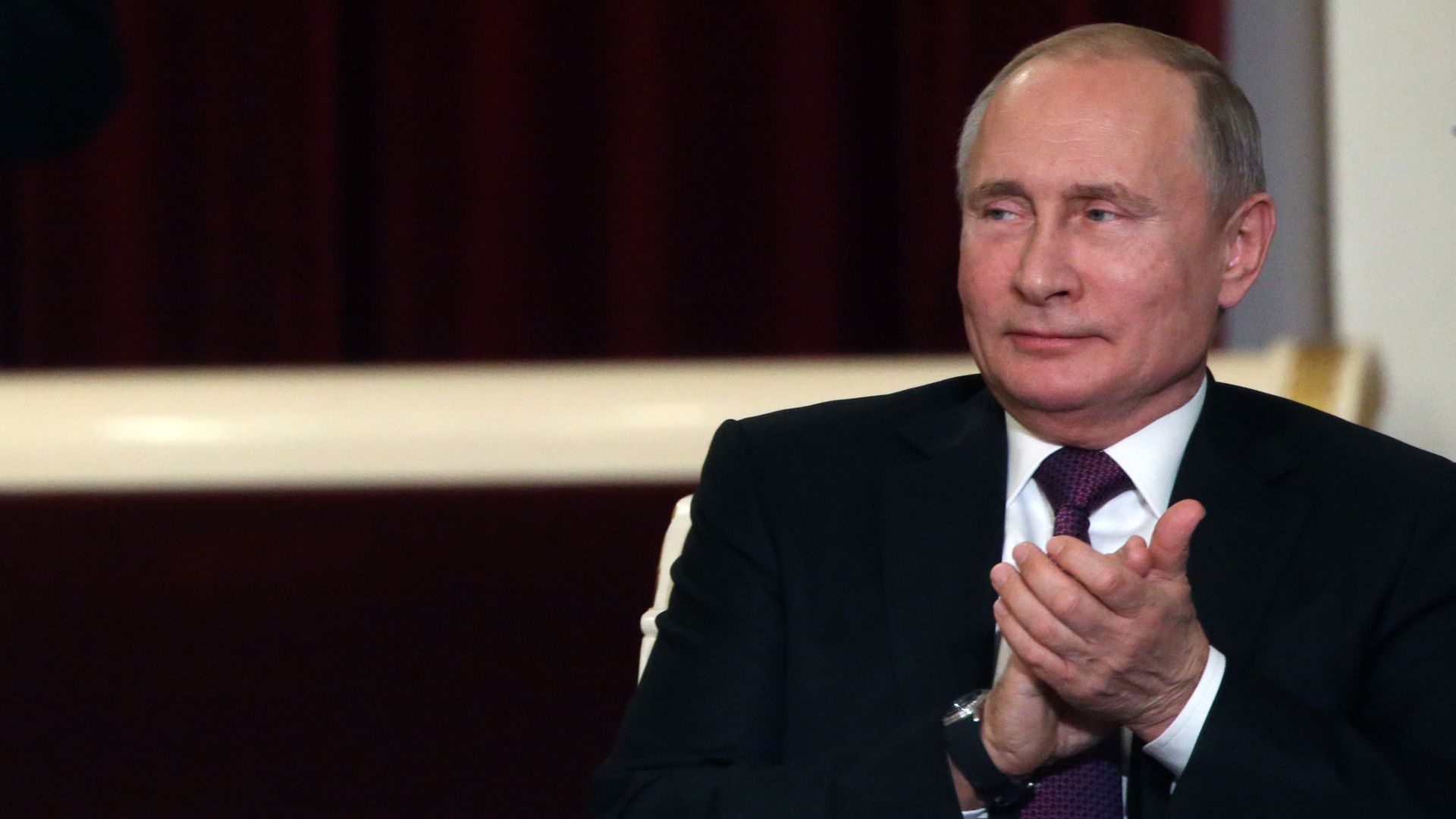
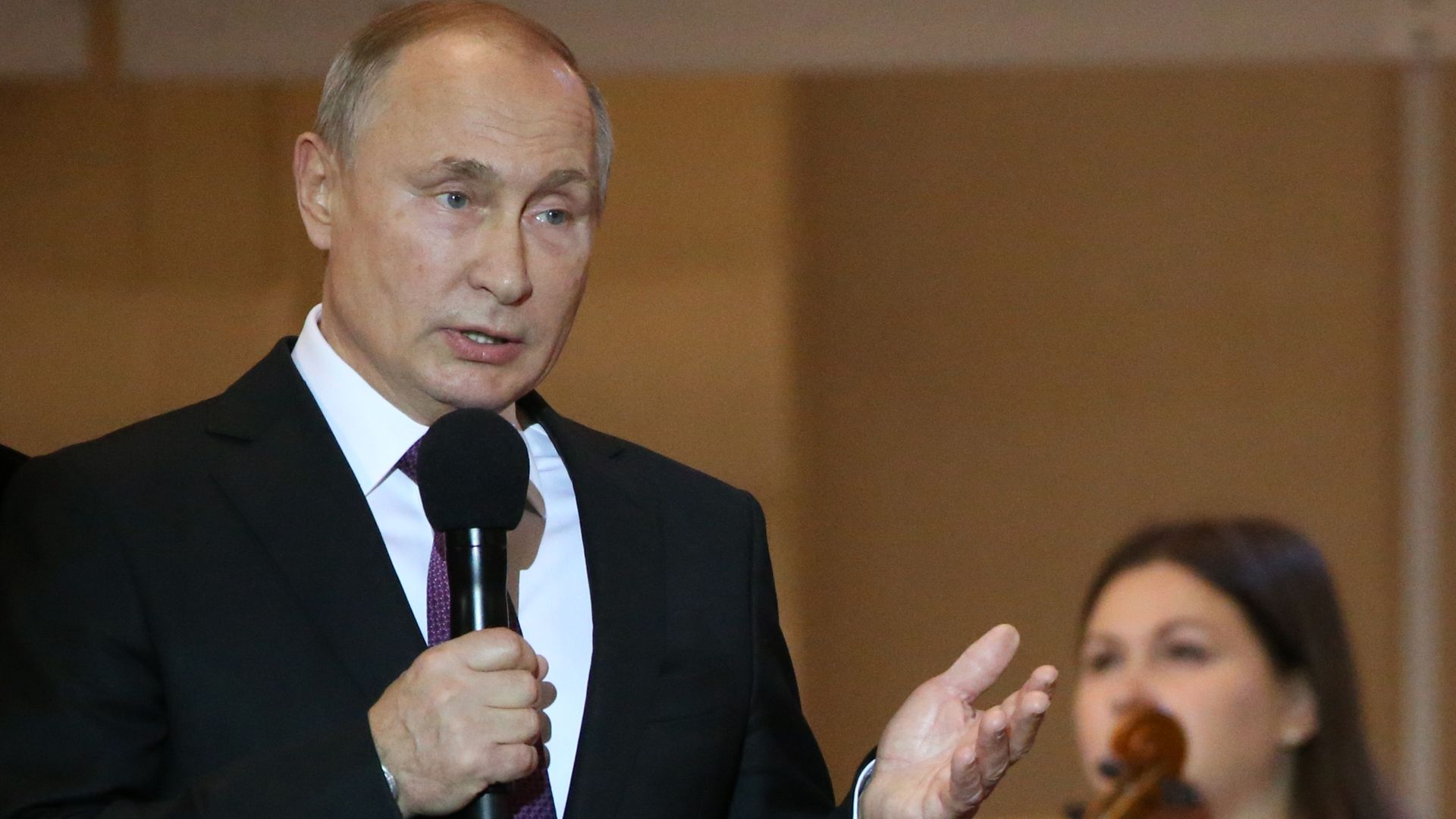
Russian President Vladimir Putin said on Saturday that cultural advisers need to find a way to control rap music, as it grows in popularity with Russian youth, the Associated Press reports.
Details: Putin said rap is "based on three pillars: sex, drugs and protest," and that "if it is impossible to stop, then we must lead it and direct it." He told advisers on Saturday in St. Petersburg that the theme of drugs in rap music is "a path to the degradation of the nation."