Sunday's world stories

Senate report shows extent of Russia's 2016 disinformation campaign
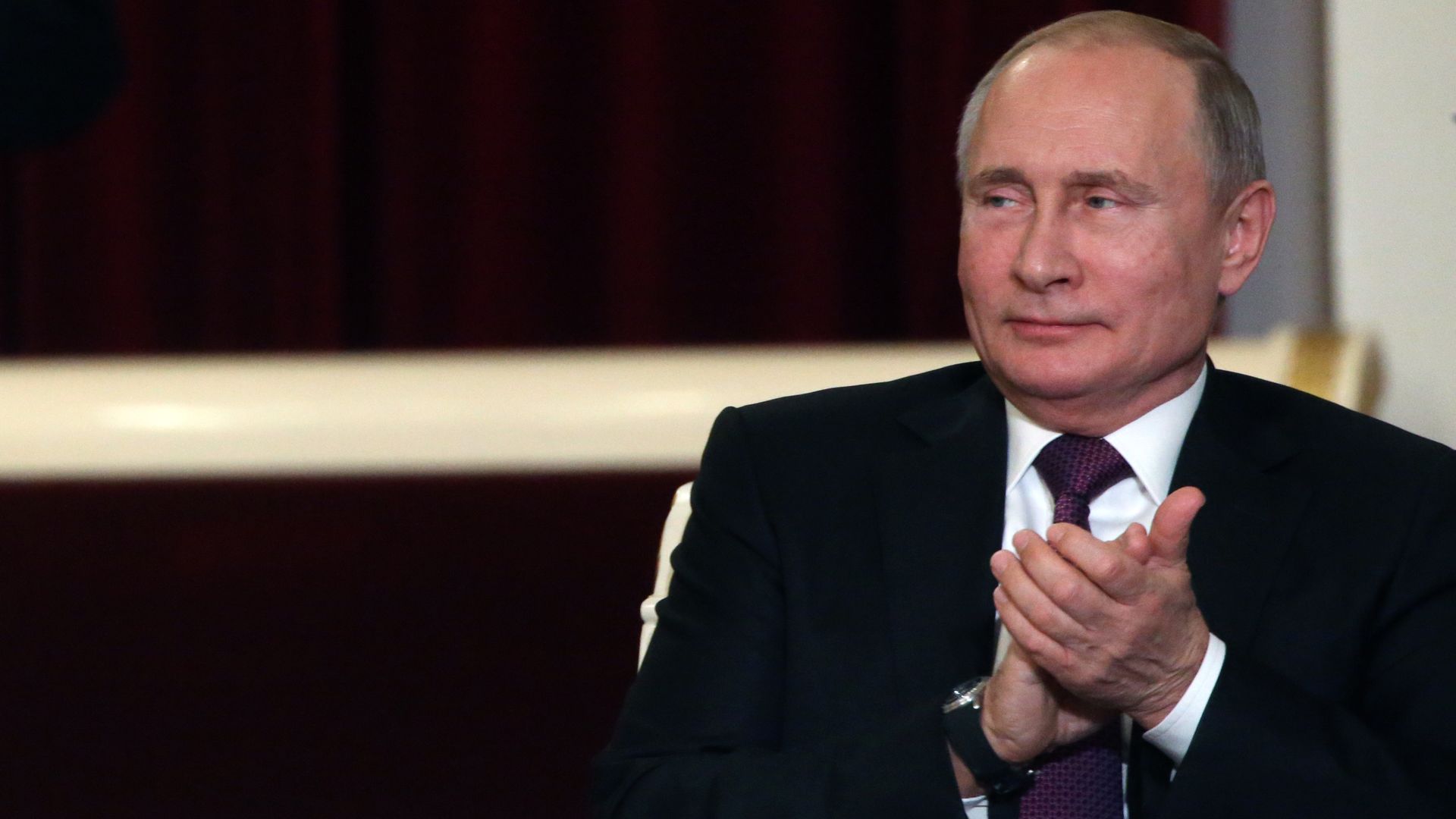
A report authored for the Senate Intelligence Committee and obtained by the Washington Post highlights the scale of Russia's disinformation campaign during the 2016 election cycle to aid Donald Trump’s White House bid.
Why it matters: The report — from Oxford University’s Computational Propaganda Project and network analysis firm Graphika — illustrates how Russian agents targeted almost every major social media platform, including Facebook, Twitter and YouTube, to influence online discourse both in support of Trump’s candidacy and "to confuse, distract and ultimately discourage members [of Trump's main opposition groups] from voting." Senate Intel plans to release the report with another study later this week, but hasn't yet indicated if it will endorse the report's findings.
North Korea warns U.S. that sanctions could lead to "exchanges of fire"
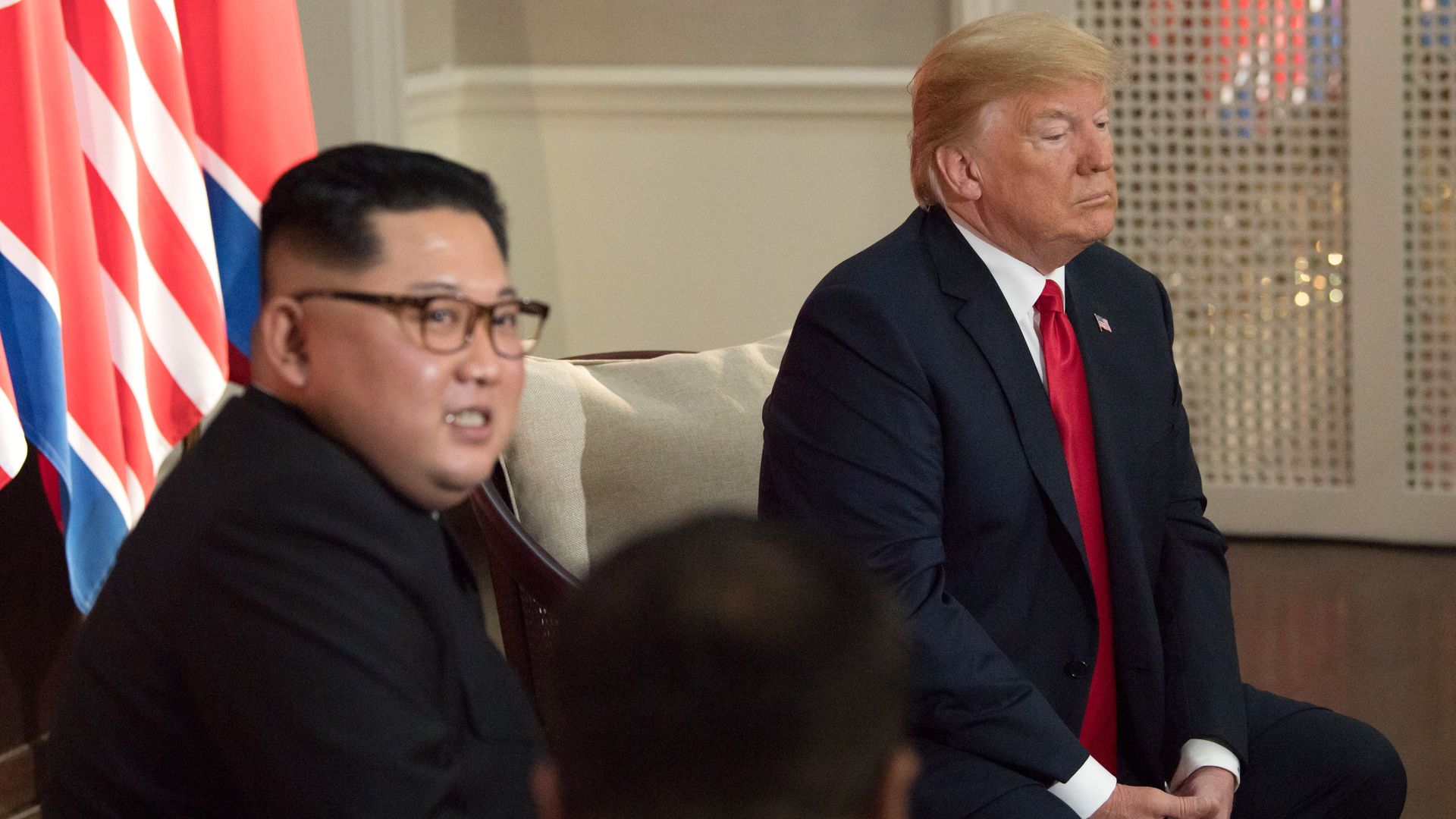
North Korea issued a stern warning to the U.S. on Sunday about its latest round of sanctions on officials in Pyongyang, cautioning that continued escalation could "block the path to denuclearization on the Korean peninsula forever" and lead "relations back to the status of last year which was marked by exchanges of fire," BBC reports.
Background: Since President Trump’s June summit with North Korean leader Kim Jong-un, denuclearization efforts have been slow, and the Trump administration has sanctioned North Koreans engaging in illegal activities like cyberattacks and money laundering. The latest round of sanctions came last week, when the Treasury Department sanctioned three of Kim's top aides over "serious human rights abuses and censorship."
Go deeper: We're still relying on Trump-Kim chemistry to prevent nuclear war


A new era of hostility in the U.S.-China fight
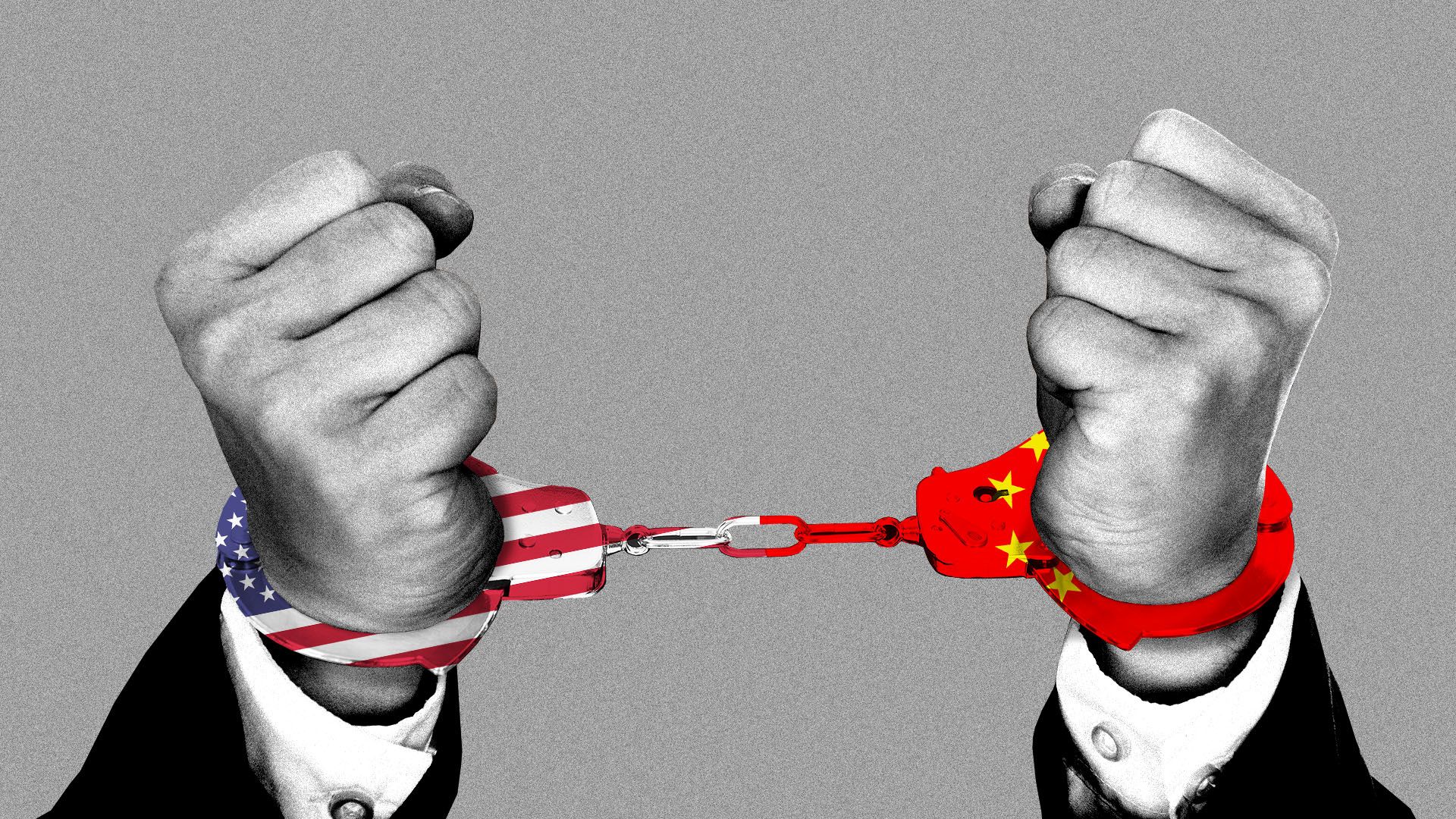
The escalation of the U.S.-China trade war into tit-for-tat arrests suggests a new stage of hostility in their rivalry for technological and economic dominance in the coming decades.
Why it matters: Everyone is a potential target in this brinkmanship as nerves fray, the global order erodes, and the old rules of international engagement are thrown out.

Putin urges cultural advisers to crack down on rap music
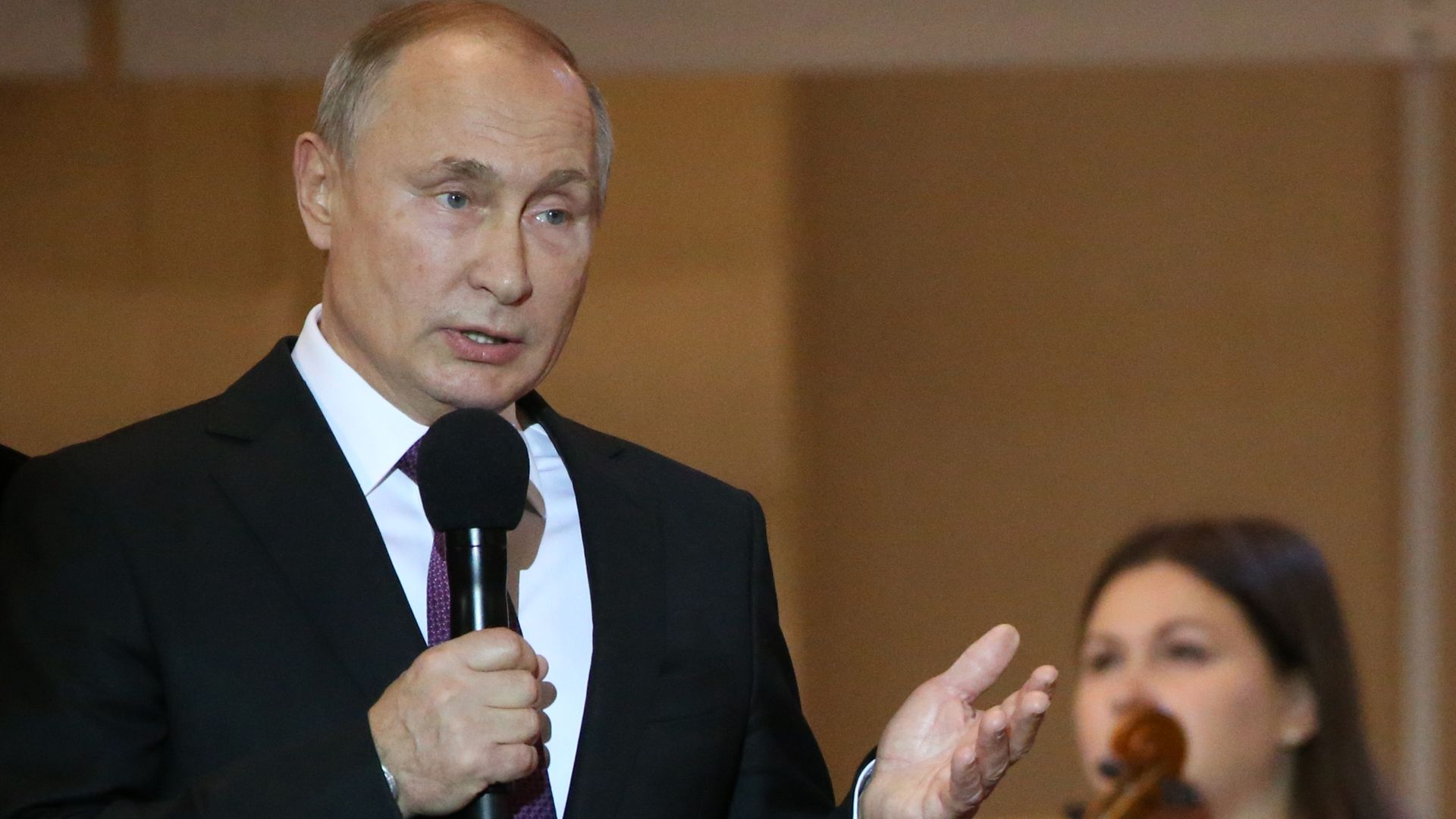
Russian President Vladimir Putin said on Saturday that cultural advisers need to find a way to control rap music, as it grows in popularity with Russian youth, the Associated Press reports.
Details: Putin said rap is "based on three pillars: sex, drugs and protest," and that "if it is impossible to stop, then we must lead it and direct it." He told advisers on Saturday in St. Petersburg that the theme of drugs in rap music is "a path to the degradation of the nation."
Russia wants answers from U.S. over alleged missile treaty violations
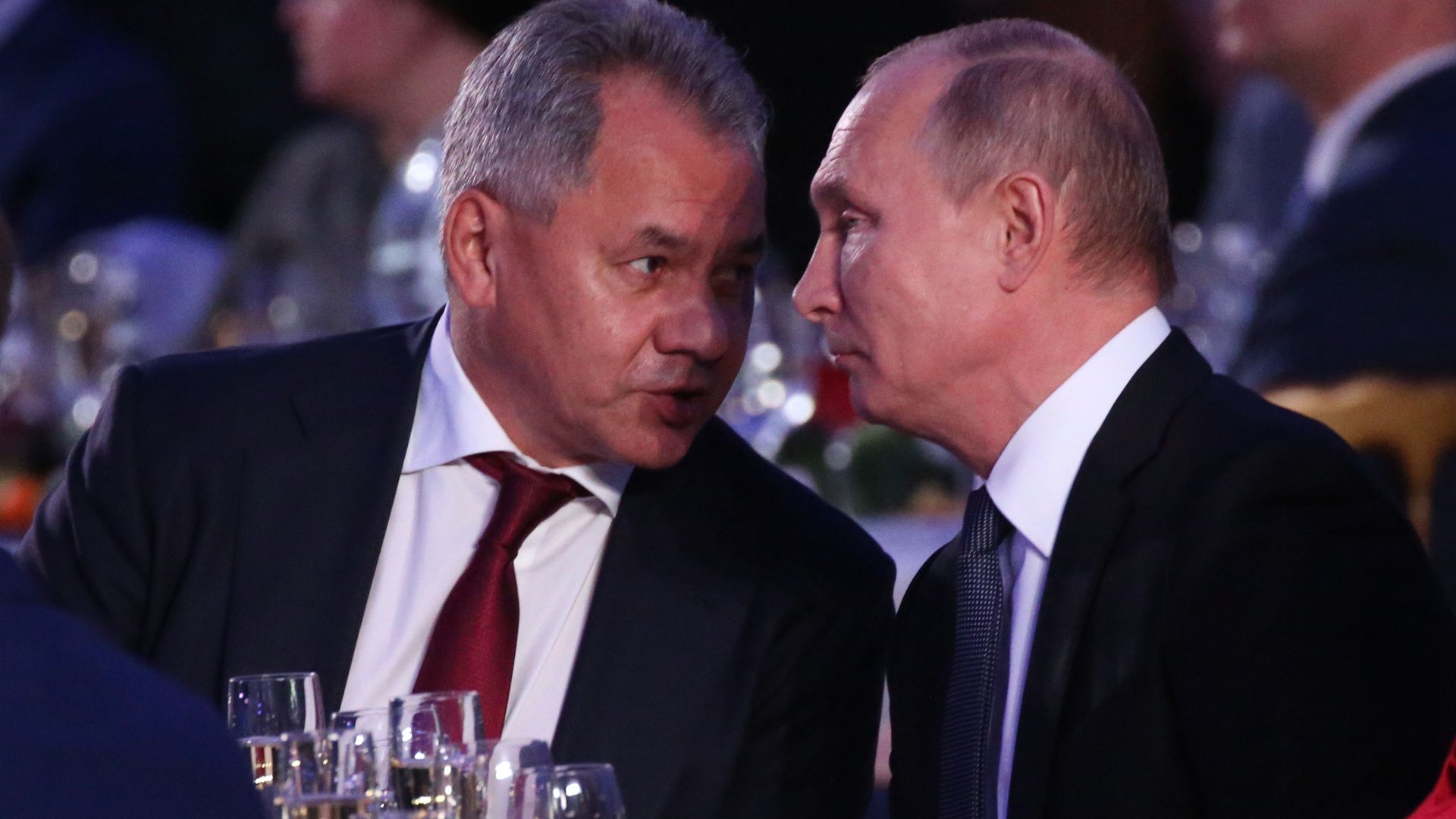
The Russian Defense Ministry said on Saturday that it wants to have "open and specific talks" with Pentagon officials over alleged violations of a Cold War-era missile treaty, the Associated Press reports.
Background: President Trump said in October he would pull the U.S. out of the Intermediate-Range Nuclear Forces Treaty, saying Russia had broken the agreement. Russia denies any violation of the INF Treaty, and Russian President Vladimir Putin said if the U.S. began developing new intermediate-range missiles, so would he. Per AP, Russian Defense Minister Sergei Shoigu sent a proposal for talks to Defense Secretary Jim Mattis three days ago, and he has not yet received a response, which Russia is taking as a sign that "the U.S. is unwilling to maintain professional dialogue."

Report: North Korea still skirting oil sanctions
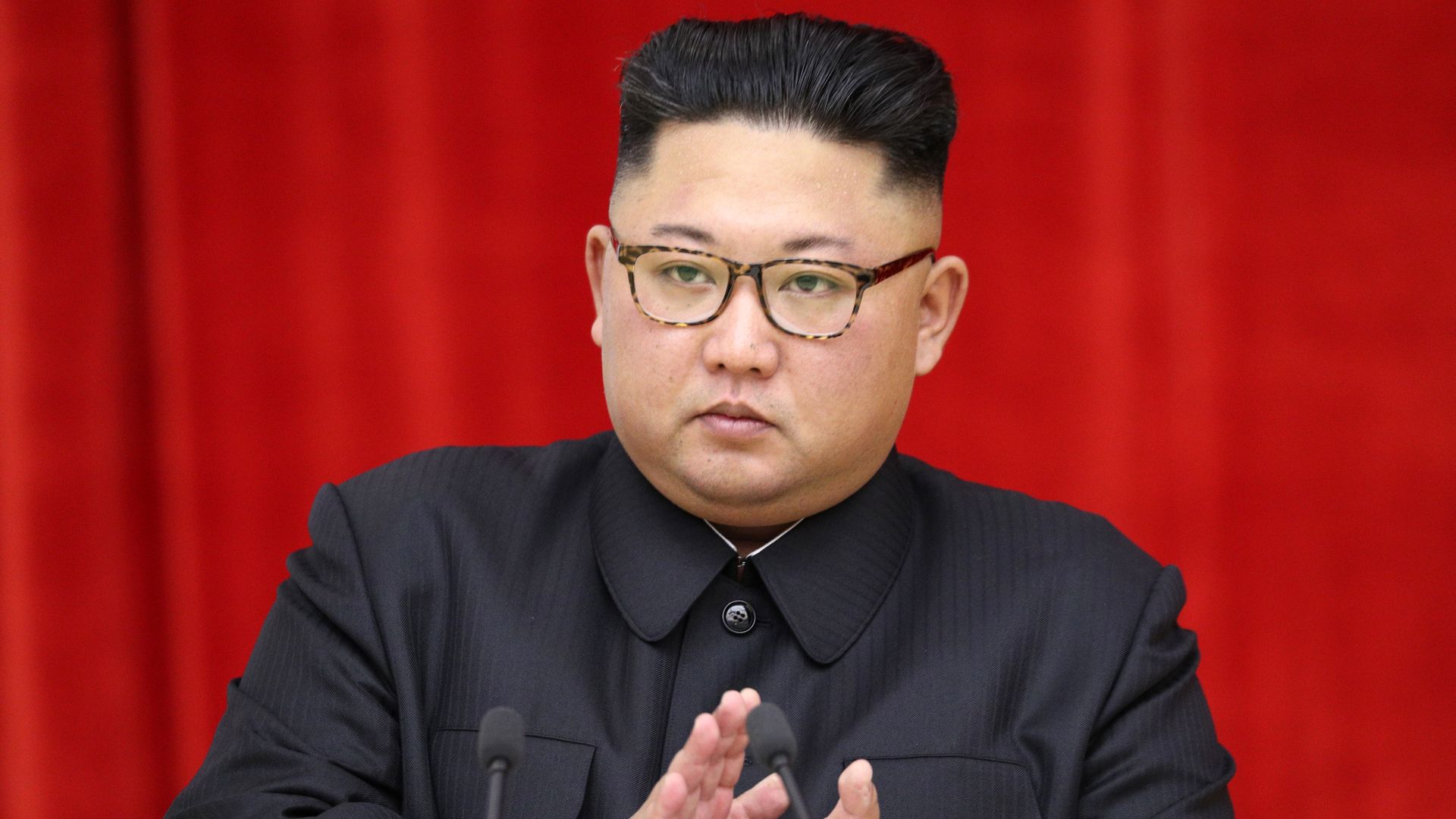
North Korea is still receiving oil transports overseas and violating UN sanctions, often with the help of Russia and China, according to a top secret U.S. military assessment obtained by NBC News’ Courtney Kube and Dan De Luce.
The details: U.S.-led forces have been deployed to the region since September to try disrupting the transports, but their interventions so far have not stopped them, officials told NBC News. They have only forced North Korea to change tactics and operate in bodies of water farther away from the peninsula, underlining the Trump administration’s difficulty in strangling the North’s economy.