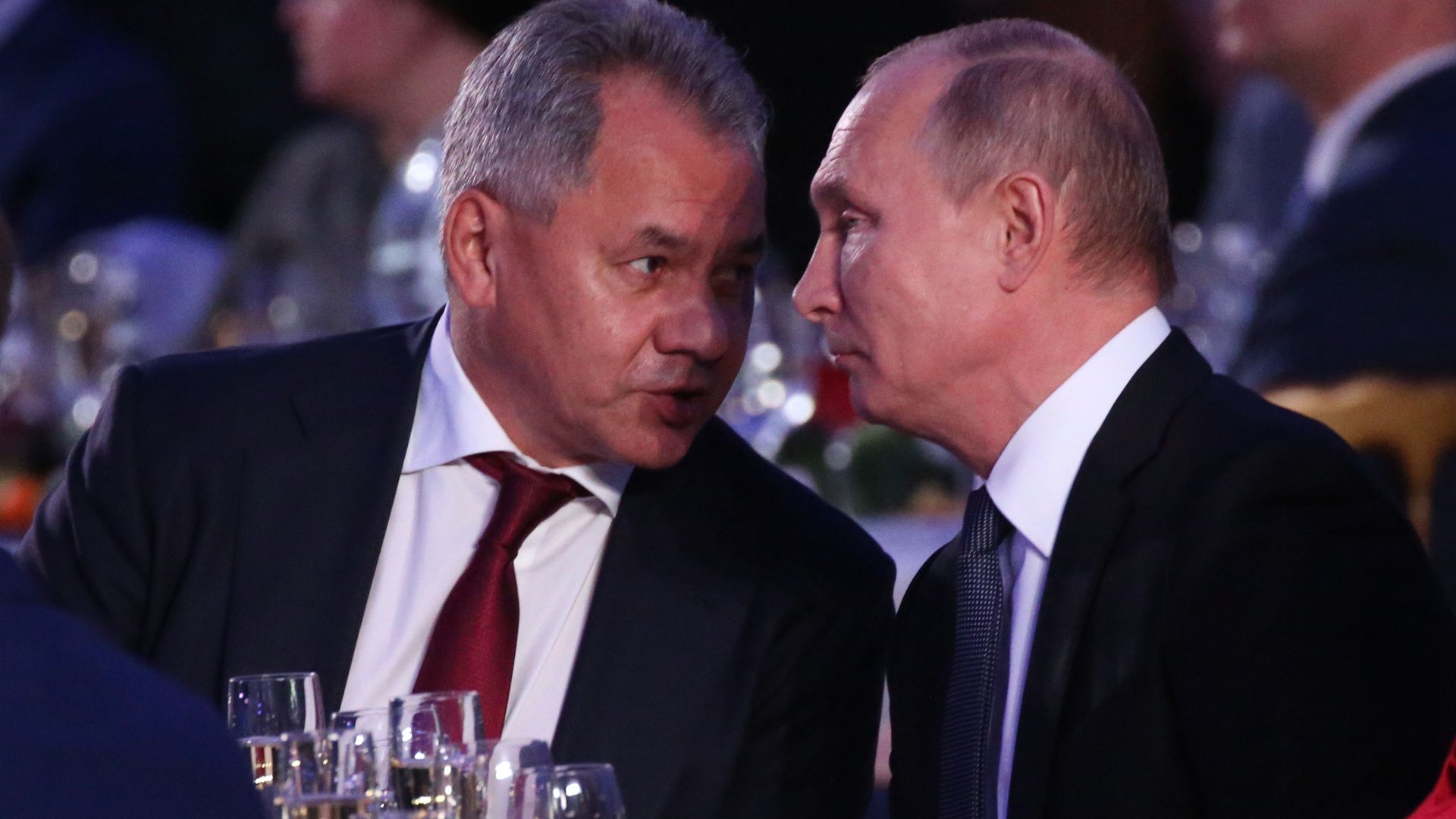
The Russian Defense Ministry said on Saturday that it wants to have "open and specific talks" with Pentagon officials over alleged violations of a Cold War-era missile treaty, the Associated Press reports.
Background: President Trump said in October he would pull the U.S. out of the Intermediate-Range Nuclear Forces Treaty, saying Russia had broken the agreement. Russia denies any violation of the INF Treaty, and Russian President Vladimir Putin said if the U.S. began developing new intermediate-range missiles, so would he. Per AP, Russian Defense Minister Sergei Shoigu sent a proposal for talks to Defense Secretary Jim Mattis three days ago, and he has not yet received a response, which Russia is taking as a sign that "the U.S. is unwilling to maintain professional dialogue."
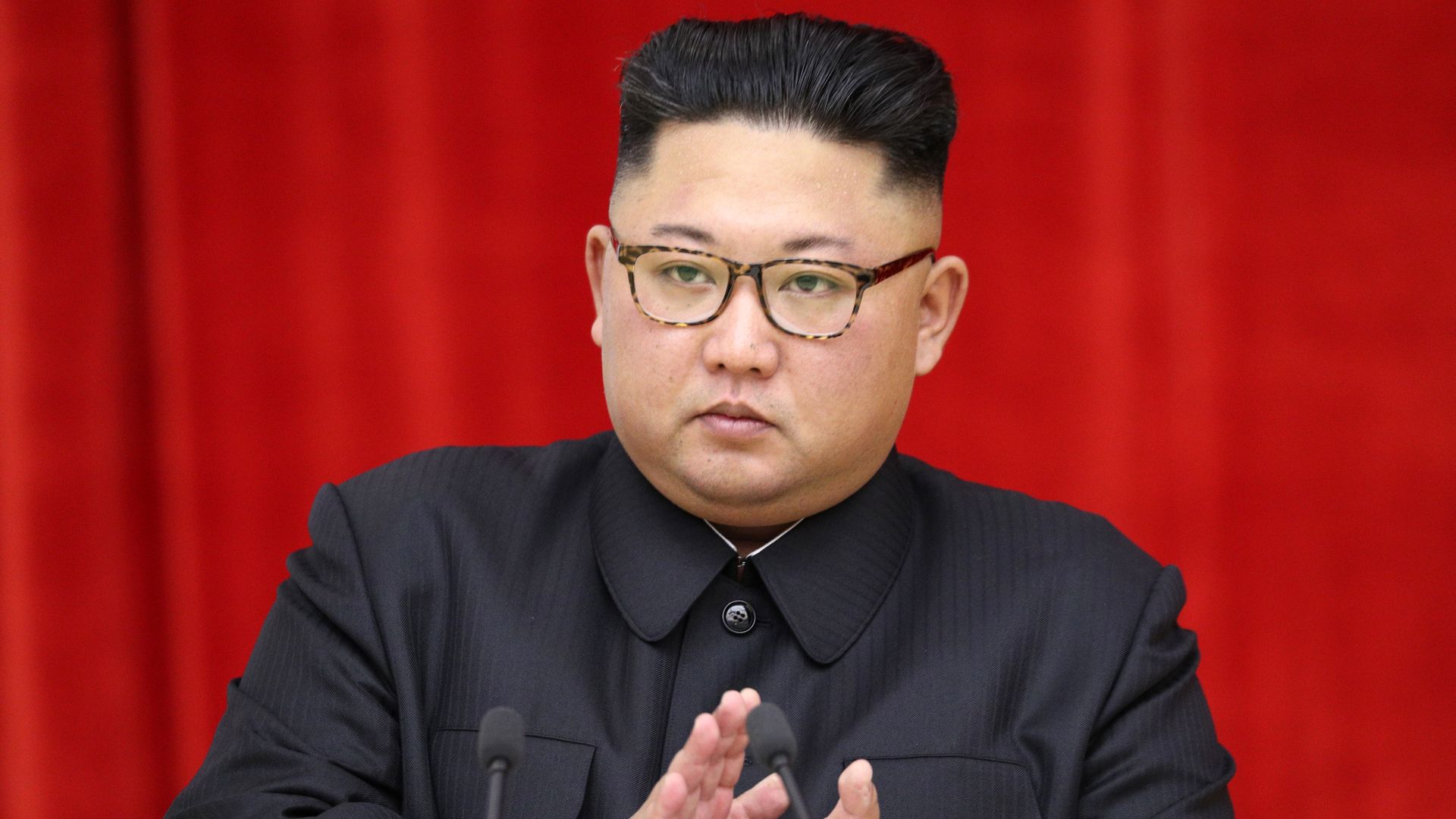
North Korea is still receiving oil transports overseas and violating UN sanctions, often with the help of Russia and China, according to a top secret U.S. military assessment obtained by NBC News’ Courtney Kube and Dan De Luce.
The details: U.S.-led forces have been deployed to the region since September to try disrupting the transports, but their interventions so far have not stopped them, officials told NBC News. They have only forced North Korea to change tactics and operate in bodies of water farther away from the peninsula, underlining the Trump administration’s difficulty in strangling the North’s economy.
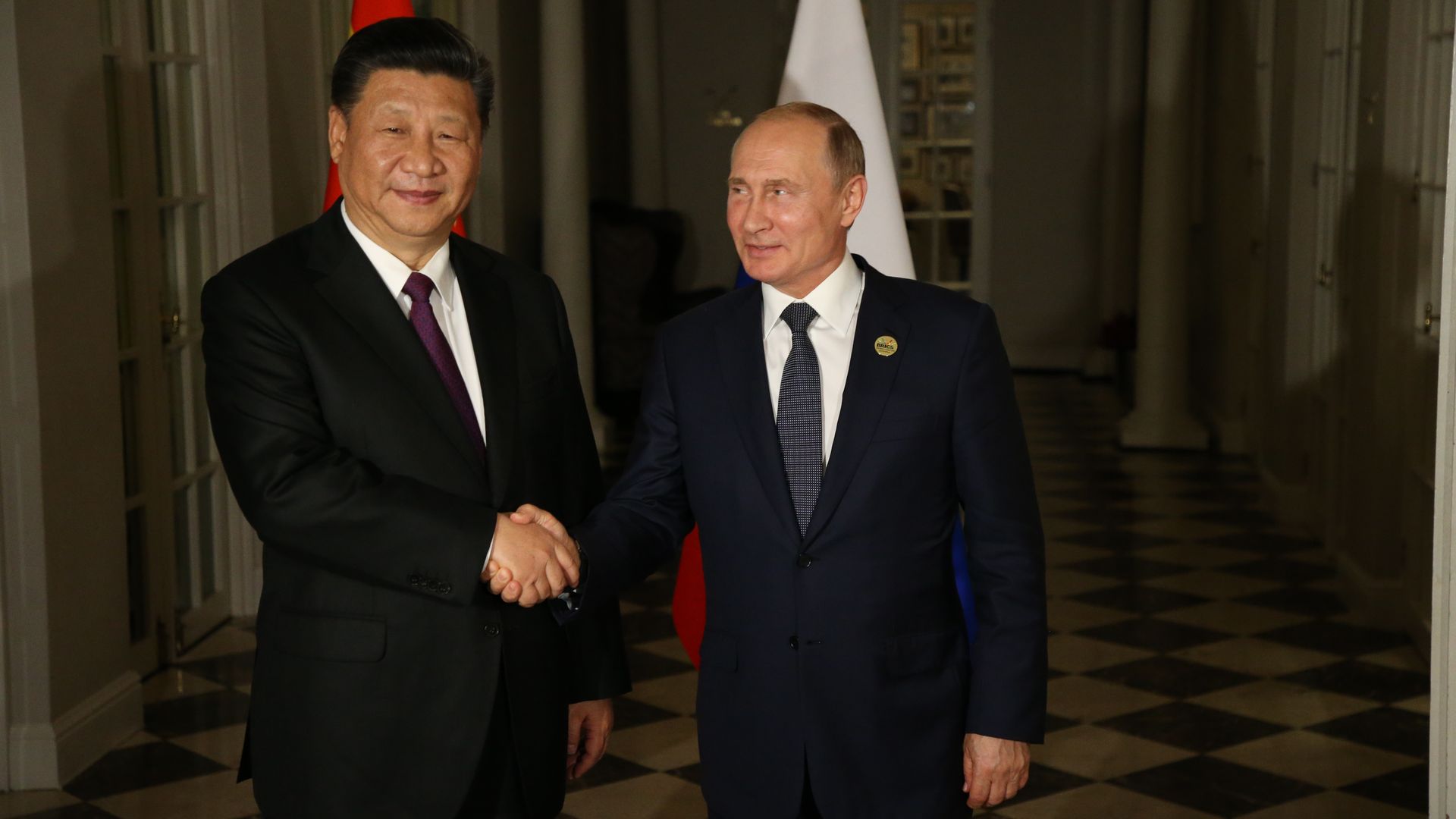
While Washington prepares for new cold wars, America’s two major rivals are warming up to one another.
Driving the news: Today alone, the Trump administration laid out an Africa strategy that is tied almost entirely to blocking Chinese and Russian influence, and President Trump used the word “China” 20 times in a relatively brief Fox News interview. U.S. foreign policy is increasingly defined by confrontation and competition with China and with Russia. But what about the third leg of that “great power” triangle?