FireEye announced last week that a cyber attack that looked like it could have come from the Russian hackers "Cozy Bear" may have impersonated a State Department official in a new phishing campaign.
The big picture: FireEye was careful to say last week that it was not ready to formally accuse Russia of the attack. It still isn't. But the security firm posted more information about the attack on Monday which has helped to fill in some blanks.
Israel is expected to withdraw from the UN Global Compact on Migration after requests from the U.S. and Hungary, Israeli officials tell me.
Why it matters: The Trump administration is leading international opposition to the compact, claiming it harms sovereignty and legitimizes illegal migration. Israeli diplomats were actively involved in the drafting of the international document over the past two years, but once Israeli Prime Minister Benjamin Netanyahu realized the U.S. was against it, he decided to withdraw.
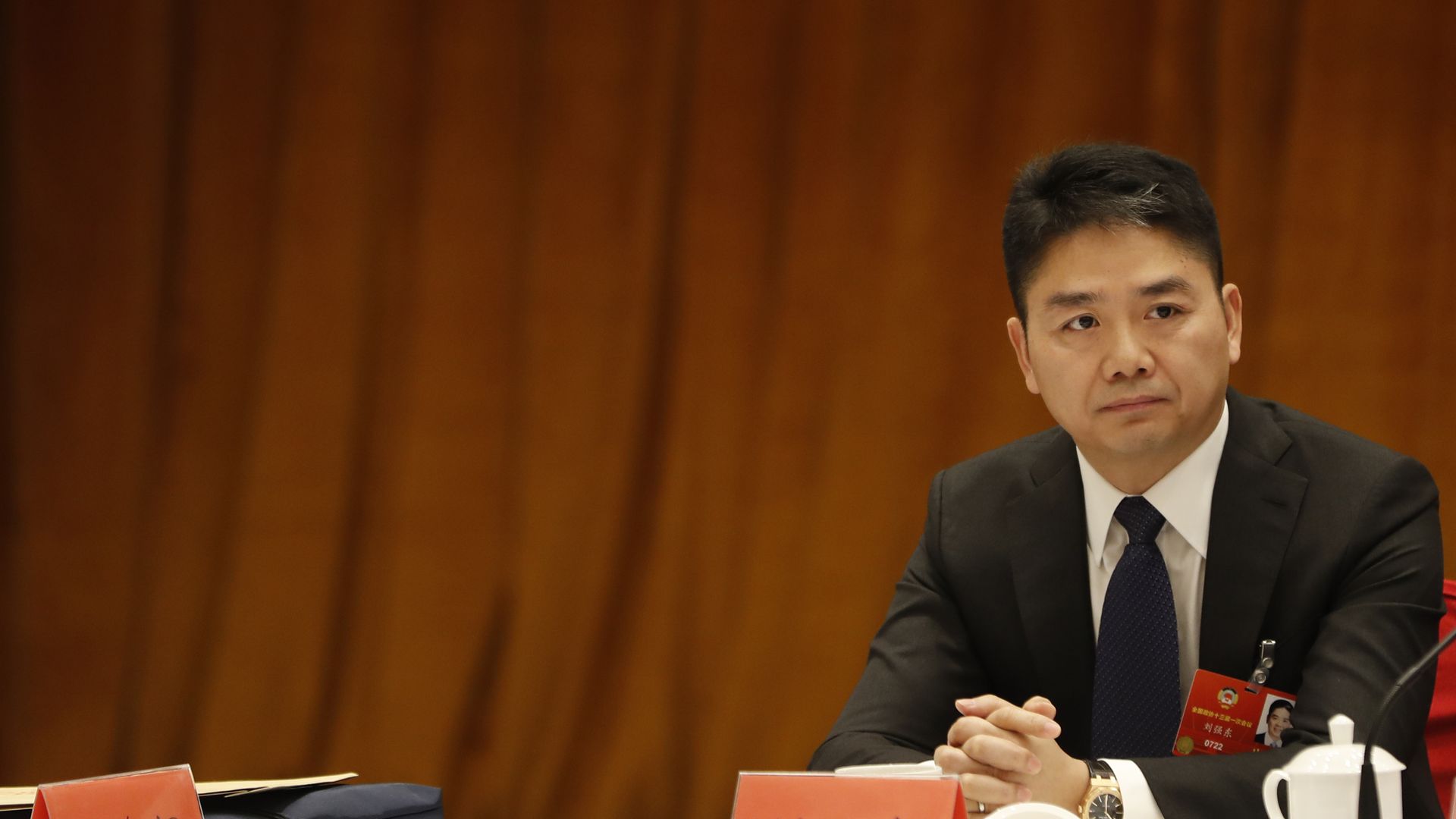
Richard Liu, the billionaire CEO of JD.com who is facing a rape accusation in Minnesota, said today that he will shift his primary responsibilities away from the Chinese giant's main e-commerce arm, instead focusing on the company's "new businesses." JD's share price fell 5.5% after his announcement.
The big picture: A JD.com spokesperson said, "As CEO of a massive company doing many different things, from the many categories of the retail business, to a major logistics operation, technology innovation and retail as a service, he has long been overseeing the broad strategy for the company." Liu was arrested on Aug. 31 after a University of Minnesota woman said he raped her. He has insisted he is innocent, and Minnesota authorities say they have not decided whether to pursue charges against him. Liu's announcement comes as JD.com, which has the backing of Chinese tech behemoth Tencent as well as Google and Walmart, is losing market value. The company's stock has fallen 54% from its high this year.
Editor's note: This piece has been updated to include a quote from a JD.com spokesperson.
Austria’s refusal to play host to a Special Purpose Vehicle (SPV) payment system that would circumvent U.S. sanctions is the latest in a series of setbacks for EU states struggling to save the 2015 nuclear deal with Iran. EU members appear to understand that playing host to the SPV increases their potential for exposure to U.S. secondary sanctions.
The big picture: Since the U.S. left the Iran nuclear deal in May, the EU has been scrambling to find creative ways to incentivize Iran to continue adhering to the accord. While EU leaders desired to have the SPV established by November, devising a sanctions-proof channel to clear trade and engage in bartering with Iran was much harder than anticipated.
After years of controversy, Airbnb is removing all home-share listings — about 200 — in Israeli settlements in the Palestinian West Bank.
Why it matters: Tech companies are increasingly finding themselves in the middle of political storms, as the services they provide run into the crosscurrents of regional conflicts and ethical controversies.
If you tried to put together a deal guaranteed to appeal to absolutely no one in the U.K., you could hardly do better than the 585-page draft agreement unveiled on Wednesday between Britain and the European Union.
Why it matters: Britons who voted to leave did so because they wanted to take back control from the EU. This agreement notably fails to do that. Europe retains effective control over UK trade rules. That control lasts at the very least through the end of the transitional period in December 2020, and realistically far beyond that. For Britain to truly extricate itself from the EU, it first needs to find a workable solution to the problem of the Irish border, and it's abundantly clear that no such solution exists.
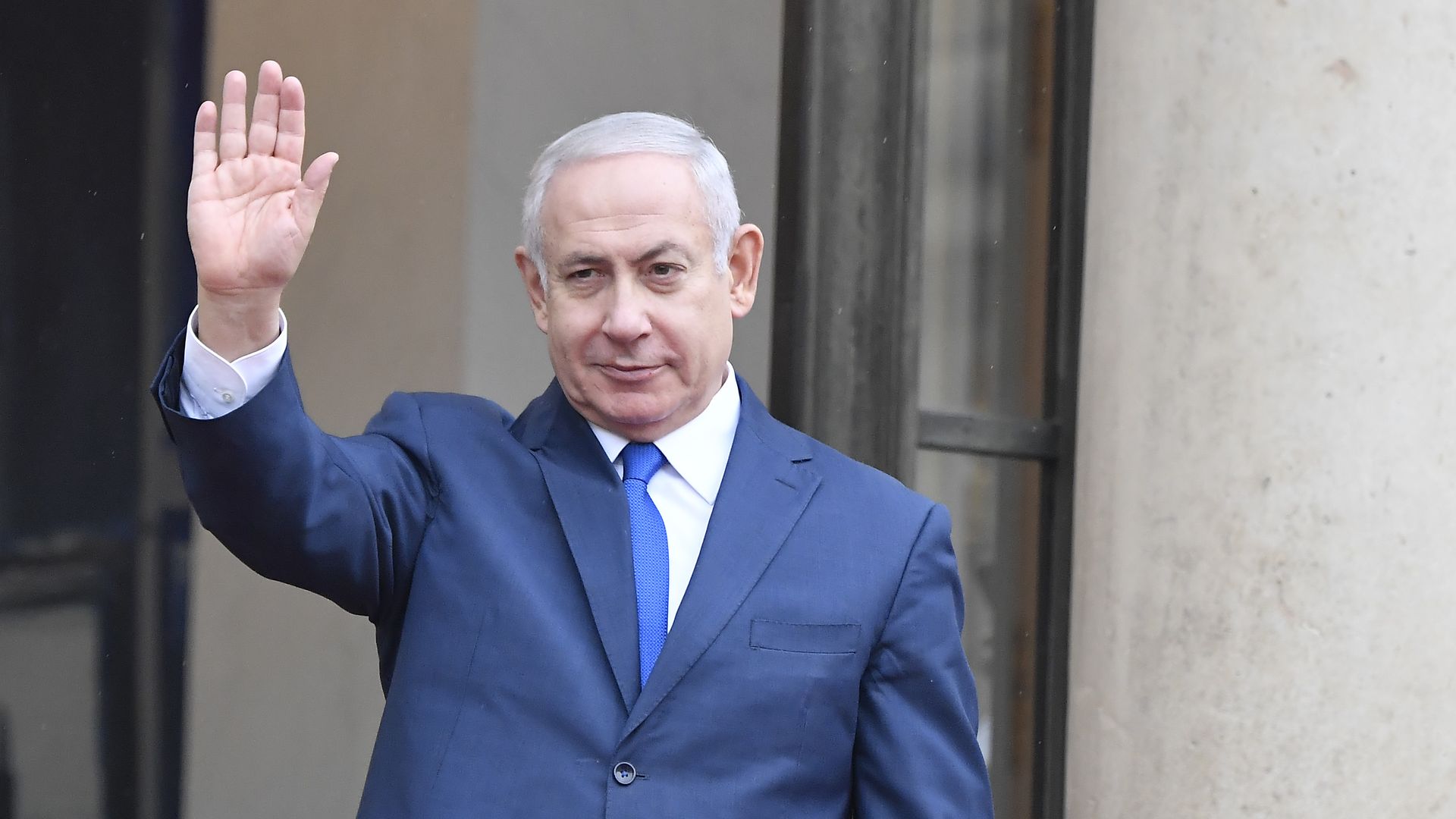
Israeli Prime Minister Benjamin Netanyahu said Sunday he will take over as defense minister after Avigdor Lieberman, the official who previously held the position, resigned over his opposition to a cease-fire with Palestinian militants in Gaza, reports AP.
The big picture: All members of Lieberman's party quit Netanyahu's government coalition after his resignation, leaving the prime minister with a one-seat majority in the Knesset, Israel's parliament. Netanyahu rejected calls from the remaining coalition partners to hold early elections, claiming it would be a distraction during "a sensitive time" for Israel's security, per AP. Any decision on whether an early election takes place or not will likely have an impact on the White House's decision to roll out its peace plan for the region as Axios contributor Barak Ravid reported.
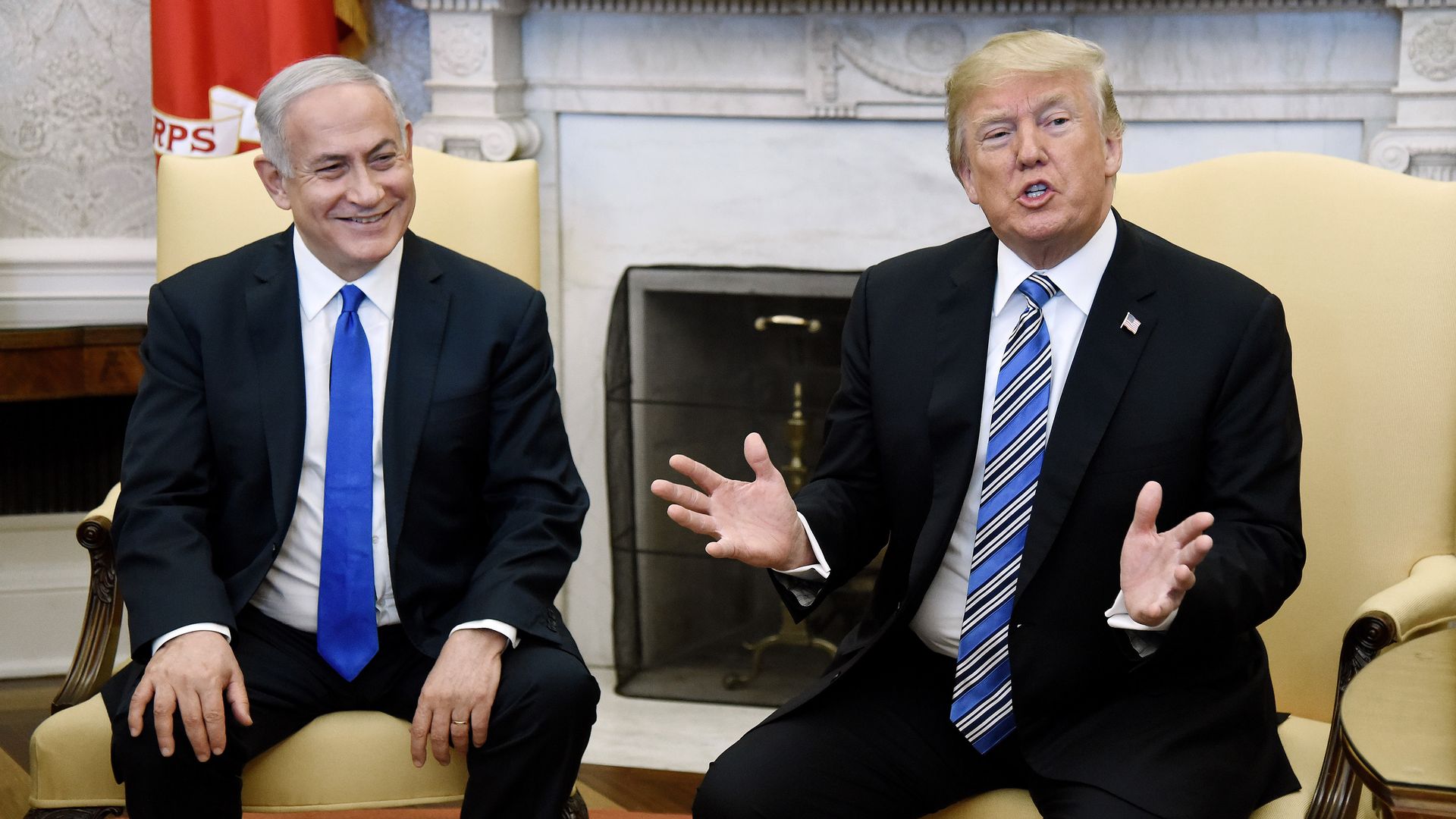
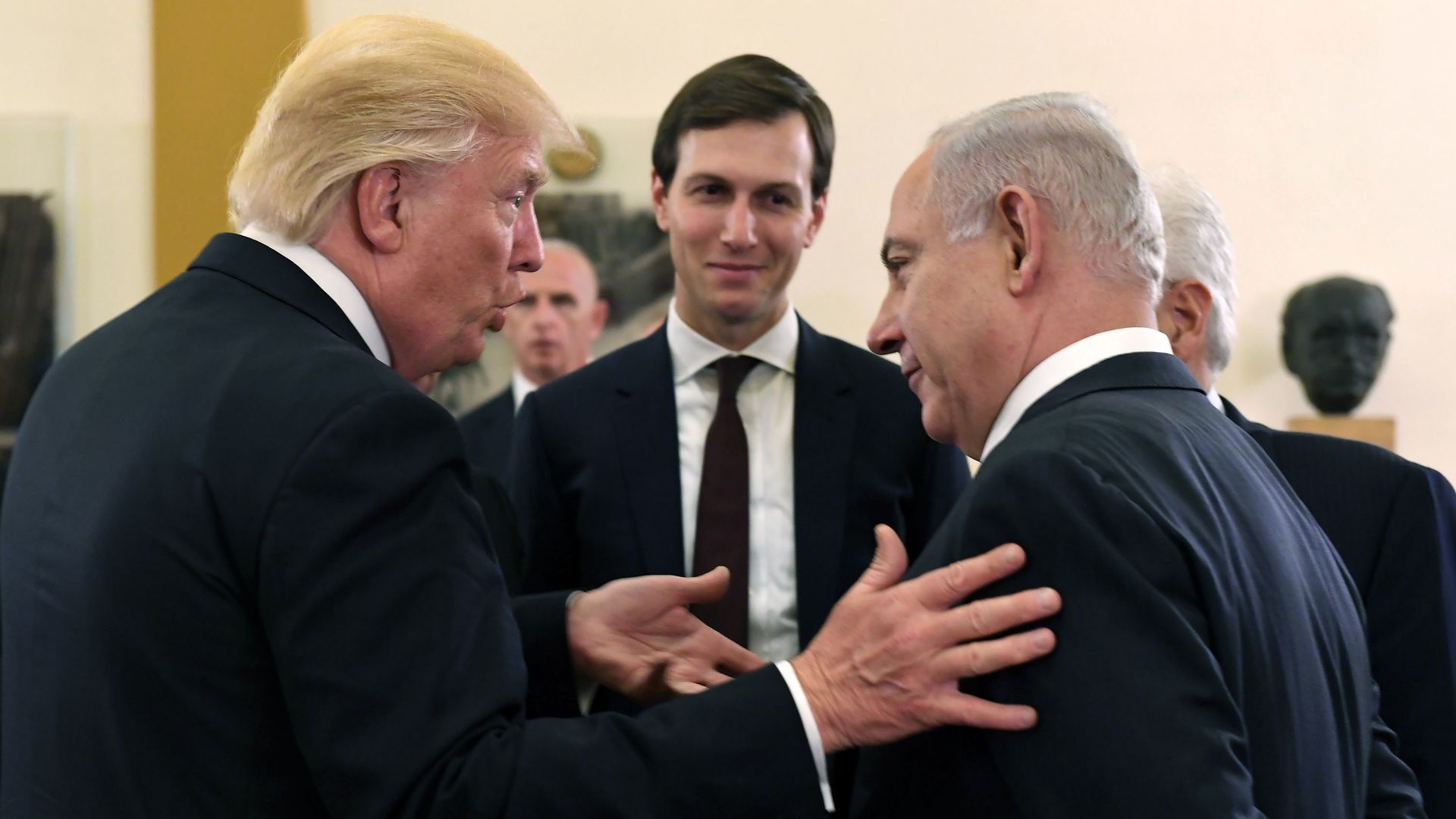
President Trump will hold a crucial meeting this week with his top national security and foreign policy advisers to discuss both the details of the White House's Israeli-Palestinian peace plan and the timing for its release, U.S. officials told me.
The big picture: The White House's "peace team," led by senior adviser Jared Kushner and special envoy Jason Greenblatt, has been working on the plan for the last two years. It's now basically ready, and Trump has said he wants it published sometime between December and February. But U.S. officials said the current political crisis in Israel and the imminent announcement on early elections in the country will play a role in any decision Trump makes regarding the plan's release.