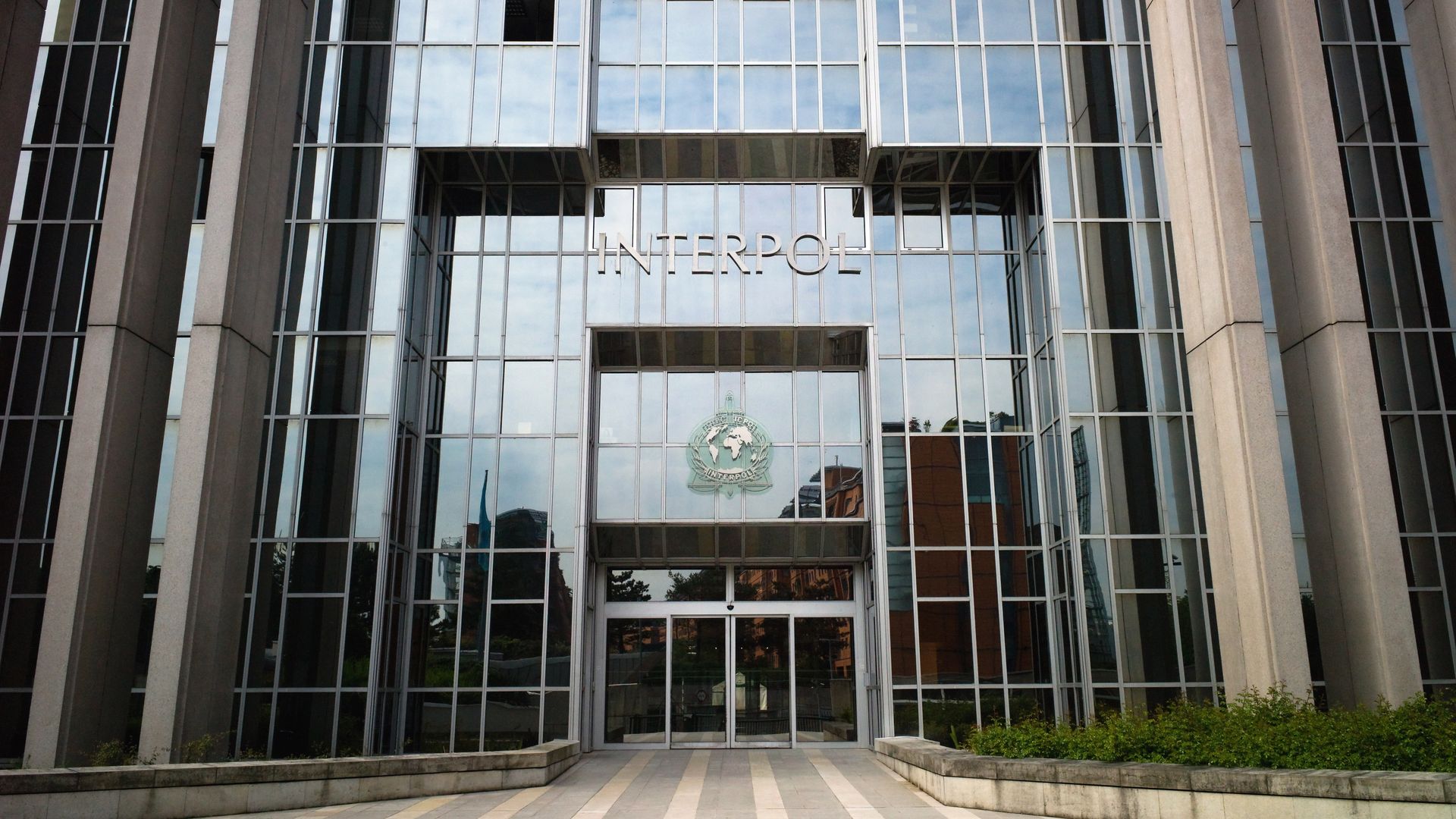
South Korea's Kim Jong-yang beat out Russia's Alexander Prokopchuk, a veteran of Russia's security services, to become president of Interpol on Wednesday, the AP reports.
The big picture: Kim's surprise win was a blow to Russia as Prokopchuk was widely viewed as a favorite, despite the objections of the United States and other western allies, who feared that Russia could use the organization to target its political opponents. The previous Interpol head, China's Meng Hongwel, resigned last month after he was detained and investigated for possible violations of state law by Chinese authorities.
The global economic and tech system appears to be breaking in two, one led by the U.S. and the other by China, in an unfolding new world resembling the competing geopolitical spheres of the Cold War.
The big picture: One of the eeriest features of this apparent future will be new virtual and legal "borders," a formalization of attempts already afoot by the U.S. and China to bar the other from the sphere they themselves control.
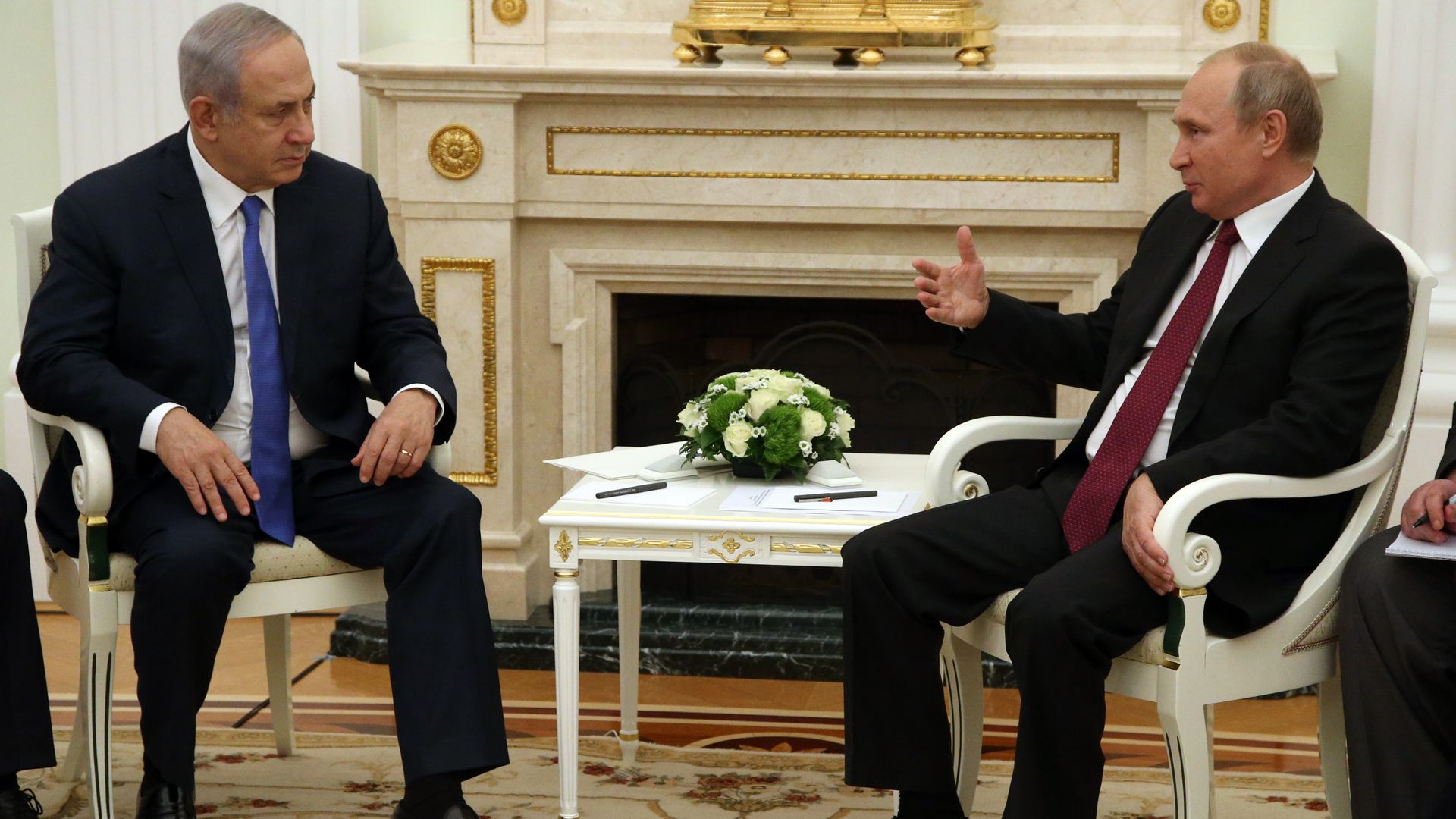
Israeli Prime Minister Netanyahu said in a closed hearing on Monday that Russia recently proposed to Israel and the U.S. that Iran be granted relief from some U.S. sanctions in return for the removal of Iranian forces and proxies from Syria.
Why it matters: Iranian retrenchment in Syria is a huge concern for Israel, but the Russian position until now has been, at least publicly, that Iran's presence is legitimate because it came at the Assad regime's invitation. This is the first we're hearing that the Russians have floated an idea for Iran's withdrawal, and that they're linking it to U.S. sanctions.
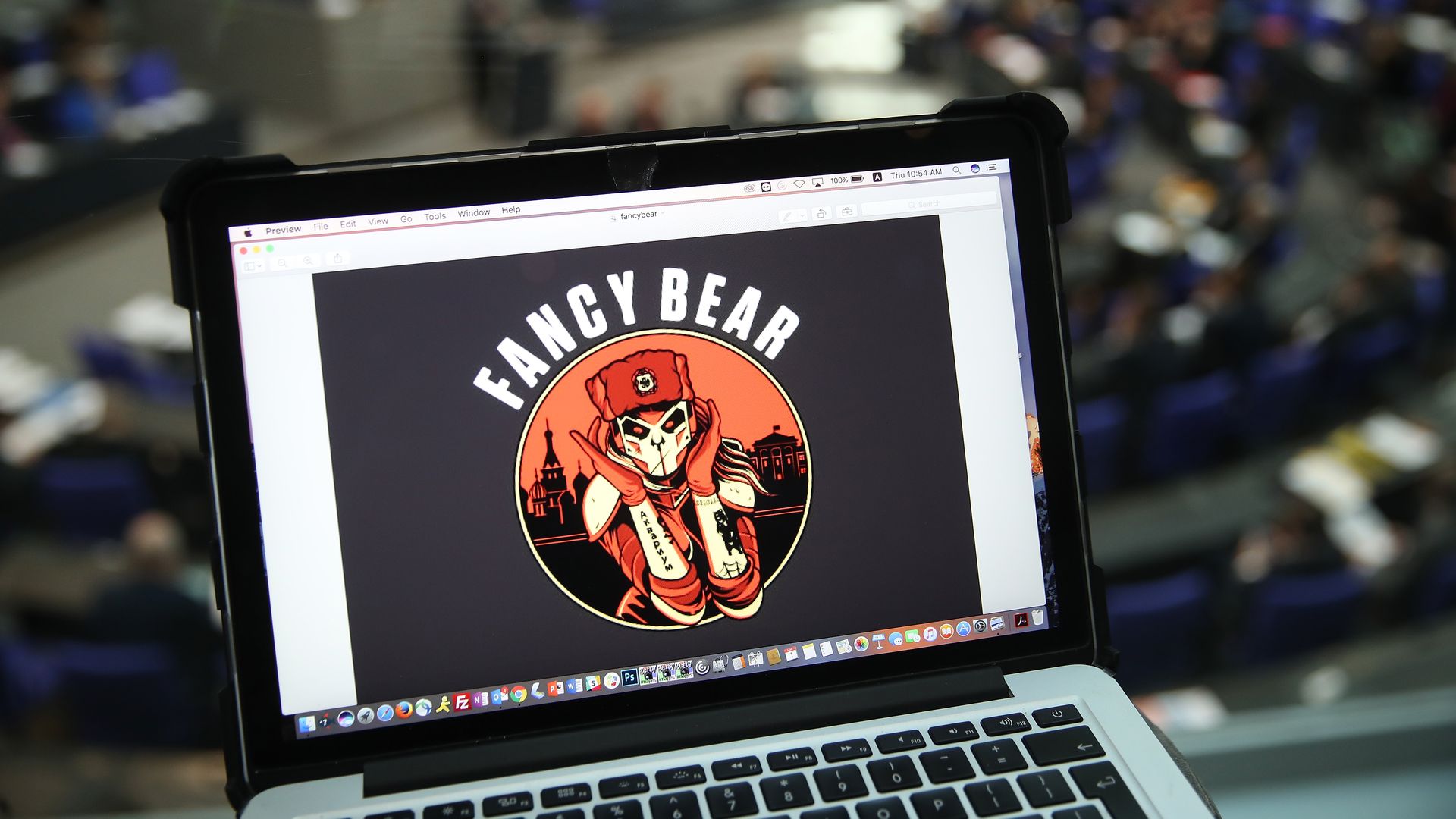
Researchers at Palo Alto Networks discovered new malware being used by the Kremlin-backed hacking group Fancy Bear.
Why it matters: The "cannon" malware uses email to communicate with its command and control server. That's not common in malware right now, says Jen Miller-Osborn, deputy director of threat Intelligence for the Palo Alto Networks Unit 42 research team, and doesn't appear to be something Fancy Bear has ever done before.
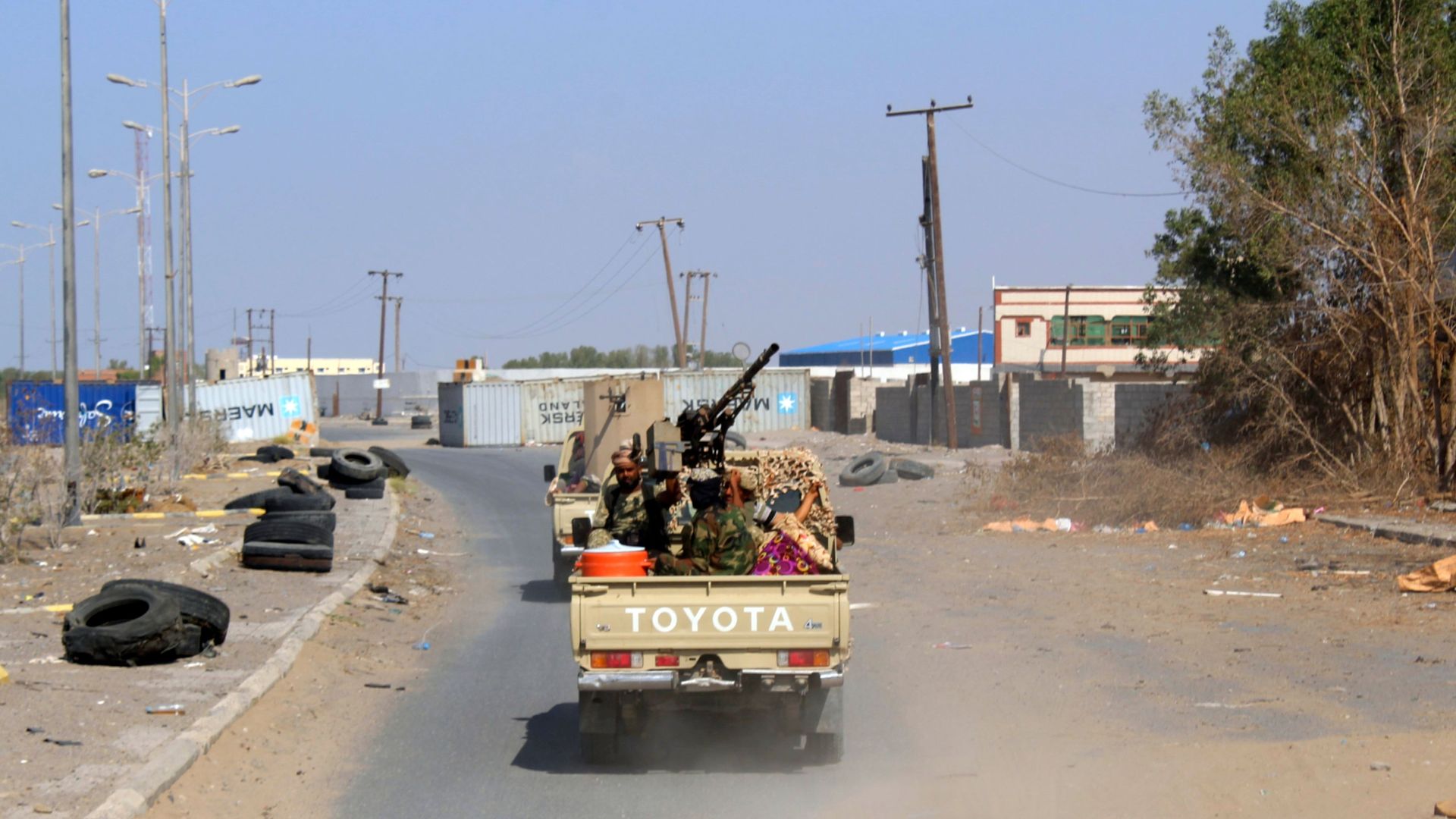
A senior Houthi leader announced last night that the rebel fighters would halt military operations against the Saudi-led coalition. Hours later, Yemen’s internationally recognized government signaled that it’s ready to take part in peace talks. And this afternoon, the UN Security Council took up a draft resolution to support the talks.
Why it matters: Yemen’s civil war has cost the lives of as many as 10,000 civilians and created the worst humanitarian disaster in the world. It has also become a flash point for conflict between Saudi Arabia and Iran that threatens regional stability.