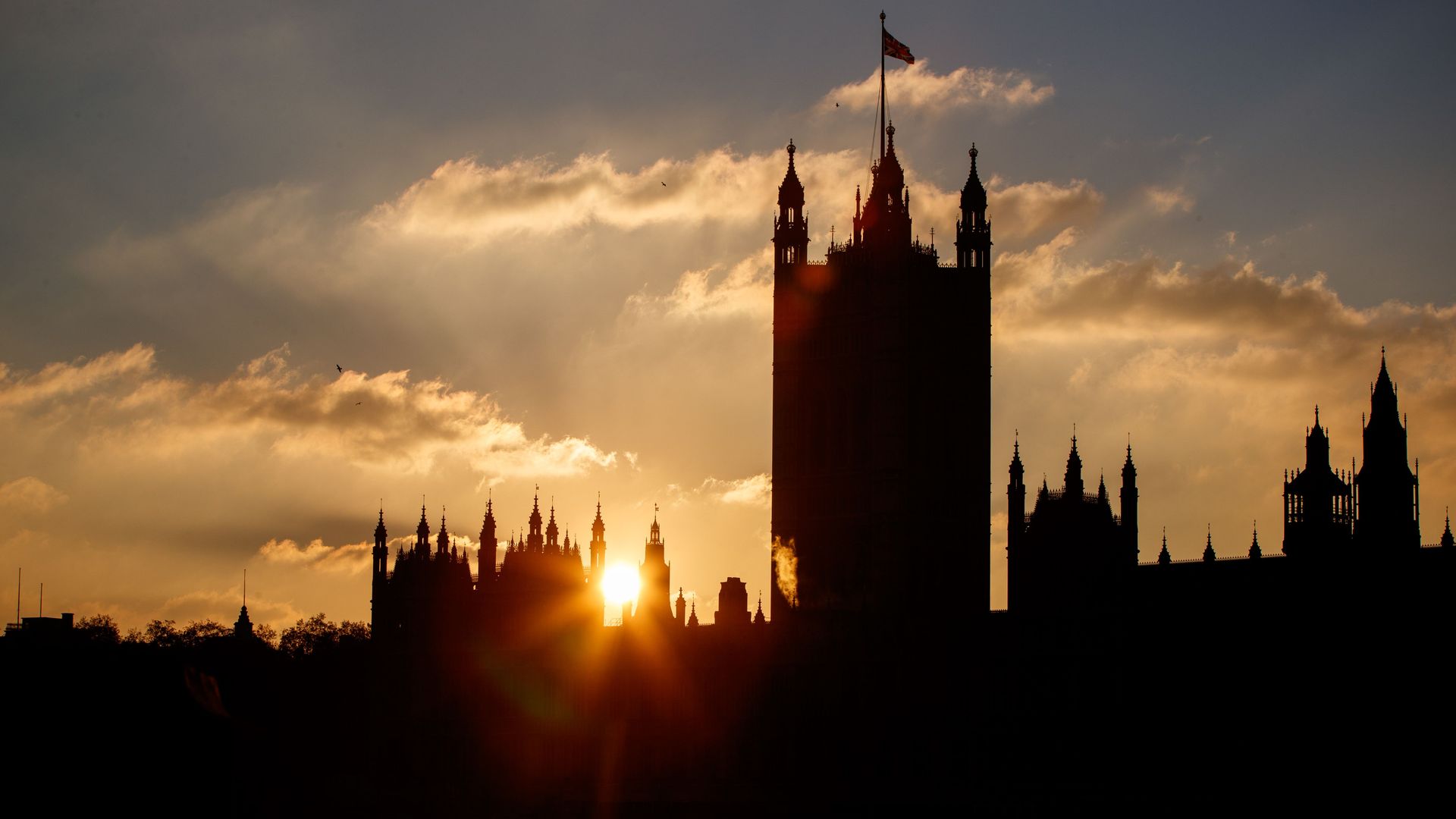
If you tried to put together a deal guaranteed to appeal to absolutely no one in the U.K., you could hardly do better than the 585-page draft agreement unveiled on Wednesday between Britain and the European Union.
Why it matters: Britons who voted to leave did so because they wanted to take back control from the EU. This agreement notably fails to do that. Europe retains effective control over UK trade rules. That control lasts at the very least through the end of the transitional period in December 2020, and realistically far beyond that. For Britain to truly extricate itself from the EU, it first needs to find a workable solution to the problem of the Irish border, and it's abundantly clear that no such solution exists.
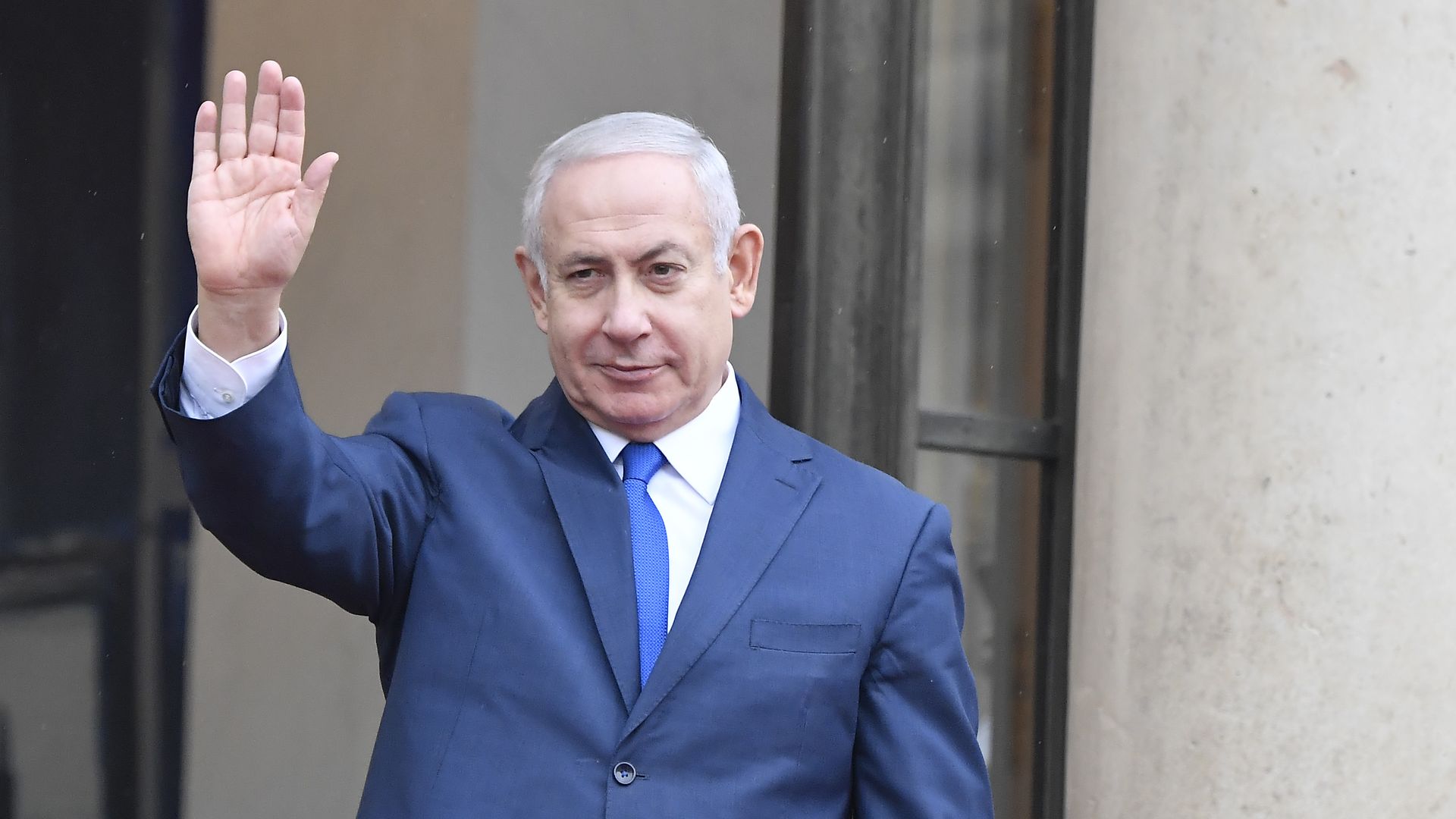
Israeli Prime Minister Benjamin Netanyahu said Sunday he will take over as defense minister after Avigdor Lieberman, the official who previously held the position, resigned over his opposition to a cease-fire with Palestinian militants in Gaza, reports AP.
The big picture: All members of Lieberman's party quit Netanyahu's government coalition after his resignation, leaving the prime minister with a one-seat majority in the Knesset, Israel's parliament. Netanyahu rejected calls from the remaining coalition partners to hold early elections, claiming it would be a distraction during "a sensitive time" for Israel's security, per AP. Any decision on whether an early election takes place or not will likely have an impact on the White House's decision to roll out its peace plan for the region as Axios contributor Barak Ravid reported.
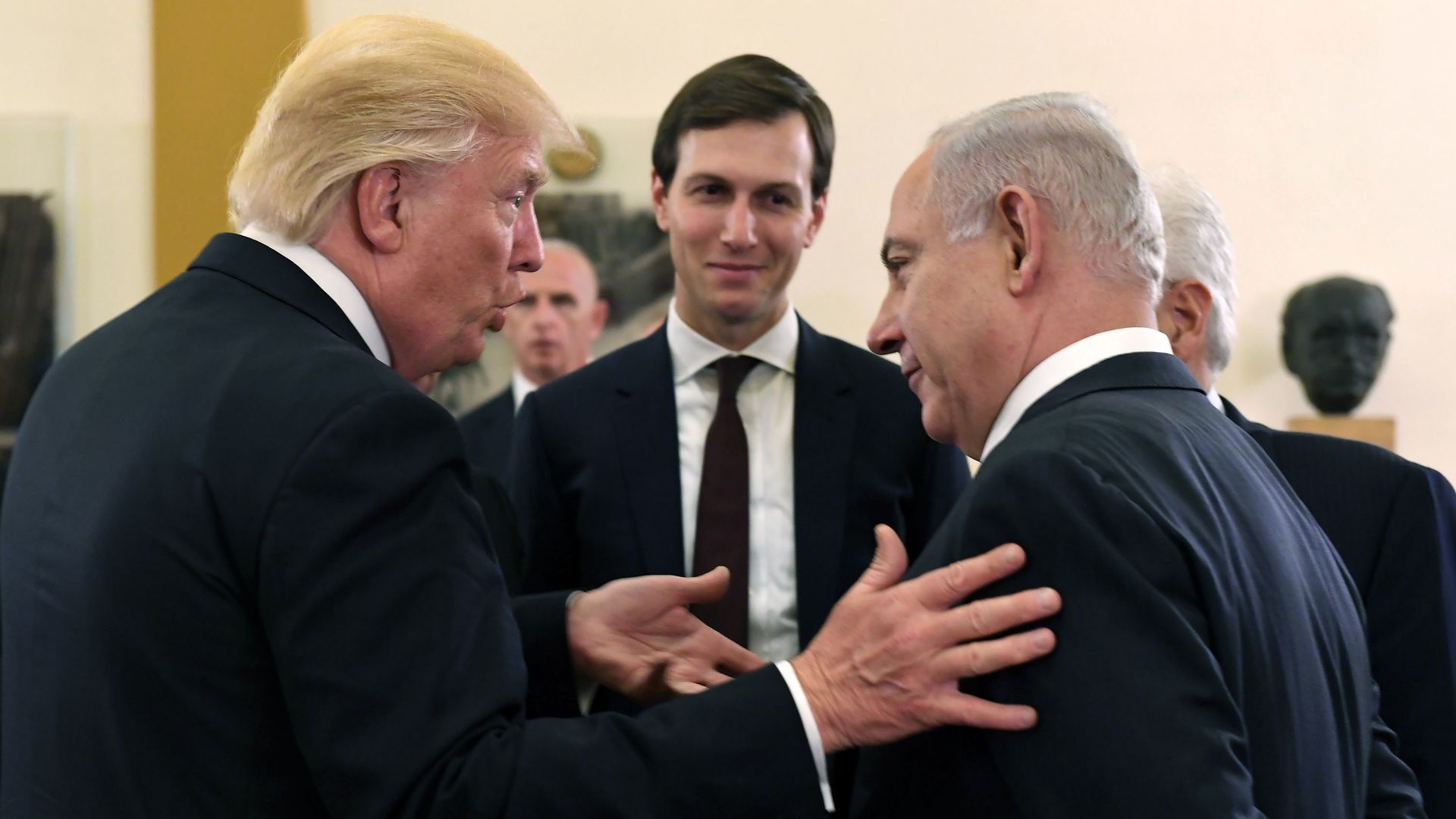
President Trump will hold a crucial meeting this week with his top national security and foreign policy advisers to discuss both the details of the White House's Israeli-Palestinian peace plan and the timing for its release, U.S. officials told me.
The big picture: The White House's "peace team," led by senior adviser Jared Kushner and special envoy Jason Greenblatt, has been working on the plan for the last two years. It's now basically ready, and Trump has said he wants it published sometime between December and February. But U.S. officials said the current political crisis in Israel and the imminent announcement on early elections in the country will play a role in any decision Trump makes regarding the plan's release.
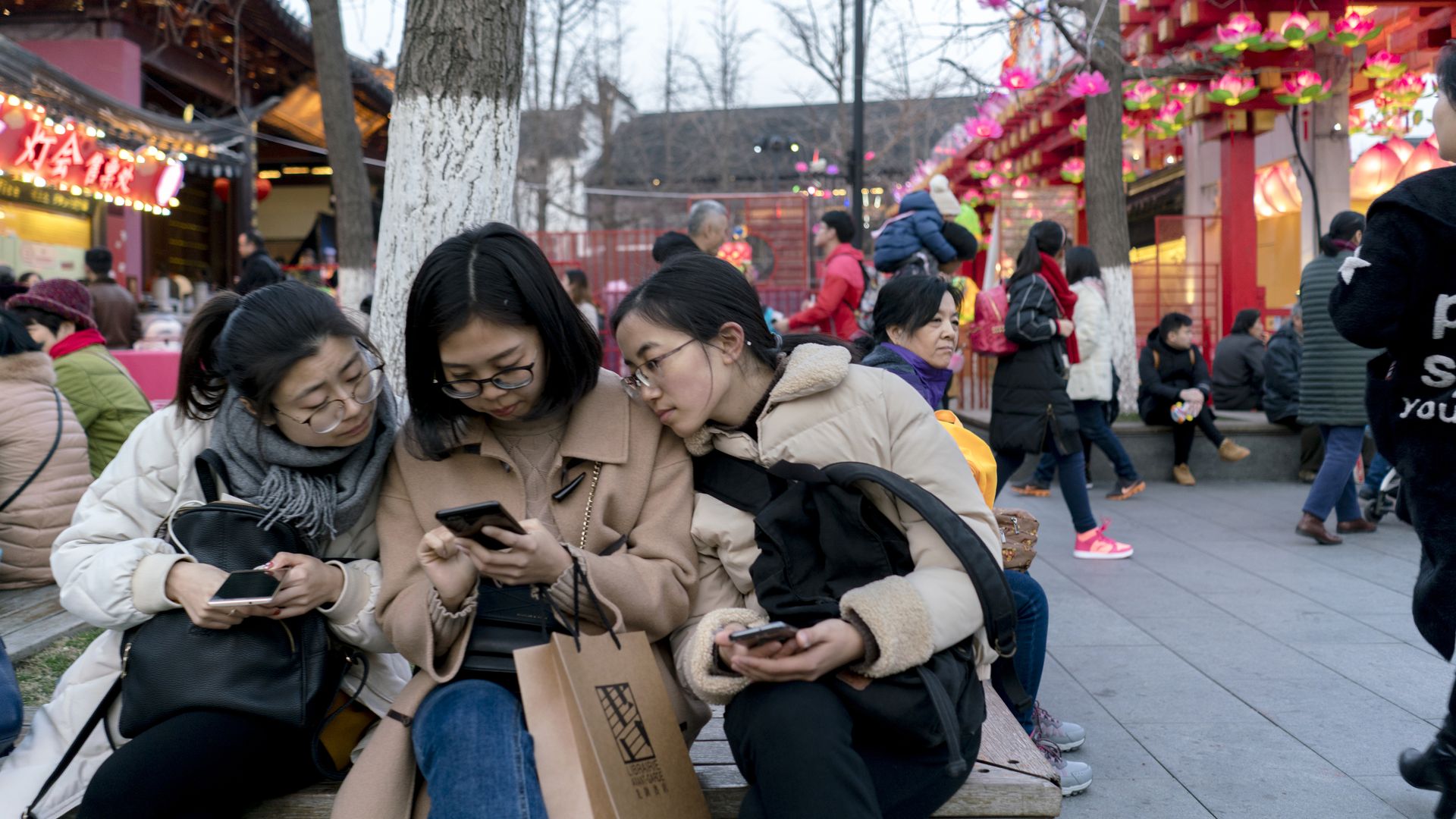
The Chinese government does not think current internet regulations are strong enough — so it's implementing a campaign to rein in "self-media," like blogs and social media accounts.
My thought bubble: This move certainly looks related to the crackdown against labor activists and students, and is another sign that the political atmosphere will likely tighten even more (at least from now until June 5 after we have safely passed the 100th anniversary of the May 4 movement and the 30th anniversary of June 4).
The Chinese government has decided that college campuses are in need of enhanced security and ideological hardening, and is implementing different control measures, Reuters reports.