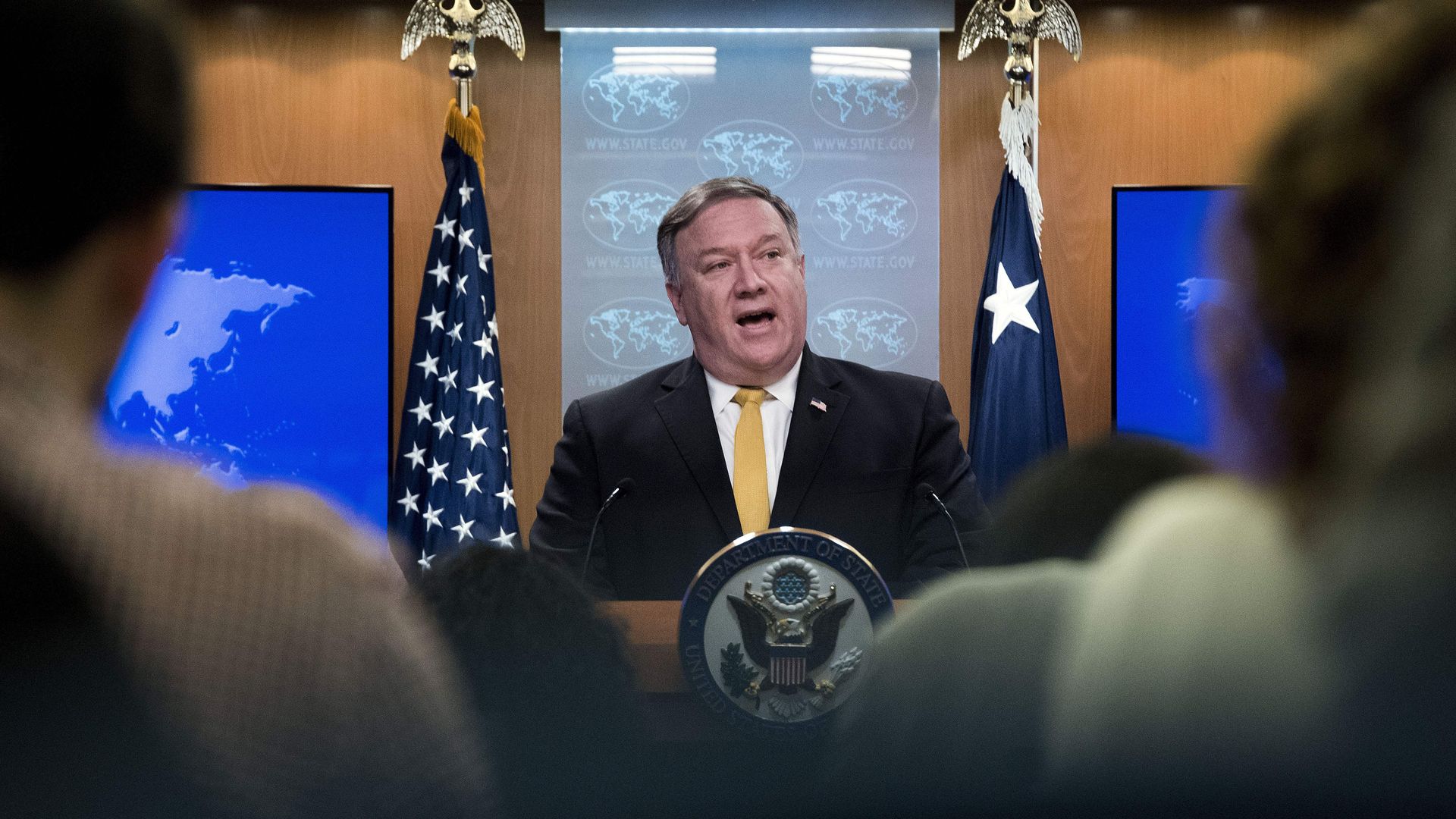
All U.S. sanctions on Iran that were lifted under the 2015 nuclear deal will be reimposed on Monday, however, "eight jurisdictions" will receive exemptions allowing them to continue to import Iranian oil in the short term, Secretary of State Mike Pompeo and Treasury Secretary Steve Mnuchin said during a call with reporters on Friday.
Why it matters: This is the second and most significant round of sanctions to be reimposed on Iran, targeting its energy, financial and shipping sectors. The announcement both underlines the Trump administration's "maximum pressure" approach to Iran, and the degree to which it has divided the international community. Some Republican hardliners now believe Trump is going soft by not using all the tools at his disposal.
Between 2009 and 2013, Iran compromised a CIA system used to talk to operatives in Iran by using Google to identify the websites that concealed communications, according to Yahoo News' Zach Dorfman and Jenna McLaughlin.
The big picture: We already knew a similar system was uncovered by the Chinese around the same time, possibly due to alleged double agent Jerry Lee. It's unclear if the Iranian and Chinese compromises involved any collaboration.
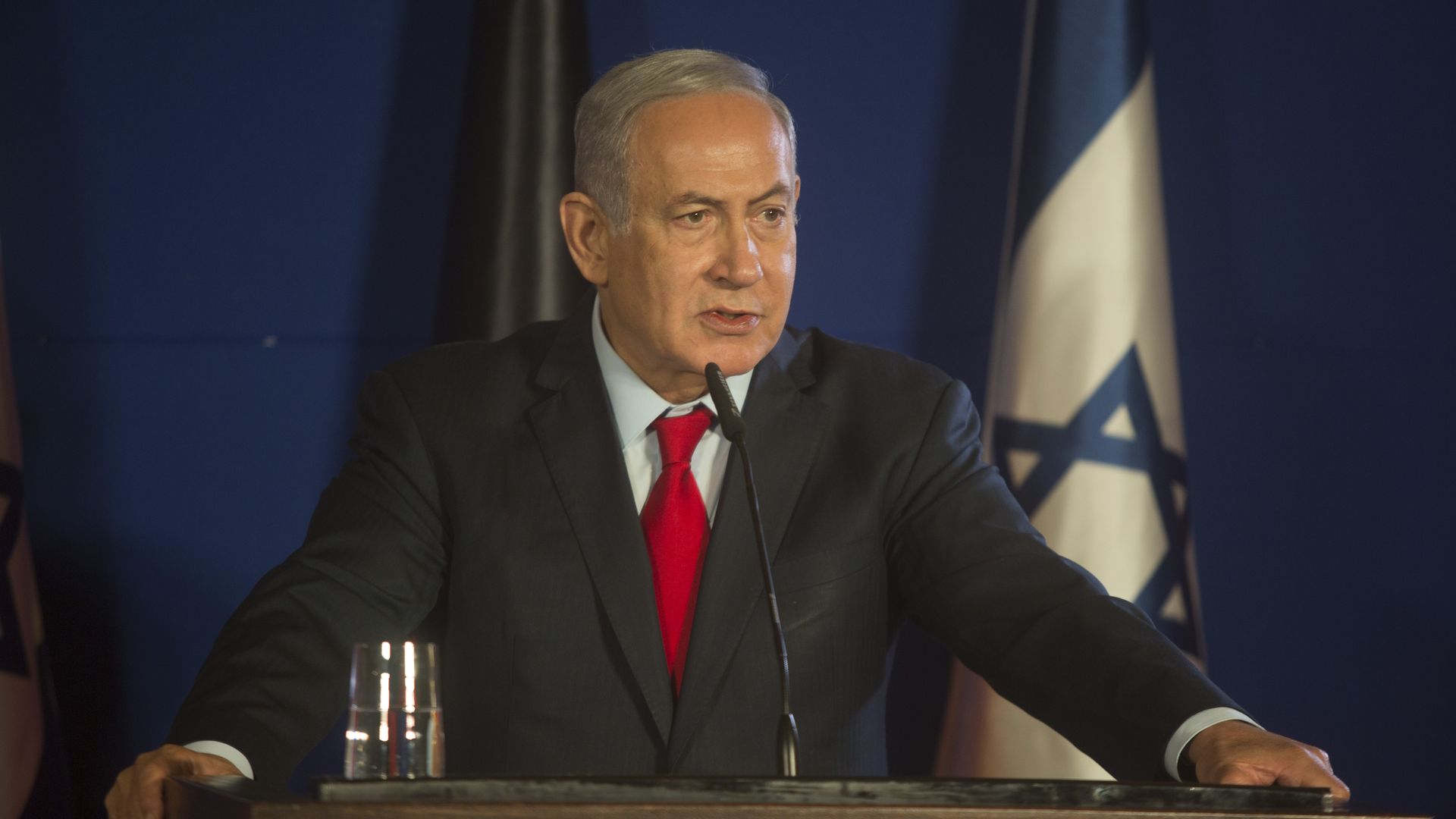
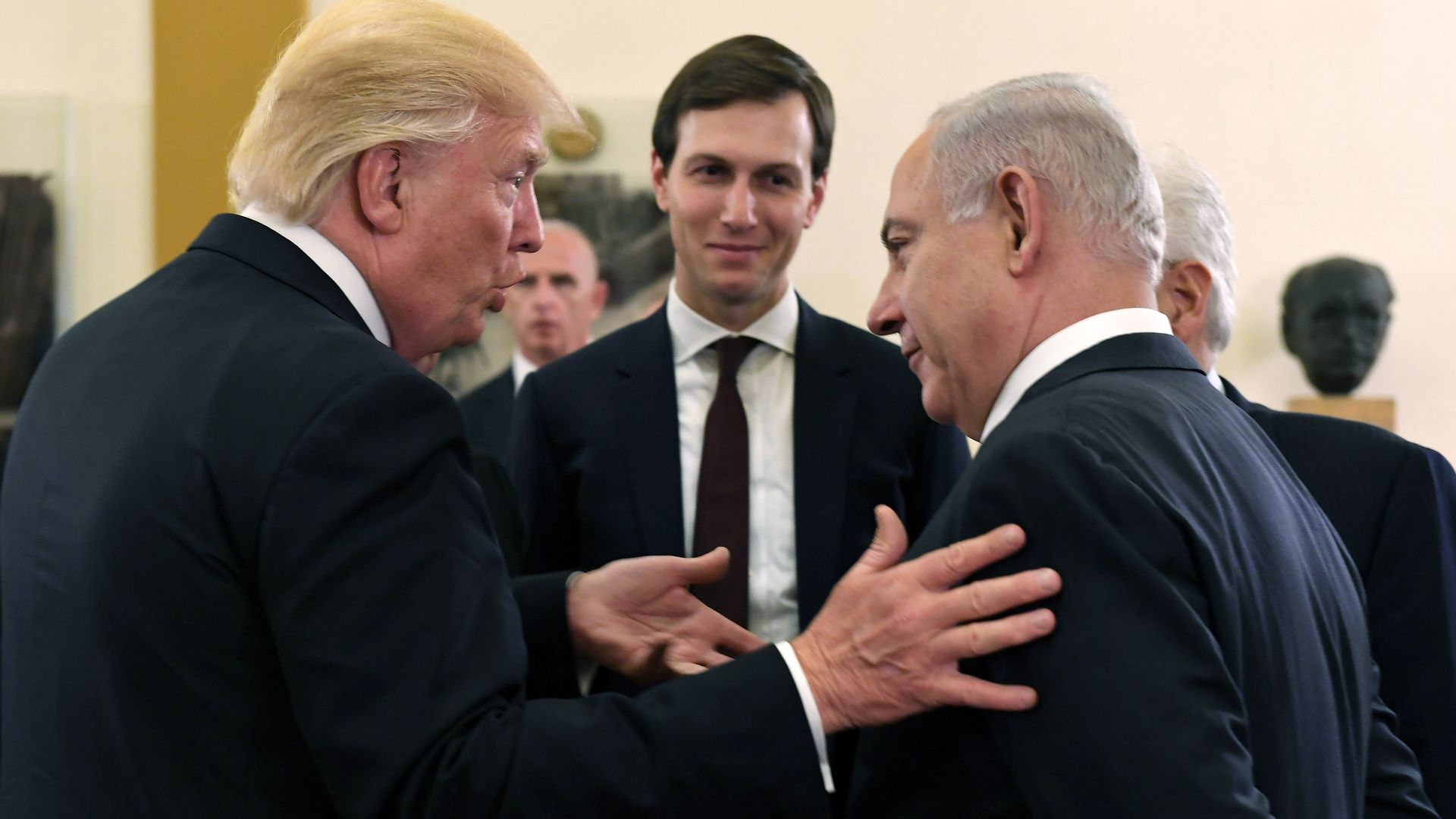
Israeli Prime Minister Netanyahu today spoke publicly about the killing of Saudi journalist Jamal Khashoggi for the first time and backed the Saudi government, which is trying to fend off international pressure over the crisis.
Why it matters: Israel had been working mainly behind the scenes and refrained from speaking publicly on the Khashoggi affair. Netanyahu's statements show Israel still has the back of Saudi Crown Prince Mohammed Bin Salman — its secret ally over the last few years.
Republican hawks are planning to introduce legislation later this month that would force President Trump to take a harder approach to Iran, out of fear that the president is "going soft" on them, Politico's Eliana Johnson reports.
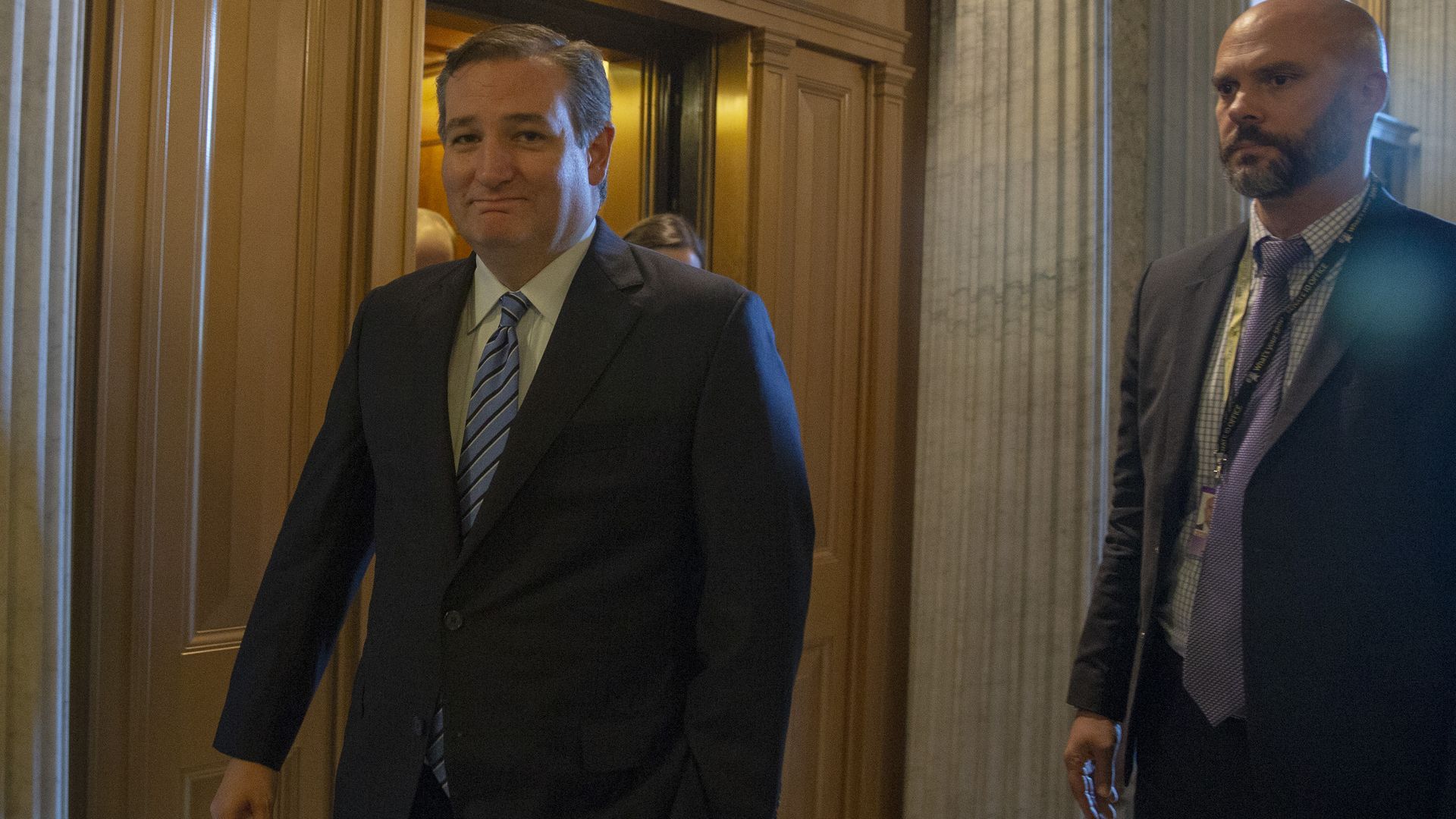
The big picture: New sanctions are expected to be announced later today, and these Republicans "expect that Trump will disappoint them," Johnson writes. The legislation, which will reportedly be introduced by Sen. Ted Cruz (R-Texas) and cosponsored by Sens. Marco Rubio (R-Fla.) and Tom Cotton (R-Ark.), would pressure Trump into cutting off Iranian banks' access to the global banking network, Society for Worldwide Interbank Financial Telecommunication (SWIFT).
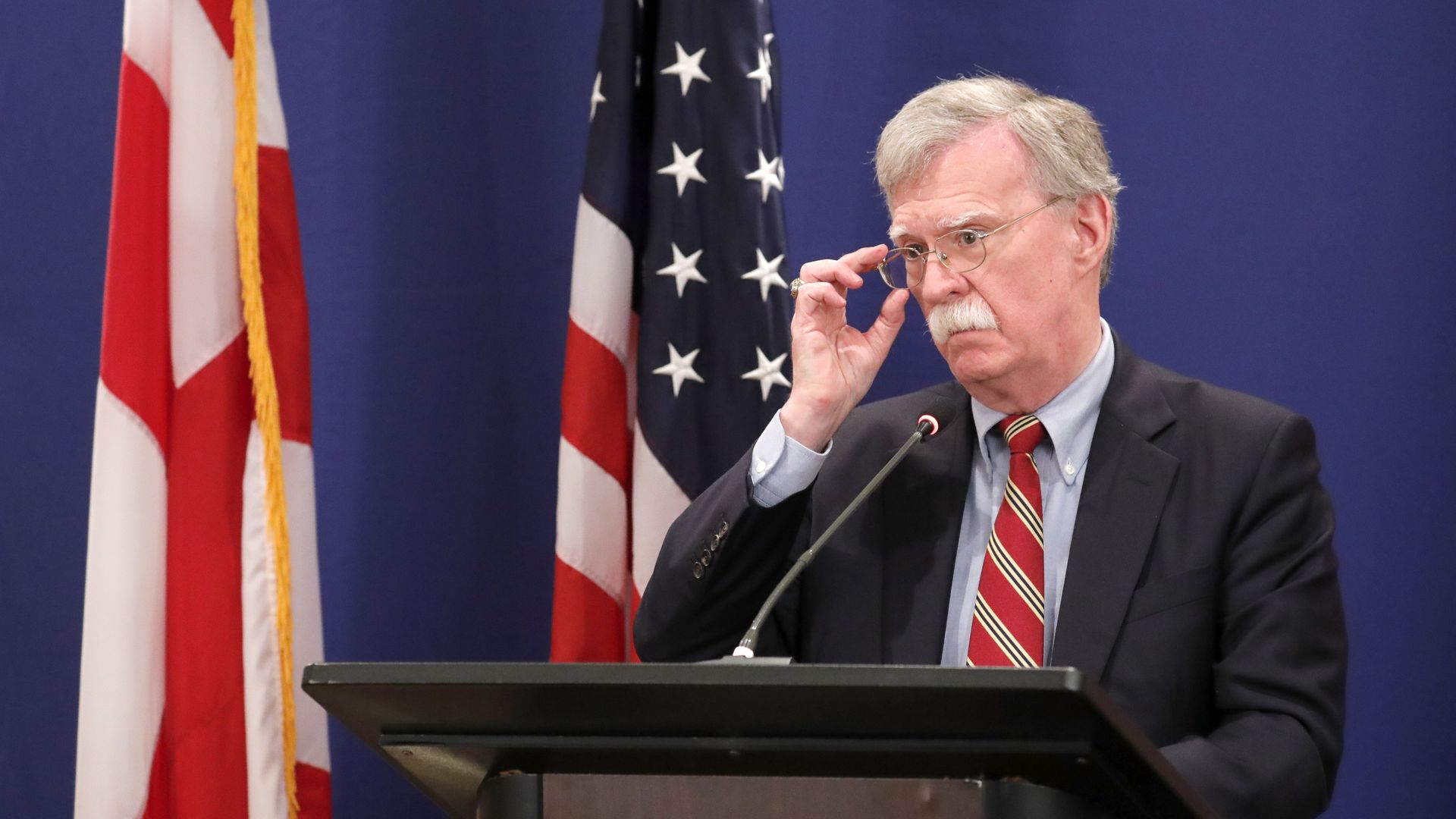
Days before U.S. secondary sanctions against Iran’s central bank and oil industry go back into effect, U.S. officials are conceding that they will allow certain countries to continue to import Iranian oil. National security adviser John Bolton, an uber-hawk on Iran, told a Washington audience on Oct. 31, “We want to achieve maximum pressure, but we don’t want to harm friends and allies either.”
Why this matters: After six months of fearsome demands that foreign countries completely stop importing Iranian oil by Nov. 5, the Trump administration is bowing to the hard realities of geopolitics and economics.
Israel is concerned that the international pressure on Saudi Arabia over the killing of Jamal Khashoggi by Saudi agents will destabilize the Sunni kingdom and the Middle East as whole, Senior Israeli officials tell me.
Why it matters: Until today, Israel refrained from commenting about the crisis publicly. This statement by the senior Israeli officials is very rare and shows Israel is nervous over the reaction of Western countries, including the U.S. The reason is that in the last few years, Saudi Arabia, led by Crown Prince Mohammed bin Salman, has become a staunch secret ally of the government in Jerusalem against Iran.
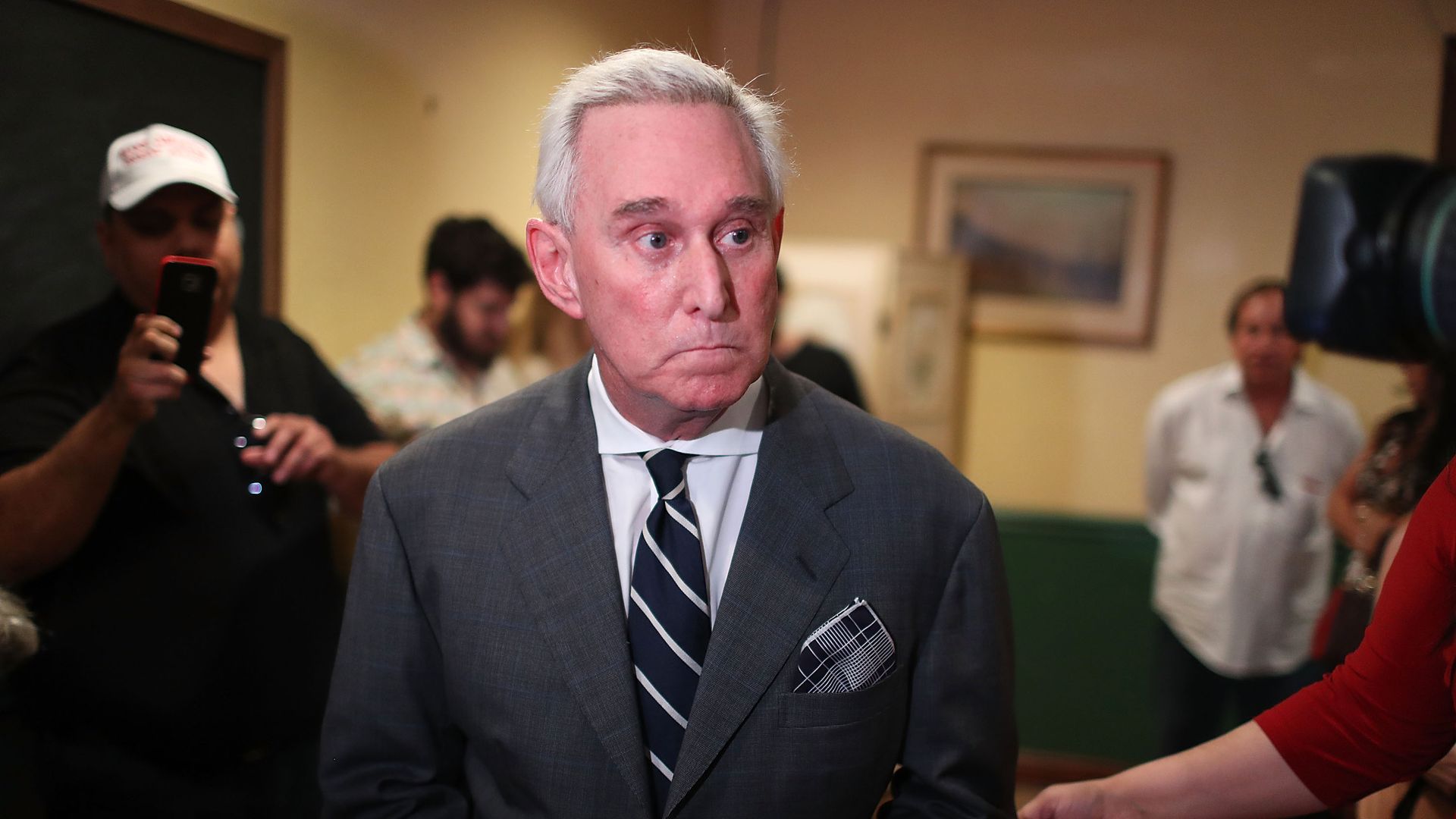
Emails obtained by the New York Times show Trump campaign chairman Steve Bannon communicated with political operative Roger Stone in October 2016 about Julian Assange's publicly announced plan to release information related to the 2016 presidential election.
Why it matters: Stone is under scrutiny by special counsel Robert Mueller over allegations he knew about WikiLeaks' plans to release Russian-hacked emails intended to damage the Democratic Party and Hillary Clinton's campaign. Per CNN, Bannon was interviewed by Mueller's team last week for at least the third time and was reportedly asked about comments Stone had made about WikiLeaks in 2016.
The Justice Department is creating a "China Initiative" to better identify and counter high-priority Chinese trade theft incidents, as well as threats from foreign direct investment, to critical infrastructure, and the U.S. supply chain.
The context: Attorney General Jeff Sessions explained Thursday that a federal grand jury indicted a Chinese government-owned company, a Taiwanese company, and three individuals with "conspiracy to commit economic espionage" from stolen trade secrets from American semiconductor company, Micron.
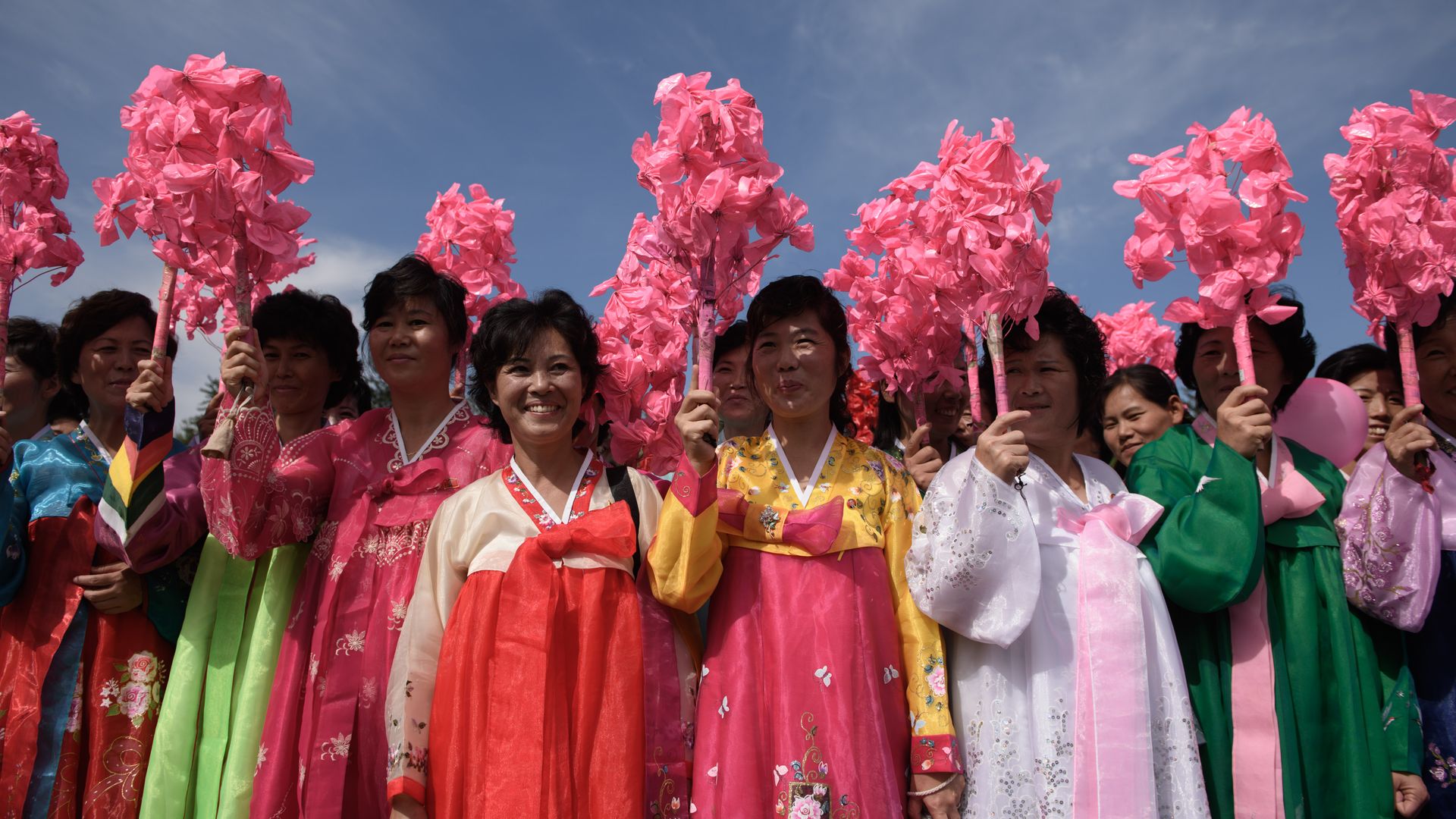
Why it matters: While it's not entirely surprising that the imbalance of power in North Korea is drastic, the report provides a detailed account of what women face in the country, which the report describes as "endemic." According to HRW, which spoke with 54 North Koreans who left the country after 2011, sexual violence has become a "part of ordinary life."
This week the United States made two big moves against China in response to Beijing's alleged government-orchestrated theft of intellectual property. Experts believe there will be more U.S. measures to come.
Why it matters: This is a sea change in how Washington deals with China. China is thought to have stolen billions of dollars in intellectual property from U.S. firms over more than a decade through hacking and human sources. The U.S. has never gone all-in on retaliation.
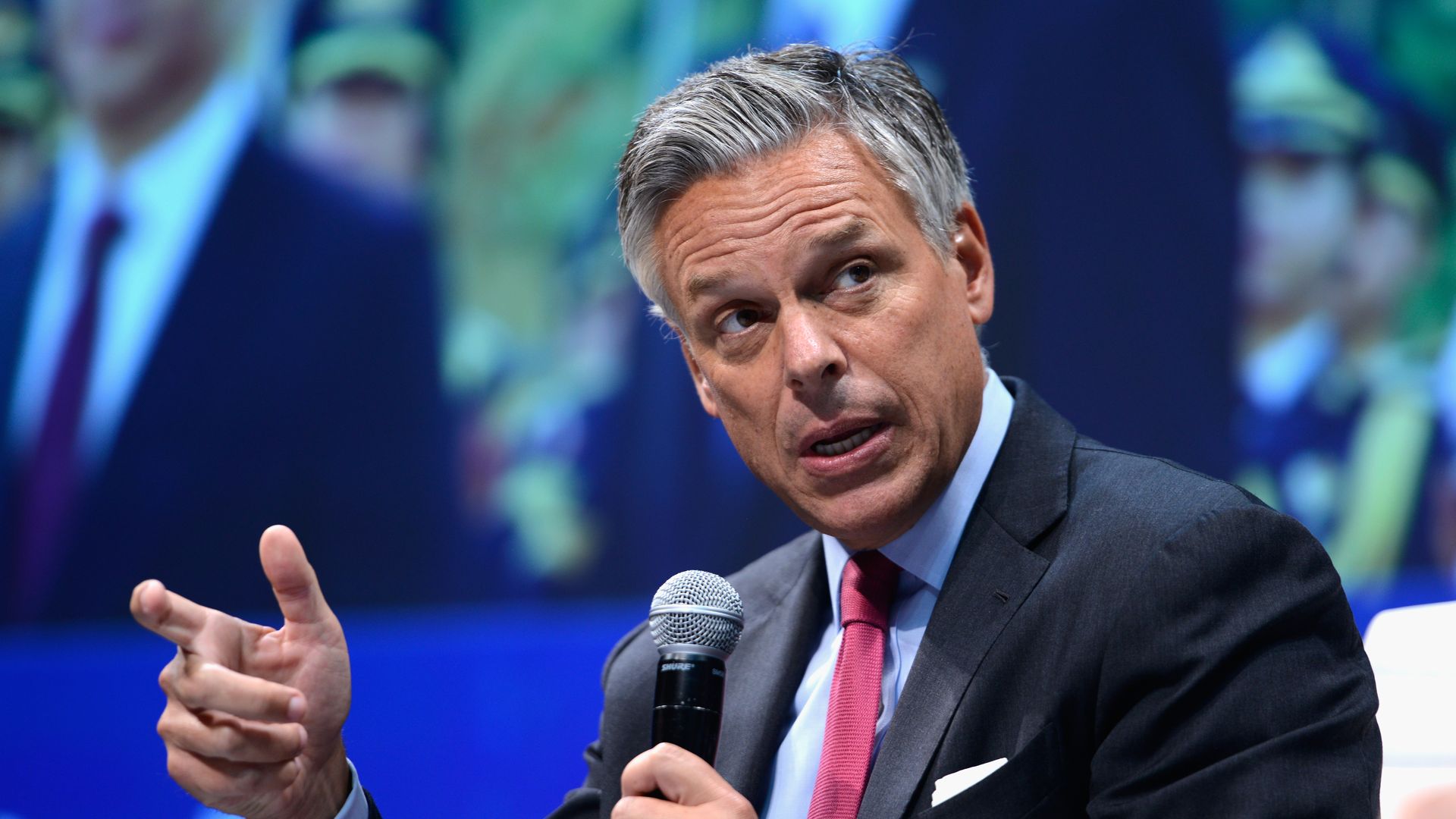
U.S. Ambassador to Russia Jon Huntsman revealed in an interview with Deseret News that he has been diagnosed with stage one melanoma.
The big picture: Huntsman, whose father died from cancer in February, faced calls to resign after the infamous Trump-Putin summit in Helsinki earlier this year, during which President Trump appeared to accept Russia's denials about election interferences over the findings of U.S. intelligence agencies. In response, the ambassador penned an op-ed in the Salt Lake Tribune explaining that he would remain in his post out of commitment to his foreign service colleagues and his country in this "fragile" era of U.S.-Russia relations.
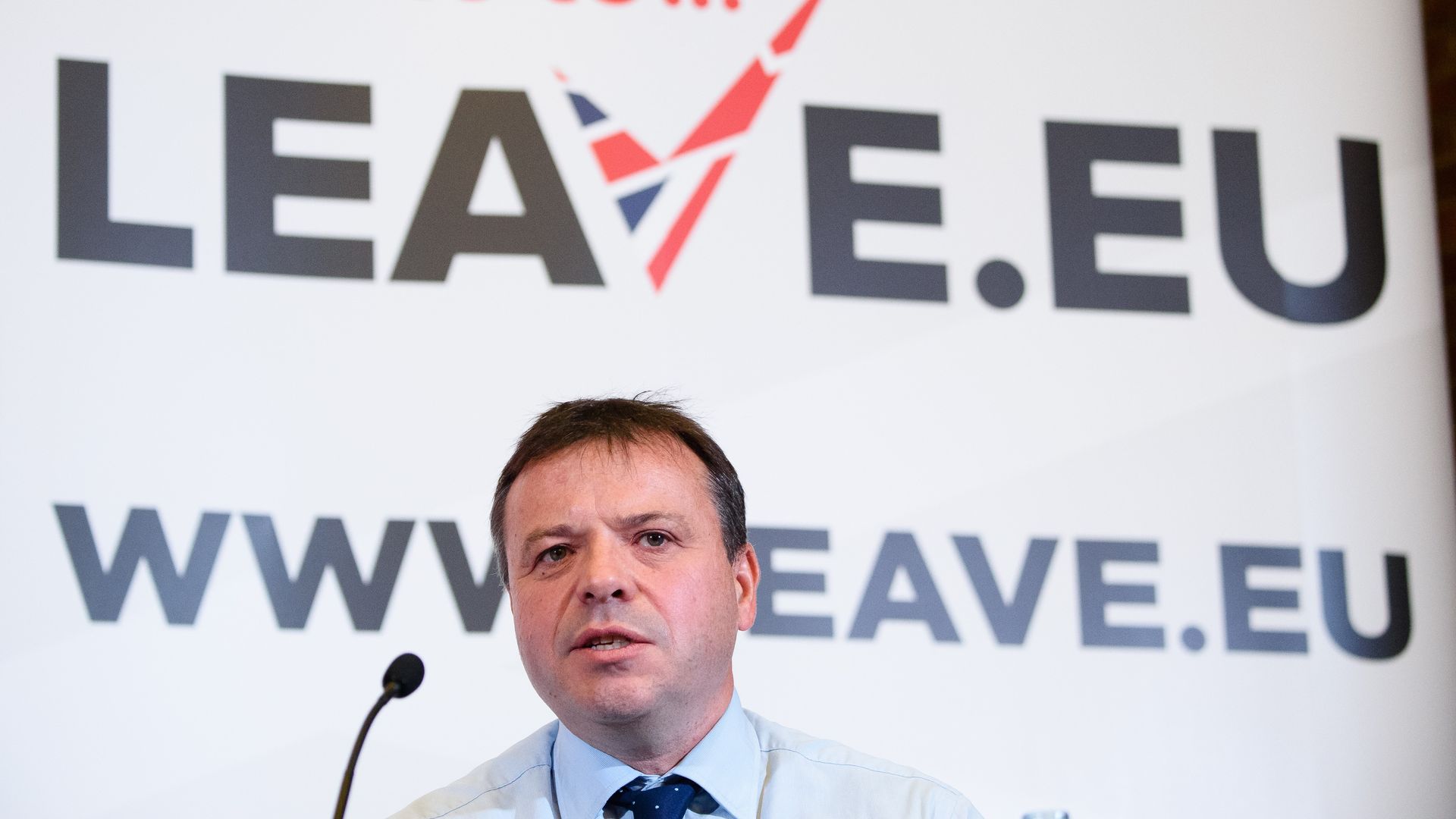
The United Kingdom's Electoral Commission has referred Arron Banks, a British businessman who co-founded one of the campaigns to exit the European Union, for criminal investigation for concealing the source of $10.3 million in campaign funds that were allegedly obtained improperly.
The big picture: The commission launched an investigation in November 2017 into whether Banks was actually the "true source" of loans to Better for the Country, which ran the campaign for the Brexit organization Leave.EU. The commission noted at the end of their release that any donations from a foreign entity would be considered "impermissible."