Wednesday's world stories

Trump administration maintains Chinese meddling, but offers no evidence
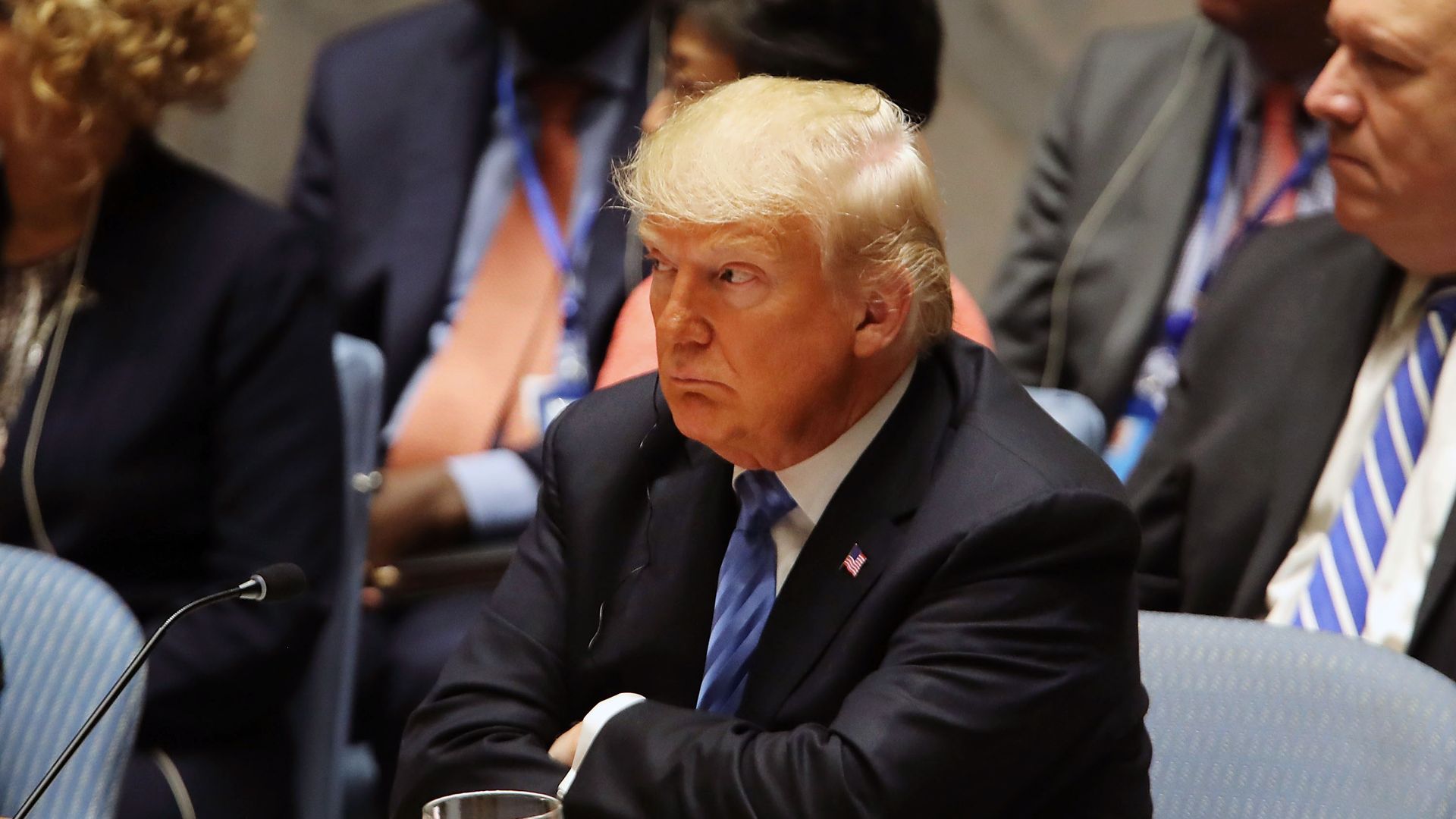
China has been employing a "whole of government approach" to influence America's "political system," a senior administration official told reporters during a briefing Wednesday. The briefing comes after President Trump told the UN Security Council that China is currently trying to meddle in U.S. elections.
Why it matters: Trump's national security advisor John Bolton has previously said the government is concerned about Chinese interference in U.S. elections, but the administration has not yet provided specific evidence of direct tampering or misinformation campaigns of the sort Russia pursued in 2016.

Trump supports 2-state solution for the first time
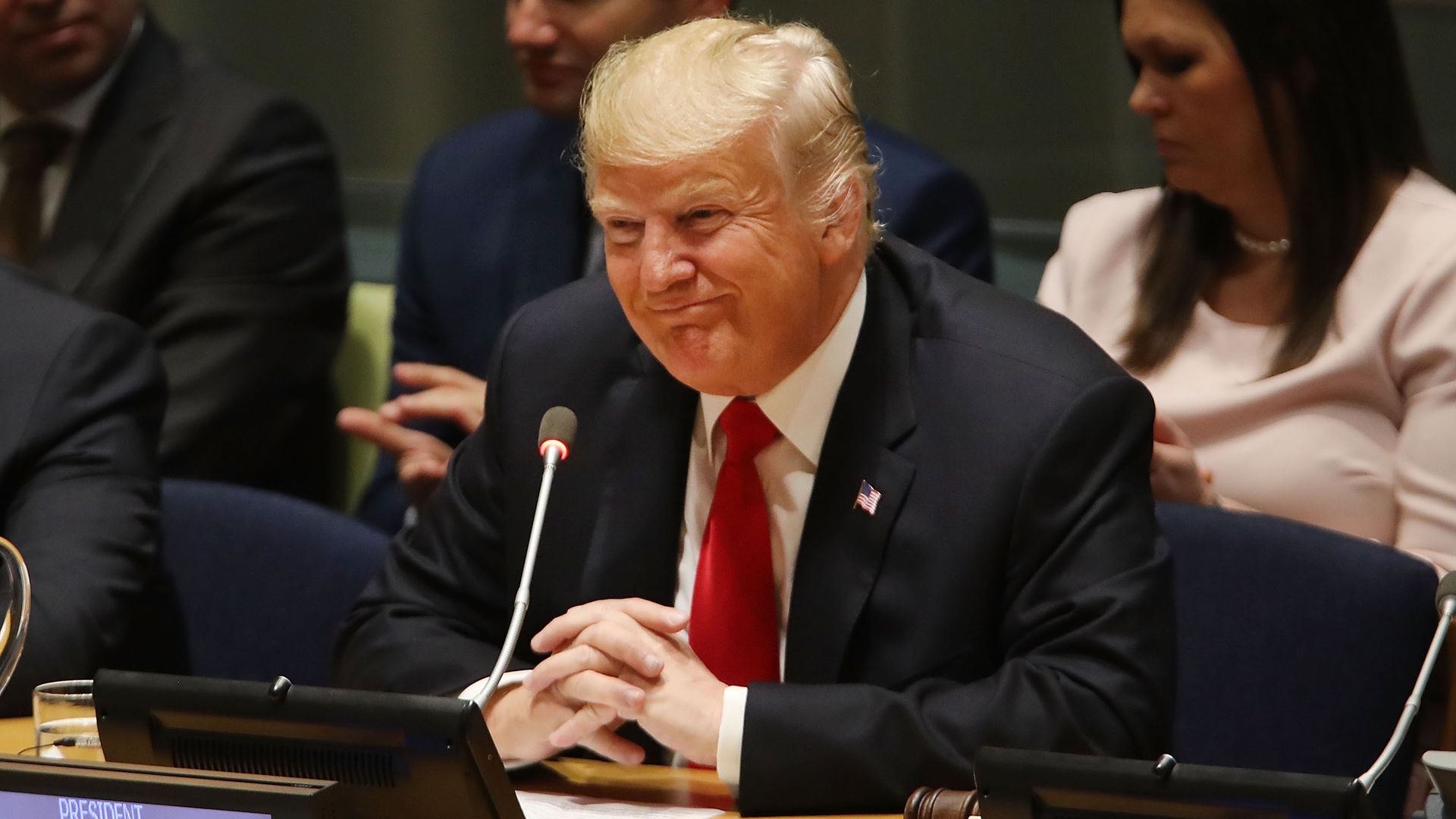
President Trump announced for the first time today that he supports a "two-state solution" to the Israeli-Palestinian conflict, and the founding of an independent Palestinian state. Following his meeting with Israeli Prime Minister Benjamin Netanyahu, he also said he would be presenting his long awaited peace plan in 2-4 months.
Why it matters: The Palestinians have been anxiously waiting for Trump to say this. In the 20 months since he assumed office, Trump refrained from supporting the two state solution even though presidents Clinton, Bush and Obama all supported a Palestinian state. Trump has been urged by Arab and European leaders — mainly King Abdullah of Jordan — over the last few months to pledge support for the two state solution.

Trump administration's hostile rhetoric undercuts its Iran strategy
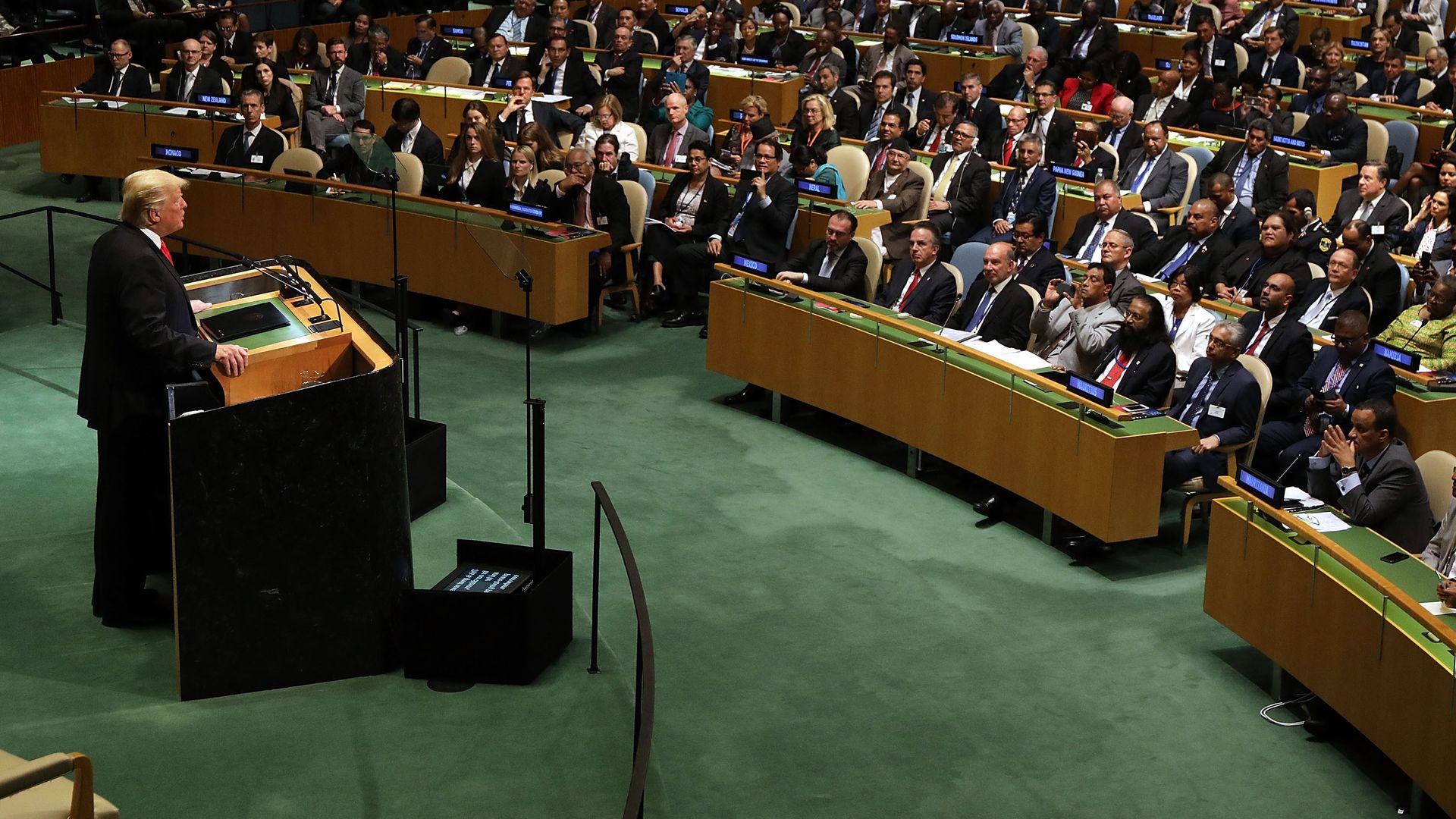
Among the many targets of the Trump administration’s ire this week at the UN, Iran stood out. “We cannot allow the world’s leading sponsor of terrorism to possess the planet’s most dangerous weapons,” Trump told the General Assembly on Tuesday. On Wednesday, he reiterated, “a regime of this track record must never be allowed to possess a nuclear weapon.”
The big picture: The Trump administration is angry that most of the world — including key allies Britain, France and Germany — have rejected its withdrawal from the 2015 nuclear deal and are attempting to circumvent sanctions on Iran. But overemphasizing the challenge Iran poses only further undercuts U.S. credibility and makes it easier for other nations, such as China, to actively oppose U.S. policy.

Pompeo heading back to North Korea
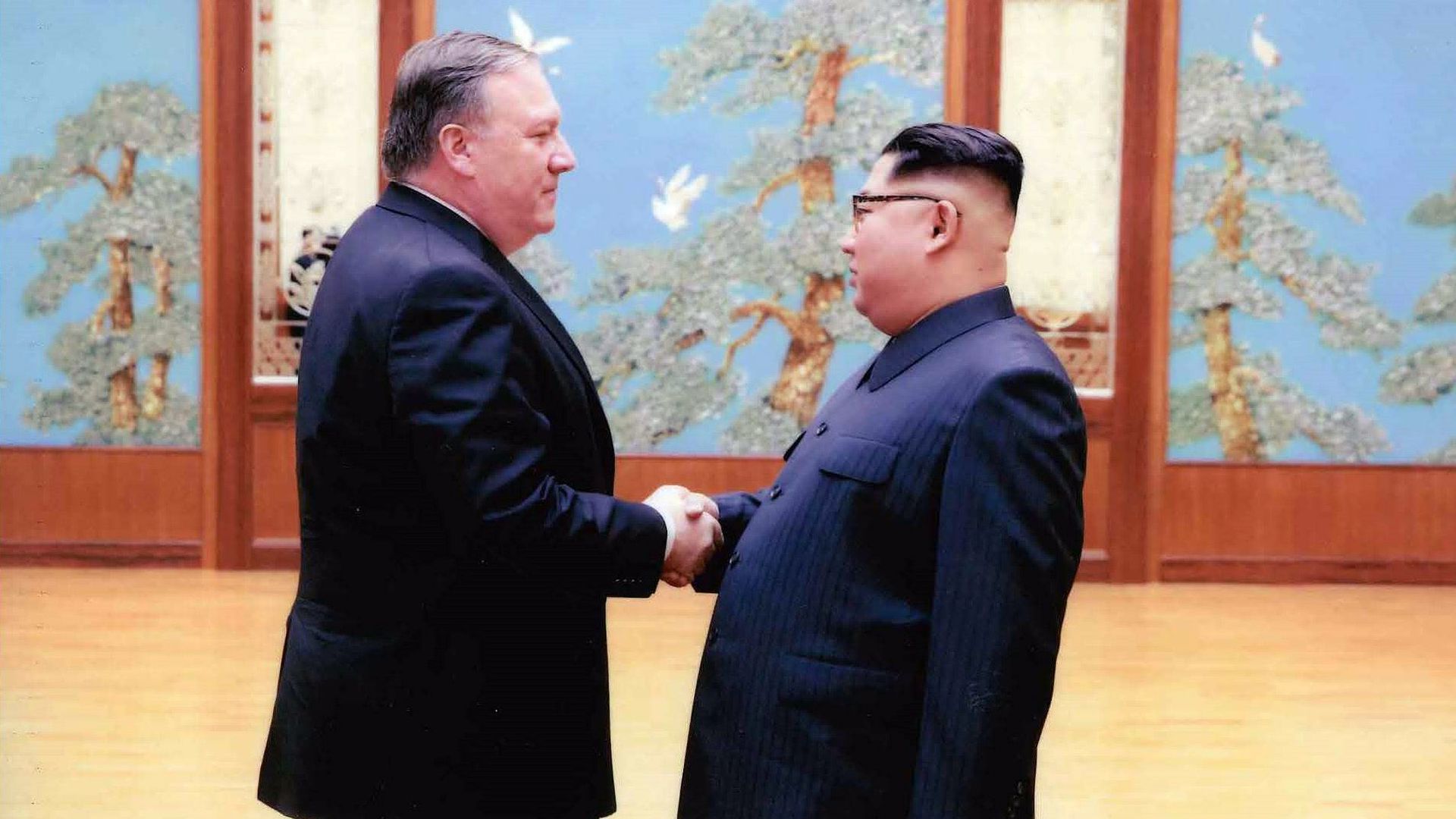
Secretary of State Mike Pompeo will travel to North Korea next month at the invitation of Kim Jong-un, the State Department announced today.
Why it matters: Pompeo's last visit to Pyongyang was a disaster, and another planned visit in August was called off. This latest announcement shows that, while significant progress toward denuclearization is elusive, the two sides remain invested in talks. The news follows a meeting between Pompeo and his North Korean counterpart, and President Trump's address to the UN General Assembly, at which he praised Kim's "courage." Trump is considering a second meeting with Kim in the coming months.
Iran's president suggests Trump has "Nazi disposition"
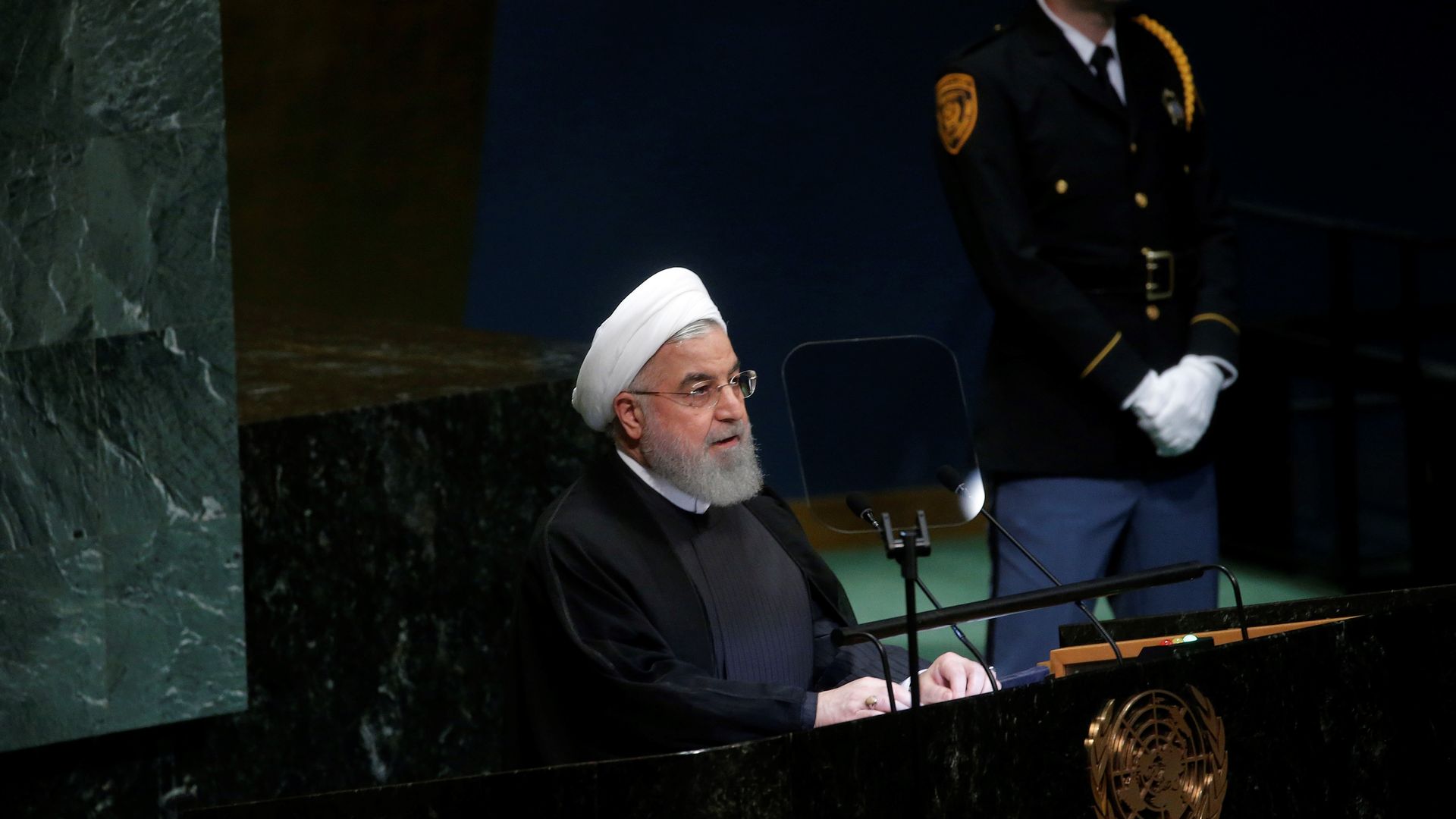
Iranian President Hassan Rouhani railed against President Trump and the United States for the majority of his speech at the United Nations General Assembly today, saying Iran can never make an agreement with an administration that is "misbehaving" as Trump's is.
Between the lines: Rouhani began his speech, just hours after Trump lambasted multinational organizations in his address, by bemoaning the "recklessness" of countries that don't respect international agreements and organizations. He then said, without naming Trump: "It is unfortunate that we are witnessing rulers in the world who think they can... gain popular support through the fomenting of extremist nationalism and racism and through xenophobic tendencies resembling a Nazi disposition."

John Bolton to warn Iran: "We will come after you"
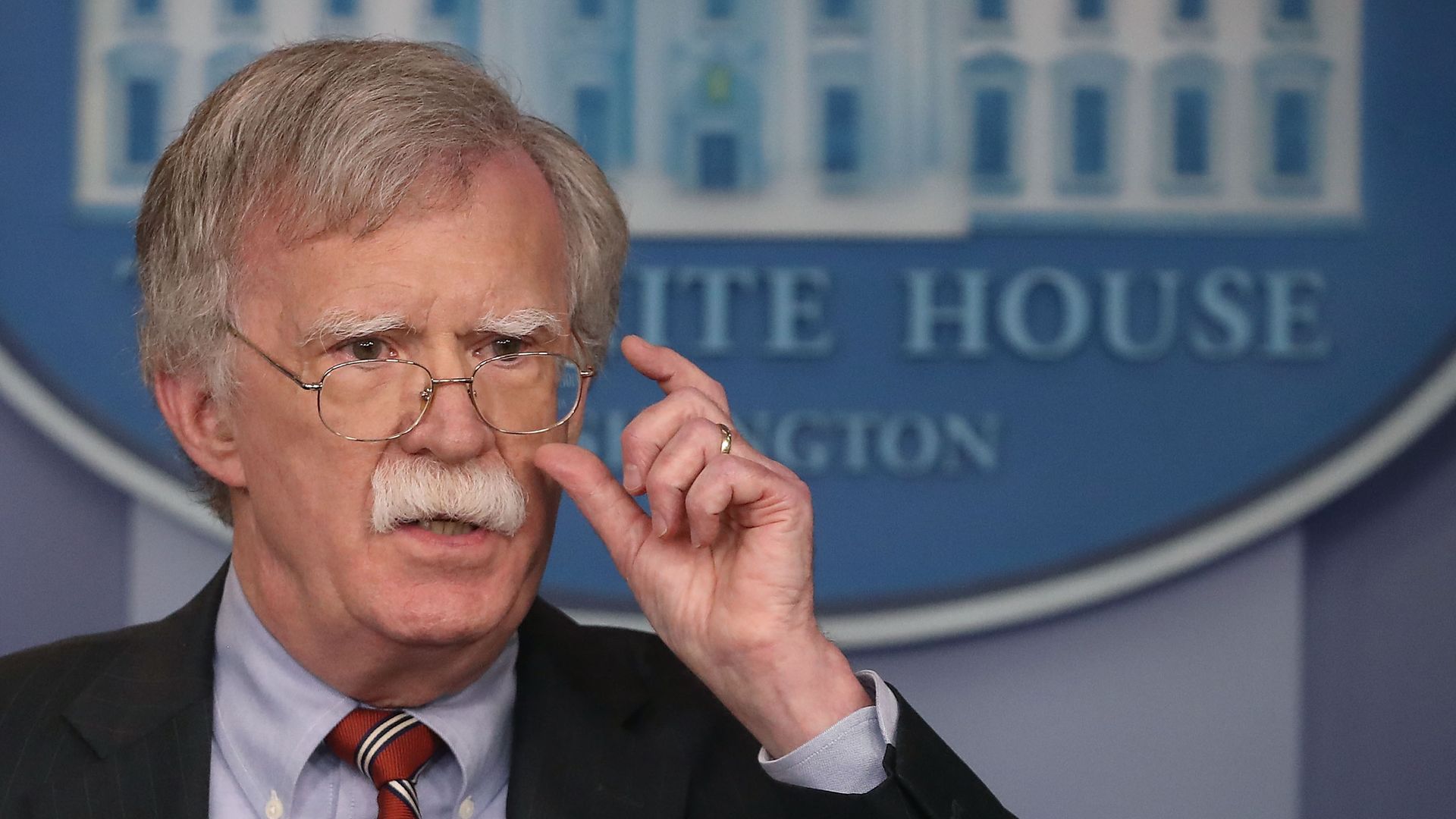
National Security Adviser John Bolton will warn the Iranian regime that there will be "hell to pay" if they "continue to lie, cheat and deceive" or "cross" the U.S. and its allies, according to excerpts of the speech he's set to give later this afternoon.
Why it matters: Bolton’s speech, in which he’ll also declare the Iran deal "the worst diplomatic debacle in American history," contains some of the most aggressive and confrontational language we've seen from a U.S. administration in recent decades. Bolton has argued for military intervention in Iran in the past, and he warns in this speech: "We are watching, and we will come after you."

Trump and Iran square off in New York
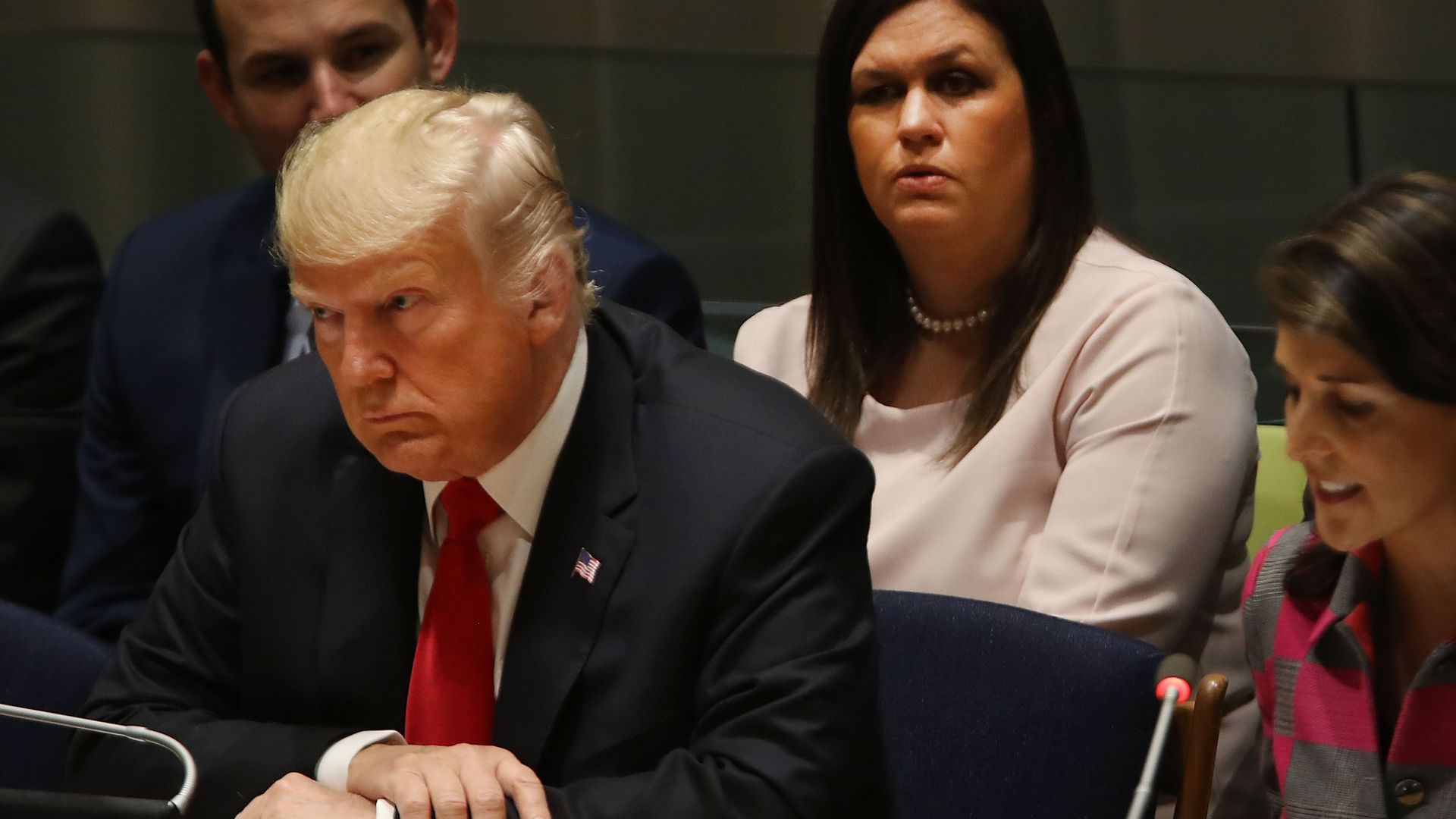
The annual UN General Assembly is now underway, and while the event rarely offers much in the way of high drama — few leaders, after all, bang their shoes on podiums, sniff the “sulfur” left behind by a U.S. president, or whip out Looney Tunes-inspired illustrations of nuclear weapons — there is one big story to watch this week: Trump and Iran.
What to watch: Later today, we’ll hear speeches from the U.S. President and his Iranian counterpart Hassan Rouhani, while tomorrow Mr. Trump will chair a session of the UN Security Council that is ostensibly about stopping the spread of nuclear weapons generally, but which Trump evidently wants to focus on Iran in particular. In these two days we’ll learn a lot about the fate of the Iran nuclear deal and U.S. policy towards the Islamic Republic.

EU, Russia and China reach payments deal to counter Trump's Iran move
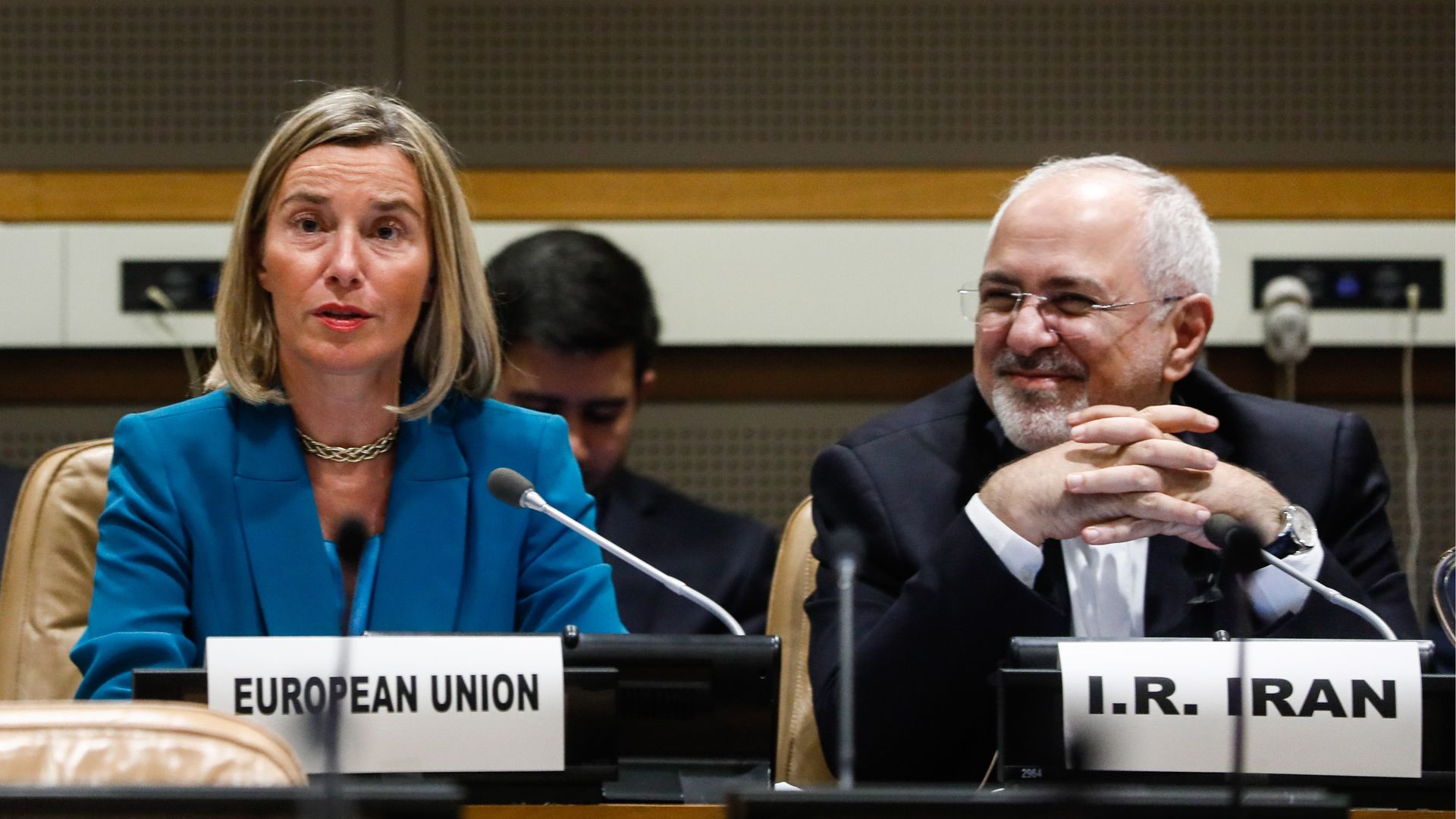
The U.K., Germany, France, Russia and China have agreed to establish a special payments system to circumvent U.S. sanctions on Iran stemming from President Trump's unilateral withdrawal from the 2015 nuclear deal, the Financial Times reports.
The big picture: The payments channel would be an alternative to SWIFT, the backbone of the global financial system that allows Iran to get paid for oil, pay for its imports and finance its activities abroad. The five countries involved in the agreement remain committed to doing business with Iran, which the International Atomic Energy Agency says is still complying with the terms of the nuclear deal. President Trump, meanwhile, has threatened that anyone doing business with Iran will not be able to do business with the U.S.