Tuesday's world stories

Iran's president suggests Trump has "Nazi disposition"
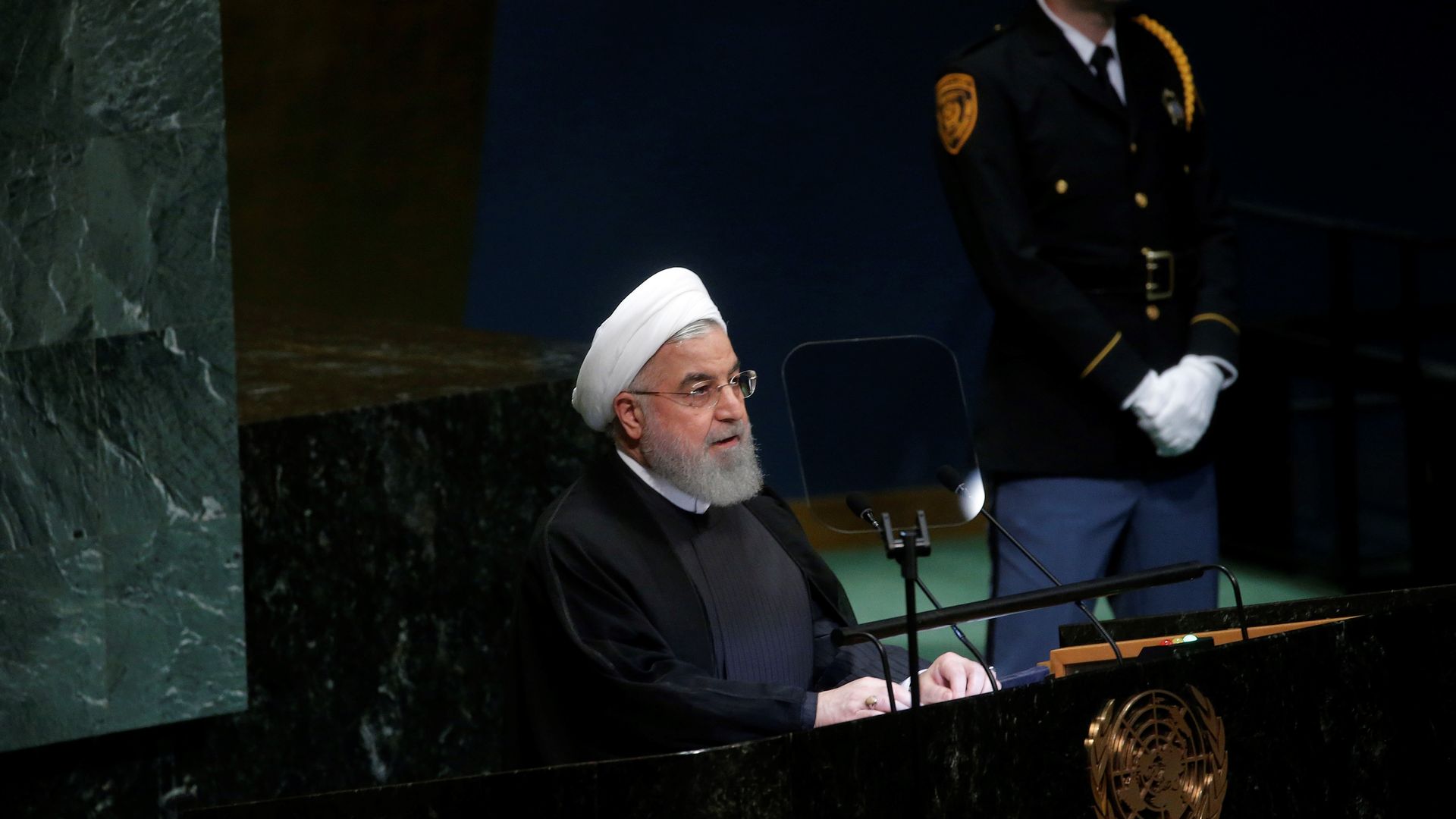
Iranian President Hassan Rouhani railed against President Trump and the United States for the majority of his speech at the United Nations General Assembly today, saying Iran can never make an agreement with an administration that is "misbehaving" as Trump's is.
Between the lines: Rouhani began his speech, just hours after Trump lambasted multinational organizations in his address, by bemoaning the "recklessness" of countries that don't respect international agreements and organizations. He then said, without naming Trump: "It is unfortunate that we are witnessing rulers in the world who think they can... gain popular support through the fomenting of extremist nationalism and racism and through xenophobic tendencies resembling a Nazi disposition."

John Bolton to warn Iran: "We will come after you"
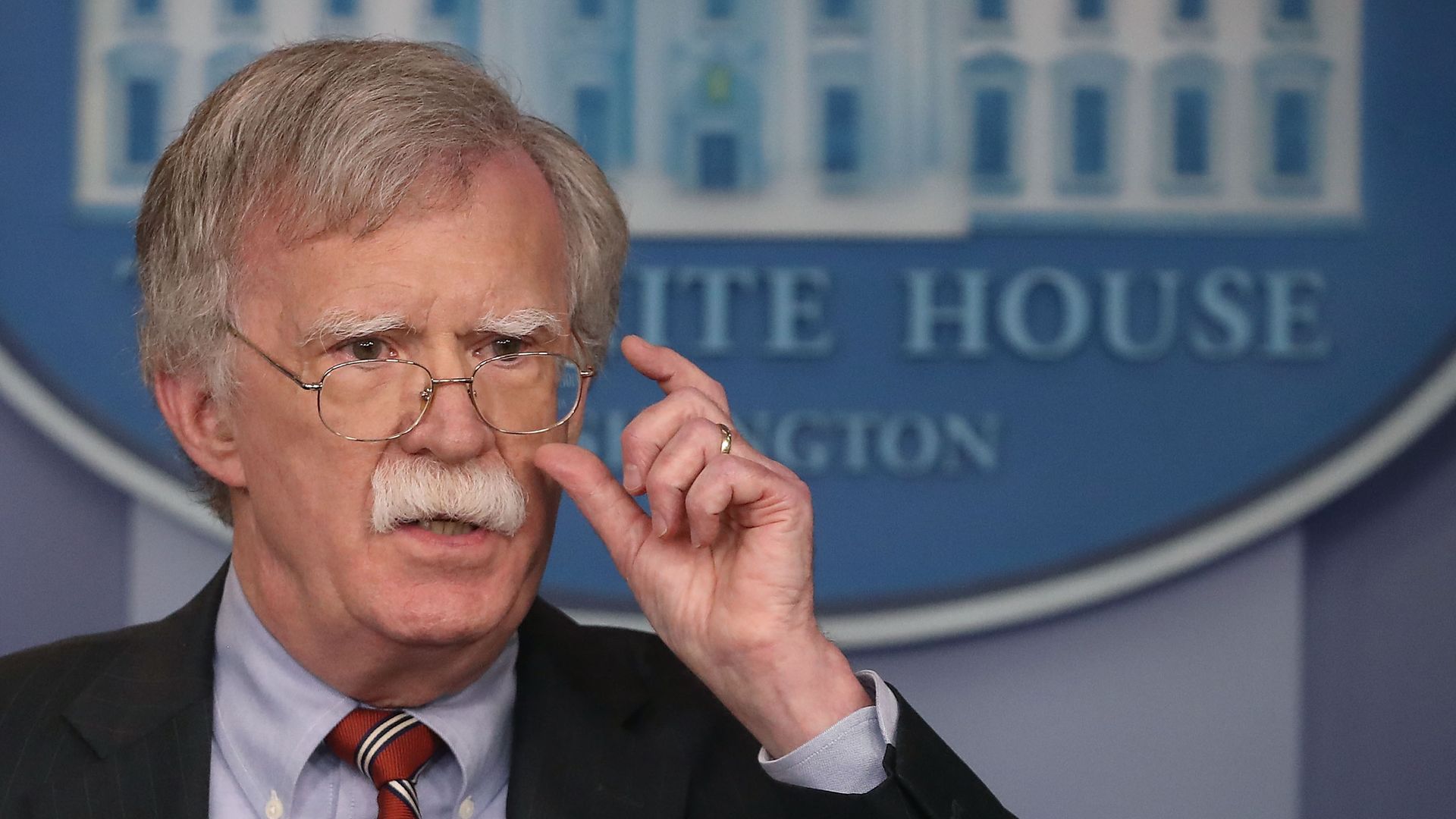
National Security Adviser John Bolton will warn the Iranian regime that there will be "hell to pay" if they "continue to lie, cheat and deceive" or "cross" the U.S. and its allies, according to excerpts of the speech he's set to give later this afternoon.
Why it matters: Bolton’s speech, in which he’ll also declare the Iran deal "the worst diplomatic debacle in American history," contains some of the most aggressive and confrontational language we've seen from a U.S. administration in recent decades. Bolton has argued for military intervention in Iran in the past, and he warns in this speech: "We are watching, and we will come after you."

Trump and Iran square off in New York
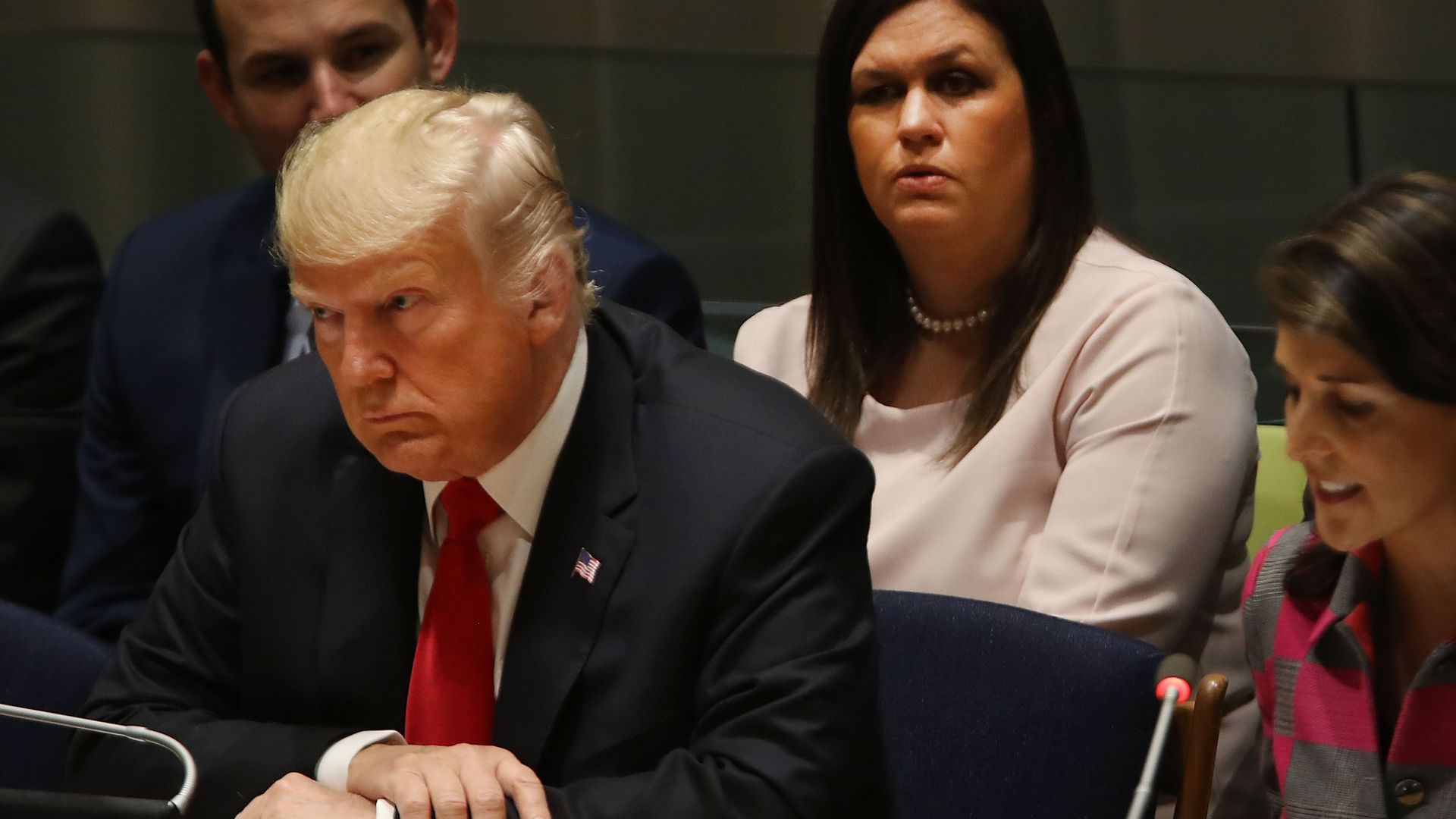
The annual UN General Assembly is now underway, and while the event rarely offers much in the way of high drama — few leaders, after all, bang their shoes on podiums, sniff the “sulfur” left behind by a U.S. president, or whip out Looney Tunes-inspired illustrations of nuclear weapons — there is one big story to watch this week: Trump and Iran.
What to watch: Later today, we’ll hear speeches from the U.S. President and his Iranian counterpart Hassan Rouhani, while tomorrow Mr. Trump will chair a session of the UN Security Council that is ostensibly about stopping the spread of nuclear weapons generally, but which Trump evidently wants to focus on Iran in particular. In these two days we’ll learn a lot about the fate of the Iran nuclear deal and U.S. policy towards the Islamic Republic.

EU, Russia and China reach payments deal to counter Trump's Iran move
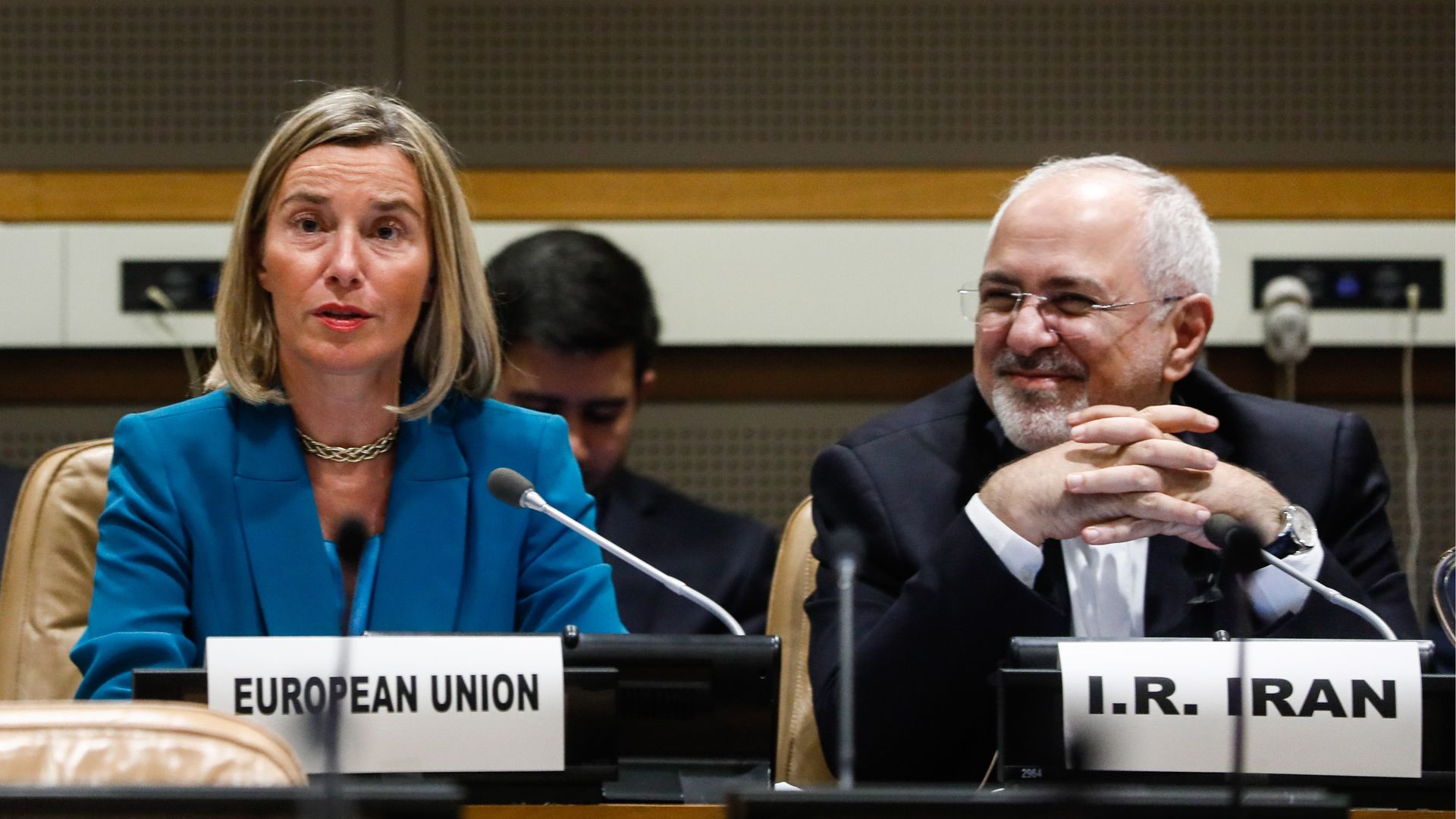
The U.K., Germany, France, Russia and China have agreed to establish a special payments system to circumvent U.S. sanctions on Iran stemming from President Trump's unilateral withdrawal from the 2015 nuclear deal, the Financial Times reports.
The big picture: The payments channel would be an alternative to SWIFT, the backbone of the global financial system that allows Iran to get paid for oil, pay for its imports and finance its activities abroad. The five countries involved in the agreement remain committed to doing business with Iran, which the International Atomic Energy Agency says is still complying with the terms of the nuclear deal. President Trump, meanwhile, has threatened that anyone doing business with Iran will not be able to do business with the U.S.

Palestinian president to hold anti-Trump conference in New York
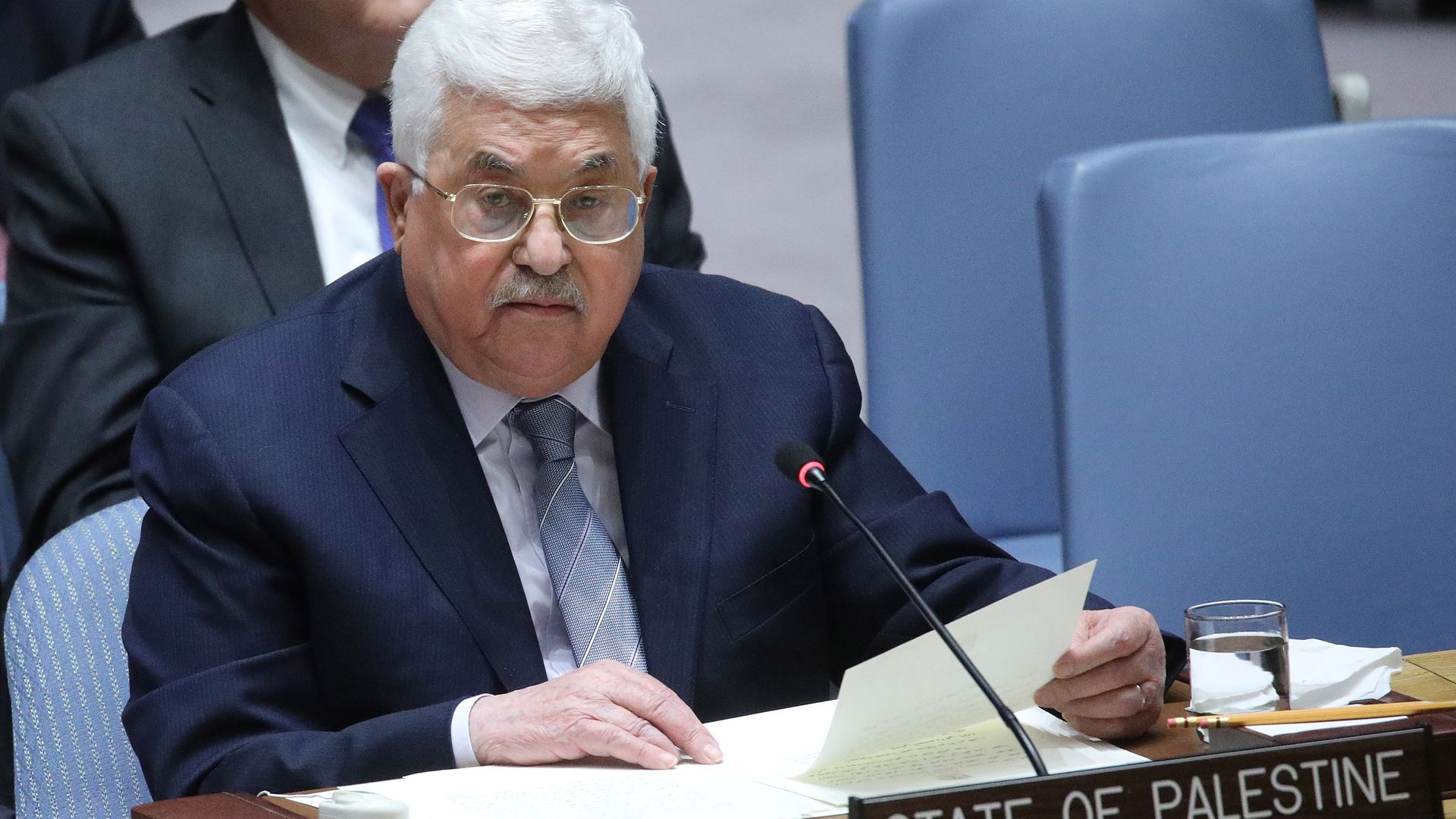
Palestinian President Mahmoud Abbas will hold a meeting in New York on Wednesday with senior officials representing 40 countries and international organizations to discuss ways to block or influence the upcoming U.S. Middle East peace plan, Israeli officials and Western diplomats told me.
Why it matters: This is Abbas' most proactive diplomatic step since Trump's Jerusalem embassy announcement, which led him to cut ties with the White House. Since then, Abbas has been campaigning against the Trump administration's policies on the Israeli-Palestinian conflict. Abbas is trying to rally the international community against Trump and challenge the White House claims that he's undermining a potential peace process.
Russia to supply Syria with S-300 missiles in rebuke of Israel
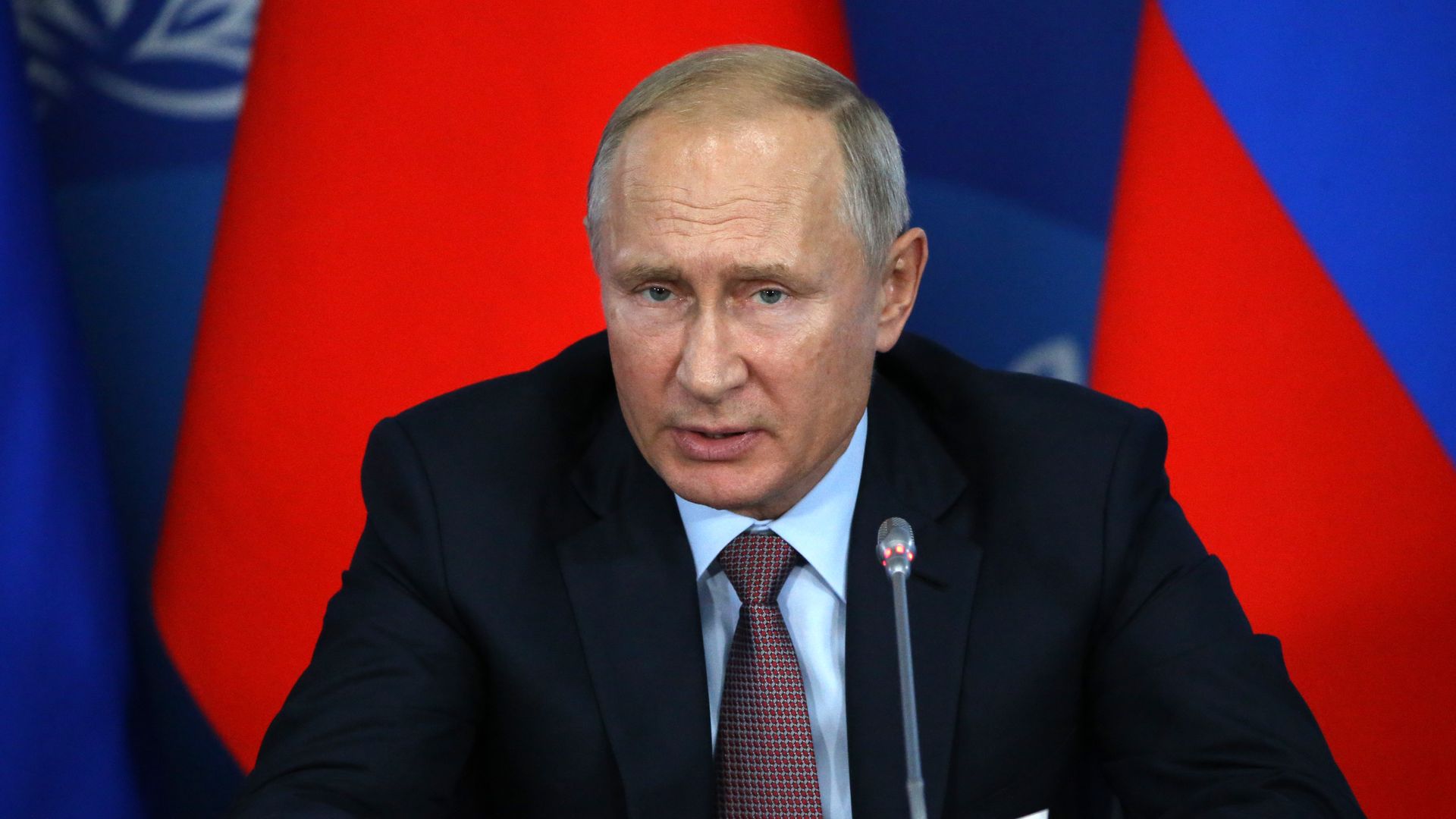
One week after a Russian plane was accidentally shot down by Syrian missiles launched at Israeli fighter jets, Russia has announced it will supply the Syrian army with sophisticated S-300 surface-to-air missiles.
Why it matters: Israel has asked the Russians for many years to avoid supplying S-300 missiles to Syria because it could limit the Israeli air force's freedom of operation in Syria. The Russian announcement threatens to break the coordination mechanism between the two countries in Syria and unravel what was thought to be a close relationship between Russian President Vladimir Putin and Israeli Prime Minister Benjamin Netanyahu.