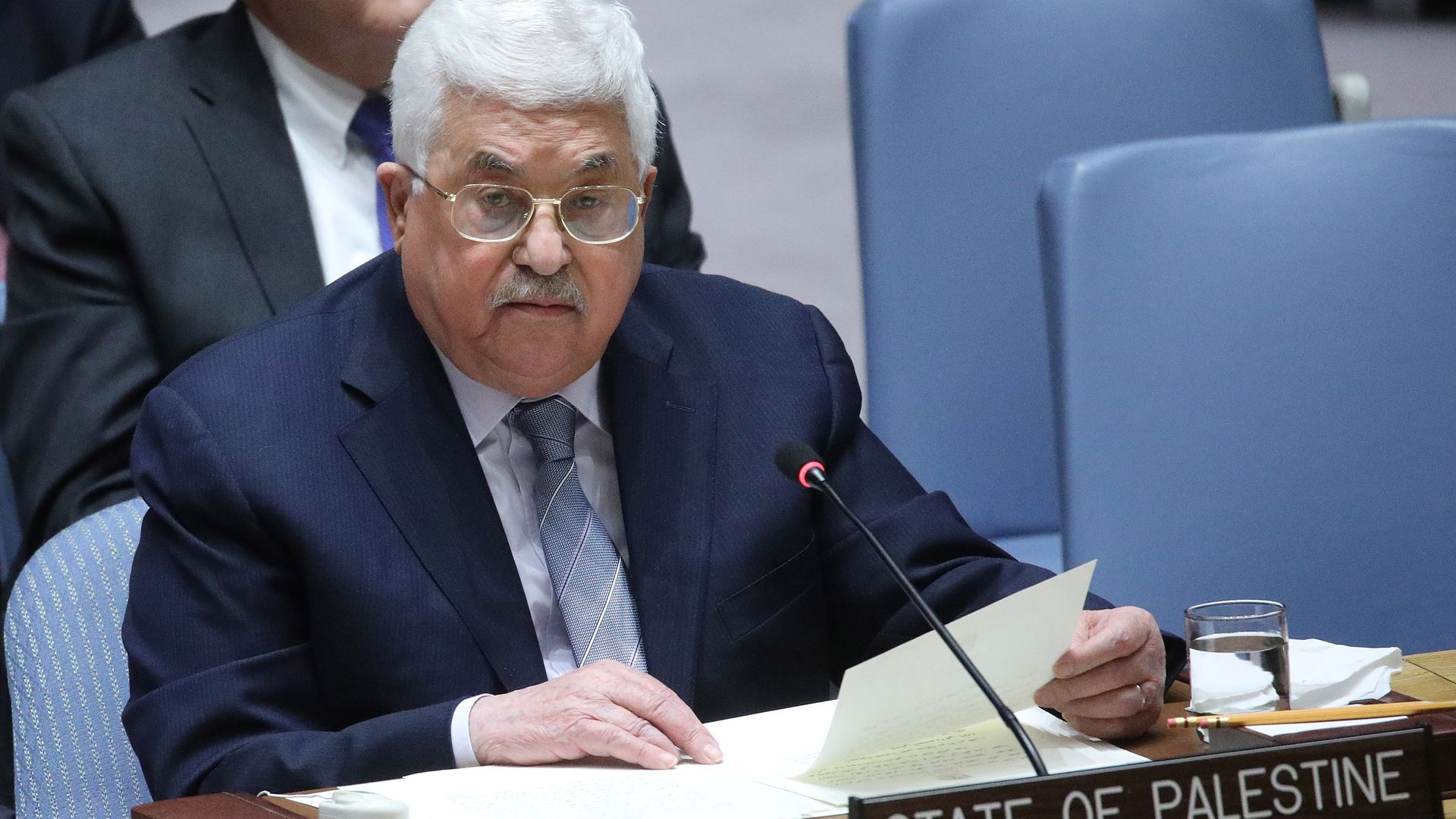
Palestinian President Mahmoud Abbas will hold a meeting in New York on Wednesday with senior officials representing 40 countries and international organizations to discuss ways to block or influence the upcoming U.S. Middle East peace plan, Israeli officials and Western diplomats told me.
Why it matters: This is Abbas' most proactive diplomatic step since Trump's Jerusalem embassy announcement, which led him to cut ties with the White House. Since then, Abbas has been campaigning against the Trump administration's policies on the Israeli-Palestinian conflict. Abbas is trying to rally the international community against Trump and challenge the White House claims that he's undermining a potential peace process.
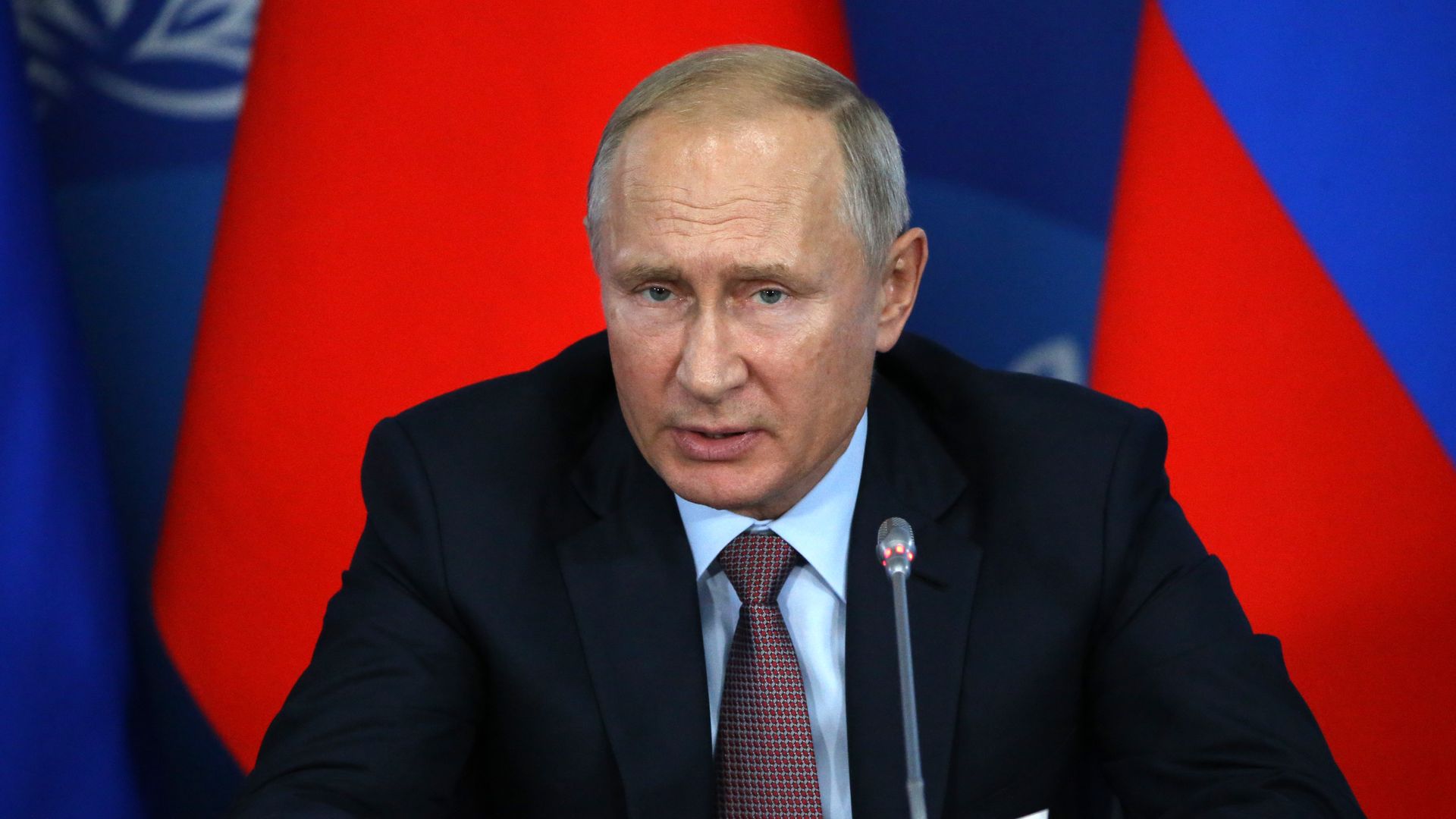
One week after a Russian plane was accidentally shot down by Syrian missiles launched at Israeli fighter jets, Russia has announced it will supply the Syrian army with sophisticated S-300 surface-to-air missiles.
Why it matters: Israel has asked the Russians for many years to avoid supplying S-300 missiles to Syria because it could limit the Israeli air force's freedom of operation in Syria. The Russian announcement threatens to break the coordination mechanism between the two countries in Syria and unravel what was thought to be a close relationship between Russian President Vladimir Putin and Israeli Prime Minister Benjamin Netanyahu.
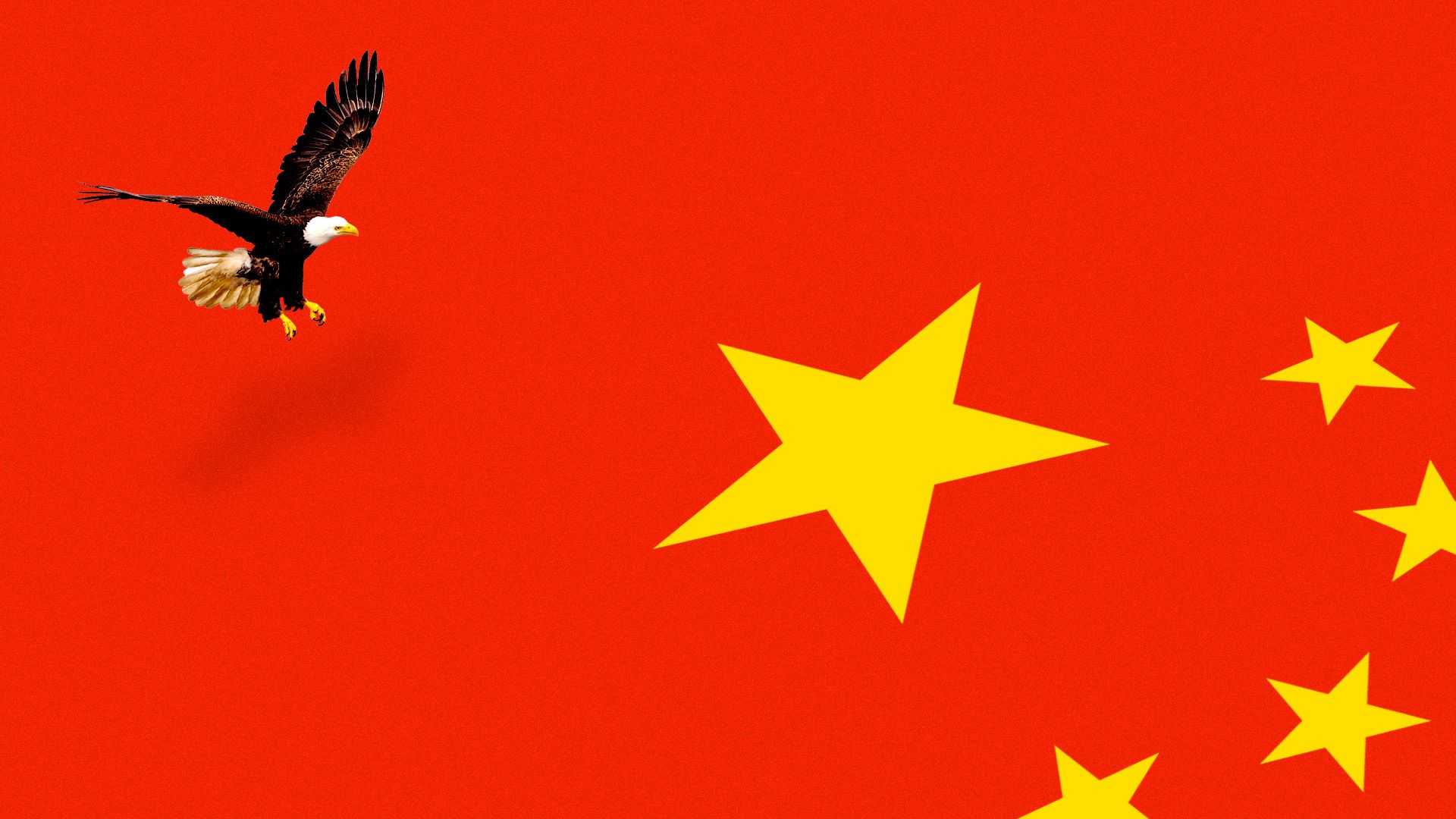
The Trump administration is planning to launch a major, "administration-wide," broadside against China, according to two sources briefed on the sensitive internal discussions. These sources, who weren't authorized to discuss the plans with the media, told me the effort is expected to launch in the next few weeks.
What we're hearing: The broadside against China — which is planned to be both rhetorical and substantive — will be "administration-wide," including the White House (led by senior officials on the National Security Council), Treasury, Commerce and Defense. "We're not just going to let Russia be the bogeyman," one White House official told me. "It's Russia and China."
With her Conservative Party's annual conference looming later this month, U.K. Prime Minister Theresa May went to Salzburg this week seeking buy-in from Europe's leaders for her highly controversial Chequers plan. What she got instead was humiliation and disaster.
What's happening: The Chequers plan was always unacceptable to Brexiteers in May's Cabinet: Both her Brexit secretary and her foreign secretary resigned rather than sign on to it. As such, it was always going to be hard to get it through the U.K. Parliament. Now, Europe's leaders have made it abundantly clear that the plan is even less acceptable to the EU.
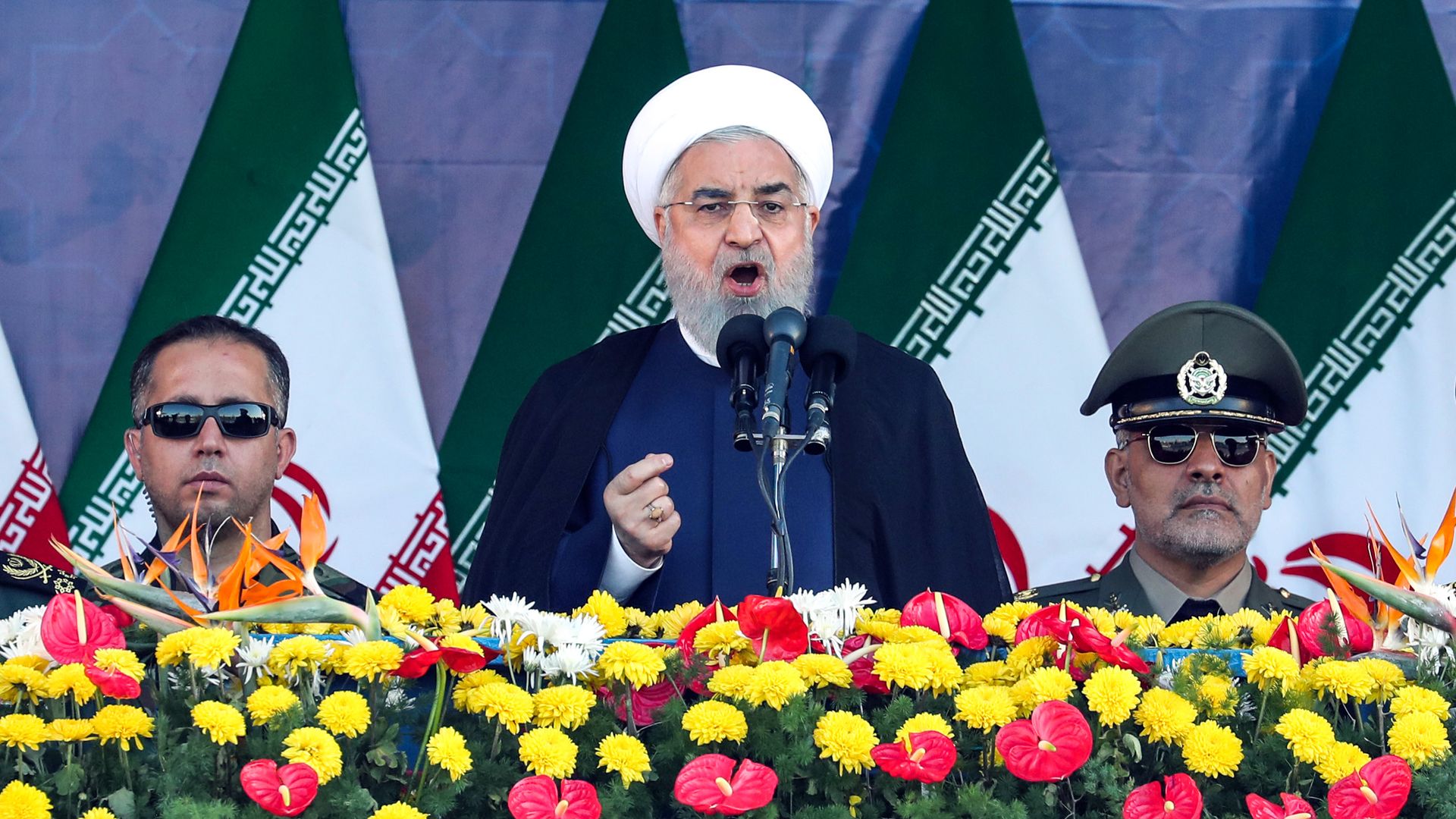
Iranian President Hassan Rouhani said Sunday that his "government is ready to confront America" over sanctions stemming from President Trump's withdrawal from the Iran nuclear deal, and that "America will regret choosing the wrong path,” reports Reuters.
The big picture: The comments come one day after gunmen opened fire and killed 25 people during a military parade, an attack Rouhani blamed on rebels that receive support from U.S. regional allies. Rouhani will visit New York this week for the annual United Nations General Assembly, where Trump will also be in attendance.



/2018/09/23/1537730922849.gif?w=3840)