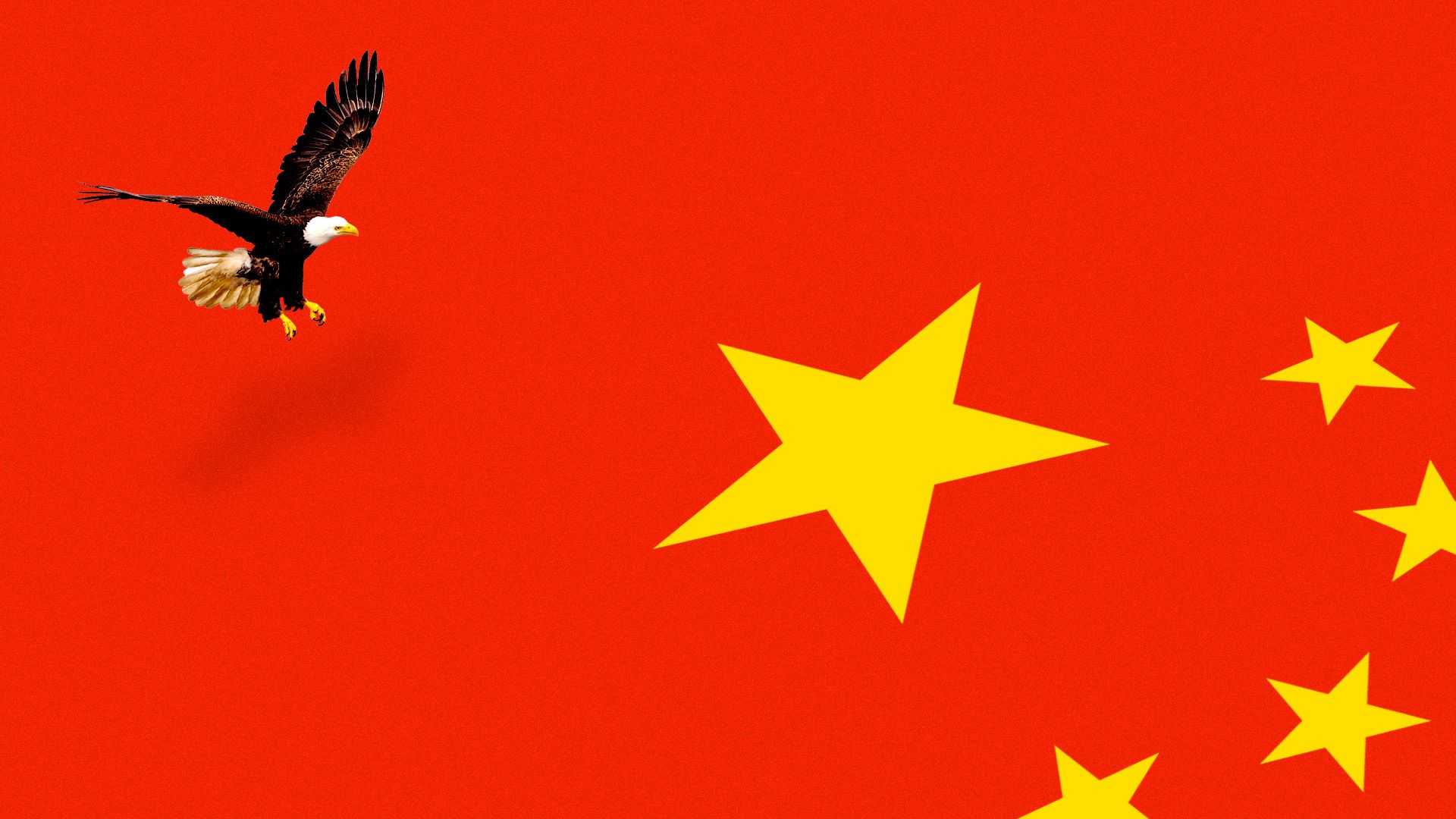
The Trump administration is planning to launch a major, "administration-wide," broadside against China, according to two sources briefed on the sensitive internal discussions. These sources, who weren't authorized to discuss the plans with the media, told me the effort is expected to launch in the next few weeks.
What we're hearing: The broadside against China — which is planned to be both rhetorical and substantive — will be "administration-wide," including the White House (led by senior officials on the National Security Council), Treasury, Commerce and Defense. "We're not just going to let Russia be the bogeyman," one White House official told me. "It's Russia and China."
With her Conservative Party's annual conference looming later this month, U.K. Prime Minister Theresa May went to Salzburg this week seeking buy-in from Europe's leaders for her highly controversial Chequers plan. What she got instead was humiliation and disaster.
What's happening: The Chequers plan was always unacceptable to Brexiteers in May's Cabinet: Both her Brexit secretary and her foreign secretary resigned rather than sign on to it. As such, it was always going to be hard to get it through the U.K. Parliament. Now, Europe's leaders have made it abundantly clear that the plan is even less acceptable to the EU.
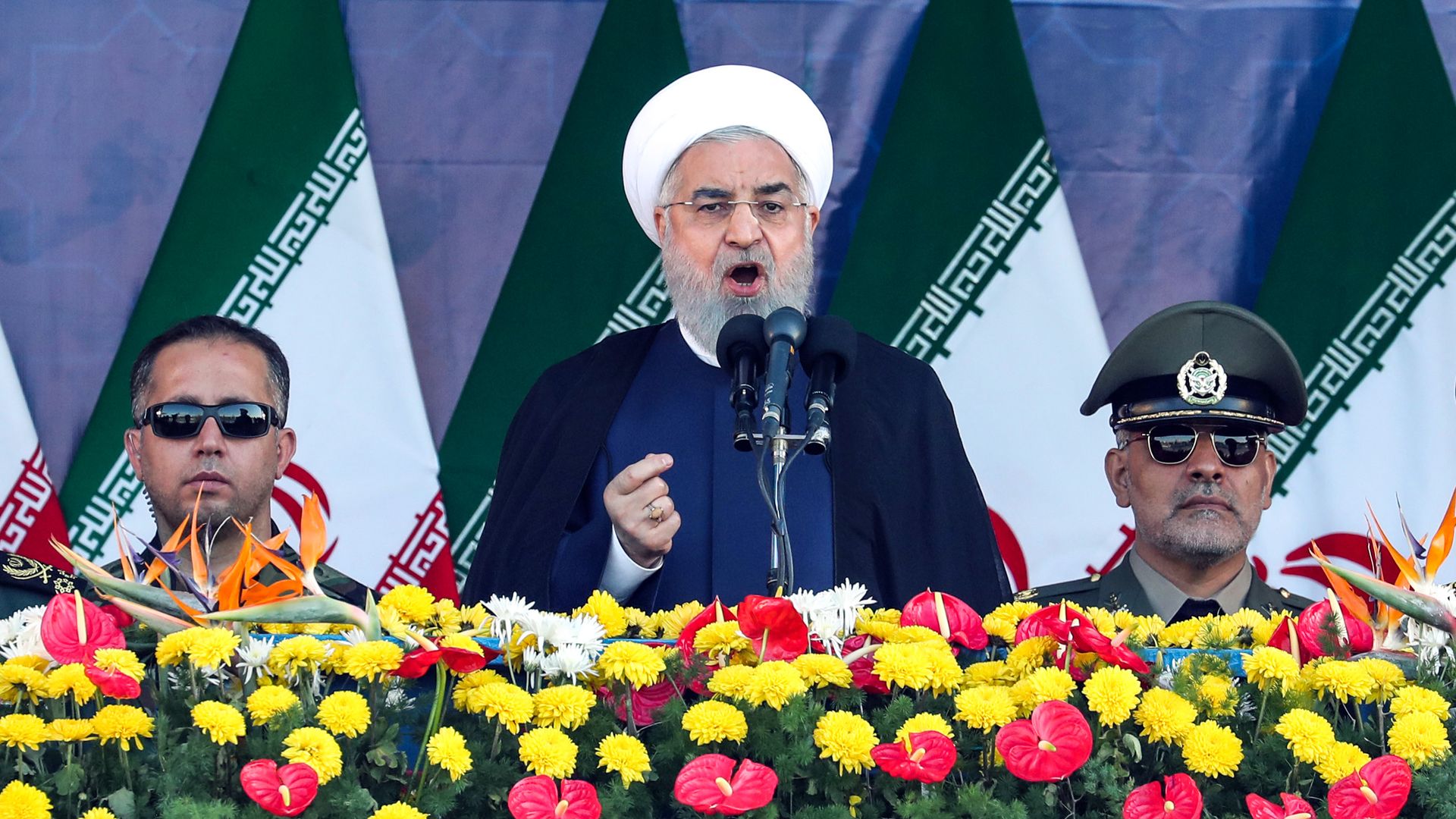
Iranian President Hassan Rouhani said Sunday that his "government is ready to confront America" over sanctions stemming from President Trump's withdrawal from the Iran nuclear deal, and that "America will regret choosing the wrong path,” reports Reuters.
The big picture: The comments come one day after gunmen opened fire and killed 25 people during a military parade, an attack Rouhani blamed on rebels that receive support from U.S. regional allies. Rouhani will visit New York this week for the annual United Nations General Assembly, where Trump will also be in attendance.
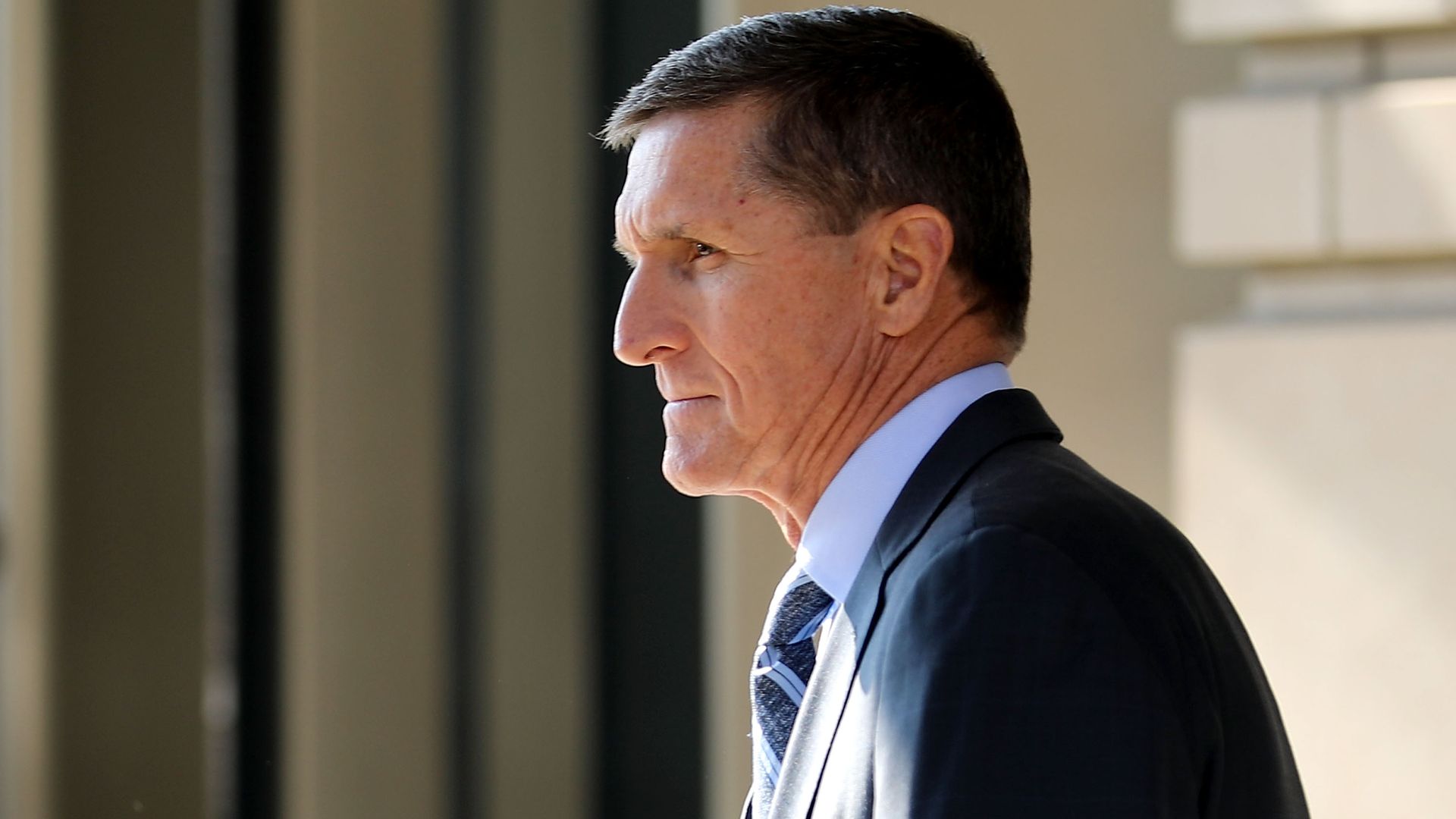
A former top White House official has revised her statement in the Mueller investigation after her original claim contradicted the guilty plea of former national security adviser Michael Flynn, the Washington Post reports.
The details: K.T. McFarland, a former deputy to Flynn, now says Flynn may have been referring to sanctions when the two spoke in late December 2016. McFarland initially said she never spoke to Flynn about his talks with Russian Ambassador Sergey Kislyak about sanctions. "Flynn and [McFarland] discussed the U.S. sanctions, including the potential impact of those sanctions on the incoming administration’s foreign policy goals,” per Flynn's plea agreement.
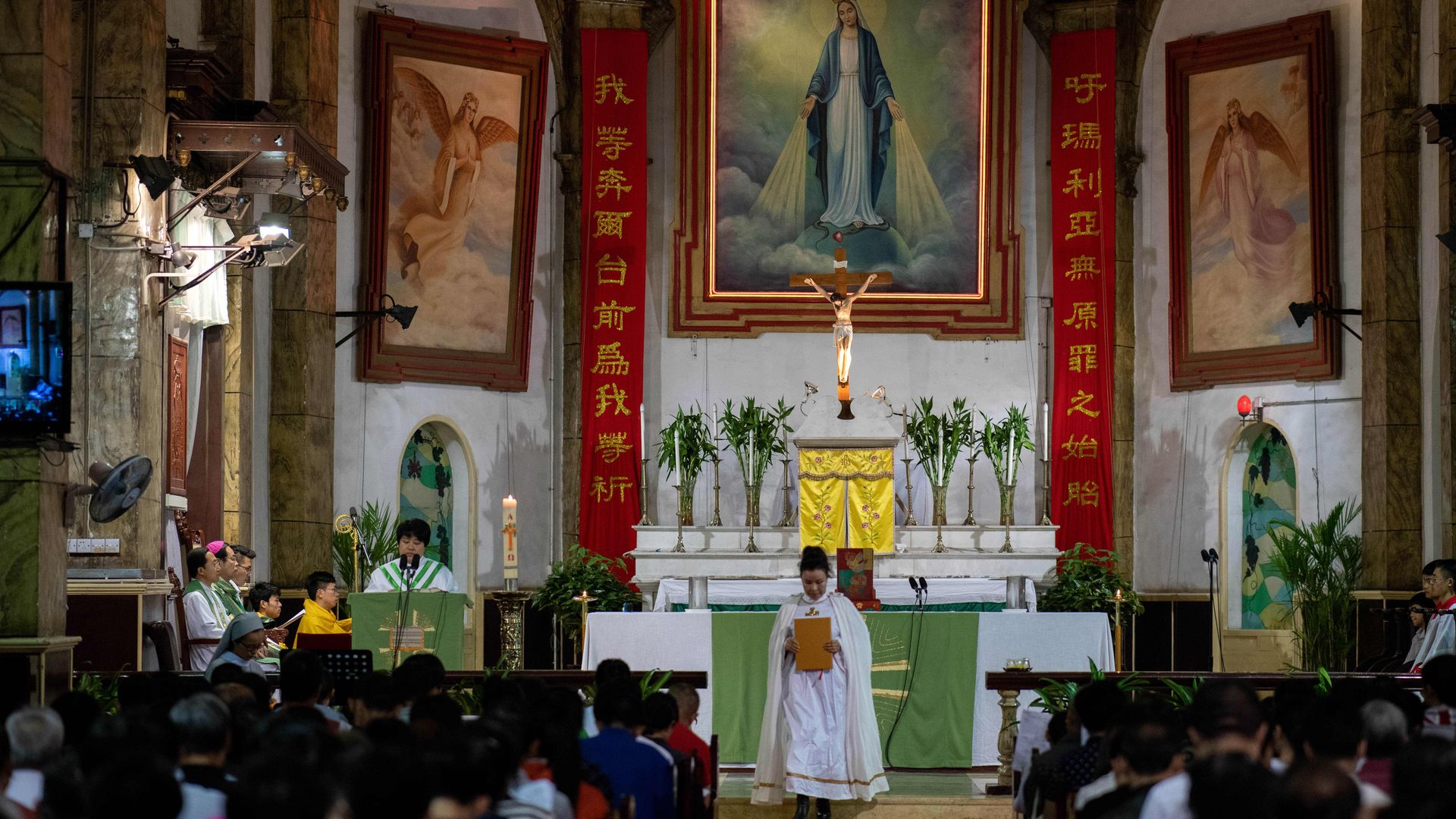
Pope Francis has recognized seven bishops appointed by China, settling a longstanding debate between the Vatican and the communist country, the BBC reports.
Why it matters: The pope's decision is part of a greater push to mend the relationship between the Catholic Church and the communist country, which has 10 million Catholics. The Vatican has historically been a part of appointing bishops, however, it has not recognized any appointed by China since the country broke off diplomatic ties in 1951.


/2018/09/23/1537730922849.gif?w=3840)