Friday's world stories

U.S. slaps penalties on 33 Russian entities for election meddling
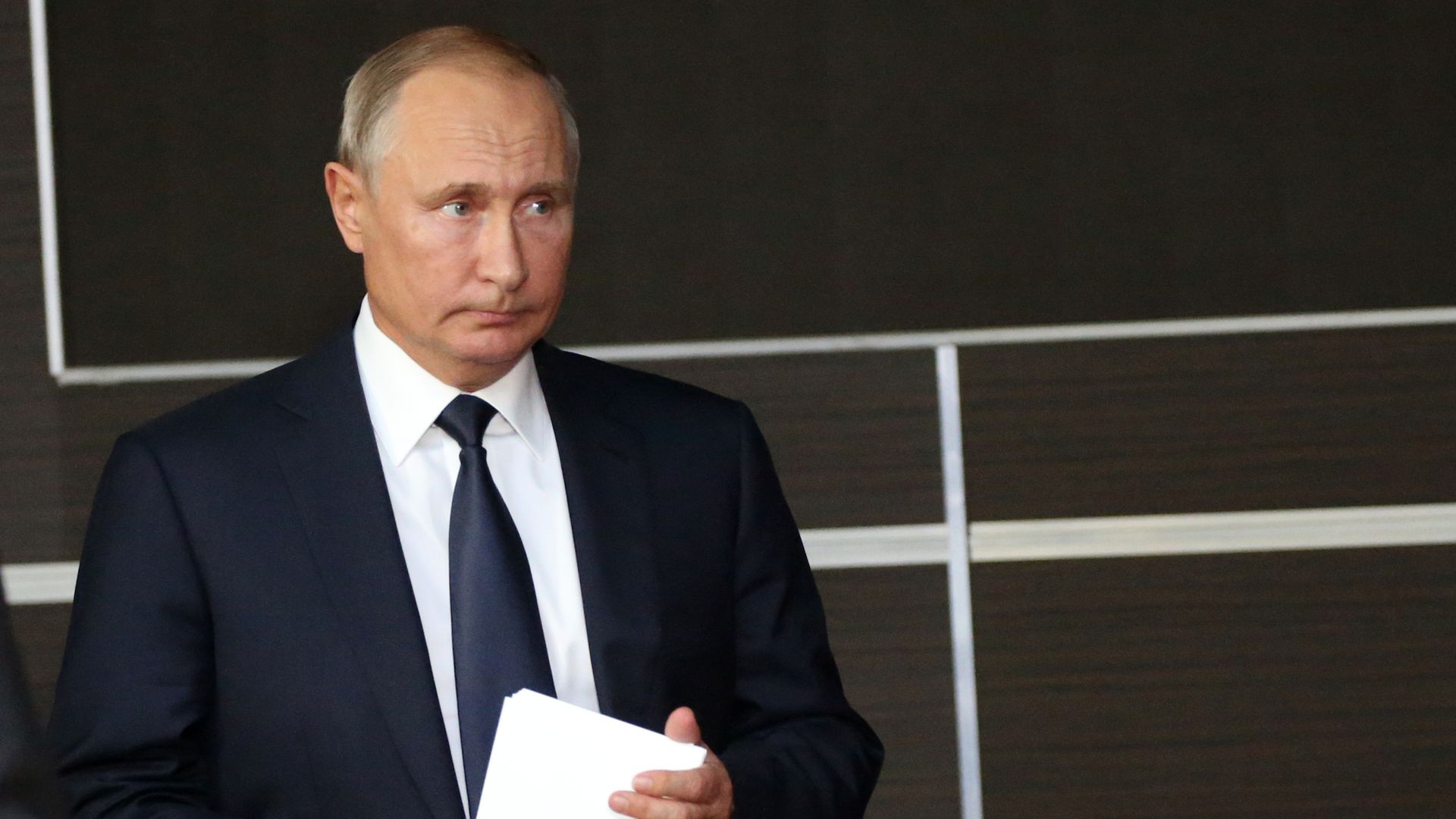
This week the Treasury Department placed 33 Russian individuals and entities on a list to limit their business affairs on a worldwide scale for interfering in U.S. elections, per Politico. The State Department is also adding the 33 individuals to its blacklist.
Why it matters: The administration is tying up loose ends from penalties it imposed in March on Russian nationals for election meddling and in August for the poisoning of Sergei Skripal, a former Russian spy, per Politico. The blacklist includes other Russian military and intelligence operatives, according to Politico, and means that if anyone on the list engages in "significant transactions" they will be penalized.

Theresa May: U.K. and EU "long way apart" in Brexit talks
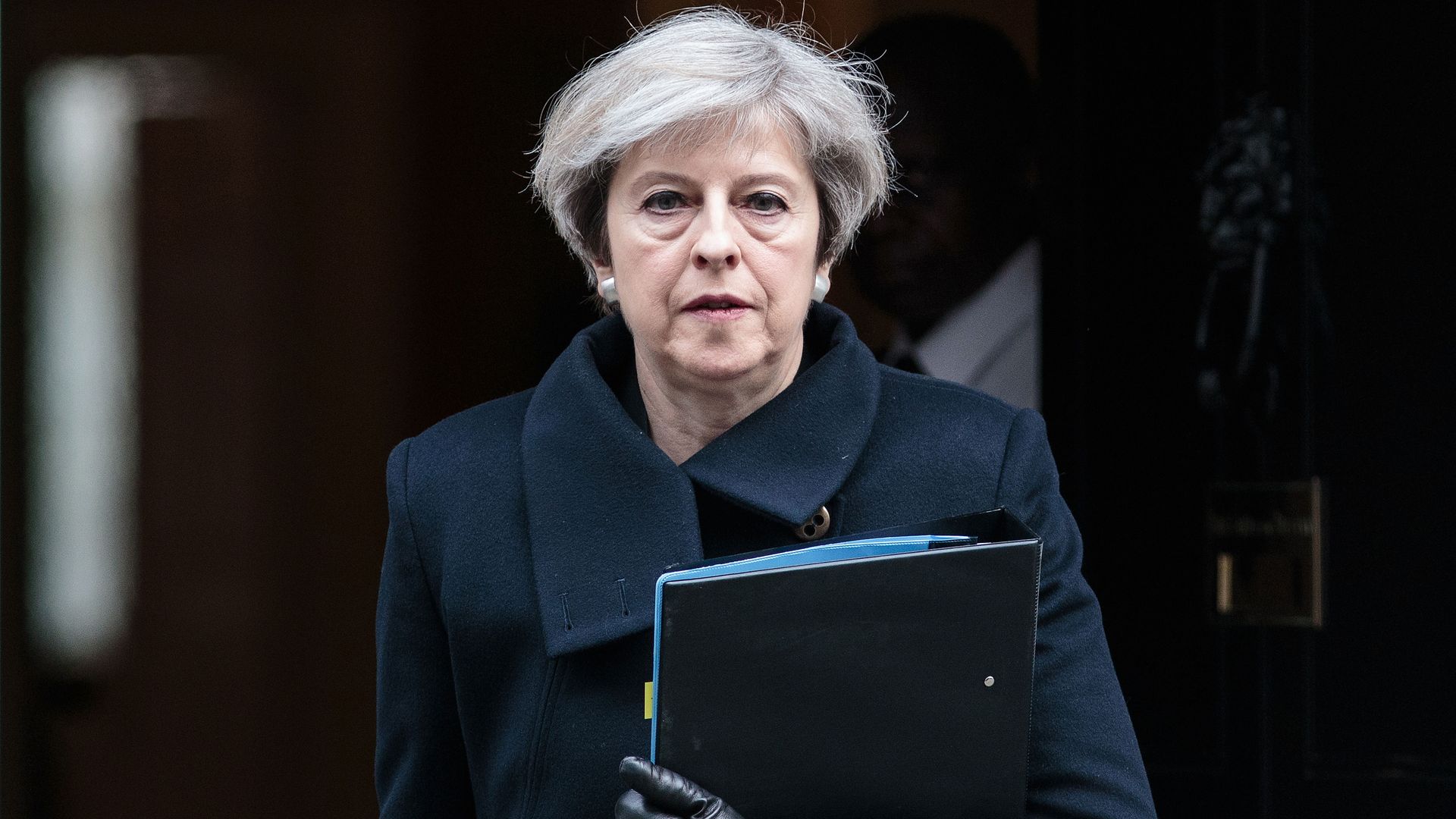
British Prime Minister Theresa May said in a tense statement Friday that Brexit negotiations between the U.K. and the EU have reached an impasse, after EU leaders said her Chequers plan for Brexit would not work.
Why it matters: The U.K. is due to leave the EU in little more than six months, and there's still no palatable deal for all sides on the table. May reiterated there will be no second referendum, called on the bloc for more details on its negotiating stance, and assured the protection of the rights of EU citizens living in the U.K. The British pound fell sharply following May's comments.

Brexit standoff continues as EU, U.K. leaders dig in
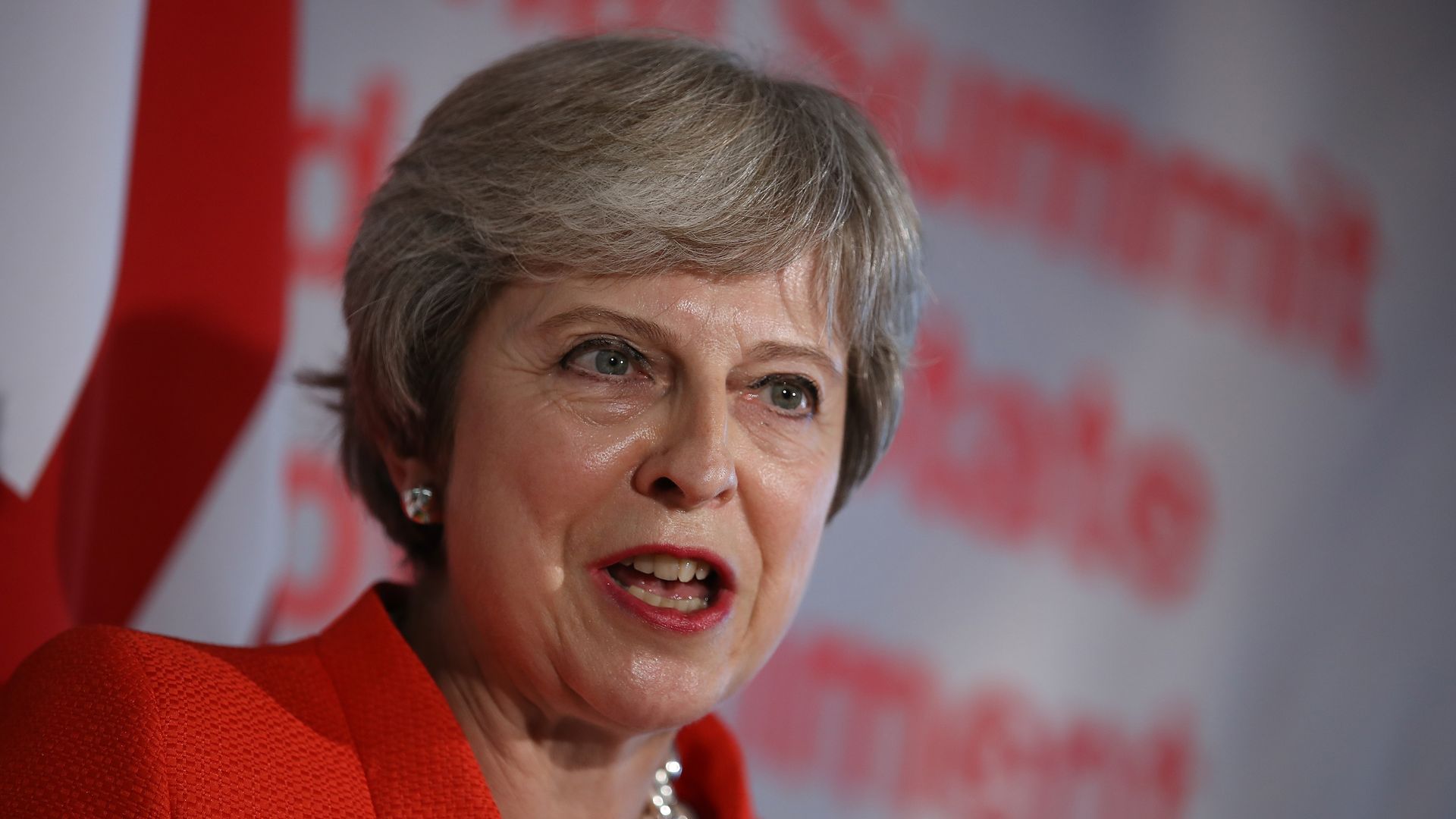
At an informal EU summit in Salzburg, Austria, British Prime Minister Theresa May said her Chequers plan for Brexit is "the only serious and credible proposal" that has been brought to the table, while European Council President Donald Tusk said the plan "will not work," reports BBC News.
The big picture: Negotiators for the U.K. and the EU cannot get past the question of what to do about the Irish border. Tusk has said that, if needed, there will be a special EU summit on Nov. 17 and 18. But May's persistence that Chequers is the only possible way forward — despite today's forceful rejection by EU leaders — offers little reason to be optimistic that a compromise will be reached.
Kim Jong-un wants another summit with Trump
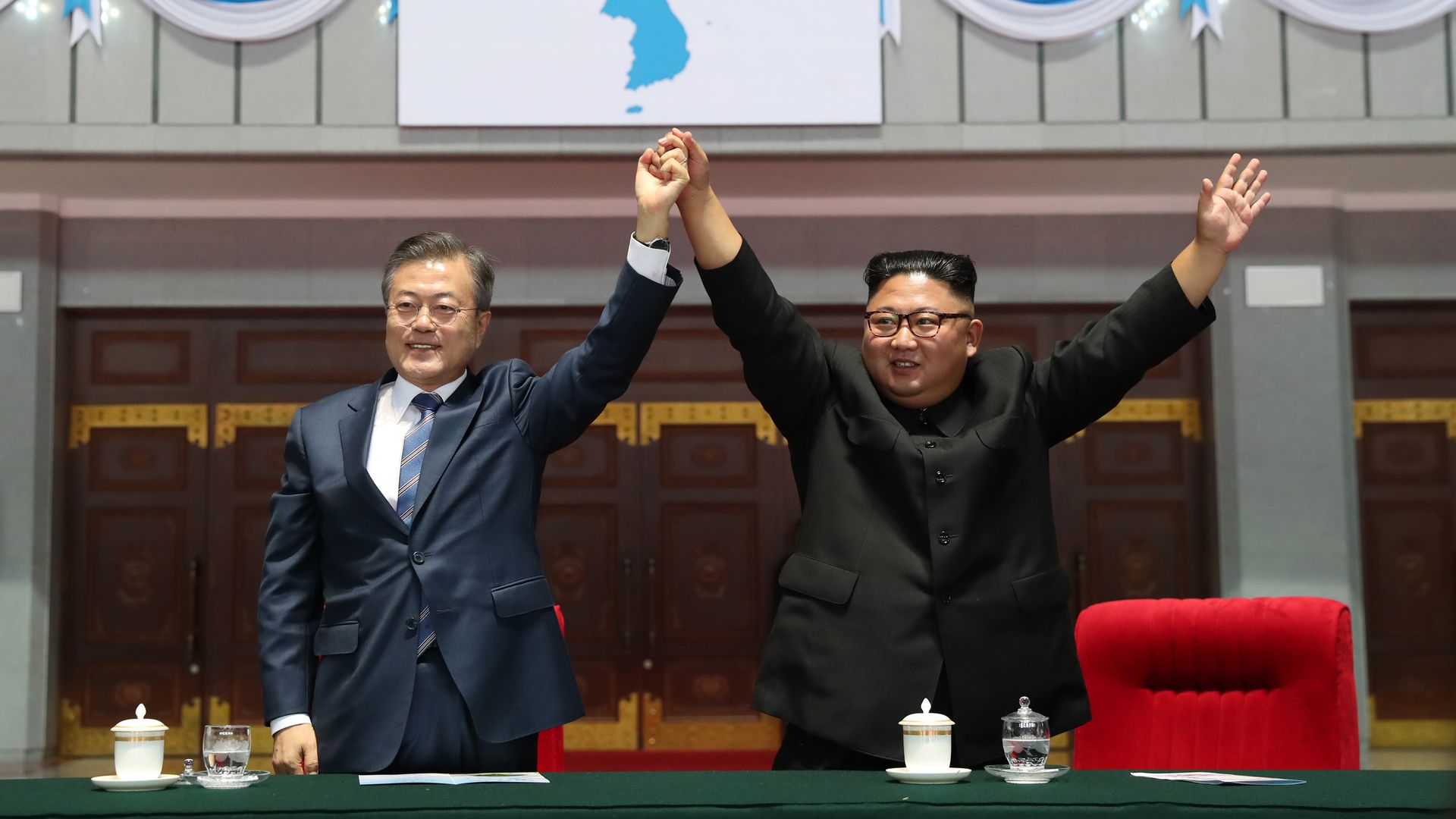
South Korean President Moon Jae-in told reporters Thursday that North Korean leader Kim Jong-un would like a second summit with President Trump "at the earliest convenience in order to speed up the denuclearization process," reports the Washington Post.
The big picture: Moon just returned from a three-day summit with Kim in North Korea, during which they announced several agreements, including a pledge by Kim to allow international verifiers into the country and dismantle a key nuclear site if the U.S. takes "corresponding steps." Kim also requested that Secretary of State Mike Pompeo visit North Korea and called for an official end to the Korean War by the end of the year.

A new era of U.S.–China competition calls for new rules
/2018/09/19/1537394694785.gif?w=3840)
Even as the U.S.–China trade war escalates, the two powers are fighting a greater battle at the frontiers of technology. With its “Made in China 2025” strategy — targeting sectors like aviation, high-speed rail, electric vehicles and agricultural machinery — China aspires to build firms that will not only replace foreign technology and products domestically but supplant them internationally.
Why it matters: In 2018 U.S.–China relations have entered a period of profound strategic drift, a pivotal moment in the transition from cooperation to competition. It’s an open question whether this split will spawn a cold war or even a military confrontation — prospects some policymakers are now considering for the first time — but there’s no doubt that a wider economic war is now upon us, to be waged over ownership of the technological innovations that will drive the 21st century.