Wednesday's world stories

U.S. ready to restart negotiations with North Korea
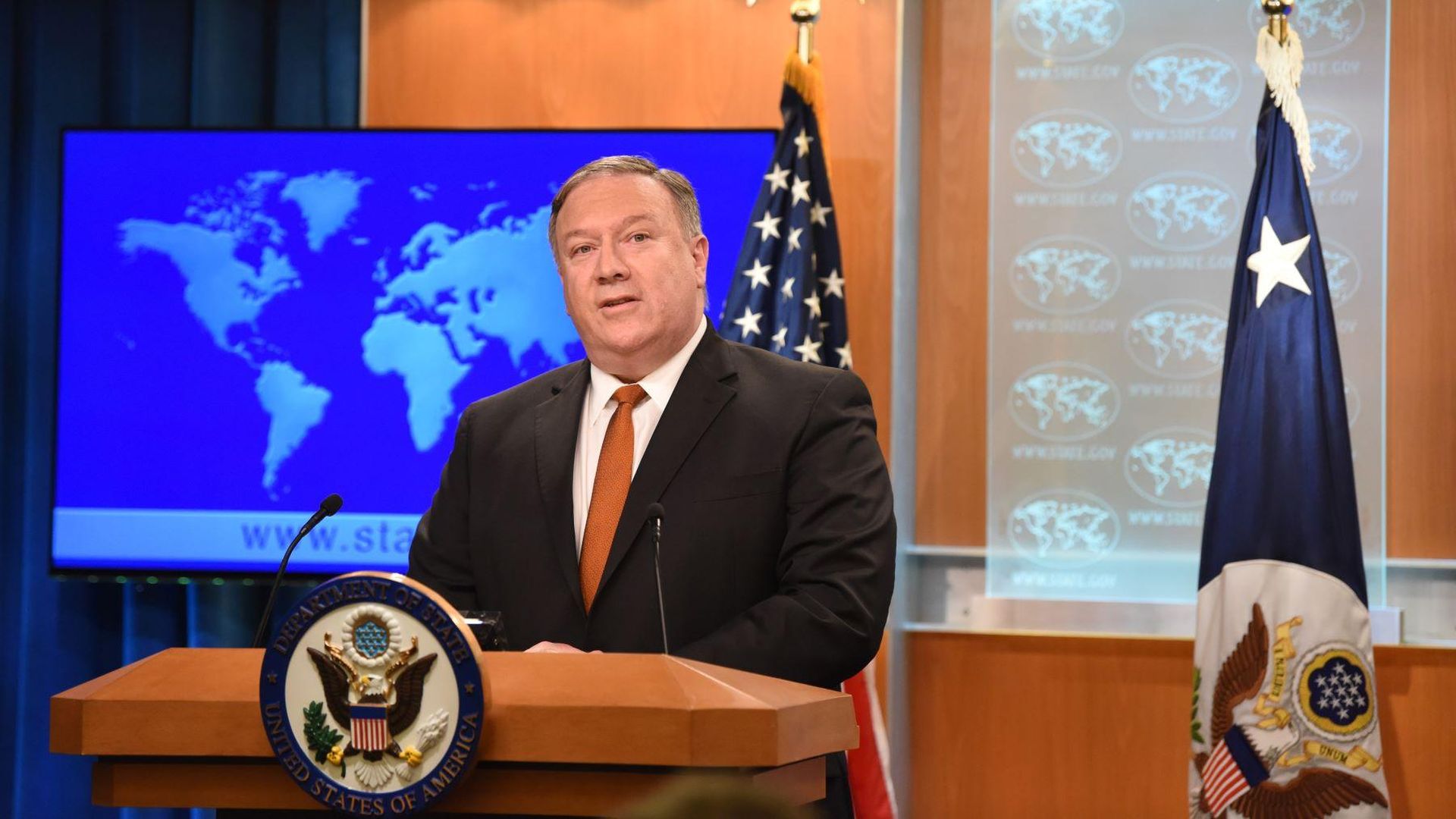
Following the announcement that North Korean leader Kim Jong-un agreed to "permanently dismantle" his main nuclear complex, Secretary of State Mike Pompeo said the U.S. "is prepared to engage immediately in negotiations to transform U.S.-DPRK relations," and has invited North Korean Foreign Minister Ri Yong-ho to meet him in New York City next week.
Why it matters: This comes after President Trump had directed Pompeo to cancel his August trip to North Korea, saying the country was not "making sufficient progress with respect to denuclearization." But yesterday, Kim promised South Korean President Moon Jae-in that he would close his country's main nuclear site, adding that he'd only do so if the U.S. takes "corresponding measures." Pompeo's response shows that the Trump administration is willing to resume working with North Korea toward denuclearization.

Alibaba bails on pledge to create one million U.S. jobs

Alibaba executive chairman Jack Ma says his company no longer plans to help the US economy add one million jobs, which is something he had promised President Trump during a meeting in early 2017.
- Ma never claimed Alibaba would hire a million Americans. Instead, he wanted to help increase trade with Asia, thus enabling US small businesses to hire more people.
The bottom line: Ma tells Xinhua News Agency that the Chinese Internet giant's commitment was based on friendly U.S.-Chinese relations, but that subsequent trade tensions "destroyed the original premise."

Moon–Kim summit in Pyongyang was promising, but no game changer
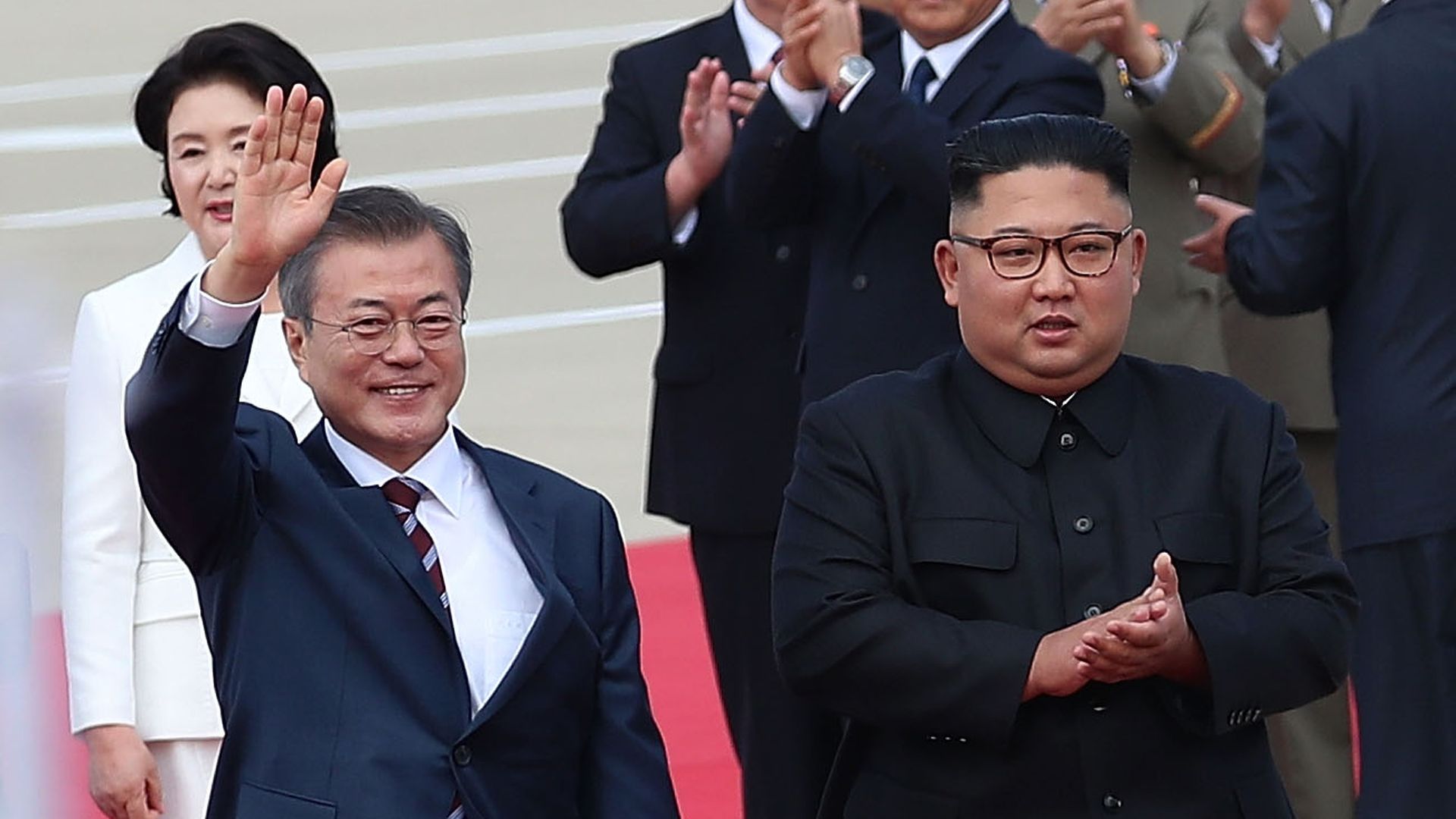
South Korean President Moon Jae-in’s long-anticipated visit to Pyongyang on Monday bolstered hopes that the deadlock in U.S.–North Korea denuclearization talks could be broken. The two Koreas agreed to resume cooperation on the economic and cultural fronts, to launch a new age of inter-Korean relations and, most importantly, to begin an era of peace. Kim also promised to visit Seoul in the near future, probably by the end of this year, which would be a first for any North Korean leader.
The big picture: The Pyongyang summit was a hopeful development in the recent flurry of diplomacy with North Korea, but was not in itself a game changer. It laid more groundwork for peace on the peninsula, but ended with minimal progress on the nuclear front. The U.S. has yet to be convinced that the Kim regime is willing and ready to make concrete steps towards denuclearization.
North Korea agrees to permanently dismantle main nuclear complex
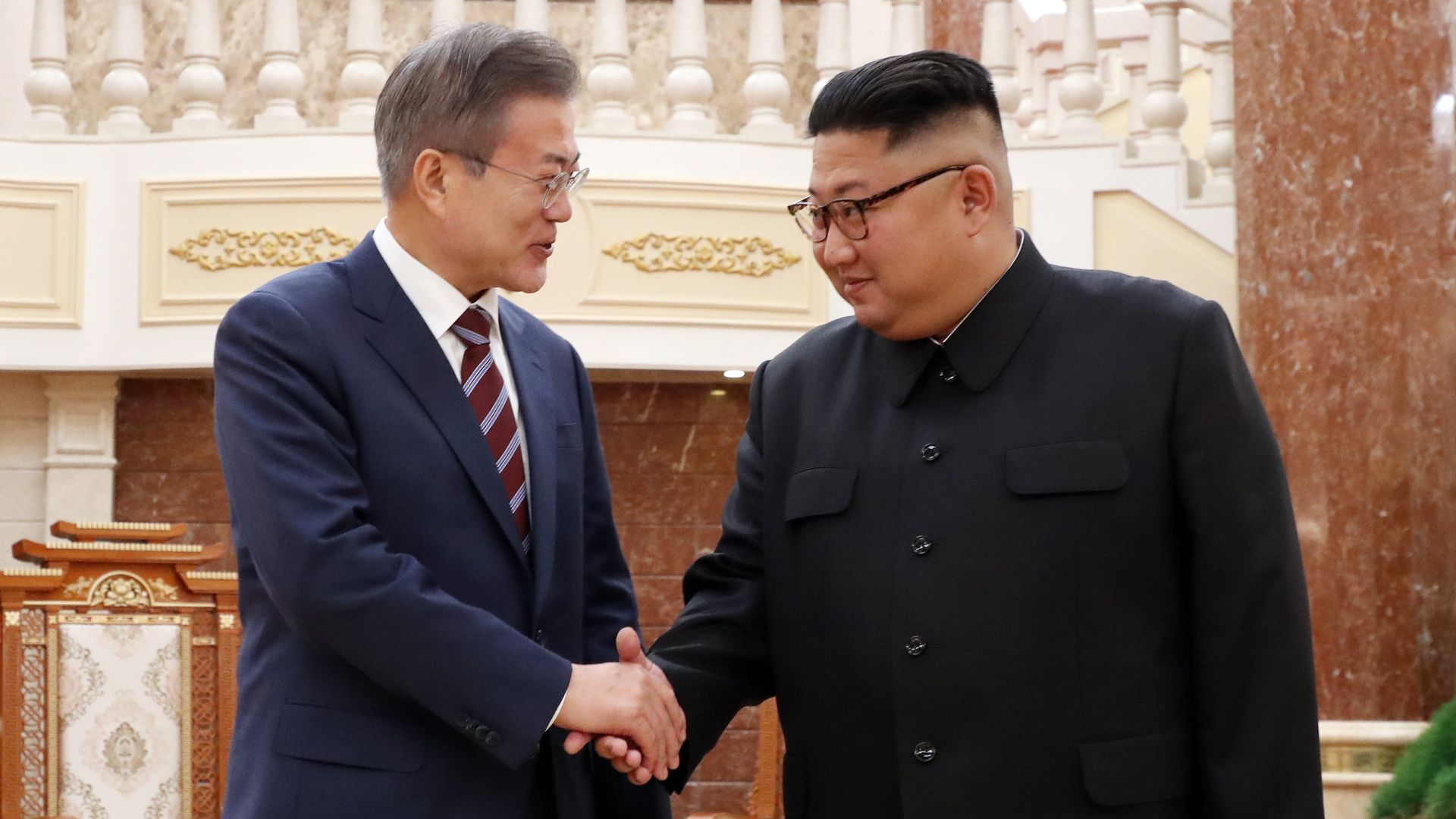
Following a meeting with the North Korean leader, South Korean President Moon Jae-in announced Kim Jong-un has agreed to "permanently dismantle his main nuclear complex at Nyongbyon if the United States takes corresponding measures," the AP reports.
“We have agreed to make the Korean Peninsula a land of peace that is free from nuclear weapons and nuclear threat.”— Kim Jong-un
The details: President Moon declared at a joint news conference with Kim that "the era of no war has started," per CNN, "[t]oday the North and South decided to remove all threats from the entire Korean Peninsula." North Korea reportedly agreed to permanently close the Dongchang-ri engine testing and missile launching site, and destroy the Yongbyon nuclear site. The two countries also said they would seek to file a bid to jointly host the 2032 Summer Olympics.

Downing of Russian plane in Syria tests Netanyahu-Putin relationship

An Israeli airstrike against an Iranian weapons cache in Syria last night has ended with the downing of a Russian military plane and the death of its 15 crew members.
Why it matters: The incident has created the most serious crisis between Israel and Russia since President Putin sent his army to Syria in September 2015. Israeli officials are concerned the incident will break the close coordination with the Russians in Syria and limit Israel's freedom of operation against Iranian entrenchment in the country.


Bipartisan Senate bill threatens to reimpose sanctions on ZTE
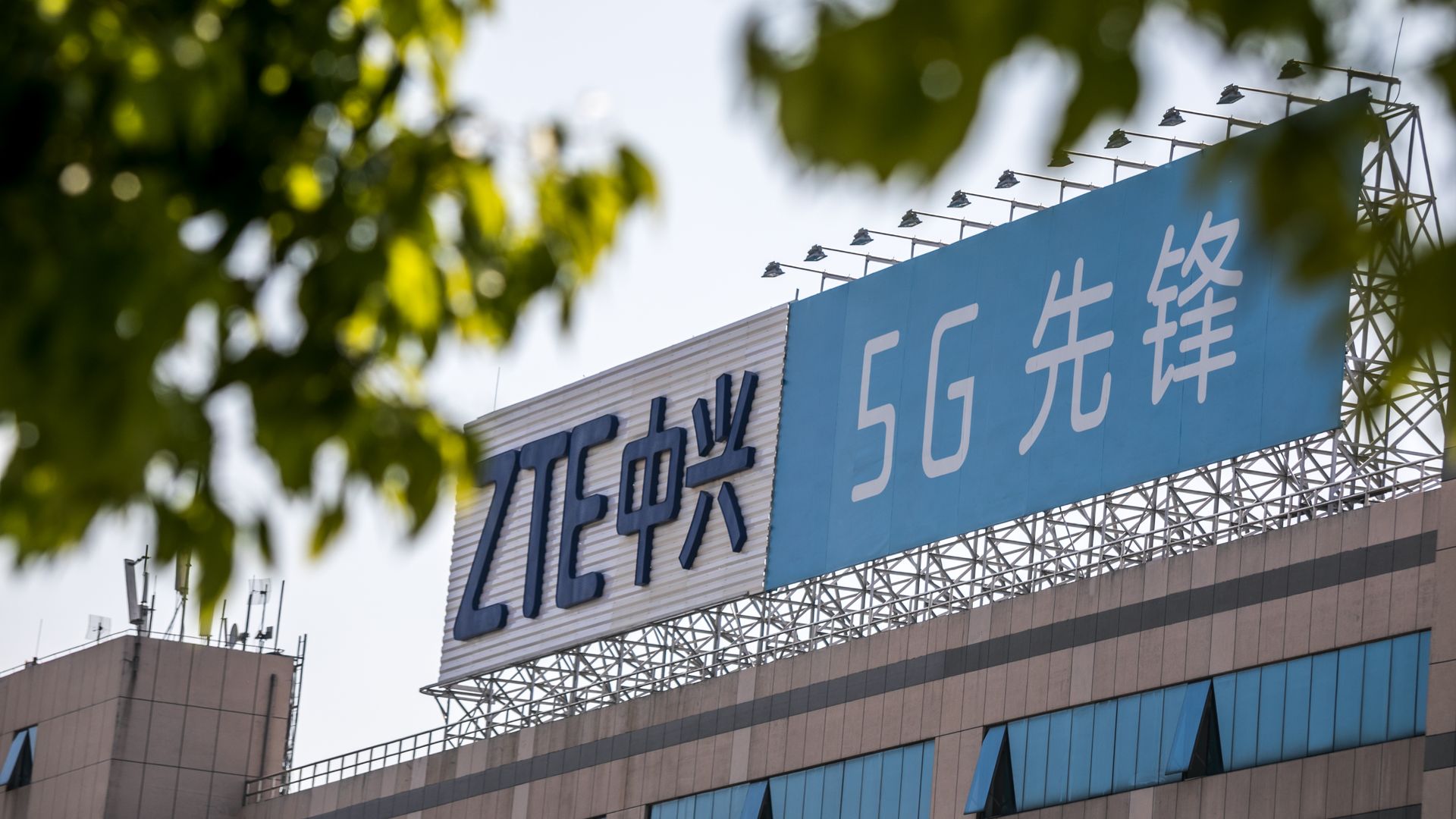
A bipartisan group of senators will introduce a bill today that could reinstate crippling sanctions against Chinese phone maker ZTE, which President Trump lifted in May and replaced with a hefty fine, Axios has learned.
Why it matters: The Commerce Department's original punishments against ZTE — a company that the Pentagon views as a national security threat as well as a repeat violator of U.S. sanctions — included a seven-year ban on American firms that sell it parts. The new bill would mandatorily reimpose those punishments if ZTE violates any of the probationary conditions in the deal it struck with the Trump administration, such as illegally exporting phones to Iran or North Korea.

Russia blames Israel after plane shot down by Syrian forces
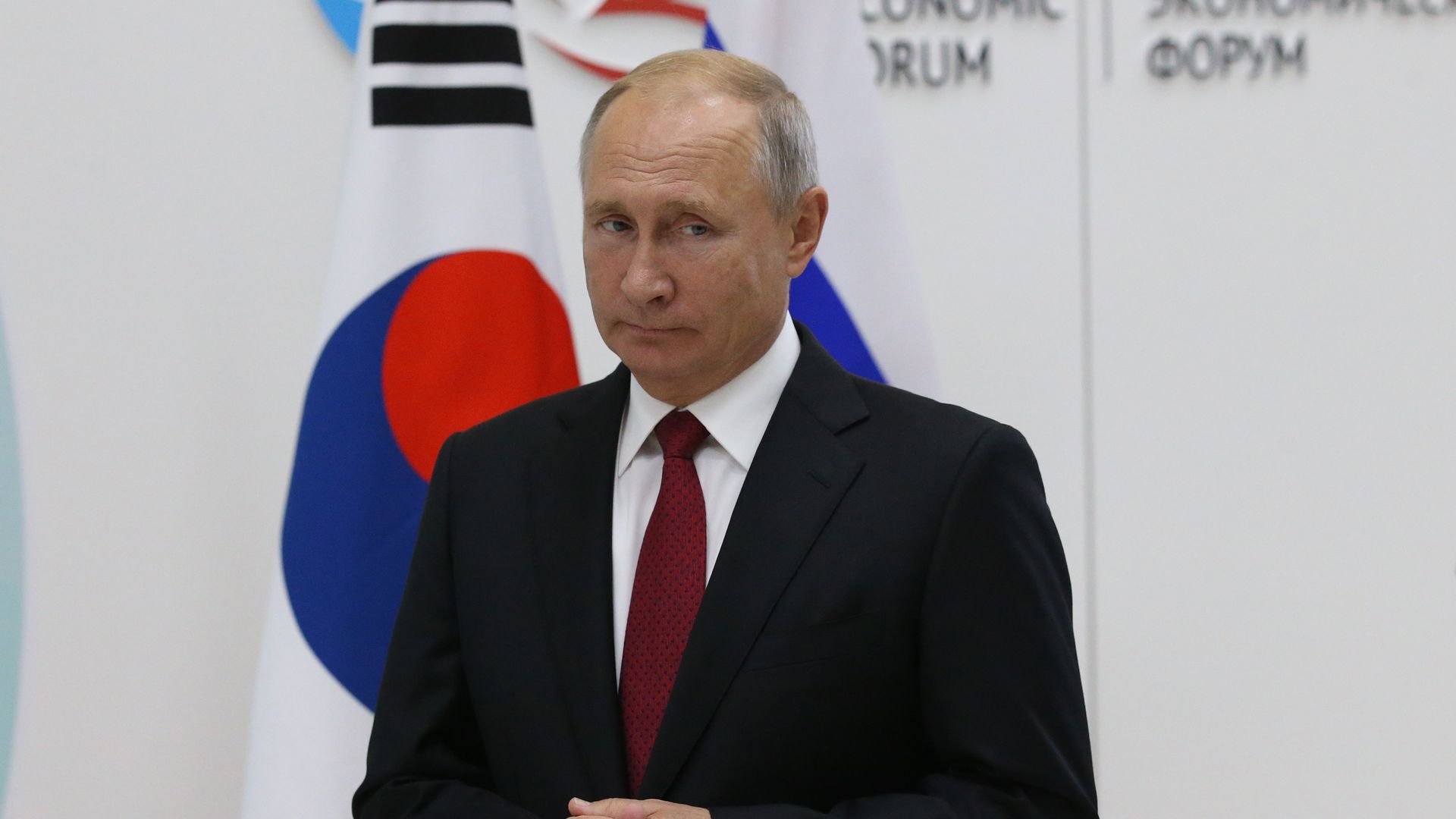
Russia is blaming Israel after a Russian military plane was shot down by Syrian forces, claiming the plane was in the line of fire during an Israeli strike, CNN reports.
The big picture: Israel has acknowledged striking Syria in the past to keep groups like Hezbollah from obtaining advanced weapons, but the deaths of 15 Russian servicemen complicate an already-tense diplomatic situation. Israel's ambassador to Moscow was summoned by the Russian Ministry of Foreign Affairs in response to the incident, per Reuters.