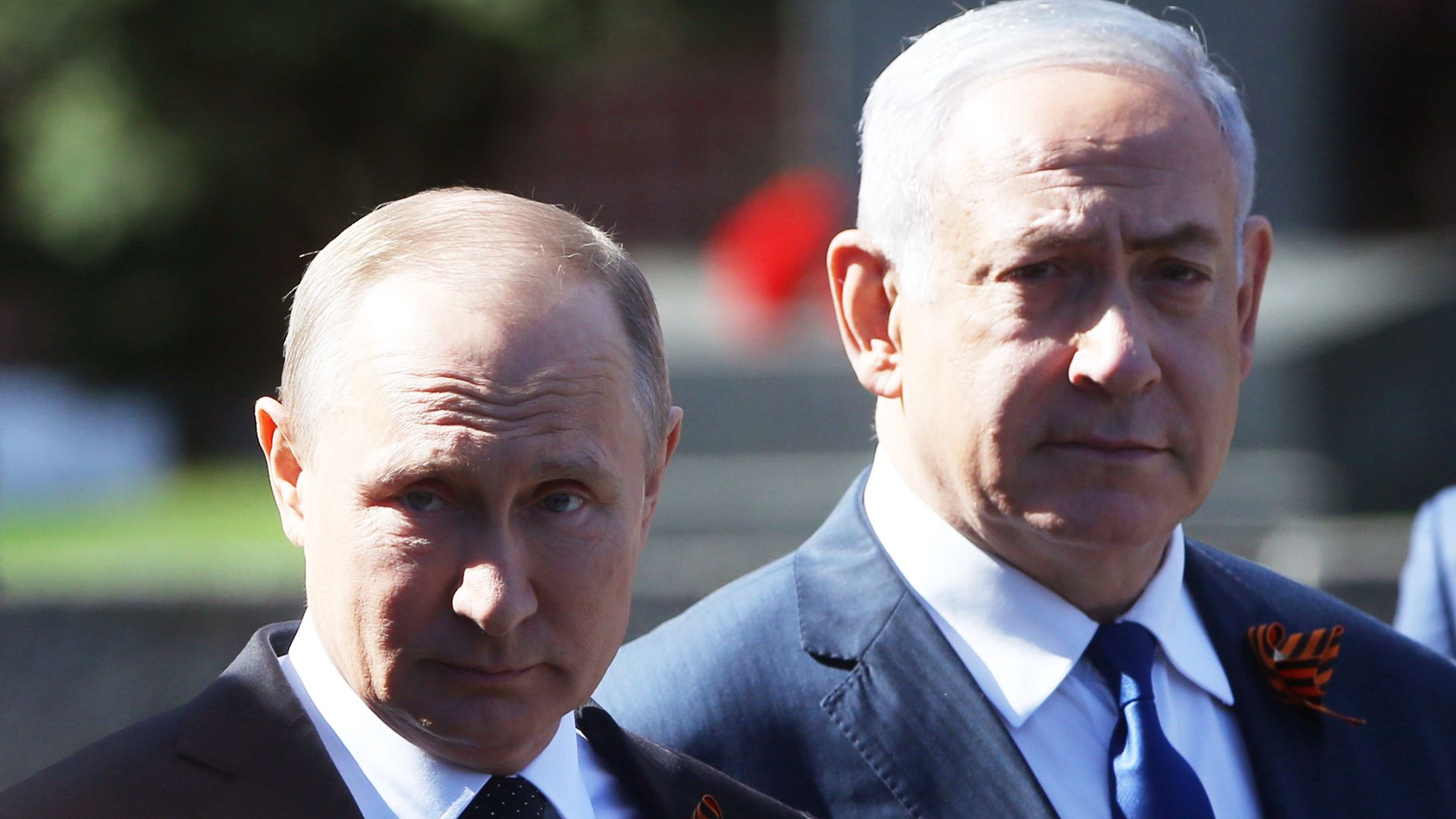
An Israeli airstrike against an Iranian weapons cache in Syria last night has ended with the downing of a Russian military plane and the death of its 15 crew members.
Why it matters: The incident has created the most serious crisis between Israel and Russia since President Putin sent his army to Syria in September 2015. Israeli officials are concerned the incident will break the close coordination with the Russians in Syria and limit Israel's freedom of operation against Iranian entrenchment in the country.
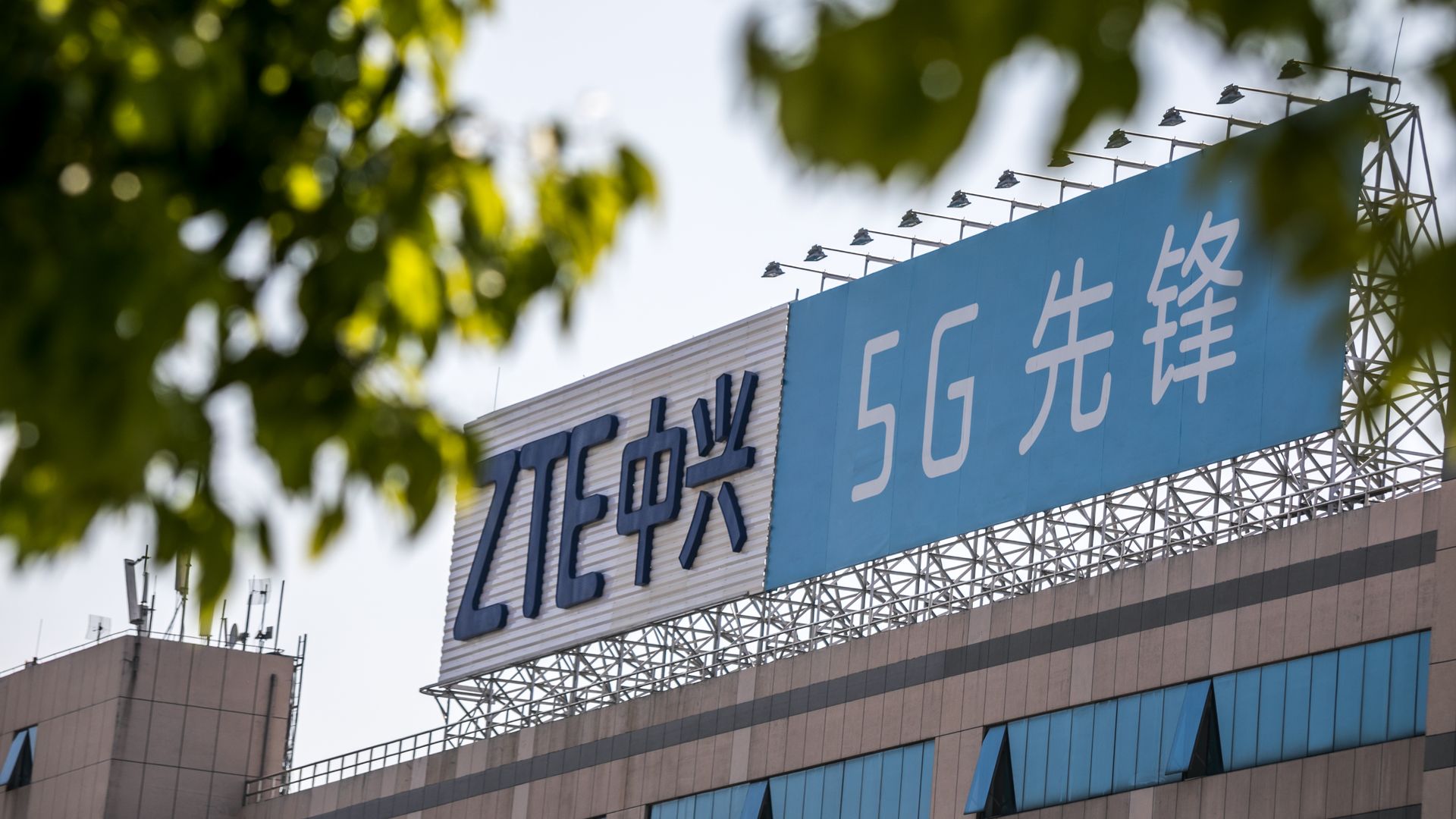
A bipartisan group of senators will introduce a bill today that could reinstate crippling sanctions against Chinese phone maker ZTE, which President Trump lifted in May and replaced with a hefty fine, Axios has learned.
Why it matters: The Commerce Department's original punishments against ZTE — a company that the Pentagon views as a national security threat as well as a repeat violator of U.S. sanctions — included a seven-year ban on American firms that sell it parts. The new bill would mandatorily reimpose those punishments if ZTE violates any of the probationary conditions in the deal it struck with the Trump administration, such as illegally exporting phones to Iran or North Korea.
Russia is blaming Israel after a Russian military plane was shot down by Syrian forces, claiming the plane was in the line of fire during an Israeli strike, CNN reports.
The big picture: Israel has acknowledged striking Syria in the past to keep groups like Hezbollah from obtaining advanced weapons, but the deaths of 15 Russian servicemen complicate an already-tense diplomatic situation. Israel's ambassador to Moscow was summoned by the Russian Ministry of Foreign Affairs in response to the incident, per Reuters.
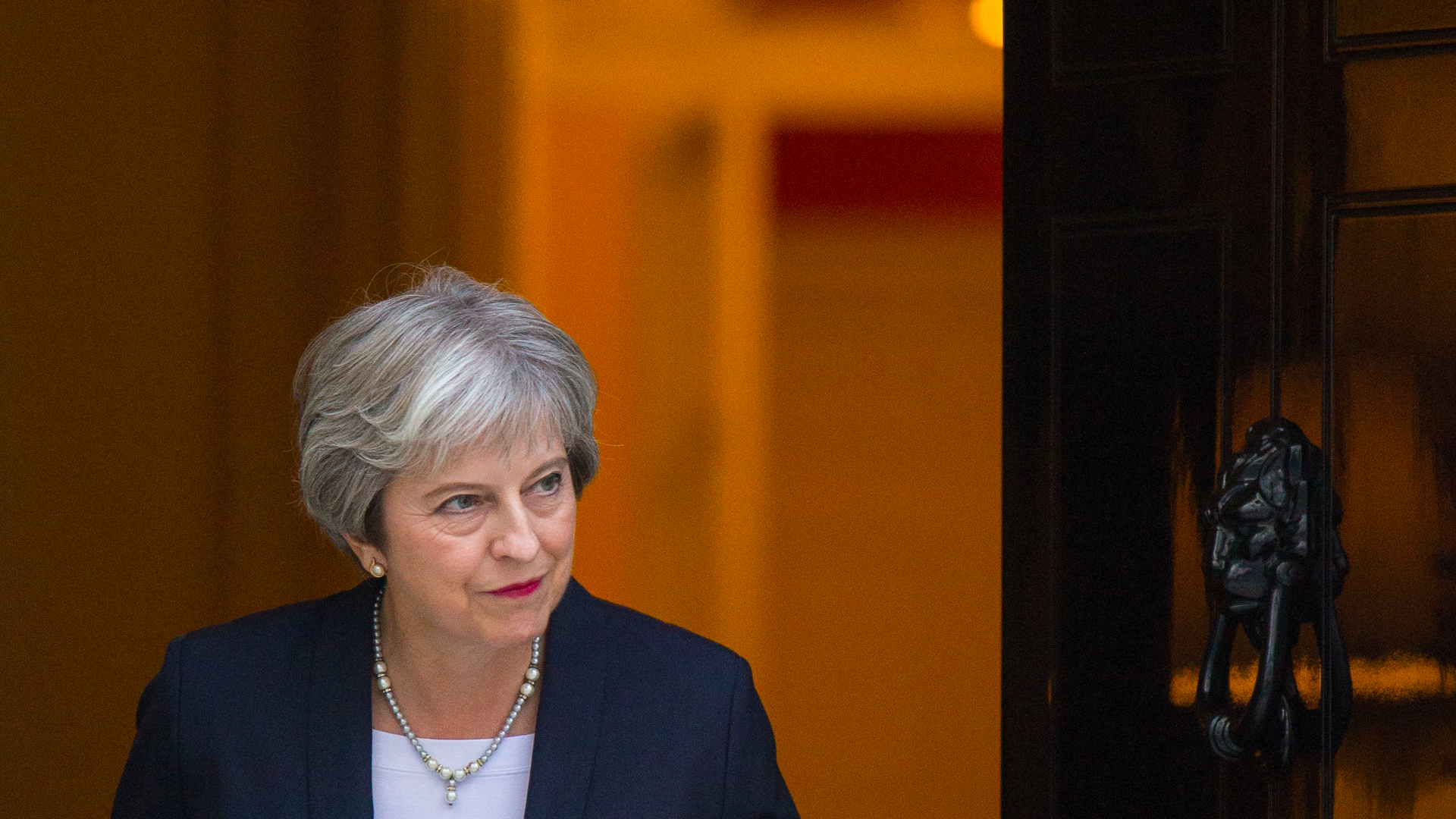
British Prime Minister Theresa May issued her most forceful edict yet on Brexit today, telling the BBC that the "soft Brexit" Chequers plan she negotiated in July, which involves keeping close economic ties to the European Union, is the only possible way forward — even though it's "strongly opposed" by the EU.
Why it matters: With just over six months to go until Brexit day, her statement is sure to provoke the hard-line Brexiteers in her own Conservative Party by essentially forcing them to choose between backing her own moderate Brexit vision or a "no-deal" scenario, which could wreak economic havoc on the U.K.
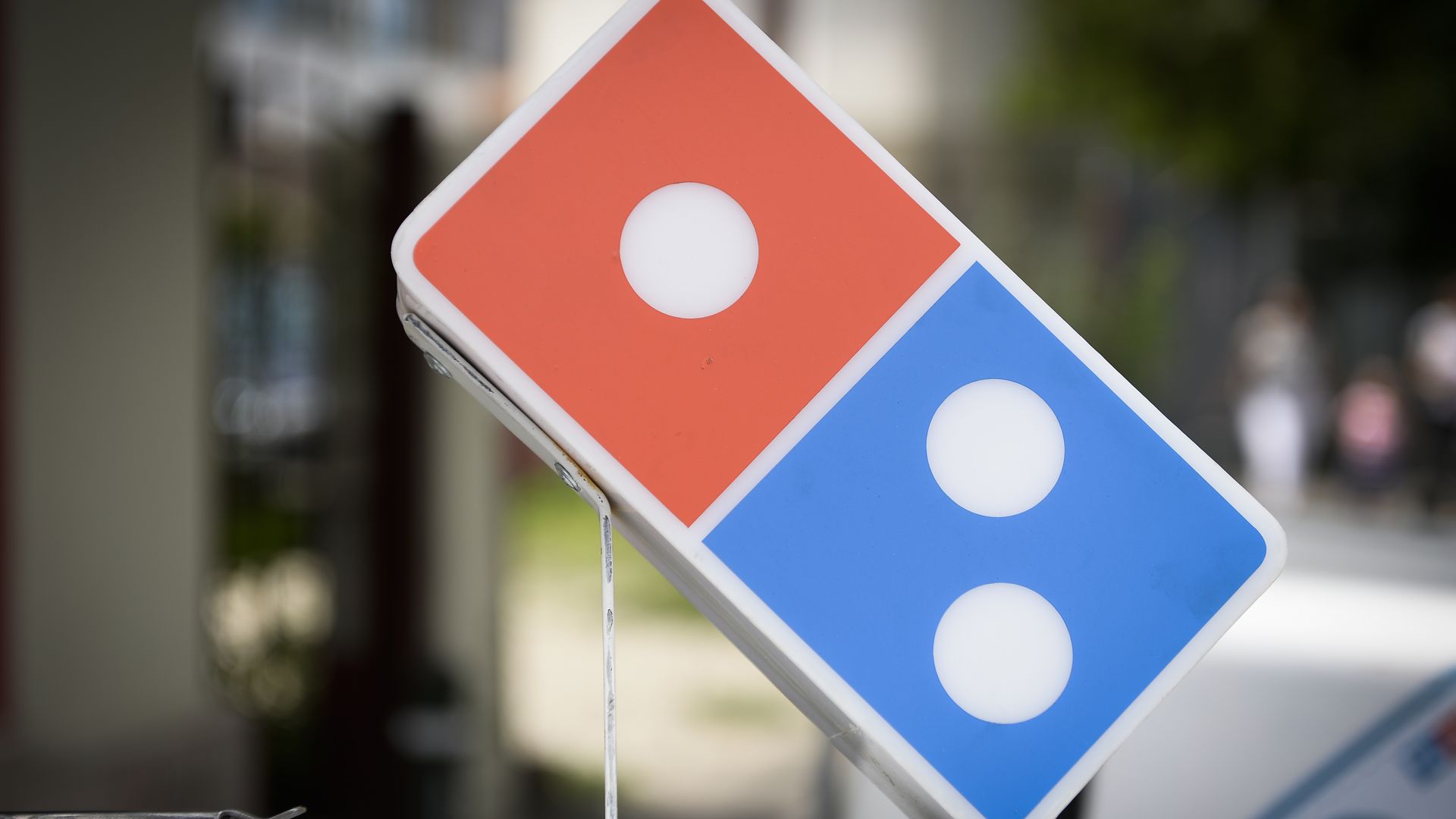
A marketing stunt in Russia kicked off a minor rush to tattoo parlors when Domino’s Pizza promised 100 years of free pies to anyone who permanently inscribed themselves with the company's logo.
The big picture: A local franchise found that it needs to be much more careful in its offers of free food, write WSJ's James Marson and Thomas Grove.
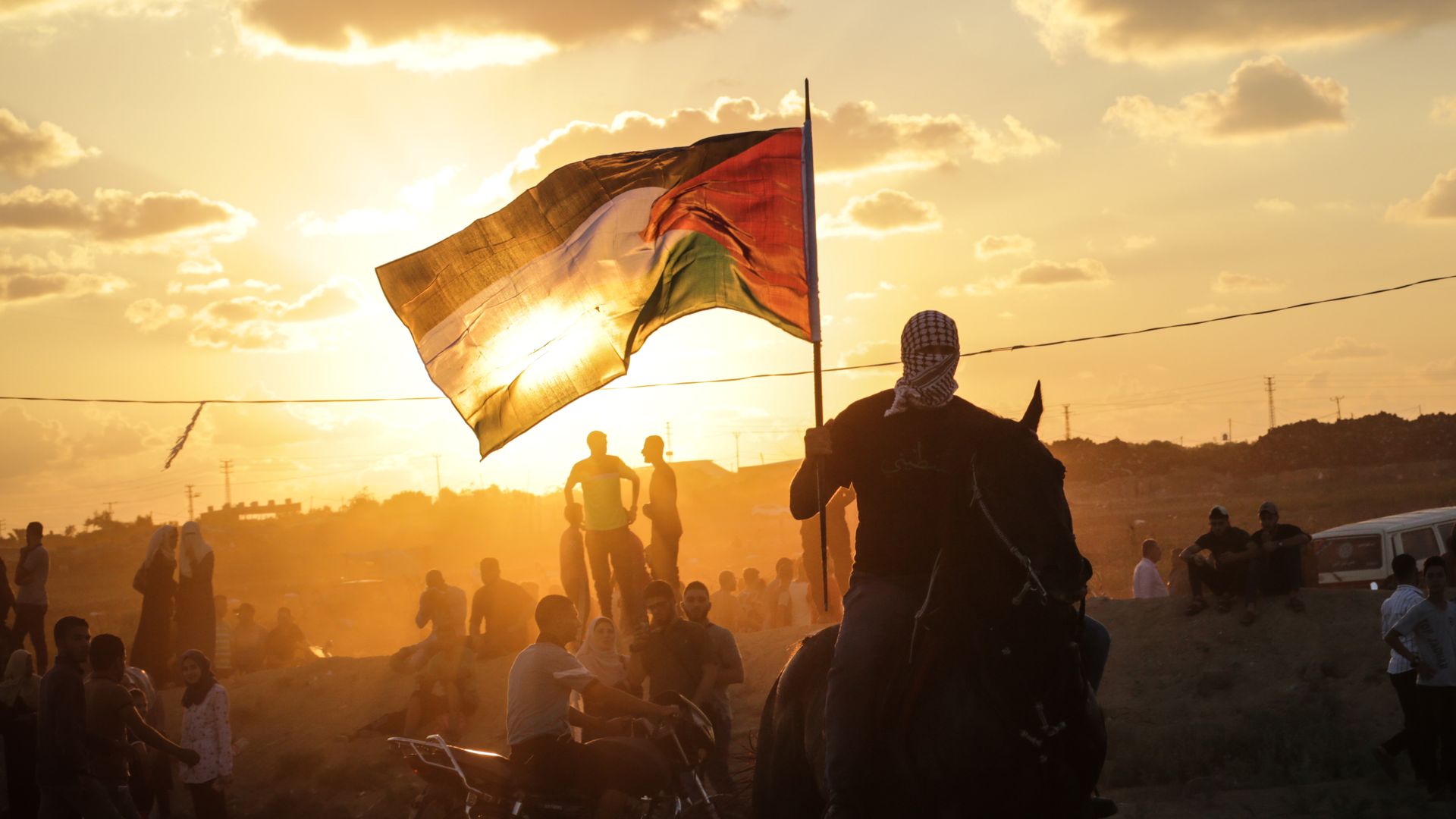
The big picture: The U.S.’ apparent strategy is to decide a priori the fate of Jerusalem and refugees in Israel's favor, and to force the Palestinians to accept an inferior deal. Whether the U.S. unveils the details of its plan during the UNGA session or not, it’s likely to exacerbate tensions in the region.
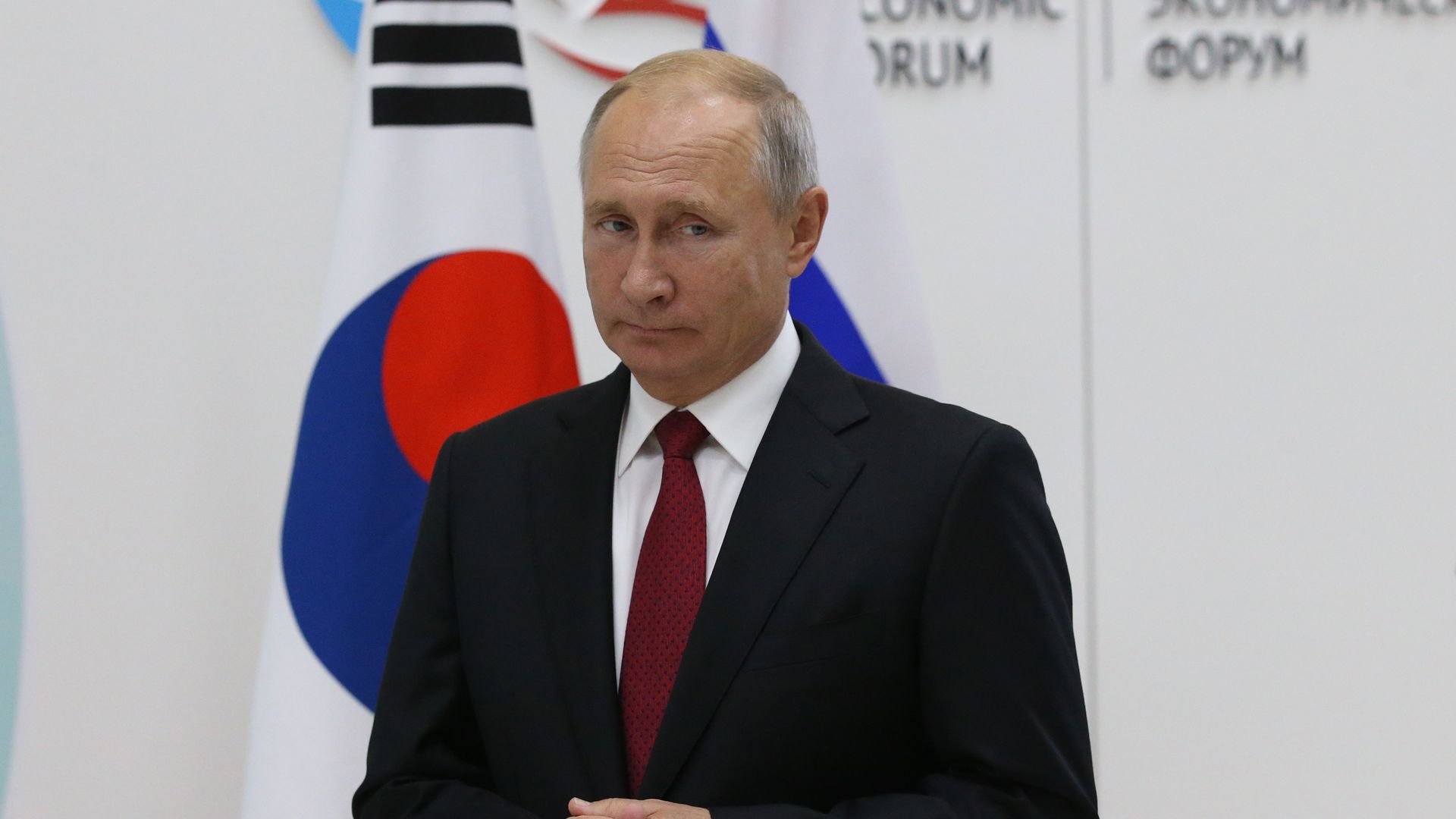
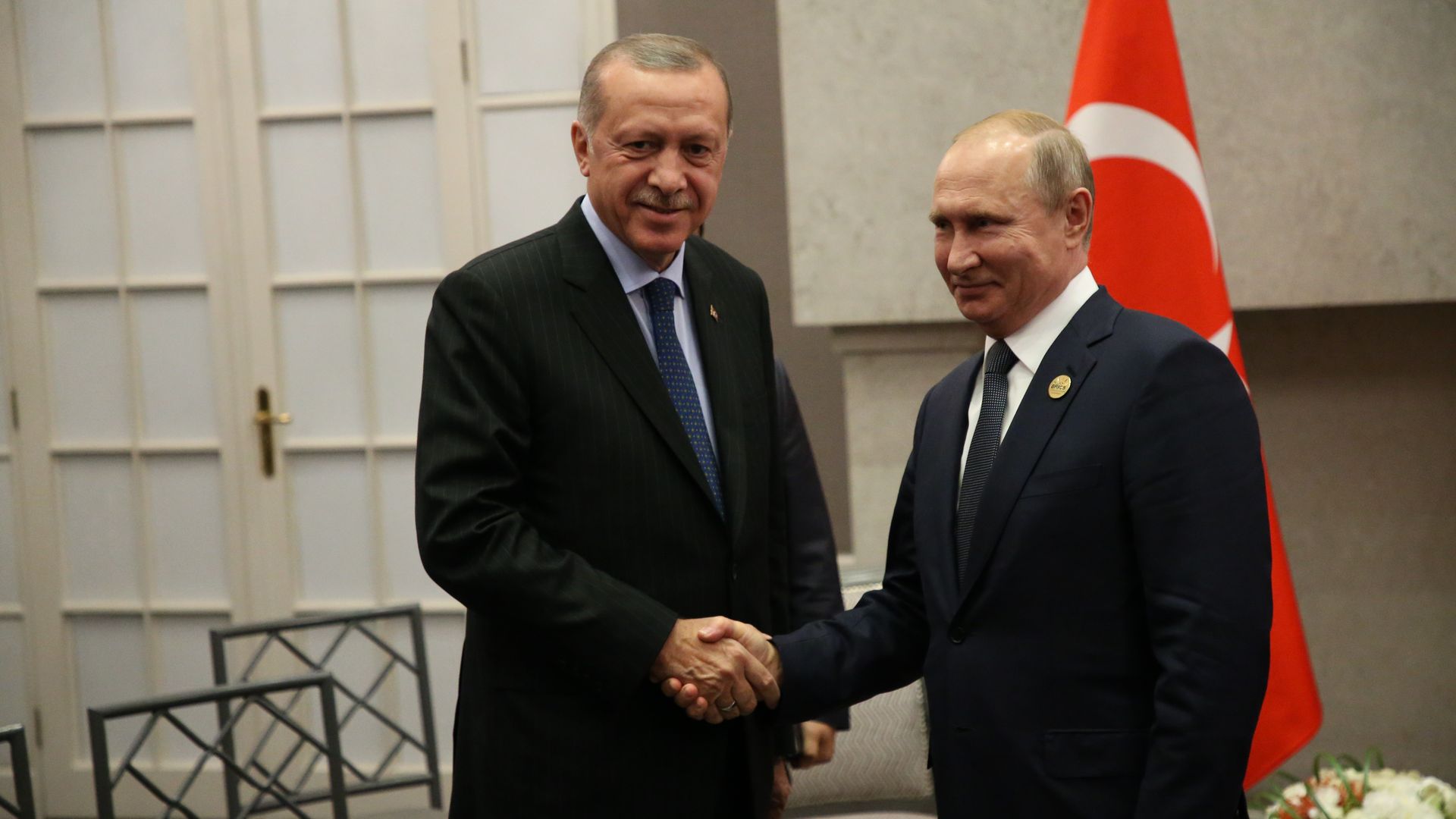
Russian President Vladimir Putin and Turkish President Recep Tayyip Erdogan have agreed to establish a 9- to 15-mile demilitarized zone in the Syrian province of Idlib to separate rebel fighters and Syrian government forces, reports BBC News.
Why it matters: Idlib is the last rebel stronghold left in Syria. The United Nations has warned that an offensive by the Syrian government could lead to a massive humanitarian disaster, with more than 30,000 civilians already displaced by attacks last week.
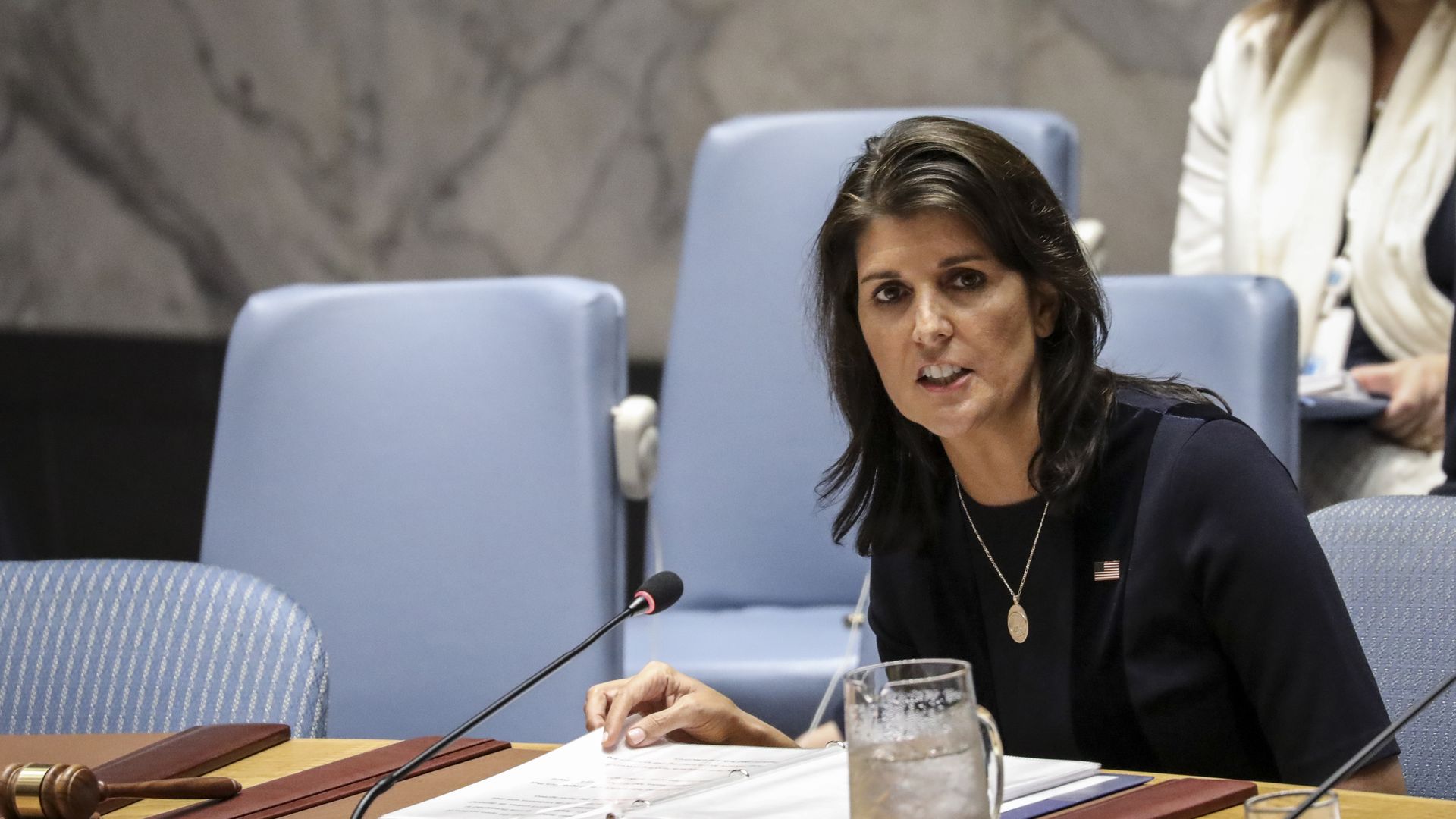
U.S. Ambassador to the UN Nikki Haley accused Russia of helping North Korea evade international sanctions during an emergency session of the UN Security Council on Monday.
The big picture: The Treasury Department announced sanctions against several Russian companies and vessels last month for engaging in petroleum trade with North Korea. On Monday, Haley called on the Security Council to punish Russia for its continued infractions, claiming its deliberate subversion of international sanctions is "impeding our ability to achieve complete denuclearization in North Korea."