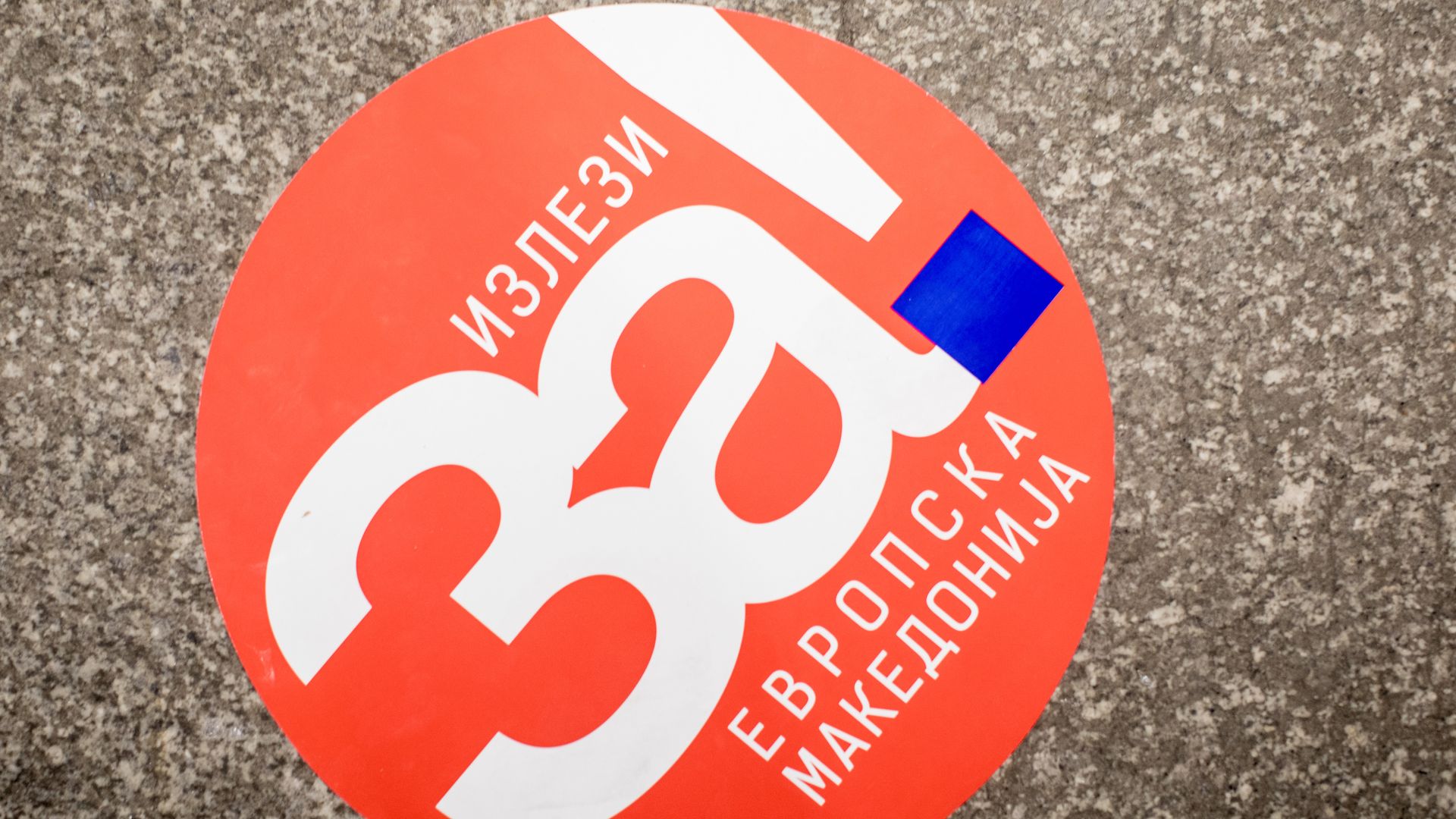
Macedonians will head to the polls this Sunday to vote on the historic Prespa agreement that could end a 27-year diplomatic impasse with Greece, which has refused to recognize the country's name since it declared independence in 1991. The agreement could also set the Balkan country on a long-desired path to NATO and EU accession.
Why it matters: For Balkan countries seeking NATO and EU membership, Macedonia’s success would signal that the door is open. By lighting a pathway to Euro-Atlantic integration, Washington and Brussels could also leverage a “yes” vote to promote democracy and stability in the region, while signaling to the Kremlin that its continued meddling won’t be tolerated. Either way, the referendum's outcome will have significant geopolitical implications for Europe and the U.S.
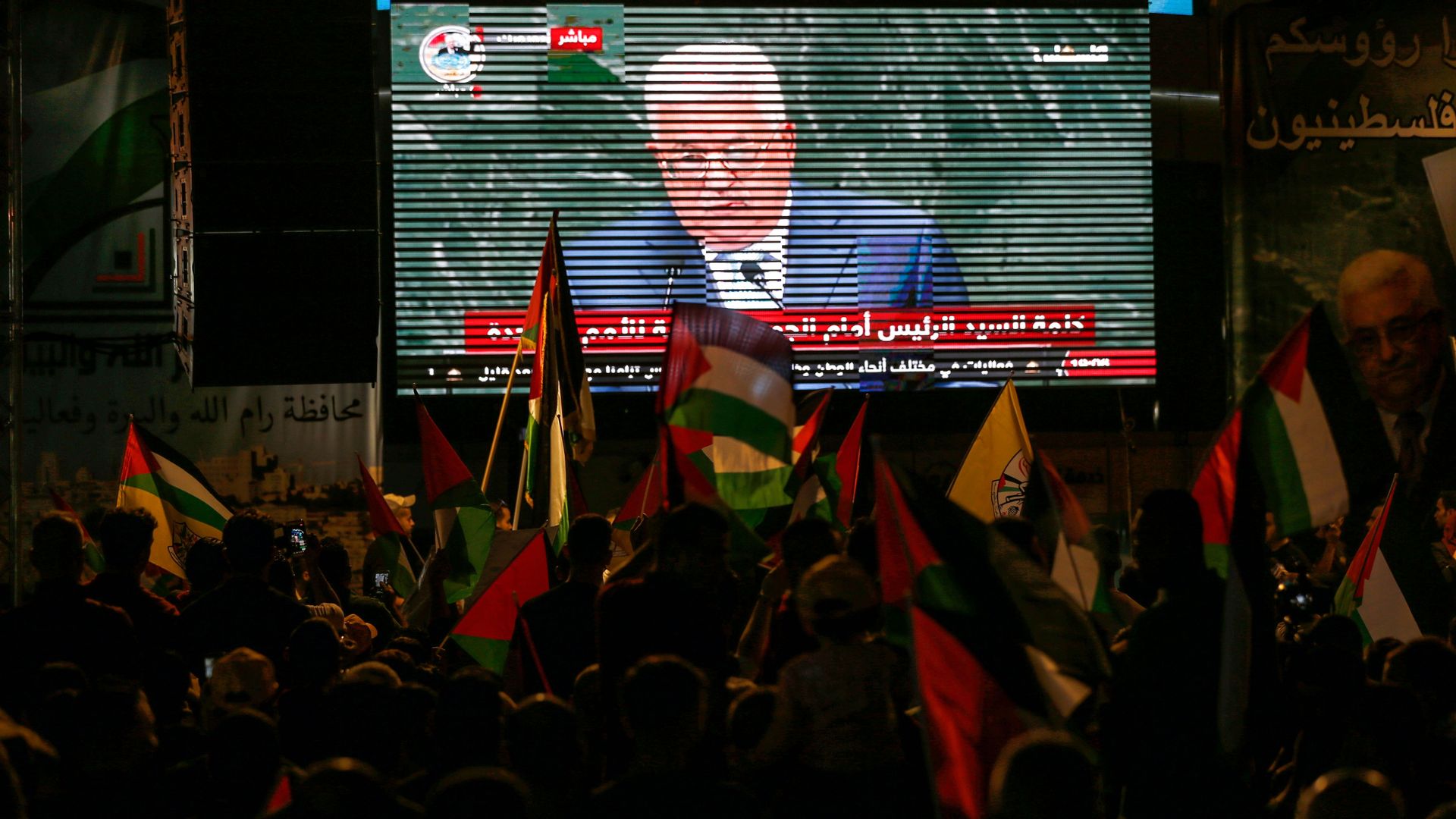
Palestinian President Mahmoud Abbas today called on President Trump to rescind his decisions on Jerusalem and Palestinian refugees in order to be able to act again as a mediator between Israel and the Palestinians during his speech today at the UN General Assembly.
Why it matters: The White House was closely following Abbas's speech and wanted to see if Trump's overture about the two state solution would be answered by Abbas. Abbas didn't answer it directly, but Palestinian officials say he had prepared several versions of the speech and, after Trump's press conference, decided to use the most moderate one, which didn't contain personal attacks against Trump.
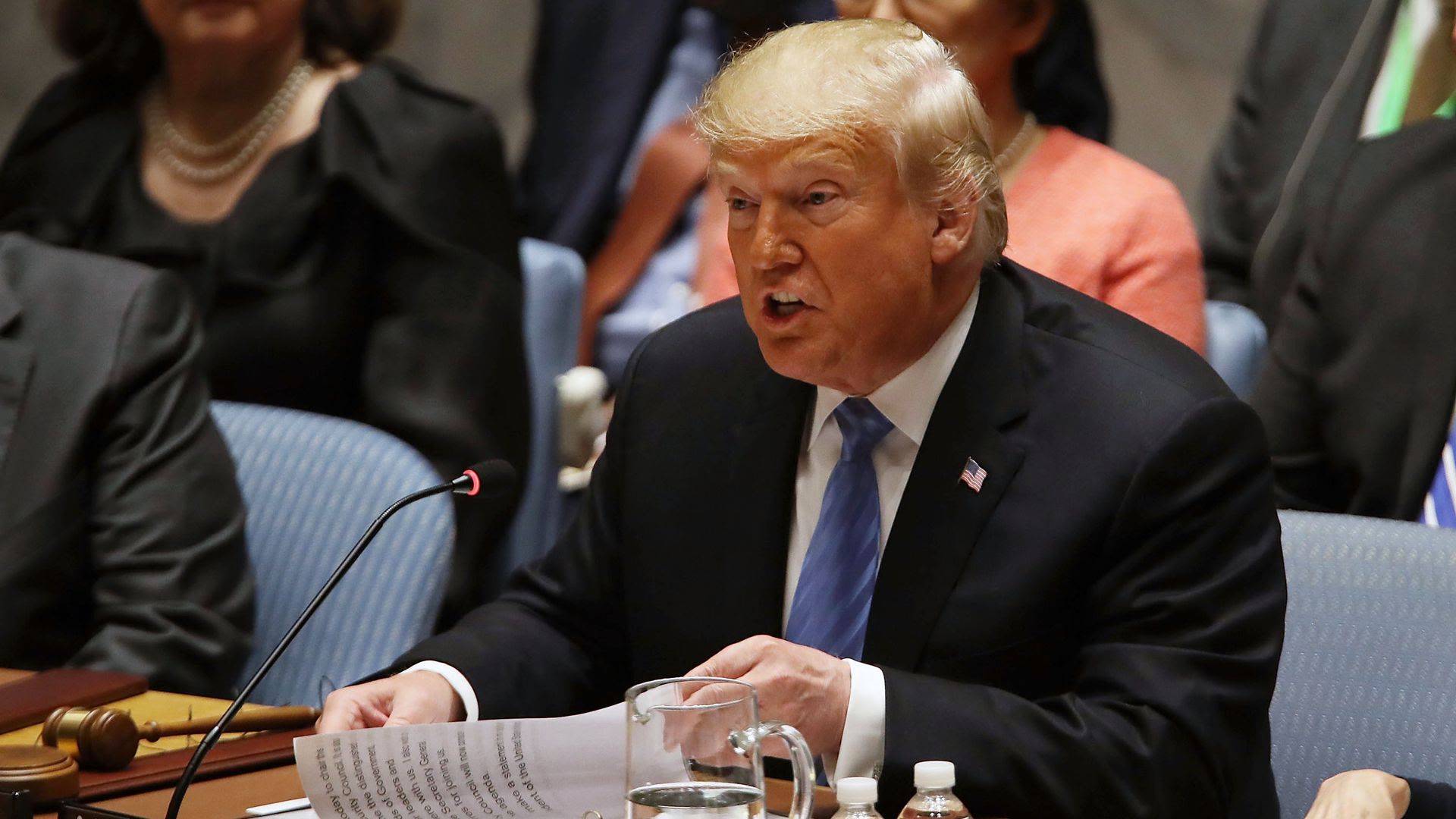
At the U.N. on Wednesday, President Trump repeatedly claimed that China is meddling in the U.S. midterm elections. But his administration has provided no evidence that that's true, according to any useful definition of "election meddling."
In three different stage appearances, the president conflated predictable tactics triggered by his trade war — including tariffs targeted by China at influential states and a clearly labeled "advertorial" about the farm bill in an Iowa newspaper — with Russian-style interference of the sort that clouded the 2016 U.S. elections.
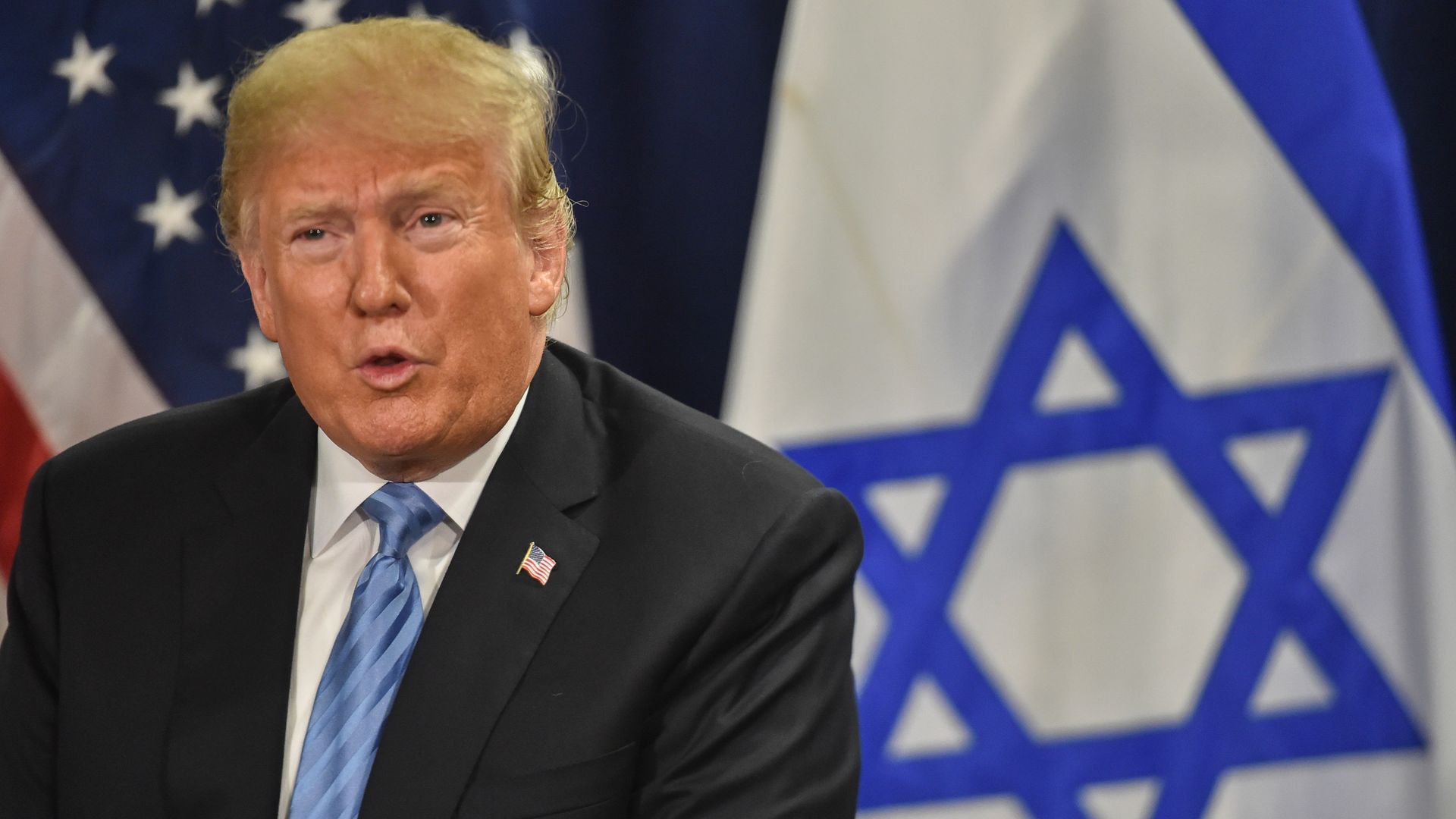
President Trump said yesterday that he is ready to renew aid to the Palestinian Authority under certain circumstances, a message that went largely unnoticed because of the focus on his statement of support for the two-state solution.
Why it matters: Trump's statement, made during his press conference with Israeli Prime Minister Netanyahu, seems deliberate and meant for the ears of Palestinian President Mahmoud Abbas. It looks like another overture by Trump as he tries to get the Palestinians — who cut ties with the U.S. over Trump's decision to move the U.S. Embassy to Jerusalem — to come back to the table. Just two weeks ago, Trump cut all U.S. aid for the Palestinians, which totaled $550 million annually.
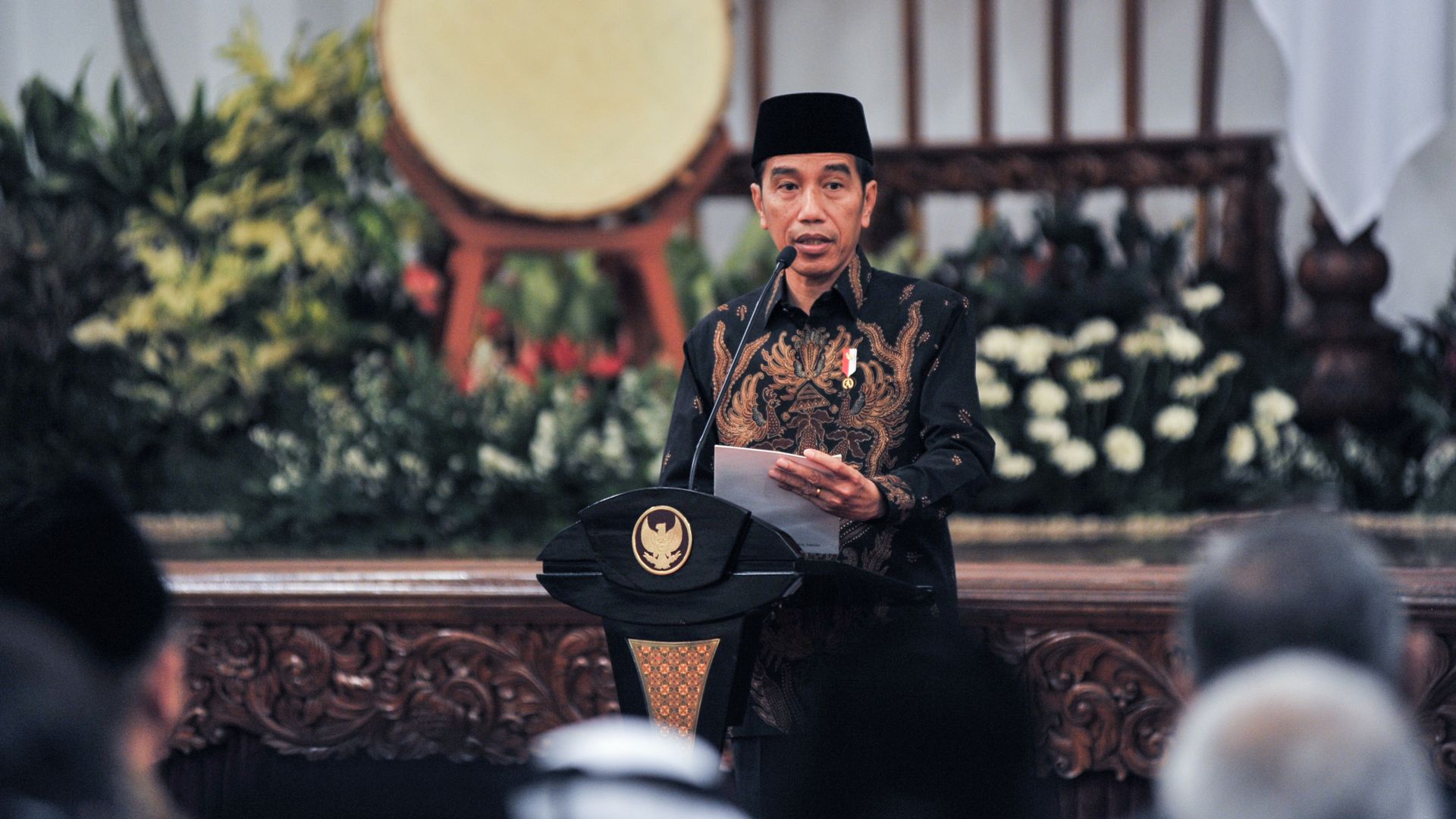
Indonesia, the third-biggest democracy in the world, will hold presidential elections next April. Since the late 1990s, when the economy crashed, the corrupt Suharto dictatorship collapsed, and the country appeared to be falling into chaos, Indonesia has stabilized and held multiple free presidential elections.
Yes, but: Although the country has made enormous progress since 1998, potential dangers remain. Islamist groups, many allied with a Trump-like populist former lieutenant general, have recently gained power, and the elections could put Indonesia on a democratic backslide.