Saturday's world stories

China sees 14% spike in HIV/AIDS cases
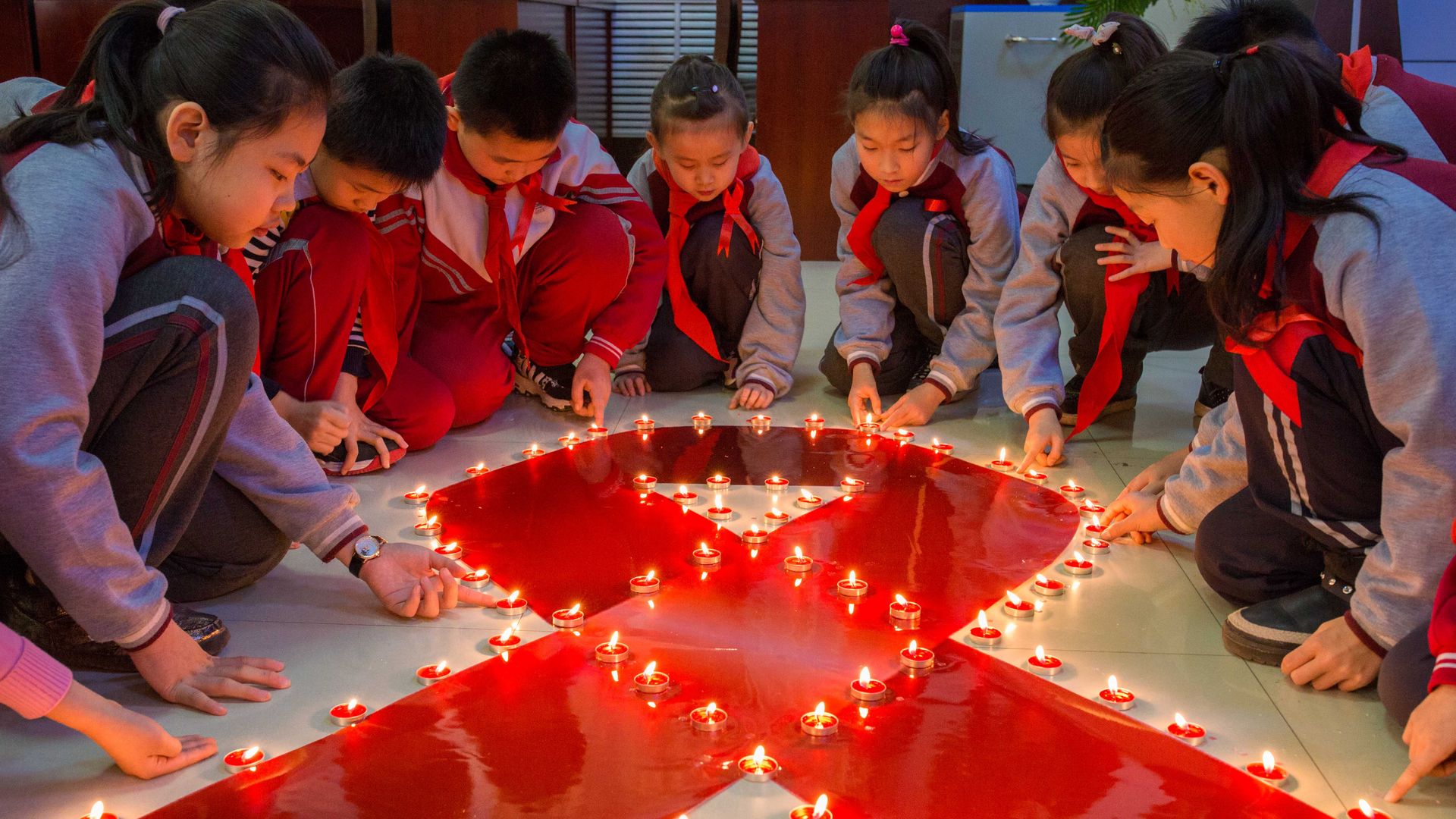
China has reported a 14% increase in the number of people living with HIV and AIDs, with 40,000 new cases cropping up in the second quarter of 2018 alone, per BBC News.
The big picture: The number of people who have contracted HIV through blood transfusions — long the most common source of transmission in China — has been reduced to almost 0, while infection through sex has spiked dramatically. There are now a total of 800,000 people affected by HIV/AIDs living in China.

North Korea says it won't denuclearize if it can't trust U.S.
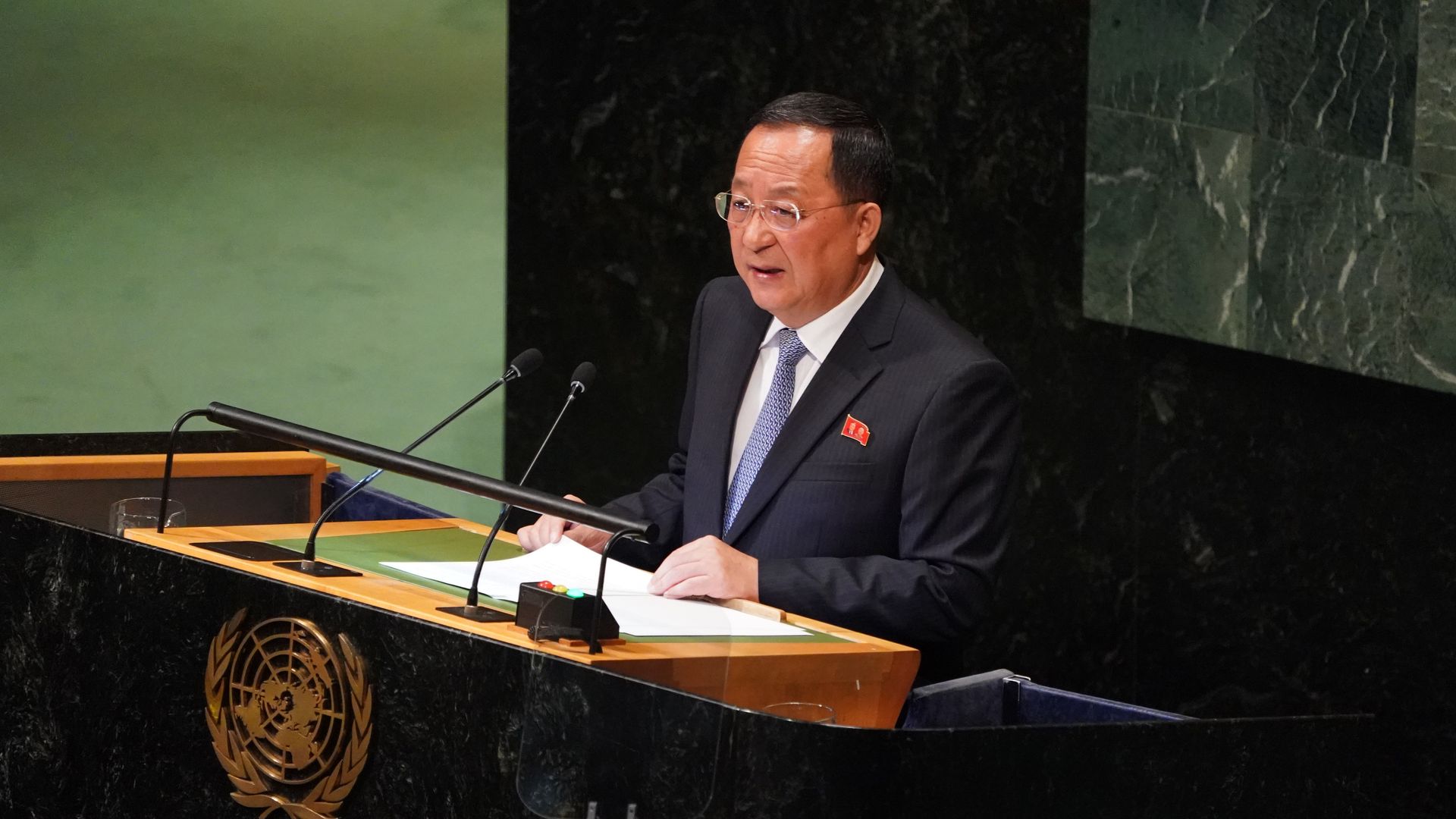
North Korean Foreign Minister Ri Yong Ho said at the UN General Assembly Saturday that the U.S. must follow through on the promises it agreed to at the June 12 summit, and that the country will never denuclearize if it cannot trust the Americans, the AP reports.
Why it matters: Talks between the two countries have stalled after President Trump directed Secretary of State Mike Pompeo to cancel his August trip to North Korea, claiming the regime was not "making sufficient progress with respect to denuclearization." The two sides appear to still be invested in further negotiations, however, as Pompeo plans to make a trip to Pyongyang next month amid talks of a second summit between Trump and Kim Jong-un.

Macedonia’s future hangs in the balance with naming referendum
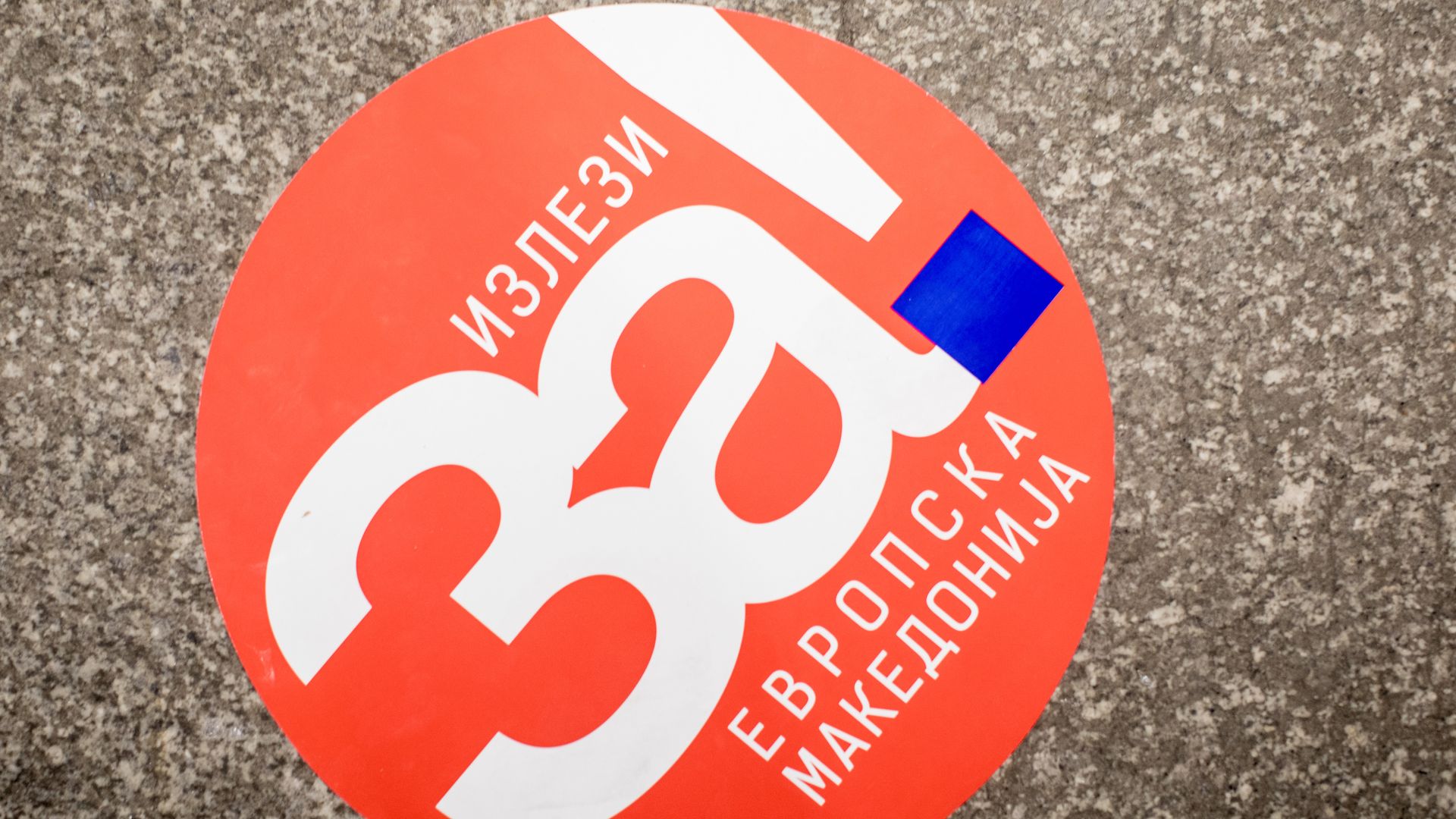
Macedonians will head to the polls this Sunday to vote on the historic Prespa agreement that could end a 27-year diplomatic impasse with Greece, which has refused to recognize the country's name since it declared independence in 1991. The agreement could also set the Balkan country on a long-desired path to NATO and EU accession.
Why it matters: For Balkan countries seeking NATO and EU membership, Macedonia’s success would signal that the door is open. By lighting a pathway to Euro-Atlantic integration, Washington and Brussels could also leverage a “yes” vote to promote democracy and stability in the region, while signaling to the Kremlin that its continued meddling won’t be tolerated. Either way, the referendum's outcome will have significant geopolitical implications for Europe and the U.S.