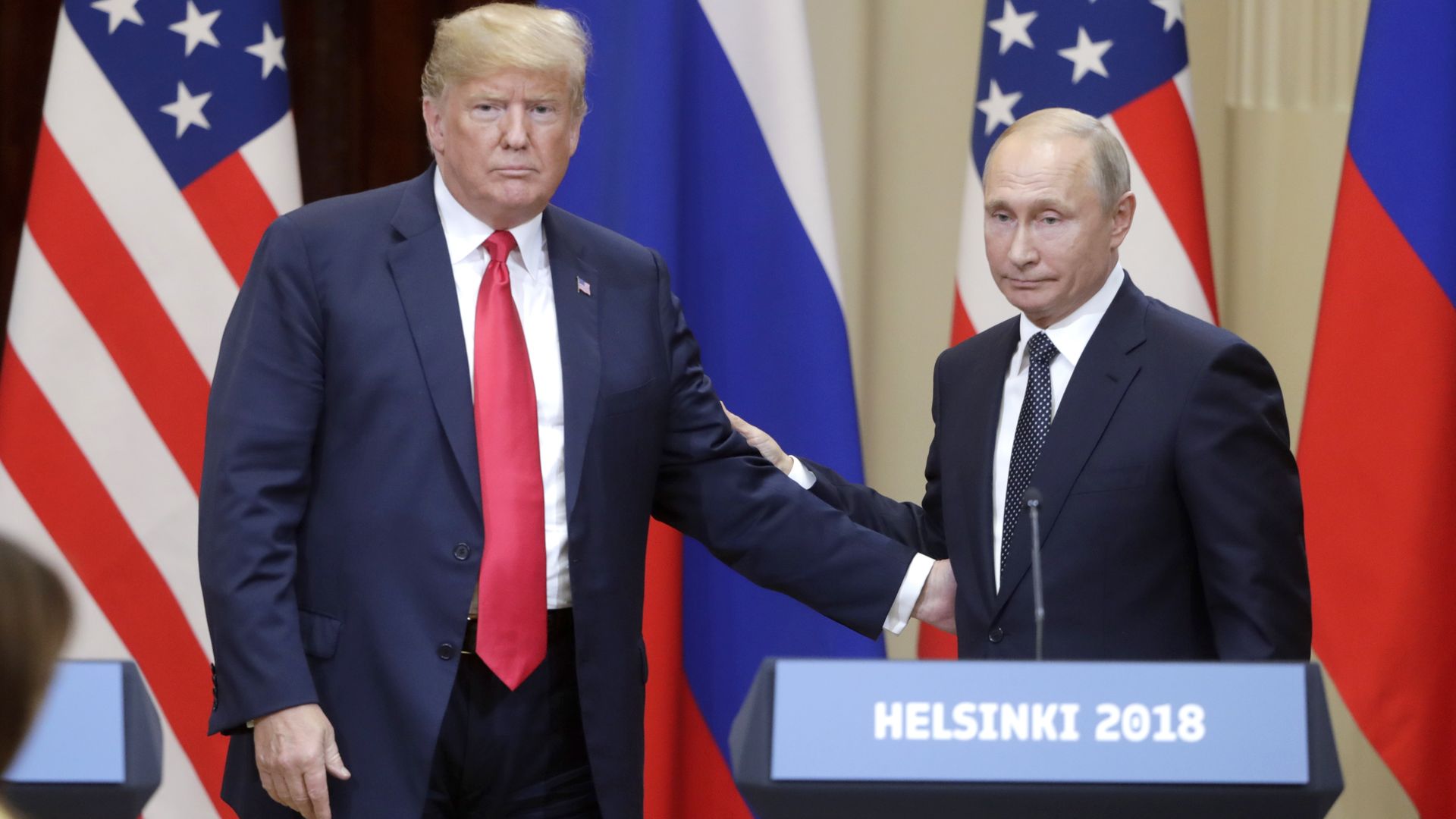
The percentage of Russians who are confident President Trump will "do the right thing regarding world affairs" plummeted over the last year from 53% to 19%, according to Pew's annual Global Attitudes survey.
By the numbers: Trump's campaign push for warmer ties with Moscow clearly broke through, with 41% of Russians viewing the U.S. favorably in the months after he took office — up from 15% at the end of Barack Obama's tenure. That number has now fallen to 26%.
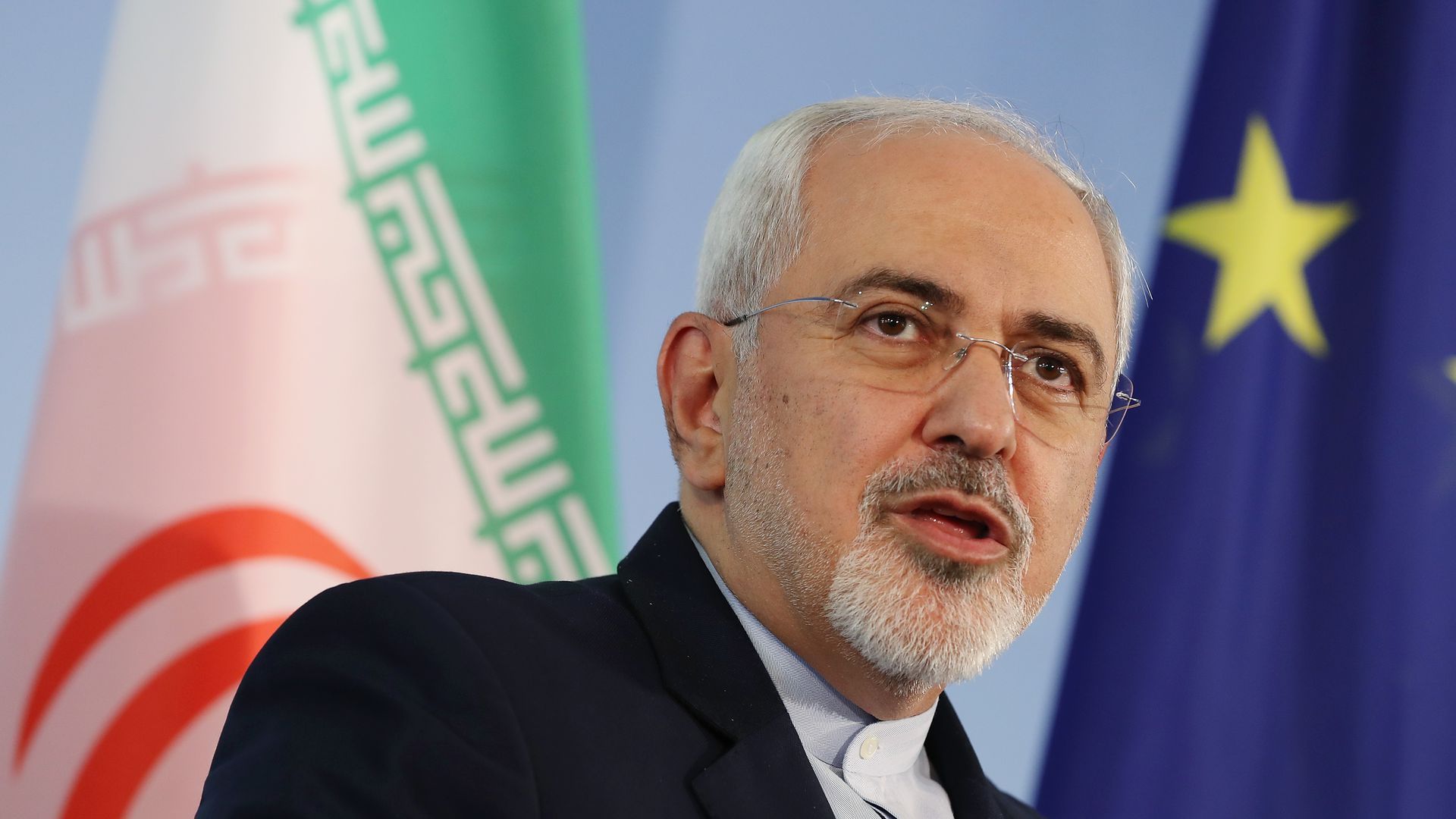
On Saturday afternoon, I asked Iranian Foreign Minister Mohammad Javad Zarif whether he believes that Iran's enemy, the state of Israel, will exist for a long time to come.
What he's saying: "We believe the policies that are being pursued [by Israel] are not sustainable," Zarif told me and a small group of reporters who met with him at the Iranian Mission in New York.
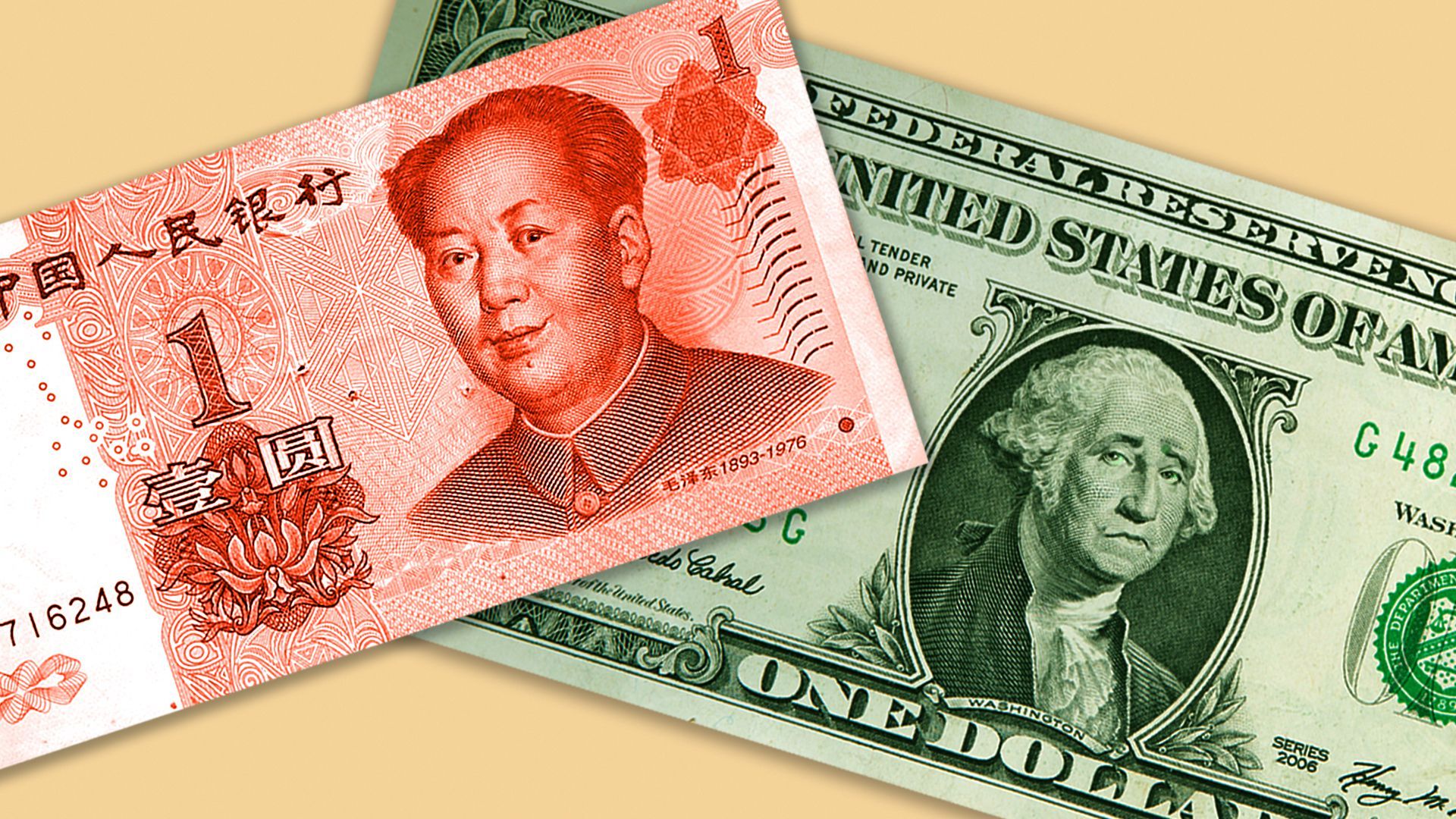
The rise of U.S. unilateralism has given new urgency to the perceived need for a world financial order that isn't dominated by America. When China becomes the world's largest economy, will the financial world still be dominated by the dollar, the Treasury and the Fed? Not if China has any say in the matter.
Why it matters: Even when the U.S. can credibly claim to have the best interests of the rest of the world at heart, its allies chafe at the global hegemon's hubris and overreach, especially when it uses the architecture of international financial plumbing to advance its own geopolitical agenda.
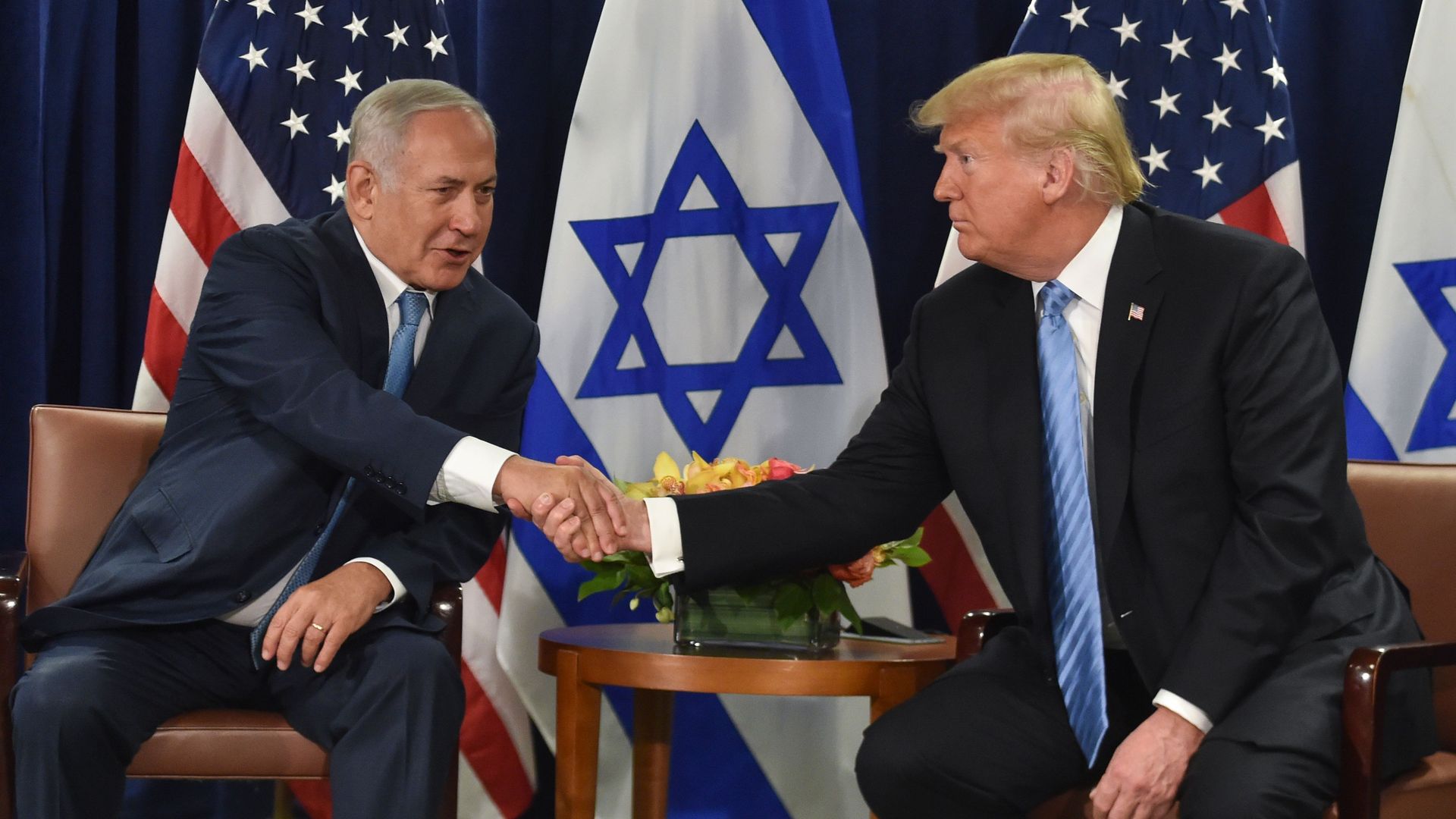
Israeli Prime Minister Benjamin Netanyahu made a controversial decision when he canceled his participation in a UNESCO conference on fighting anti-Semitism held Sept. 26 on the sidelines of the UN General Assembly. Western diplomats and UN officials told me they think that Netanyahu canceled in order not to anger the Trump administration.
Why it matters: UNESCO has been one of the international forums most hostile toward Israel, leading both the U.S. and Israel to announce they would leave the organization by the end of 2018. In the last year, however, UNESCO has not put forth any anti-Israeli resolutions, causing Israeli officials — including Netanyahu — to consider remaining a member. Netanyahu's decision not to show up this week has made it clear that Israel intends to leave.
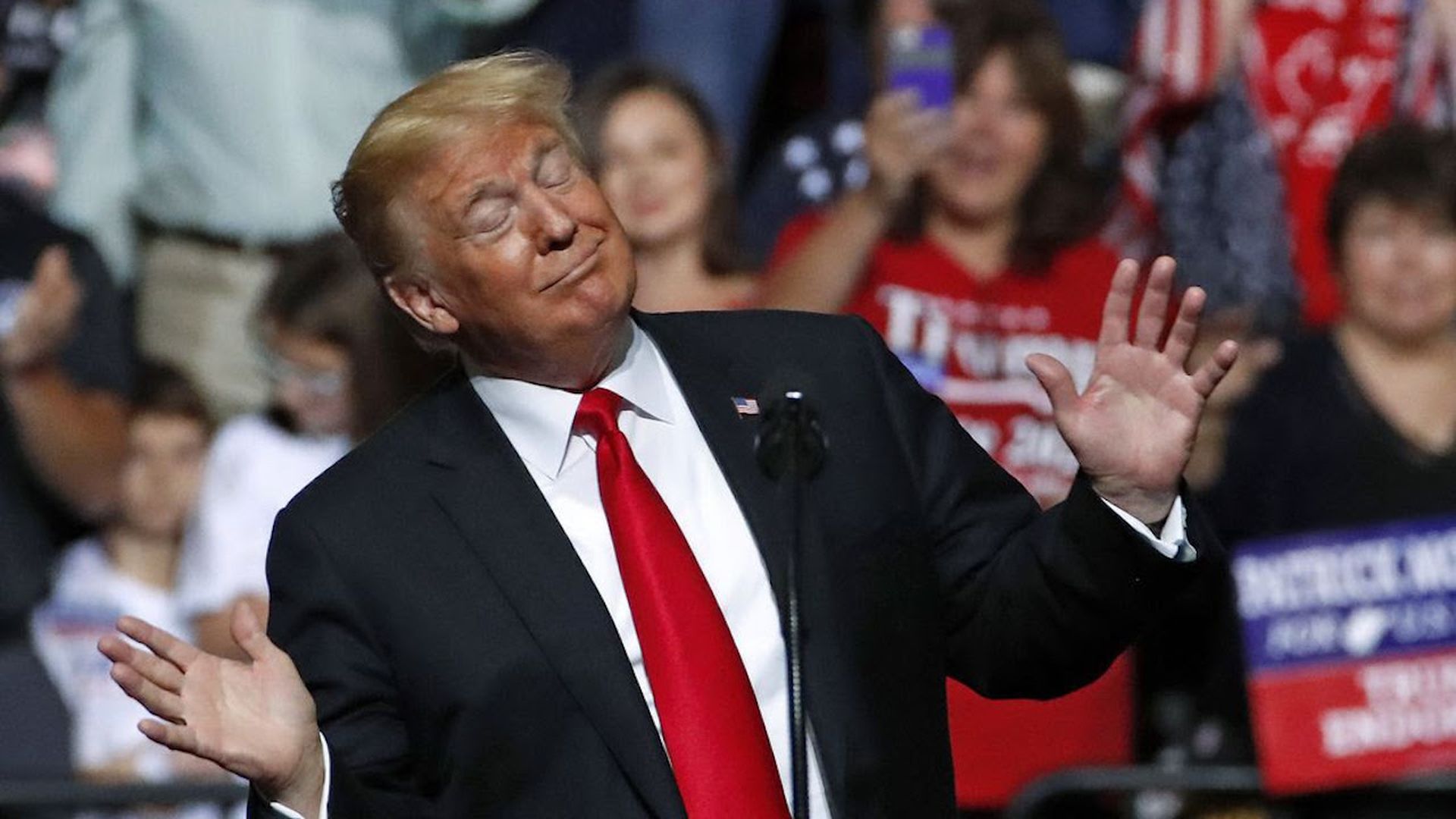
President Trump, rhapsodizes about North Korean dictator Kim Jong-un last night at a rally in Wheeling, West Virginia:
I like him. He likes me. ... And then we fell in love. OK? No, really! He wrote me beautiful letters. And they're great letters. We fell in love. Now they'll say [imitates anchorman]: "Donald Trump said they fell in love. How horrible how horrible is that? So unpresidential!"
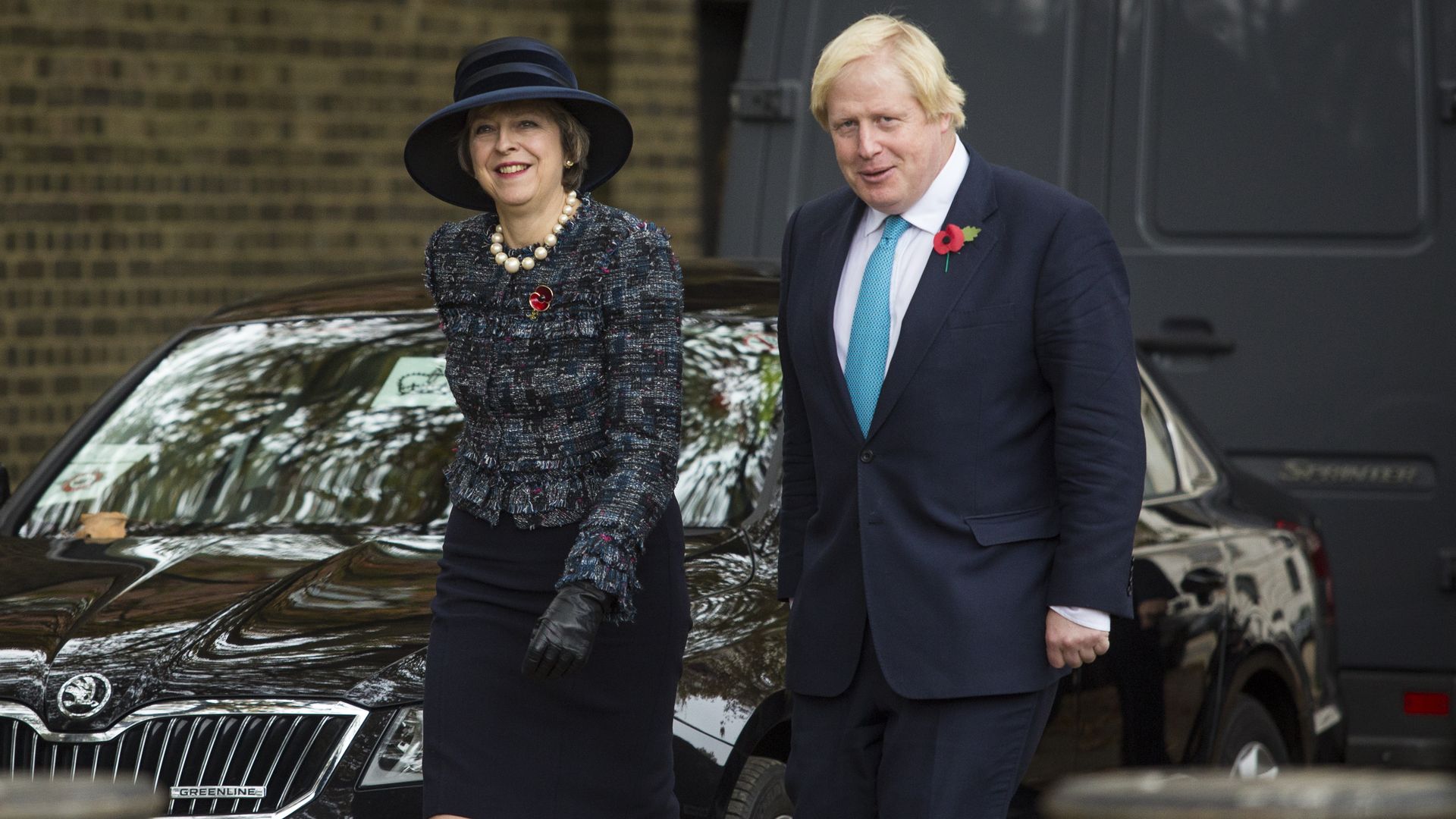
Boris Johnson called U.K. Prime Minister Theresa May's Brexit proposal "deranged" and "entirely preposterous" in an interview with The Sunday Times — just days after he issued his own plan for "a better Brexit" with a lengthy piece in The Telegraph.
The big picture: Johnson's comments come at the start of the Conservative Party's annual conference as it finds itself in a civil war over how to move forward with Brexit. May wants to use the conference to unite her party behind her "soft" Brexit Chequers plan, which she repeatedly defended to the BBC in response to Johnson's comments as "the best deal for Britain," even though it's already been rejected as an option by the European Union.