Wednesday's world stories

France says Iran was behind foiled bomb attack
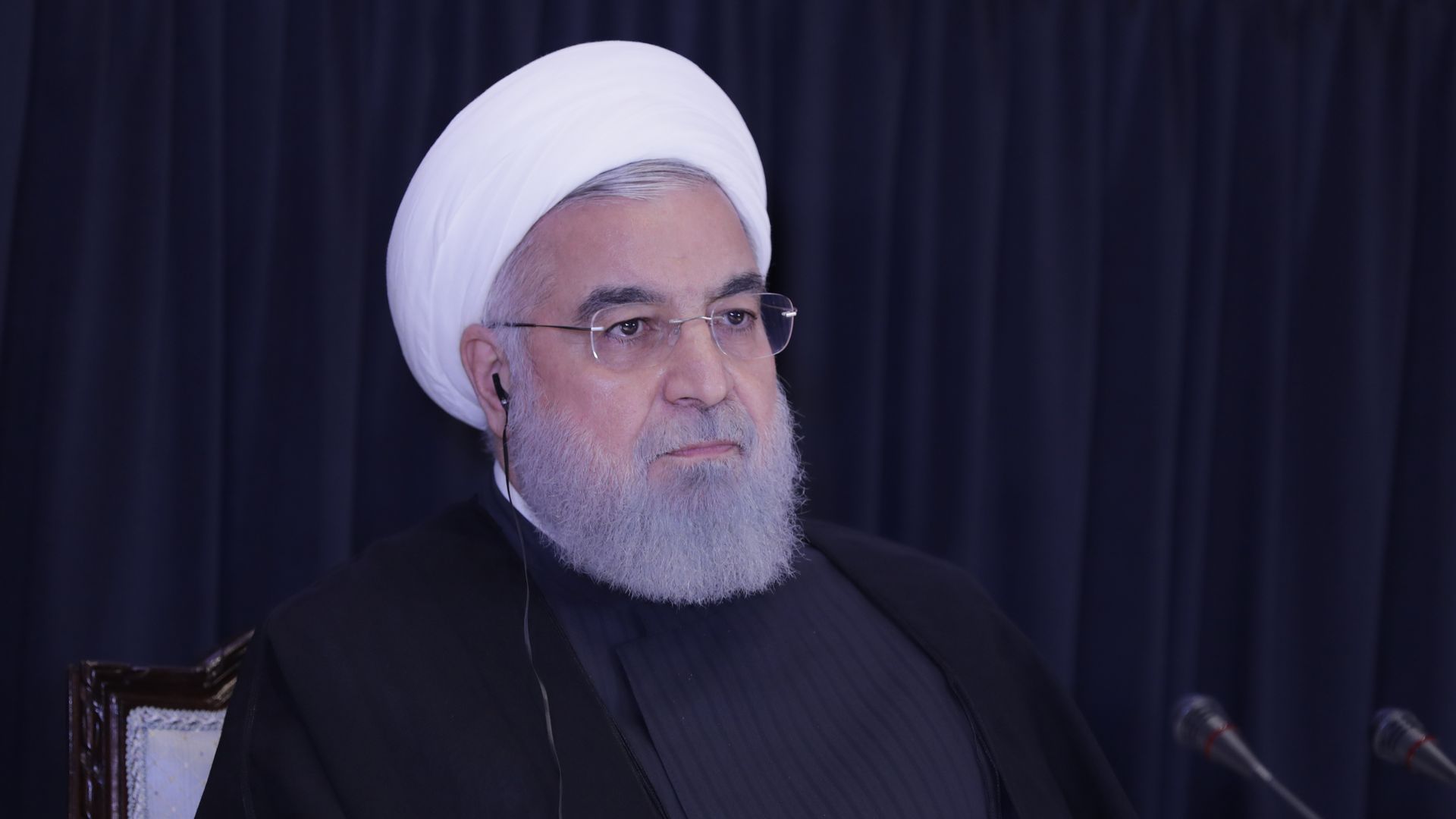
France is blaming Iran's ministry of intelligence for a foiled bombing attack earlier this year that was to target an opposition group's meeting in Paris, the New York Times reports.
The big picture: The strong rebuke from France is significant because it illustrates France's willingness to "punish Iran for hostile actions," while continuing to stand by the 2015 nuclear deal, the Times notes.

With Syria strike, Iran continues ramping up ballistic missile use
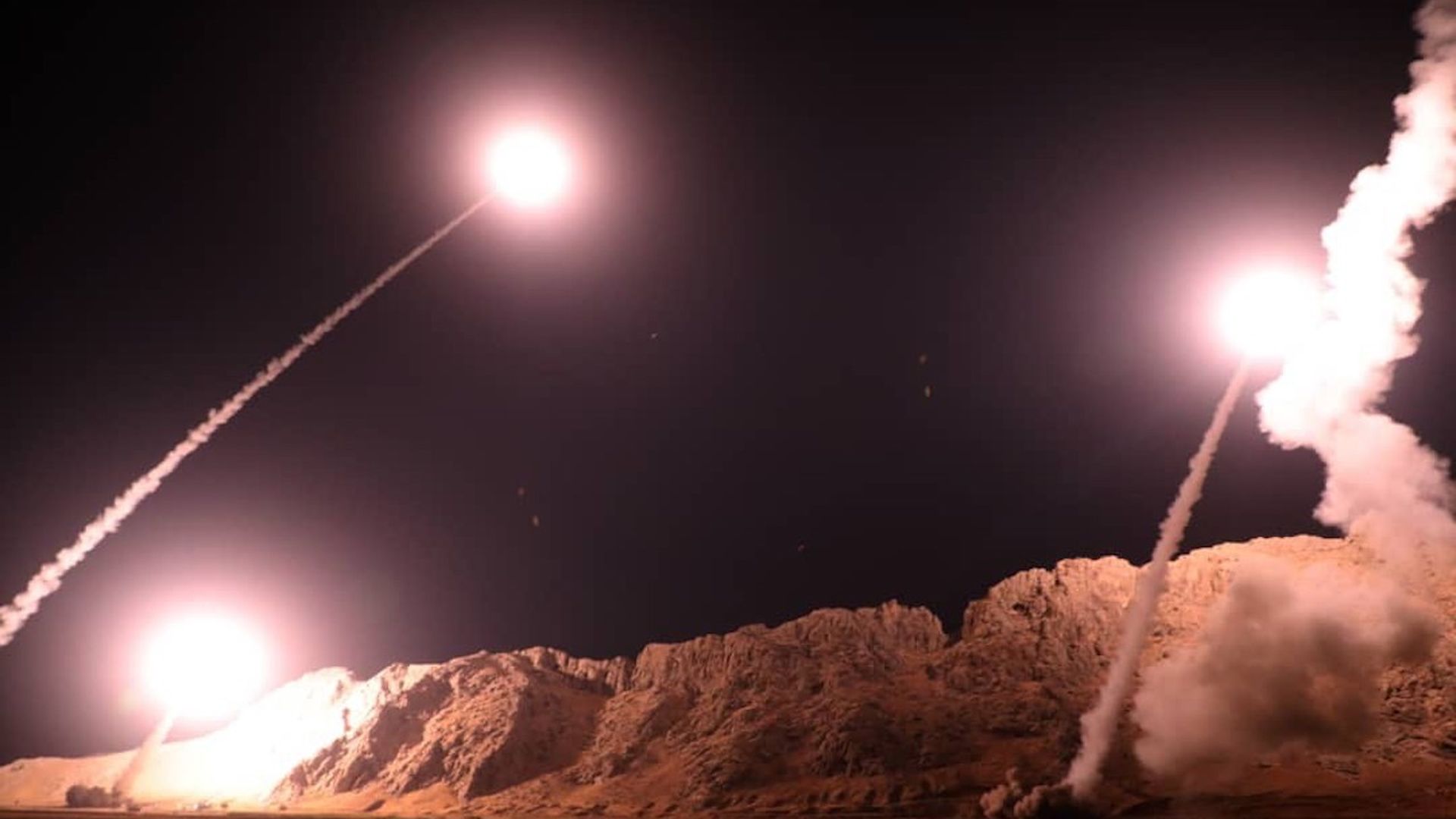
Iran’s Islamic Revolutionary Guard Corps fired six ballistic missiles into eastern Syria on Monday. The strike — whose efficacy is debatable — was in response to a Sept. 22 terrorist attack on a military parade in the city of Ahvaz in southwestern Iran. Both the Islamic State, or ISIS, and a local Arab resistance group took responsibility for the attack.
Why it matters: The missile strike — allegedly coupled with bombardments from unmanned aerial vehicles — targeted the town of Hajin, near the Iraqi border. Likely because of the proximity of the strike to U.S. and coalition forces in the region fighting ISIS, a U.S. military official reportedly called the strikes, “reckless, unsafe and escalatory.” According to the spokesperson for the U.S.-led coalition against ISIS, Iran also did not issue advance warning.

Putin calls poisoned former agent Sergei Skripal a "traitor"
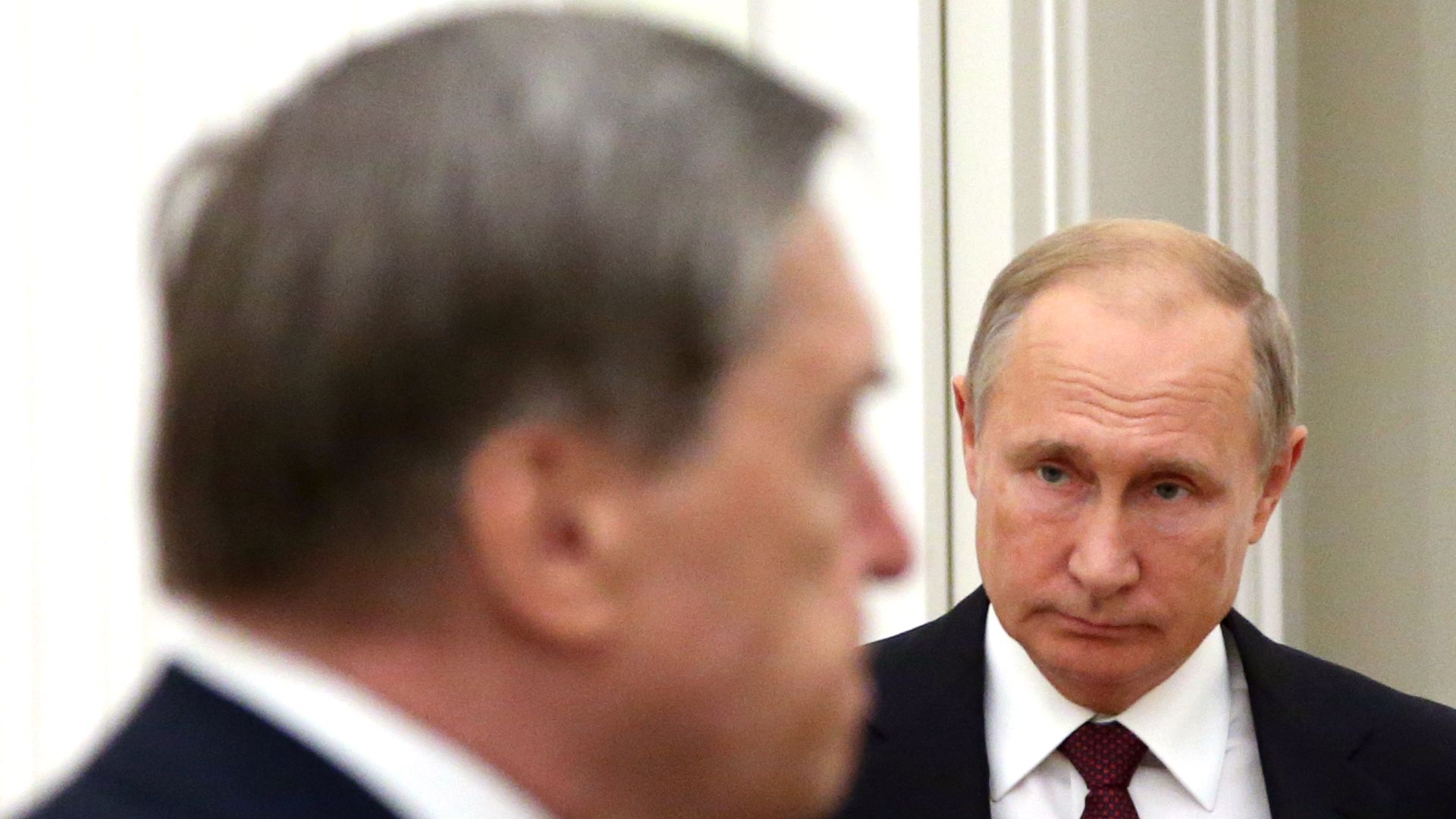
Russian President Vladimir Putin called Sergei Skripal — the former Russian double agent who was poisoned with a nerve agent in Salisbury, England — "a traitor to the motherland" while addressing an energy conference in Moscow, according to the Financial Times.
"I see that some of your colleagues are pushing the theory that Mr. Skripal is almost some kind of human rights activist. He is just a spy. A traitor to the motherland. There is such a thing — a traitor to the motherland. Here he is — one of them."
Why it matters: The U.K. has accused two alleged Russian military intelligence officers of poisoning Skripal and his daughter last year and claimed that the operation was almost certainly approved at a senior level of the Kremlin. Up until now, Putin's strategy for dealing with the diplomatic fallout has largely been to deny that Russia or the accused men had any role in the attack, insisting that the U.K. has no evidence for its claims.
Theresa May says U.K. is not afraid to leave the EU without a deal
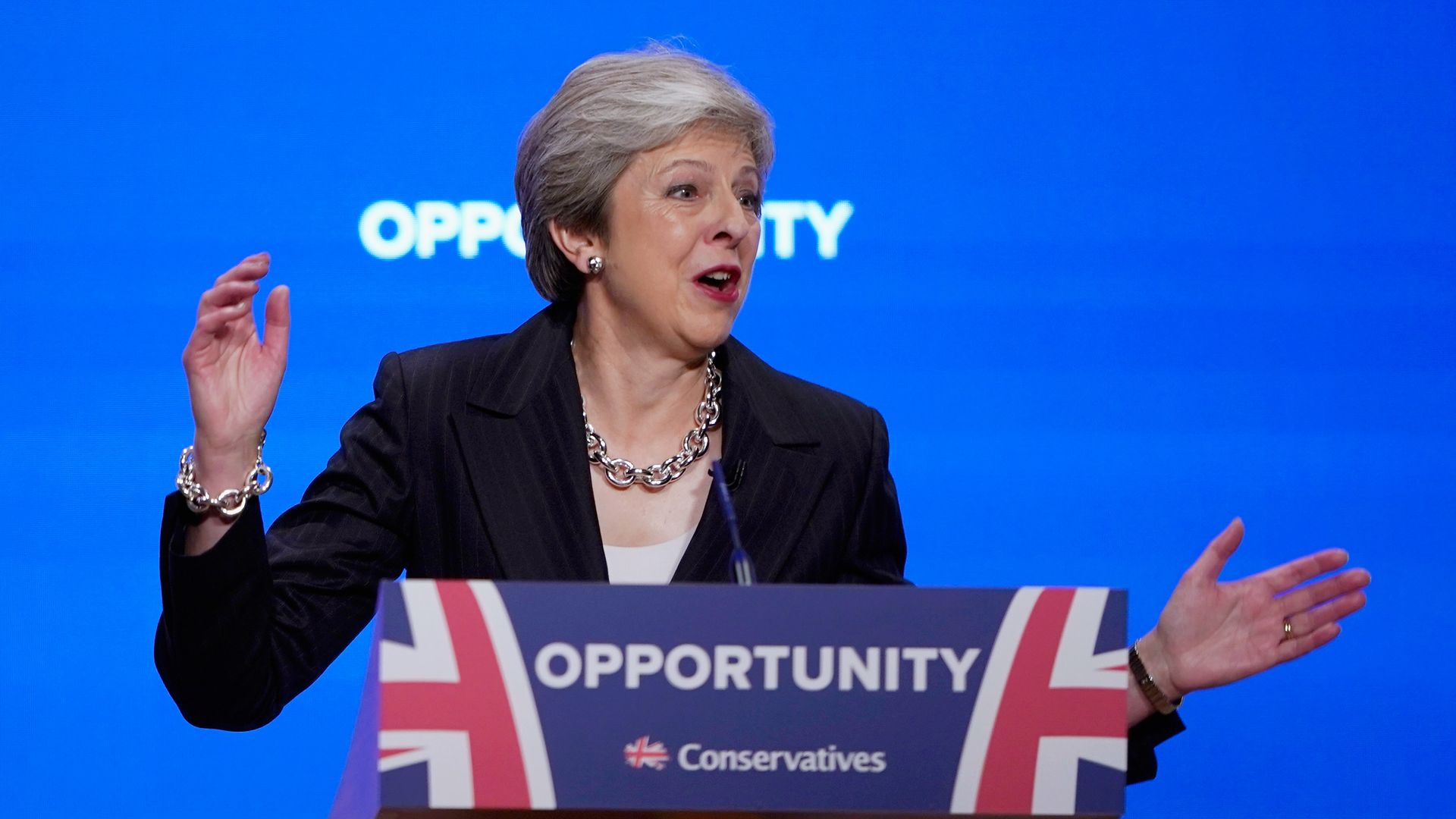
Speaking at the Conservative Party Conference on Wednesday, British Prime Minister Theresa May said the U.K. "isn't afraid to leave [the European Union] with no deal. ... We will not betray the results of the referendum and we will never break up our country."
Why it matters: May's Chequers proposal for Brexit — which she has forcefully claimed is the only possible way forward — has been rebuffed by both EU negotiators and hardline members of her own party. An emergency summit in November is widely considered the last real chance the U.K. and EU have to strike a deal to avoid a crash landing before Brexit occurs in March.
UN court orders U.S. to allow humanitarian trade with Iran
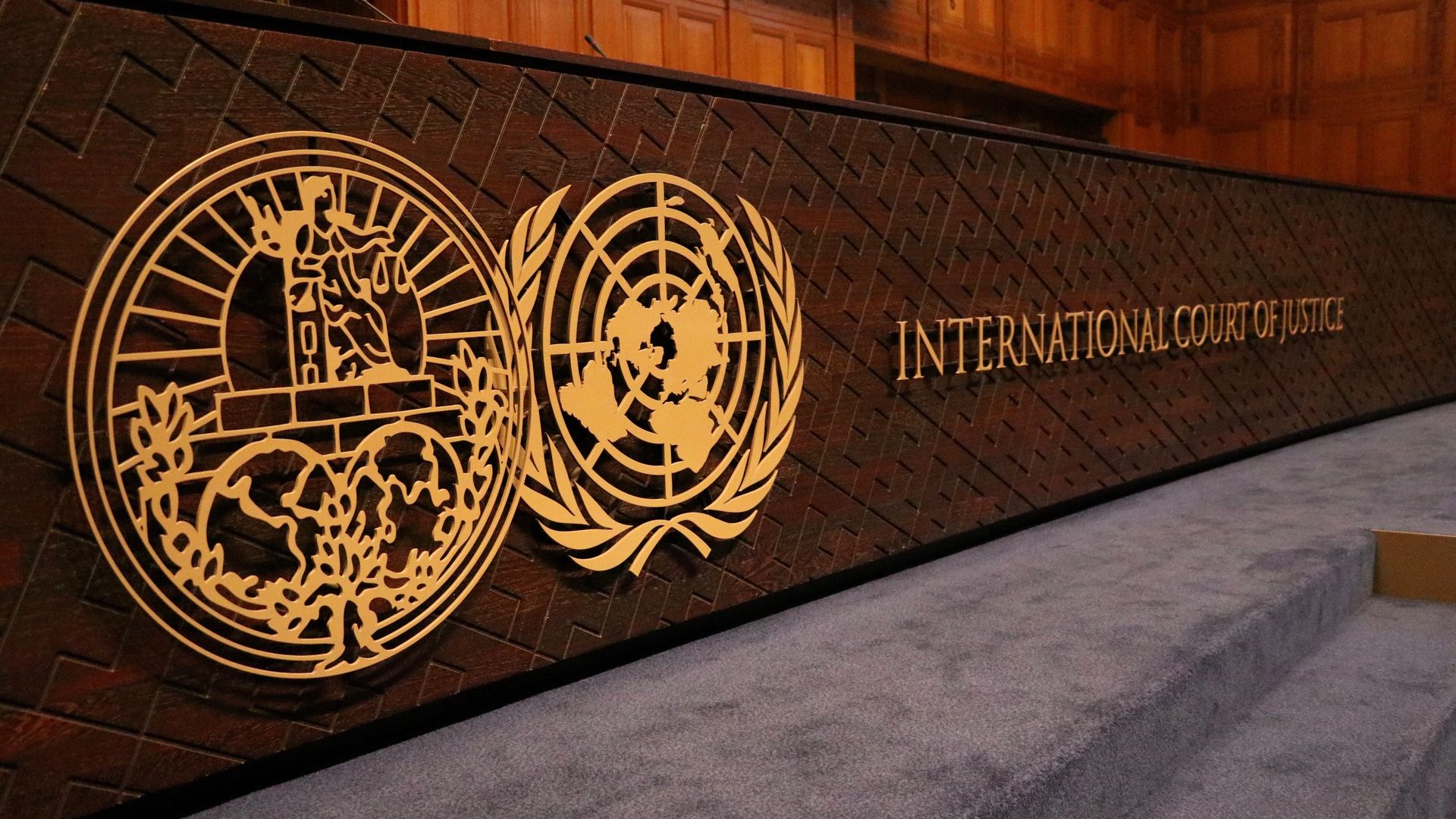
The United Nations' International Court of Justice ruled on Wednesday that the U.S. must lift restrictions against exporting humanitarian goods to Iran due to its latest round of sanctions, the Washington Post reports.
The big picture: The order applies to things like agricultural commodities, medicine, medical devices, and items needed for civil aircraft maintenance. And while Iran's foreign minister called the decision "another failure" for the U.S. on the international stage, the court doesn't actually have any power to enforce its ruling.

Pompeo, Kim Jong-un meeting scheduled for Sunday
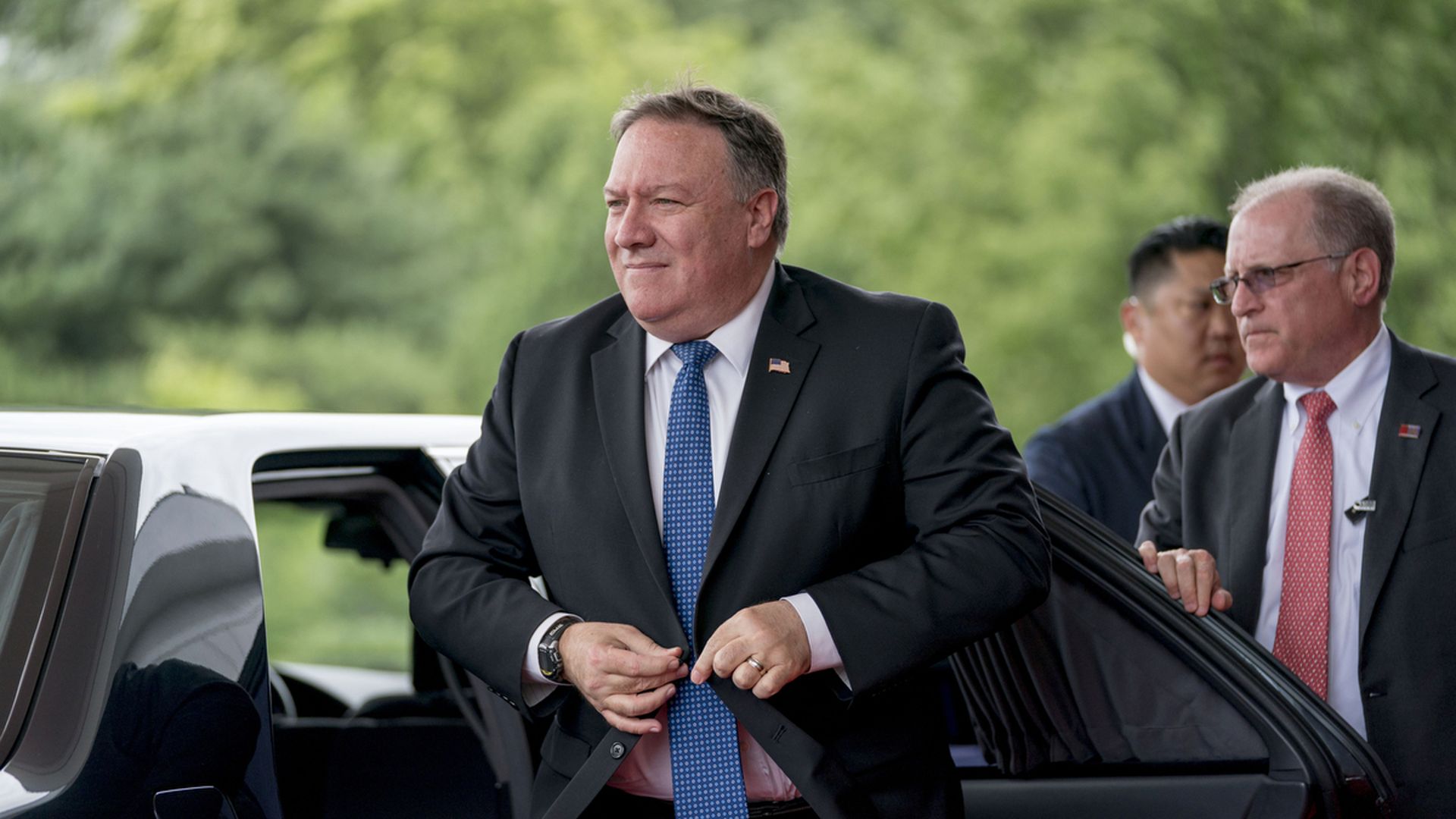
Secretary of State Mike Pompeo will travel to Pyongyang to meet with North Korean leader Kim Jong-un on Sunday, State Department spokeswoman Heather Nauert announced Tuesday.
Why it matters: The State Department confirmed late last month that the two would meet in October. The upcoming meeting gives the two an opportunity to make up for lost ground after an August meeting was called off by President Trump, and following accusations by Pyongyang that Pompeo had tried to jam them with denuclearization demands after a prior meeting. Trump is considering a second meeting with Kim in the coming months.
How online propaganda weaponized social media
In 2013, when Peter Singer started writing a new book about online propaganda, the topic was largely speculative for U.S. readers. Singer and co-author Emerson Brooking watched in horror as their research merged with America's reality in 2016.
The big picture: "Russia is not the full story," Singer tells Codebook. "Russia is just a chapter in a larger book." If anything, says Singer, our election-focused taste of misinformation might minimize the breadth of the problem.
U.S. NATO ambassador warns Russia about missile development
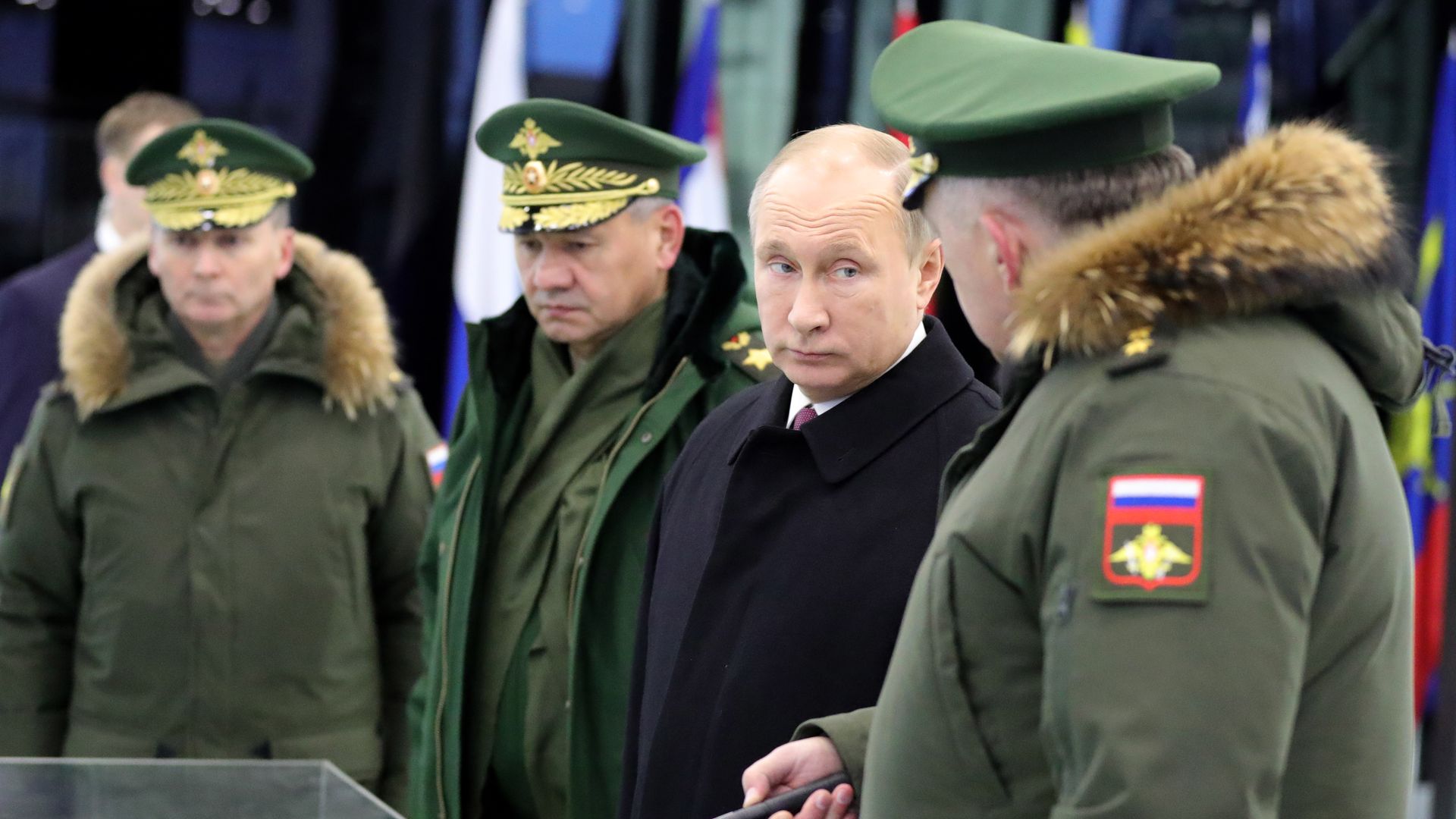
U.S. Ambassador to NATO Kay Bailey Hutchison warned Monday that if Russia continues its suspected development of a missile banned by a Cold War treaty, the U.S. may act to "take out" the system before it becomes operational, reports Reuters. She later clarified that she was "not talking about preemptively striking Russia."
The big picture: NATO has accused Russia of violating the 1987 Intermediate Range Nuclear Forces treaty, which outlawed all intermediate-range missiles that could be used to strike Europe on short notice. Hutchinson tweeted: "[Russia] needs to return to INF Treaty compliance or we will need to match its capabilities to protect US & NATO interests. The current situation, with [Russia] in blatant violation, is untenable."
This story has been updated to reflect Hutchinson's clarification.