Tuesday's world stories

Pompeo, Kim Jong-un meeting scheduled for Sunday
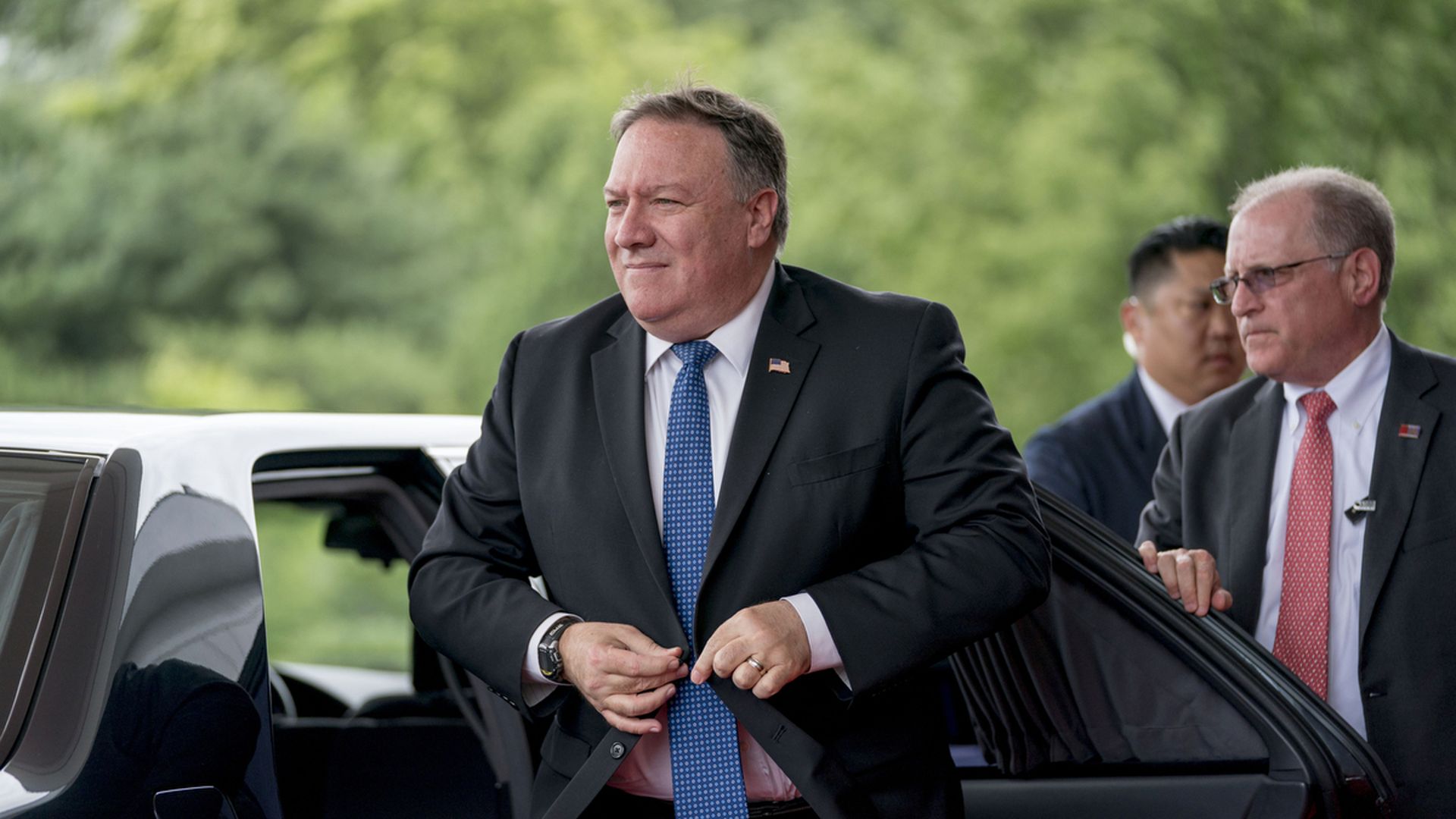
Secretary of State Mike Pompeo will travel to Pyongyang to meet with North Korean leader Kim Jong-un on Sunday, State Department spokeswoman Heather Nauert announced Tuesday.
Why it matters: The State Department confirmed late last month that the two would meet in October. The upcoming meeting gives the two an opportunity to make up for lost ground after an August meeting was called off by President Trump, and following accusations by Pyongyang that Pompeo had tried to jam them with denuclearization demands after a prior meeting. Trump is considering a second meeting with Kim in the coming months.
How online propaganda weaponized social media
In 2013, when Peter Singer started writing a new book about online propaganda, the topic was largely speculative for U.S. readers. Singer and co-author Emerson Brooking watched in horror as their research merged with America's reality in 2016.
The big picture: "Russia is not the full story," Singer tells Codebook. "Russia is just a chapter in a larger book." If anything, says Singer, our election-focused taste of misinformation might minimize the breadth of the problem.

U.S. NATO ambassador warns Russia about missile development
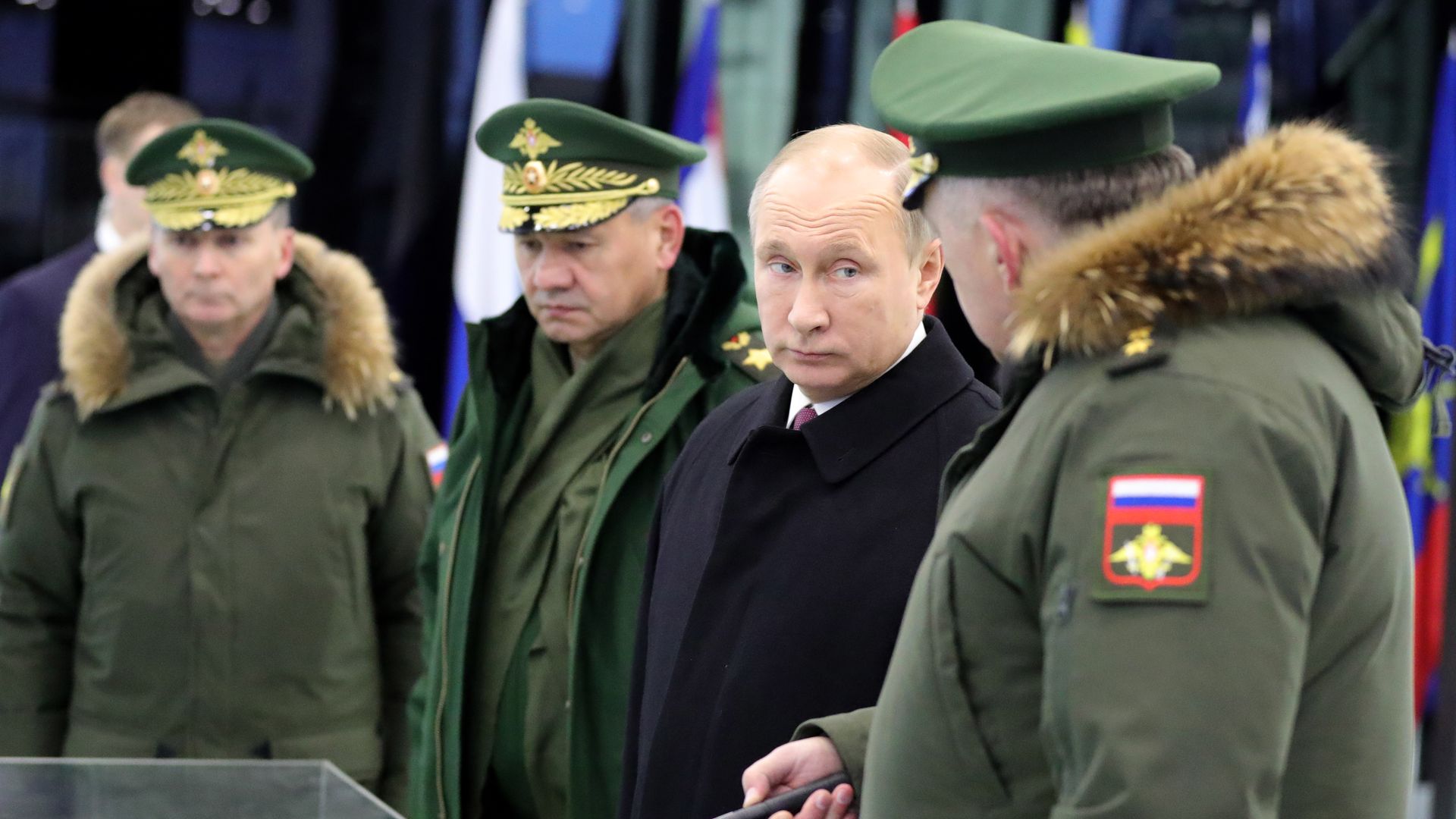
U.S. Ambassador to NATO Kay Bailey Hutchison warned Monday that if Russia continues its suspected development of a missile banned by a Cold War treaty, the U.S. may act to "take out" the system before it becomes operational, reports Reuters. She later clarified that she was "not talking about preemptively striking Russia."
The big picture: NATO has accused Russia of violating the 1987 Intermediate Range Nuclear Forces treaty, which outlawed all intermediate-range missiles that could be used to strike Europe on short notice. Hutchinson tweeted: "[Russia] needs to return to INF Treaty compliance or we will need to match its capabilities to protect US & NATO interests. The current situation, with [Russia] in blatant violation, is untenable."
This story has been updated to reflect Hutchinson's clarification.

Russia gives up on Trump
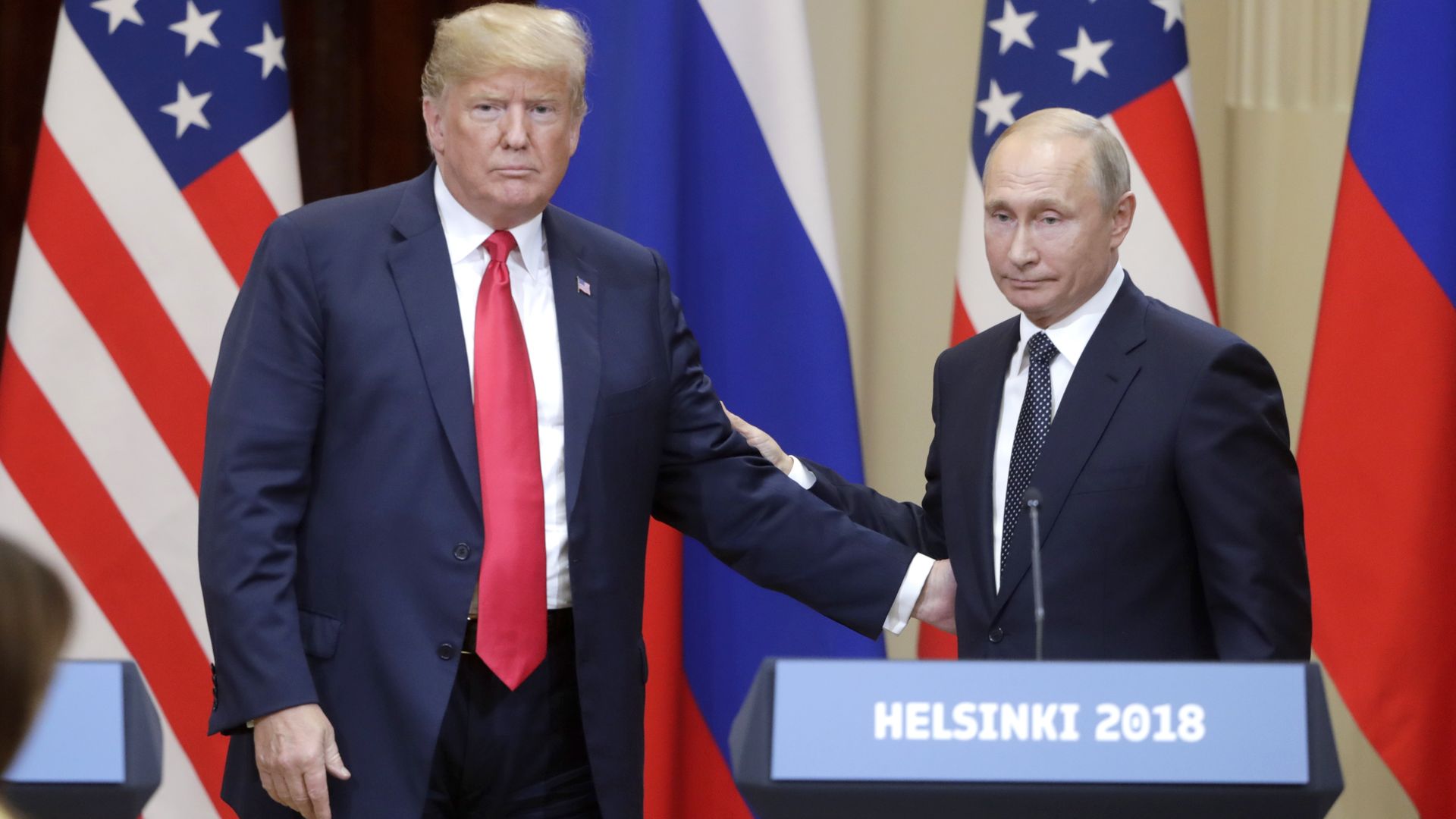
The percentage of Russians who are confident President Trump will "do the right thing regarding world affairs" plummeted over the last year from 53% to 19%, according to Pew's annual Global Attitudes survey.
By the numbers: Trump's campaign push for warmer ties with Moscow clearly broke through, with 41% of Russians viewing the U.S. favorably in the months after he took office — up from 15% at the end of Barack Obama's tenure. That number has now fallen to 26%.