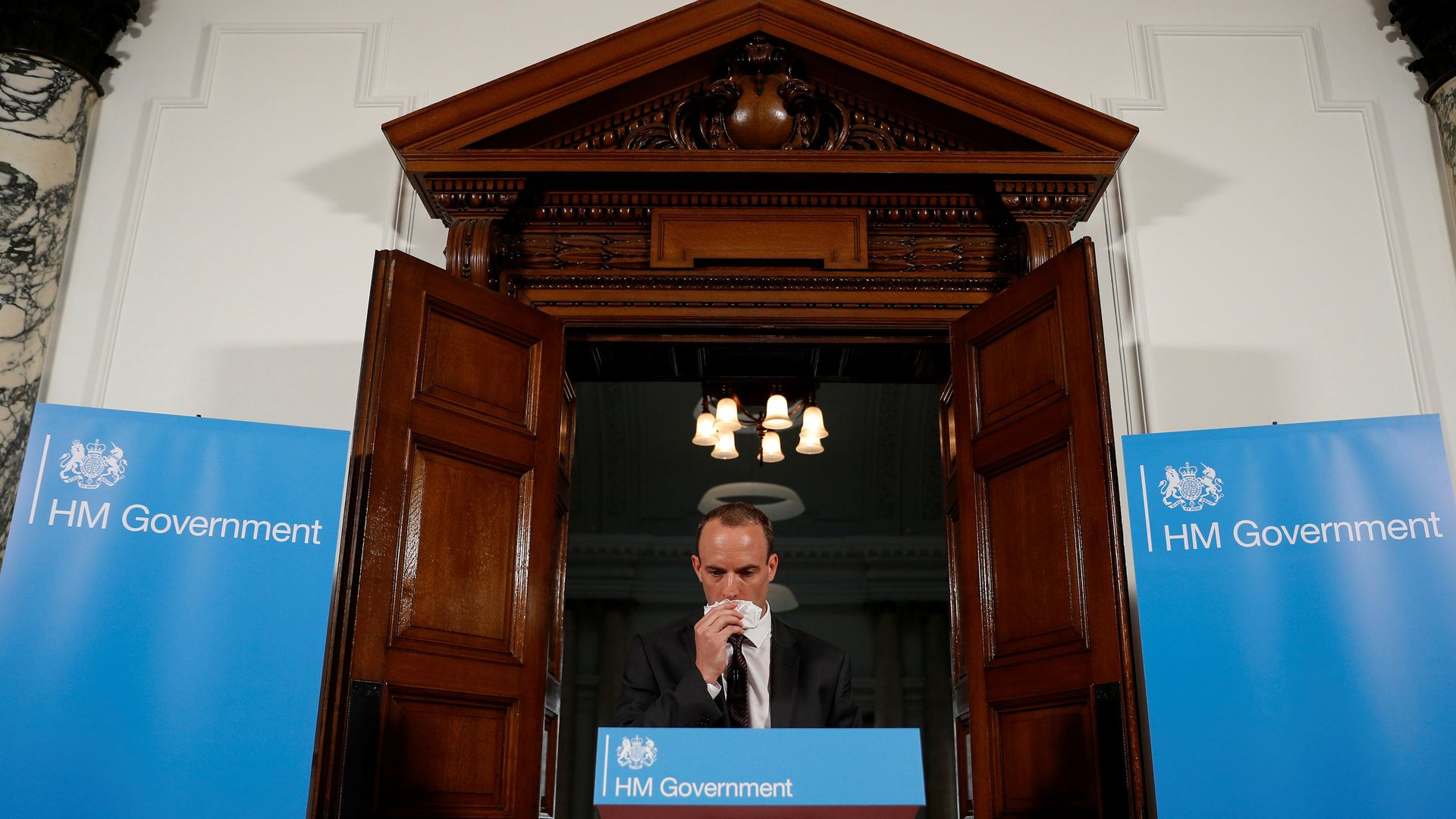
With the Brexit deadline approaching and breakthroughs proving elusive, U.K. officials today released a contingency plan for crashing out of Europe without an exit deal.
Between the lines: The immediate consequences of a "no-deal Brexit" include possible shortages of medicine and benefits losses for British pensioners living in Europe. A bad breakup between the world's 5th largest economy and a bloc that accounts for nearly half its trade would also have long-lasting consequences that stretch across the continent and beyond.
Dominic Raab, the U.K.'s Secretary of State for Exiting the European Union, today outlined steps the country should take in the event that no Brexit deal is reached with the EU.
Why it matters: Raab said 80% of the withdrawal treaty has been negotiated, and that while he hopes and expects the rest of the sticking points to be smoothed over by year's end, the British government has "a duty to plan for every eventuality." Chief among the consequences of a no deal Brexit would be the potential for shortages of medicine and medical devices.
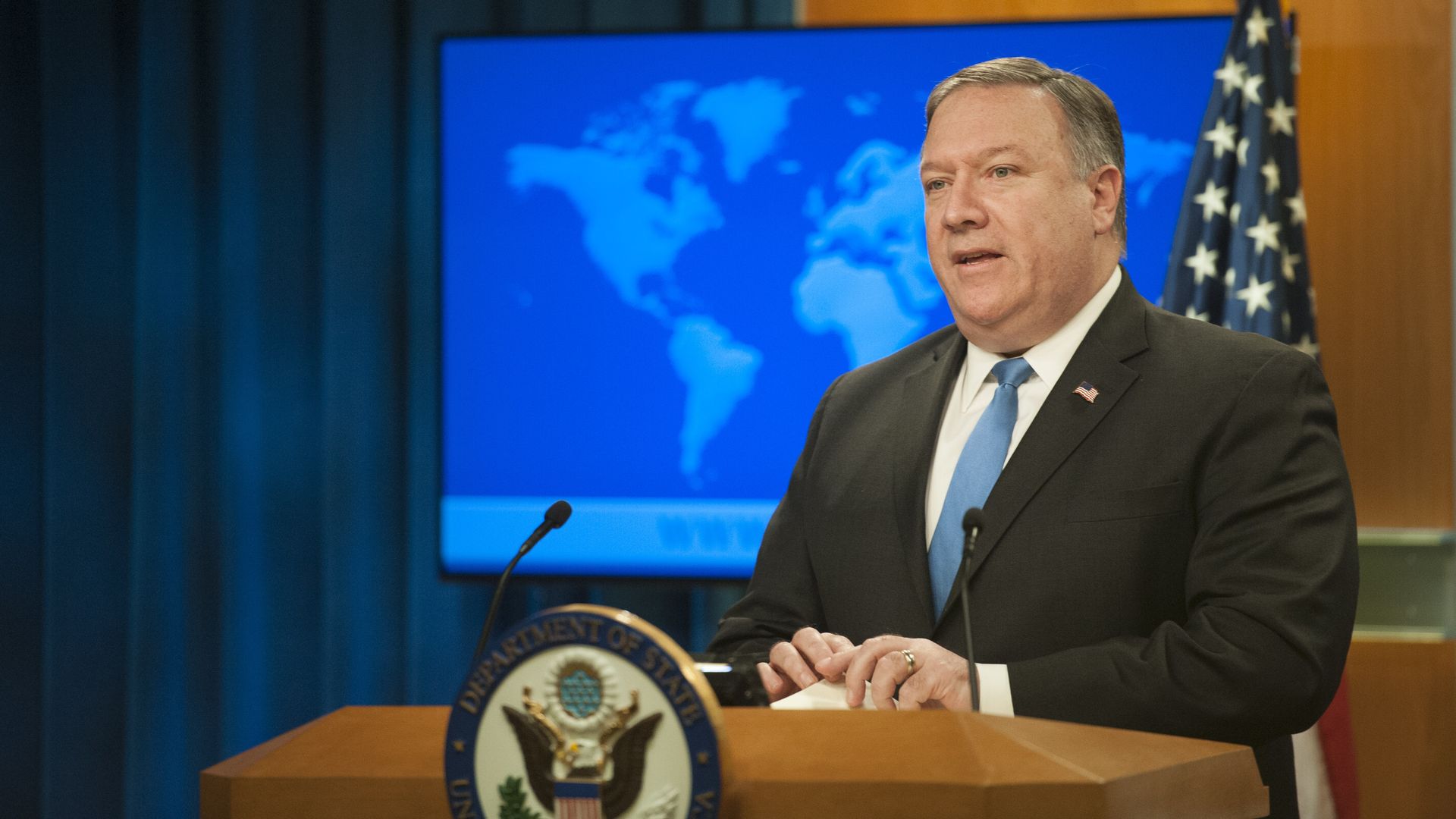
Secretary of State Mike Pompeo announced on Thursday that he'll be traveling to North Korea next week along with Stephen Biegun, whom he named as special representative to the regime. Biegun served on George W. Bush's National Security Council, and is retiring as an executive at Ford Motor Company at the end of this month.
Why it matters: North Korea has thus far taken no significant steps toward denuclearization since the summit between President Trump and Kim Jong-un in June. Pompeo's last visit was a rocky one, but this time might have to go better in order to convince the Trump administration Kim is serious about the process.
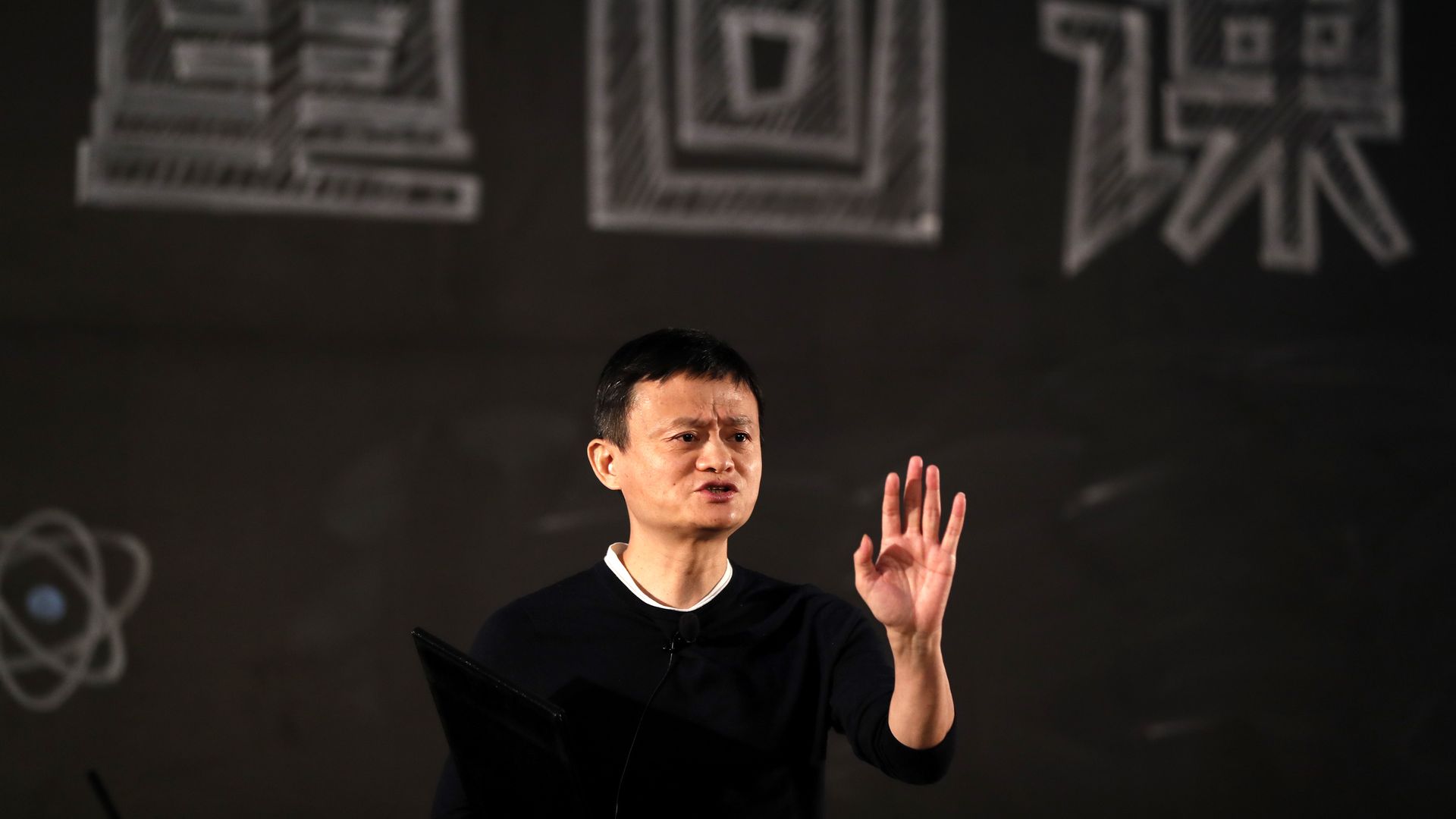
Alibaba's stock jumped about 3% in pre-market trading after the Chinese e-commerce giant beat analysts' expectations in its latest earnings report with a 61% jump in revenue compared to the same quarter last year.
The big picture: Alibaba's market boost comes as Chinese tech stocks are getting clobbered across the board. Social media giant Tencent and Alibaba's homegrown e-commerce rival, JD.com, both saw share prices fall after narrowly missing earnings expectations. And Baidu's stock is suffering in part due to rumblings that Google may be trying to get back into the Chinese market.
A poll of U.K. executives revealed that — aside from Brexit — the prospect of a Labour Party government led by Jeremy Corbyn is considered the biggest threat facing British businesses in the coming months, reports the Financial Times.
The big picture: The 39% of executives that named a Labour government as one of the three most pressing challenges — compared to 51% for Brexit — did so because of Corbyn's pledges to "nationalize the rail, water and postal industries, sharply increase corporation tax and taxes on the most wealthy, and end private finance initiative contracts with the state."
Ten years ago, hubristic Wall Street geniuses came this close to destroying the global economy, saved largely by the Fed feeding trillions of dollars into banks in the U.S. and around the world.
Why it matters: This time, unlike in 2008 and 2009, it may be that no one comes to the rescue, given new U.S.-China tensions, frayed trans-Atlantic relations, and Trump Administration hostility to multi-lateral actions.
U.S officials are trying to extinguish a mini-political fire in Israel after President Trump's speech last night at a political rally in West Virginia during which he said Israel "will have to pay a higher price" in future negotiations with the Palestinians because of his decision to recognize Jerusalem as Israel's capital.
The big picture: While Trump hasn’t spoken publicly for several months about the White House's efforts to draft and launch an Israeli-Palestinian peace plan, his statements yesterday — although not choreographed — showed the issue is still on his agenda.
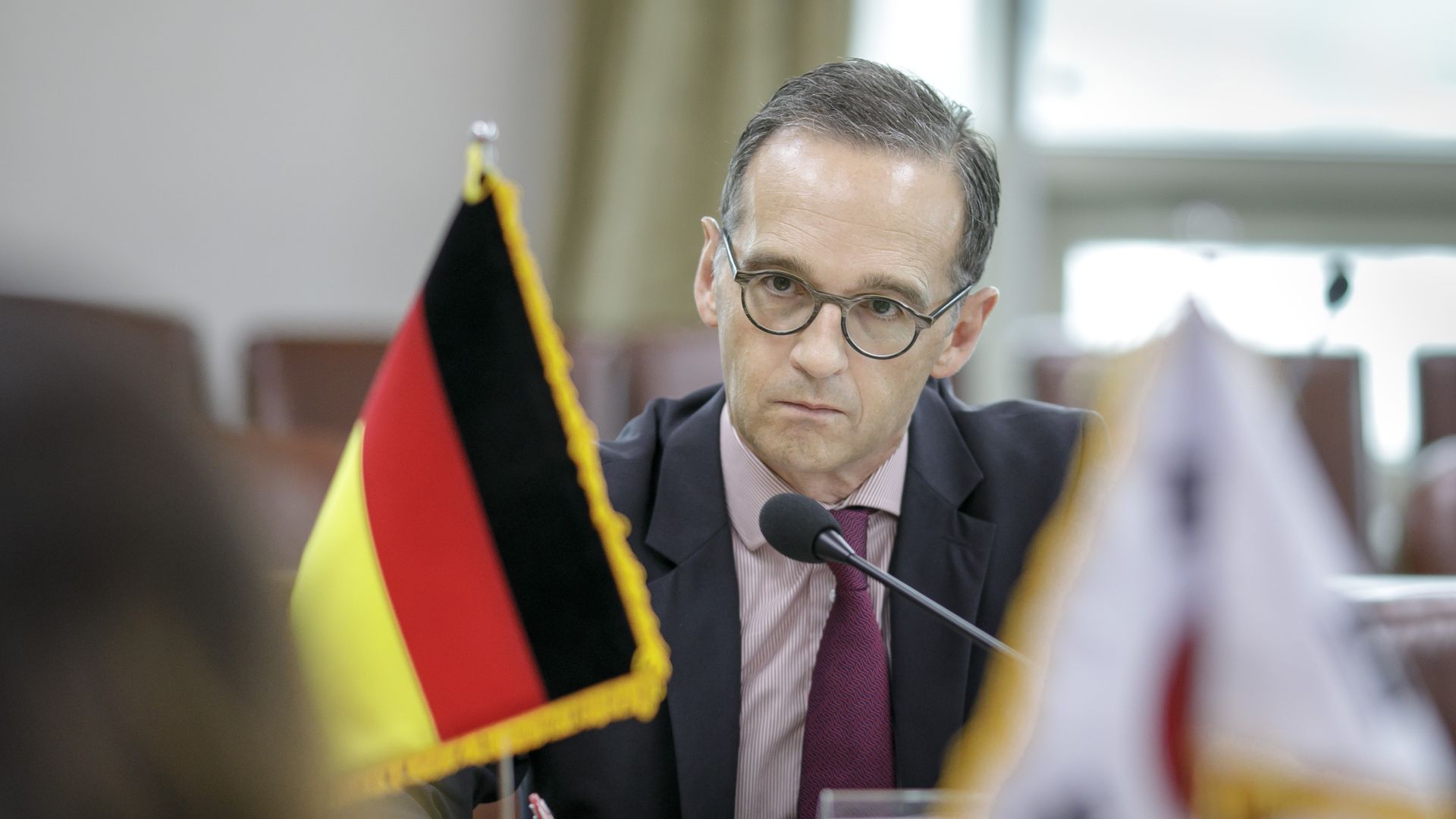
Germany's foreign minister Heiko Maas urged Europe to rethink its partnership with the U.S. in an op-ed in German newspaper Handelsblatt, calling for the establishment of independent payment channels in response to the Trump administration's unilateral withdrawal from the Iran deal.
The big picture: Later this year, the U.S. is expected to cut Iran off from SWIFT, an essential financial network that connects more than 11,000 banks around the world and allows countries to facilitate payments abroad. Maas' call to circumvent the system in order to preserve the Iran deal signals growing tensions in the alliance, recently aggravated by the Trump administration's rejection of a joint European request to be exempted from sanctions.
Michael Cohen's lawyer Lanny Davis said on MSNBC Wednesday that Cohen has information that would be "of interest" to Special Counsel Robert Mueller regarding "knowledge about a conspiracy to corrupt American democracy by the Russians and a failure to report that knowledge."