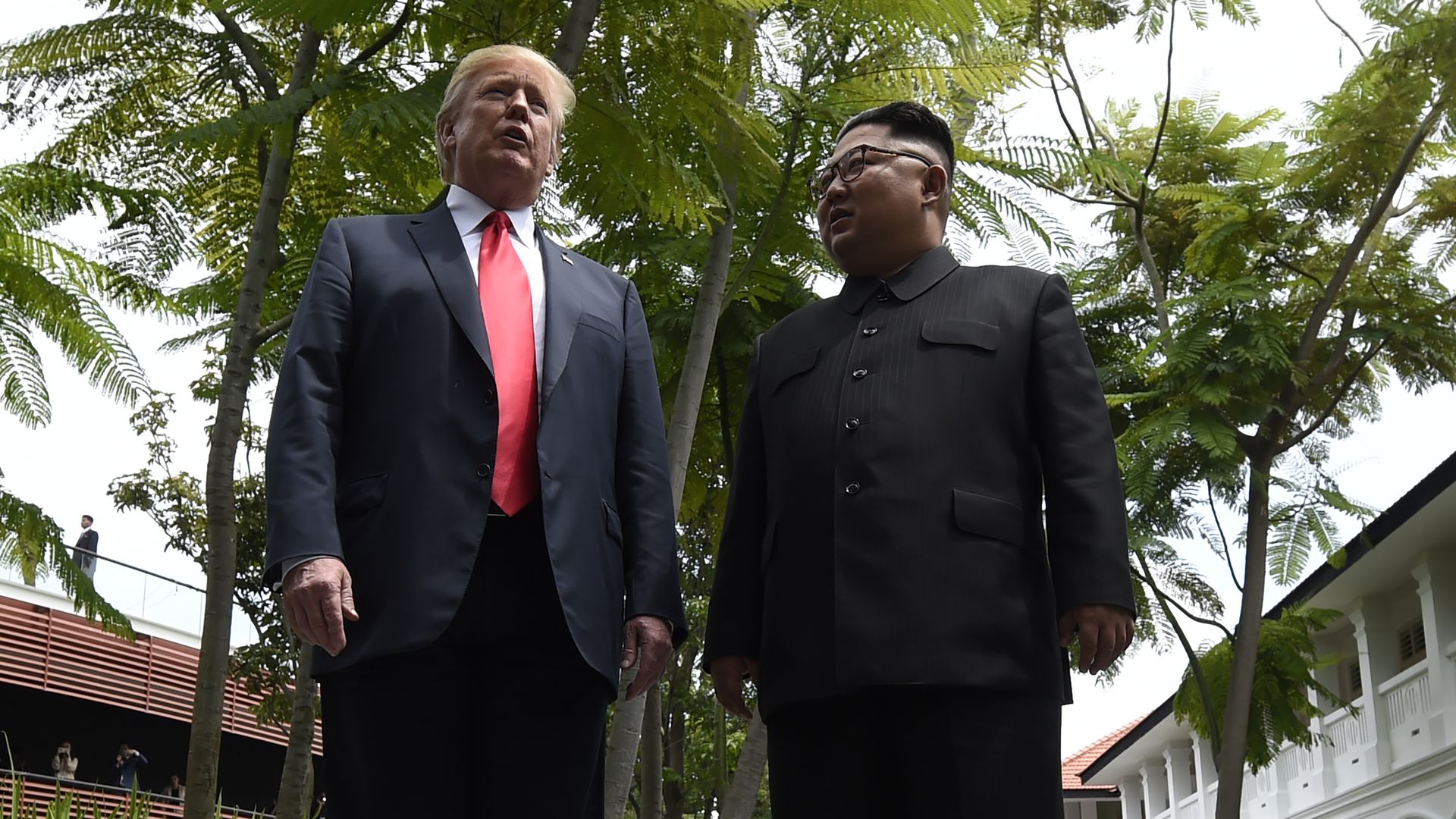
Officials from the U.S. spoke with members of the North Korean delegation on Saturday at the Association of Southeast Asian Nations (ASEAN) conference in Indonesia, and delivered a letter from President Trump to Kim Jong-un, the Washington Post reports.
The big picture: It's unclear what the letter said, or what progress has been made towards denuclearization since President Trump and North Korean leader Kim Jong-un's summit earlier this year. Secretary of State Mike Pompeo said on Friday there's still "a ways to go" before complete denuclearization, but North Korean officials criticized the U.S. the next day for continuing sanctions despite their commitment to denuclearize.
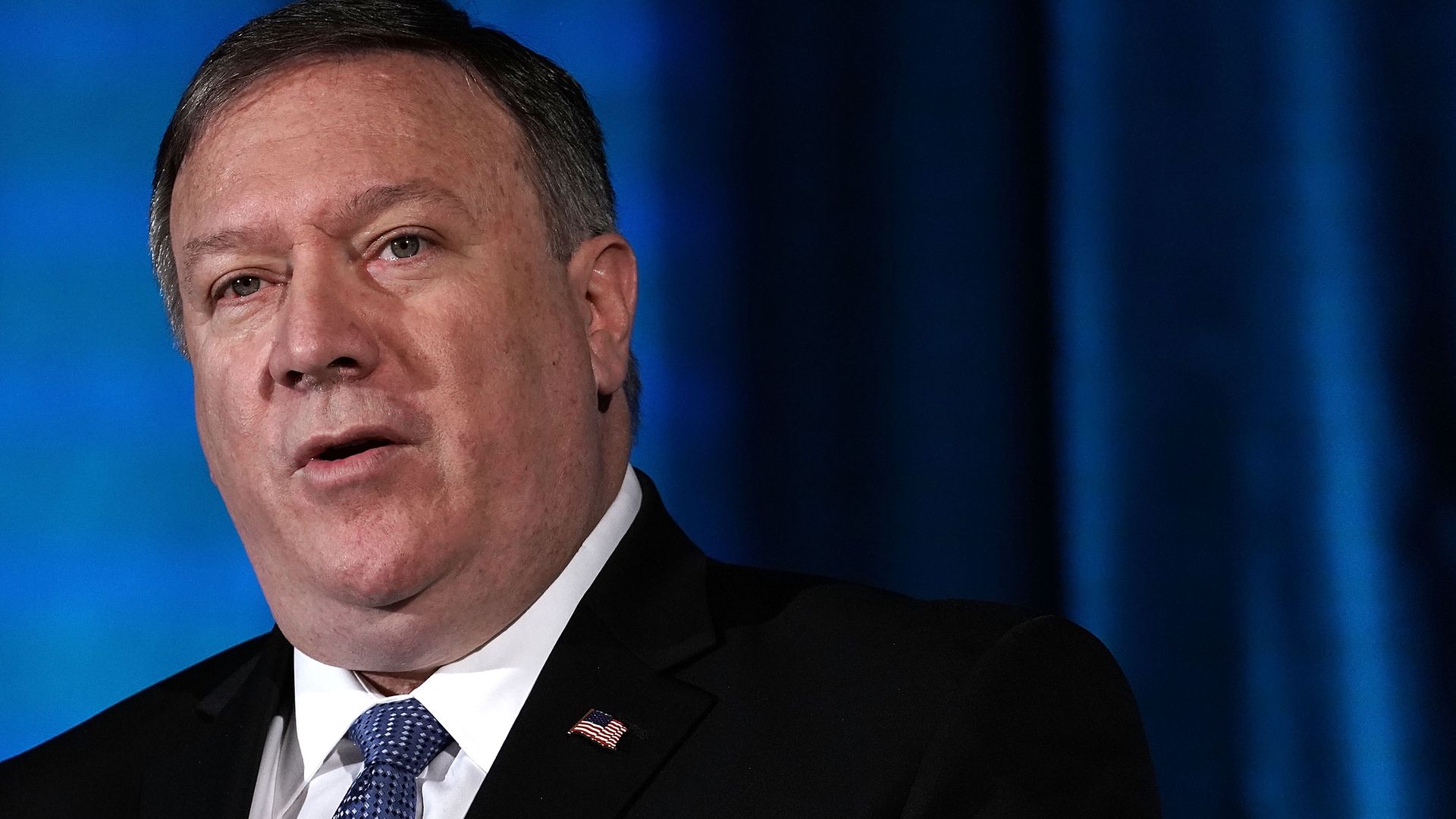
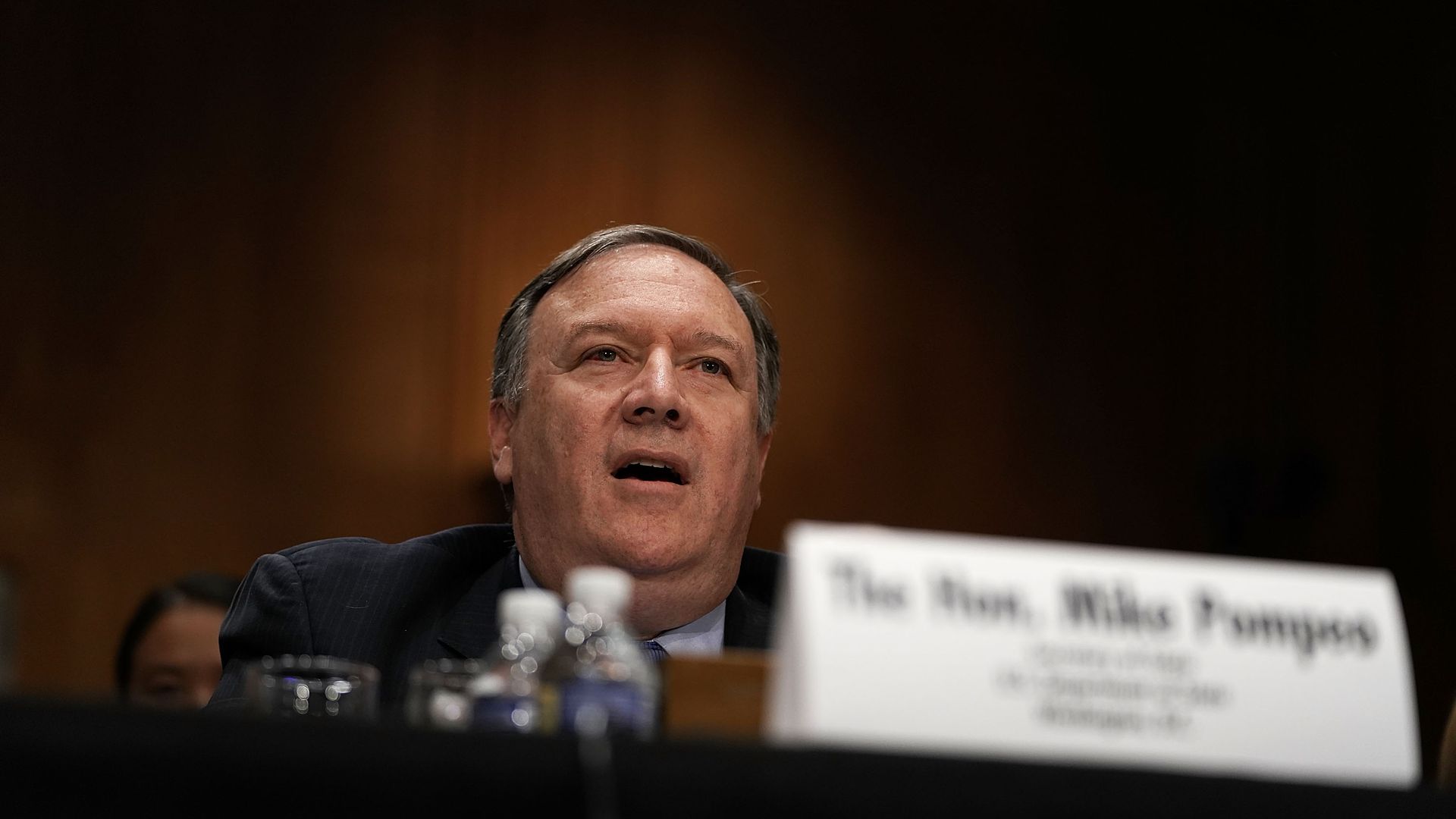
Secretary of State Mike Pompeo warned countries — specifically Russia — of violating international sanctions against North Korea, saying offenses would be taken "very seriously" by the U.S.
The big picture: North Korea hasn't yet denuclearized, which was the primary goal of Kim Jong-un and President Trump's June summit. Speaking at the 51st ASEAN Foreign Ministers' Meeting, Pompeo said he is "optimistic" that North Korea will ultimately denuclearize, but other countries, like Russia and China, violating sanctions against them, could lift the pressure pushing North Korea to rid its nuclear arsenal.
All 18 people aboard a Russian helicopter on Saturday were killed after it crashed in Siberia, just after takeoff, the Associated Press reports.
The details: The Mi-8 helicopter crashed into a "load being carried by another helicopter" which had taken off at the same location, according to the AP. This isn't the first of it's kind — in February, 71 people were killed in a regional jet crash shortly after takeoff from a Moscow airport.
For the past month, Axios has been interviewing people trusted with the nation’s most sensitive secrets. We wanted to know, in this time of acute geopolitical stress, which global threat worried them most, and which threats they thought weren’t getting the attention they deserved.
When we asked America’s foremost intelligence experts what keeps them up at night, one response came up over and over again: the risk of a crippling cyberattack.
The big picture: Homeland Security Secretary Kirstjen Nielsen said this week that the U.S. is in "crisis mode," comparing the danger of a massive attack to a Category 5 hurricane looming on the horizon. Intelligence chiefs from the last three administrations agree, and told Axios there is no graver threat to the United States.
Russian aggression and the rise of China are among the biggest foreign policy concerns Americans face. In many countries, though, the world power seen as most threatening is the United States.
The big picture: Views of the U.S. and its leadership are in sharp decline around the world — particularly among America's closest allies.
Several countries have the military and cyber tools to harm America. Some may even have the will to use them.
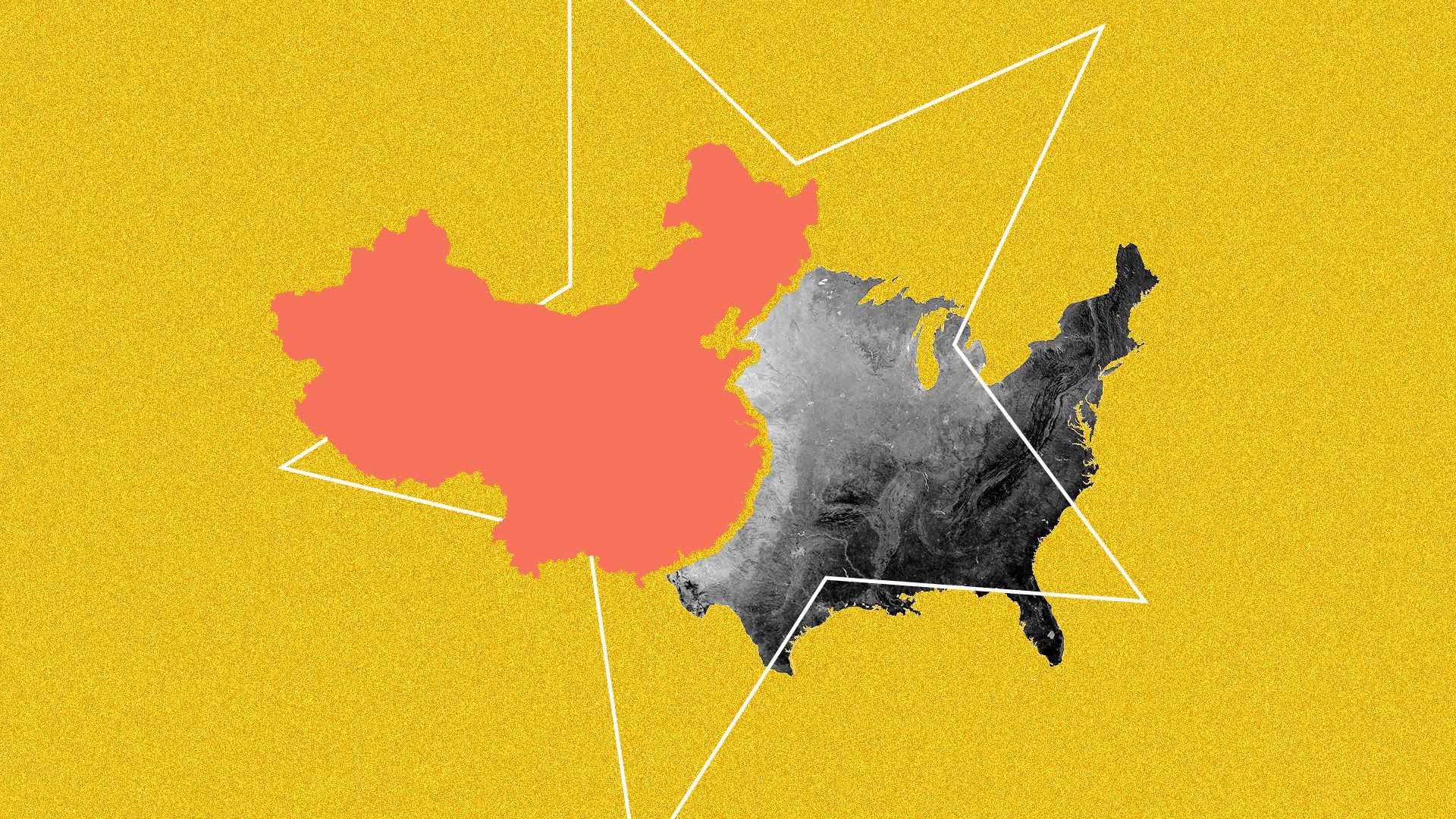
But as former acting CIA director John McLaughlin puts it, "China is the one country that is clearly challenging the United States for global supremacy... Its challenge ranges across a wide field of power dynamics — from cyber to economics, to science and the military."
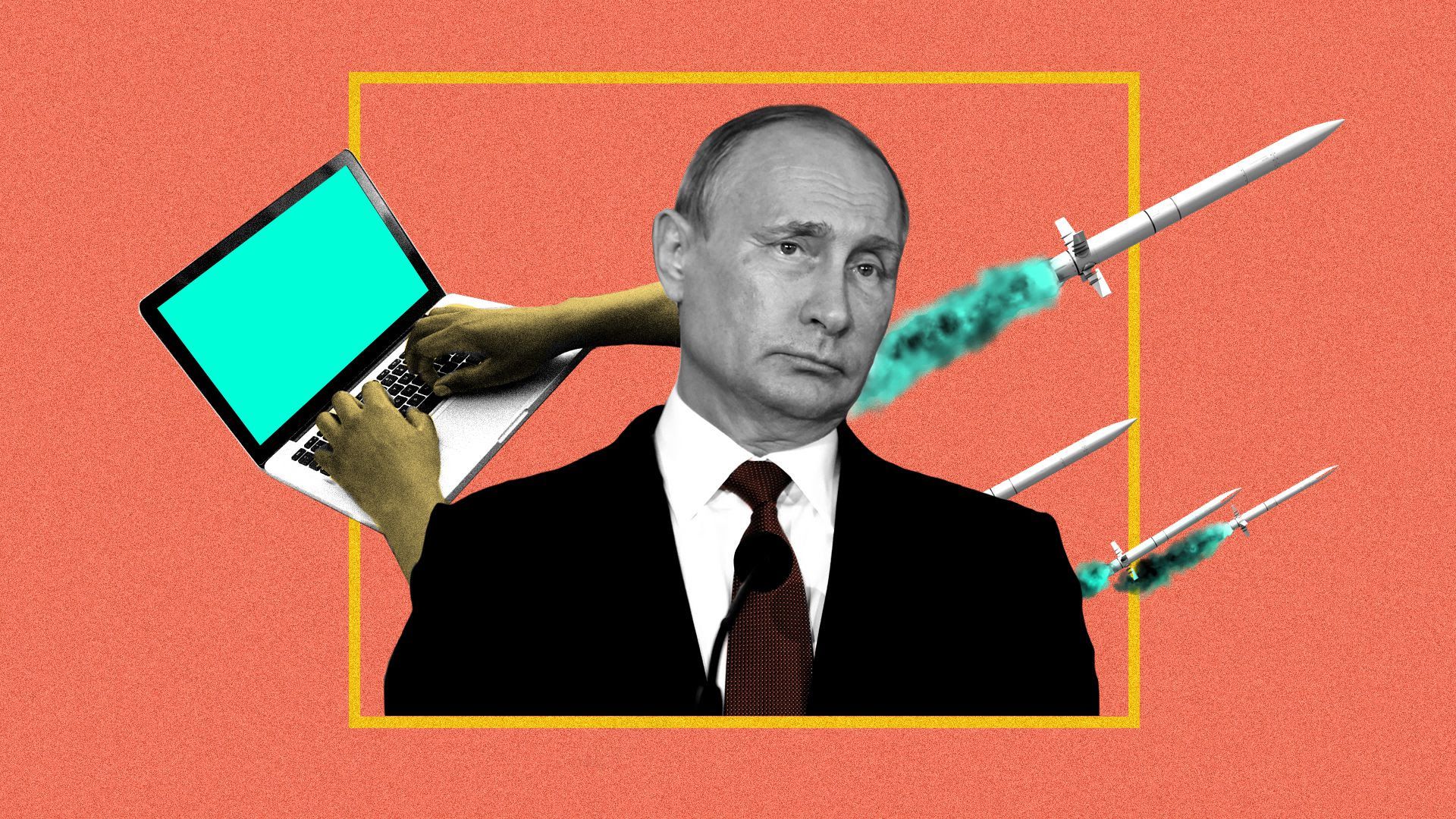
James Clapper, director of national intelligence under President Obama, says Russia is "the most pressing near-term threat to the U.S., for two reasons: its aggressive information operations campaign to undermine our basic system, and the modernization of its strategic nuclear arsenal."
Clapper told Axios in a recent interview that Russia is "bent on undermining our system any way they can," and will be as long as Vladimir Putin remains in power.
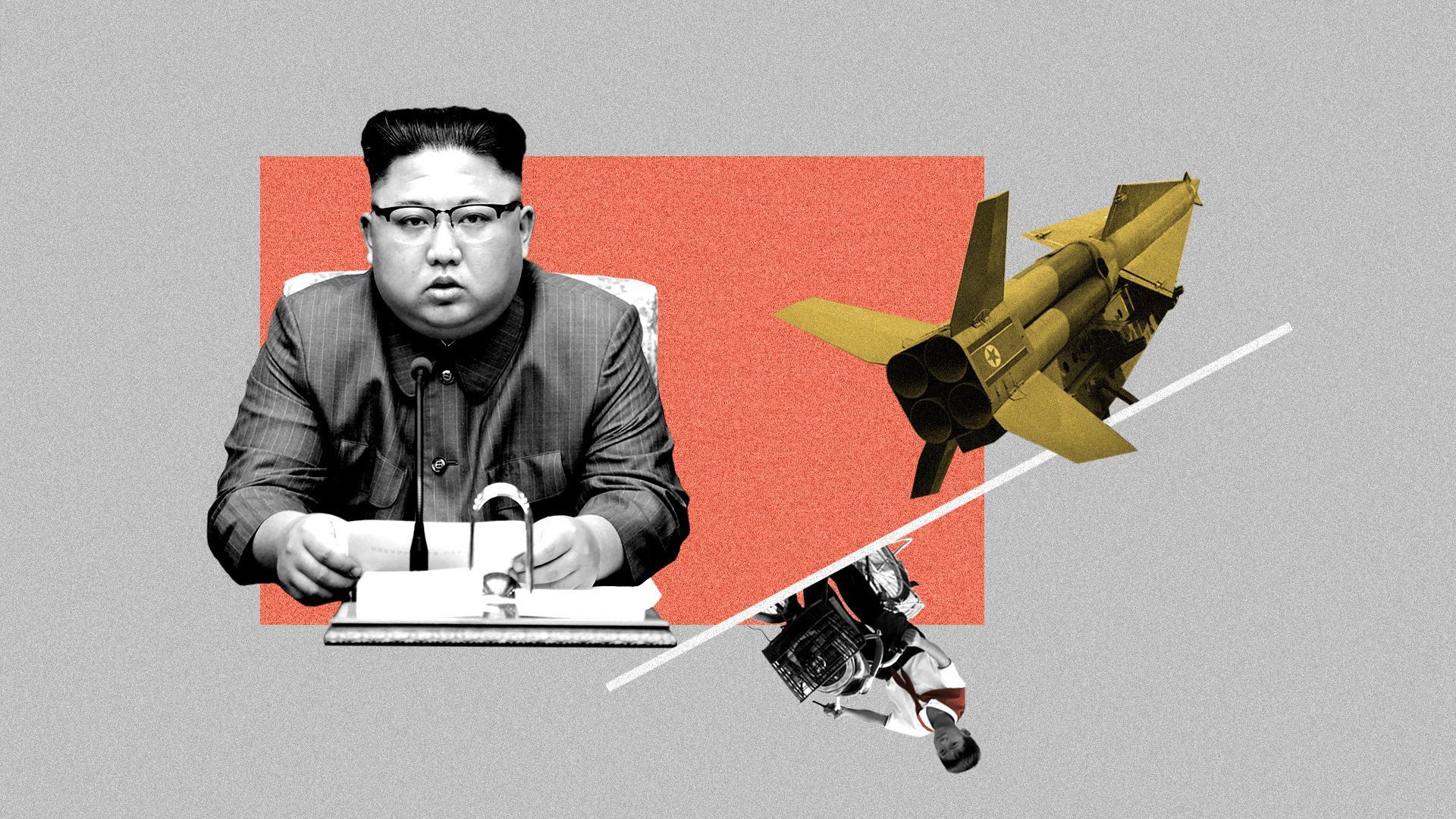
One year after President Trump's threats of "fire and fury," none of the experts we consulted cited North Korea as the top threat to national security.
Yes, but: While the imminent prospect of a missile exchange has subsided, things may not stay quiet for long. Bruce Klingner, the CIA's former deputy division chief for Korea, says the best estimates are that North Korea has 30 or more nuclear weapons and hundreds of missiles, plus biological and chemical weapons.
The Pentagon gave Fox News a first look at military-issued items returned among the 55 boxes of remains brought back from North Korea this week. Dog tags, mess kits, helmets, canteens and boots are among the items being reviewed in addition to human remains.
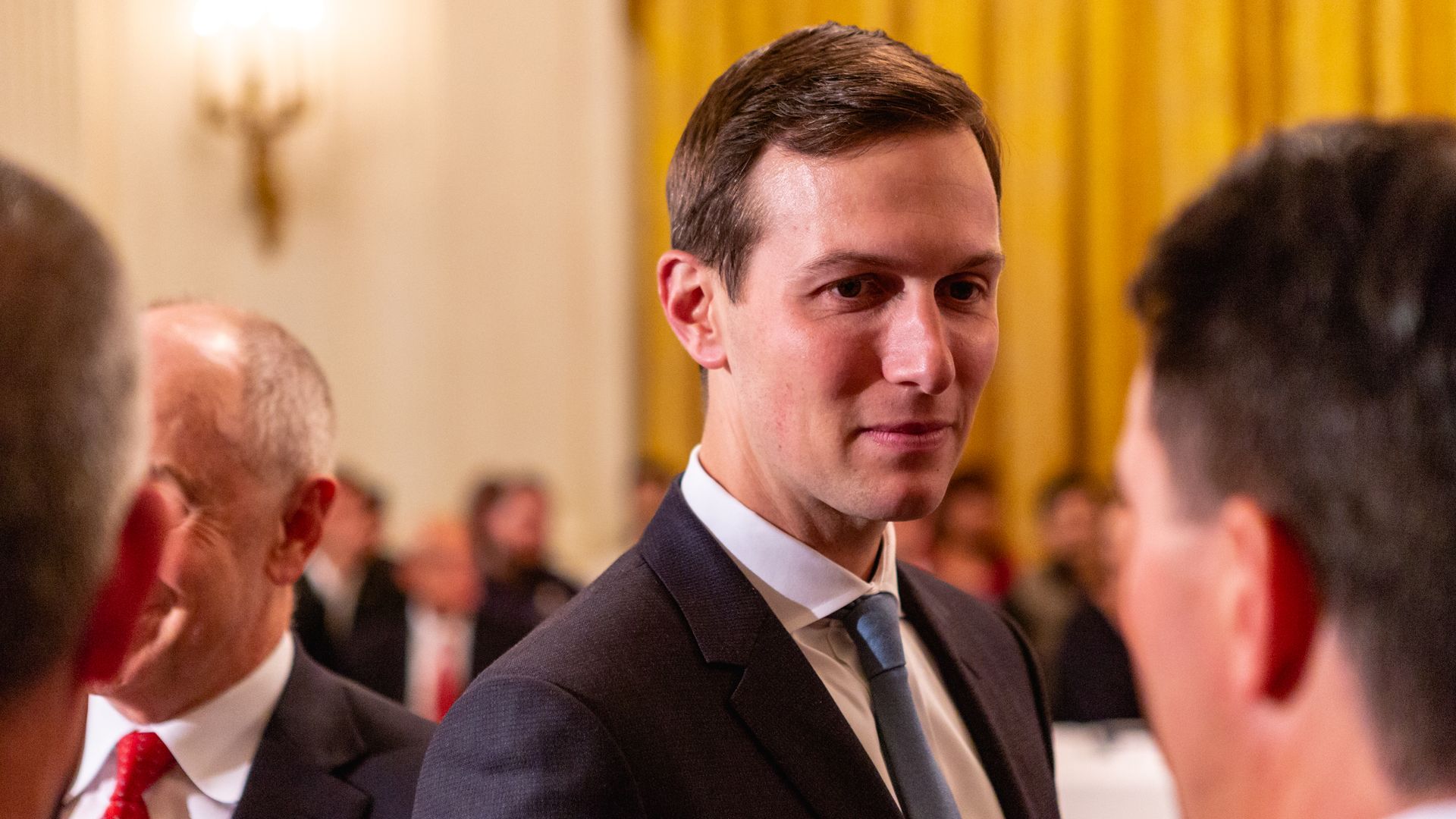
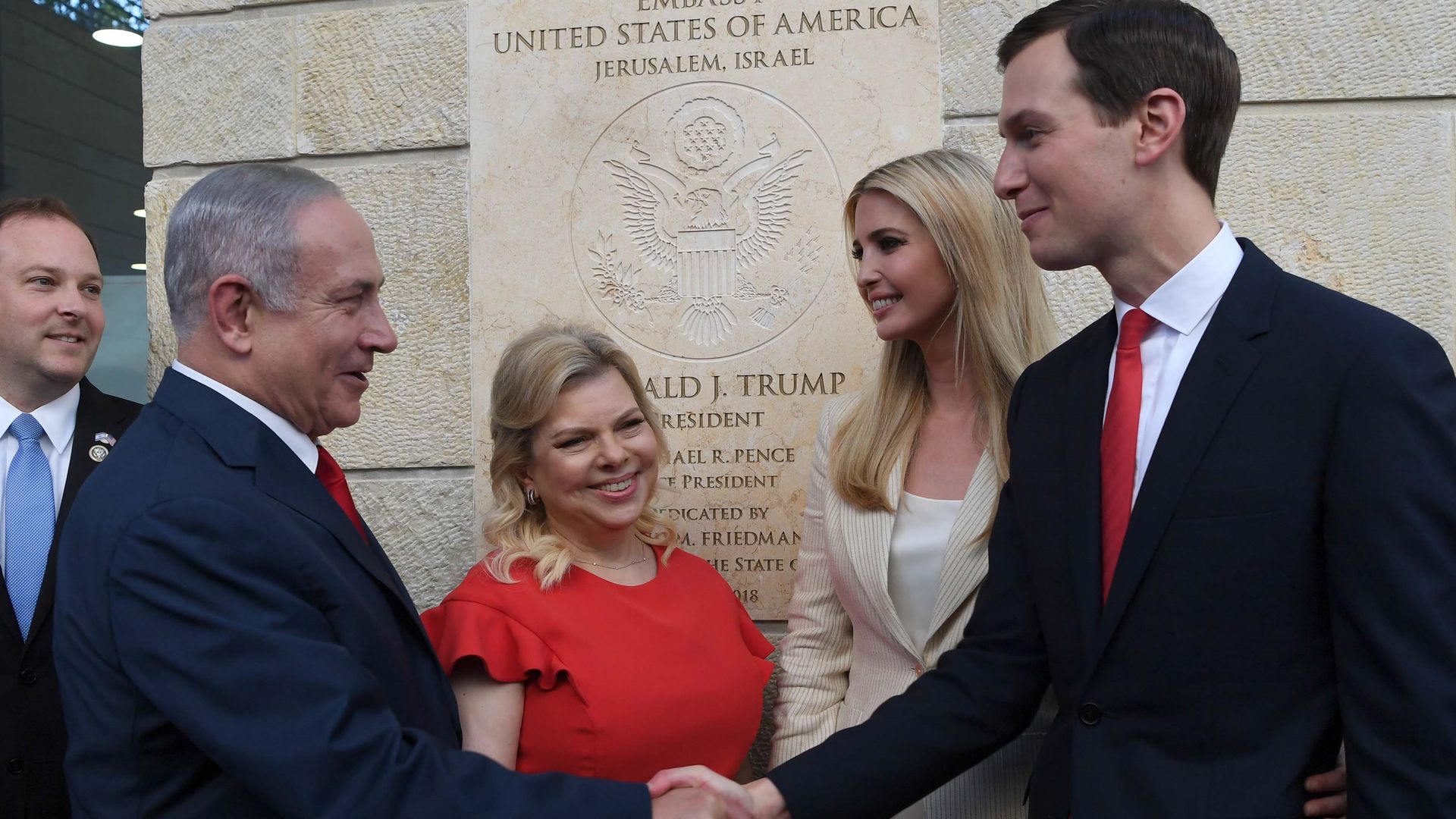
Jared Kushner and others in the Trump administration have sought to eliminate the UN Relief and Works Agency for Palestine Refugees in the Near East (UNRWA), which has provided relief to millions of Palestinian refugees displaced by the establishment of Israel in 1949, reports Foreign Policy.
The big picture: The U.S. has provided funding for UNRWA for nearly 70 years, but many in the pro-Israel camp believe its existence perpetuates the notion that Palestinian refugees will one day return. Eliminating the agency would strip millions of Palestinians of refugee status.
Secretary of State Mike Pompeo said on Friday there is "a ways to go" before North Korea is denuclearized, explaining that "to the extent they are behaving in a manner inconsistent with that, they are in violation of one or both the U.N. Security Council resolutions," Reuters reports.
Why it matters: President Trump thanked North Korean leader Kim Jong-un this week for "keeping your word" after remains of U.S. soldiers from the Korean War arrived. But per Pompeo, the reclusive nation is still far from completing its commitment to denuclearize. "Chairman Kim made a commitment to denuclearize. The world demanded that they do so in the U.N. Security Council resolutions... we can see we still have a ways to go to achieve the ultimate outcome we're looking for."
"U.S. officials say the Trump administration is staffing up a Middle East policy team at the White House in anticipation of unveiling its long awaited but largely mysterious Israeli-Palestinian peace plan," AP's Matt Lee and Zeke Miller report.
The big picture: Trump's "peace team" is being boycotted by Palestinian leadership over the U.S. embassy moving to Jerusalem. Senior U.S. officials previously told Axios contributor Barak Ravid the peace plan won't be biased in favor of Israel.
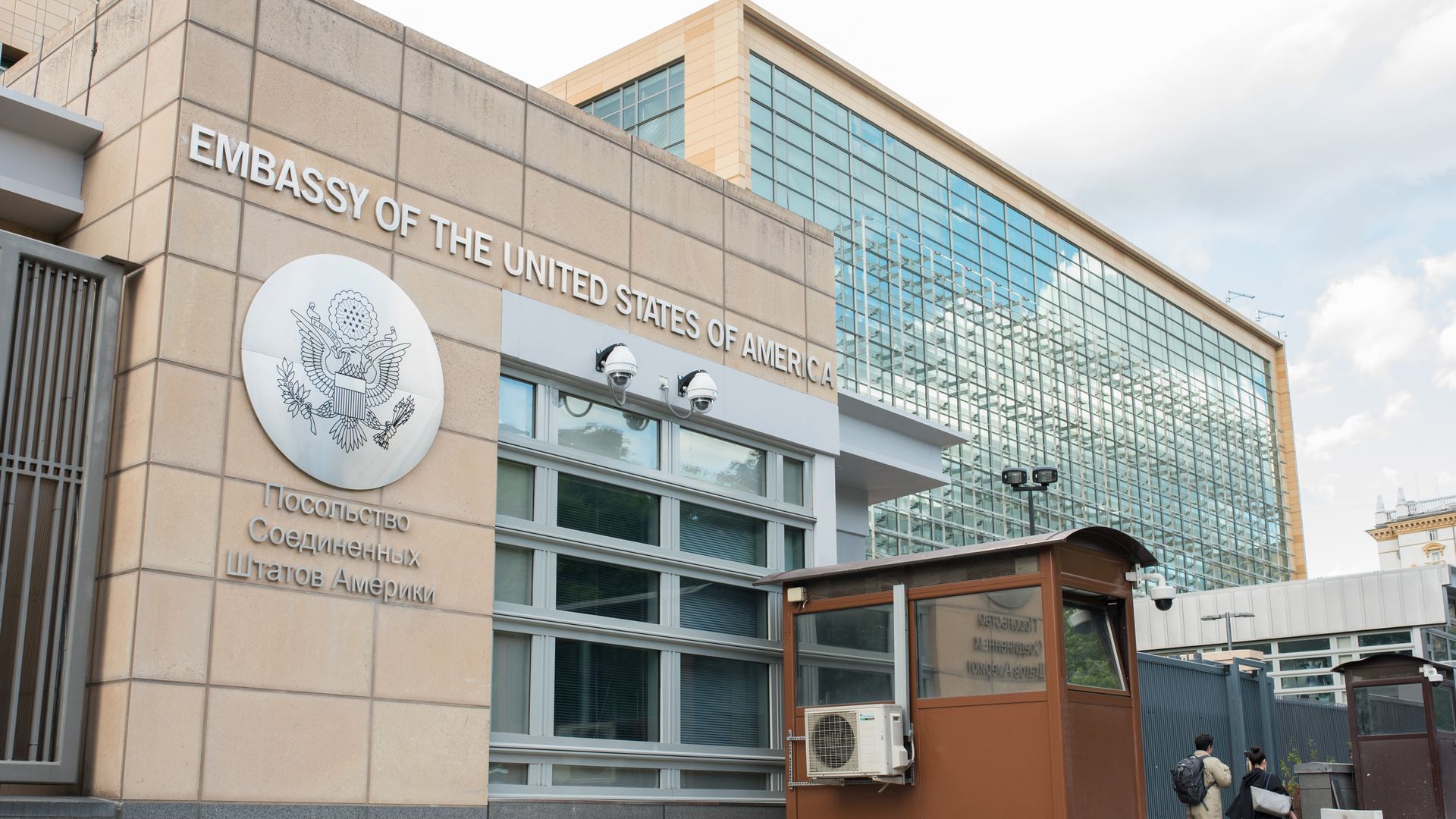
A Russian national employed by the U.S. State Department, and through her position worked with the U.S. Secret Service, has been accused of being a Russian spy working in the U.S. embassy in Moscow undetected for about 10 years.
The details: According to the Guardian who broke the story, the Russian national had triggered warnings of U.S. intelligence in 2016 during a standard State Department security sweep when they found she regularly had "unauthorized meetings with members of the FSB, Russia’s principal security agency," which prompted State to revoke her security clearance. U.S. security agencies say she did not have access to classified information.