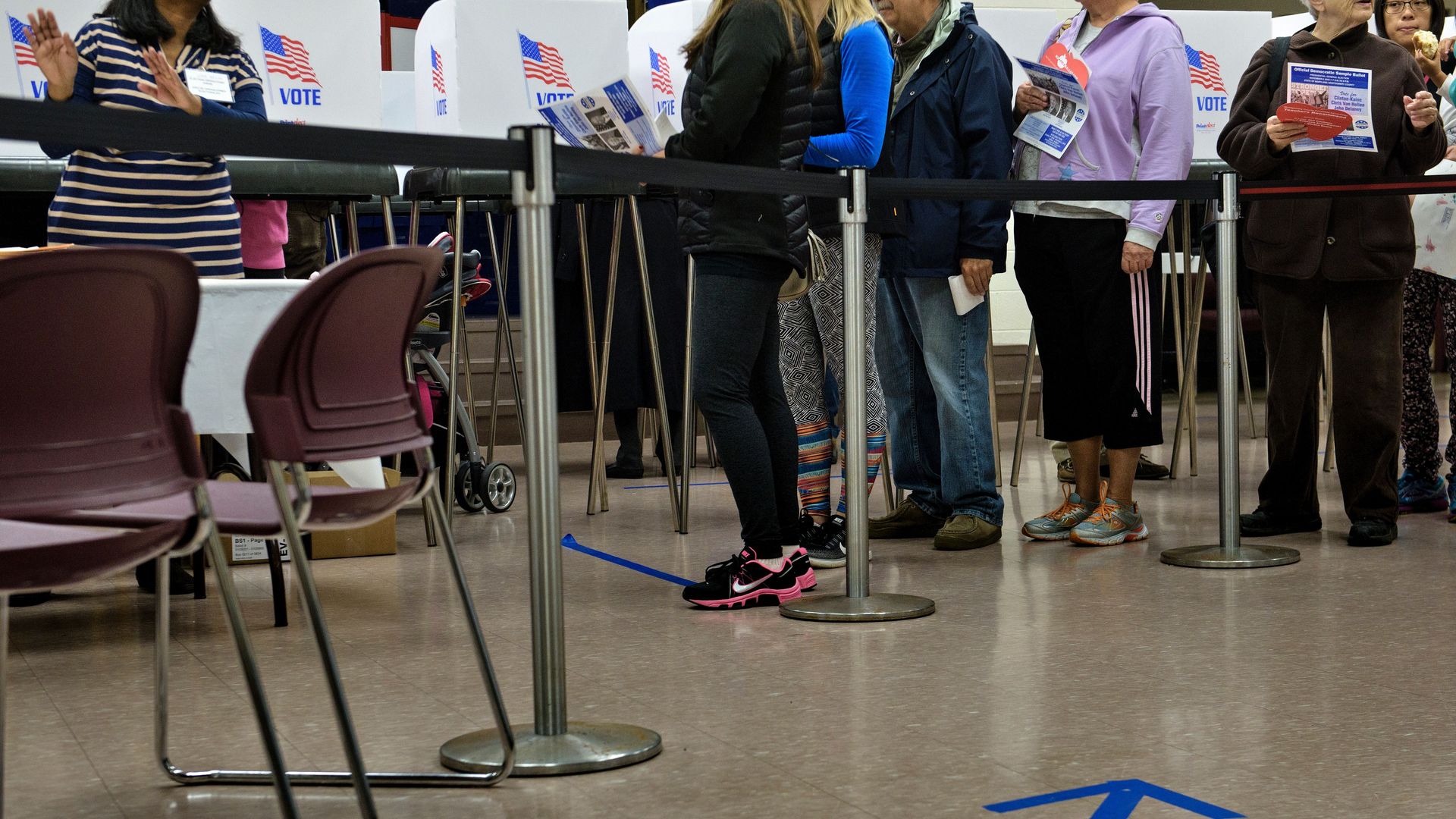
We knew that Russians previously targeted more than 20 states' voter registration databases, and likely targeted all 50. Now we know the complexity behind how 12 Russian military officers interfered in the U.S. elections thanks to a federal grand jury indictment released Friday.
The big picture: The information in this indictment will be vastly important for those trying to bolster election security and monitoring, and learning what to train for in basic cyber hygiene practices — which is especially important since we know Russia is likely to try interfering again.
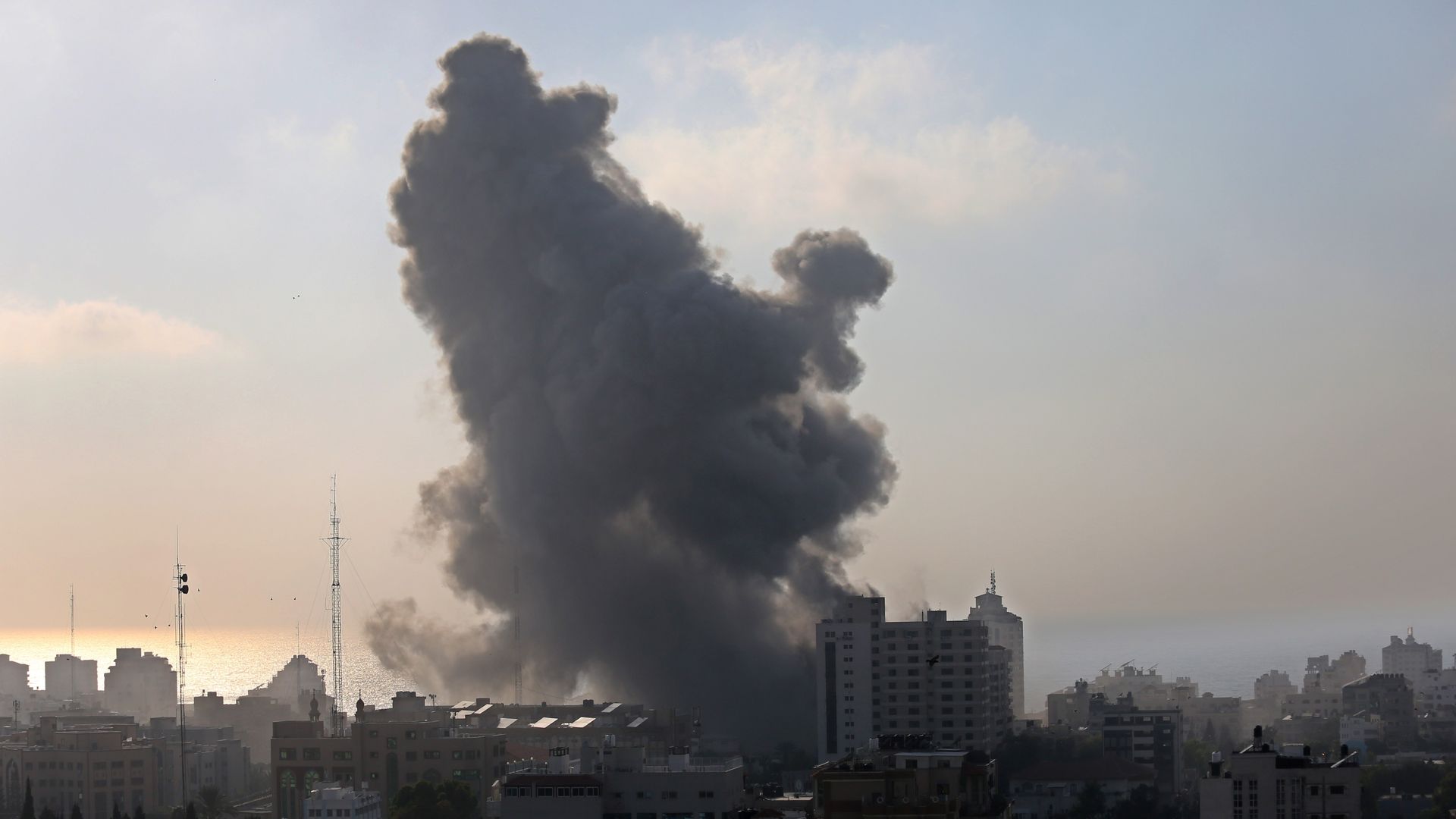
Hamas agreed to a cease fire on Saturday ending the violence between Israel and Palestinian militants after they entered into a heated battle with tensions boiling over from Friday when Israeli soldiers killed a Palestinian teenager on the Gaza border during protests, reports AFP.
The big picture: This is the biggest conflict between the two sides since 2014. Israel retaliated with an air strike, killing two civilian teenagers and injuring locals, as Palestinians forces fired rockets into Southern Israel.
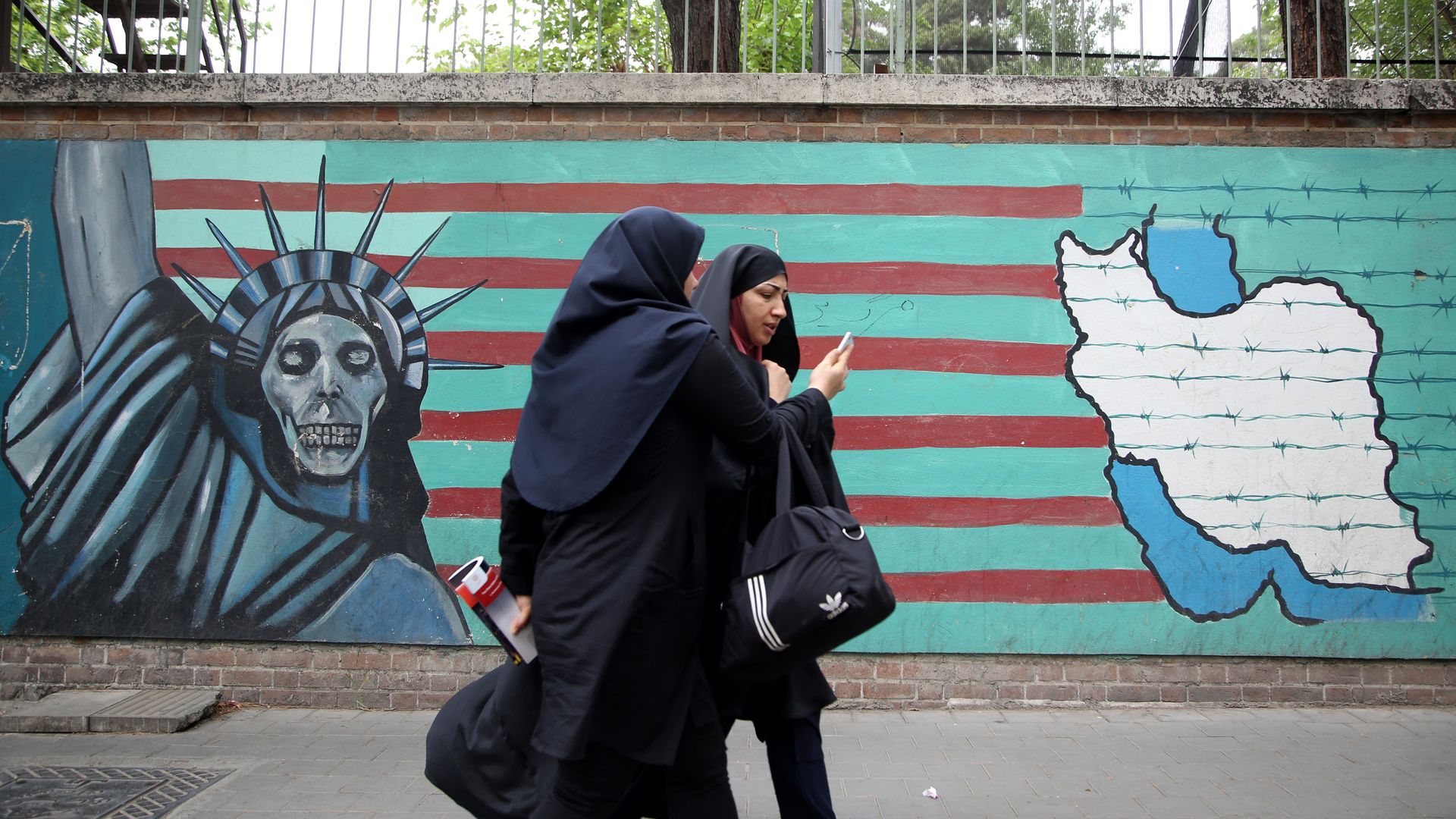
The Trump administration has rejected a joint request from France, Germany and the UK to exempt their companies that do business with Iran from U.S. sanctions, reports NBC, citing U.S. officials.
Why it matters: Europe stands to lose the most from U.S. sanctions as President Trump withdraws from the Iran deal. China and Russia, on the other hand, are positioned to benefit by skirting sanctions. The U.S. will only offer limited exemptions for human rights and national security reasons, Secretary of State Mike Pompeo and Treasury Secretary Steven Mnuchin told European allies.
Just like the U.S. tech industry, Chinese companies such as Alibaba and Xiaomi are racing to develop voice-command tech and put smart speakers in every home, according to a recent report from CB Insights.
Bottom line: "Cheaper speakers from Chinese companies could increasingly threaten big tech companies in the U.S. that are working on hardware, forcing them to focus on AI software development," writes CB Insights.
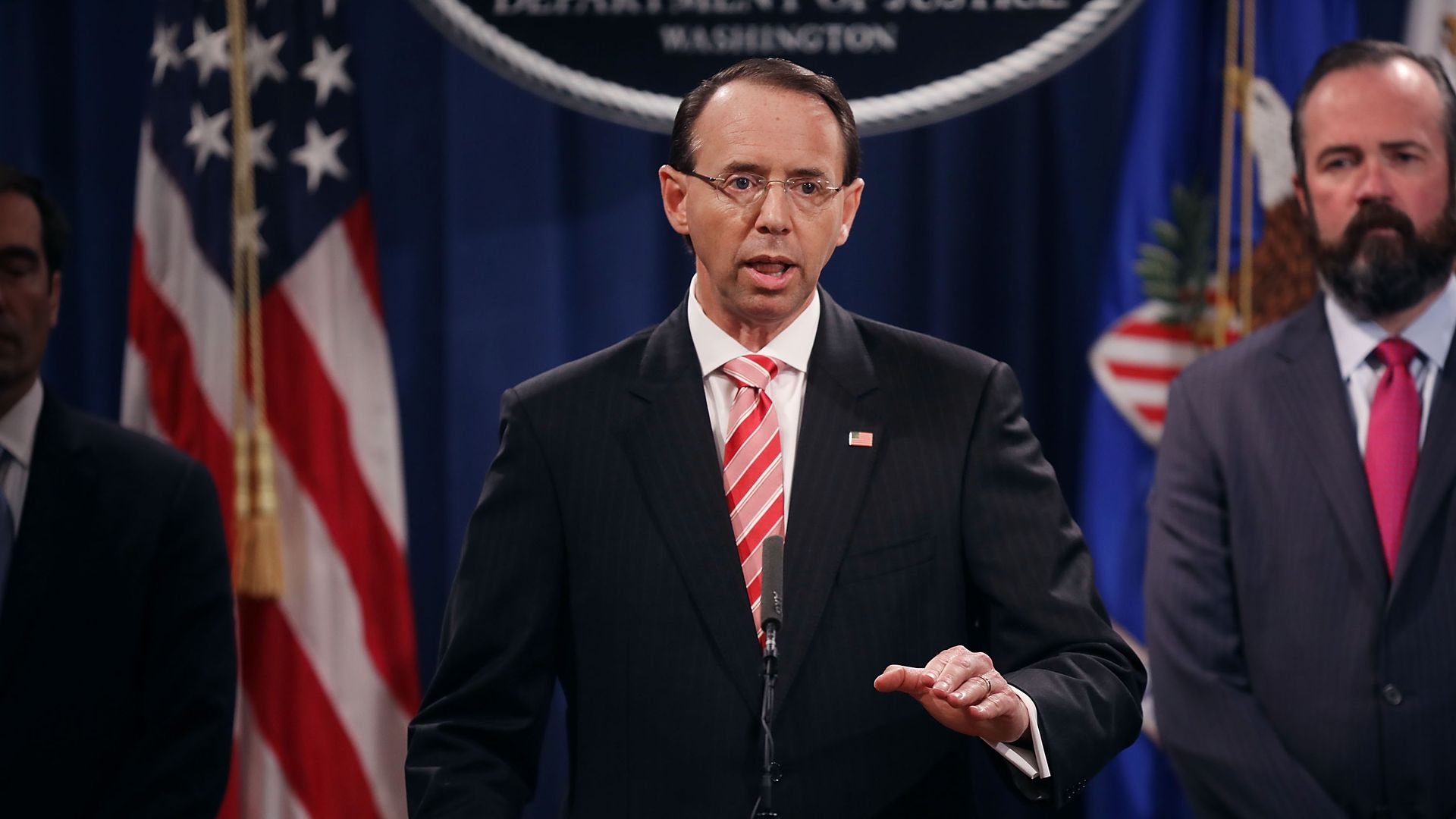
As Deputy Attorney General Rod Rosenstein announced the latest indictments in the Mueller investigation, Director of National Intelligence Dan Coats compared the cyber threats posed by Russia to terror threats ahead of 9/11.
The warning lights are blinking red again. Today, the digital infrastructure that serves this country is literally under attack.
— DNI Dan Coats speaking at The Hudson Institute
Timing: Coats' Friday comments come right before President Trump meets with Russian President Vladimir Putin in Helsinki. Trump has said he plans to raise election meddling in the meeting.
The FBI told Maryland officials that ByteGrid LLC — the election system Maryland uses to handle statewide voter registration, online ballot delivery and more — has ties to a Russian oligarch, reports the Washington Post.
The big picture: States are working to secure their election systems in anticipation of cyber attacks by Russia or other foreign actors ahead of this year's midterms, but each state runs its own system — and there remain vulnerabilities across the board.
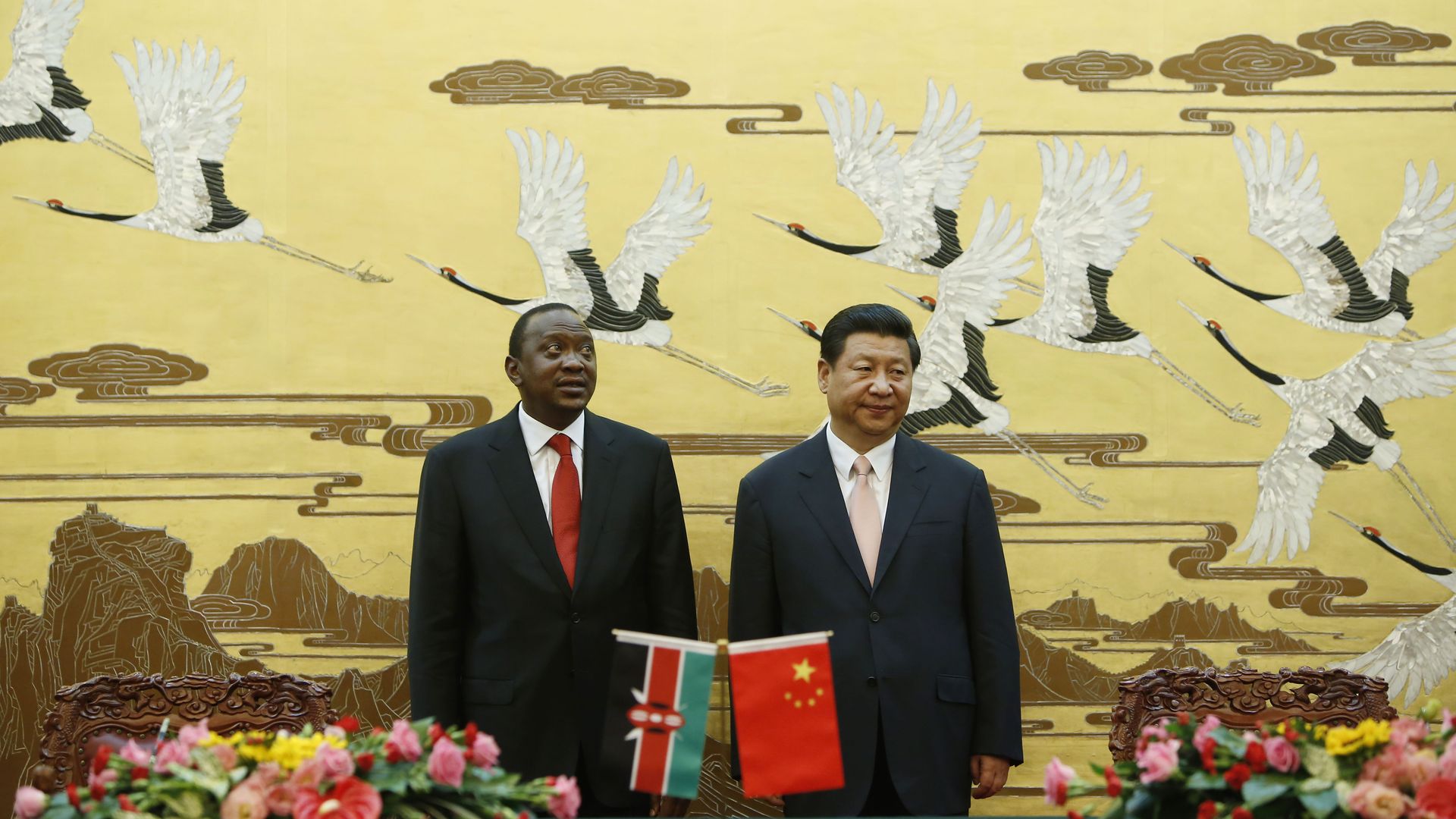
Why it matters: Kenya is one example of China's larger strategy to win influence across the world. Beijing accrues massive amounts of a smaller, poorer country's external debt by offering funding for infrastructure projects, then leverages that debt for influence in trade, domestic politics and beyond.
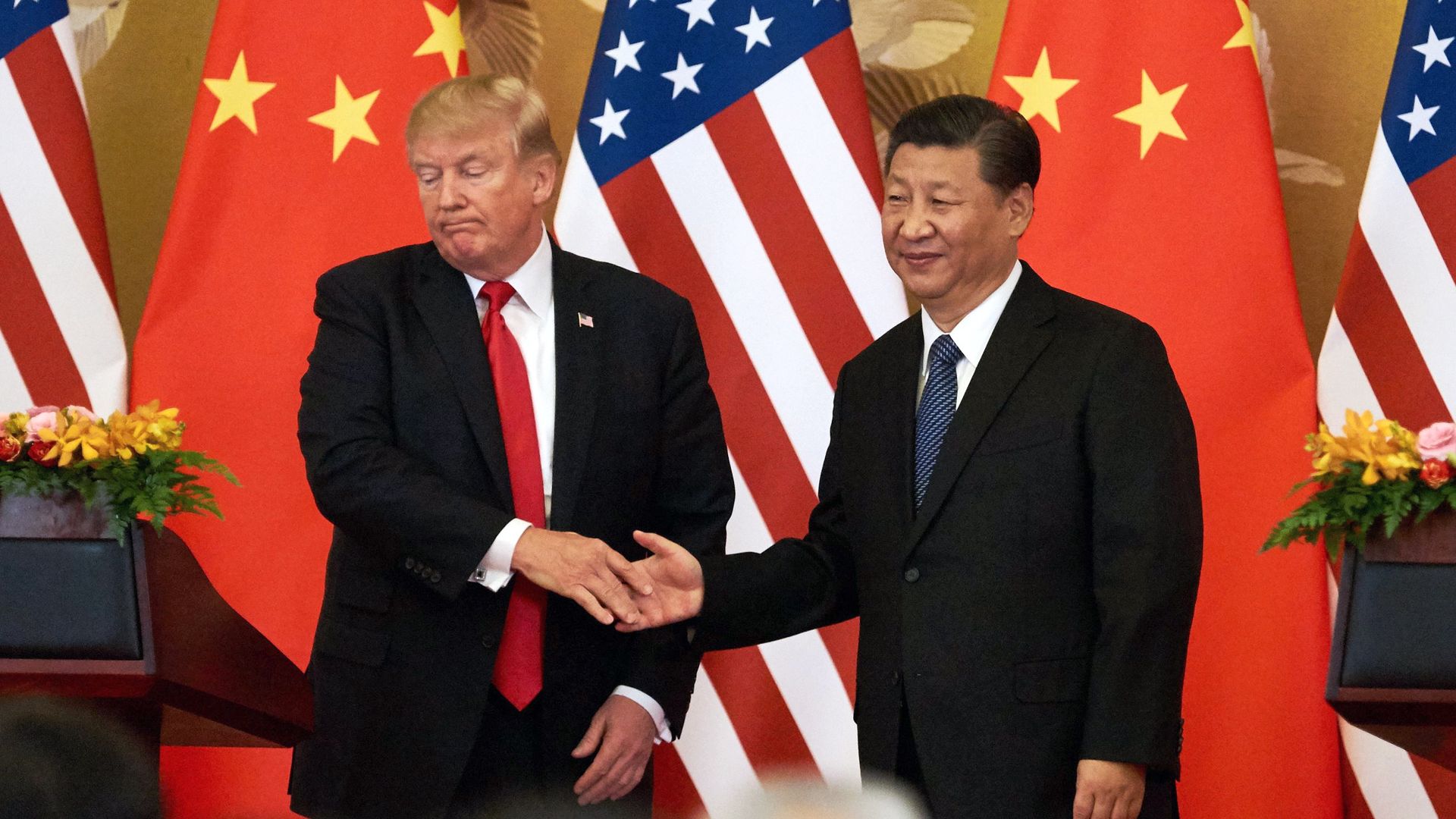
Trump is battling trade on at least three fronts: a ballooning conflict with China, disputes over metals and autos that are infuriating allies like Japan and the EU, and combative NAFTA negotiations with Mexico and Canada.
Between the lines: New data from Gallup indicates that Trump's base is buying what he's selling, and the GOP is now the more skeptical party when it comes to international trade.
The backdrop: GOP members have been planning on removing Rosenstein "for weeks" behind the slow pace of their probe against FBI agents. Rep. Mark Meadows had an impeachment document ready at the moment Rosenstein spoke to reporters on Friday, the report says, but it's unclear when it will be formally introduced, or the level of support it would get from fellow Republicans.
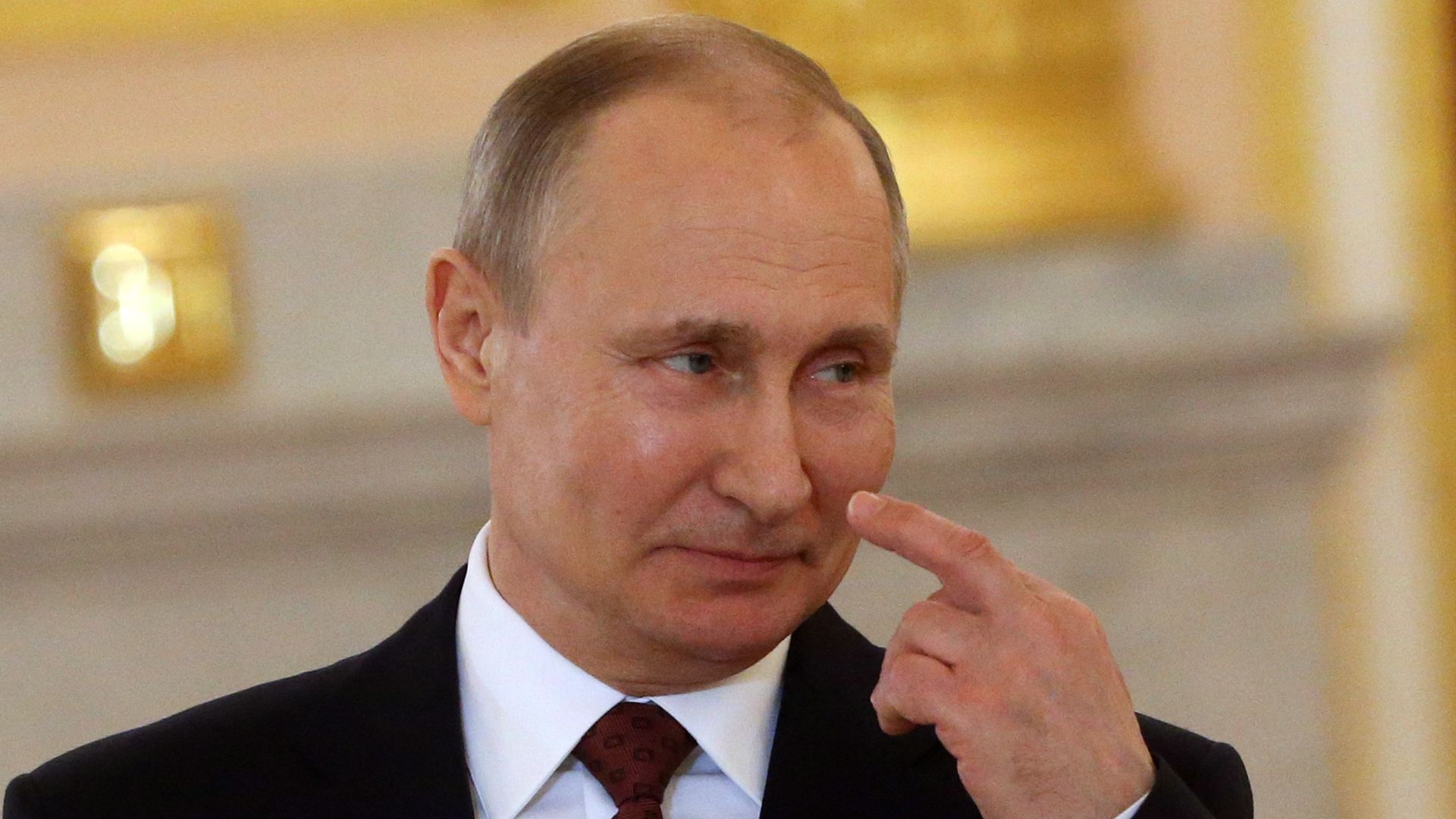
A federal grand jury has indicted 12 Russian military officers working for the Russian intelligence directorate — known as the GRU — for running an active cyber operation in 2016 to steal and disseminate information with the intent to interfere in the U.S. election.
Why it matters: These are the first charges from the Mueller probe that directly accuse the Russian government of meddling in the 2016 election, and come just days before President Trump is set to have a one-on-one with Russian President Vladimir Putin.
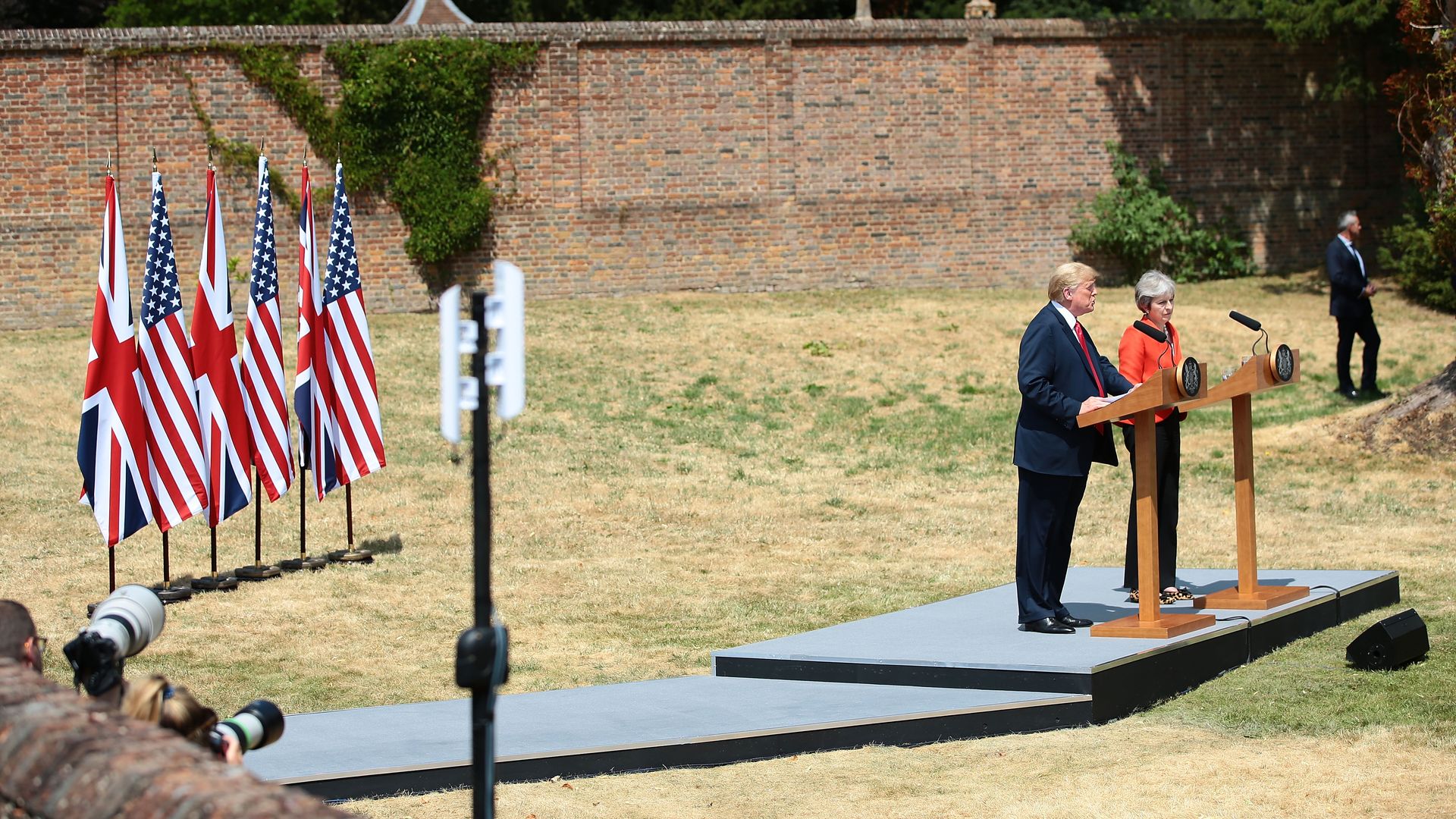
President Trump, speaking at a joint press conference with U.K. Prime Minister Theresa May Friday, dismissed the notion that his repeated criticism of NATO countries will help boost Russian President Vladimir Putin's position ahead of their upcoming meeting in Helsinki on Monday, adding that the U.S. has "been far tougher on Russia than anybody."
Axios’ Jonathan Swan emails from Chequers: Trump “has still not been specific about what he wants to achieve from his meeting with Putin. I asked Trump to tell us the three or four things he wanted to achieve from his meeting with Putin and he just listed topic areas — ‘Ukraine,’ ‘Syria,’ ‘non-proliferation,’ etc. A senior European official told me that when he tried to get an agenda or even goals for the meeting the White House response was very vague.”
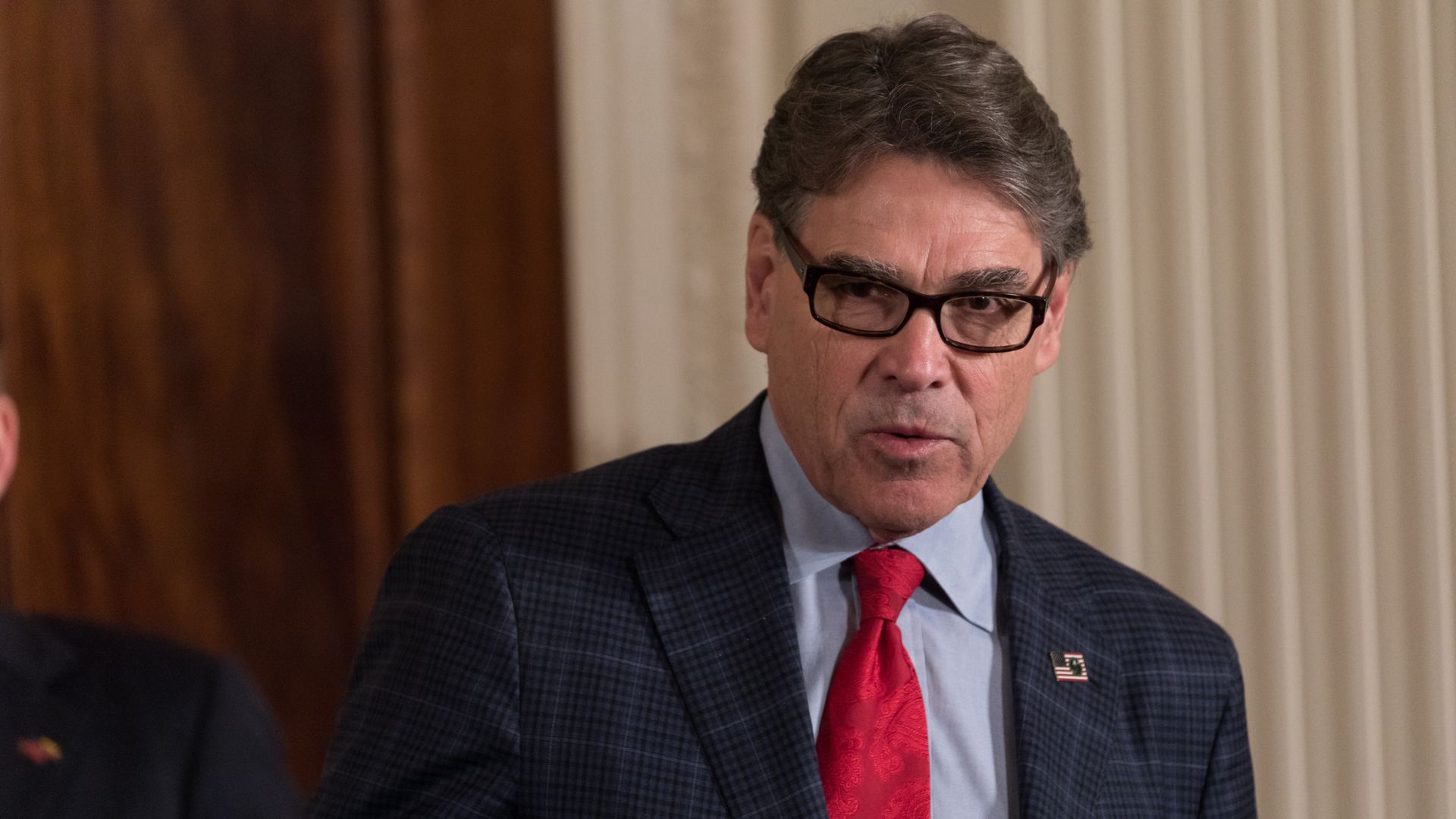
Energy Secretary Rick Perry, who's in Brussels, discussed U.S. opposition to Russia's proposed Nord Stream II natural gas pipeline into Germany. After meeting with EU energy officials, Perry fielded a press question about whether the project would come up in President Trump's July 16 meeting with Putin.
"The president, he is pretty straightforward about what he believes, and he thinks Nord Stream 2 is not in the European Union's best interest, and my bet is he'll be more than happy to tell President Putin that straight to his face."
— Rick Perry
Yes, but: While the U.S. opposes the project, Perry strongly downplayed the prospect of sanctions against European companies working on the long-proposed pipeline.